Spoke to Jim Mederer the engine builder
today and got some HP numbers at a couple
of engine RPMs. 600 HP at 6000 RPM. 650 HP
at 8500 RPM. 8500 RPM is 2833 prop RPM.
Not likely with an 84 inch prop
diameter. Lets assume it is 6000
engine RPM and 2000 prop RPM.
The actual numbers will be some where
between these two.
HP = Torque x RPM ÷ 5252
5252 x HP = Tor x RPM
5252 x HP = 3151200
3151200/ 6000 = 525.2 foot pounds of torque.
We have a 3:1 gear box so prop torque
is 1575 foot pounds.
Running the engine up on the ground assuming
a 10 foot distance between the main tires
157 pounds off one tire and 157 pounds
on the other.
Assume for the moment the weight is
1000 pounds. One tire has 657 pounds
on it and the other only 343 pounds.
With the right set of scales one can
measure the torque with this method and work
back to get the HP if the engine RPM is known.
Assuming the centre of lift on the wings
is 15 feet apart that is 105 pounds up
one wing and 105 pounds down on the other.
the dynamic pressure at 50 MPH is 6.5 pounds
per square foot. The cord is about 4 feet
and the wing is about 10 feet long. So the
wing area is about 40 square feet each wing.
Lift is wing area times dynamic pressure
times lift coef.
To get off the ground at 50 MPH we need
1000 pounds of lift total.
1000 = 6.5 x 80 x Lift-Coef.
6.5 x 80 is 520.
1000 / 520 = 1.9 for the Lift-Coef.
Not likely so we are going to need
more speed to get off the ground.
Dynamic pressure at 60 MPH is 9.36
So 1000 = 9.36 x 80 x Lift-Coef
9.36 x 80 is 748
So 1000/748 is 1.3 for the Lift-Coef.
Possibly.
Now we need 105 pounds more lift on one wing
and 105 pounds less on the other.
No torque we got 500 pounds on each
wing.
With torque we have 600 pounds on one
wing and 400 pounds on the other.
We need a lift coef of 1.56 on one
wing. Not likely to happen so we cannot
lift it off at 60 MPH. My guess is at least
70 MPH and maybe 75 MPH would be safe.
Not too serious as this thing is going
to accelerate like it was shot out of a cannon :-)
It is all going to happen in a very few seconds.
These are rough calculations so one can
get a feel for the take off problem.
Check my logic and math as I have been known
to make mistakes.
Paul Lamar
How far outboard of the wing root are the RV8 wing fuel tanks, maybe
fill up one side more, the other less to compensate somewhat, might buy
you a few mph less.
Alex Molteno
That would sure help if we were running gasoline in the stock tanks.
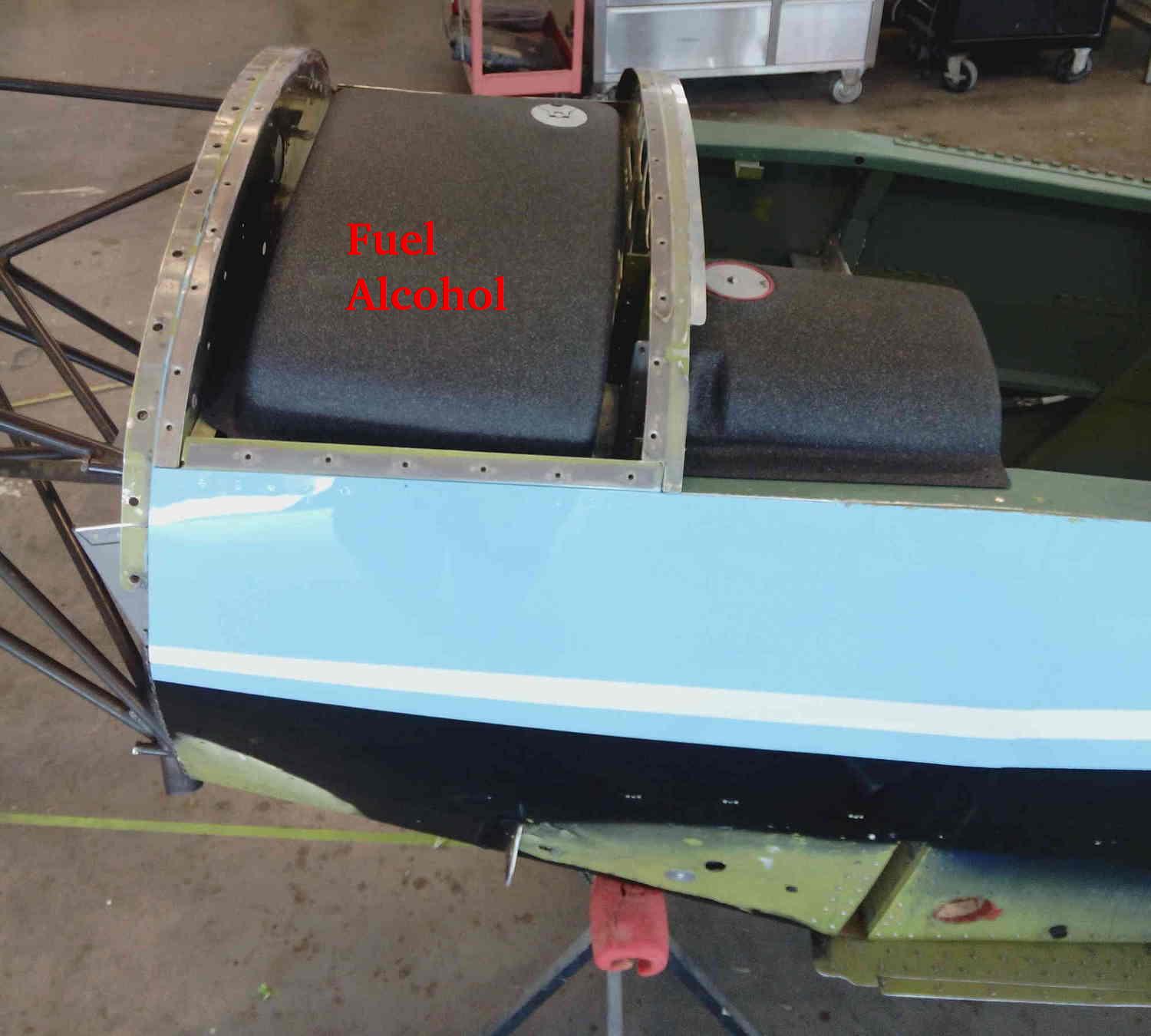
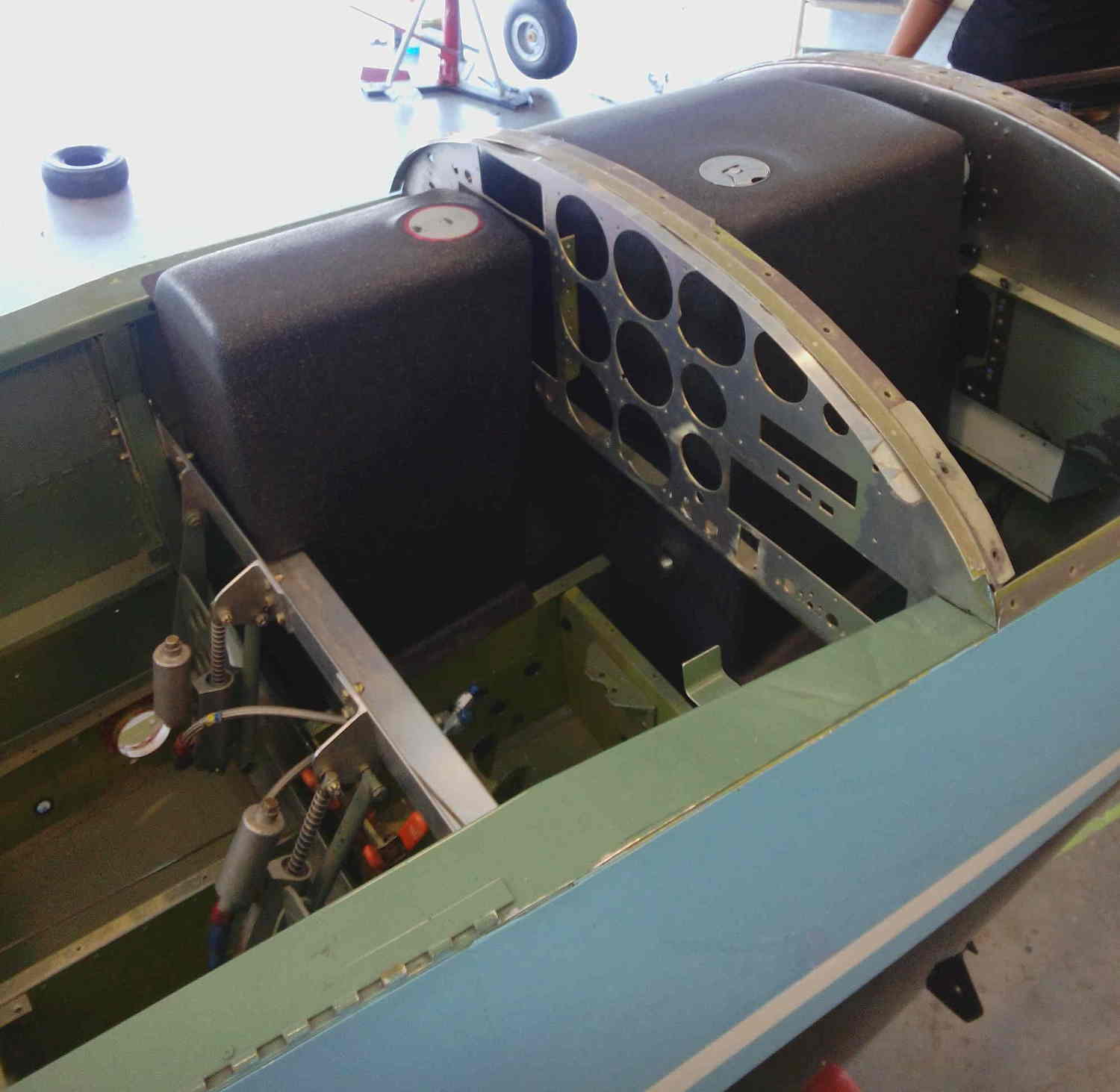
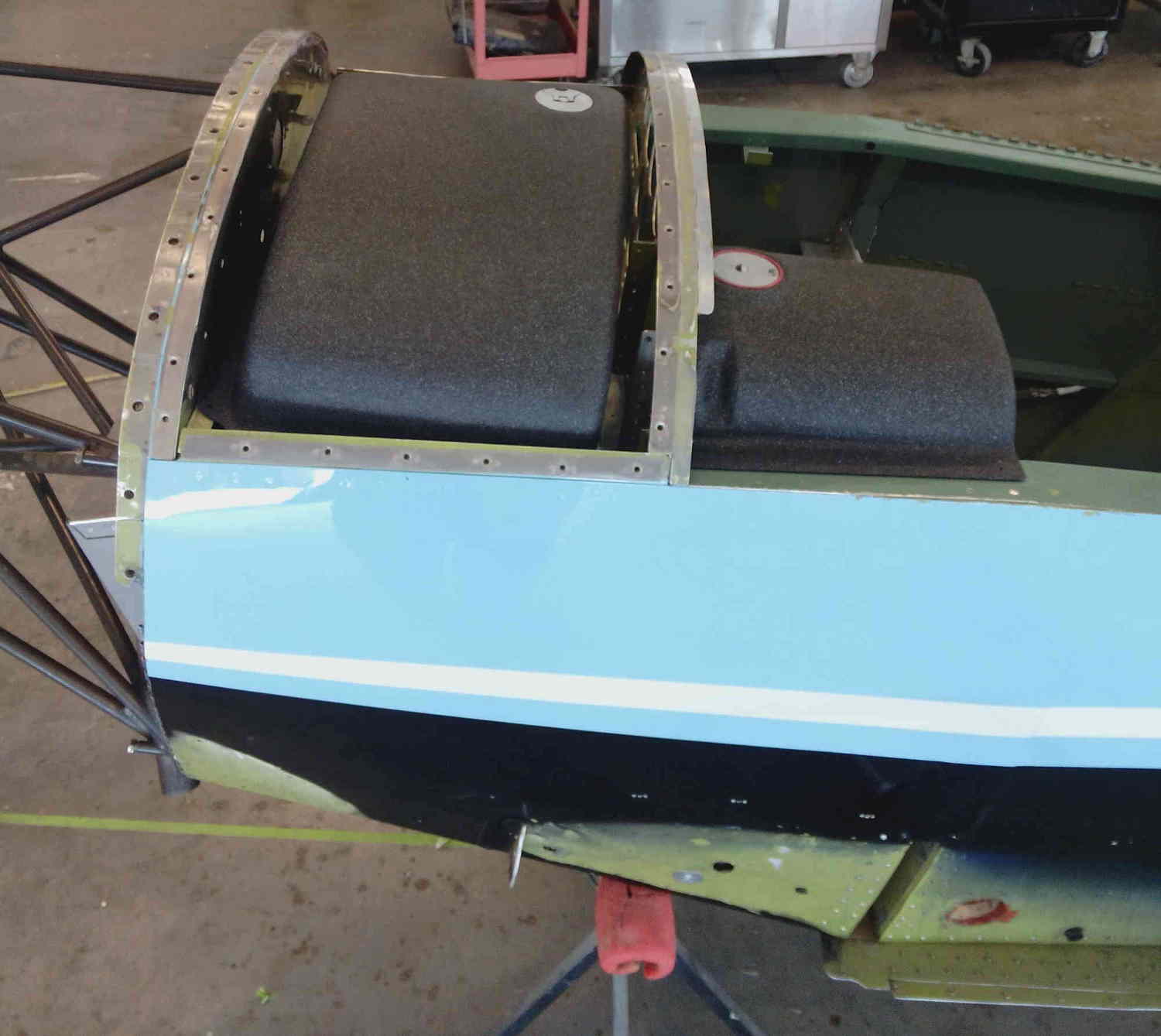
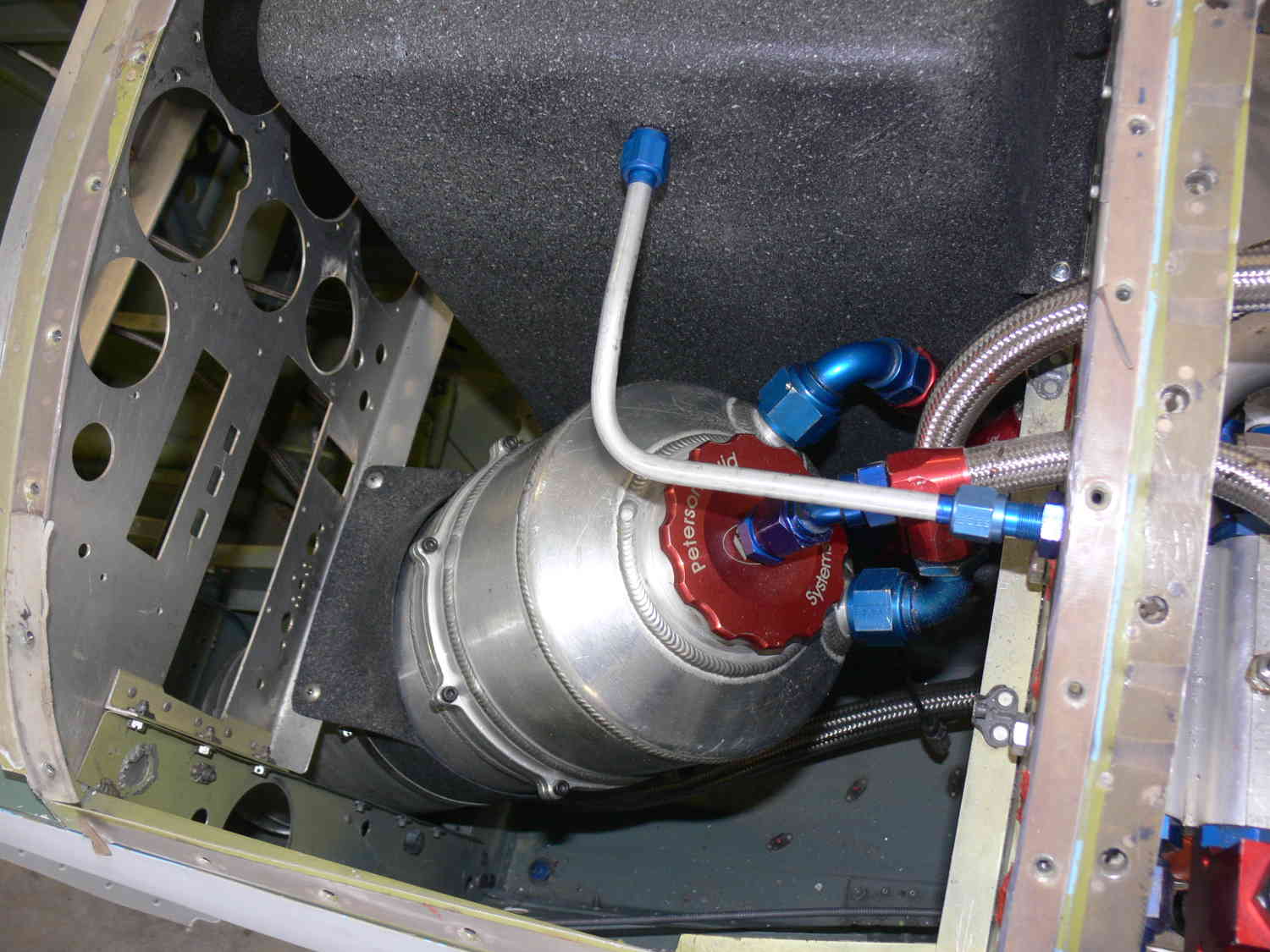
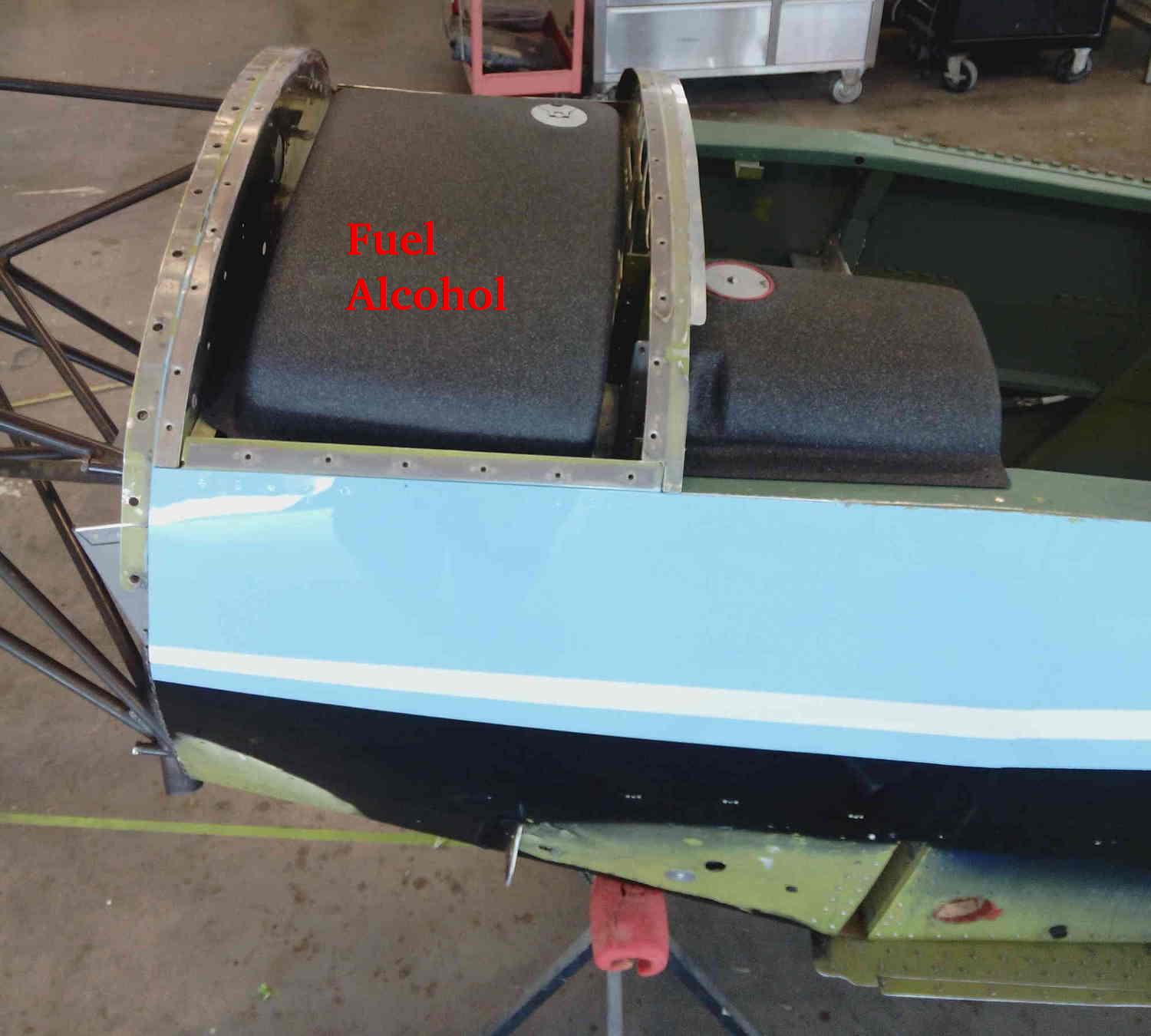
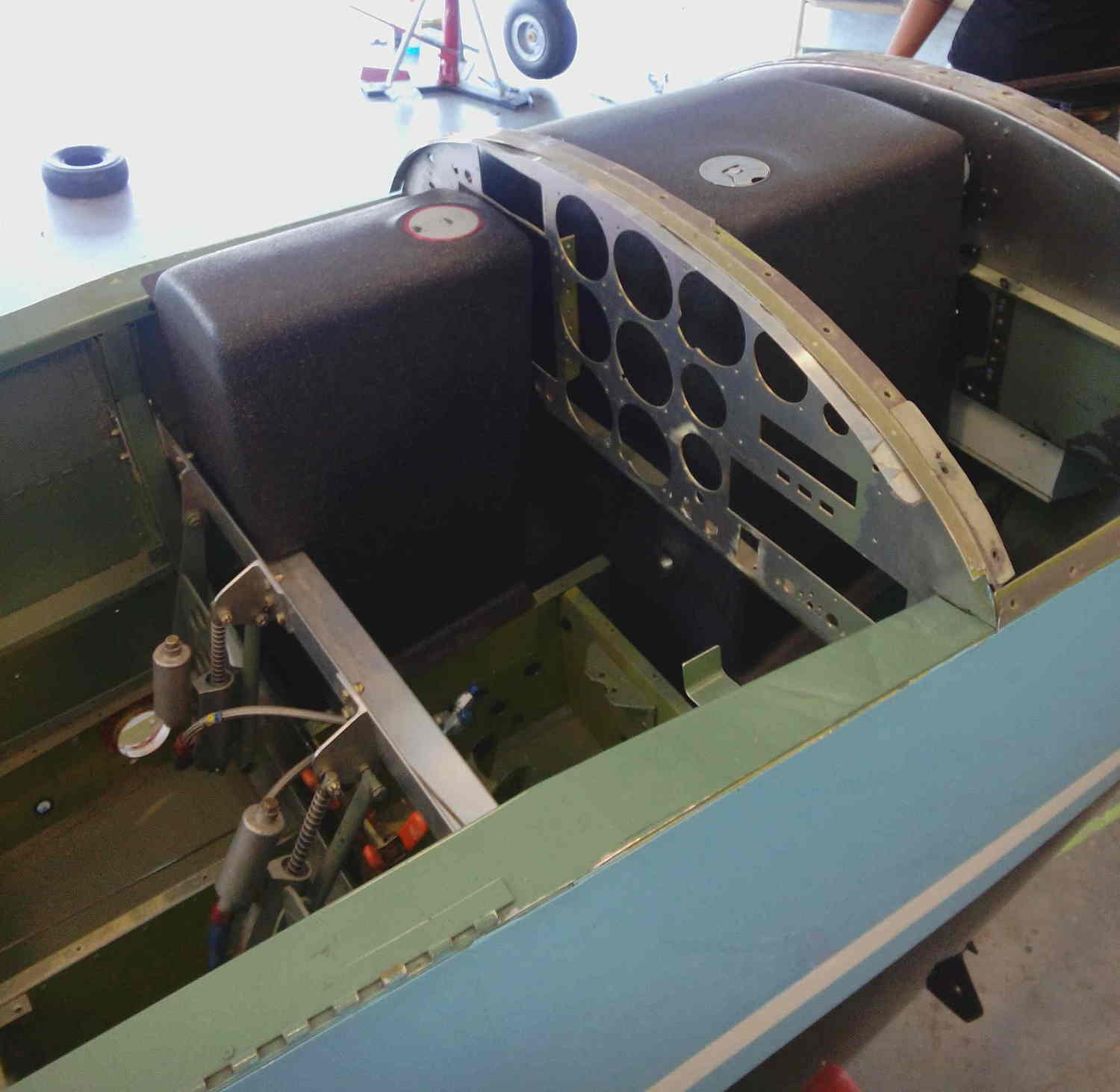
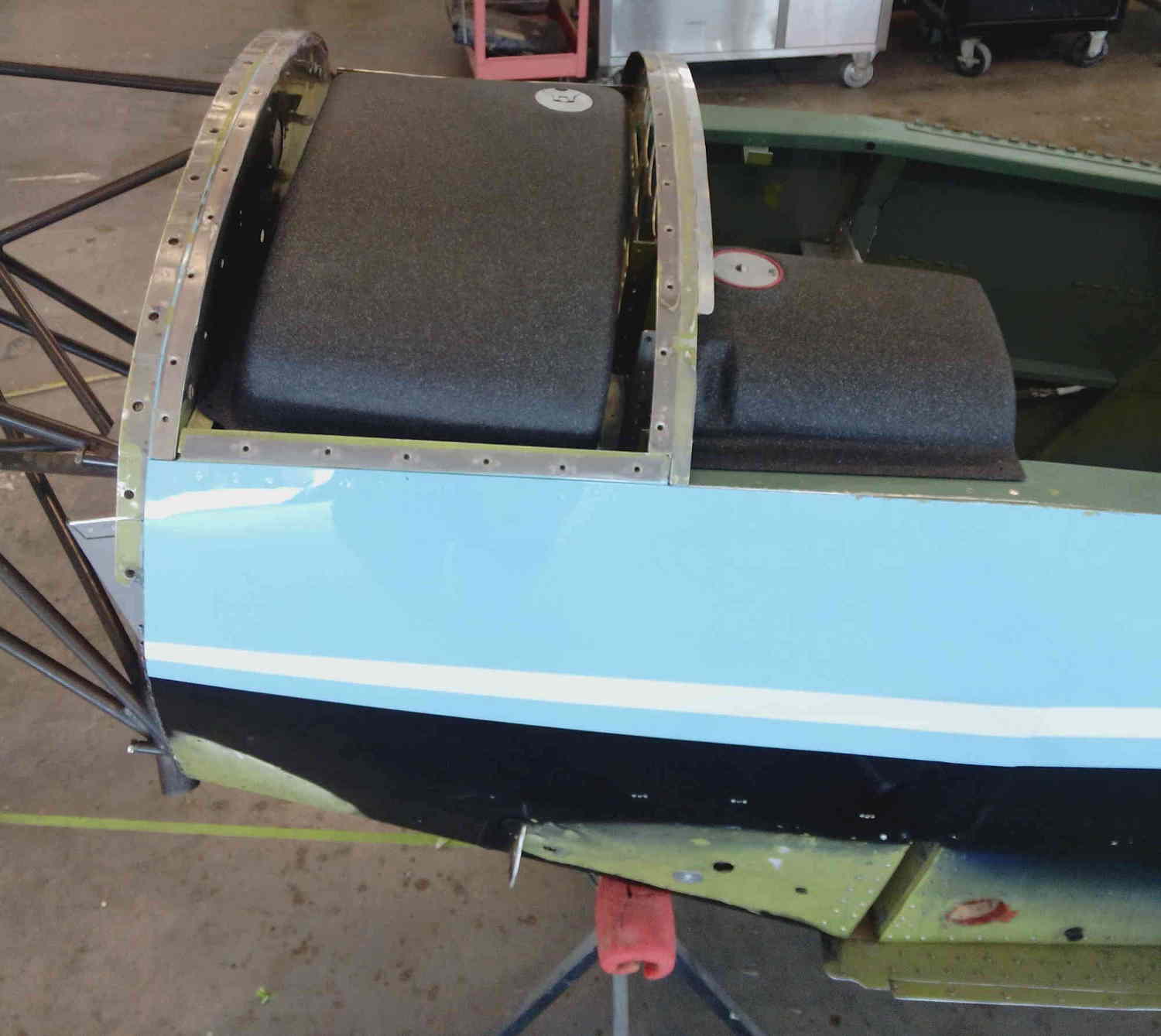
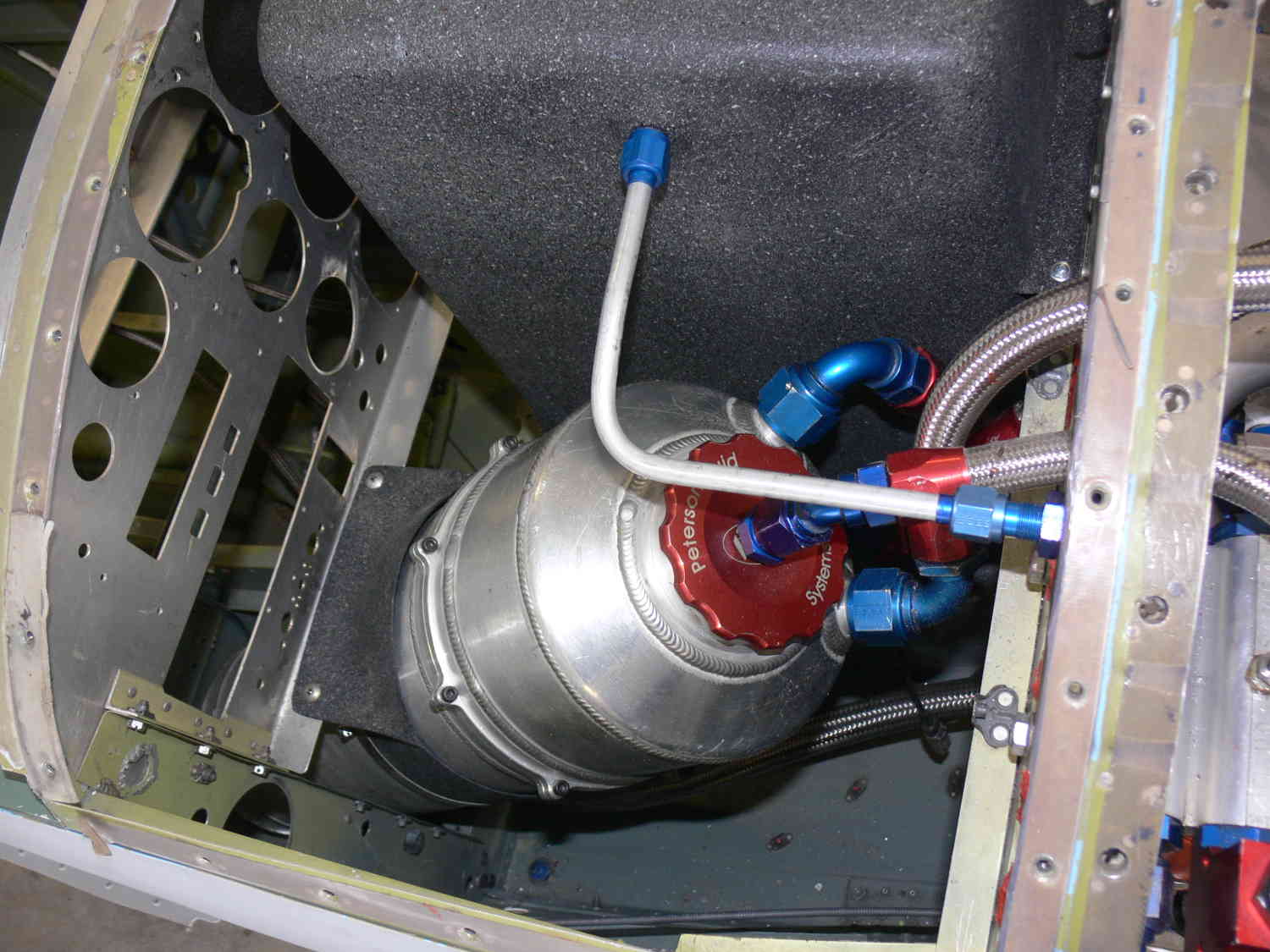
We are using alcohol and that may affect the stock tank sealant. We are
not taking that chance as we have a 21 gallon tank just behind the firewall.
It has been tested with the alcohol long term.
Paul Lamar
The Rotary Engine News Letter. Powered by Linux.
If you want off the list PLEASE let me know and I will
remove you. ACRE NL web site.
http://www.rotaryeng.net
You Tube
http://tinyurl.com/beqqxas
Copyright 1998-2015 All world wide rights reserved.