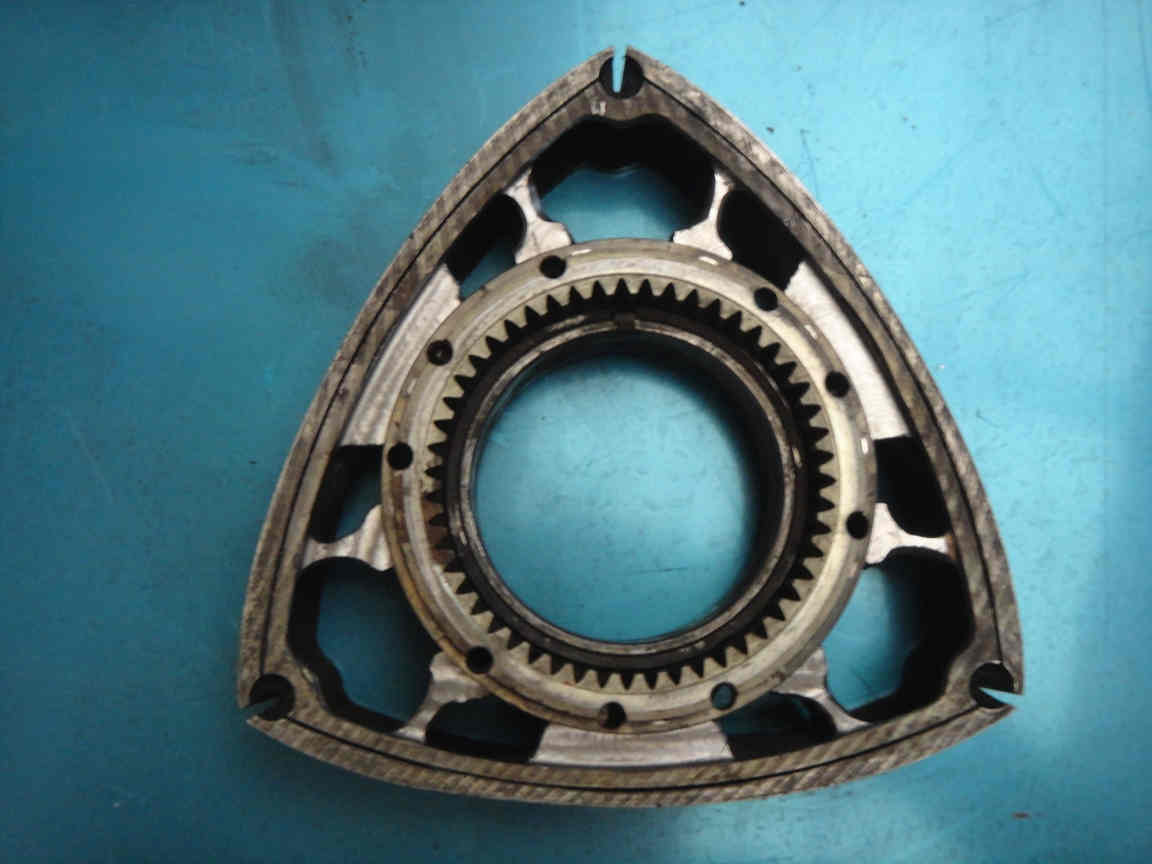
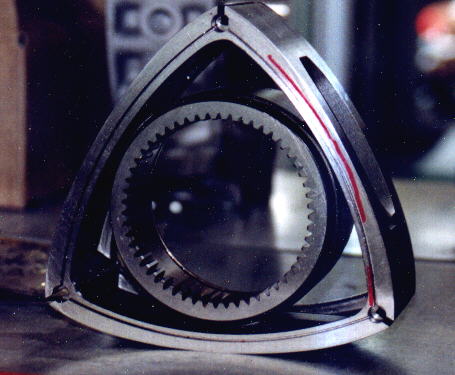
So, rotors are usually for the RX-7 are cast iron? The housings are
aluminium with a thin layer of nickel for the wear surface?
Does anyone know what the Johnson or Sachs small snowmobile engines
used for their rotors and housing? I have been told by one person
that the rotors are cast iron too but the housings are just
aluminium.
Does anyone know if just plain aluminium housing are used? Any other
material used for rotors besides cast iron that works?
David Jr.
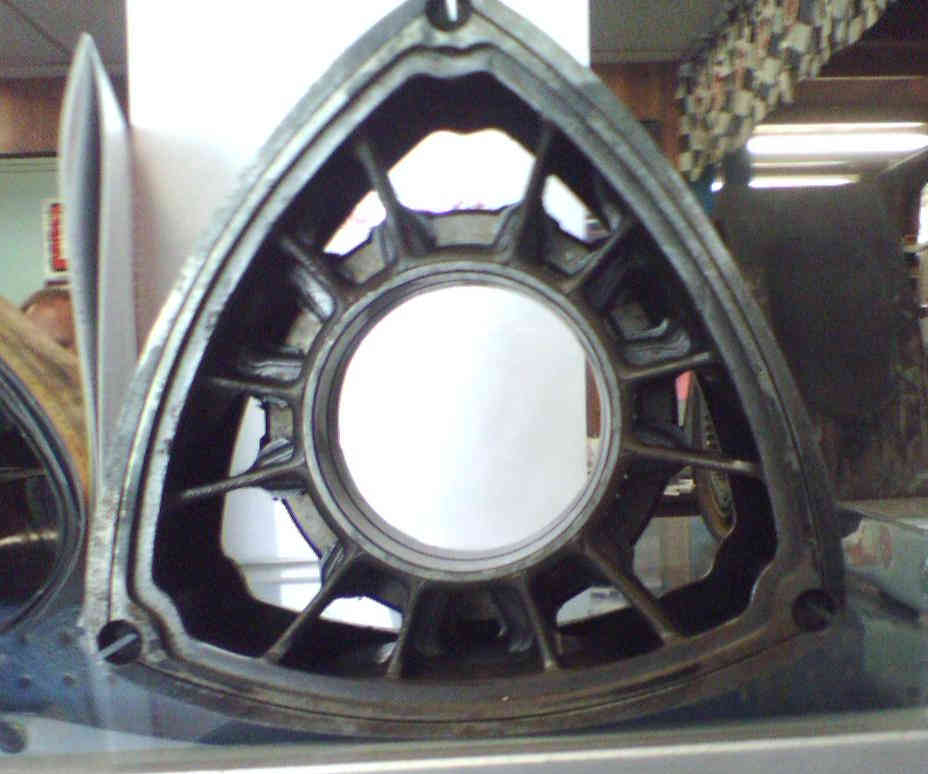
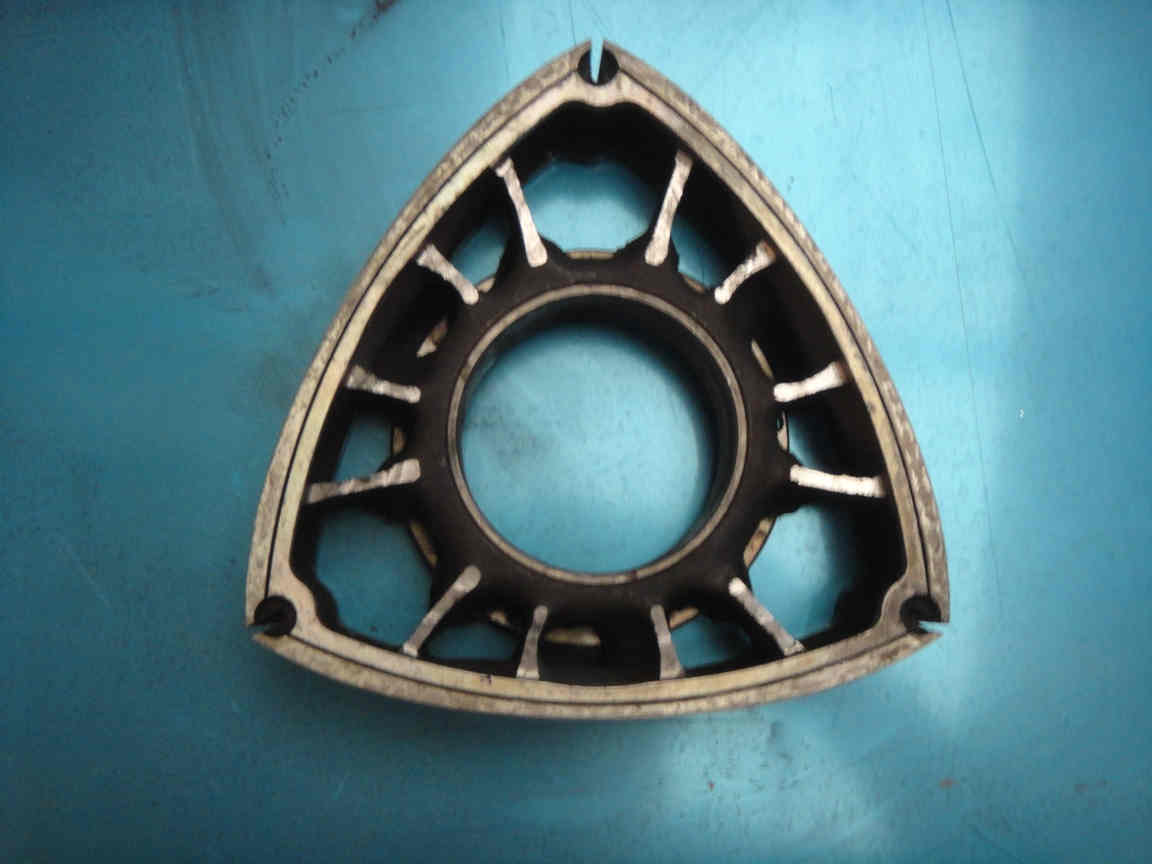
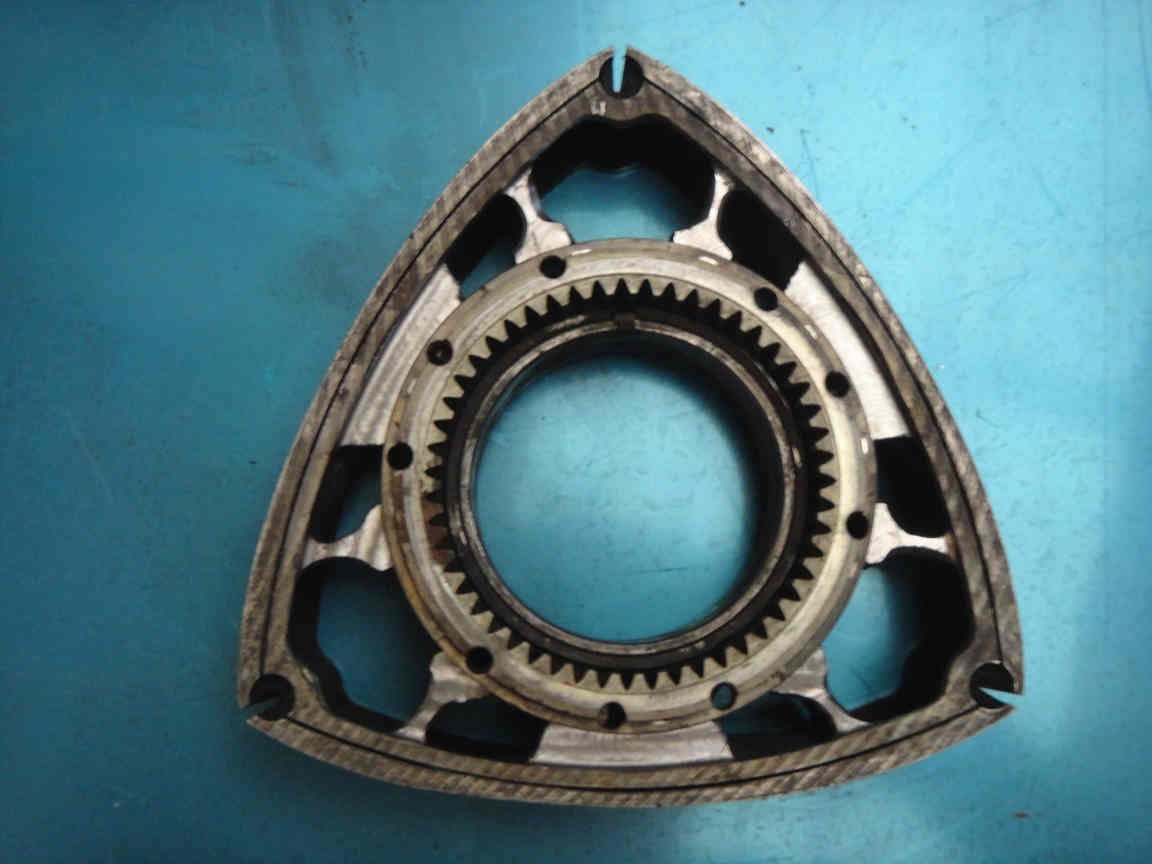
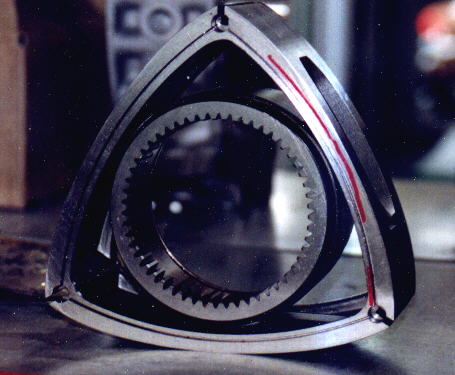
Yes the rotors are cast iron. Very tough and robust. The housing are
lined with hardened steel and then chrome plated.
There have been many different coatings applied to the aluminium with
out as much success as the Mazda housings. 2.5 million engines have
been sold.
Paul Lamar
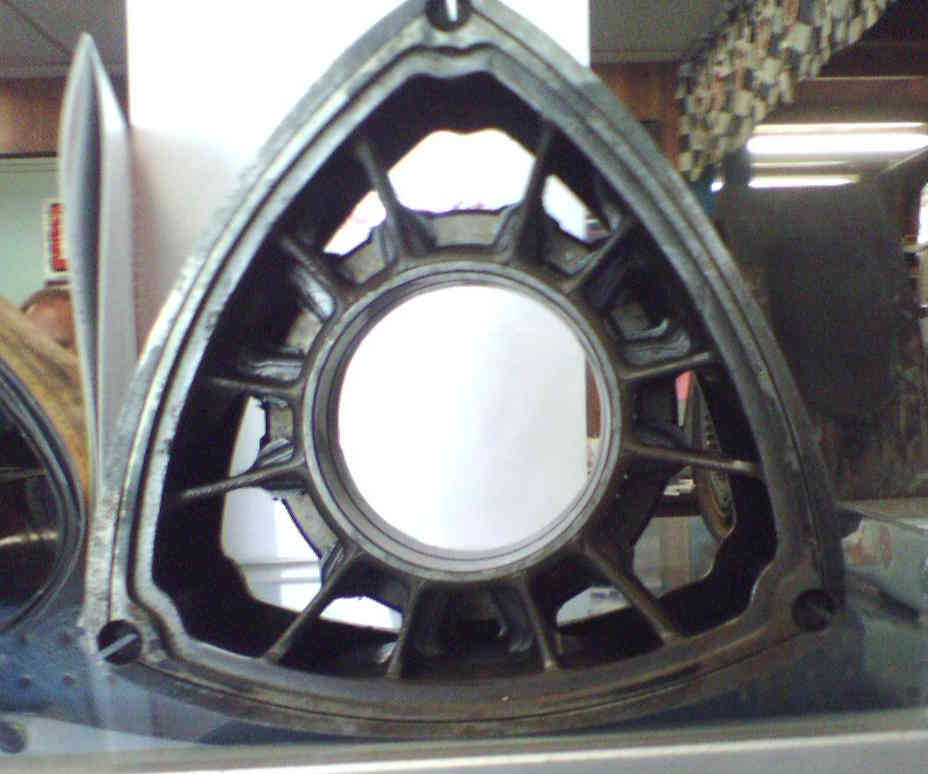
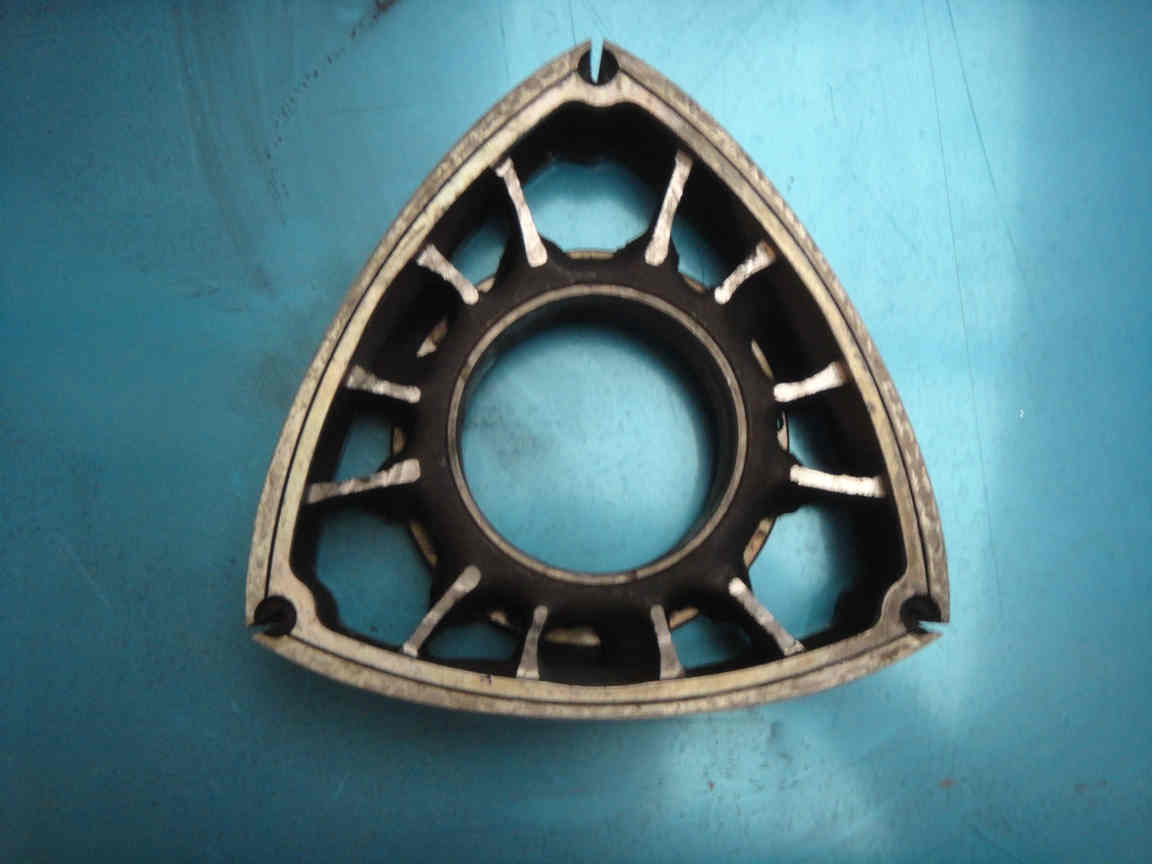
Great pictures, thanks Paul. I would take as many of those production
pictures and such that you would like do send.
David Jr.
Here are a bunch more. We were the first round eyes to get a tour
through the factory :-) Took 18 months of cajoling.
Paul Lamar
Great pictures! I've been working on some investment casting (steel and
aluminum) using sterolithography to generate the wax molds. It appears
that the rotor would be an ideal part to make using that process. For
ones or twos, it is much cheaper than having to make a mold. If larger
quantities are needed, then they make a wax mold from the stereo model.
This method sure beats the old way of making patterns.
Gary Knutson
I made some intake patterns on the local college stero lith machine back
in 2003. In those days the stero lith machine cost $30,000.
Paul Lamar
Could the rotors be 3D printed from say Titanium or other materials at a
realistic cost? The weight of the rotor would be so reduced that RPM
could be increased. The printing would allow a design that would not be
practical or even possible with conventional machining or casting.
I think that NASA is able to print in different metals without the
conventional welding process.
Andrew Campbell.
As long as it can hold the tolerances to + or - .001 inch.
Paul Lamar
Andrew, Paul,
3D metal printers are unable to maintain 0.001" tolerance The challenge
is pretty complex. For one thing the typical fine granularity metal
powder is roughly 45 microns or nearly 0.002" so even this fine powder
appears like big boulders at that level. Second, the powder is held in
place with the adjacent powder while laser "melts" small particles and
bonds them to the layer below and adjacent powder. the powder shrinks as
it's melted when the gas is released from the crevices between the
particles. Lastly, the laser spot size is really difficult to control at
all times because the depth of focus varies as the beam moves. Most
printers are employing correcting lenses but they are not perfect. the
effects of the above are compounded hence the it will be many years
possibly decades before we get to that kind of tolerance from metal 3D
printers
Last but not least, the cost. You might as well turn over the deed to
your house. Last figure I had, was that 3D Aluminum powder was $114 per
pound, so you can imagine that Ti would be significantly higher. My gut
feel is that by the time all is said and done, the cost will be
prohibitive. The 3D metal printers start at around $500K and go up to $2
million and even a 2" wide rotor will require ~1,000 minutes and closer
to 1500 minutes for a standard 8 cm rotor. Essentially you tie up an
expensive tool for 2 days (one shift) and someone has to pay for it.
btw, I am working on a patent to overcome these limitations but had to
set it aside due to other priorities
Assuming you are willing to pay a premium, there is a possible way
around the 3D tolerance limitation. You print the shape on the low side
on all dimensions ie 2 to 3 thou short. Then apply a Nickel plating or
appropriate metal coating in the 4 to 6 thou thickness range (may need
to go thicker), and then machine down the surface to the original
dimensions. Depending on the roughness of the 3D printed part, you may
be able to fill in the crevices sufficiently to end up with sufficient
acceptable surface quality
Regards,
Simon Saba
Where 3D printing my pay off big time is in the core boxes.
It did for me. A pattern maker wanted to charge me $5000 dollars for an
intake manifold pattern.
Paul Lamar
Hi Simon,
With EBDM printing Using wire instead of powder you have as I understand
it overcome the grain seize problem, Wire rod is fed into a pool of
molten metal created by the electron beam rather than laser. Correct me
if I am wrong, I believe the electron beam is able to be controlled to
fine tolerances, the rates of deposition on Titanium are quoted as a max
40lbs/hr with 30-45KW machines. Titanium powder is expensive to
manufacture, not so with wire.
Even if finished tolerance cannot be achieved, as you point out other
options are available.
It would be interesting to approach some of these companies to get an
idea of cost, ie machine time material cost.
All this aside as Paul has said, we still have the problem of a gear box
if we increase the rpm to dare we say 16,000 rpm.
Andrew. Campb
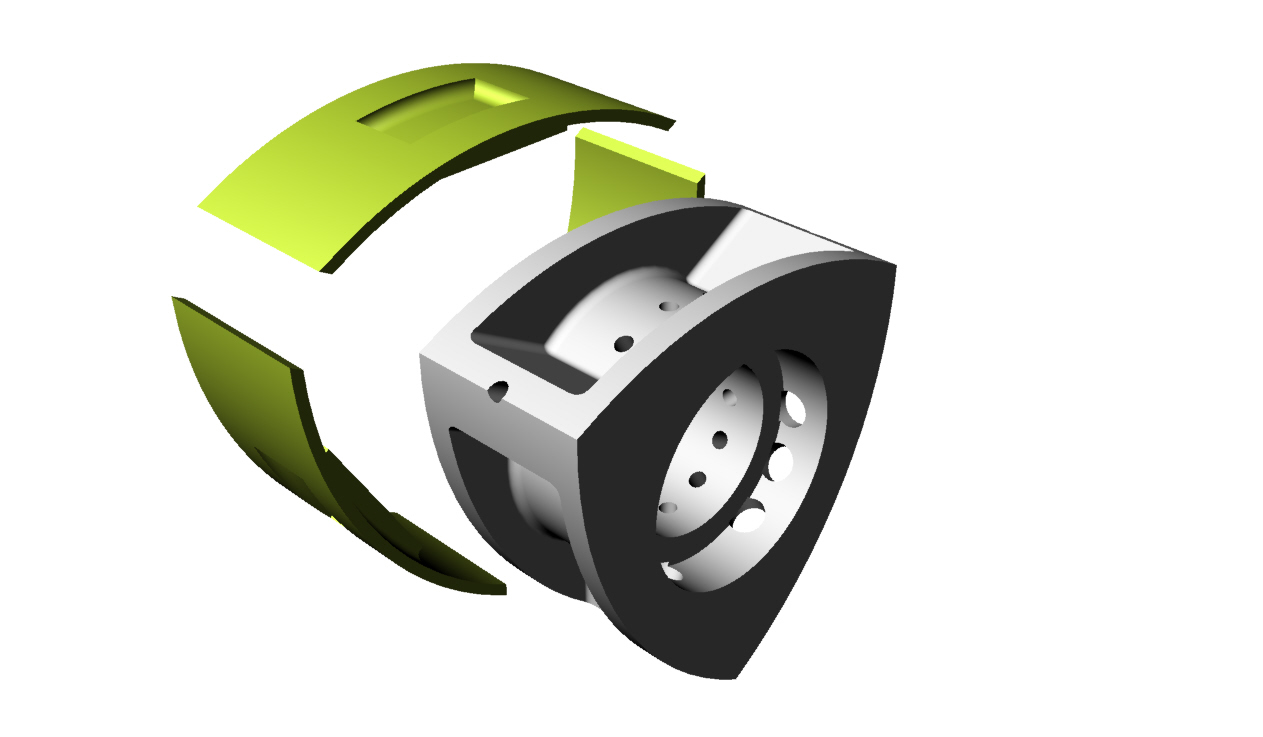
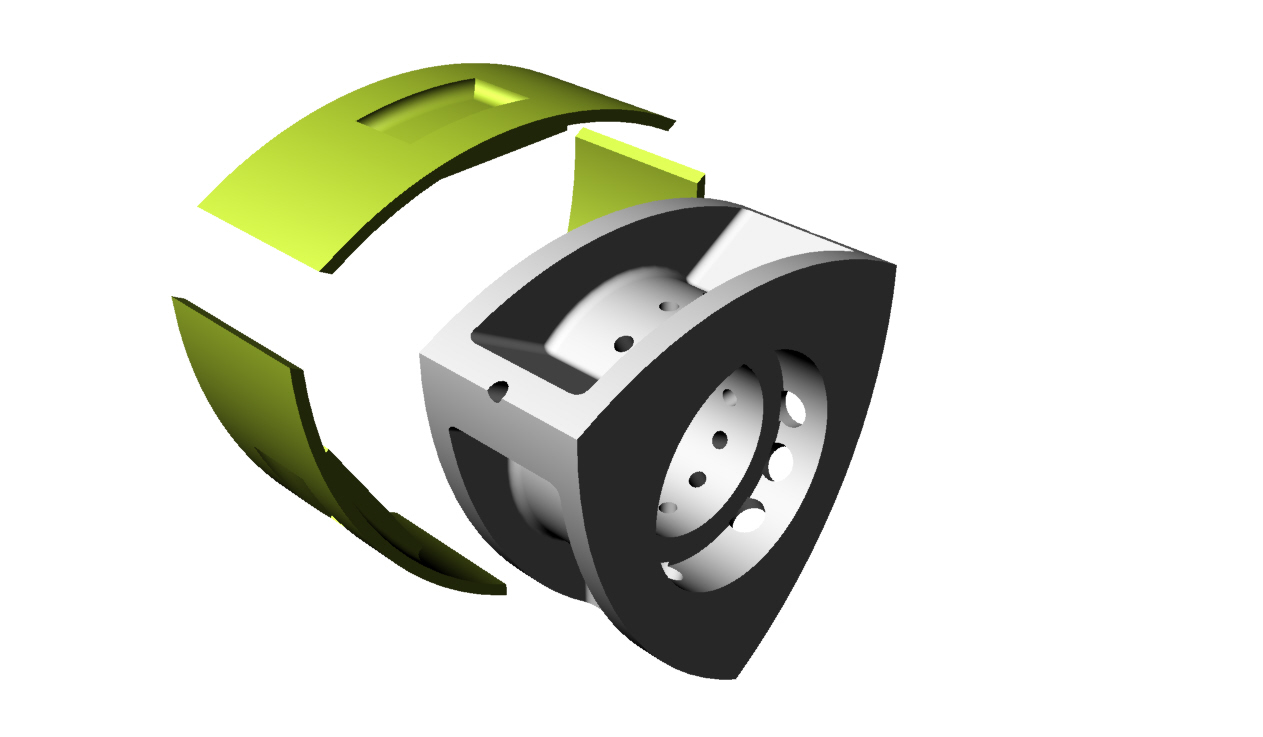
The rotor does not have to be one piece. In fact it may work out that parts
made with different metals may be better. In that case lower cost CNC will
work,
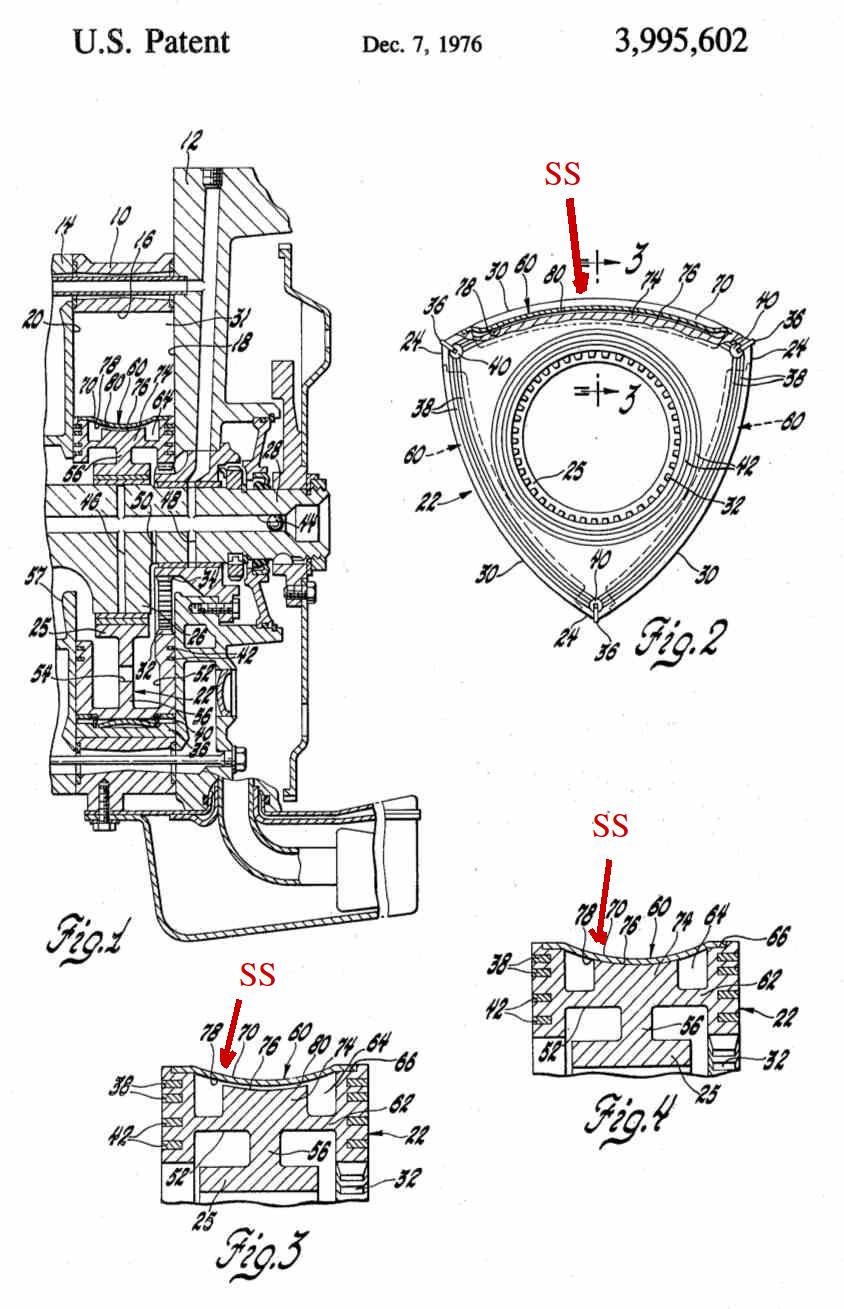
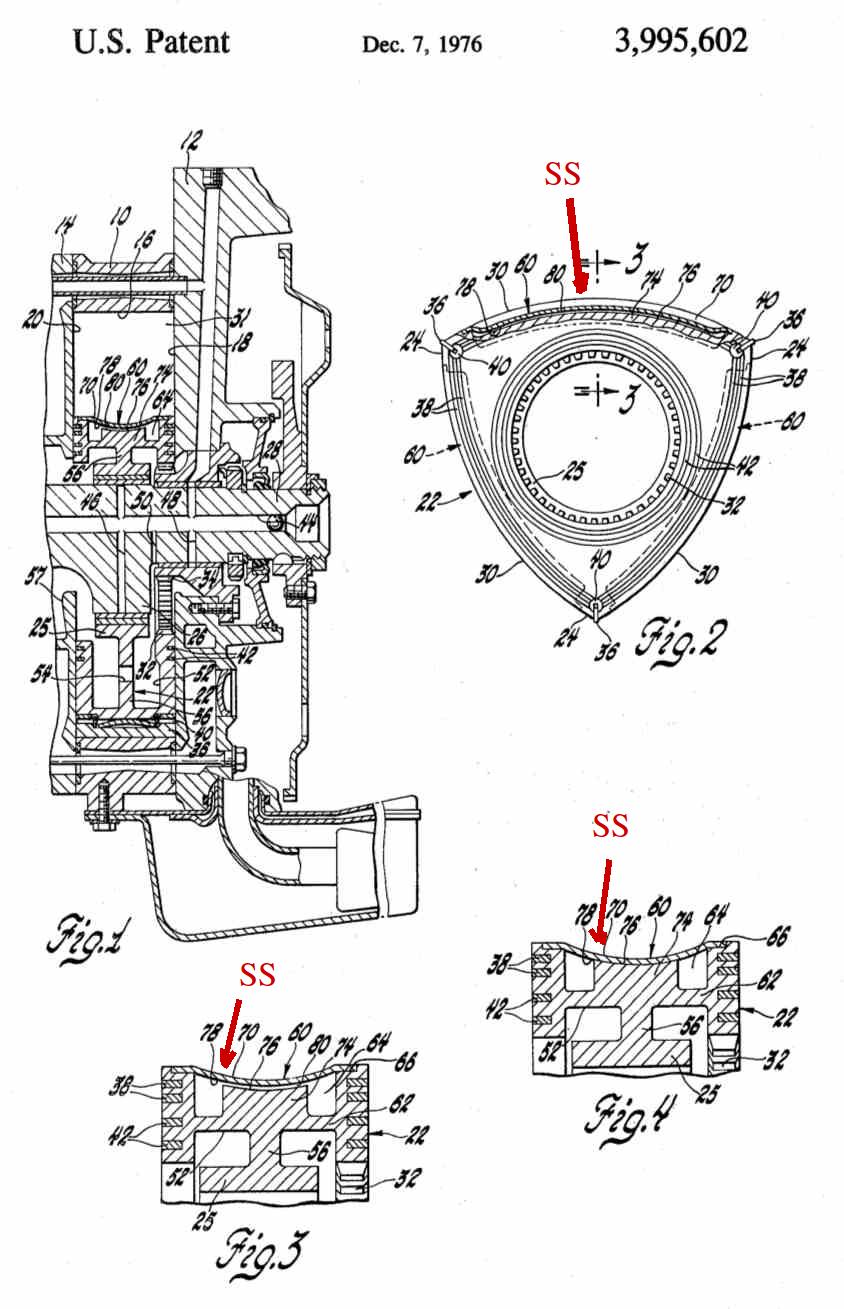
Here is what I had in mind more or less.
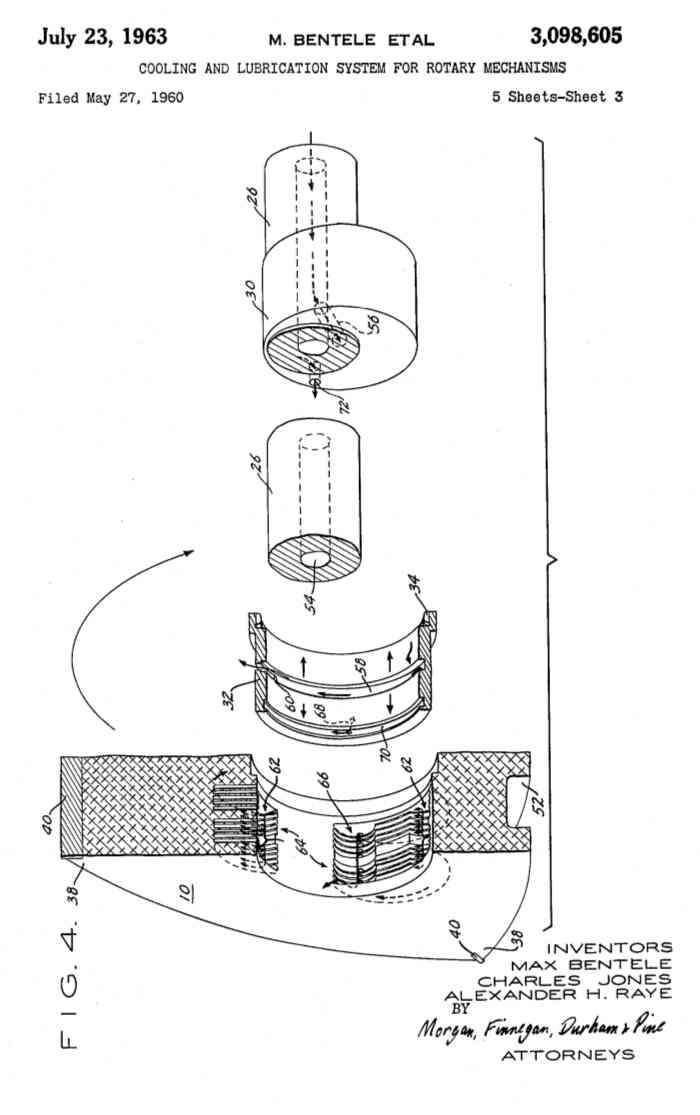
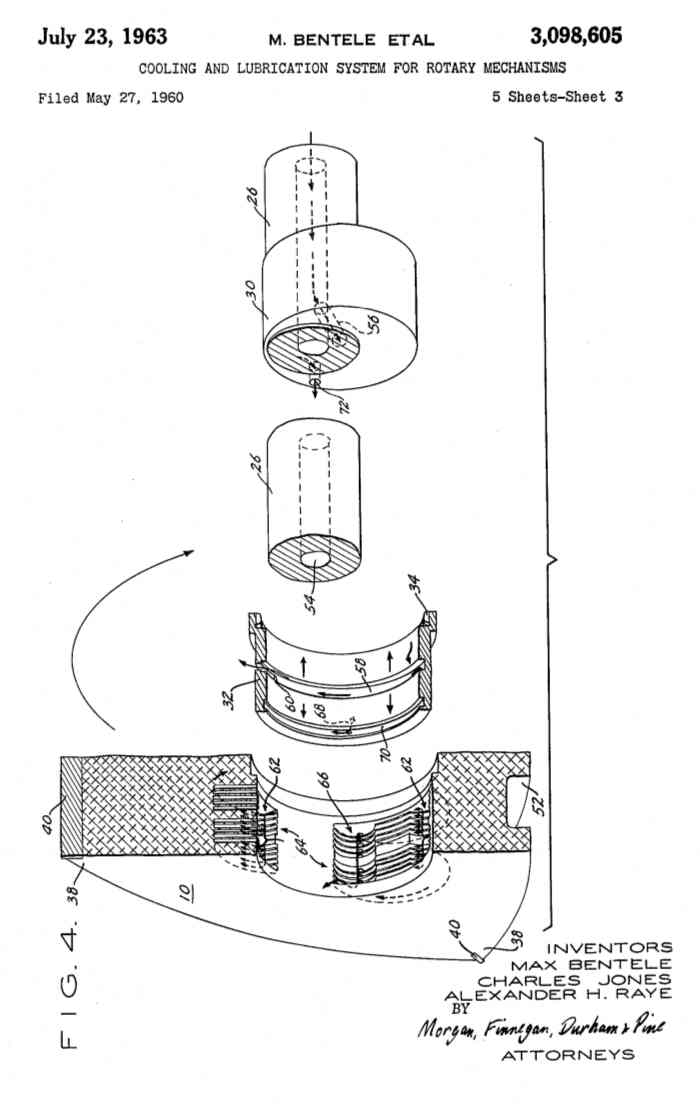
The small holes are for cooling oil into
the rotor and pressure fed apex seals.
The chrome molly or SS covers are flat head screwed
to the base.
A SS face is low heat transfer to keep the heat in the combustion
chamber and improve the BSFC.
Paul Lamar
The Rotary Engine News Letter. Powered by Linux. If you want off the
list PLEASE let me know and I will remove you. ACRE NL web site.
http://www.rotaryeng.net You Tube
http://tinyurl.com/beqqxas
Copyright 1998-2016 All world wide rights reserved.