So, rotors are usually for the RX-7 are cast iron? The housings are
aluminium with a thin layer of nickel for the wear surface?
Does anyone know what the Johnson or Sachs small snowmobile engines
used for their rotors and housing? I have been told by one person
that the rotors are cast iron too but the housings are just
aluminium.
Does anyone know if just plain aluminium housing are used? Any
other
material used for rotors besides cast iron that works?
David Jr.
Yes the rotors are cast iron. Very tough and robust. The
housing are
lined with hardened steel and then chrome plated.
There have been many different coatings applied to the aluminium
with out as much success as the Mazda housings. 2.5 million engines
have been sold.
Paul Lamar
Great pictures, thanks Paul. I would take as many of those
production pictures and such that you would like do send.
David Jr.
Here are a bunch more. We were the first round eyes to get a tour
through the factory :-) Took 18 months of cajoling.
Paul Lamar
Great pictures! I've been working on some investment casting
(steel
and aluminum) using sterolithography to generate the wax molds. It
appears that the rotor would be an ideal part to make using that
process. For ones or twos, it is much cheaper than having to make a
mold. If larger quantities are needed, then they make a wax mold
from the stereo model. This method sure beats the old way of making
patterns.
Gary Knutson
I made some intake patterns on the local college stero lith machine
back in 2003. In those days the stero lith machine cost $30,000.
Paul Lamar
Could the rotors be 3D printed from say Titanium or other materials
at a realistic cost? The weight of the rotor would be so
reduced that
RPM could be increased. The printing would allow a design that
would
not be practical or even possible with conventional machining or
casting. I think that NASA is able to print in different metals
without the conventional welding process.
Andrew Campbell.
As long as it can hold the tolerances to + or - .001 inch.
Paul Lamar
It would appear that the tolerances and surface finish of EBDM
printing are of a very high magnitude, the amount of material that
can be deposited in an hour is also high so hopefully costs may be
acceptable. Given the ultimate tensile strength of Titanium alloys
being in the region of 2 times cast iron and a lower SG and the
ability to remove most of the unwanted material within the rotor we
could end up with a %75 reduction in weight.
Titanium has poor thermal conductivity, this would help to keep the
rotor cool, the extra heat not absorbed into the rotor is going to
have to go somewhere though. Would this reduction in rotor weight
translate into a significant power increase?
Andrew campbell
Only if you have a gear box to handle higher RPM.
Paul Lamar
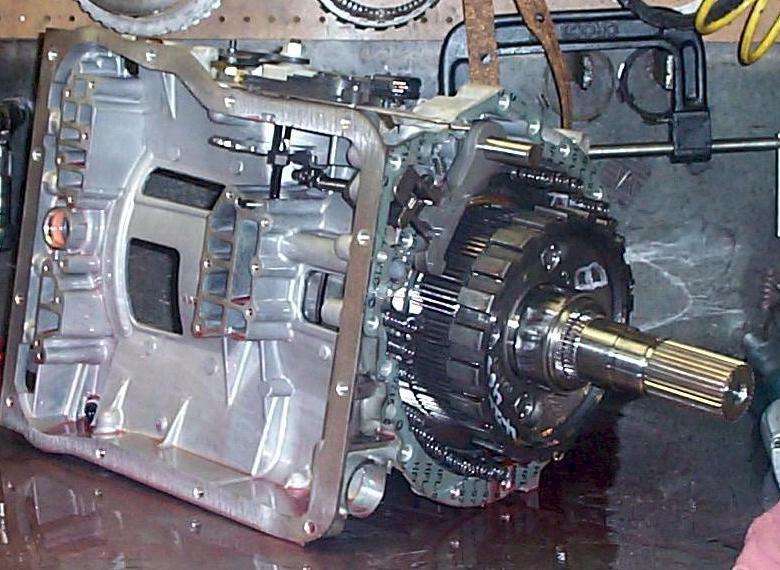
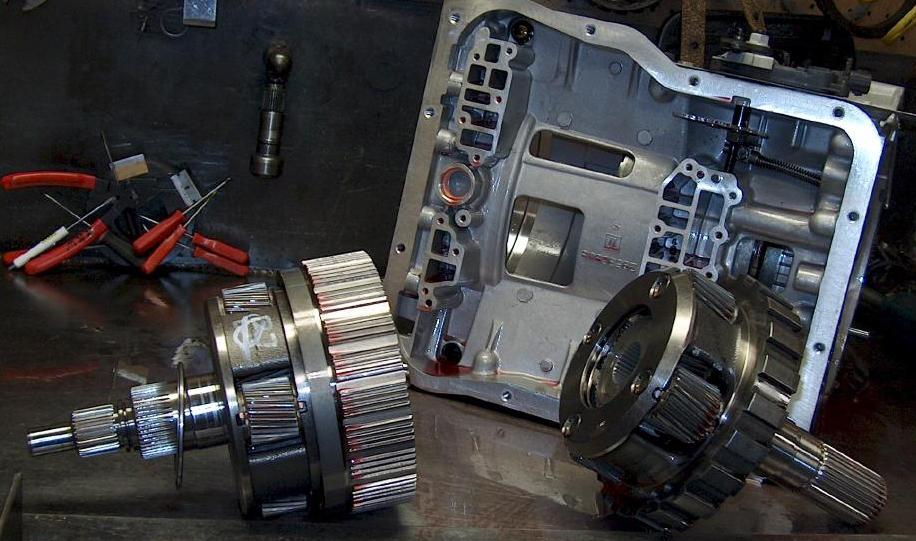
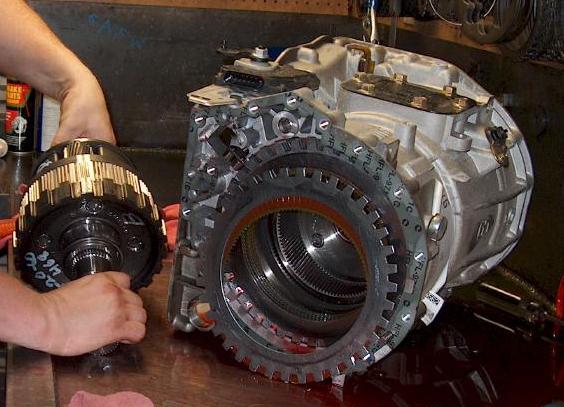
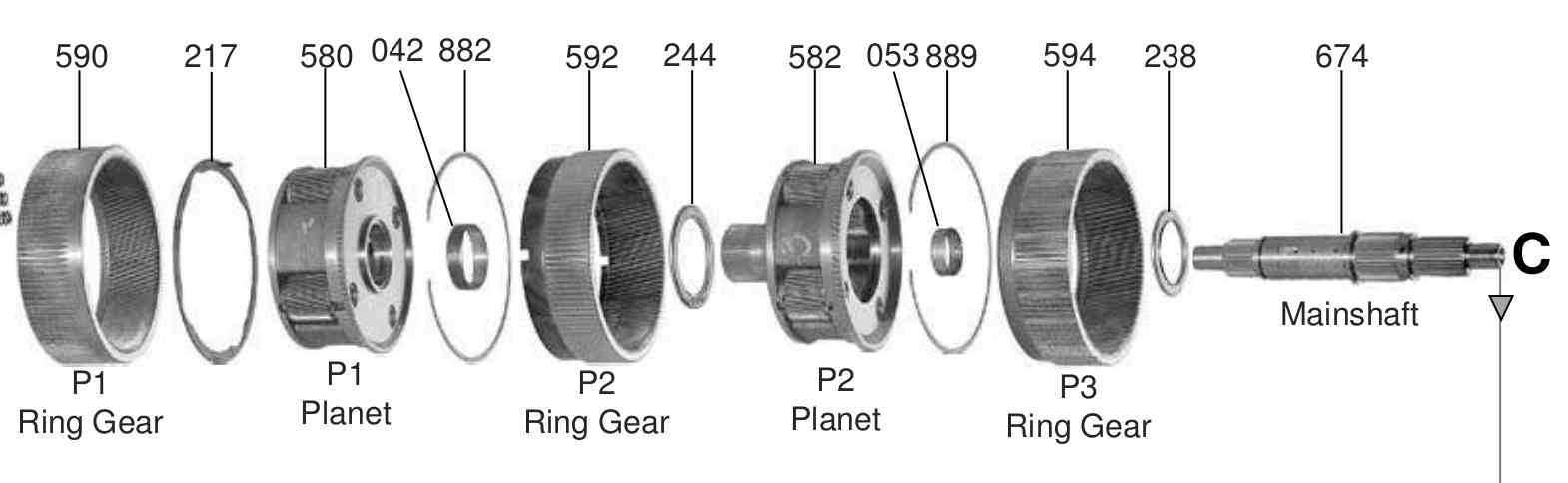
Oooh! Do I see an opportunity for compound planetary gear
reduction?
With two 2.85 planetary gears in series you could run your hyped up
rotary at 14250 RPM.
- Mark LaPierre
If you stack two planetary units together you increase the problem of
gear clearances allowing chatter. The ratio would be 8.12:1. This would
give a 2000RPM propeller speed which would necessitate a larger
diameter
or wide chord. It would be better in my mind to look at an alternate
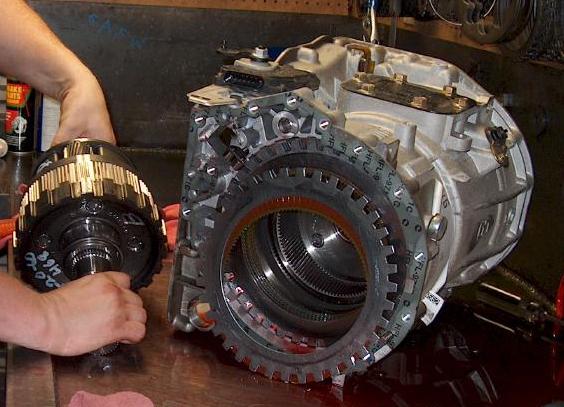
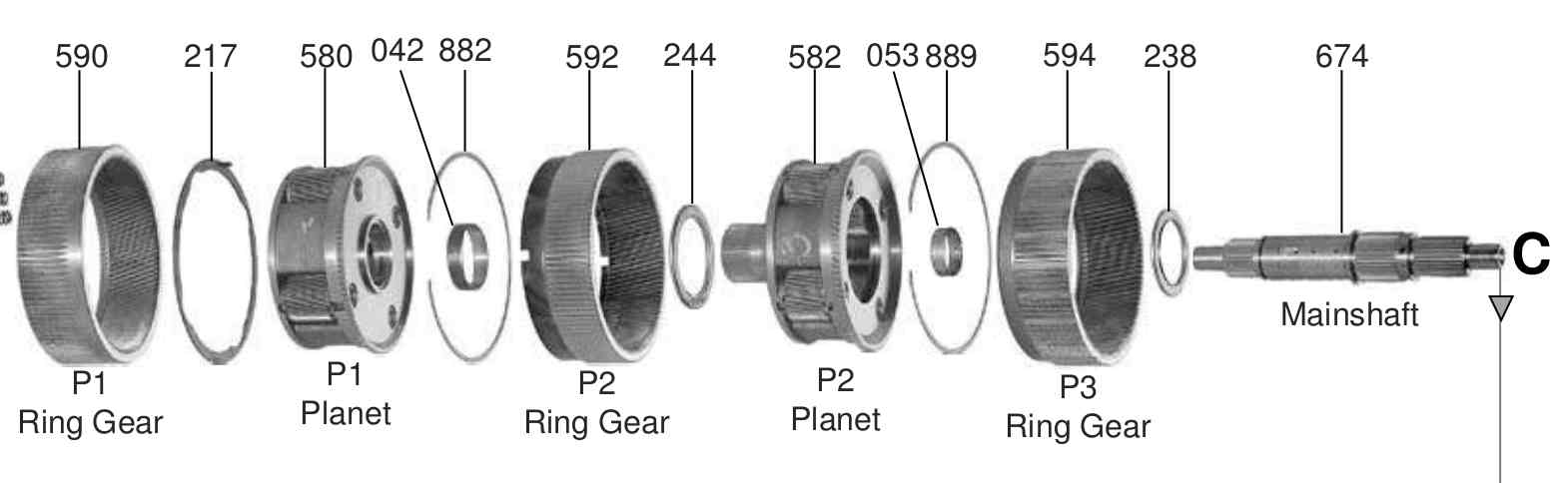
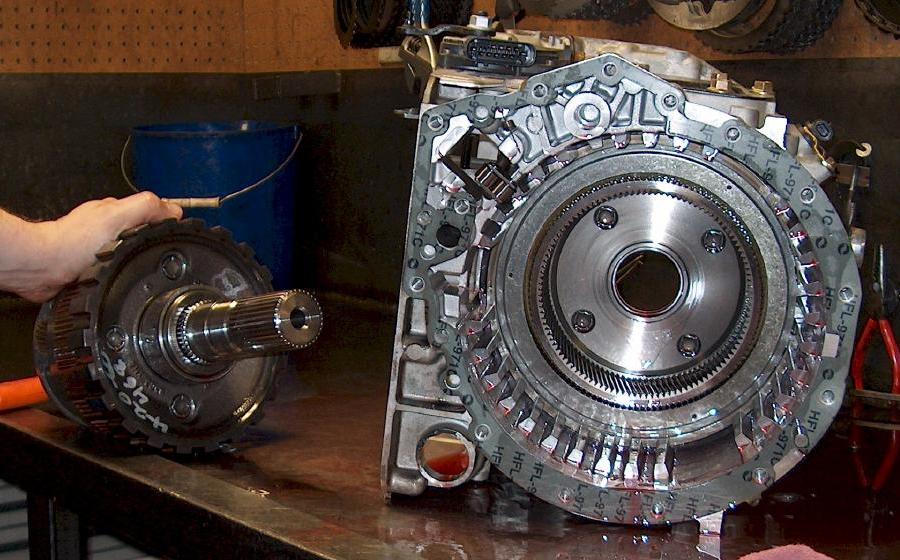
planetary source. Allison Transmissions has built thousands of
heavy duty
transmissions for trucks, buses and construction equipment.
Transmission series with ratios and total transmission weights:
2500/2550RDS 3.51:1 330#
4000RDS 3.51:1 ?
3500RDS 4.59:1 535#
4500RDS 4.70:1 890#
4700RDS 7.63:1 1083#
Transmission weight should give an indication of the gear set sizes
inside
and the power/torque capability designed in. The gear sets will not
be close
to the transmission weights listed but heavier than the Ford
planetaries.
If you need high power transmission with a high duty cycle this is
what is
required. These pats are readily available which is good.
Dale Davies
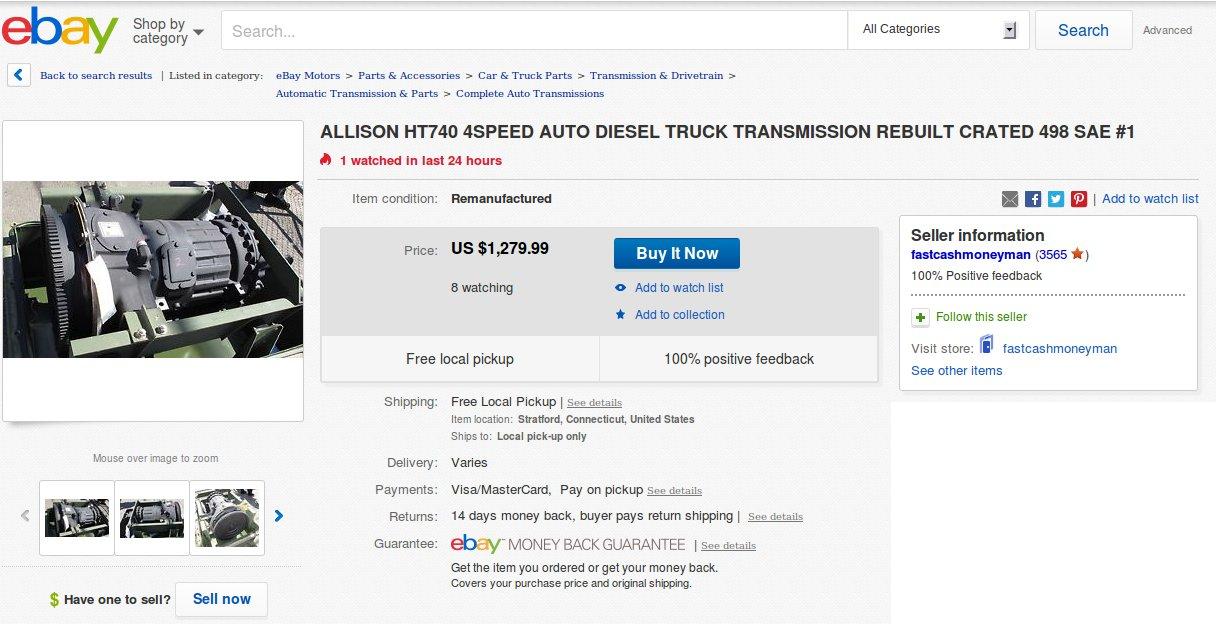
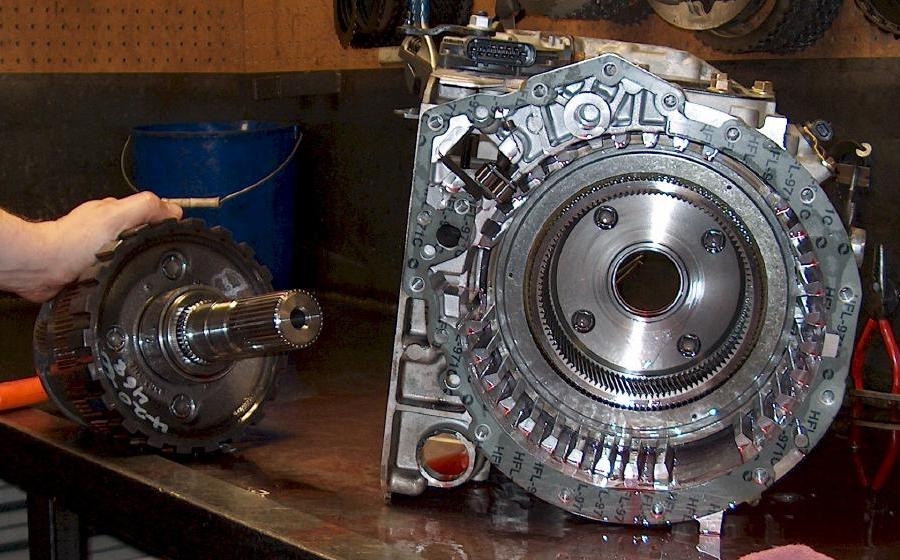
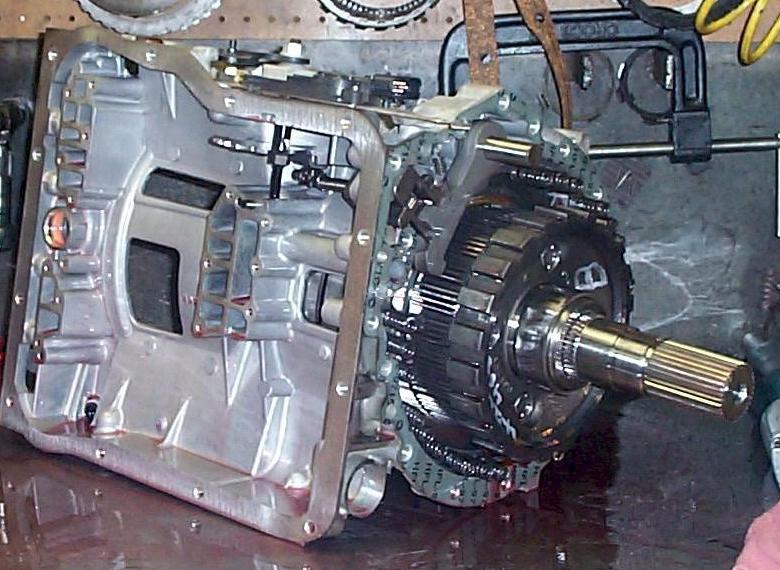
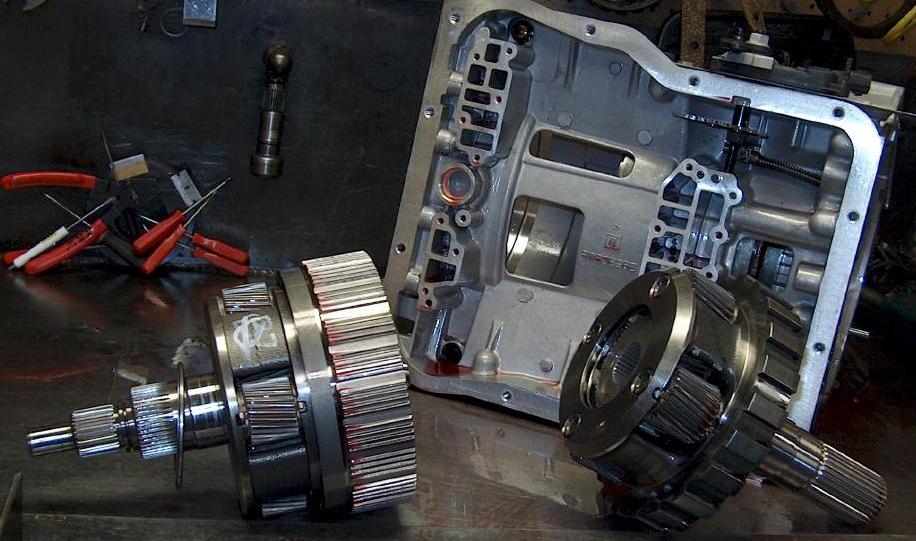
Here is some info on Allison transmissions.
Paul Lamar
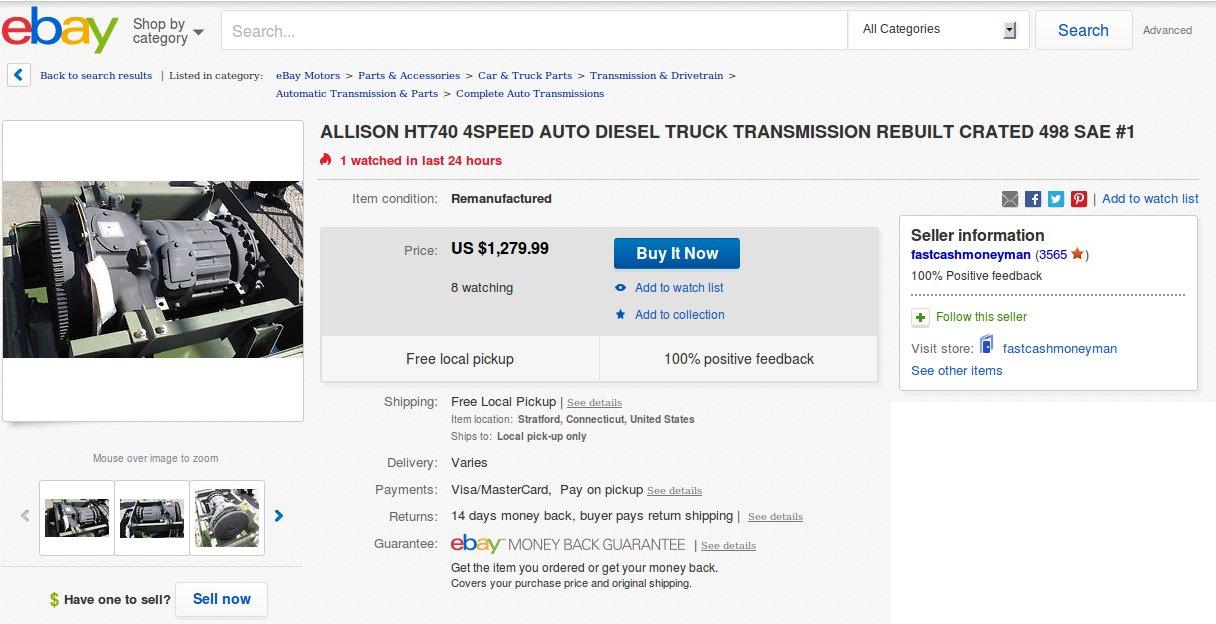
The 1000 series transmission is the one used in GM 3/4 and 1 ton trucks
and have a first gear of 3.1:1. The HT740 series is an older
transmission
that has been around for 30 to 40 years. Still lots in use and
parts are
readily available. Transmission weight is 840# so internal parts
are robust.
The first gear is 3.69:1. The previous transmission I mentioned are
newer
models so parts availability should be serviced for longer.
Dale Davies
This would be good for a 3 rotor turbo running in the sport class at Reno.
My guess 700 HP would be about right for 20 minutes. NOS and alcohol
should be good for 1000 HP. Something with lower drag than an RV.
Paul Lamar
The Rotary Engine News Letter. Powered by Linux.
If you want off the list PLEASE let me know and I will
remove you. ACRE NL web site.
http://www.rotaryeng.net
You Tube
http://tinyurl.com/beqqxas
Copyright 1998-2016 All world wide rights reserved.