Hello. Have you ever seen this company?
http://www.wankelsupertec.de/en_index.html
They make some light weight engines. Maybe the 2 rotor 350 engine is
a good choice for aircraft application.
Regards Kenneth Martinsen
Yes I spoke with them at Aero. However I have never seen one run.
Paul Lamar
Those are some very good looking engines!
Dan Gorsline
IMHO There is a major flaw. The rotor bearing needs to be much wider
for this reason. See the attached JPG. This was discovered over a
100 years ago. It amazes me engine designer still make this mistake.
This limits the RPM and manifold pressure both of which create HP.
It is from Taylors books on engine design. This is the bible of
engine design and every engine designer should read it.
http://www.rotaryeng.net/books10.html
The Internal Combustion Engine in Theory and Practice.
Volume 1: Thermodynamics, Fluid Flow, Performance. Second Edition
Revised.
Volume 2: Combustion, Fuels, Materials, Design. Revised. Charles
Fayette Taylor. The MIT Press Cambridge Massachusetts, and London
England.
BTW Dan, please add your last name to your messages. Out of the 900
people on here we have many Dan's.
Paul Lamar
Hi Paul, Yes, those plain bearings certainly appear to be too
narrow. Higher oil pressure may overcome lack of load bearing
capacity somewhat (possibly). I did not notice any O rings, are they
in the side plates ? does this engine rotate in the opposite
direction ? Chris Hoskins.
Most of that is just mock ups. It has been around for at least five
years and I have never heard of one running.
Paul Lamar
Hello
I worked for three years at WST as product manager, the engines runs
really! But it is hard to buy one, they love their work to much ;-)
Most of the handmade samples are dumped by
"secret-skunk-works-customers"....
One test-series is now out for trials as APU-preheater-generaterset
for diesel-railway-engines.
http://www.lr-online.de/storage/scl/xmliosimport/wir/3380184_m1t1w500q75v47964_201504281435-GHA5GIK42.1-ORG.jpg?version=1430961254
http://www.lr-online.de/nachrichten/wirtschaft/Cottbuser-Wankel-auf-Dieselloks;art1067,5016240
It is the small block-wankel, turbo carged and as diesel. Hopefully
this lil-jewel breaks out the lab and will be manufactured in big
numbers. Would be the long eagerly awaited kerosene two rotor-LSA
engine.
Claude Jaegg
Unless some one with no axe to grind can buy one and test it the
claims will remain just claims.
I have my doubts.
Also I am not waiting for a carcinogenic diesel engine to fly behind
:-)
Paul Lamar
Paul, as you know some super-secret-customer invest only in diesel,
all their other stuff runs with.
the WST works very well on a wide choice of fuel, liquid and
gaseous. it is also possible to hot-switch on a running engine from
diesel to gasoline and then on LPG, H2 or alcohol. burns also good
vodka!
The smell behind your plane depend on your wallet ;-)
Claude Jaegg
Diesel exhaust scrubbers cost $15,000 in the states unless your VW
and then you lie about it :-).
If that is the case it is not running as a true Diesel. Gasoline
won't work with a 20:1 diesel compression ratio. Wankel AG and
Mistral built some engines with diesel fuel injection. The
compression ratio was less that 10:1
The fuel burn was no better than on gasoline.
Paul Lamar
Diesel is heavier as gasoline, but the kg-fuel burn rate depend only
on specific energy in fuel. The WST-wankel are designed for high
turbo blast. They run at aircraft-power settings with stratified
charge and homogeneous ignition without sparks, beating all other
designs.
On paper the electric assisted turbocharger is the best option, for
an A/C customer I realised a 80kW-compound with 25kg mass. It would
be no problem to do 160kW with 40kg.
To feed this turbo a four rotor is mandatory, will weight around
100kg [220 pounds].
Not bad for an 500kW [670 HP] plant with BFSC under 200gr/kWh with
diesel or LPG ;-)
Claude Jaegg
We will see when an independent organizations tests it and publishes
the results.
Paul Lamar
-------
I've driven and/or owned a few commercial level diesel engines.
Where, when computer controlled with direct injection, they don't
smoke much at all.
In fact, they put out a light gray exhaust.
Some years ago I had the chance to drive a semi between
Youngstown OH and some town North of NYC. This was a new Volvo
power unit. I scaled out just above 70,000lbs before heading out
(knowing my max wt is important here). And my exhaust was light
gray going up that mountain about about 55MPH as it was in 10th
(10 speed) on the level cruising about 64MPH (governed at 64,
wouldn't go faster).
Having recently driven a 26' box van diesel (think of moving
company equipment) running one of the new injected, computer
controlled, DEF cleaned engines, I could see no exhaust coloring.
And I was running close to the weight limit for the truck.
The current diesel engines, before DEF, for automobiles, one
would have to have been told that one was standing beside a
running diesel engine. And then you might think the person
telling you that was pulling your leg.
But, it is true, with all the interesting things that have been
done to diesels lately, they just don't belch black smoke, unless
you have done things to have them do it.
Just thought I'd mention how clean they run and quiet these days
(no longer sounds like a hand full of ball bearings bouncing free
in the crankcase).
Regards,
Steve Thompson
The smoke limit is adjustable. When it is below the smoke limit the
acceleration is limited. You can floor the throttle and there is a device
in there that limits the rate at which fuel can be added to the mixture
to accelerate the engine. Air is still wide open.
That rate is called the smoke limit. This has been done for years.
There are a lot of school buses here in LA still belching black smoke.
Perhaps the maintenance on the engine controls is less than satisfactory.
Just because you can not see the smoke does not mean the exhaust is
clean. The offending VW's did not smoke but the exhaust still did not meet
local clean air standards.
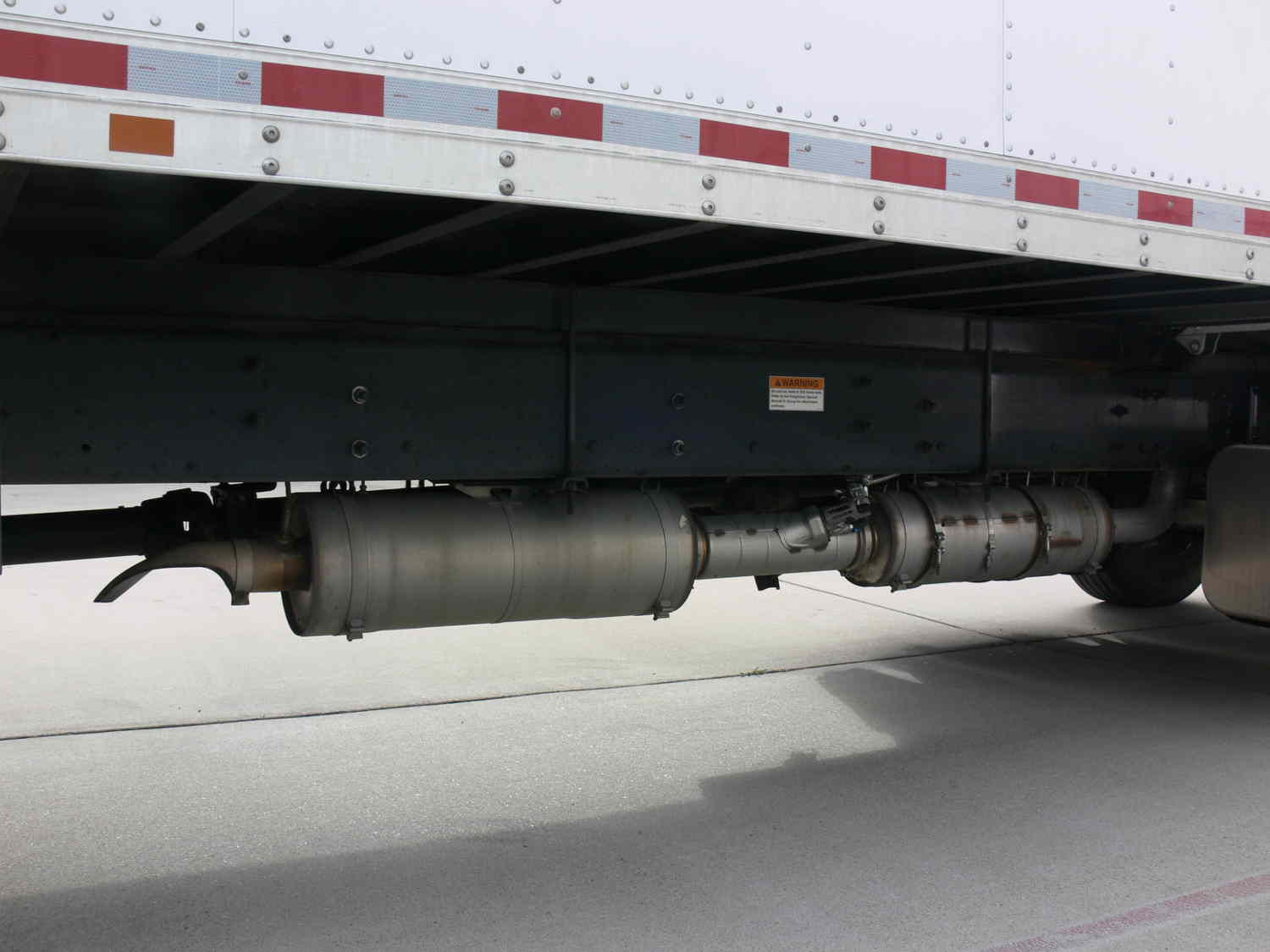
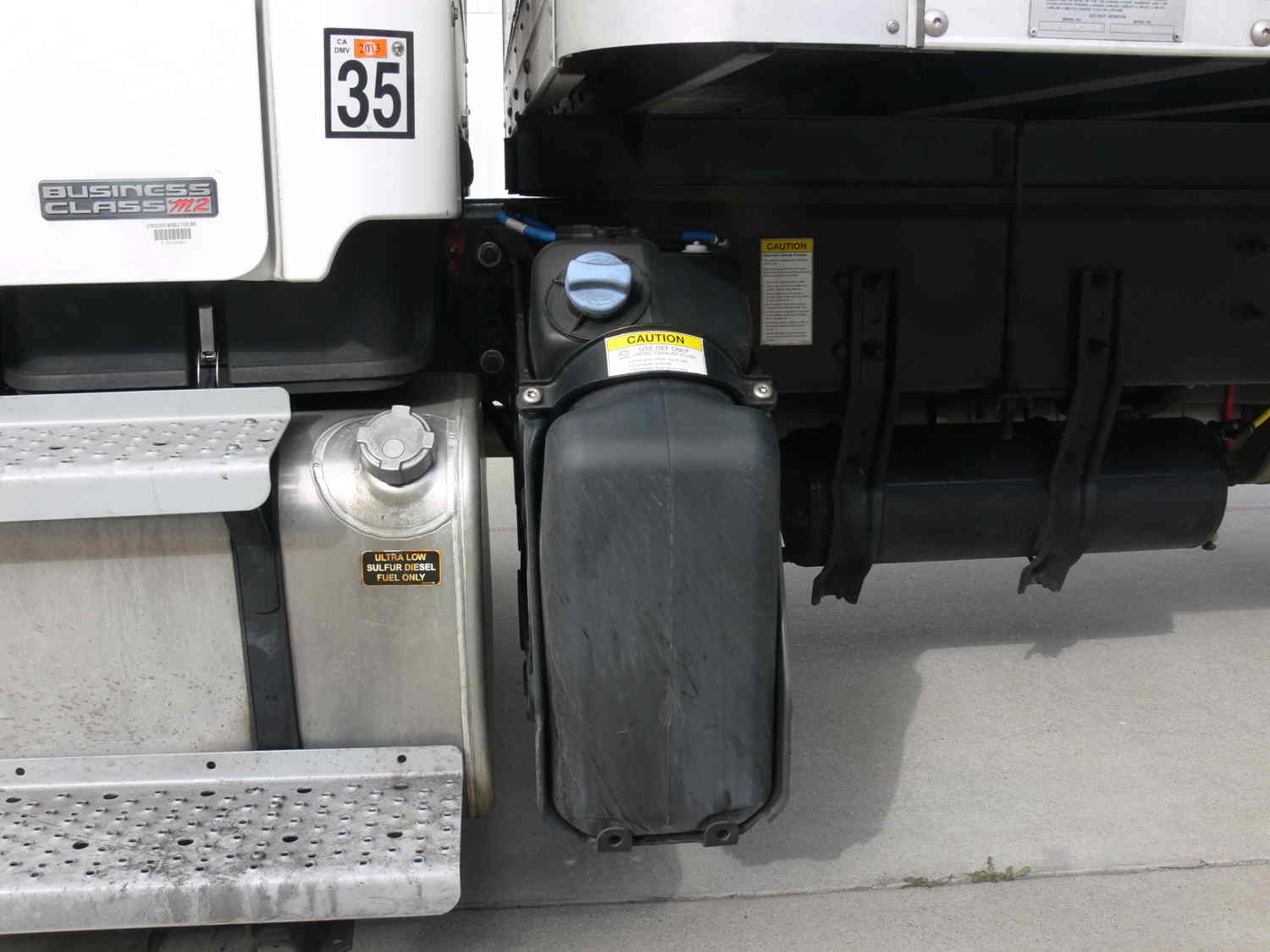
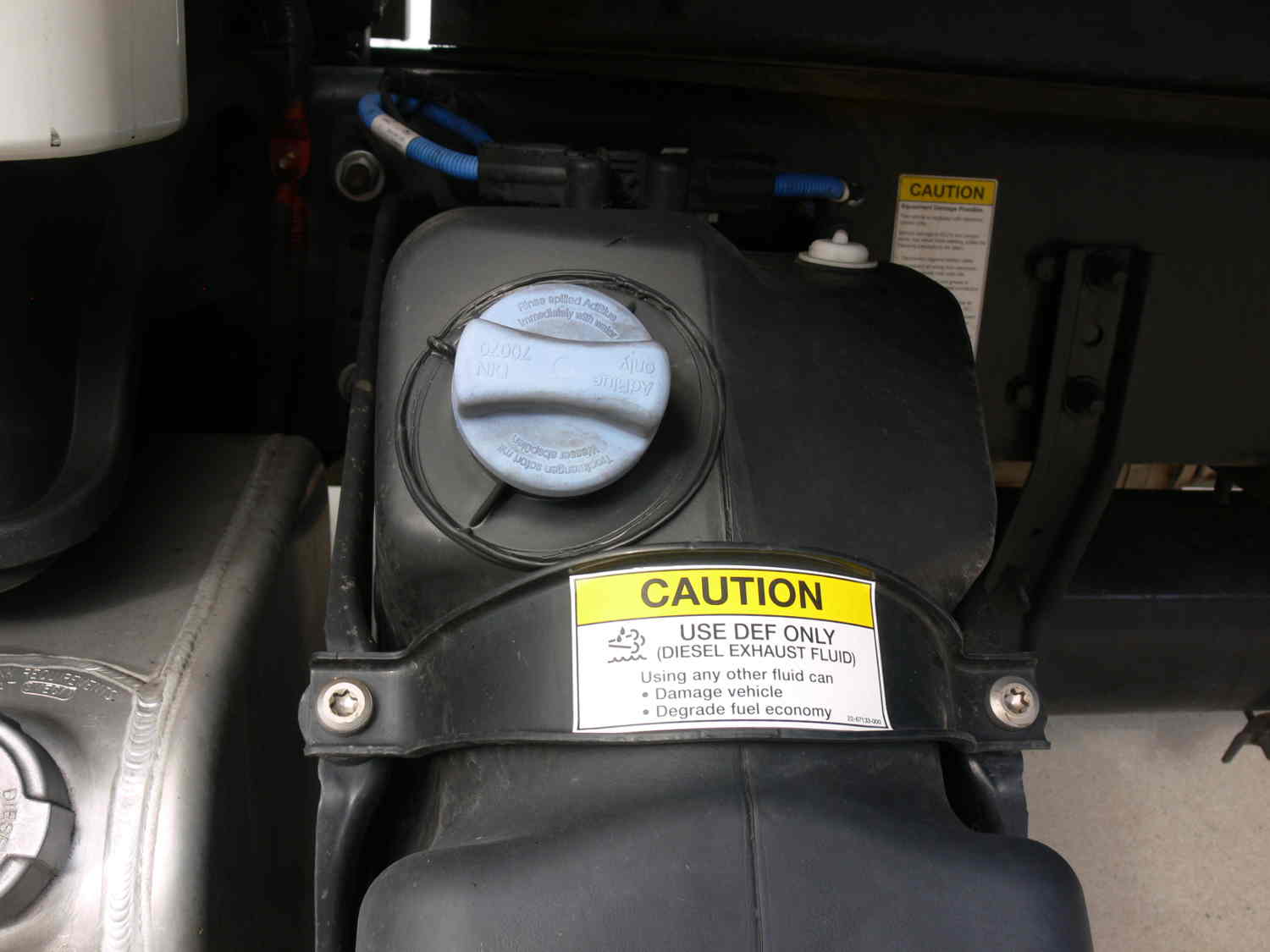
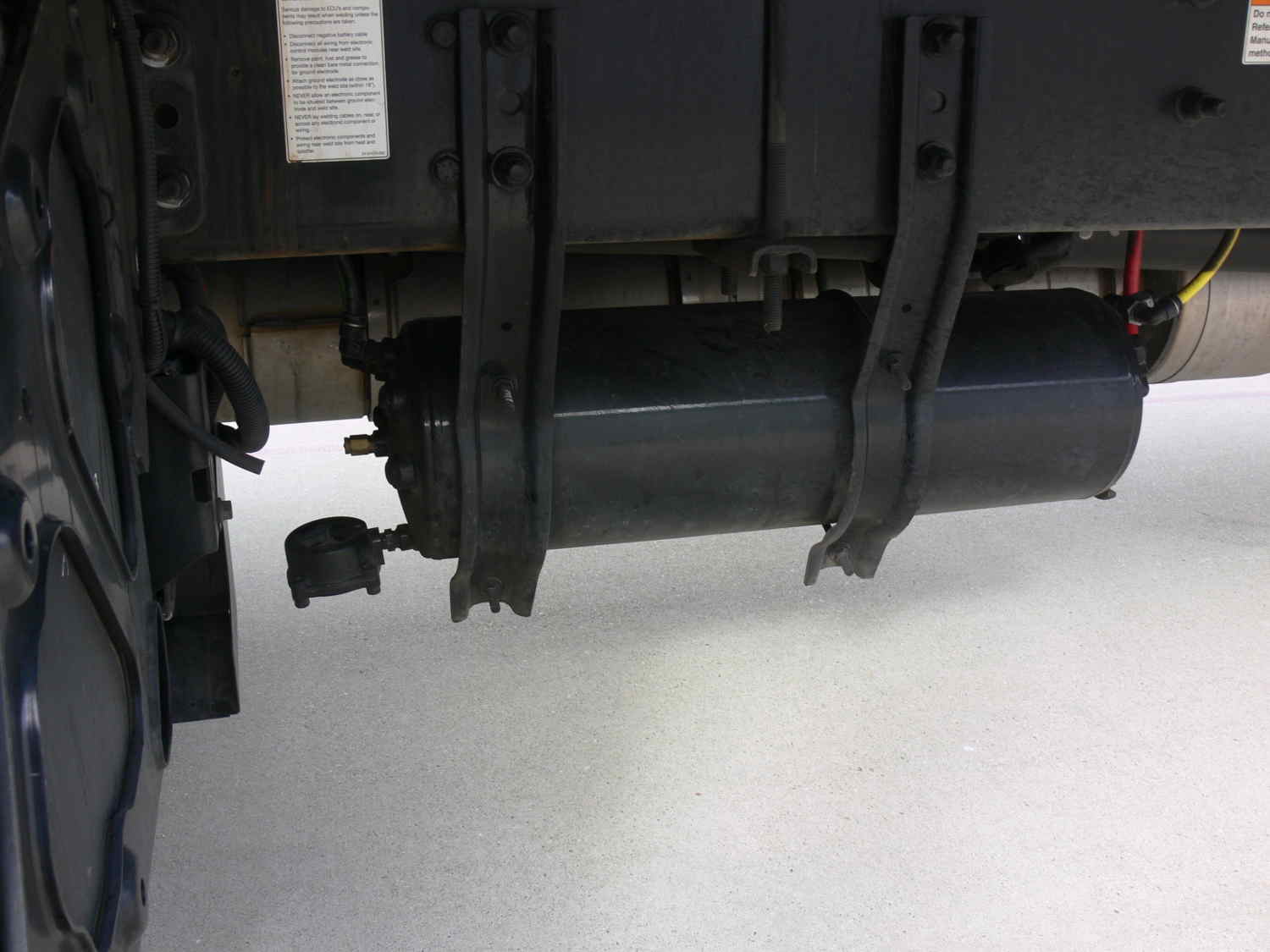
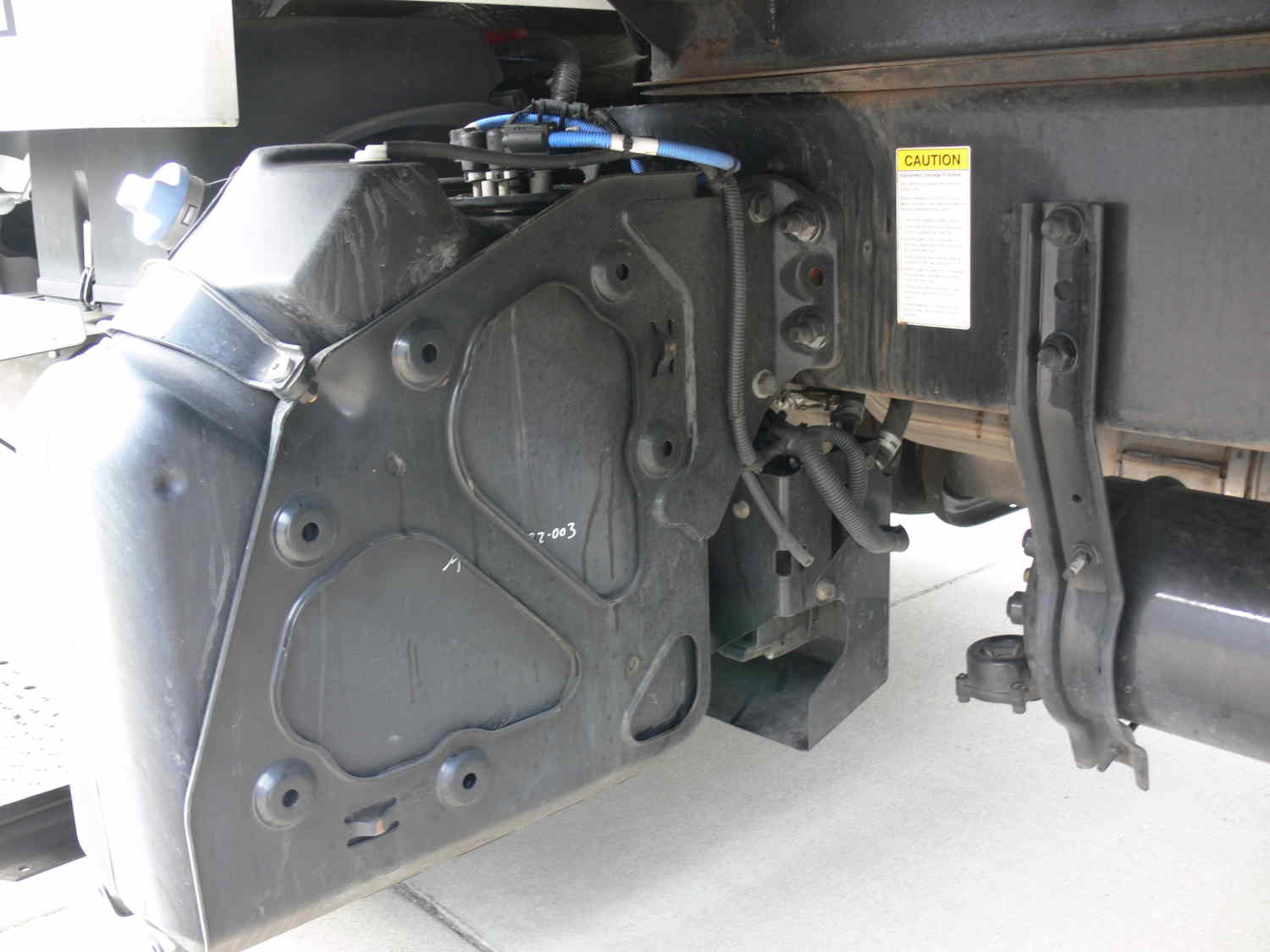
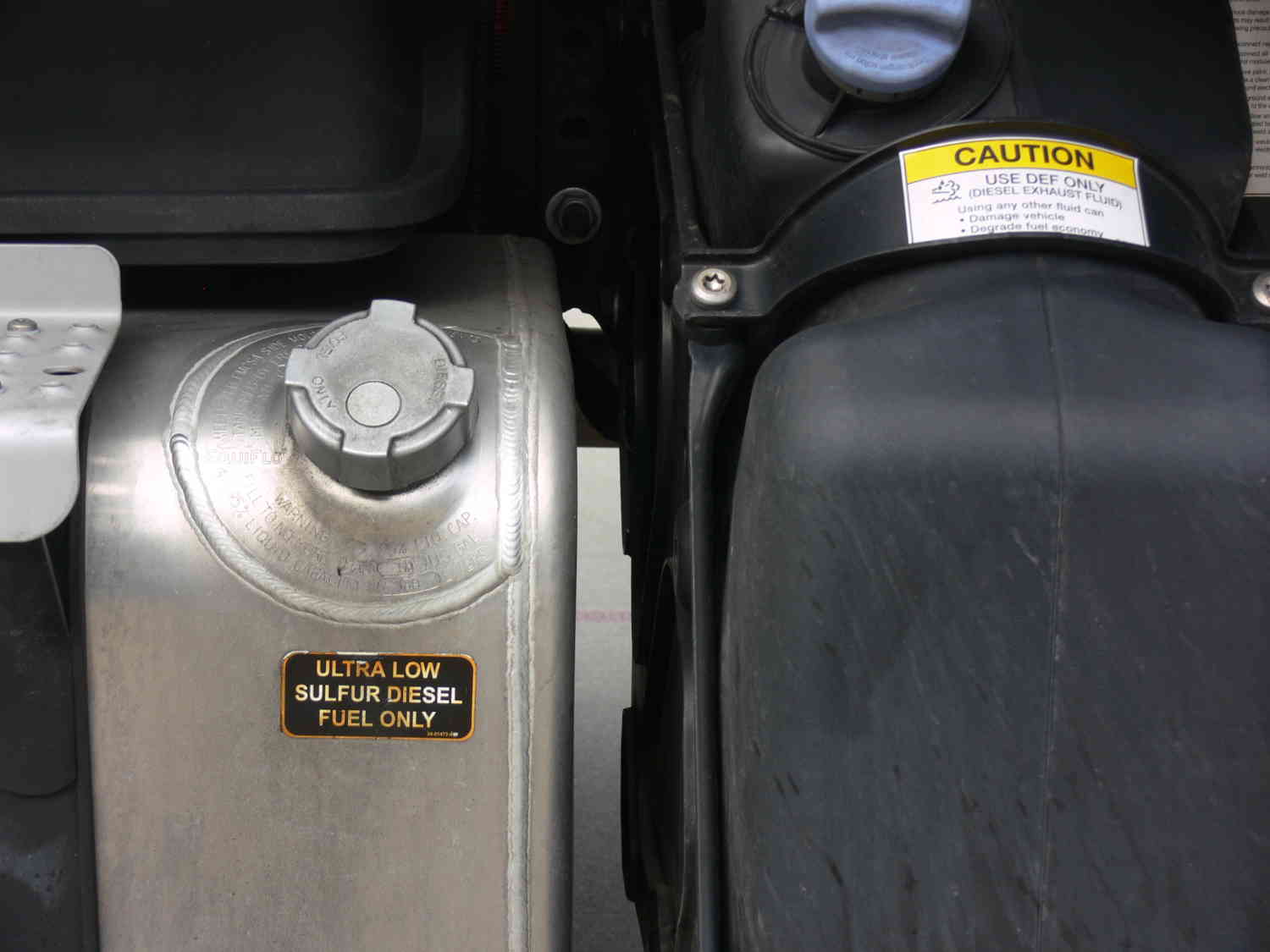
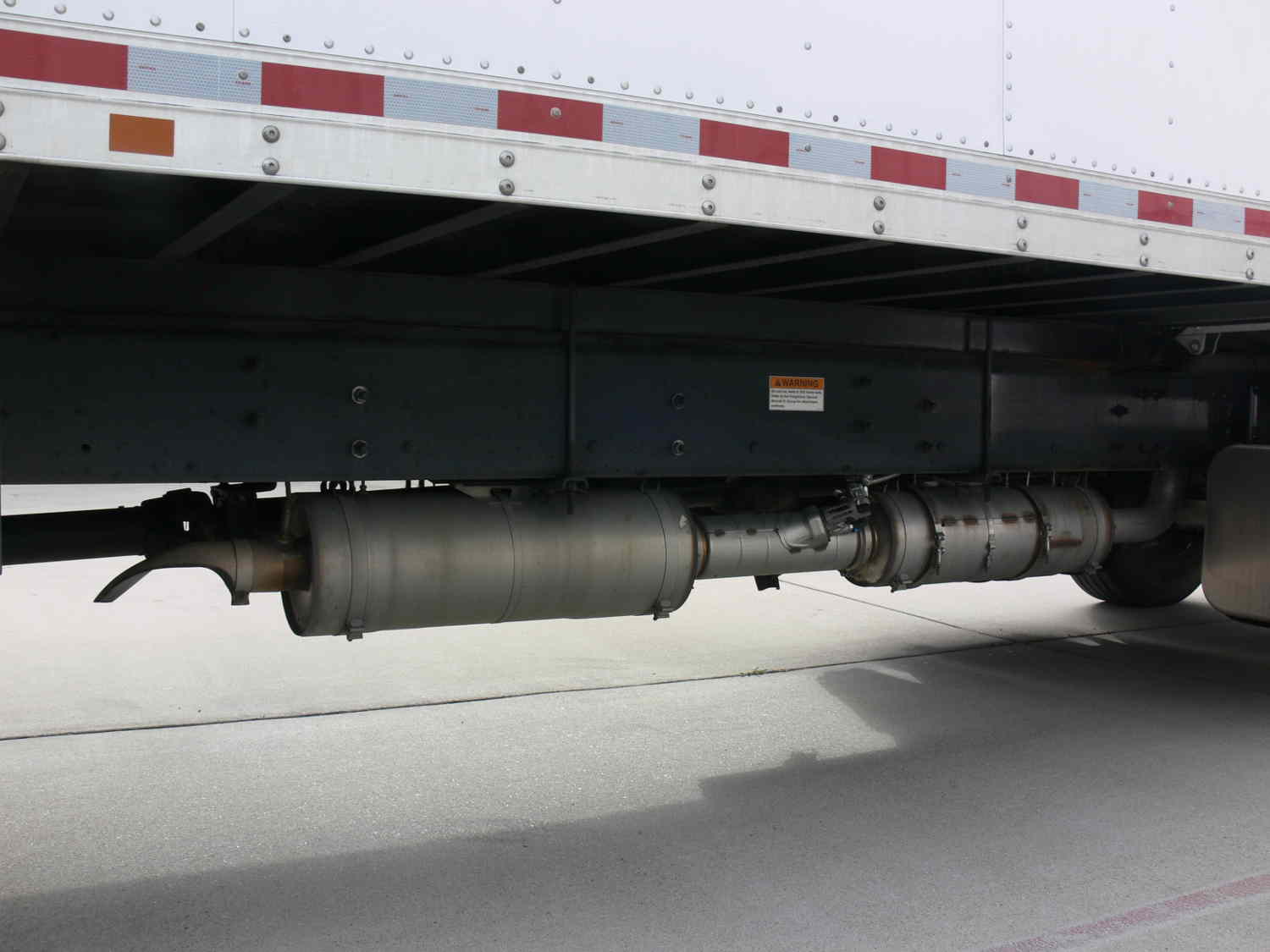
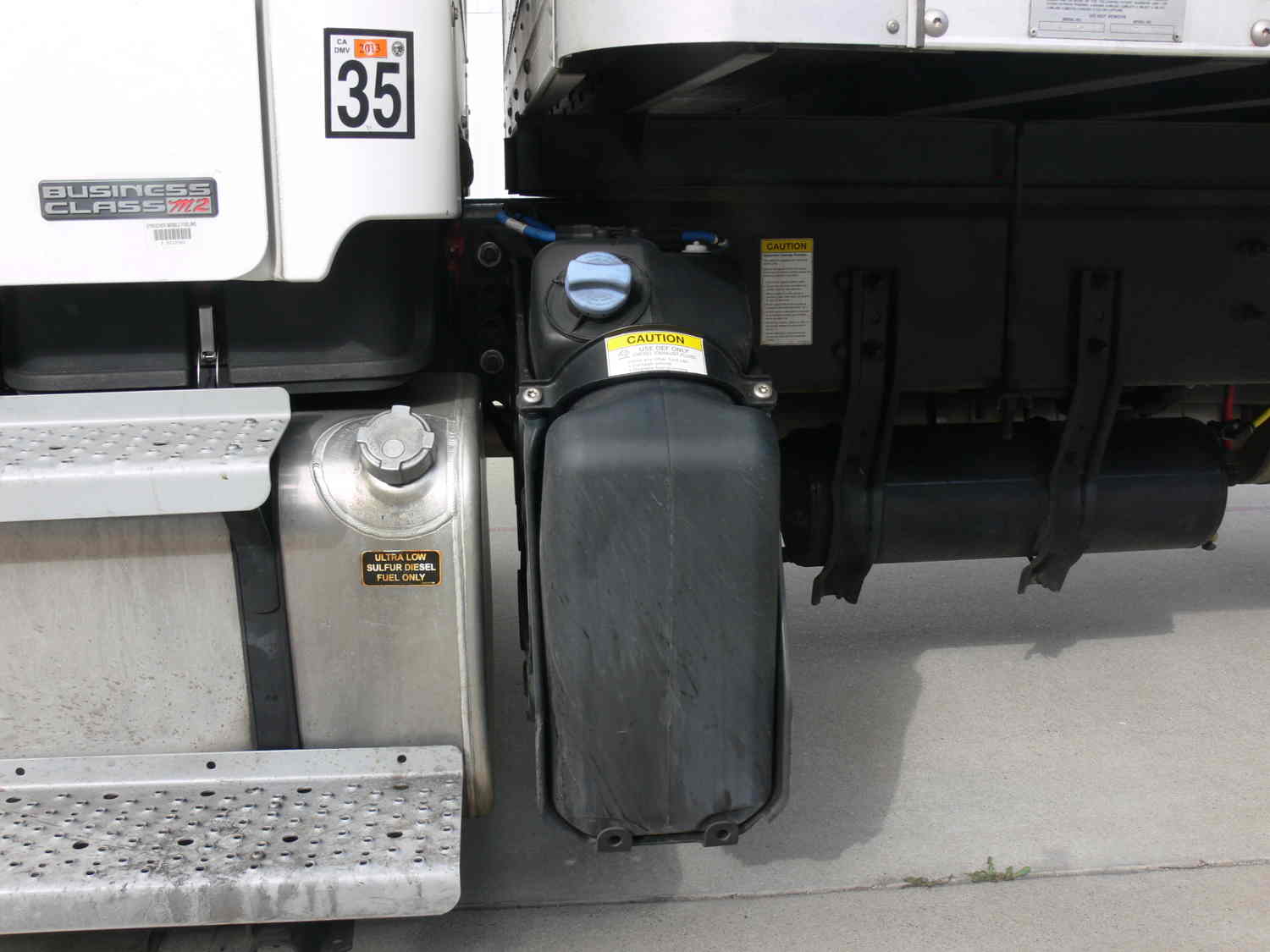
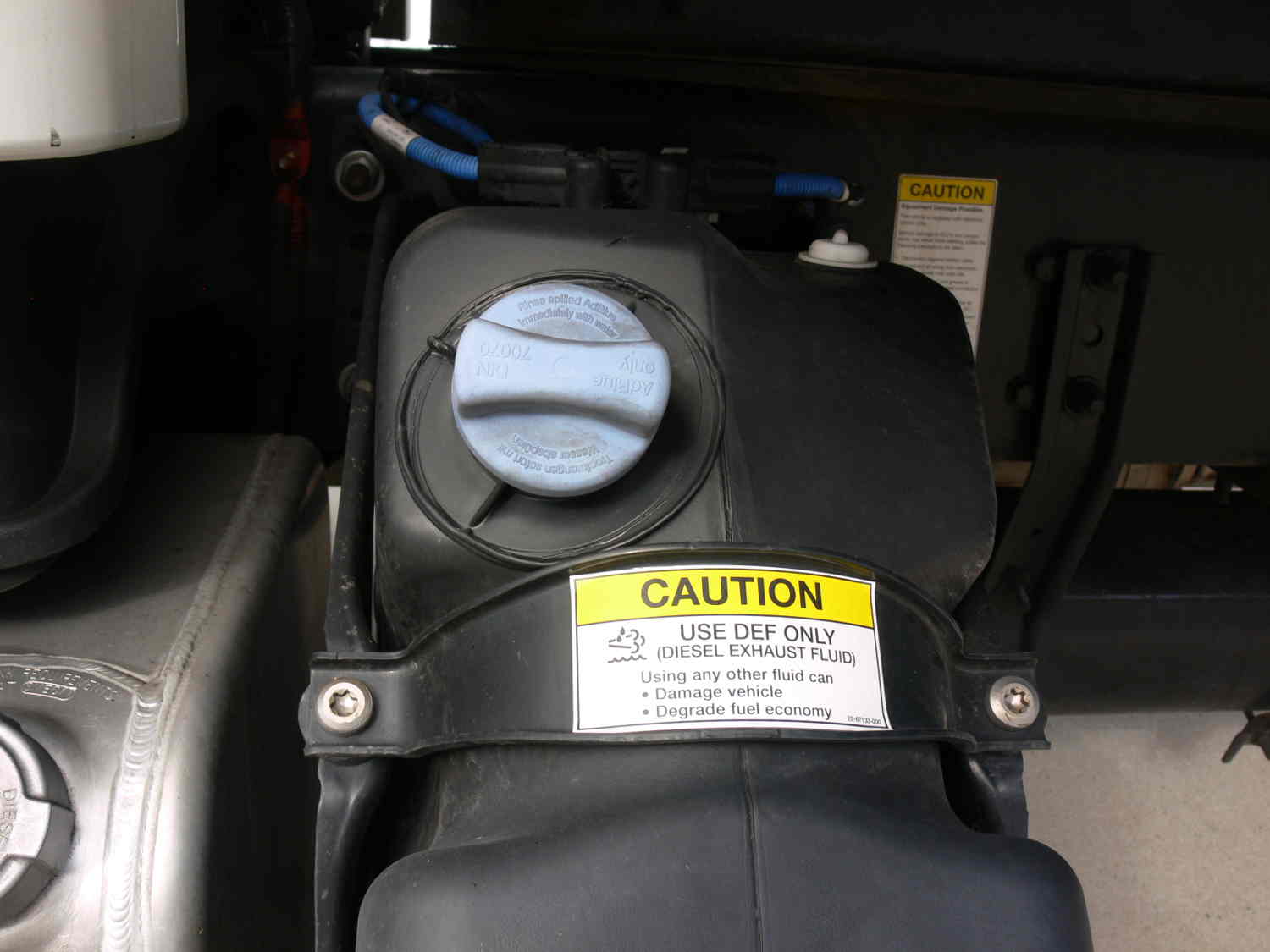
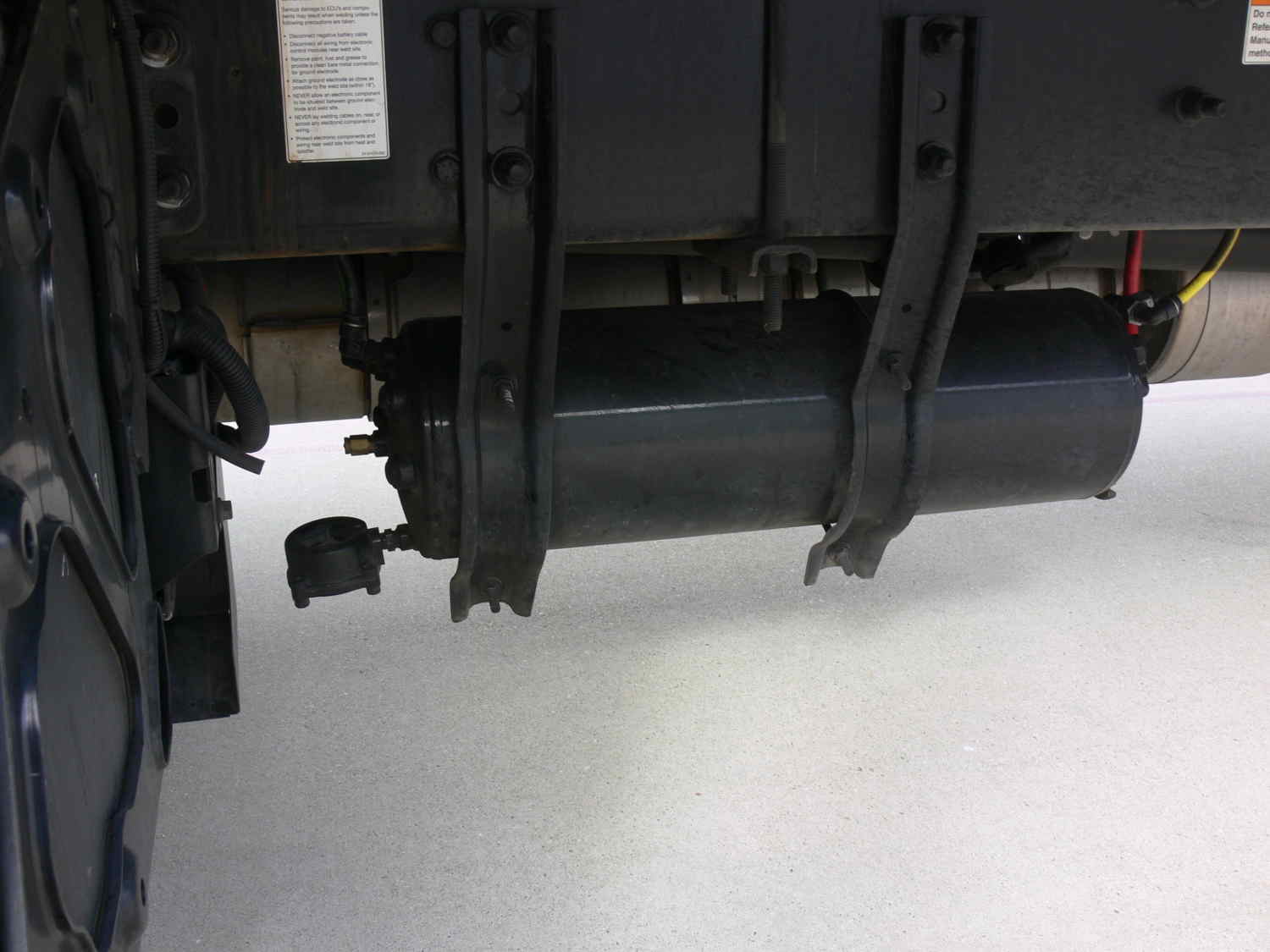
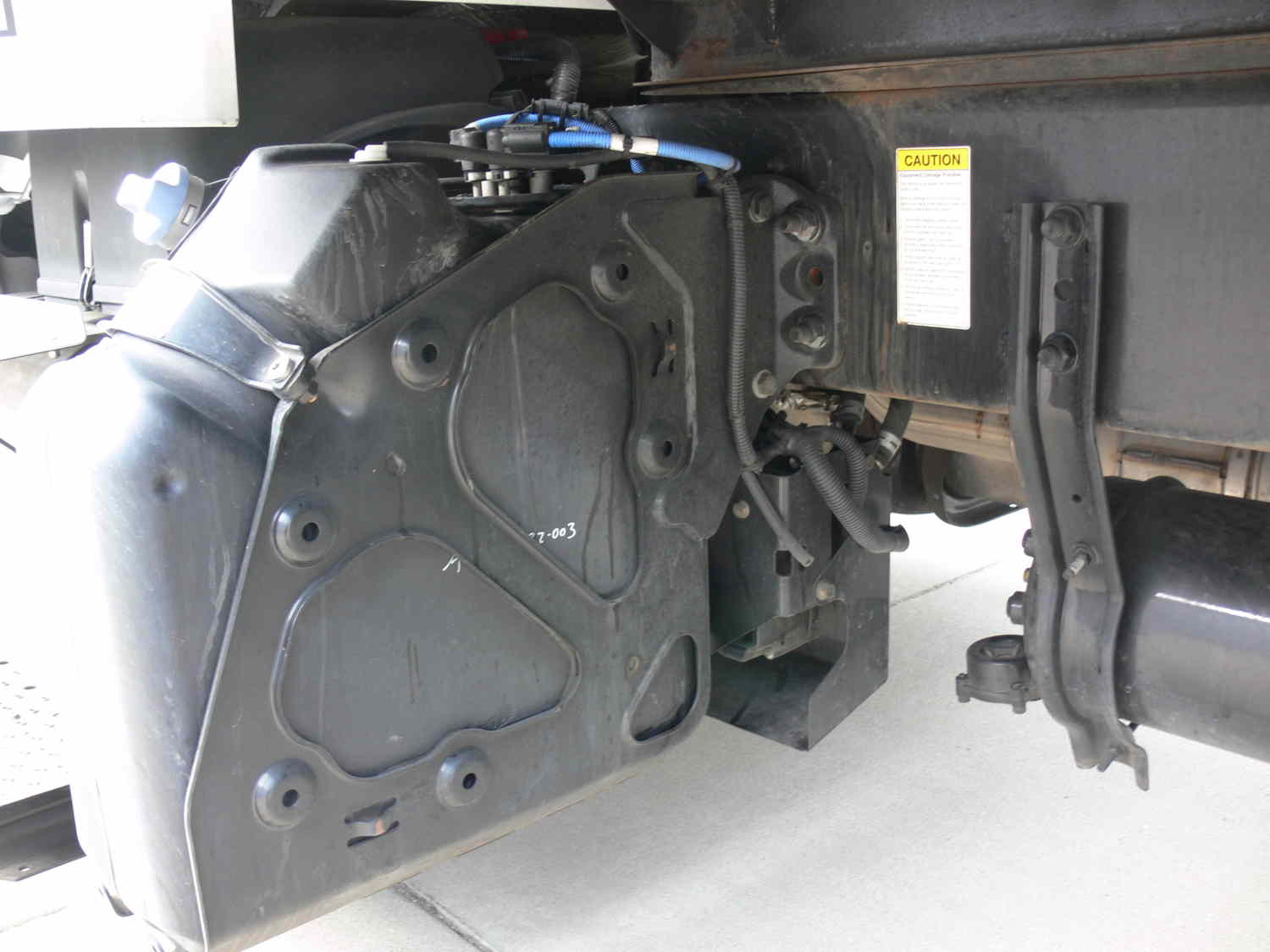
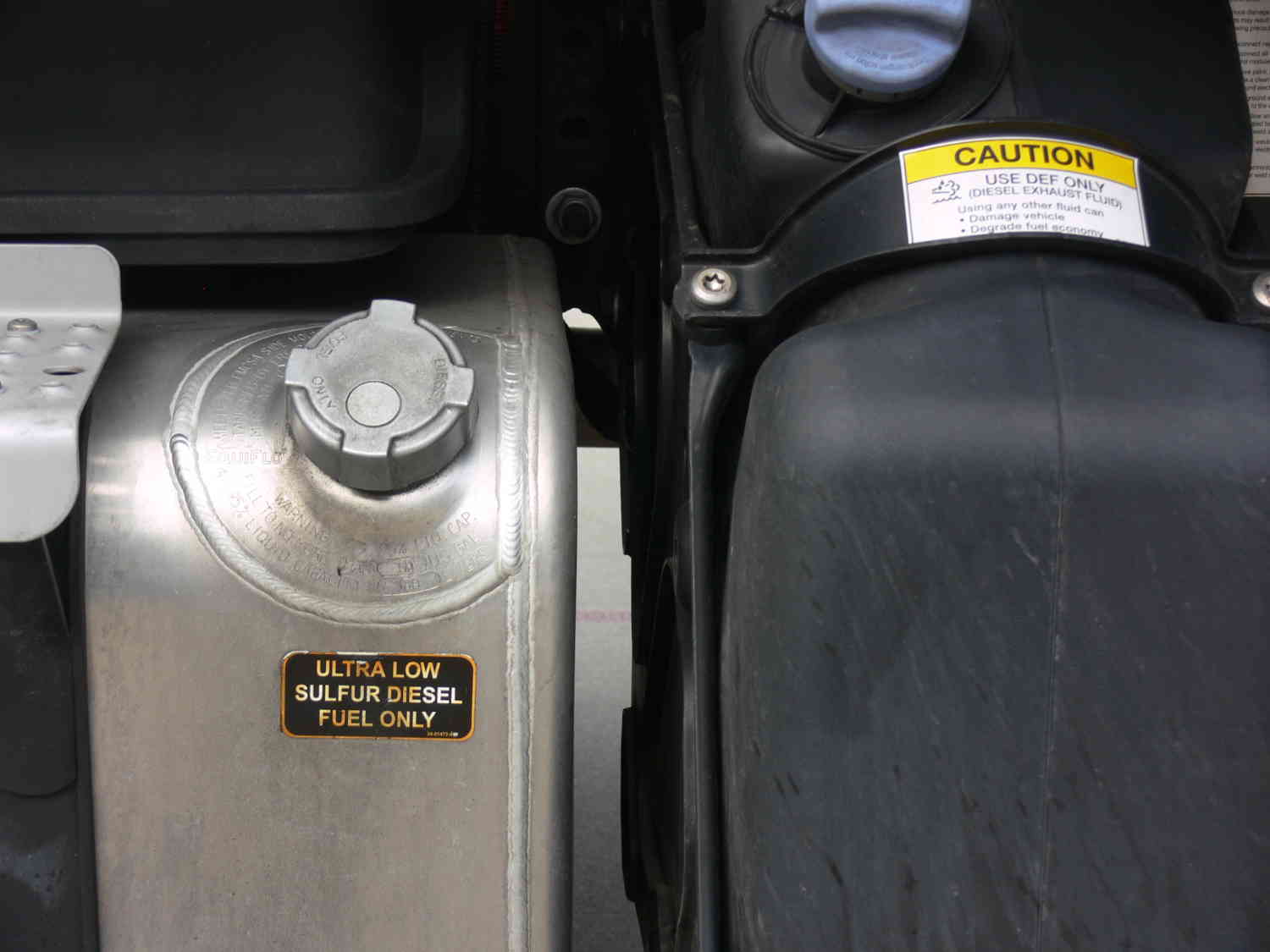
It takes $15,000 worth of extra equipment and a steady diet of pig pis
(DEF) to
meet local clean air standards. It converts some of the exhaust products
to ammonia.
Smelling ammonia all the time might be bad for you too :-)
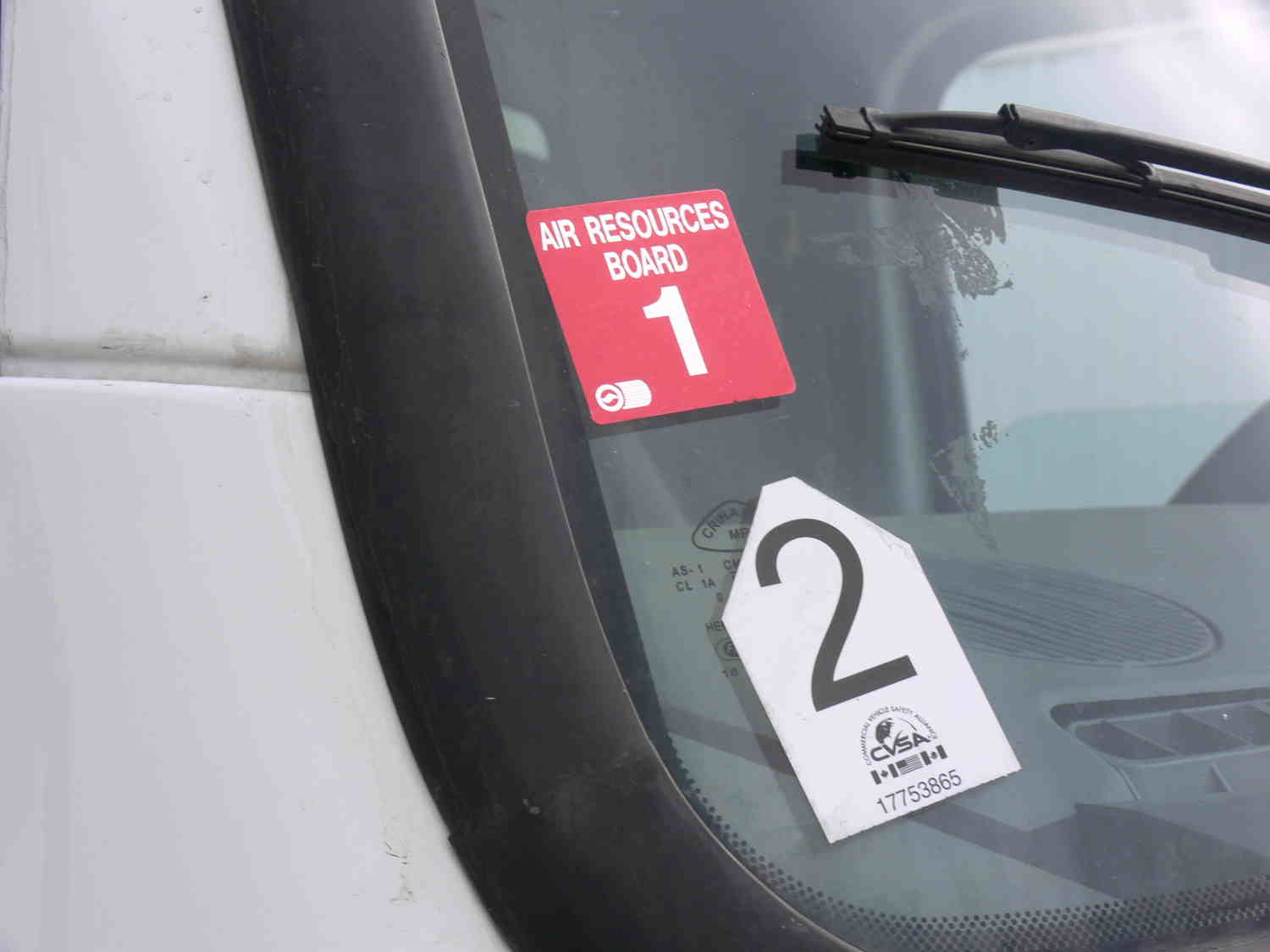
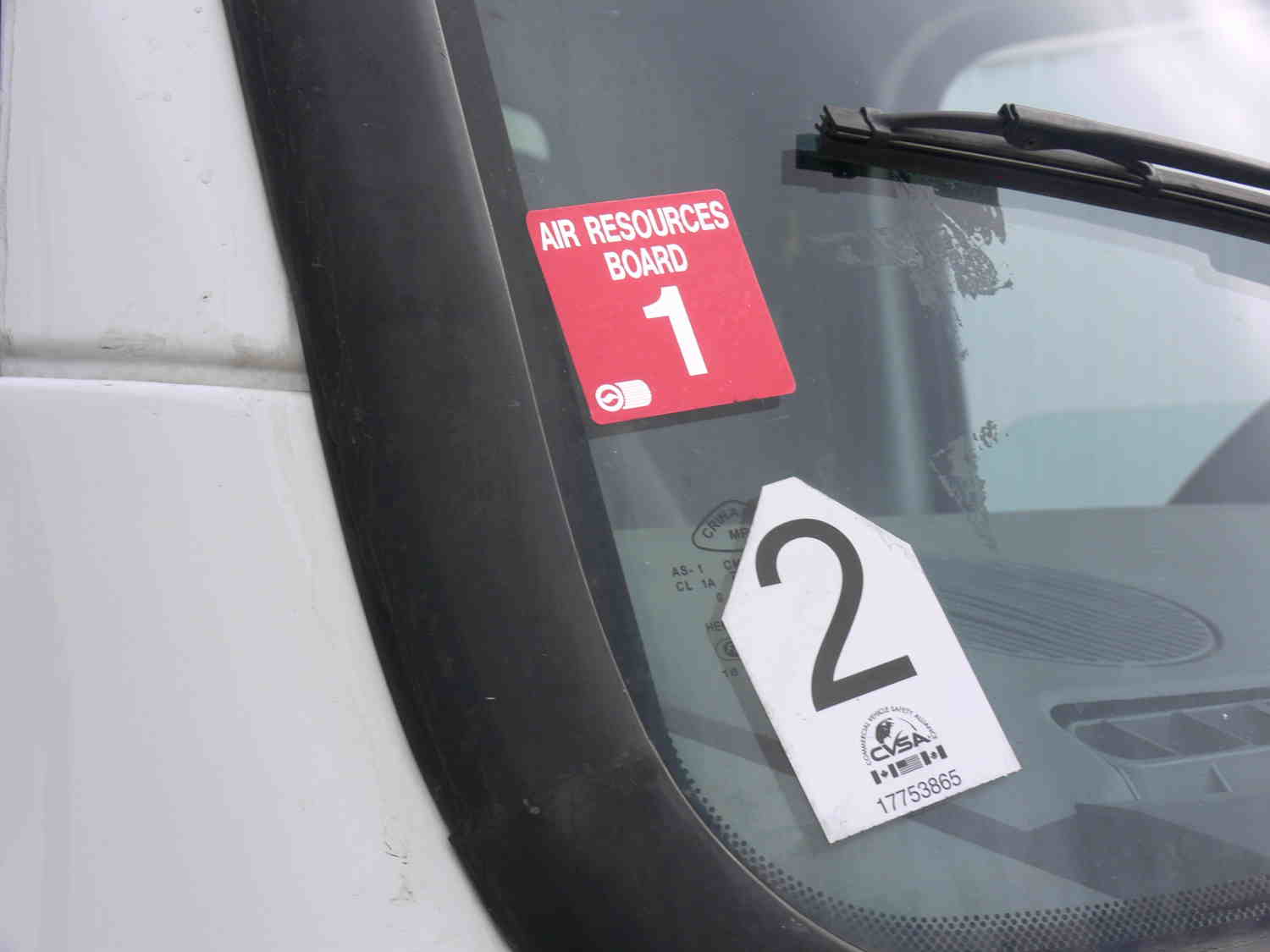
See the attached pictures.
Paul Lamar
he Rotary Engine free News Letter. Powered by Linux.
If you want off the list PLEASE let me know and I will
remove you. ACRE NL web site.
http://www.rotaryeng.net
You Tube
http://tinyurl.com/beqqxas
Copyright 1998-2016 All world wide rights reserved.