http://hyperphysics.phy-astr.gsu.edu/hbase/waves/cavity.html
Helmholtz resonators are becoming the norm for internal combustion
engines. It will cut the required size of the rotary intake manifold.
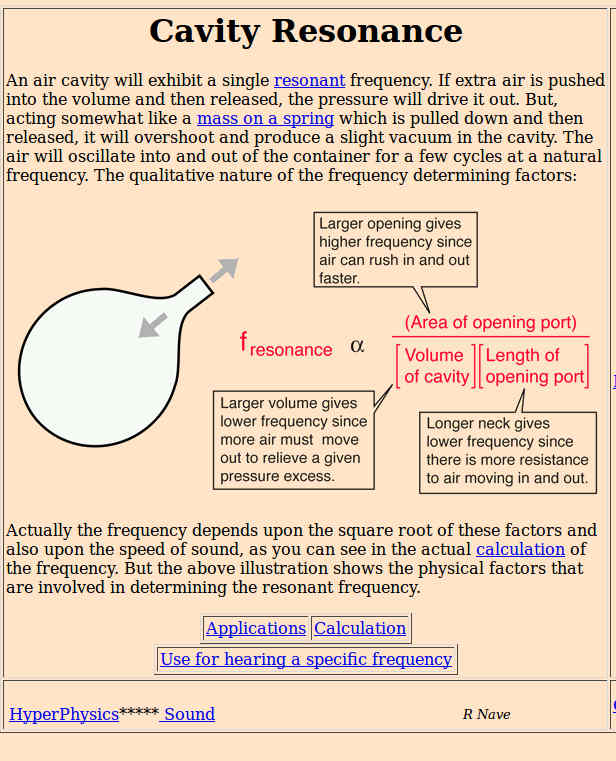
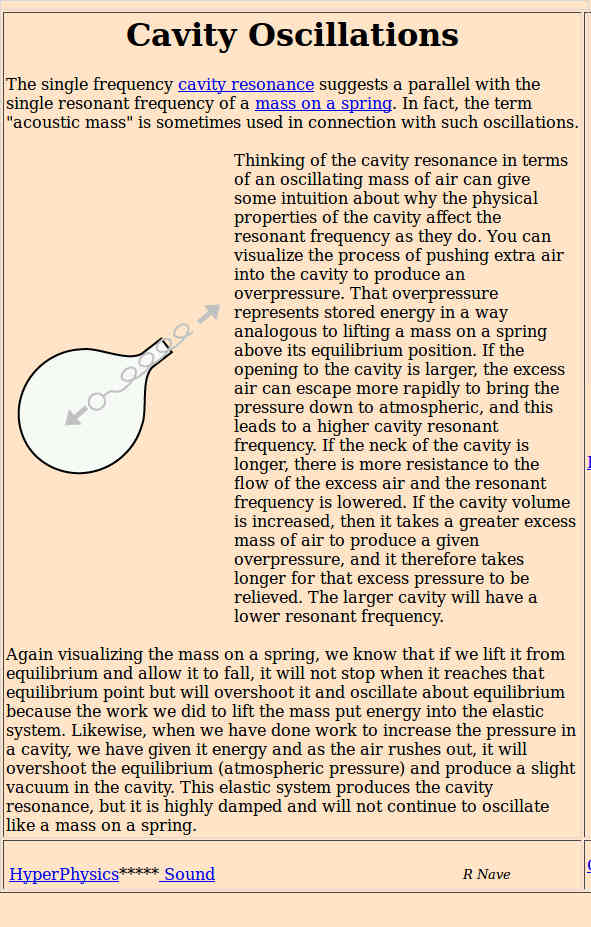
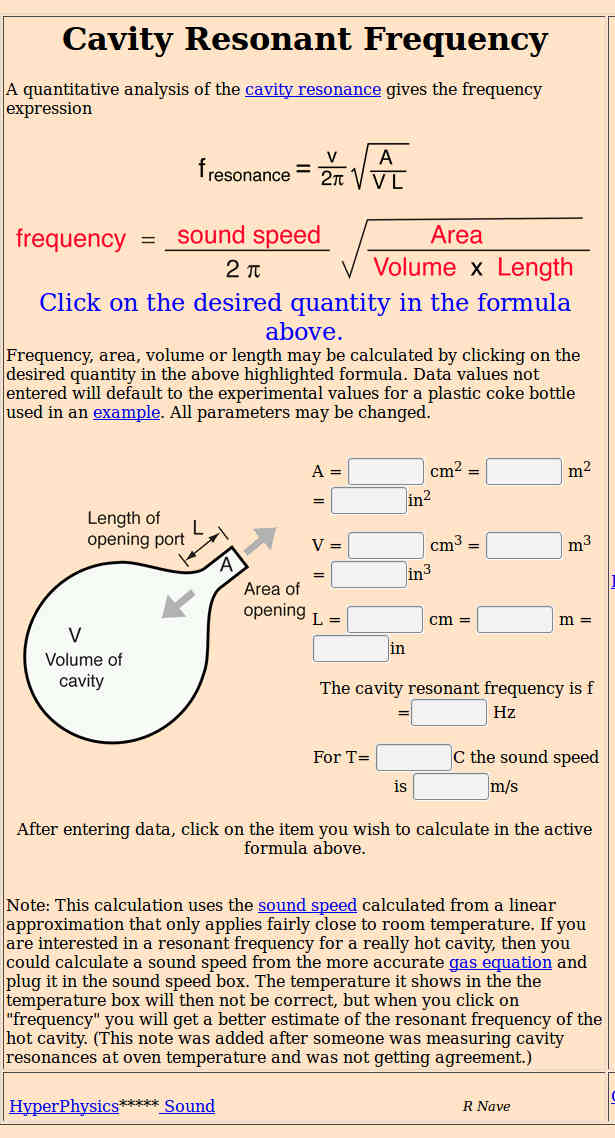
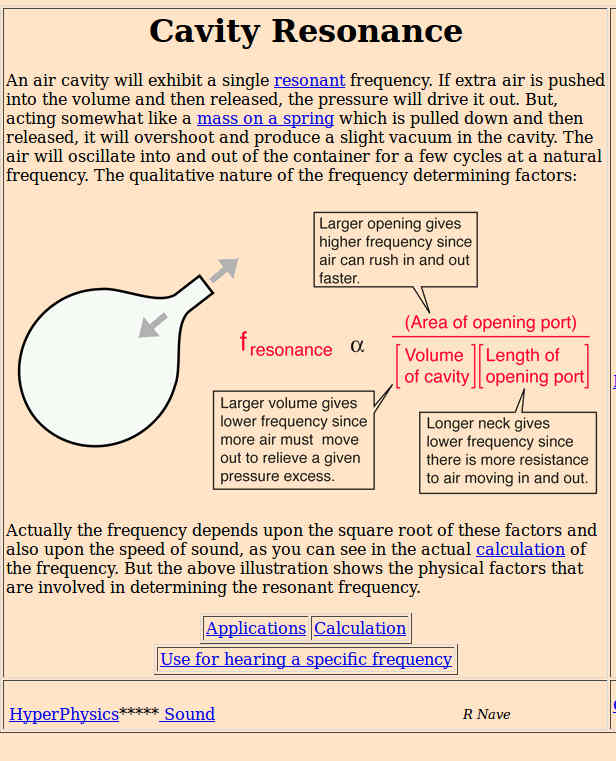
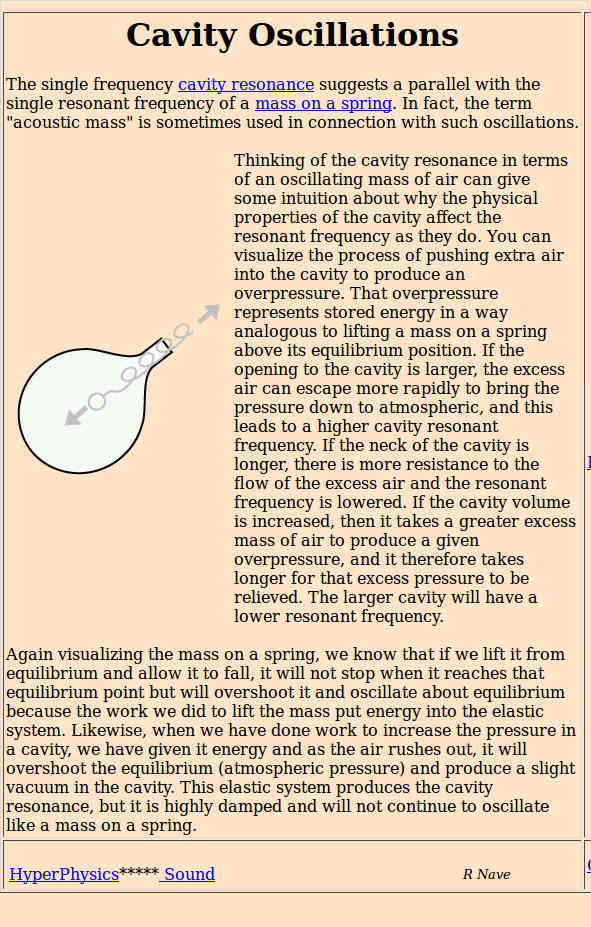
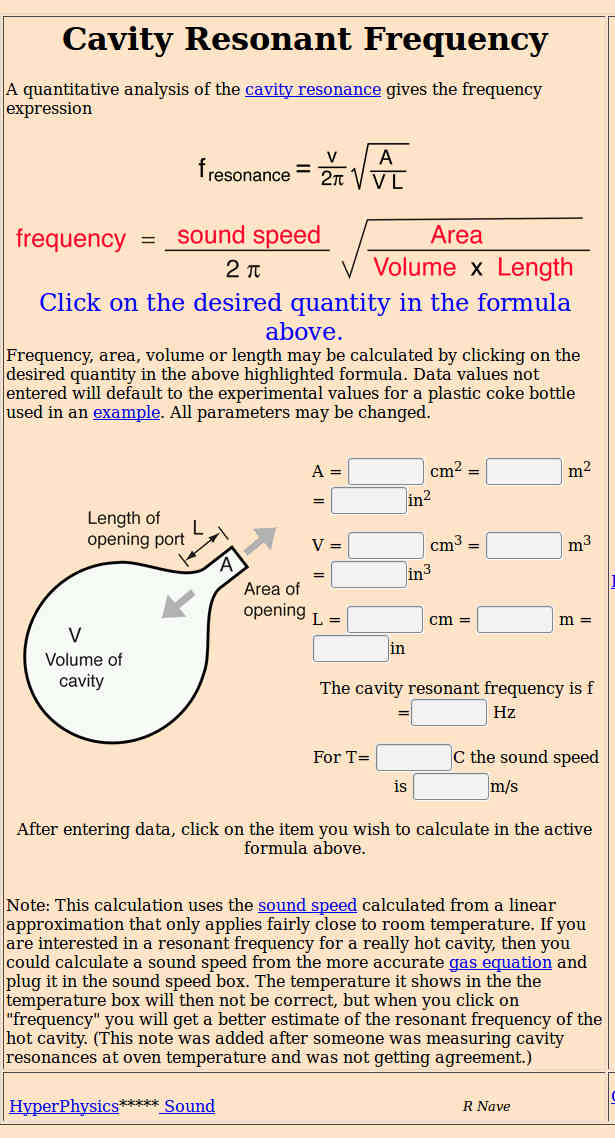
Cavity Resonance
"An air cavity will exhibit a single resonant frequency. If extra air
is pushed into the volume and then released, the pressure will drive it
out. But, acting somewhat like a mass on a spring which is pulled down
and then released, it will overshoot and produce a slight vacuum in the
cavity. The air will oscillate into and out of the container for a few
cycles at a natural frequency. "
This one paragraph does a remarkable job of explaining the Helmholtz
phenomena in easy to unders stand terms.
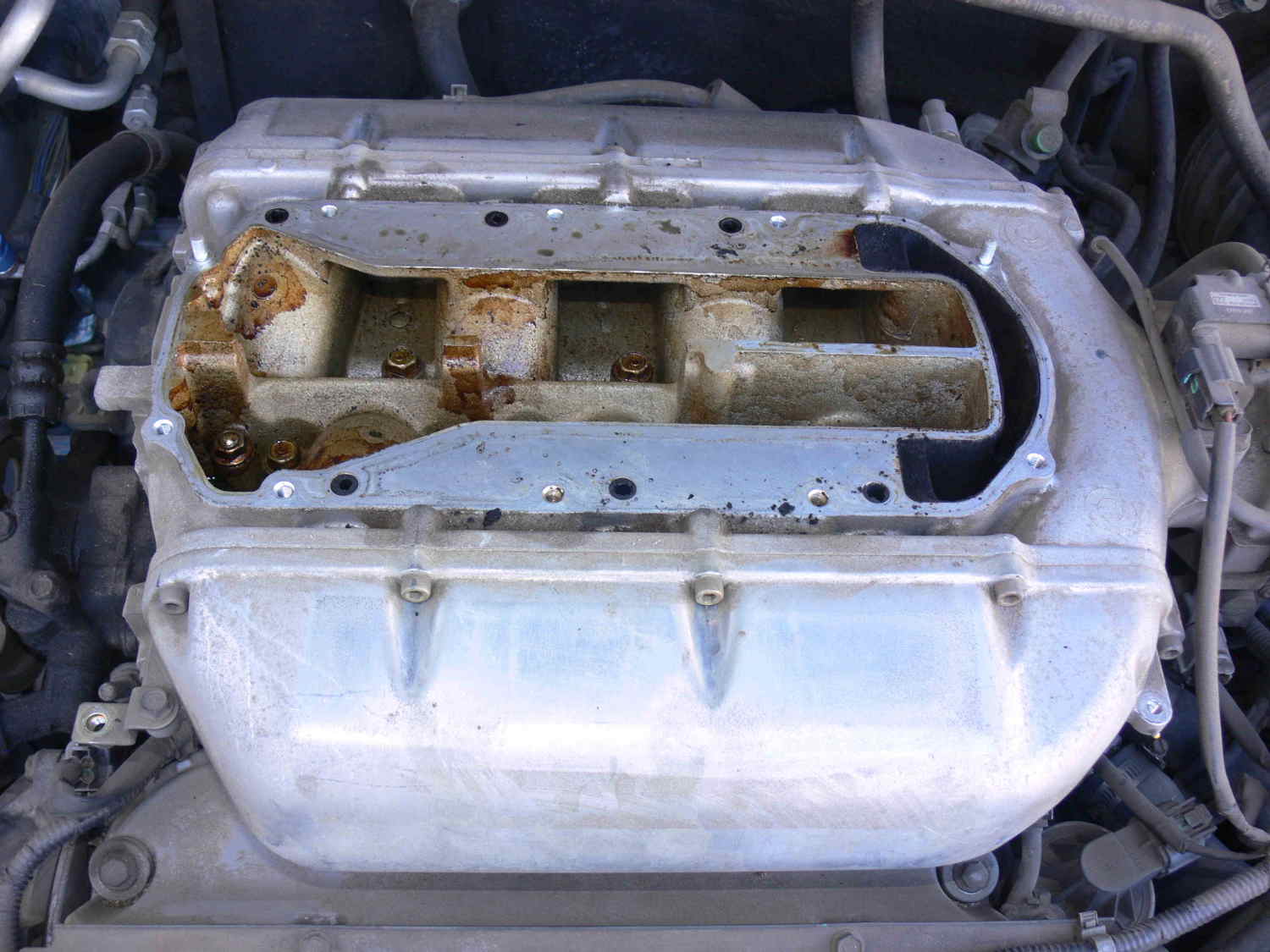
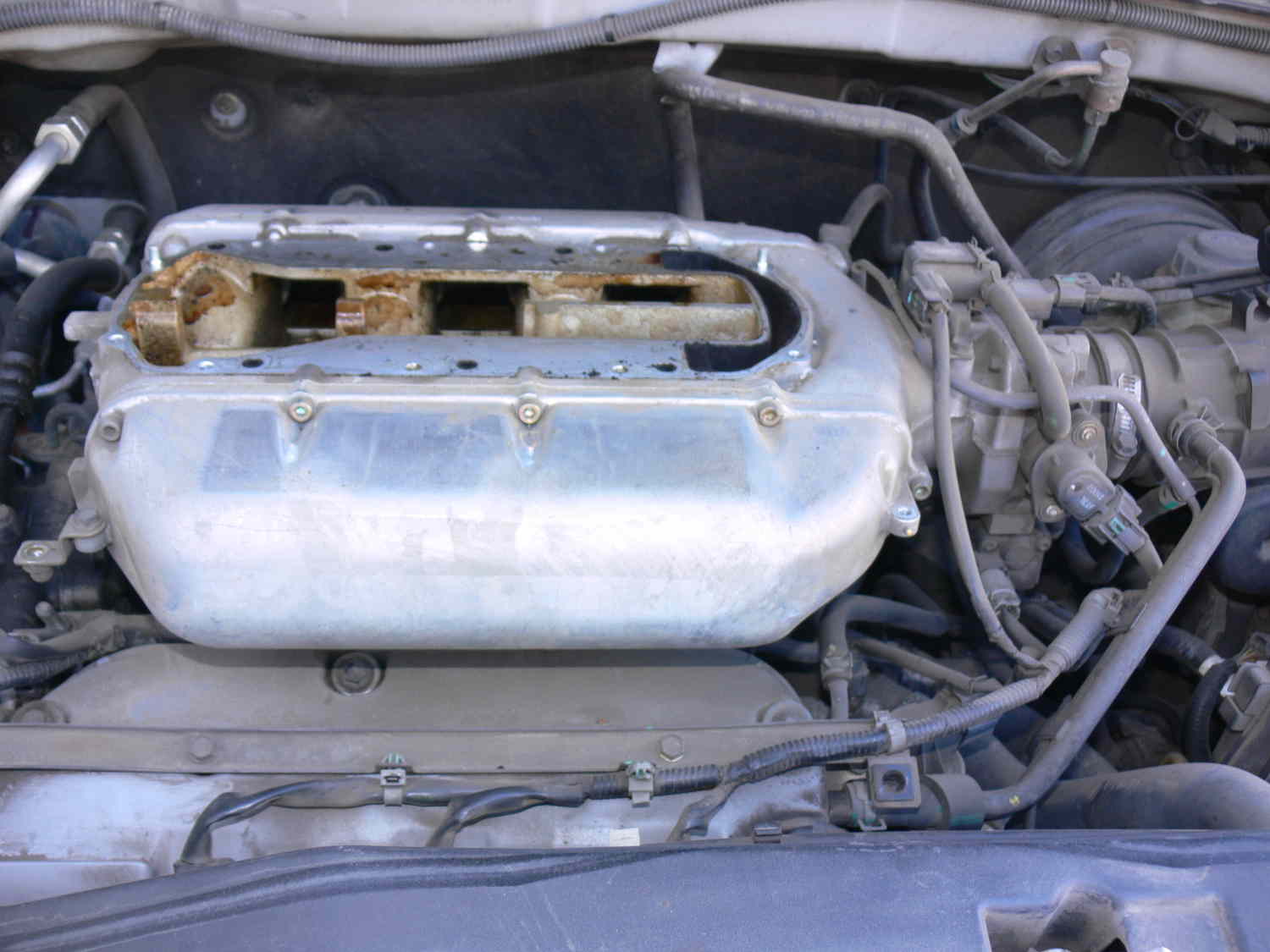
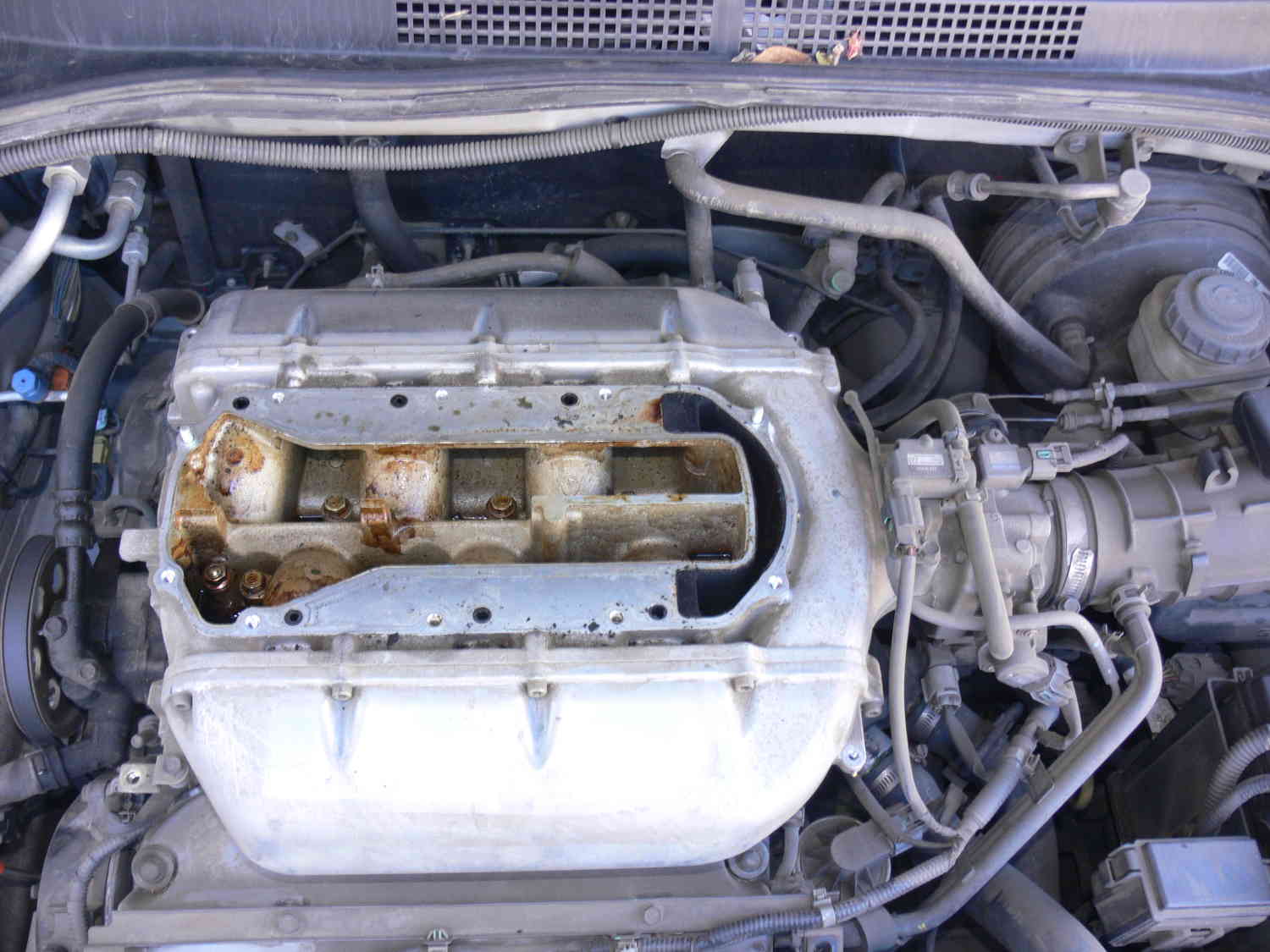
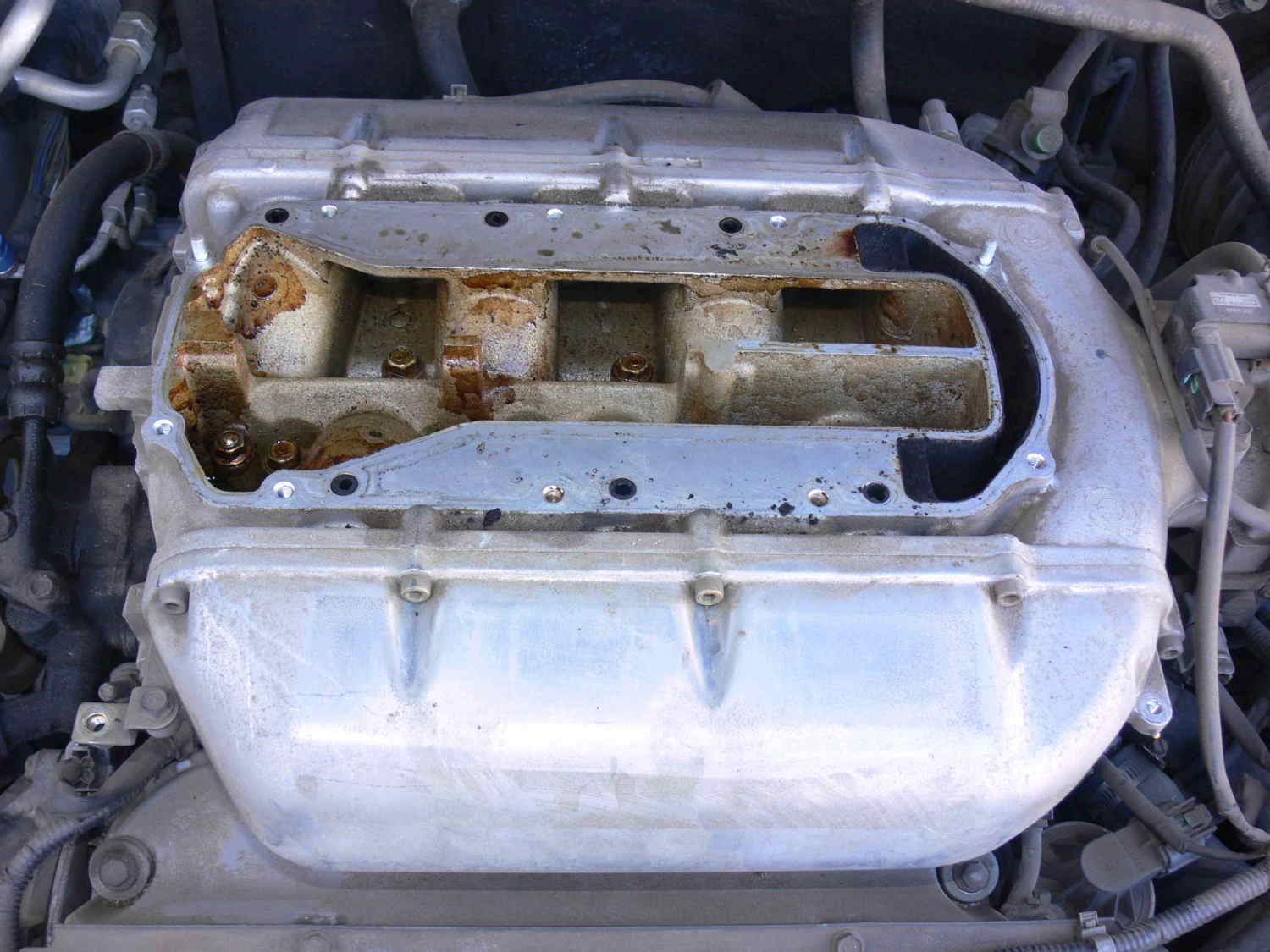
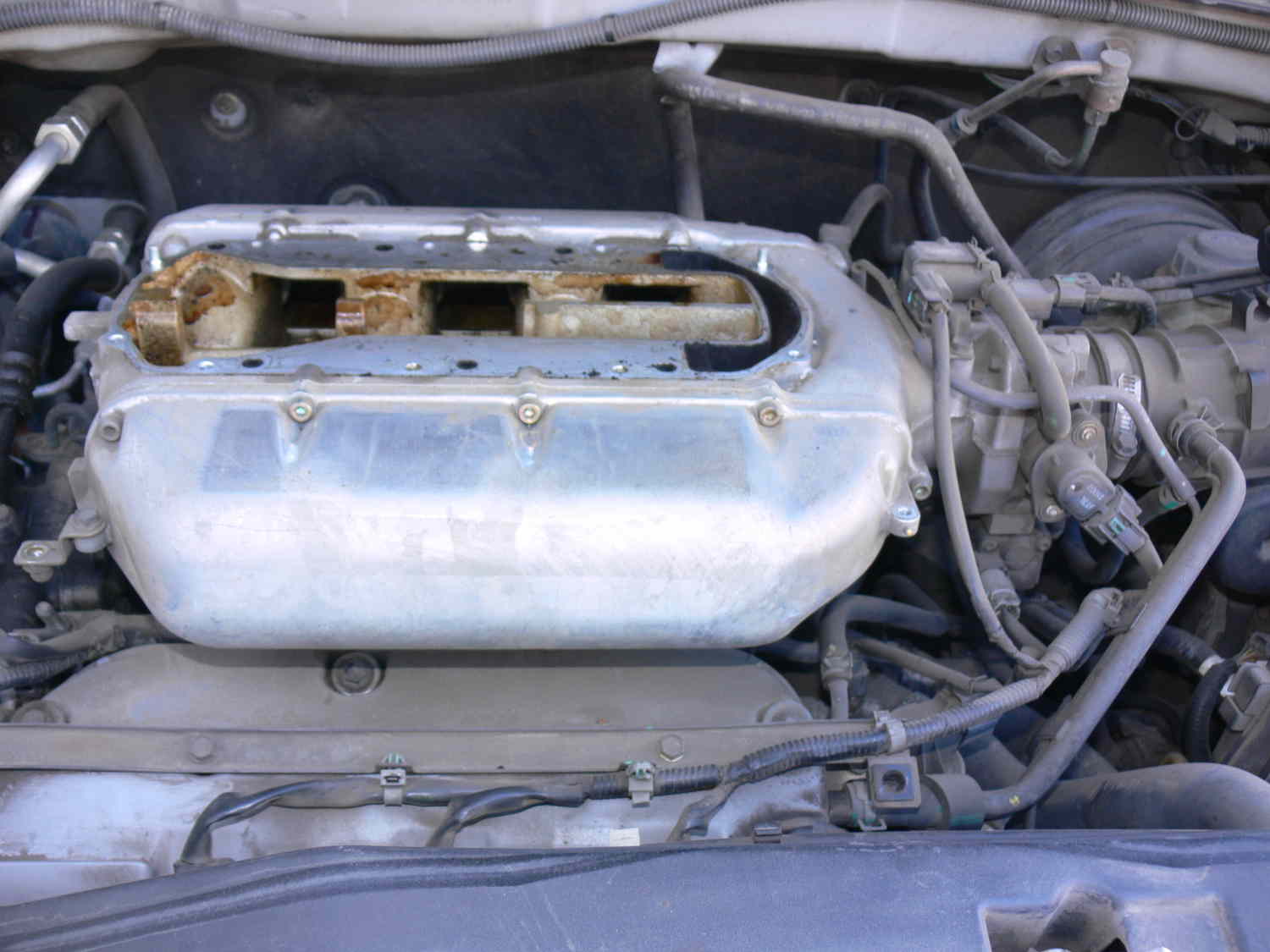
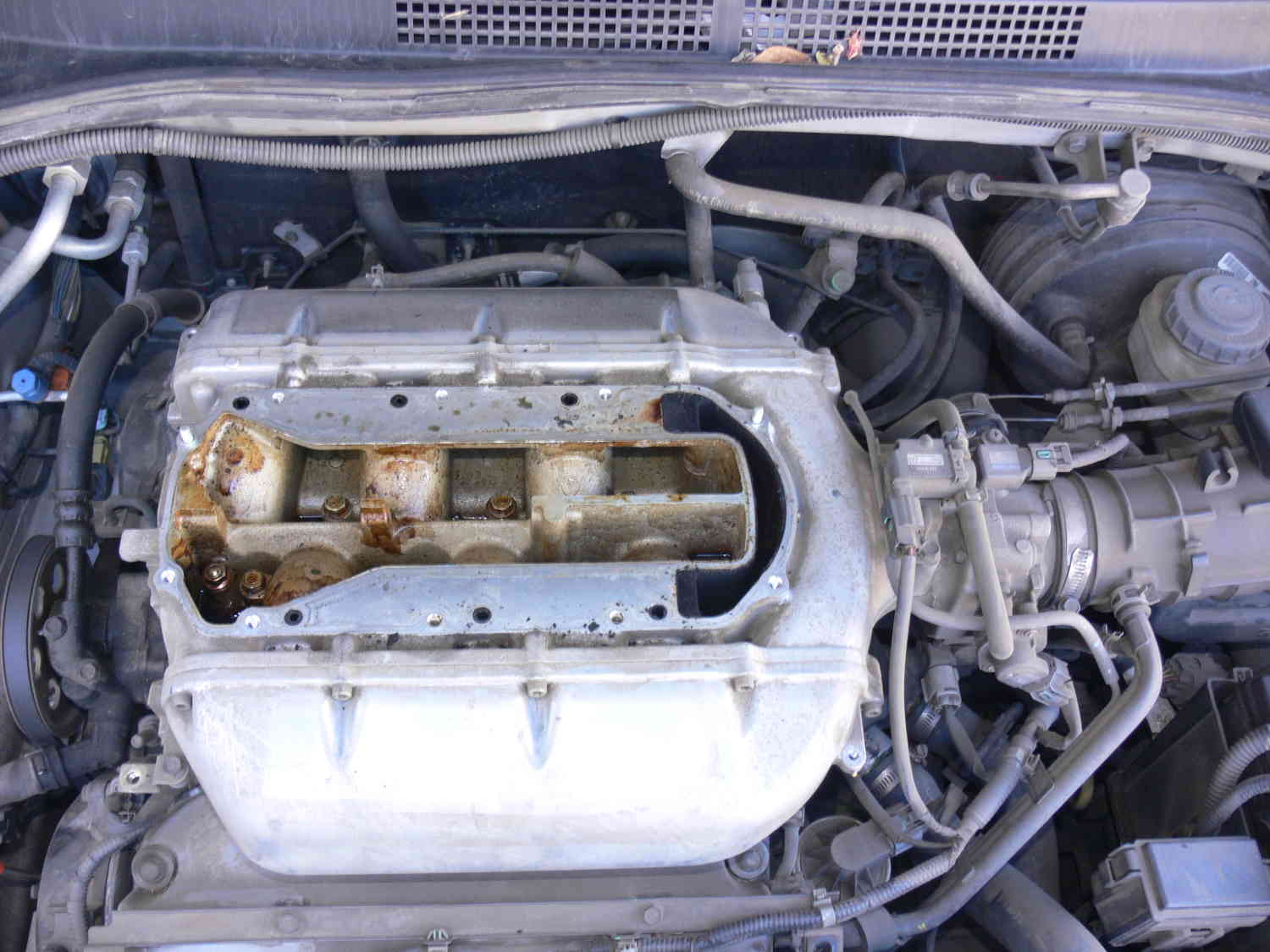
Some of the jpgs show a 2004 Honda Odyssey V6 Helmholtz intake manifold.
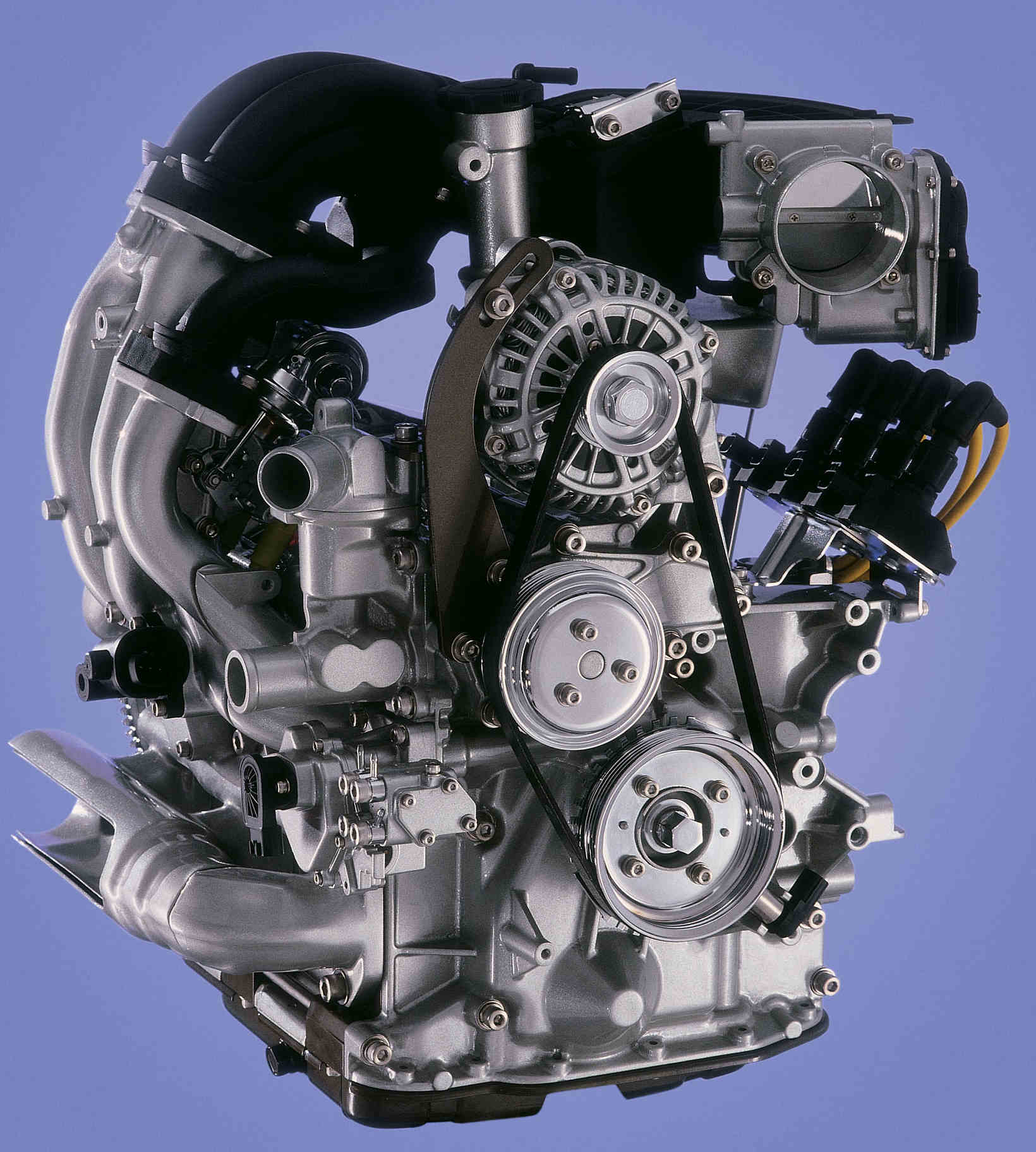
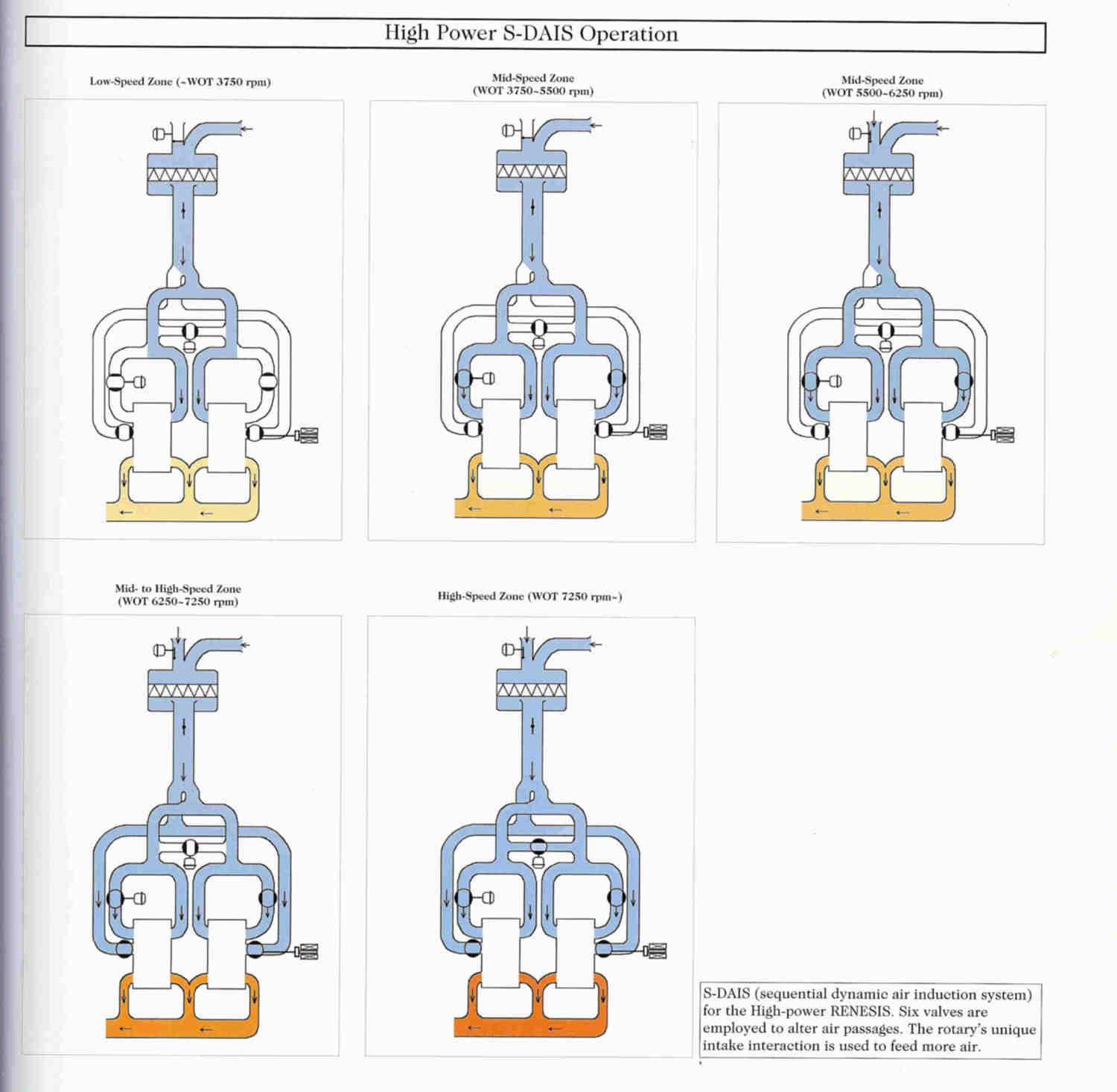
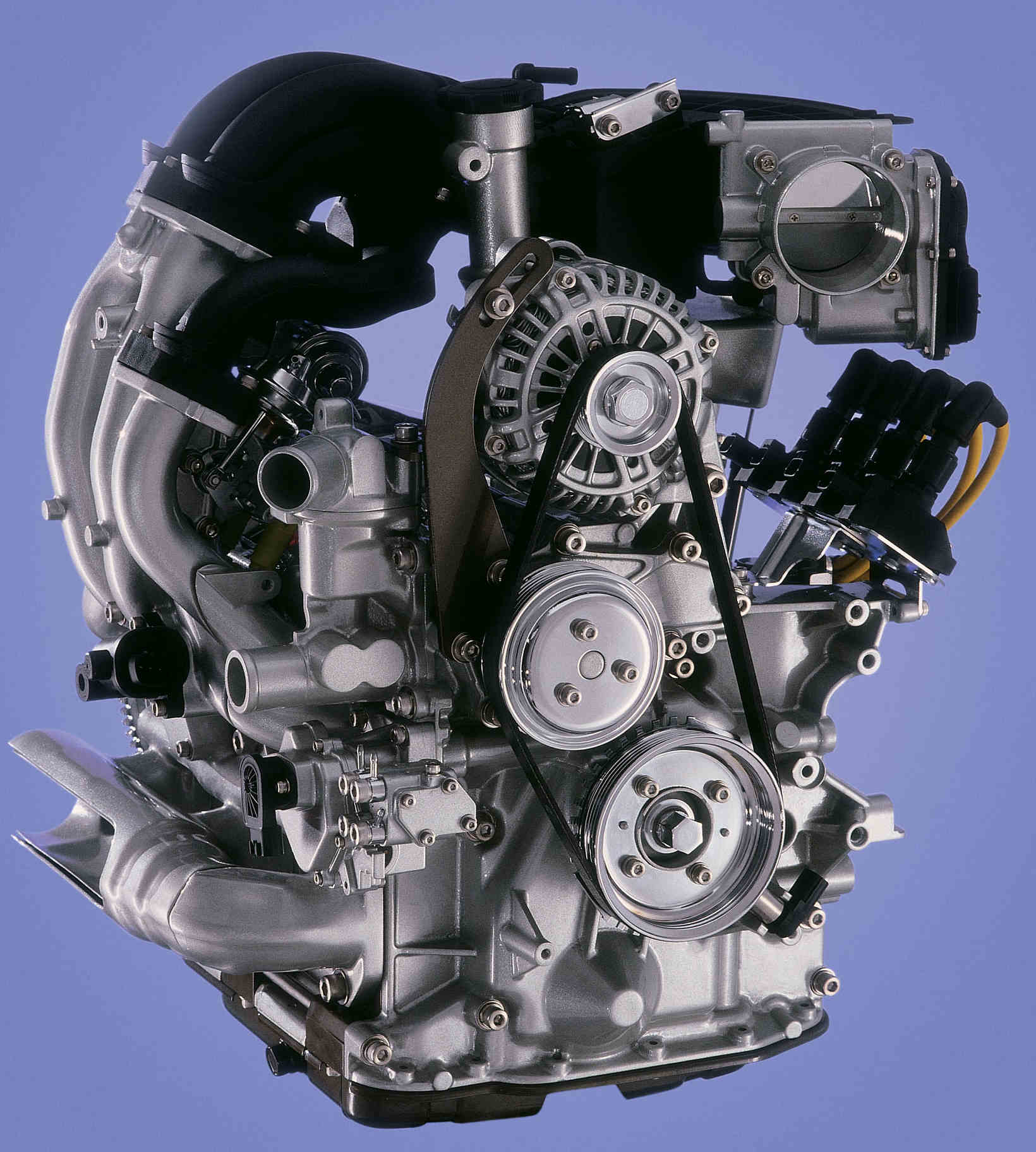
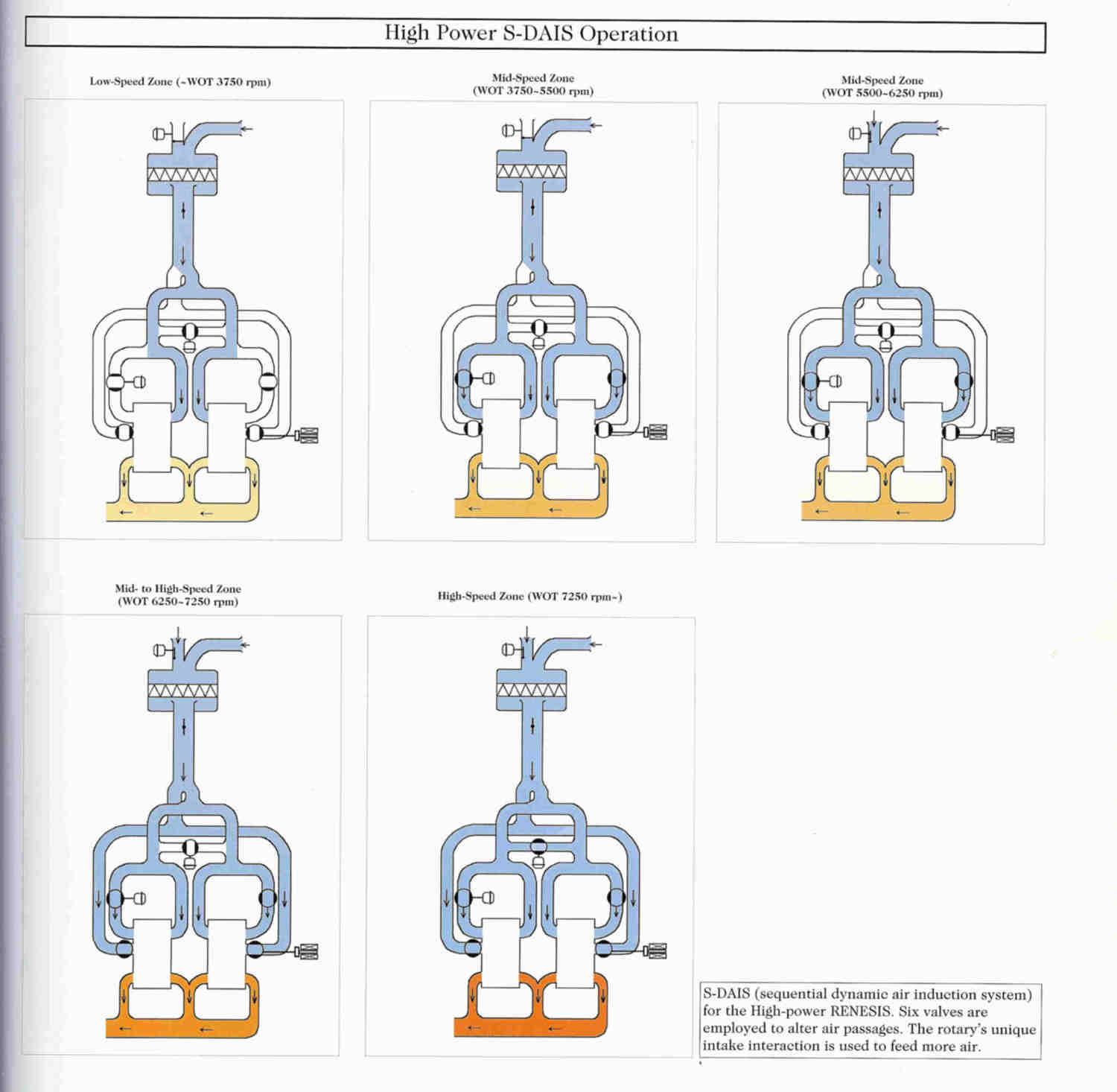
The last two jpgs shows the very complicate and variable length, large,
tuned pipe RX8 intake manifold that broadens the torque from 3000 to
9000 RPM.
Paul Lamar
But, in the case of the RX-8 intake manifold, which is the helmholtz
cavity volume vs the port length?
Regards,
Rob Weinstock
Good question.
One could make the argument that the tuned pipe and the Helmholtz
are one and the same. I think that is what you meant.
Paul Lamar
The Rotary Engine free News Letter. Powered by Linux.
If you want off the list PLEASE let me know and I will
remove you. ACRE NL web site.
http://www.rotaryeng.net
You Tube
http://tinyurl.com/beqqxas
Copyright 1998-2016 All world wide rights reserved.