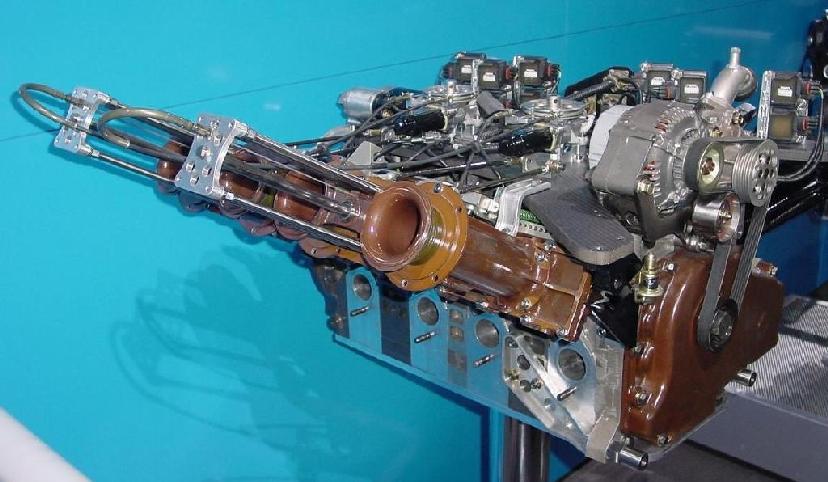
We hired Nils Castillo, a local Motec dealer, to wire the TTC
aircraft. Nils had extensive experience wiring off road racers with
the Motec systems.
What we did not realize was the wiring pin numbers were stored in
the M800 memory. We wasted a couple of months because we did not
know that. Jim Mederer told us nothing about that. My guess he
assumed we knew that. So did the Motec rep. If we had known that we
would have powered up the M800 months ago.
After you get power to the M800 you must load the pertinent file
into your Windows PC.
The attached spread sheet file contains the wiring data.
A couple more days and we will be ready to run the engine at low
power. I will shoot a video and up load it to You Tube.
Paul Lamar
Paul, you make me feel normal. I usually blunder in to find the
instructions after. Looks good and hope to hear the beast run.
Neil.
I am going to attempt to do a you tube video with a walk around
hangar tour comparing the TTC engine with a PT6 turbo prop plane we
have as an introduction.
And then insert the TTC run up video segment.
Paul Lamar
Can't wait for the PT6 comparison, Rotary comparison, We run a PT6-27
in the Turbo Beaver, CF-OES
Steve Carlisle
What is the fuel burn Steve? What HP level do you cruise it at ?
Some of the data I have is 650 HP for five minutes and 500 HP
continuous. 227 US gallons with a range 767 statue miles. That is
3.38 miles per gallon.
Max cruise speed is 202 MPH. So 767 miles by 3.79 hours. 227 divided
by 3.38 is 60 gallons an hour. Diesel fuel is about 7 pounds per
gallon or 420 pounds of fuel per hour. That translate to a BSFC of
420 divided by 500 HP or .84 BSFC.
http://www.wipaire.com/myaircraft/dehavilland/DHC2_MK1/modifications.php#bossbeaver
A turbo 3 rotor could make 500 HP all day long with a worst case
BSFC (full rich, not leaned) of .65 BSFC. Leaned it is .47 BSFC or
about half the fuel burn of a PT6.. A turbo compound version would
drop the fuel burn to below .4.
The turbo 3 rotor wins hands. The cost of a PT6 is well above
$200,000 as I recall. One can build a lot of turbo 3 rotors with
stock Mazda rotor housings and stock Mazda rotors for $200,000. The
weight is likely to be half of the weight of a PT6. The turbo is off
the shelf as is the necessary oil and water pumps. A PT6 gear box
could be used.
However the 3 rotor is not certified (yet) so you cannot take paid
passengers.
BTW My son, James Paul Lamar, has lots of hours in twin otter's with
PT6's. What is your fuel burn JP?
Paul Lamar
Paul there are lots of variants to the PT6.
I fly behind a pair of PT6-135A motors which produce 750hp, we operate
them only to 450 due to airframe limitations. At 450 [HP] they burn 525
lb/hr combined.
Dry weight of a engine is 270lbs.
If you look up the variants, they run from 450hp (PT6-112) all the way
up to 1500+ hp monsters.
Jarrett Johnson
525 divided by 2 is 262 pounds per hour each engine.
That is a BSFC of .58. That is pretty good but still not as good as
a leaned 4 rotor. The weight of the turbo 3 rotor would be about the same.
For what a Pt6 cost BeAl rotors could be used which would cut
the weight of the Wankel's . The high altitude performance of the turbo
Wankels
would be better than the turbo props.
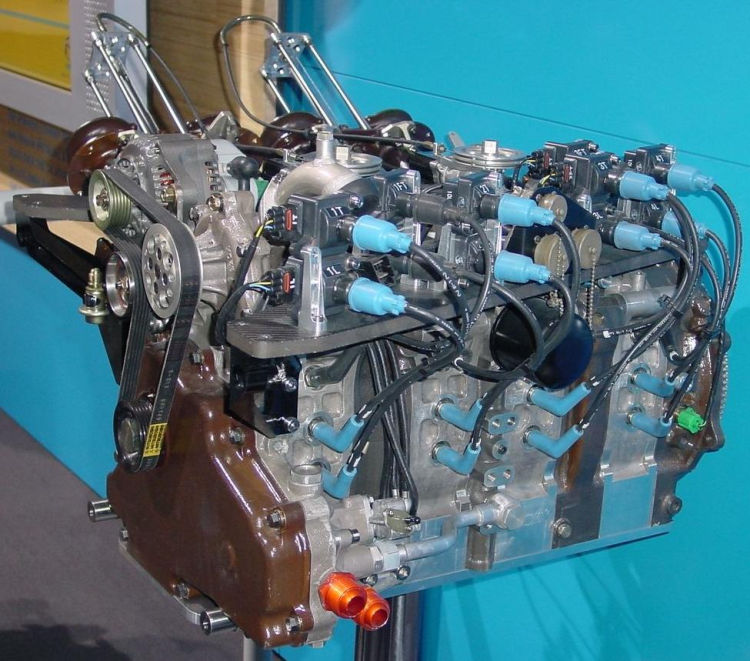
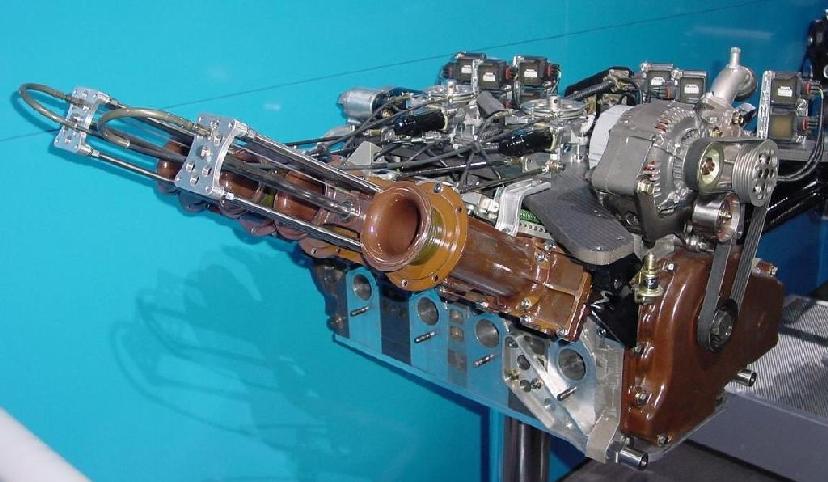
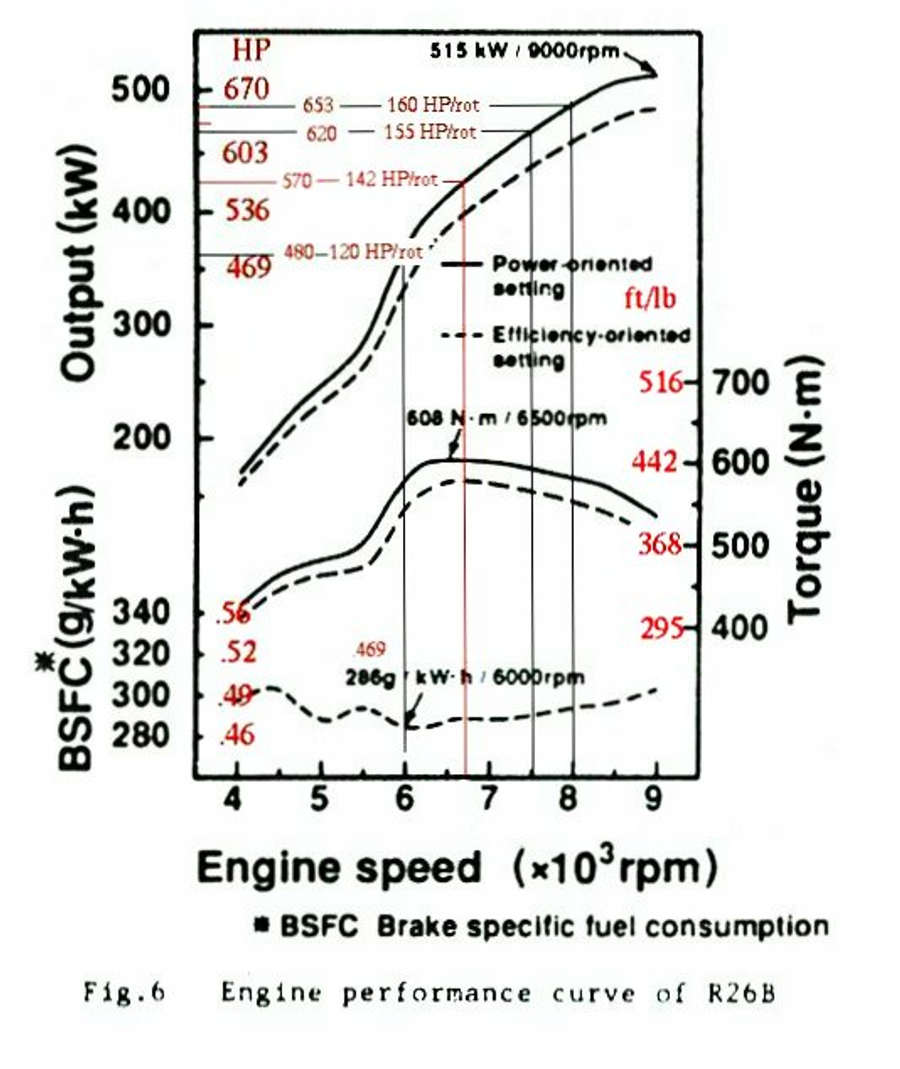
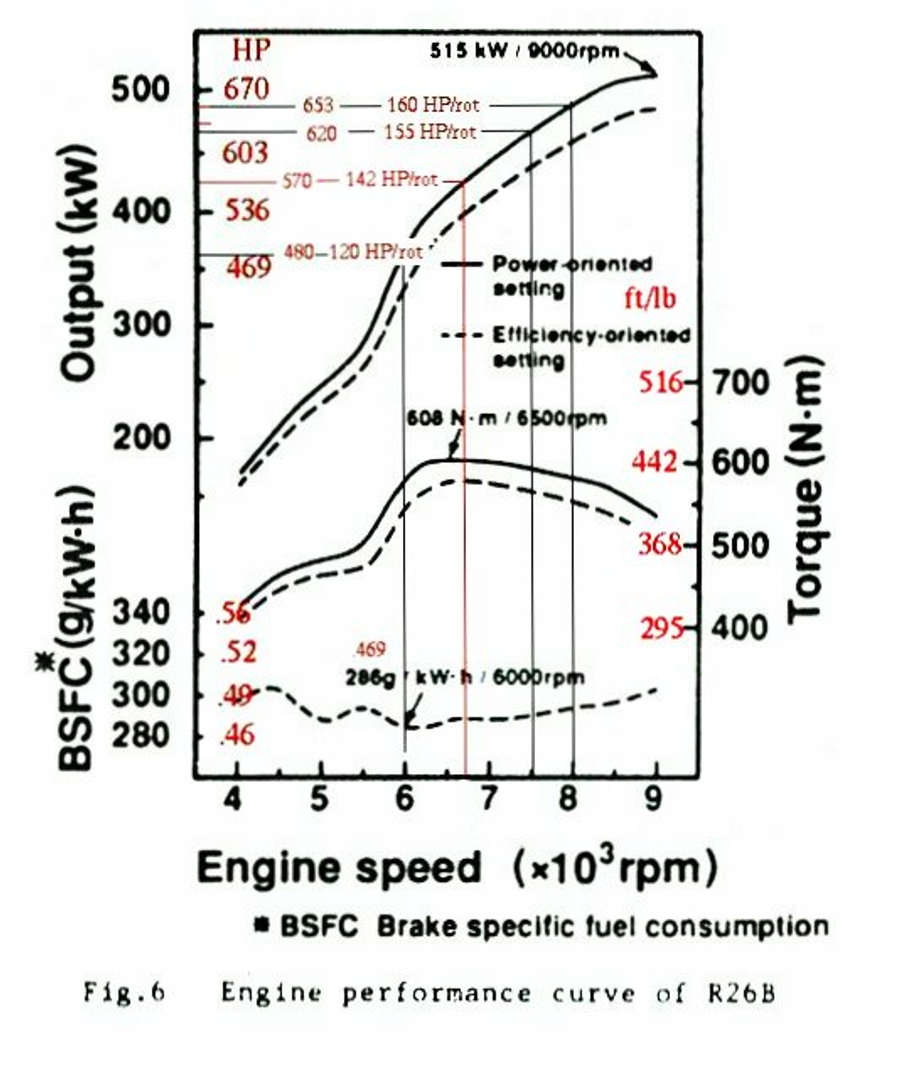
Here is the fuel burn on the Lemans winning normally aspirated
4 rotor.
Paul Lamar
The Rotary Engine free News Letter. Powered by Linux.
If you want off the list PLEASE let me know and I will
remove you. ACRE NL web site.
http://www.rotaryeng.net
You Tube
http://tinyurl.com/beqqxas
Copyright 1998-2016 All world wide rights reserved.