Double the thickness of the hard steel liner in the rotor housing.
This will result in a large reduction in fuel burn. BSFC.
A simple change that Mazda could do on the production line.
Paul Lamar
Hi Paul,
How does a thicker liner give a reduced fuel burn; what is the theory here?
Dave in Perth
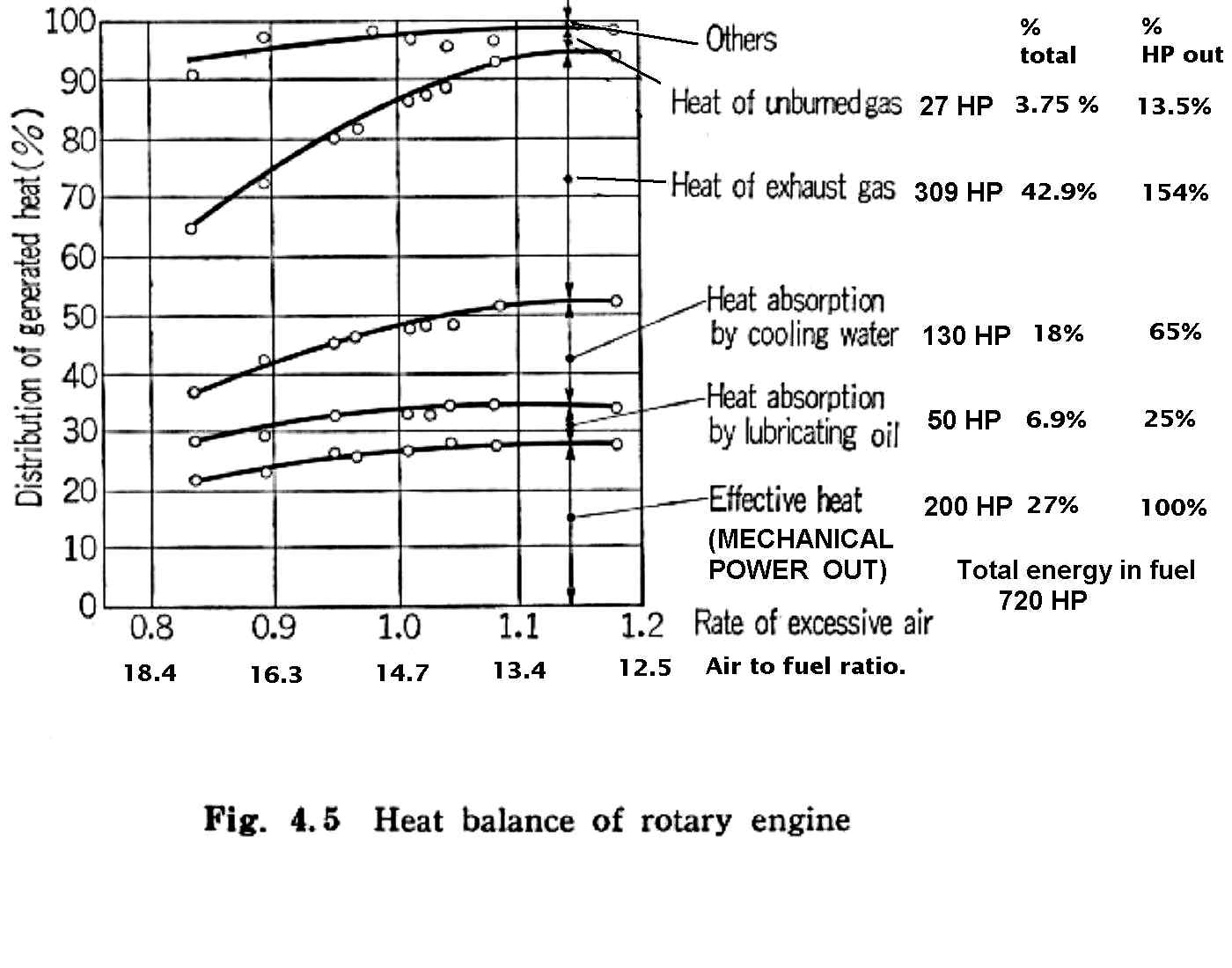
One wants to keep as much heat (temperature) in the combustion chamber
as possible.
The steel liner acts as insulation as unusual as that sounds.
The heat transfer rate of steel is much much lower than that of
aluminum. So one would
want to increase the thickness of that insulation to prevent the aluminum
from carrying away all the temperature.
As the combustion chamber rotates toward the exhaust port it is exposed to
new areas of the steel liner which are cooler and more and more
temperature is lost. When one cools off a high pressurized container
the pressure
is reduced in that container. This pressure is acting on the face of the
rotor
and that is what generates the torque so potential torque is lost.
(P1 X V1) / T1 = (P2 X V2)/ T2
Change any one of those terms in the first part and that will change
the second part.
https://en.wikipedia.org/wiki/Gas_laws
It is a fundamental law of physics.
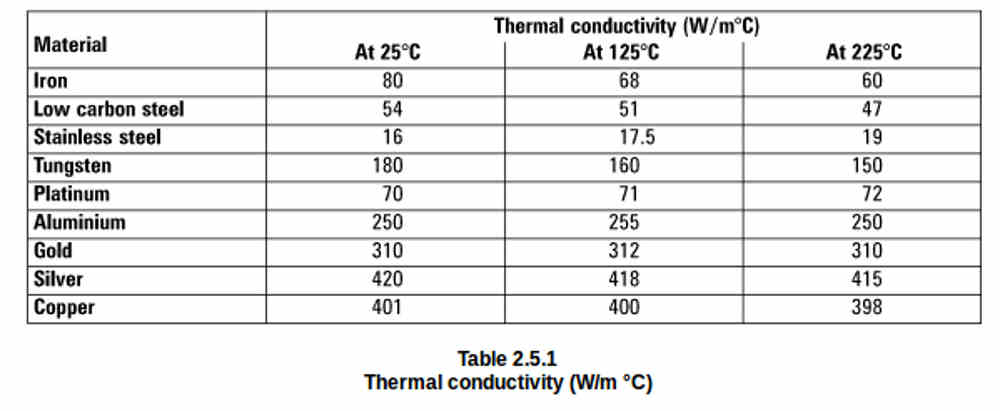
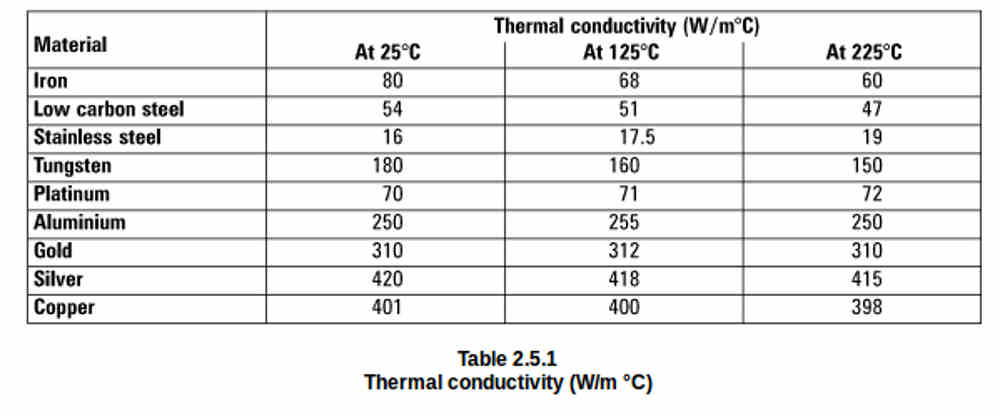
Note: in this attached chart stainless steel is 1/3 that of cast iron.
That is why Mazda
needs to find out how to make the rotors out of SS instead of cast iron.
SS would be good for the liner as well if it were possible to chrome
plate it.
Also note: In the heat transfer units it is
watts / (meters X Temp)
so the thicker material the less heat is transfered.
Thermal details like this affect the BSFC of all engines.
Hold a piece of steel on a grinding wheel with your bare hands.
Then hold a piece of the same size SS and report back :-)
Paul Lamar
The Rotary Engine free News Letter. Powered by Linux. If you want off
the list PLEASE let me know and I will remove you. ACRE NL web
site.
http://www.rotaryeng.net You Tube
http://tinyurl.com/beqqxas
Copyright 1998-2016 All world wide rights reserved.