Paul, Max Lassacher on the way across the Atlantic to Austria in his
Rotary powered Falconair F12..........Does not have any tracking but
will update his facebook when landing where there is
wi-fi.........He has been flying his F12 since the late 1990's and
was at Osh-Kosh at least once over the years........Left 8:00 am
9/3/16 from "Orange County Airport" Montgomery, NY.........
https://www.facebook.com/maximilian.lassacher
https://www.facebook.com/maximilian.lassacher/videos/pcb.179806562443482/179803469110458/?type=3&theater
https://www.facebook.com/photo.php?fbid=179355985821873&set=a.108550649569074.1073741828.100012424176186&type=3&theater
Kelly Troyer
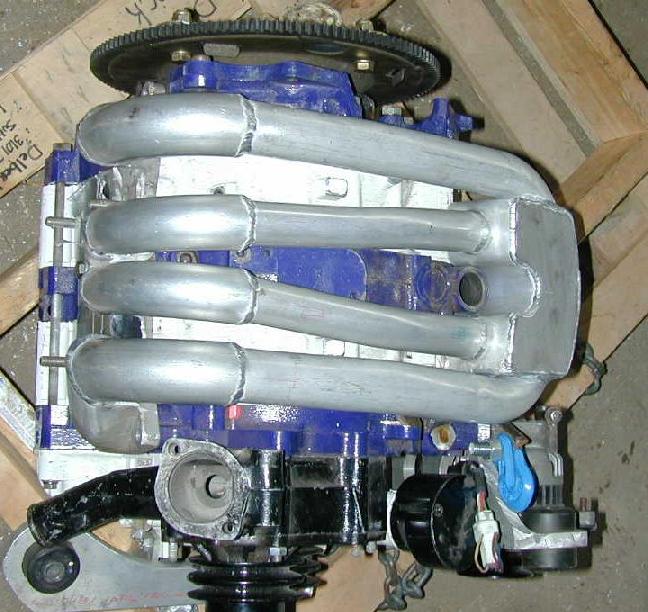
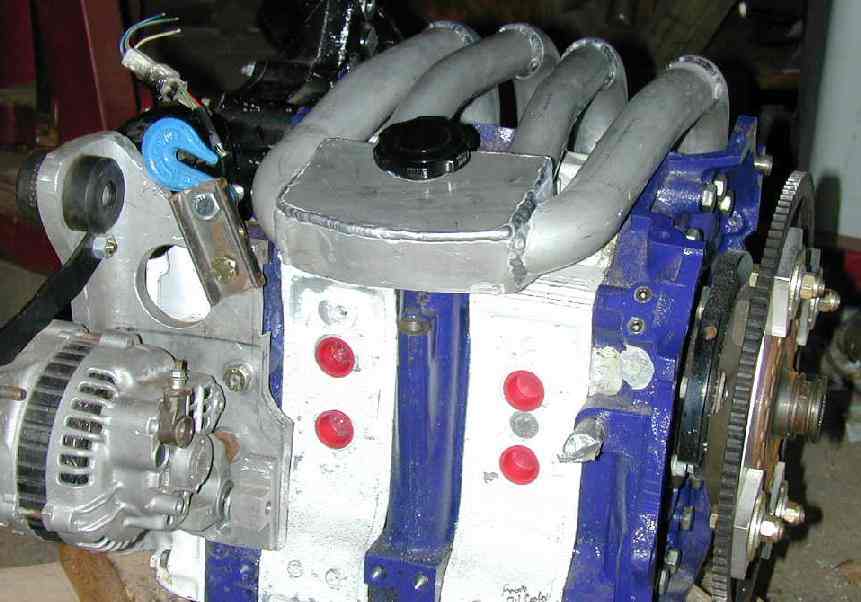
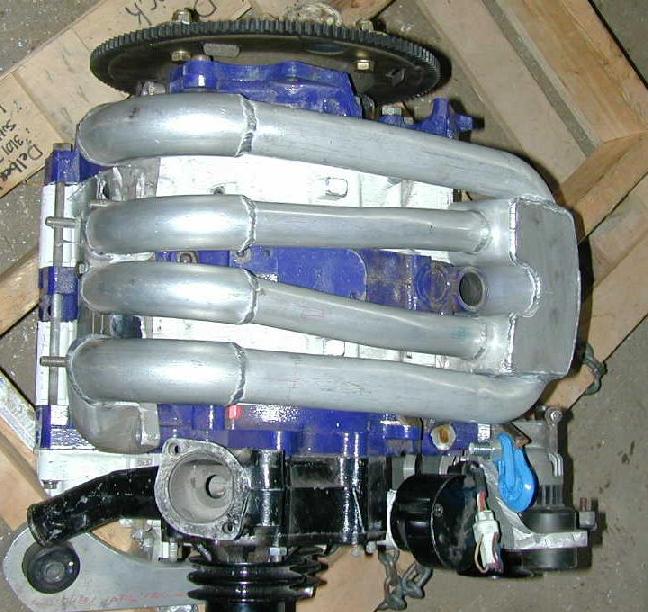
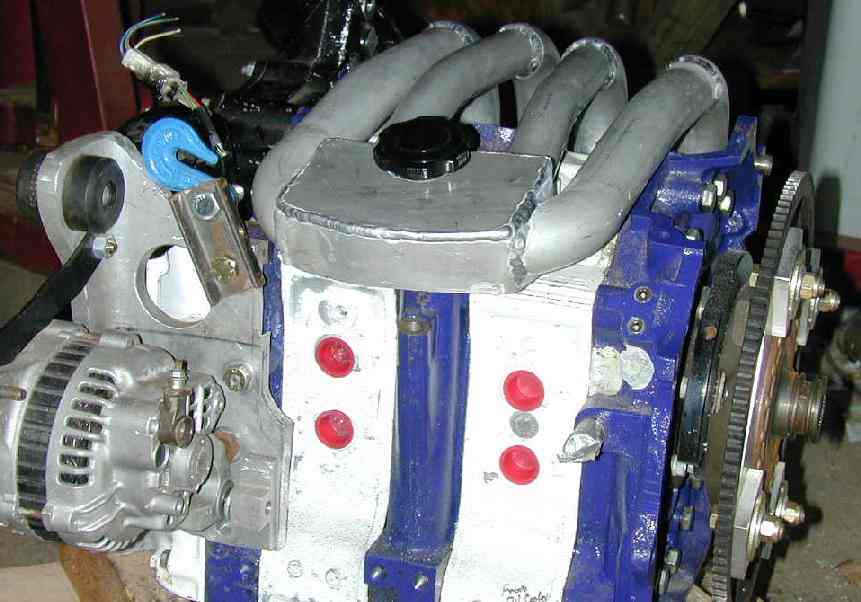
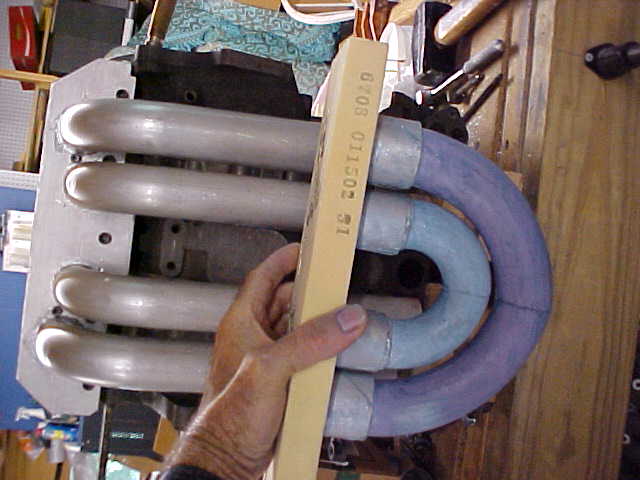
I have some pictures. These are quite old so I am sure he changed
the cooling system :-)
Paul Lamar
Paul, Max is in Goose Bay , Newfoundland as of Saturday
evening..........Almost 9 hours and one fuel stop........Headed for
Greenland Sunday morning.........E mail to Ed Anderson
Below..........
"Got my survival gear, Flieger is loaded with gas, weather looks
good tail wind Going straight from Goose bay to Greenland 5 hours
over water!
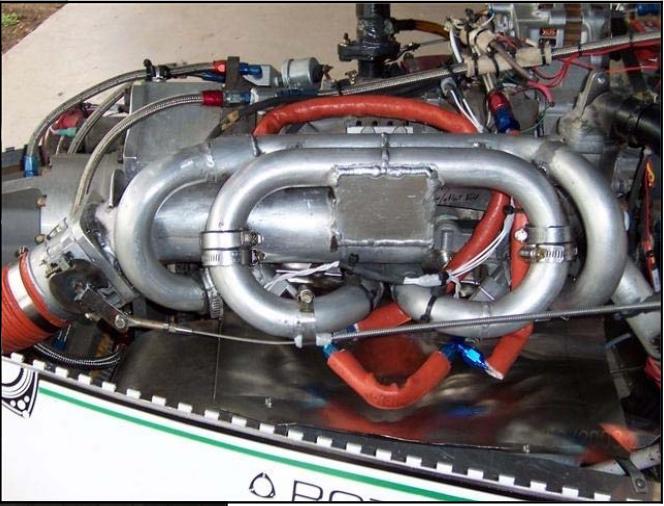
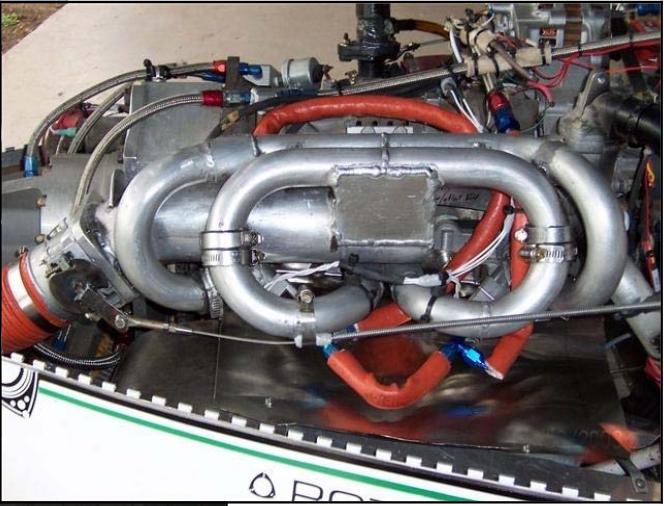
There is a photo of Max's engine on his facebook that I presume is
current..........Go to the Facebook photo page on the link below
and advance to the next photo.........Engine looks much like the
photos you have.........
https://www.facebook.com/photo.php?fbid=179355985821873&set=a.108550649569074.1073741828.100012424176186&type=3&theater
Kelly Troyer
Looks like he has larger frontal area cores and Kucheman & Weber
diffusers.
Keep all your fingers and toes crossed :-)
-------------------------------------------------------------------------------------
I just spoke with Max on the phone. He is in Narsarsuaq Greenland.
It rained heavy last night and it was left outside, not covered for
a couple of days.
He tried to take off and got about down the fjord aways and
apparently the engine started running rough. He turned around flew
back and landed.
He talked to Ed Anderson and Ed thought it was water in the fuel. I
agree.
Max is not knowledgeable about water in the fuel. It happened to me
a lot flying in Mexico and Alaska. I am surprised. My flight
instructor made me check for water each time I took off.
He needs to get back home so he is taking a weekly commercial flight
today for Iceland and leaving the airplane in Narsarsuaq . He does
not want to get stuck there for a week. He is a bit irrational at
the moment from talking to him :-)
Goose Bay to Narsarsuaq is the longest over water leg so that is the
most dangerous.
From there you fly at low altitude..... down and up around the
Greenland coast up to Kulusuk under the ever present overcast. That
gives you a chance to swim or paddle ashore with your personal ELT
:-)
Refuel there and then hop over to Iceland.
-------------------------------------------------------------------
Maybe we could land on this road with balloon tires.
This is about 550 miles from Narsarsuaq on the east coast not far
from Kulusuk. Kulusuk is socked in on Google Earth :-)
The range would be no problem as you have enough HP to get off with
100 gallons of fuel. 50 gallons in the wet wing and 25 gallons in
each passenger cabin. 25 gal = 150 pounds.
You can always fly it at best climb speed where the MPG would be
real good.
Paul Lamar
Well he did manage to land, but apparently it has severe turbulence
and winds. I hope he can recover his plane !
Steve Carlisle
Steve i don't get it. What does the wrecked biplane off the end of
the Narsarsuaq runway have to do with it? It could have been there
for months. We get a crash here at SZP every once in a while. What
goes up is going to come down one way or another :-)
Paul Lamar
Paul research indicates that the landing strip has weather issues, as
indicated by the wrecks, associated with winds and turbulence. It may
be presumptuous for me, but if he has to diagnose engine related
problems, he may be landing and takeing off many times, increasing
his chance for problems. Looks like a Beechcraft StaggerWing ! I hope
he has better luck in the next few weeks!
Steve
I did a little research of my own. The winds and weather are probably
not much different in your neck of the woods and further north in SE
Alaska. Here are some screen shots. I flew SE and the weather is
generally bad. It was not good getting up to your town either.
The following are some comments by pro ferry pilots.
"Keep in mind there are essentially no alternate airports on the East
Coast of Greenland. If you're unable to land at Kulusuk, [BGKK] the
nearest alternates are BGSF, BGBW and BIKF. I only fly to BGKK if I
am positively sure that I have enough range to divert to BGSF or
BIKF(Iceland), and in light aircraft I only flight plan to BGKK when
the weather is forecast to be essentially VFR."
"You also need to be able to climb above the Greenland icecap,
minimum 12,000 feet on a calm day and preferably higher. If you
can't achieve a safe altitude over the icecap, you can always fly
BGSF - BGBW - BGKK around the southern tip of Greenland, and sort of
take the scenic route so to speak :) "
This report describes the typical weather at the Narsarsuaq Airport
(Narsarsuaq (Narssarssuaq), Greenland) weather station over the
course of an average July. It is based on the historical records from
1986 to 2012. Earlier records are either unavailable or unreliable.
Narsarsuaq (Narssarssuaq) has a polar tundra climate. The area within
25 miles of this station is covered by
/tundra/ (67%), /oceans and
seas/ (20%),
/shrublands/ (10%), and
/lakes and rivers/ (3%).
GD ---- $ GREENLAND currency is DKK (Danish Kroner) EUR 1 ~= DKK
7.45 DK BGGH Gothaab / / 12.50 ck,cc 09/04 DK BGJN Jakobshavn,
Ilulissat /1500 liters available as of May 2005/ 15.00 cc 05/05 DK
BGKK Kulusuk
/Avgas Bowser, 22 DKK admin fee/ st 23.25 cc 08/09 DK
BGBW Narsarsuaq /22 DKK admin fee/ 23.35 ca,cc 11/12 DK BGSF
Sondrestrom /Kangerlussuaq (Bowser)/ st 16.85 ck,cc 05/09
Cost of gas and staying there could have influenced Max's decision
to leave.. Gas, Fee's and hotels ($150) are not cheap.
However it does not take long to get rid of the water in fuel. You
can drain it all out and filter in back in with a chamois. (a type
of soft pliable leather now made from sheepskin or lambskin.)
Water goes to the bottom of the bucket so if you siphon it back in
keep the hose away from the bottom :-)
It could have iced up the throttle plates too. There are no FAA carb
heat requirements for fuel injection but I would put it in anyway If
I planned to fly up there.
If I were 30 years younger I would be tempted to go get it :-)
BTW when I fly in Alaska and when it is daylight almost all day if
the weather is good I keep going because tomorrow it will be bad :-)
I suspect Max could have made it to Iceland in 20 hours from Goose
Bay at 160 MPH. Lots of coffee :-)
Paul Lamar
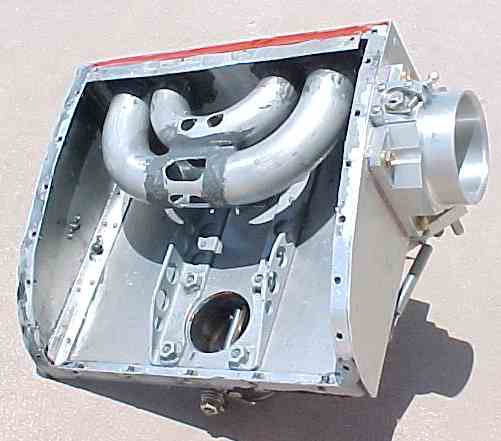
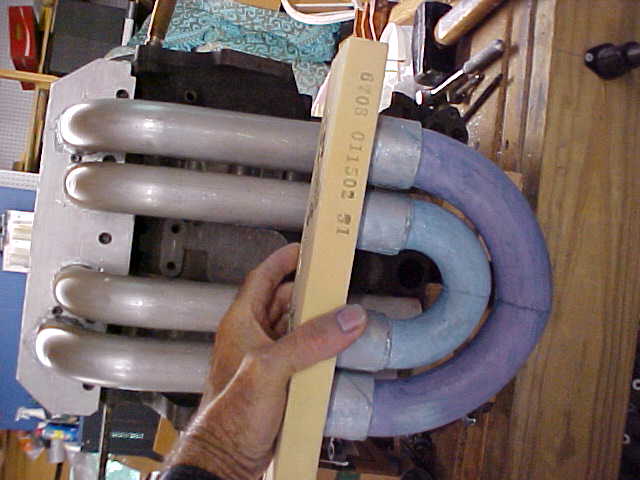
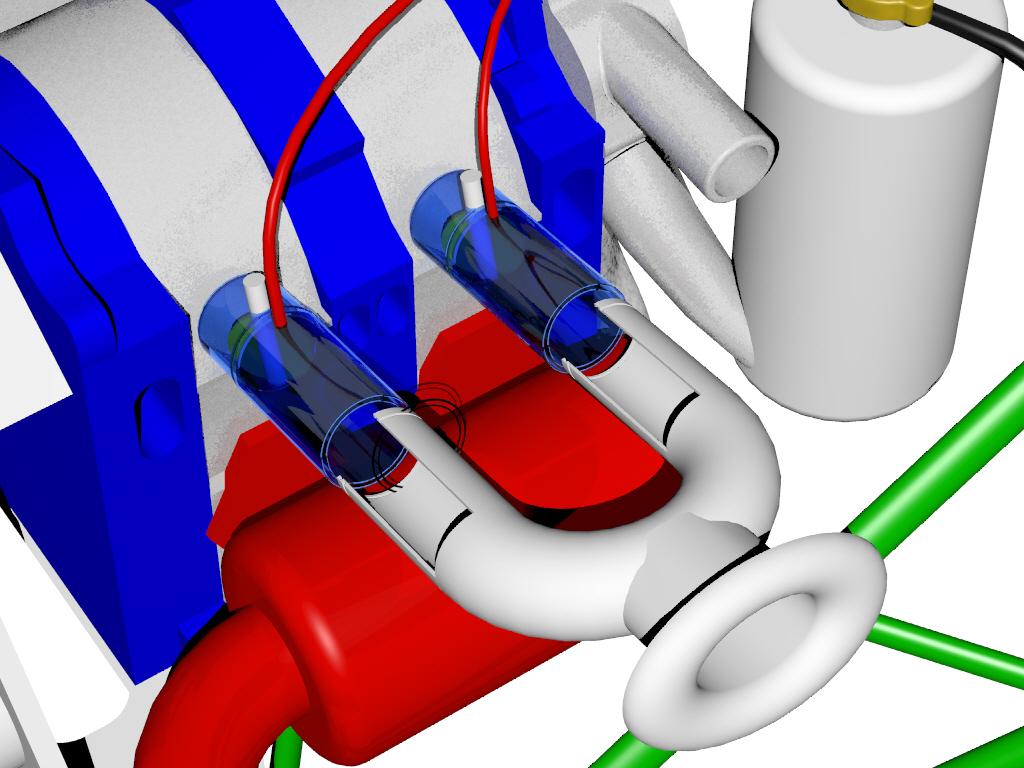
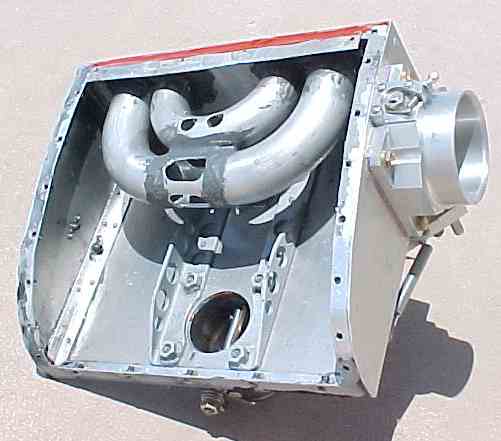
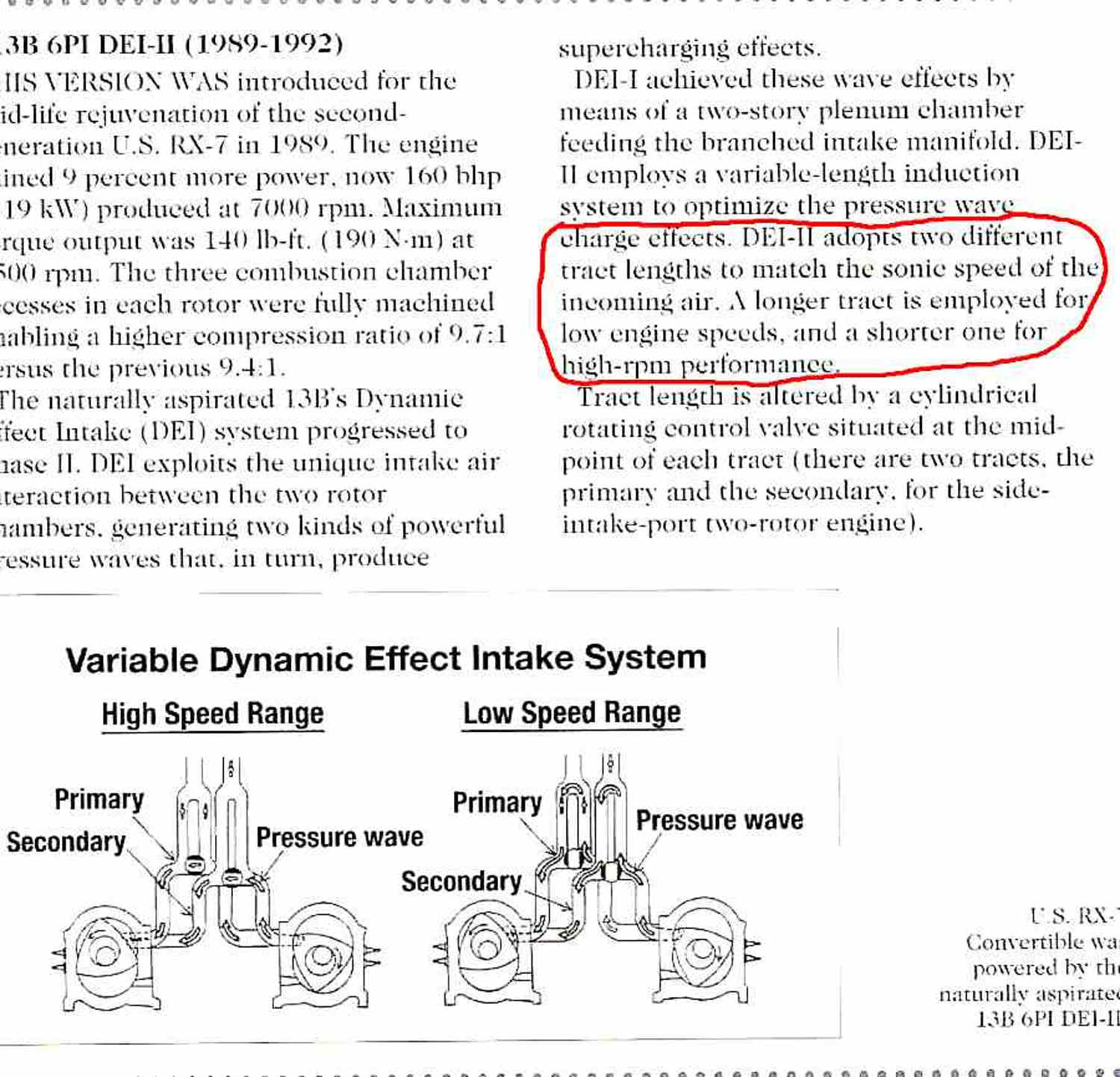
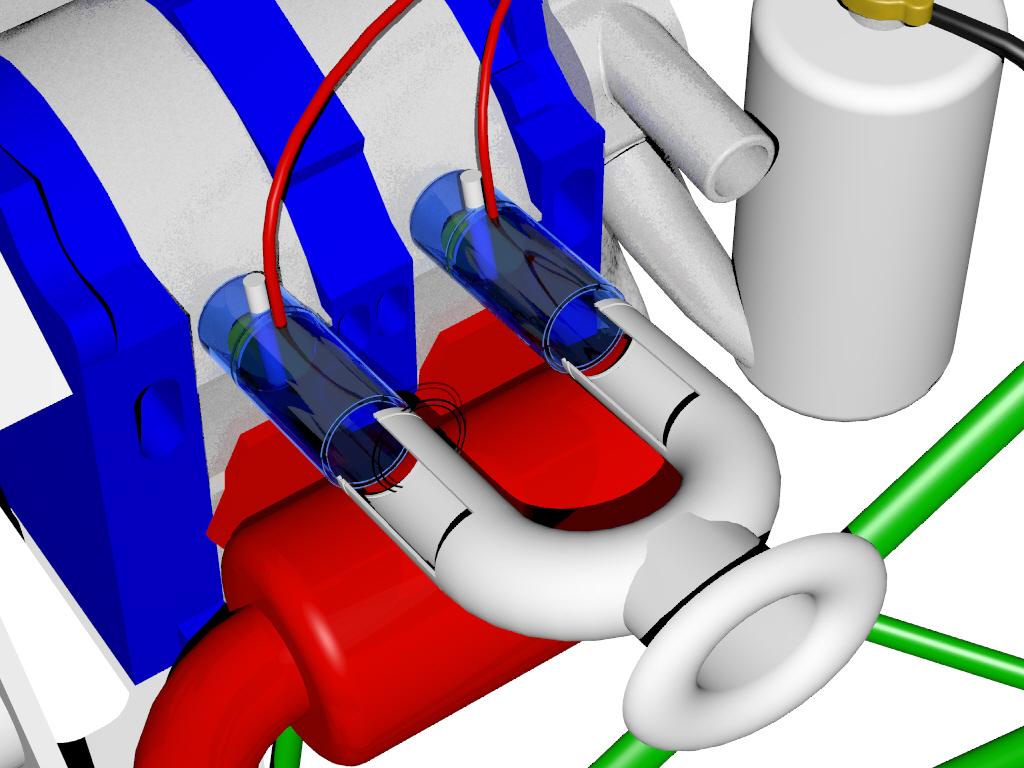
Paul It seems to me this engine set up is more or less what Tracy did
with his RV
The throttle body is a cut down of the standard RX 7 , and the primary
throttle plate
and barrel removed ,if i am not mistaken.
In such a set up A What type of rpm can you develop if you use the 3.1
redrive
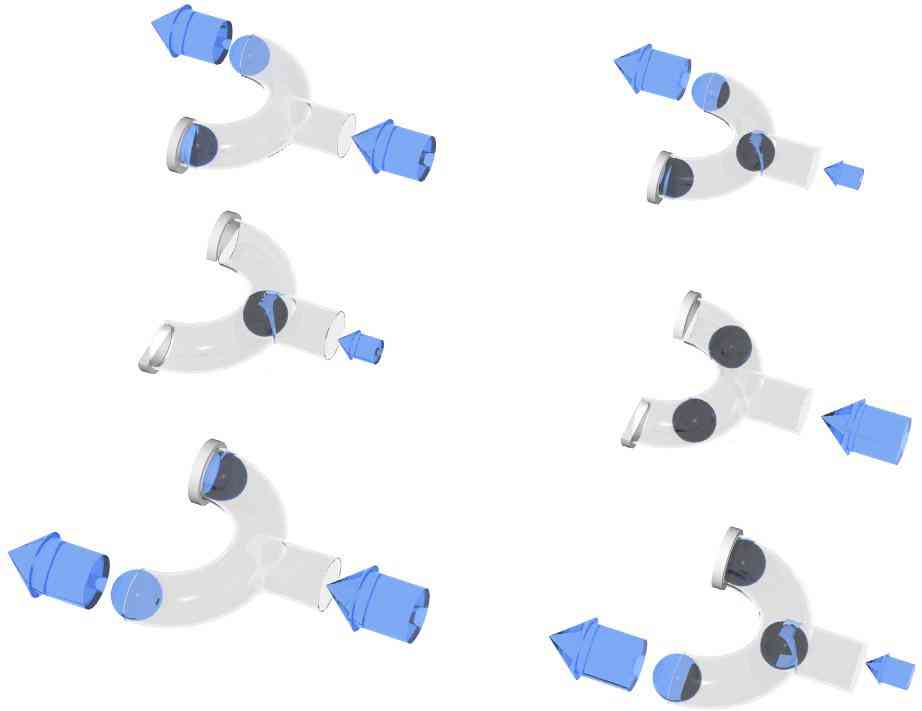
planet and prop say for the falconair f12 in the photo B The dynamic plenum
volume i believe , must be 2,7 more than the volume of the intake
runners ,is this correct?
C Would it be better if the primary intakes (smaller diameter intakes)
would be
on its own throttle plate and chamber in the intake plenum and not been
removed
in the throttle body If you can help me on this
thanks
Le Roux Breytenbach
Depends on the pitch and the diameter. Mainly the diameter is limited by
the tips
going transonic.
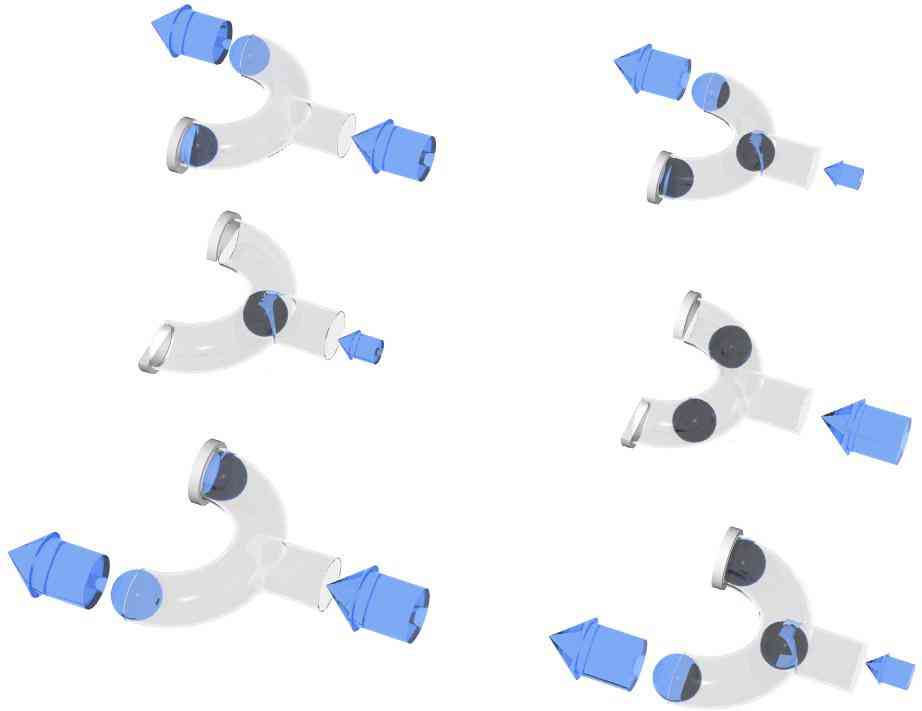
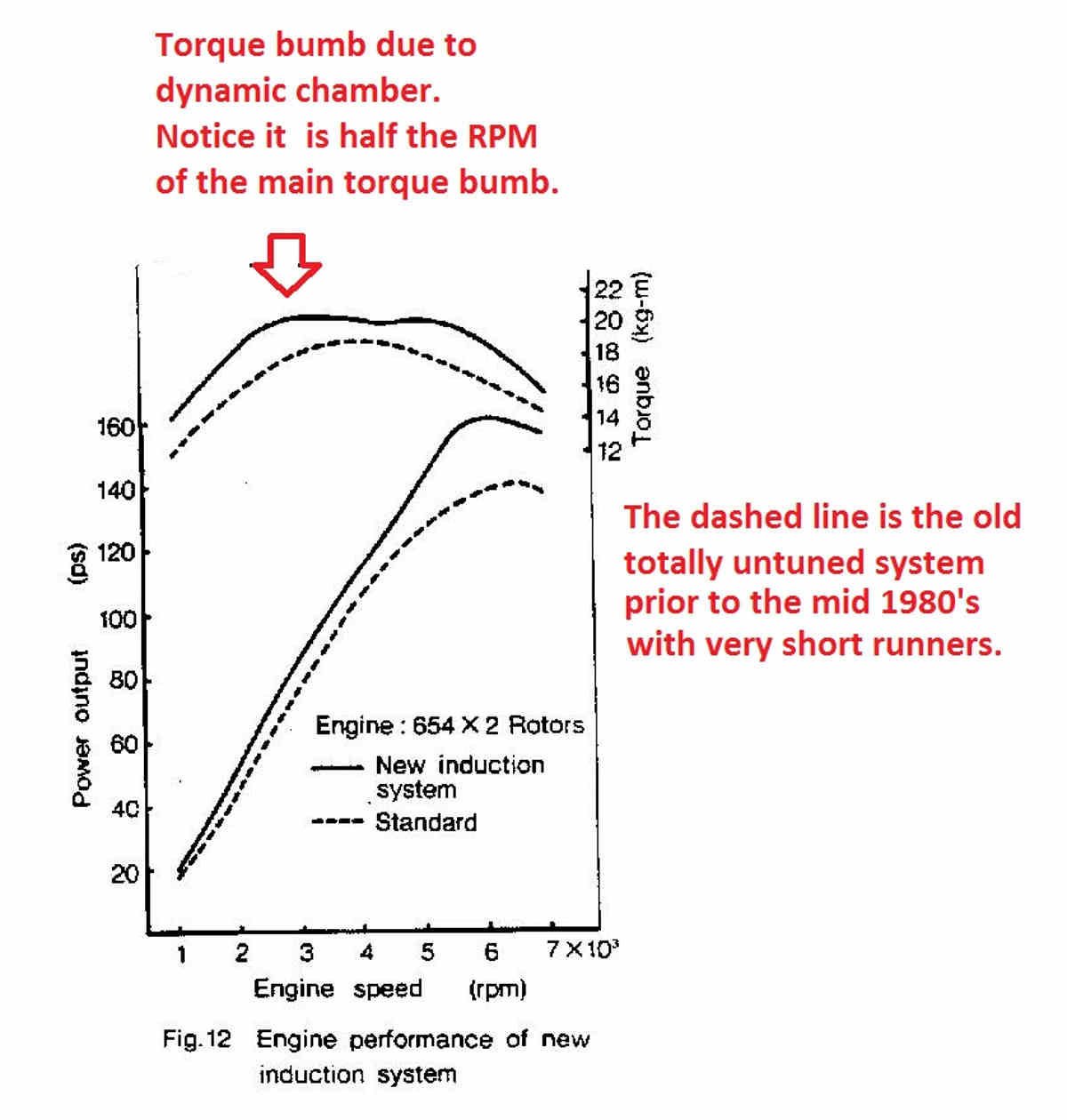
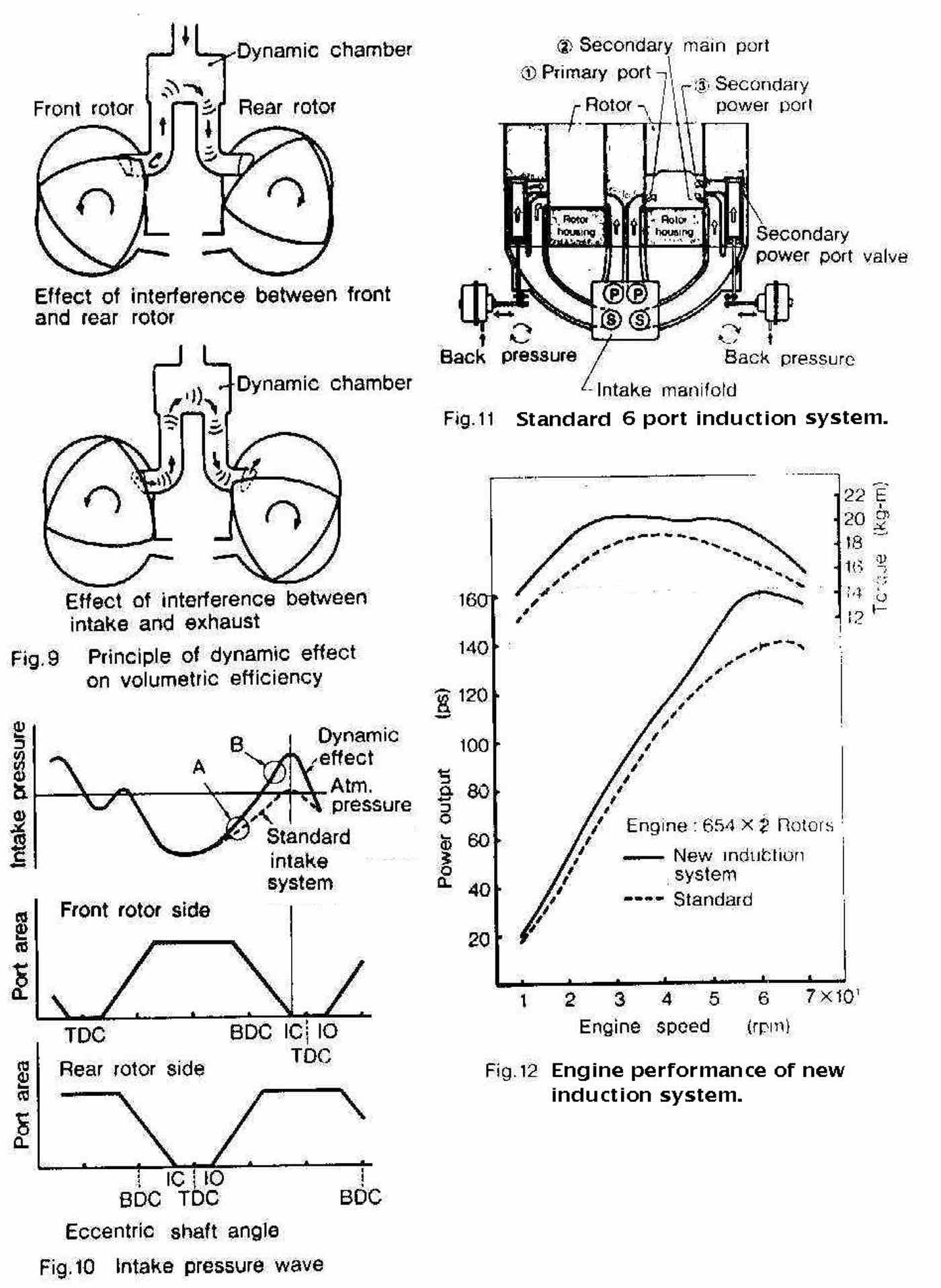
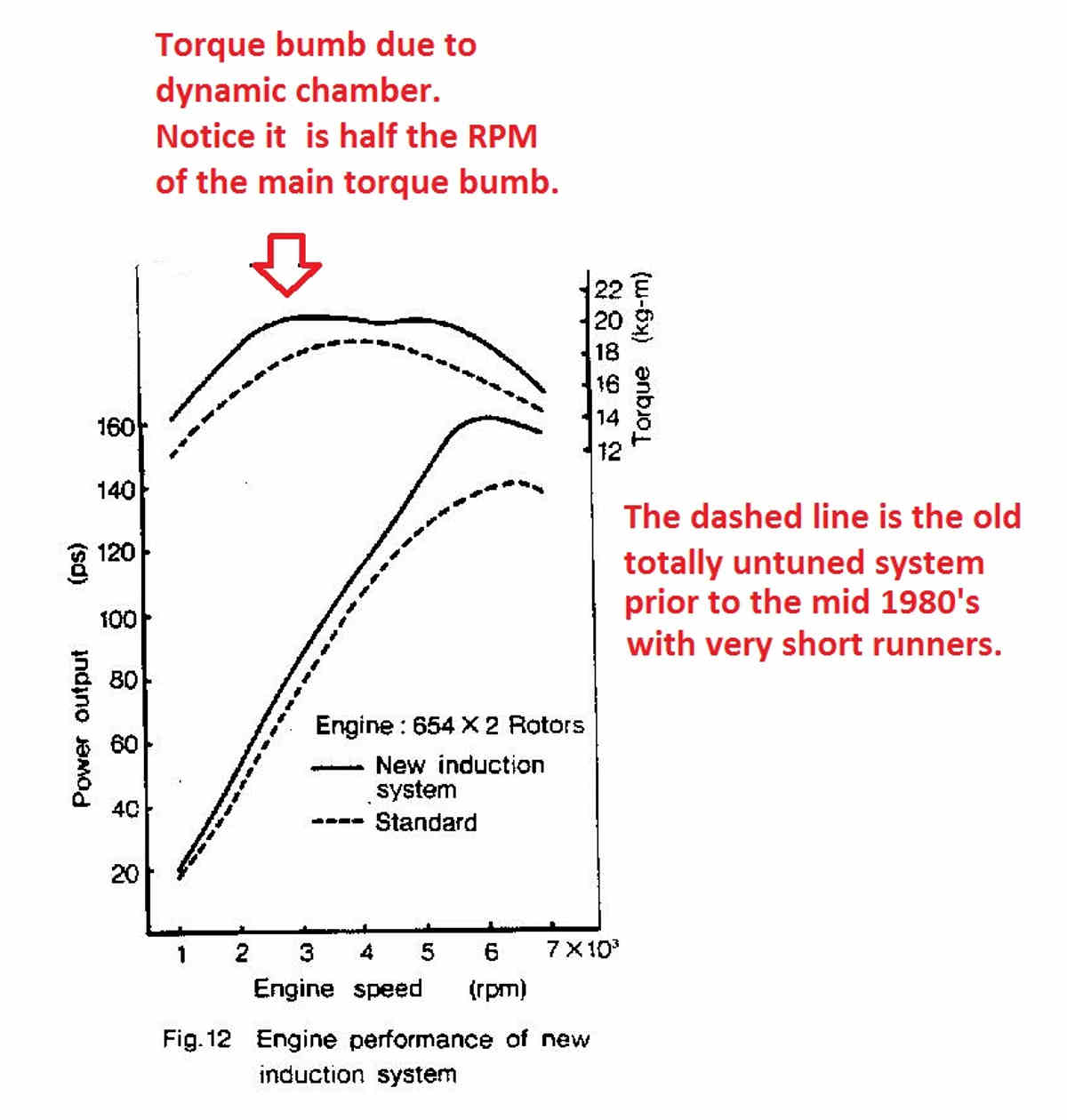
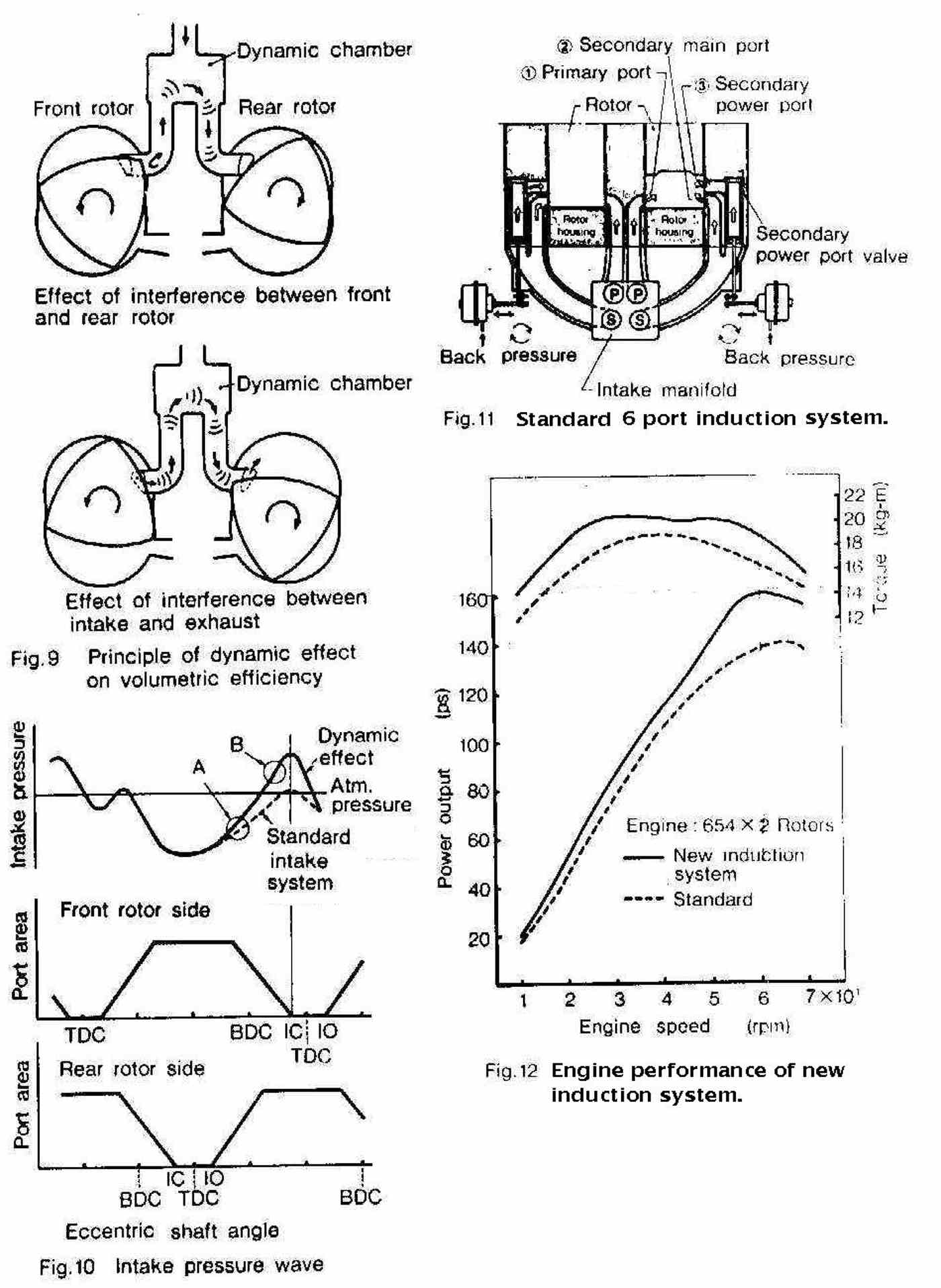
That plenum is a joke. It enhances the torque at 3000 RPM absolutely where
you don't need it :-) I explained that to people many many times and
they still did it anyway :-)
I don't think Tracy ever understood it. Certainly not when he used it
for the first time.
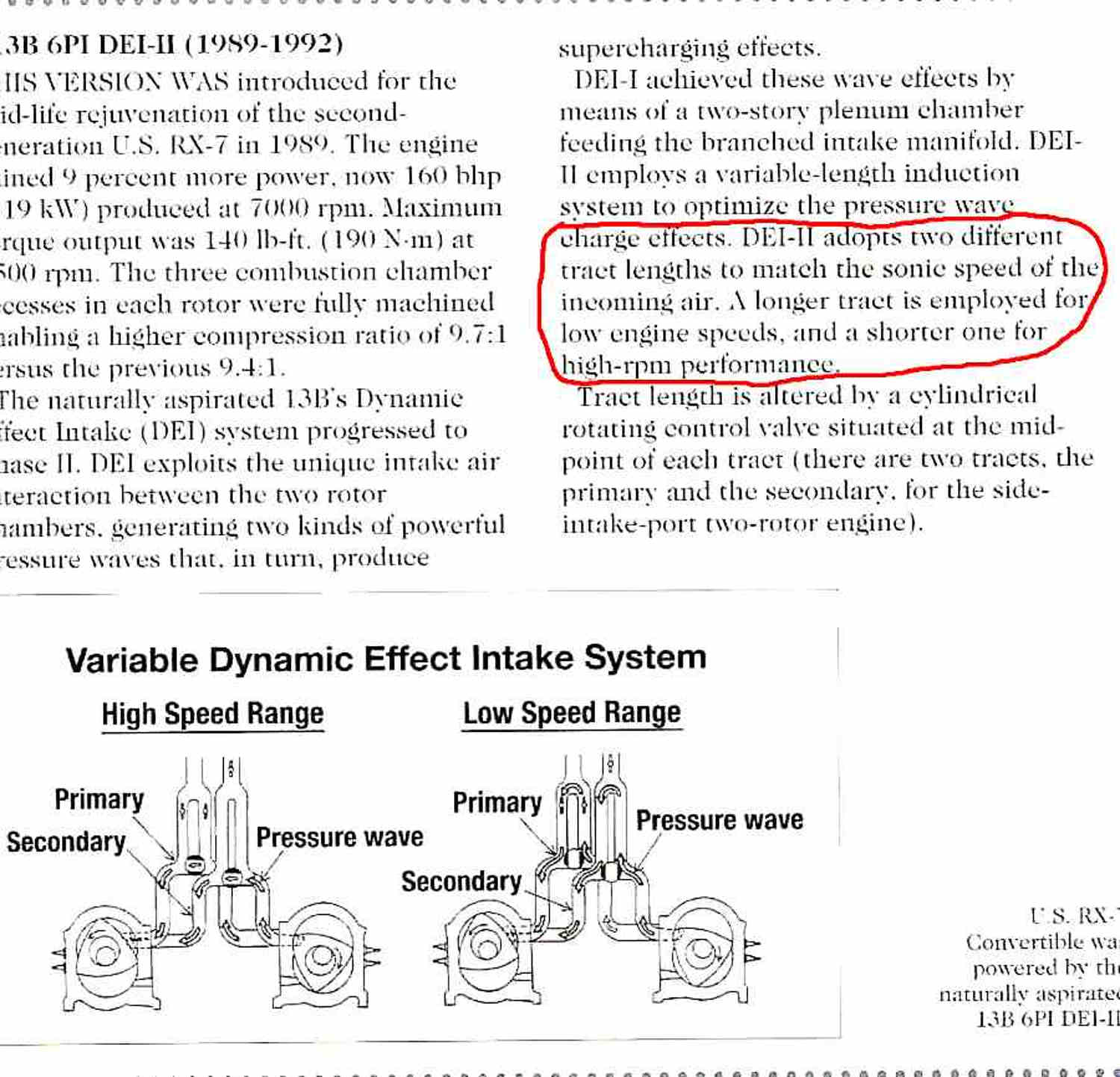
Mazda did it because cars need low RPM torque for good acceleration in first
gear. Mazda called it a dynamic chamber.
Airplanes fly on HP and HP is RPM times torque. The more RPM and the
more HIGH RPM torque
the more HP.
You want max torque to happen at 6000 RPM or above. A simple runner 18
to 20 inches
long will give that with a p-port. You will get more HP with out the
dynamic chamber.
If Mazda uses the 16B in the new car it is a partial answer to the car
low RPM torque problem.
Torque is mostly related to engine displacement. The 13B is a small
engine for cars
or airplane engines. It 160 cubic inches while the typical light
aircraft engine
is 320 cubic inches. The 16B will be about 200 cubic inches if they make it.
The torque peak in my New Dodge (Fiat) stealth motor home MB engine is
at 2000 RPM.
While I am at it I will mention the transmission is a computer controlled
six speed conventional manual transmission. The computer throws the
clutch out and
shifts it with small hydraulic cylinders. Just like a Formula 1 engine :-)
Paul Lamar
The Rotary Engine free News Letter. Powered by Linux. If you want off
the list PLEASE let me know and I will remove you. ACRE NL web
site.
http://www.rotaryeng.net You Tube
http://tinyurl.com/beqqxas
Copyright 1998-2016 All world wide rights reserved.