Burt Ruttan invented the hot wire solid foam core wing with fiberglass
covering. Unfortunately it takes a good year to sand it.
I had an idea several years ago to use dry wall anchors to fasten
a previously laid up thin skin to Styrofoam ribs.
I think someone else had already invented something similar
back in 2008 when we first discussed this.
Here is a picture of the Zinc anchor I had in mind. I did not like the idea
of leaving them in there.
It would be a problem grinding them to to fair them in.
They are also availably in thermoplastic which would be easier
to sand. The anchors only hold the skin in close contact
until the epoxy sets up. The ribs are covered in thin glass fiber
to add the necessary bending strength and bonding strength
of the skin to the ribs. The epoxy bond is good to 3000 psi
so a one inch thick rib is more than adequate.
Basically it is the same idea of riveting a sheet of skin aluminum to
aluminum ribs.
The drywall anchors are not ideal. They could be larger in diameter
to fully use the limited shear strength of blue Styrofoam.
So recently I realized larger diameter dry wall anchors could
be turned out on a NC lathe in aluminum rapidly and at low cost.
Point .75 inch diameter ought to be able to generate higher clamping
forces on
the blue Styrofoam.
The fact is epoxy will not stick to raw aluminum. Aluminum oxidizes
rapidly after being machined and that is what causes the epoxy bond
failure with the dry wall anchor.
That turns out to be a good thing as now they can be unscrewed and
used over. The left over holes can be filled with a micro balloon
mixture and
sanded.
Now about that glass smooth skin. Buy a sheet of plate glass and lay
the skins up on that.
I am working on the design of the carbon fiber six inch diameter tube spar.
The spar is the heaviest part of the aircraft structure so it pays
to make it out of expensive carbon. The skins of course can be glass
or carbon depending how much money you want to spend.
Paul Lamar
Good morning Paul
I read your article on attaching the wing skin with those type of
drywall plastic screws.
I been built several airplanes in composite since 1985 and at several
occasion i had to attache a skin to a foam ribs with a glassing each side.
The best way by experience without damaging the foam core or cracking i
was using regular steel drywall screws 2' long with a thin large thin
washer for more uniform load and when everything was cure it was easy to
unscrew those drywall screws and washer without any pressure damage to
the shin and the wing ribs.
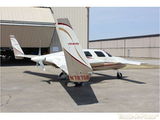
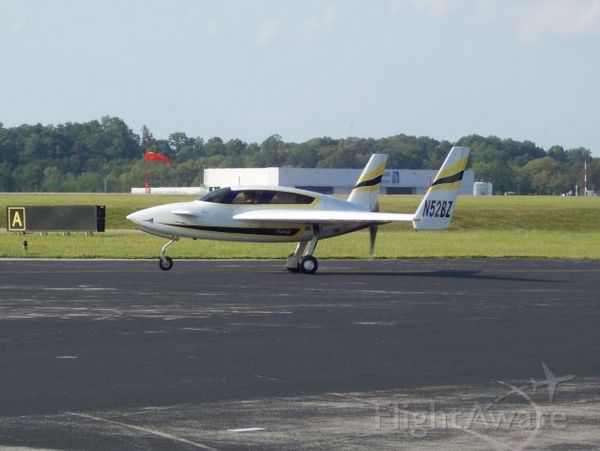
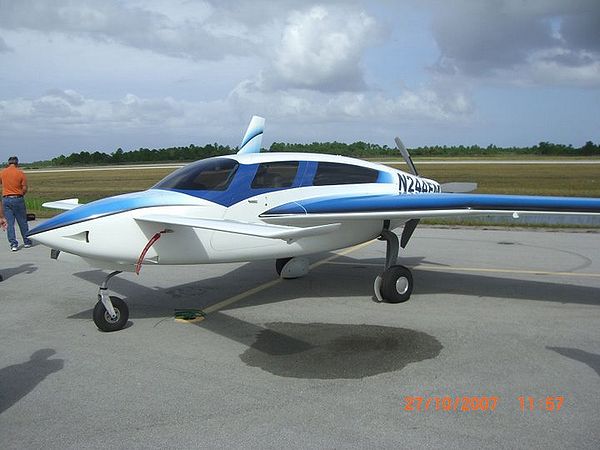
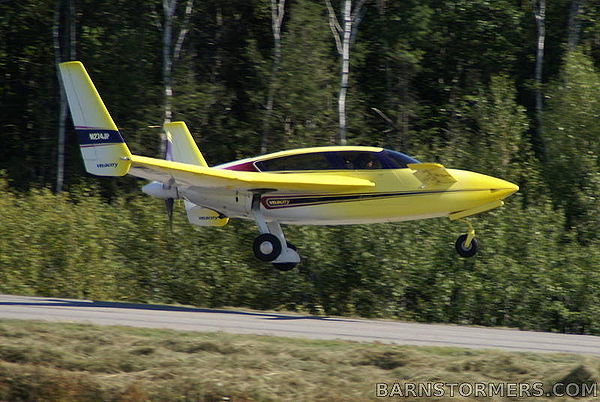
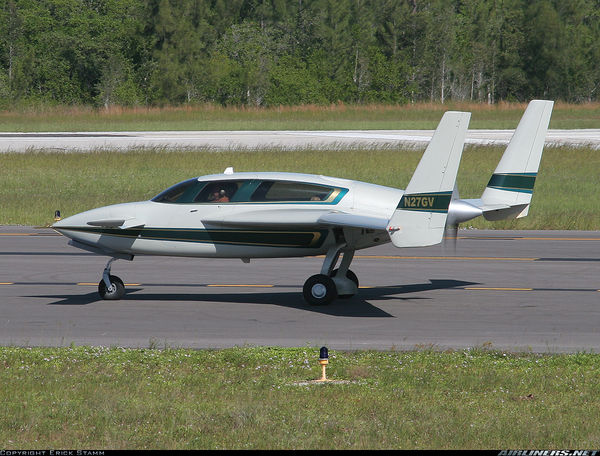
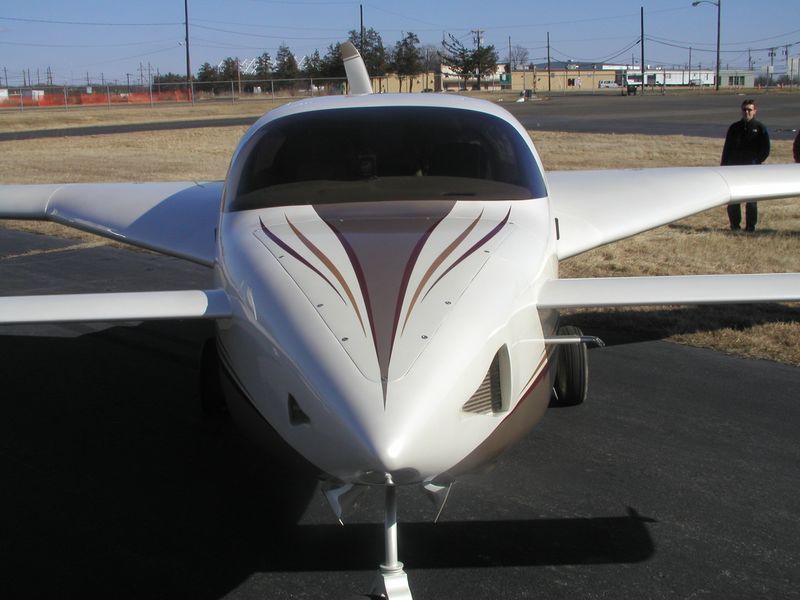
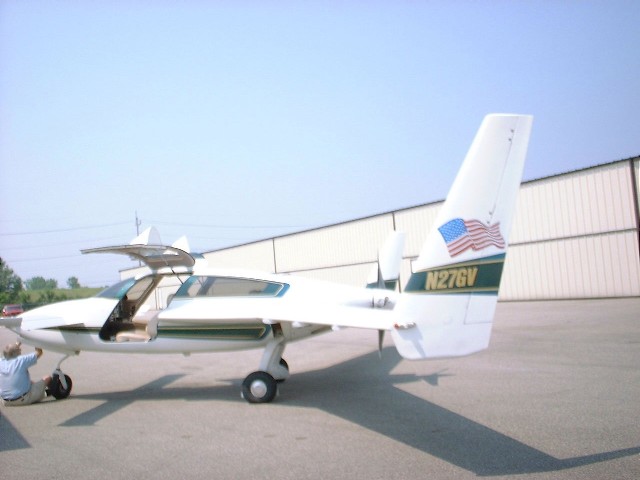
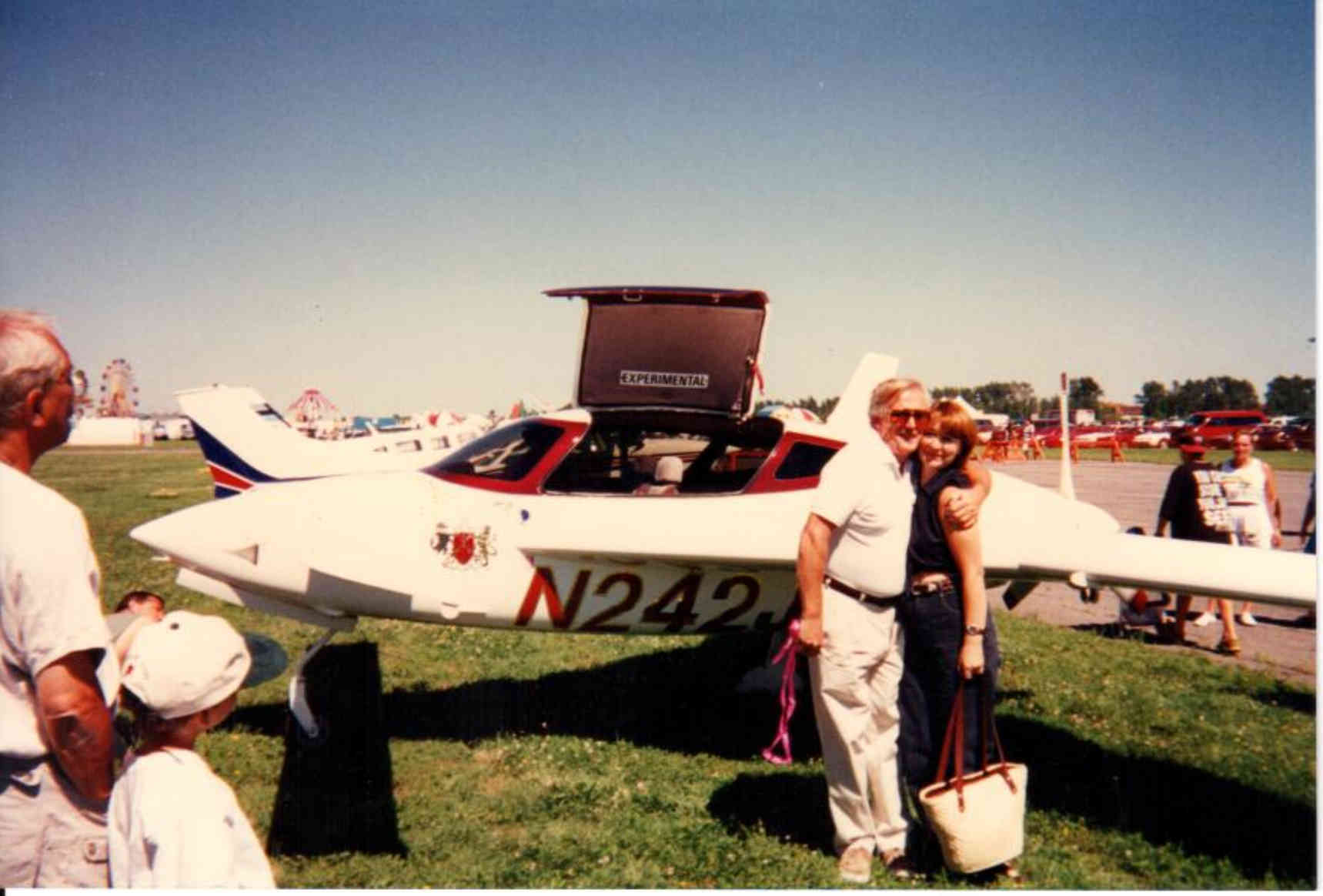
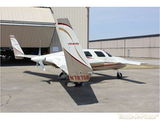
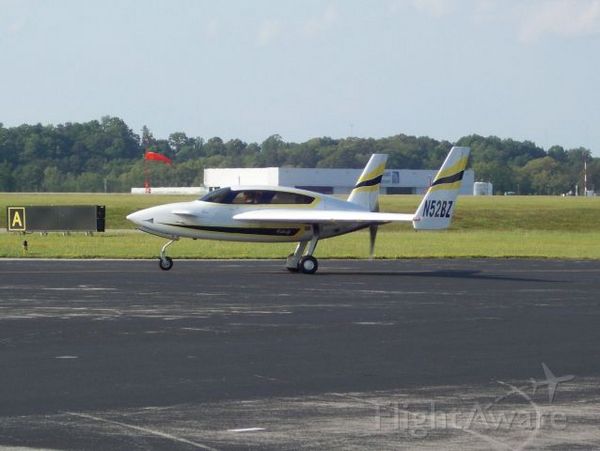
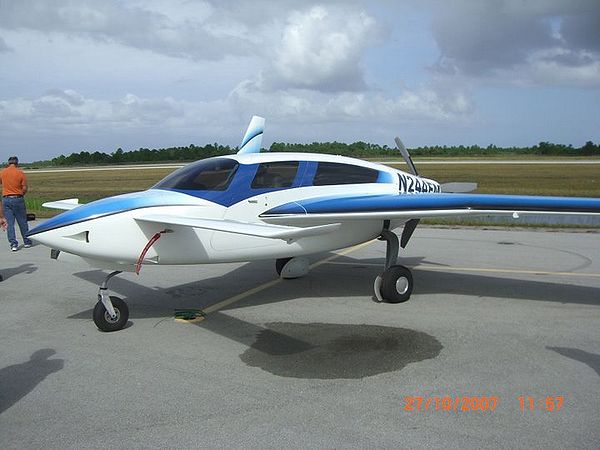
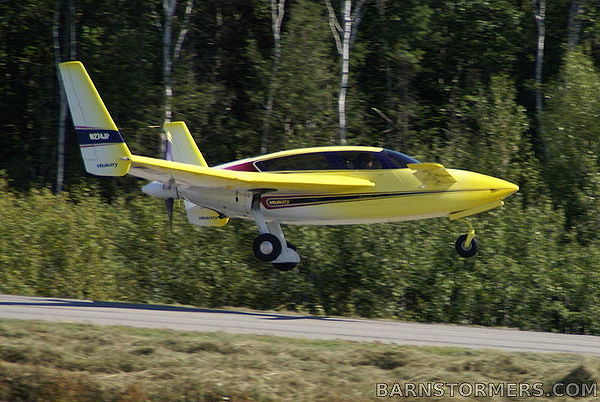
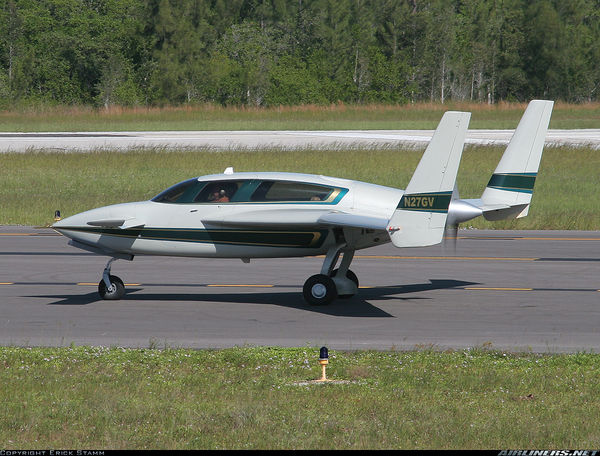
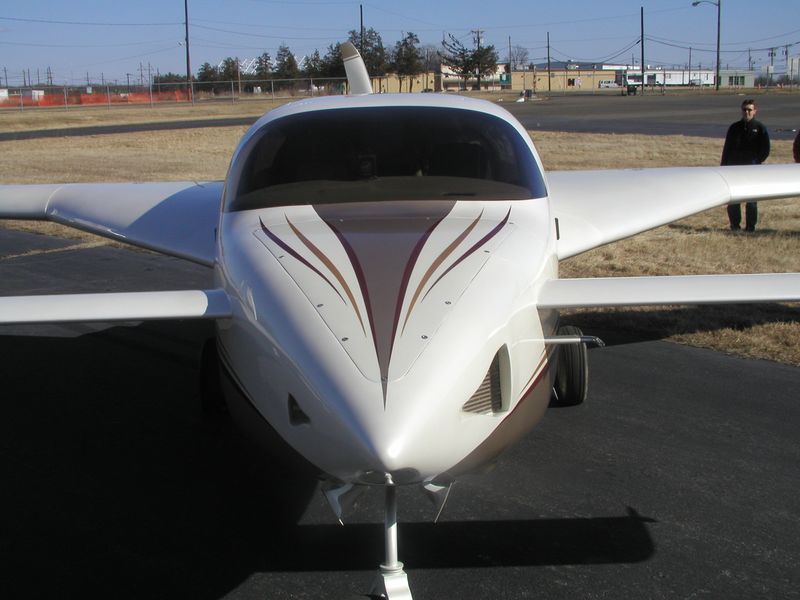
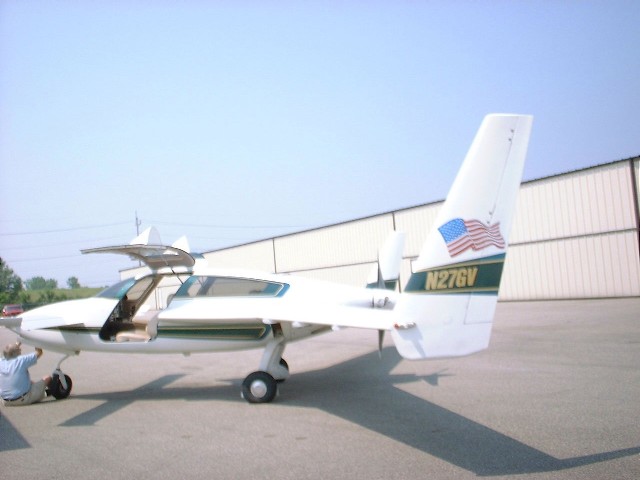
I am sending you photos of the planes i built one of them i built the
wings on Fred Marconi and rebuilded the one with gears up landing the
fact as the previous builder did not sand the epoxy surfaces withou good
haderance between the epoxy layup and i had to fix and rebuilt lot of
parts of this airplane .
An other Velocity which i do not have the photo the guy pass away
This screw method i was using it when i was building the composite fuel
cells and others places.
I still working on the gearbox design machining but not so often i have
been to busy with all business.
I am at 73 years old and with good health to continue working on my
project.
JEAN PRUDHOMME
Good hearing from you Jean.
What density foam were you using? I am proposing blue Styrofoam
for the ribs. A 2 inch dry wall screw will pull out of that I think.
I'll try one.
Last time we talked you were building a scaled down rotary powered twin
engine Piaggio P180 Avanti.
Are you still working on that? Too bad you don't have more time to
complete it.
I am really looking forward to see that fly.
You are probably having a lot of fun in the Drone biz :-)
Paul Lamar
The Rotary Engine free News Letter. Powered by Linux. If you want off
the list PLEASE let me know and I will remove you. ACRE NL web
site.
http://www.rotaryeng.net You Tube
http://tinyurl.com/beqqxas
Copyright 1998-2016 All world wide rights reserved.