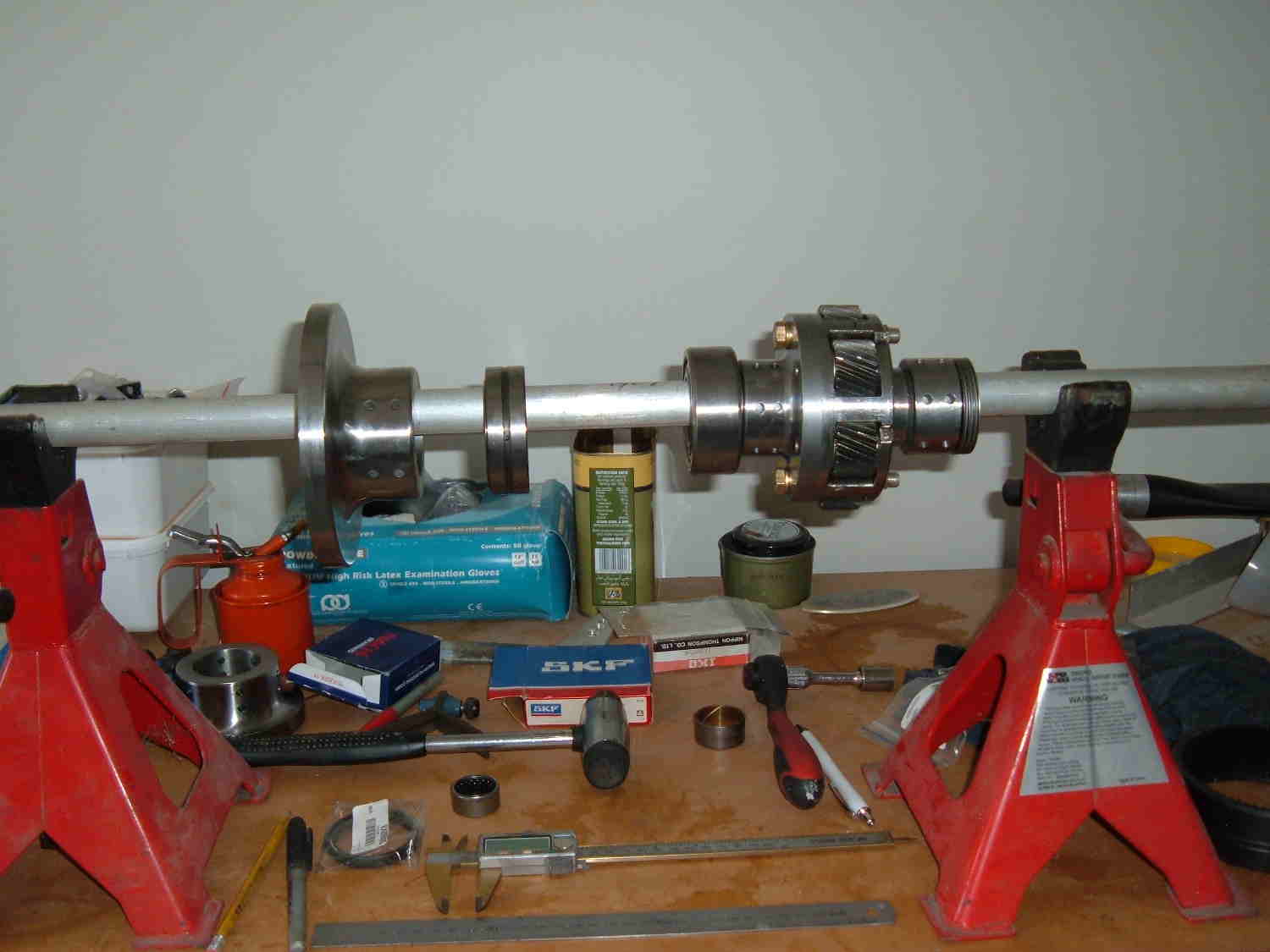
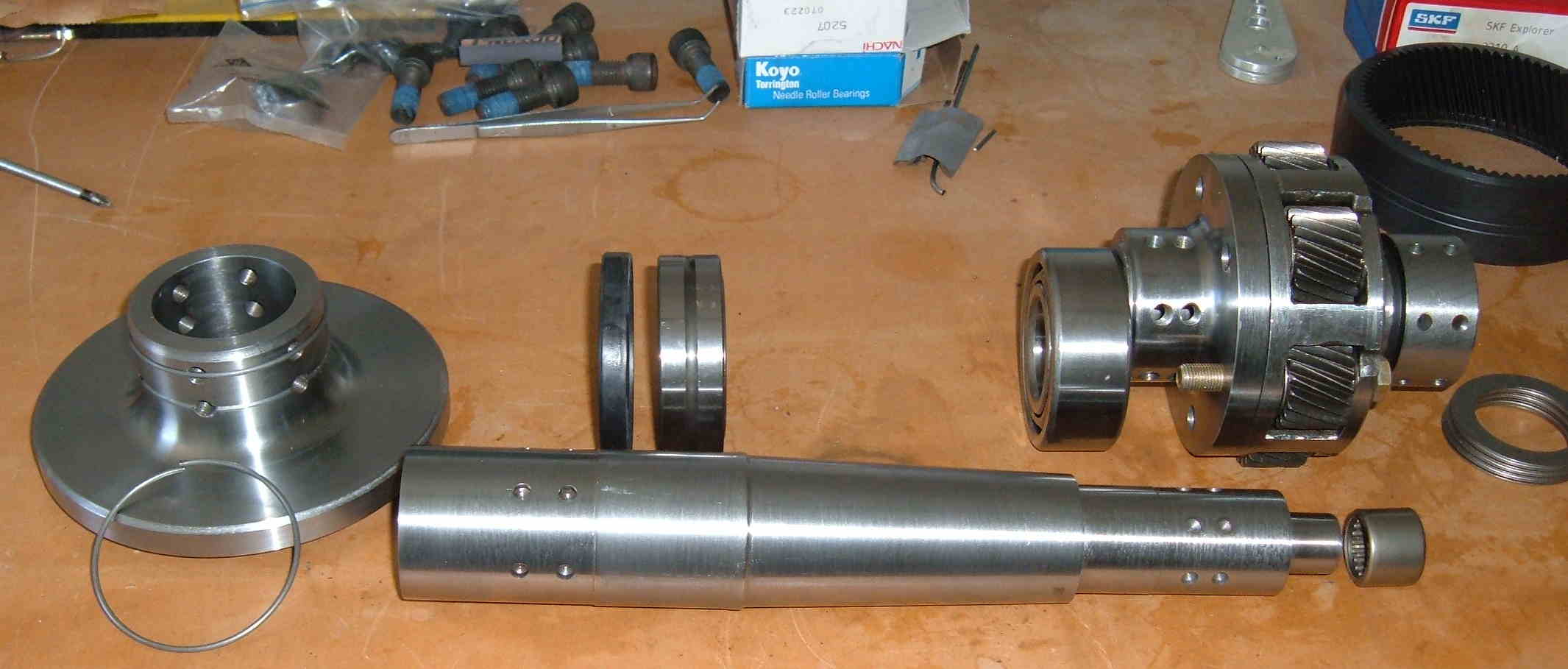
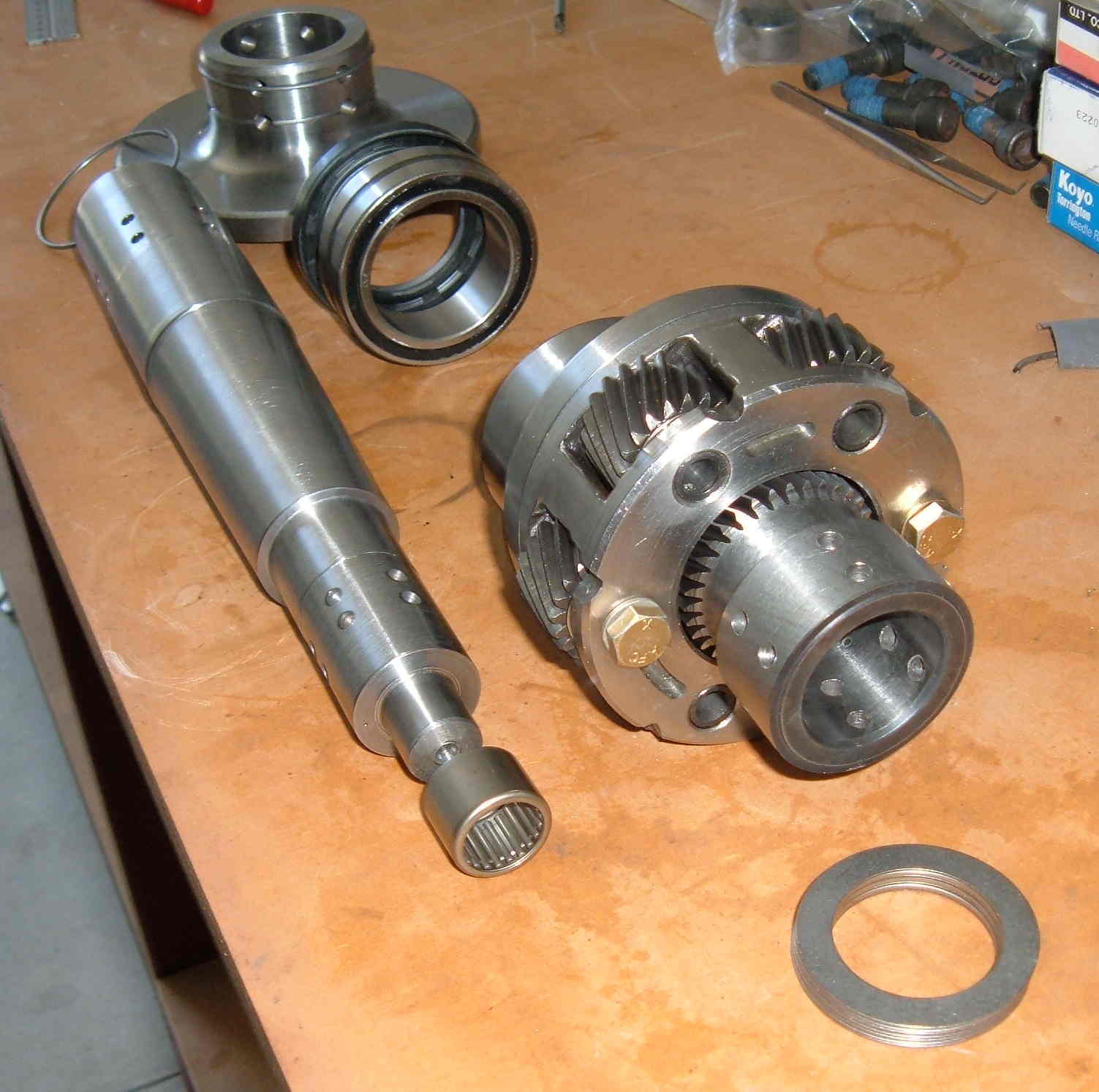
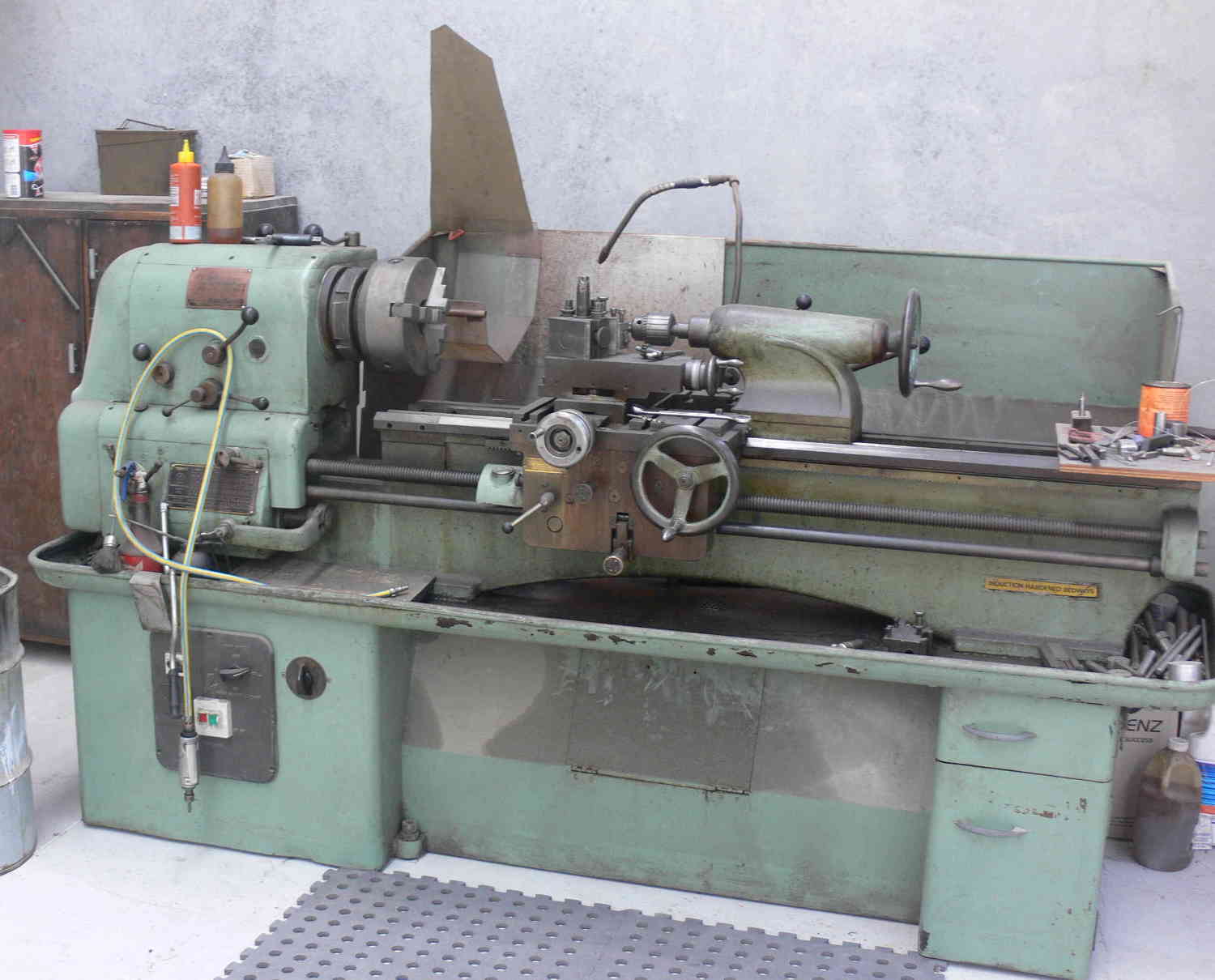
I am working on the design of the carbon fiber six inch diameter
tube spar.
The spar is the heaviest part of the aircraft structure so it pays
to make it out of expensive carbon. The skins of course can be glass
or carbon depending how much money you want to spend.
Paul Lamar
Paul, I am sure you are aware of the method that Paul McCready used
to make the carbon fiber spars for the Gossemer Albatross:
He used Aluminum irrigation tubing (~3-4" D) and laid the carbon
fiber up on the tubing, then dissolved the Aluminum out with KOH.
Bill Schertz
I was called in as an aerodynamic consultant on the one that
eventually won the Kremer prize by Jack Lambie round about 1976 or
1977. My girl friend Rhonda and I drove up to the valley to have a
look. I was surprise to see a propeller about 4 or 5 feet in diameter
made from two model airplane wings and wire braced. I suggested a
larger diameter prop not wire braced and further geared down. They
did that and went on to win the $50,000 prize :-)
I was not aware he built the spar that way. I was thinking of using
a metal or plastic tube covered with several layers of garbage bag
or other thin plastic material cut in long strips. After the epoxy
is cured the spar can be slipped off the tube. I have done that many
times on shorter composite tubes. Sometimes the strips can just be
pulled out from between the surfaces. That gives enough clearance to
remove the spar from the tube.
How's the Kiss Cruiser doing? Do you like living up there in the US
bush? :-)
Paul Lamar
Paul you can also use braded carbonfibre. You get it in a flat role
with different diameters. This way the "braded fibres" are in a more
or less 45 bias in the weave to the span of the spar. Do 2 layers
then dremel cut out of the male plug ( split the carbon pipe) to get
off the male plug. Then do several layers braded over the "first
split mould" to the different stations according to the bending
loads and specs Vacume bag each layer as you progress and scuff
between layers to get nice finnished surface between layers Le Roux
Breytenbach ZA
One needs some unidirectional fibers on top and bottom of the tube
to take the high bending stresses. These should be layered with the
thickest layers near the center of the wing.
Paul Lamar
Spar caps can use pultruded carbonfibre rods
http://www.marskeaircraft.com/carbon-rod.html
Le Roux Breytenbach
Hi Paul,
It is not advisable to marry carbon fiber and fiberglass as the
carbon will take ALL of the load due to it's higher modulus. Also a
round tubular spar is a waste of time, it is the wrong shape, it should
be rectangular for obvious reasons. IF you must marry the two for
whatever reason you must design the spar to take ALL the loads.
Chris Hoskins.
I agree Chris. A circular tube with constant wall thickness is not good.
I will use a box section spar that will take all the loads.
The wall thickness will be varied to match the loads
and keep a constant stress level. Uni on top and bottom
and 45 degree on the sides. Every once in a while one of
those woven carbon fiber socks.
The wing skins are mostly jell coat anyway :-)
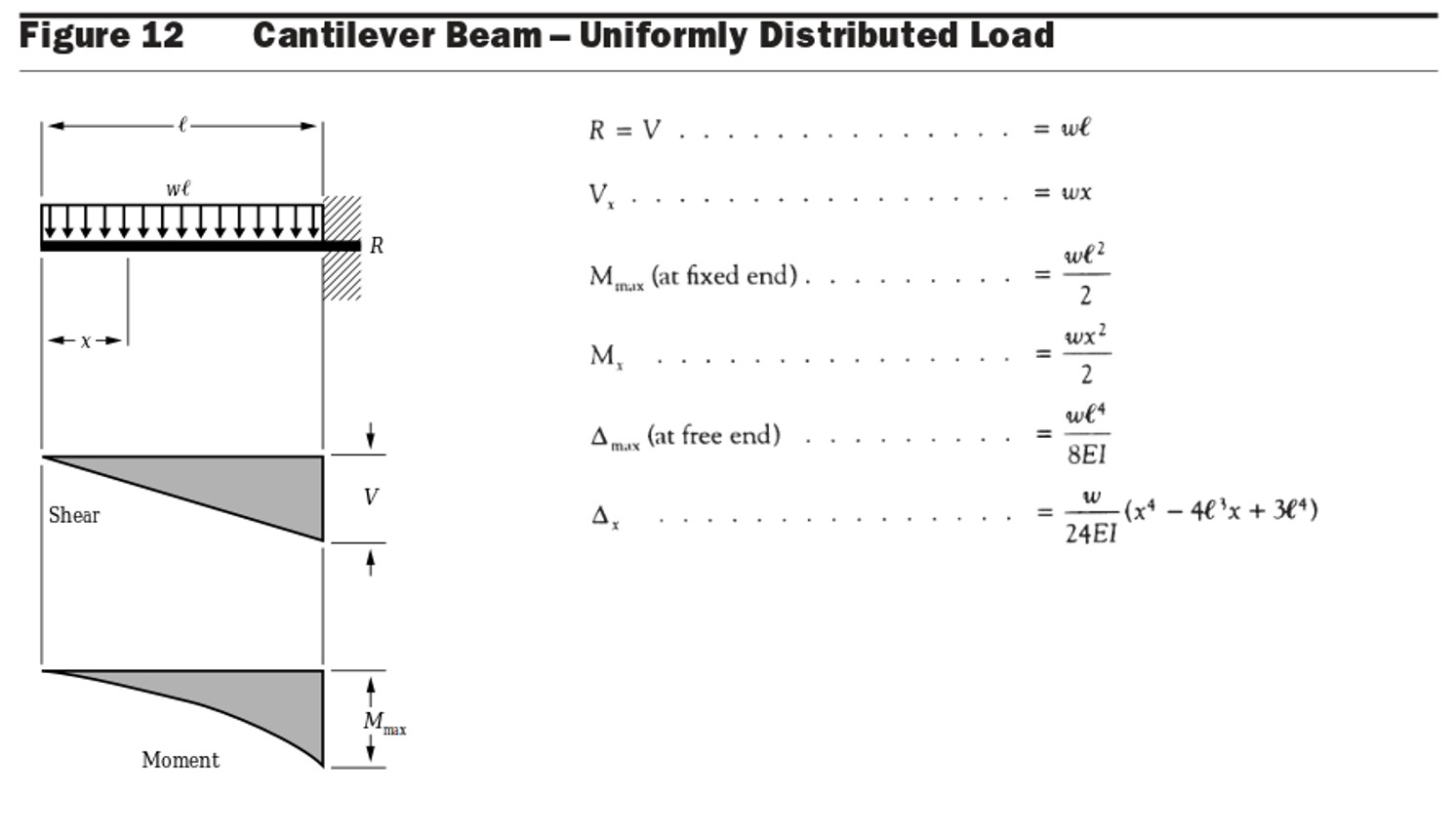
I have been thinking lately about the aerodynamics. I know the C182
handles well so I am thinking of copying the wing plan form and
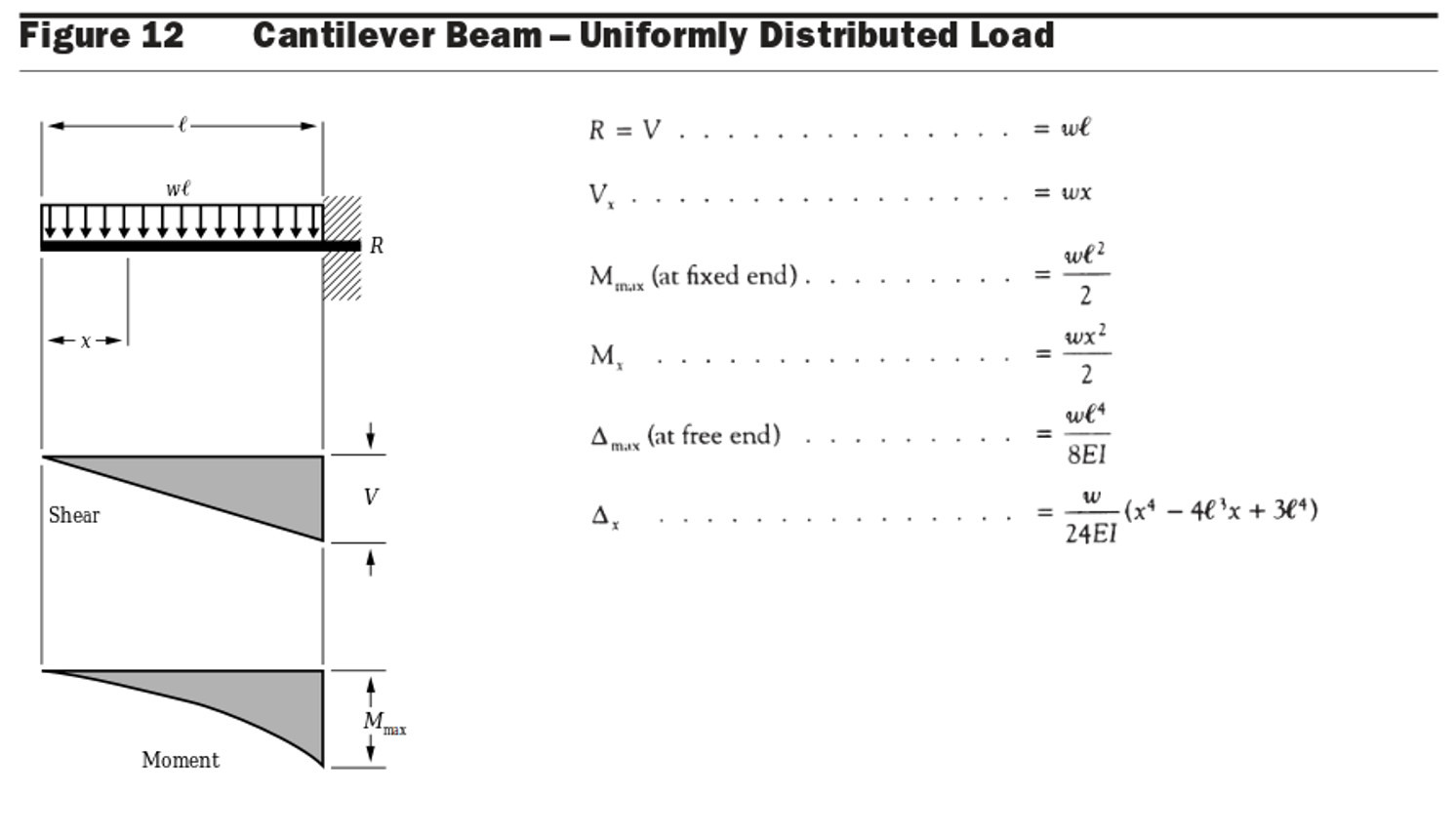
fowler flap arrangement. Just cantilevered with a carbon
spar. I am not going to reinvent the wheel. Gross
weight will be the same 3000 pounds. Hopefully the
empty weight will be a couple hundred pounds less.
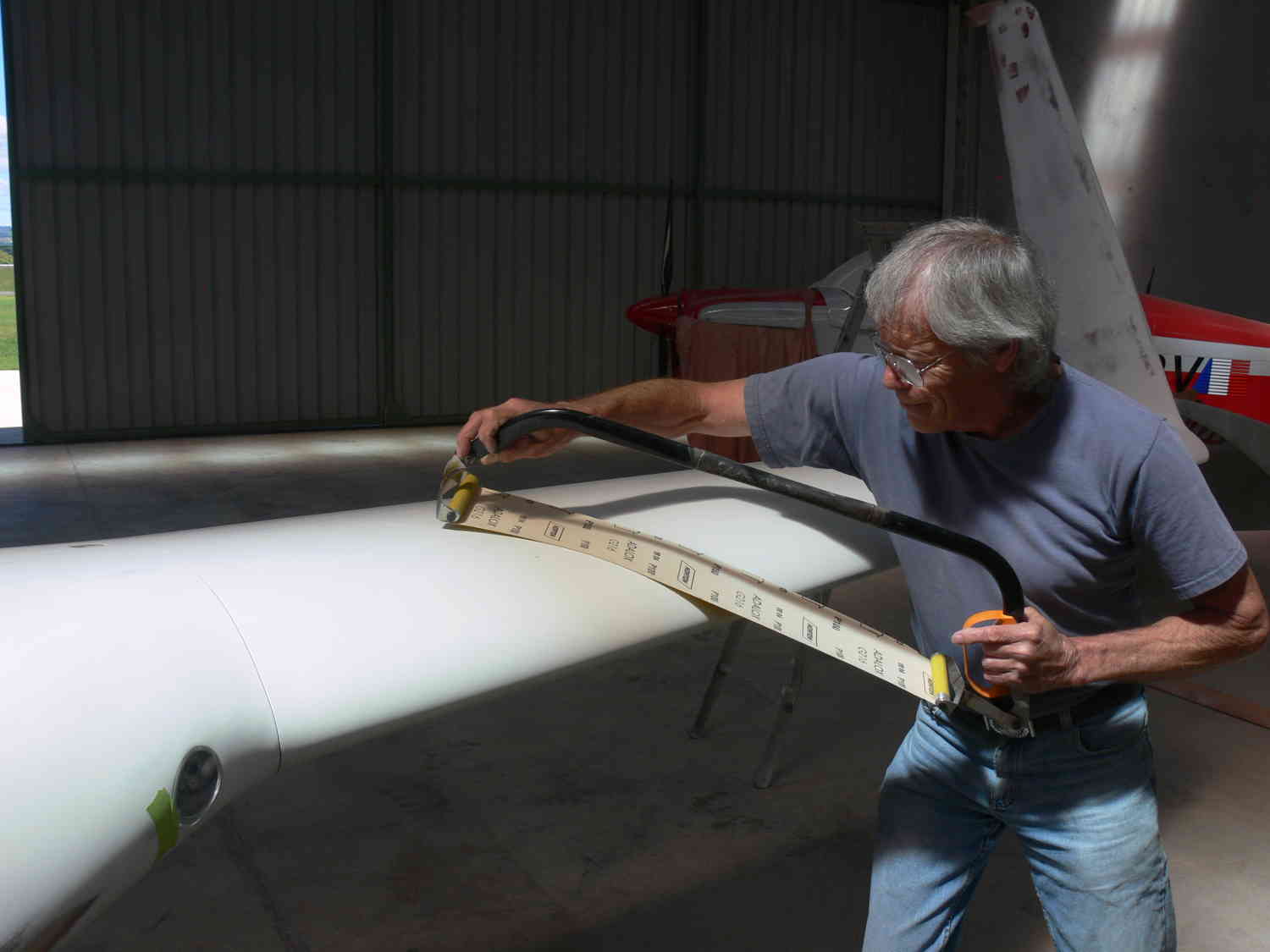
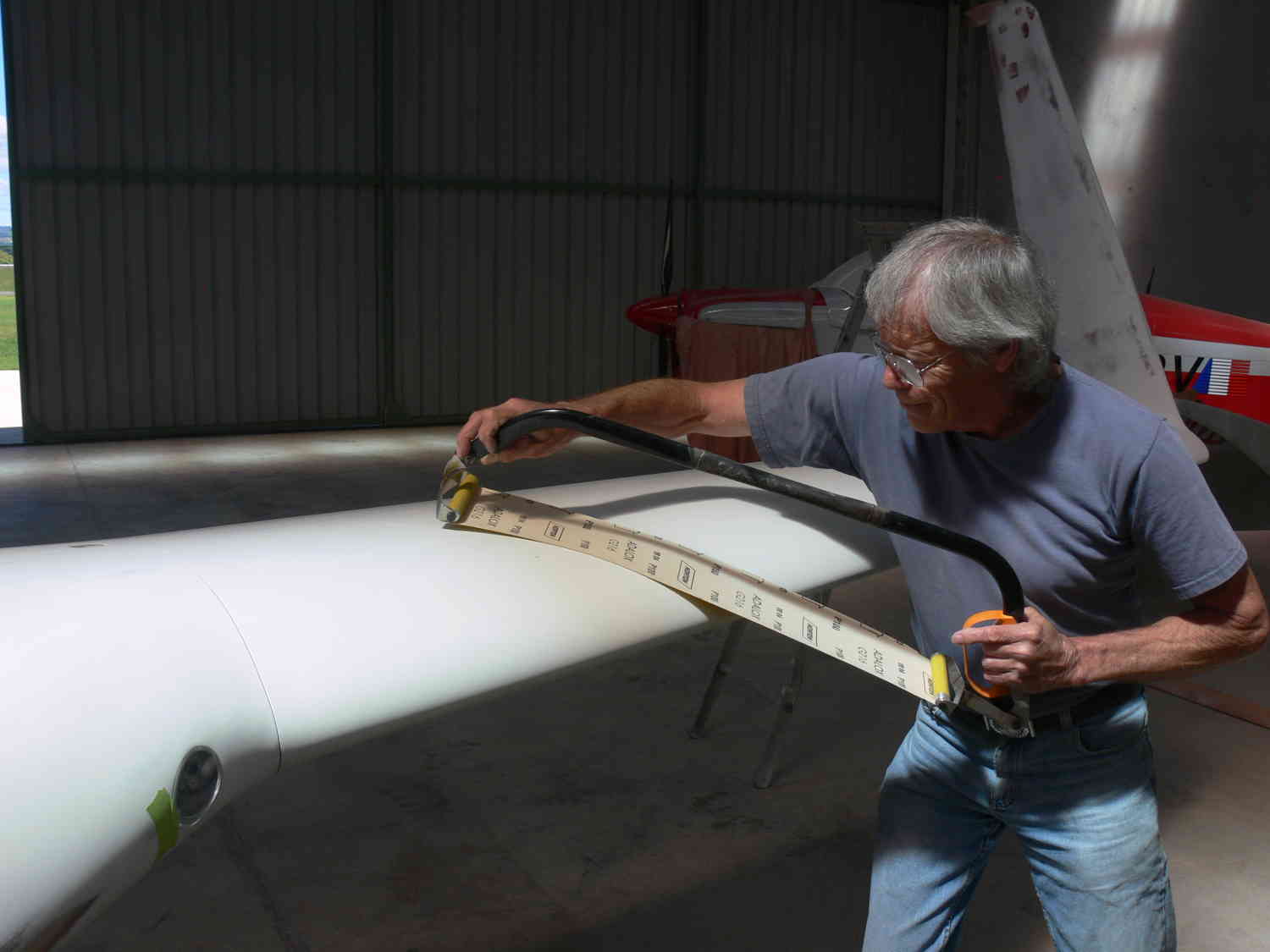
How long did it take you to sand your Long EZ?
Paul Lamar
The Rotary Engine free News Letter. Powered by Linux. If you want off
the list PLEASE let me know and I will remove you. ACRE NL web site.
http://www.rotaryeng.net You Tube
http://tinyurl.com/beqqxas
Copyright 1998-2016 All world wide rights reserved.