Paul the point of the built up spar is you can vary the ply schedule to
get the strength you want over the spar with the same outside diameter
or even easier with the box spar. Then all your rib holes can be the
same size for easy molding
Bill Jepson
Yes all the ribs are the same out side dimensions.
If made on a SIMPLE square tube male mold the thickness of the caps
would step down starting at the root rib. You can start with an off the
shelf cured square or rectangular carbon tube.
If all the holes in the ribs are the same size the spar then must be
made in a female box mold.
Lets call it a square tube female mold. How do I lay up inside a 20 foot
long square tube?
Not possible of course. Or at least extremely difficult.
OK say I made a rectangular male mold that was tapered in height.
The small vertical dimension was near the root rib where the caps are
thickest.
Could be carved out of 20 ft long blue foam I guess. Could also be made out
of four ten foot long steel or aluminum bent up tapered channels and
welded up.
Kind of tricky getting the right taper. Probably calculate at the
proper number
of ply schedules and then adjust according to needed height.
The next problem is cutting the square holes in the rib plies before
saturating and molding. That is not practical. Particularly in carbon.
Plan B. Makes two part ribs. One front one rear twice the rib lay up time.
That will also work.
Nay.
I would rather cut different size holes in the cured ribs :-)
Lots of options.
BTW the cost of solid Teflon is out of sight.
Garbage bag material can be used as a mold separator with a plywood mold.
The same stuff you use to saturate the fabric.
Add a couple more layers before you put in the plywood mold.
Room temperature or 150 F max in oven cure. Otherwise the
garbage bag might melt :-)
.
The actual plan form I intend to use is that of a C182. The 2/3 span
center section
is straight to accommodate the fowler flaps and the outer panels with
the ailerons
are tapered so those ribs are not all the same size. I am doing that for
the known excellent handing and stall characteristics of the C182.
No point in reinventing the wheel and do all that R&D on handling.
Paul Lamar
Paul I wasn't trying to be flippant. If I was doing the box spar I would
do a "C" top and bottom. They are layed inside each other and cured. If
that wouldn't work I couldn't think how. The C layup would allow the use
of the rods or uni-directional ply. Not nearly as good as a continuous
layup like the male molds but tailorable with a consistent external
dimensions. Probably not as good as some other method but workable. You
would need 2 of the folded aluminum channels to allow the top and bottom
to "nest" so not the most economical solution.
Bill Jepson
Speaking of nested spars.
Here is an aerobatic aircraft wing with a carbon fiber rectangular
hollow spar.
The spar is 3 inches wide and 7.75 high at the center. The span is 25
feet. Too short for the bush
plane where the span is 35 to 40 feet. The tips are five inches high.
It weighs about
160 pounds. The skin and ribs are fiberglass. I am sure it is stressed
to at least 10 G's .
I don't know how it was made for sure but the out side is smooth so it
looks
like it was made in a female mold. Could be two different height C
shaped molds.
They were then nested to together. The front one is the smaller of the
two.
About 7 inches high.
The 3/8th gap between them was then mostly filled with pultruded round
carbon rod which
has the highest of all carbon tensile strengths to form the tapered
caps. The gap was then
"finished" with micro.
I am guessing.
Paul Lamar
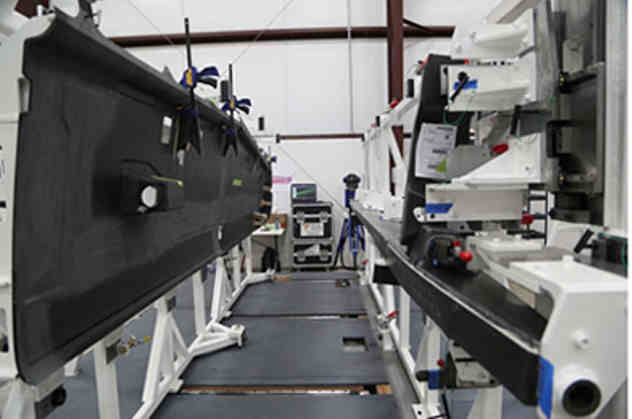
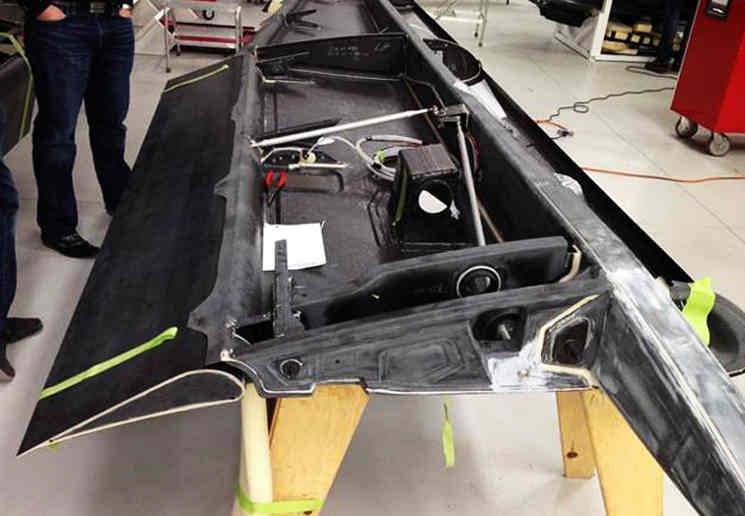
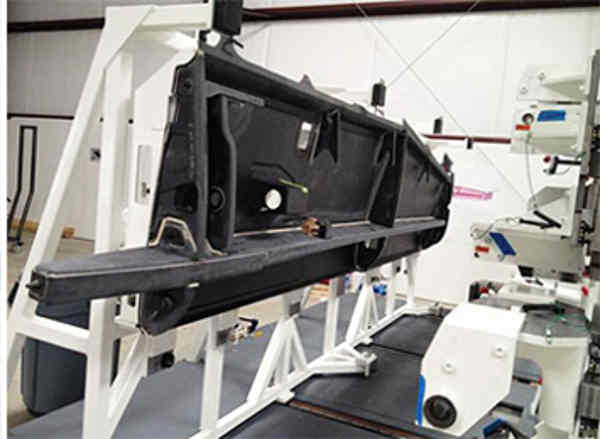
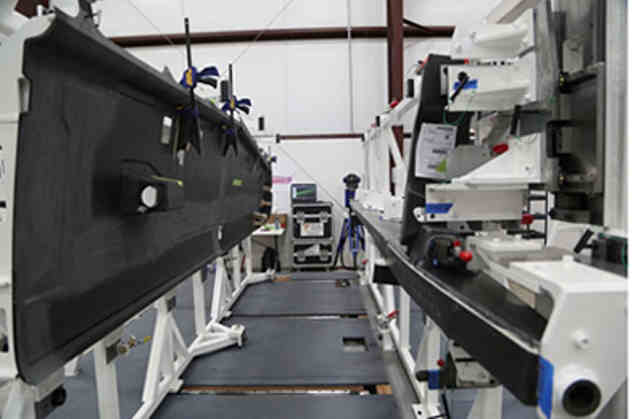
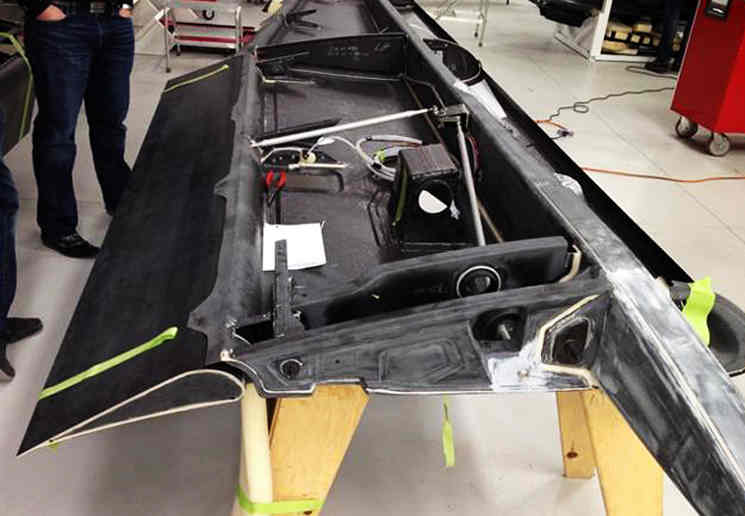
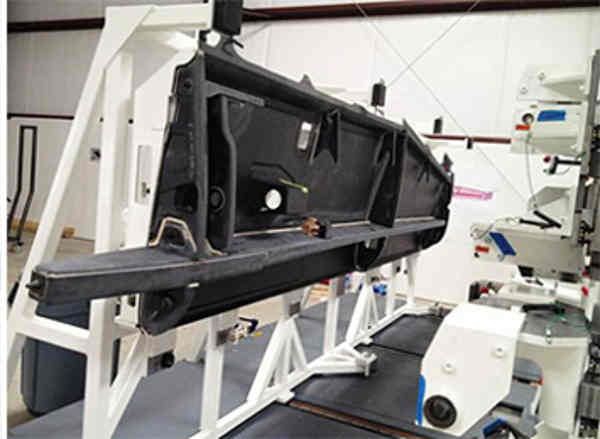
Here are 3 pics I have of the Icon A5 wing structure, may shed some insight,
Steve Carlisle
The Rotary Engine free News Letter. Powered by Linux. If you want
off the list PLEASE let me know and I will remove you. ACRE NL web
site.
http://www.rotaryeng.net You Tube
http://tinyurl.com/beqqxas
Copyright 1998-2016 All world wide rights reserved.