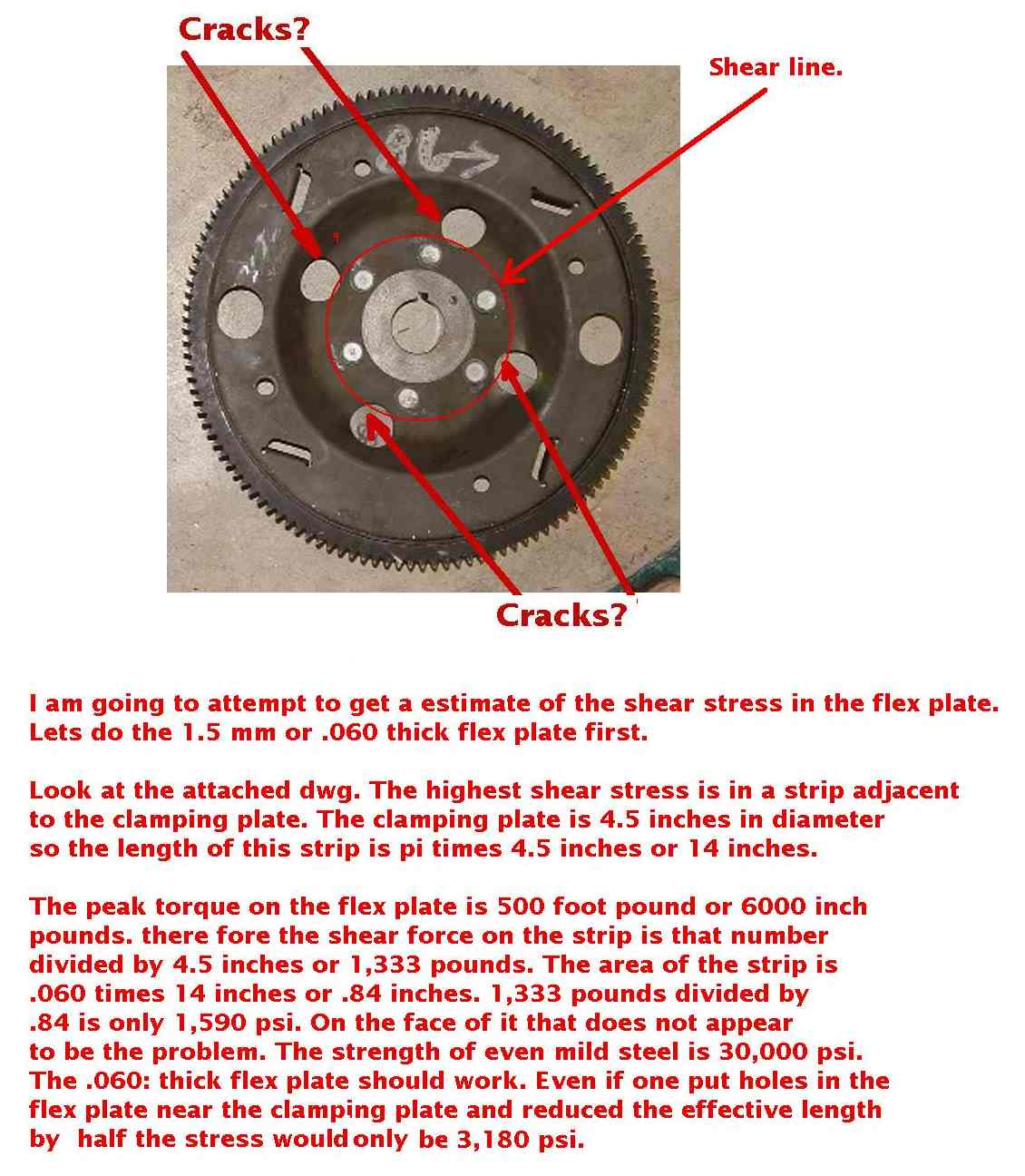
There is nothing wrong with the flex plate doing its job of starting
the engine. Just don't bolt anything to it. The car is not subjected
to the gyro forces an aircraft experiences.
The main six bolts that hold the flex plate and the coupling are .385
inch in diameter. Ten millimeters. They are more than strong enough
to handle about 1000 HP.
Here is the light weight steel flywheel Dave Leonard settled on. It
is forged chrome molly or something cannon prof like that I think it
is an Exidy brand from Mazdatrix.
That motorcycle radiator might work in a counter flow configuration.
Send me the dimensions and pictures.
Did you make a final decision on where you want to place the rad
cores?
I still think the cooling scoop in the canopy and rad cores mounted
on the back panel is the best bet. It turns a aerodynamic problem
into a cooling advantage.
I would be the first aircraft with a engine cooling scoop in the
canopy
I would also allow streaming lining the engine better.
Paul Lamar
Hi Paul,
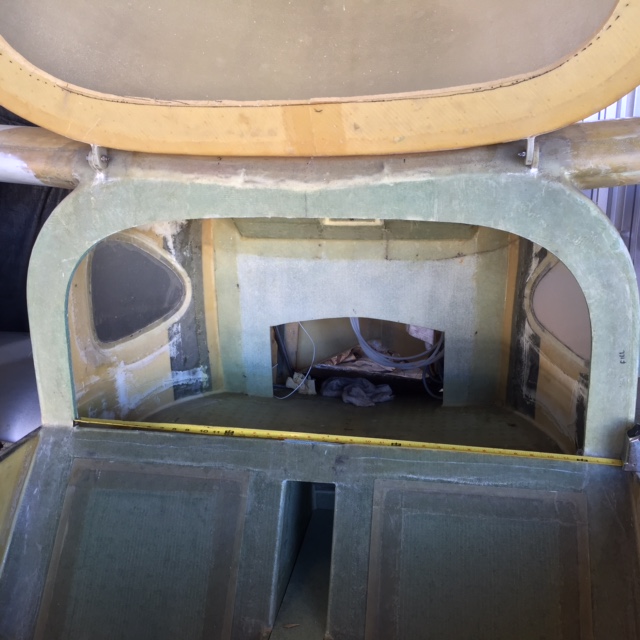
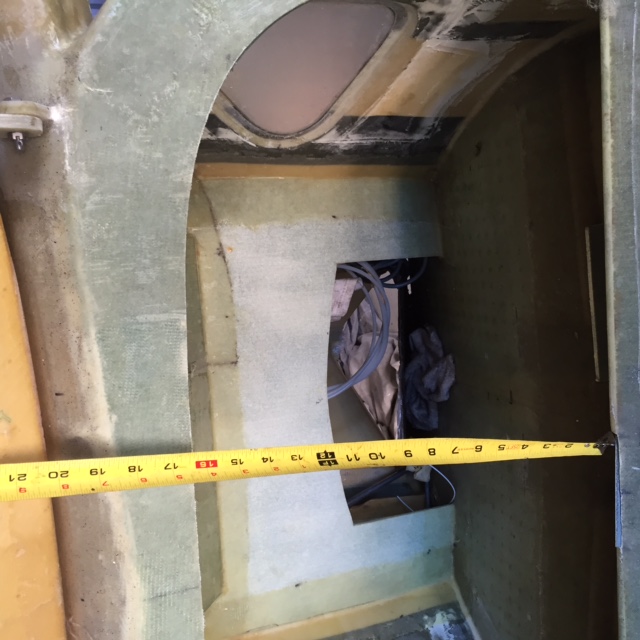
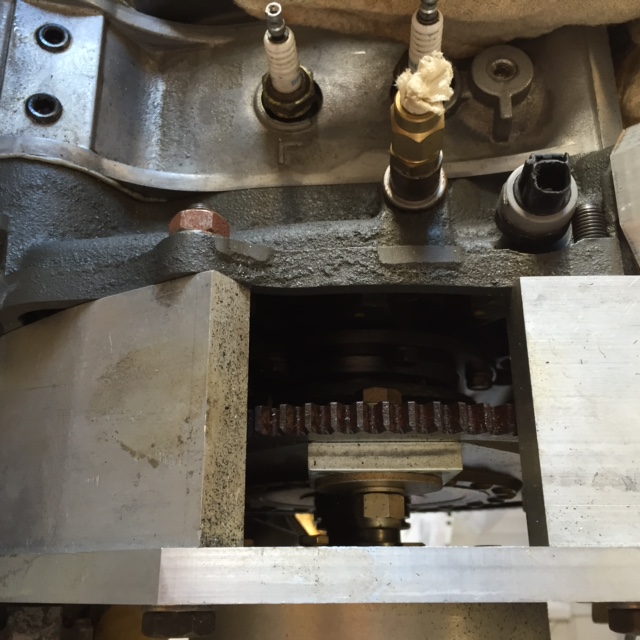
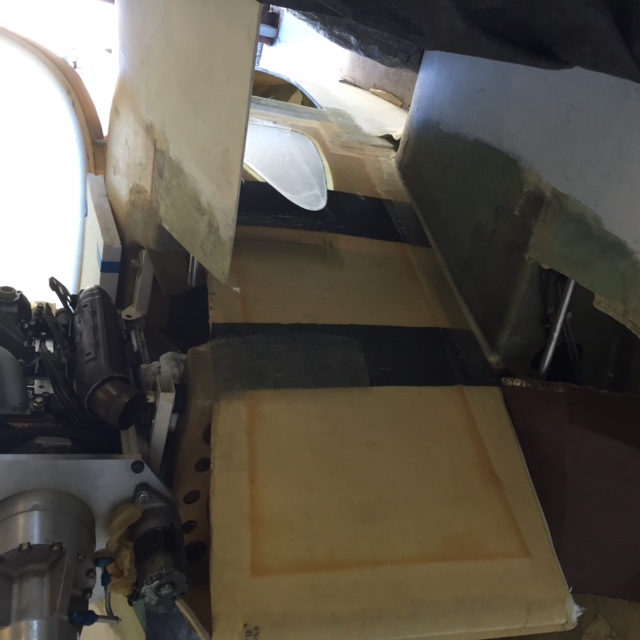
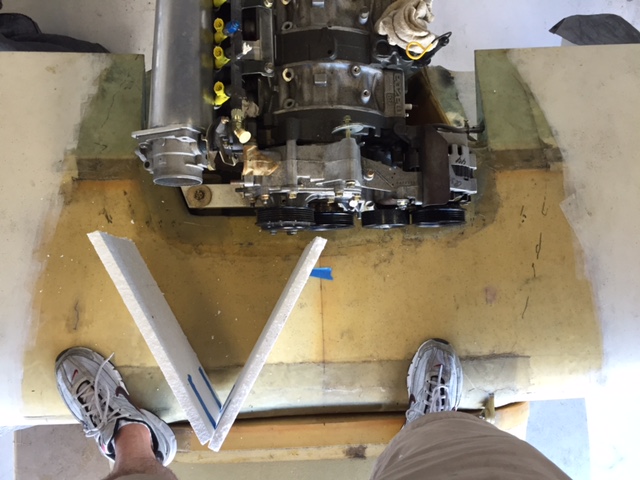
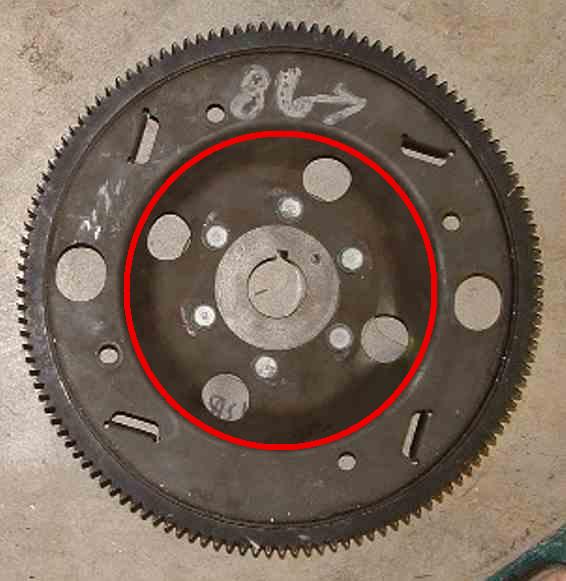
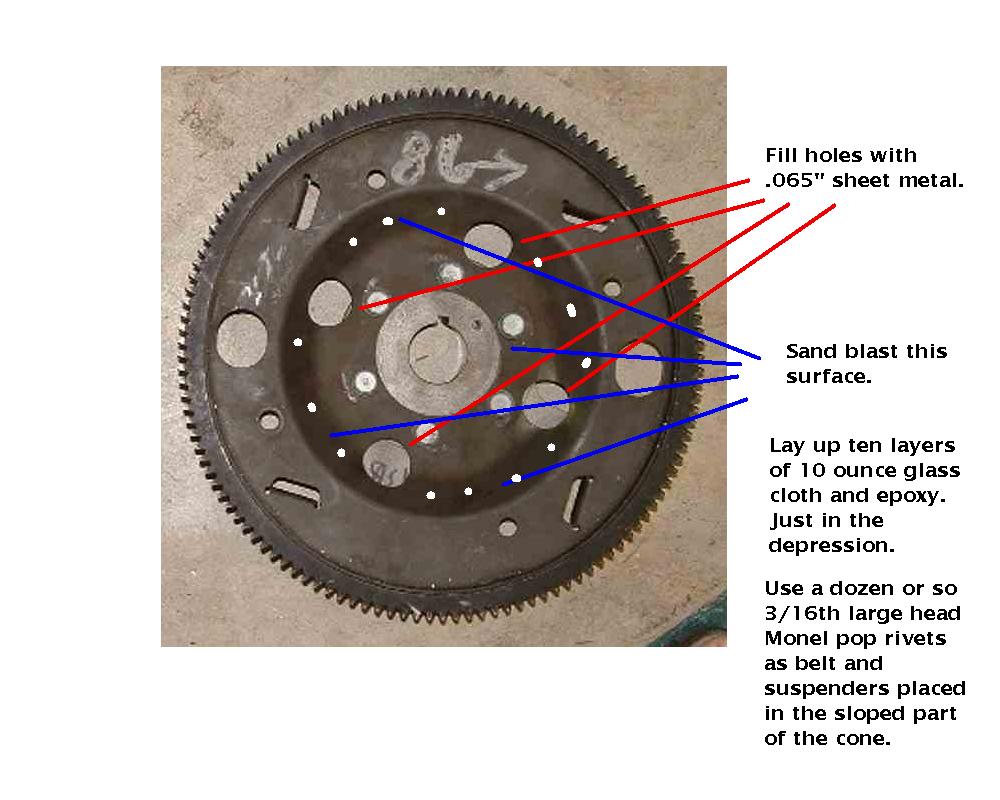
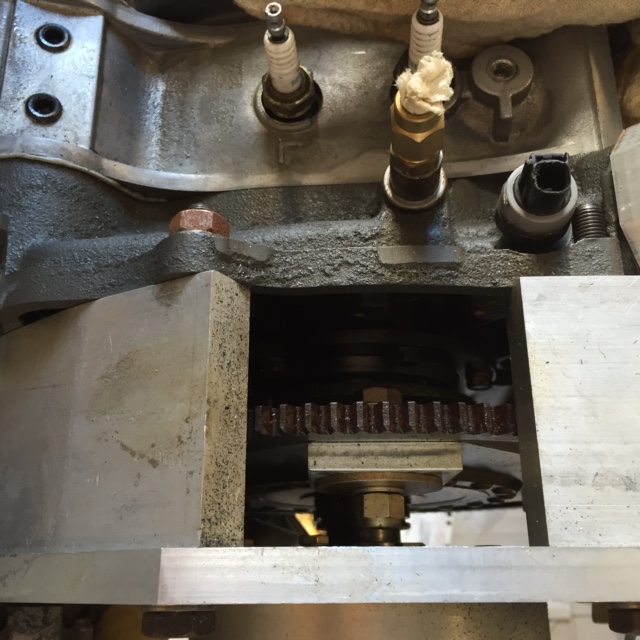
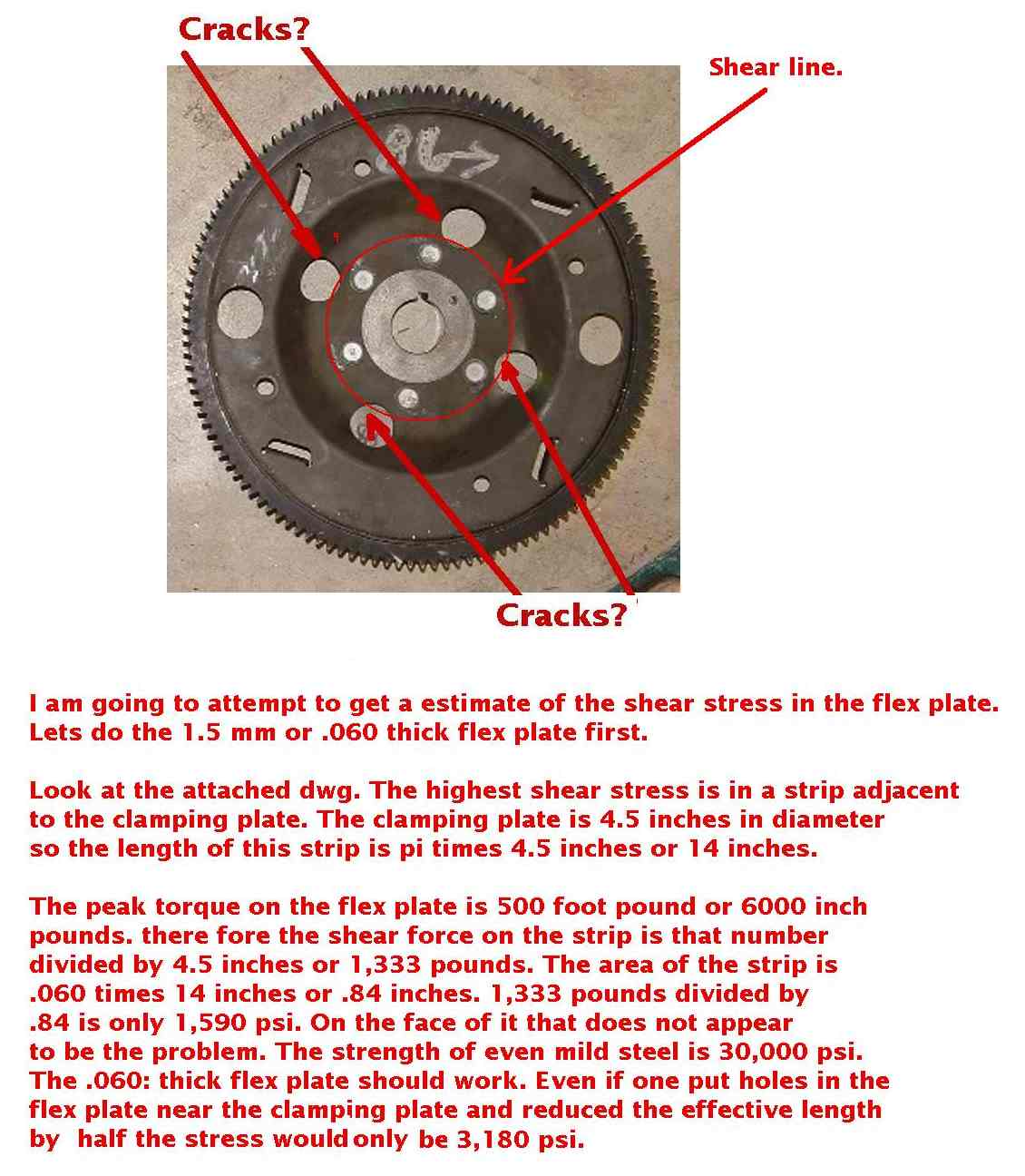
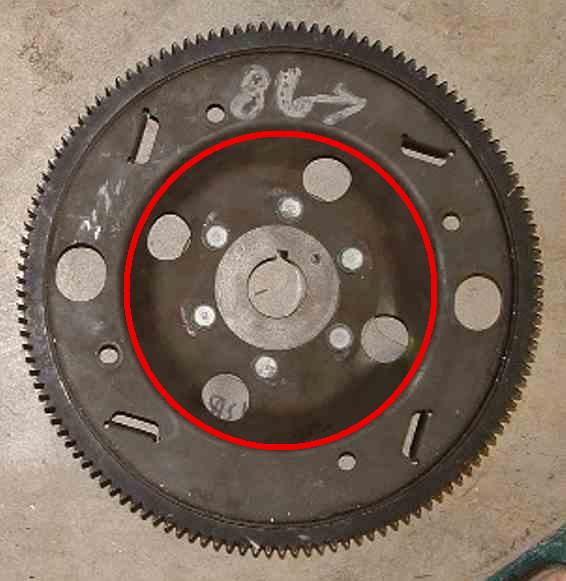
I have attached some pix of my existing flex plate and Tracys mounts.
If these are not safe, would it be easier to just buy a heavier custom
flex plate or revise the mounts as you have discussed?
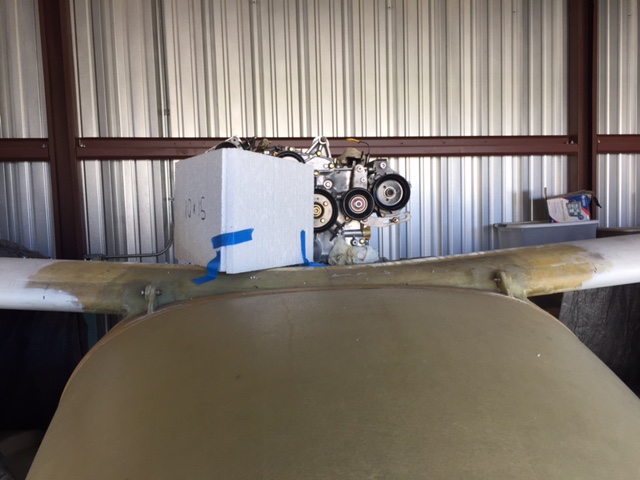
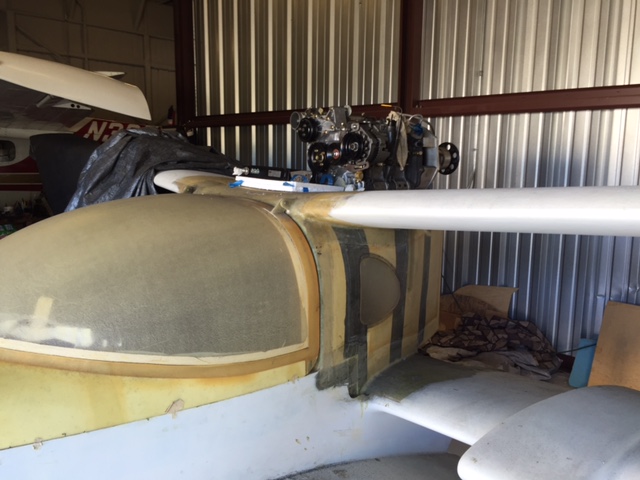
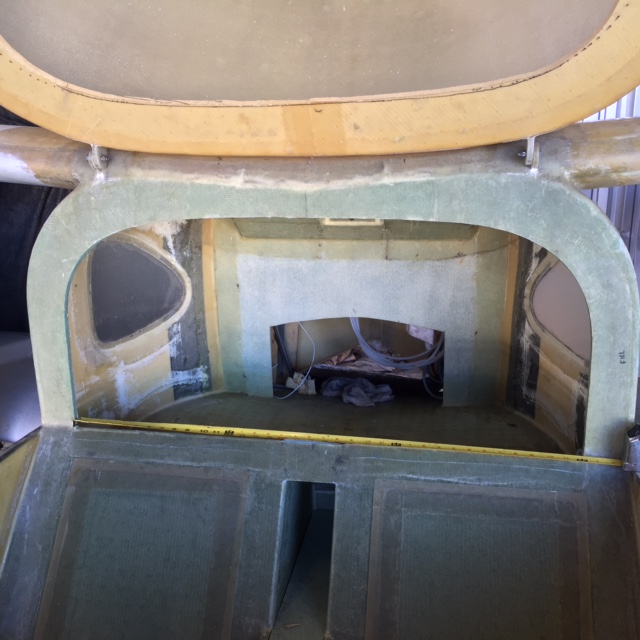
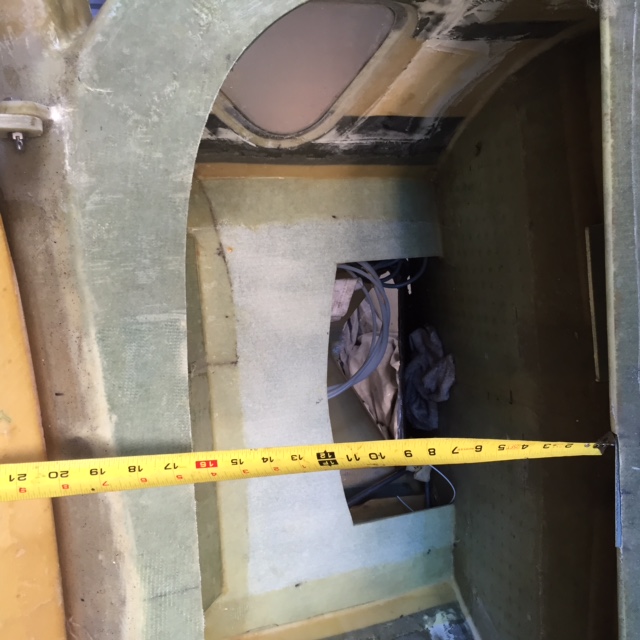
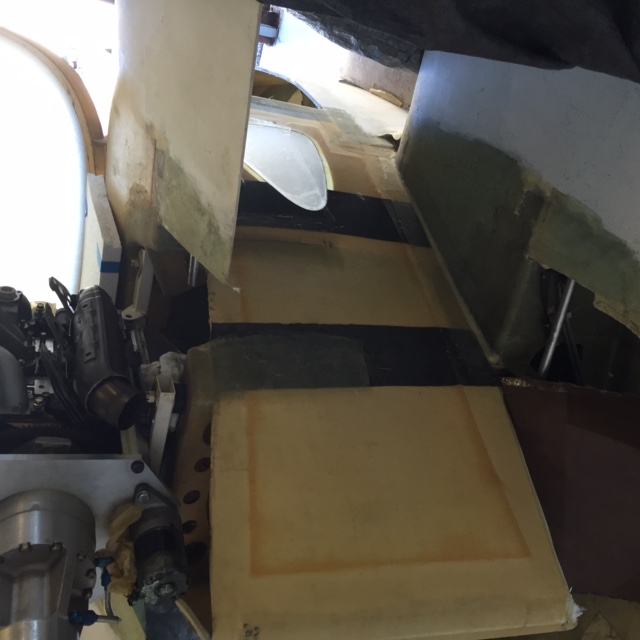
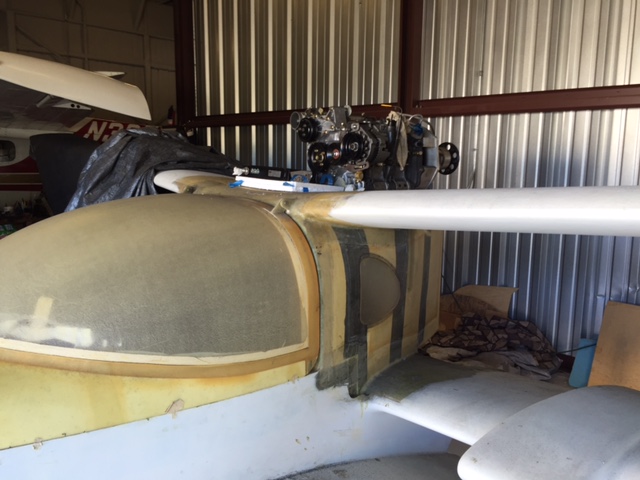
I have spent a lot of time looking at the canopy-intake concept.
Unfortunately there is simply not enough room to drop the canopy top for
the intakes, and provide plenums back to the rear of the pylon. A few
pix are attached to show some of this.
However, I could build intakes across the top of the upper (and also the
lower?) wing(s) to bring air back to the rear of the pylon, that could
be cut off short and flat as we have discussed. This would allow for a
large radiator without issues, although the duct work would be challenging.
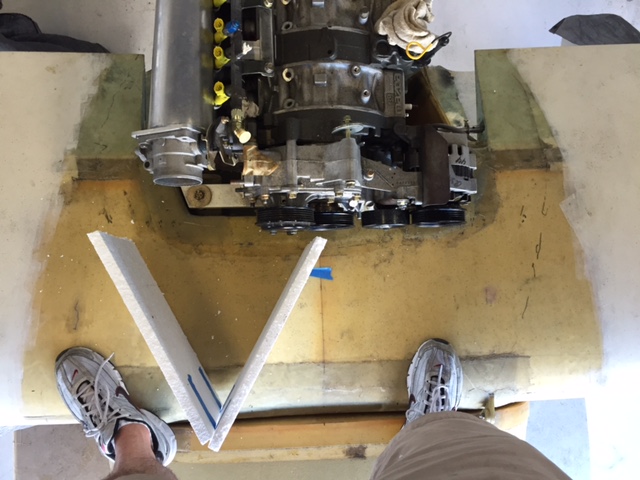
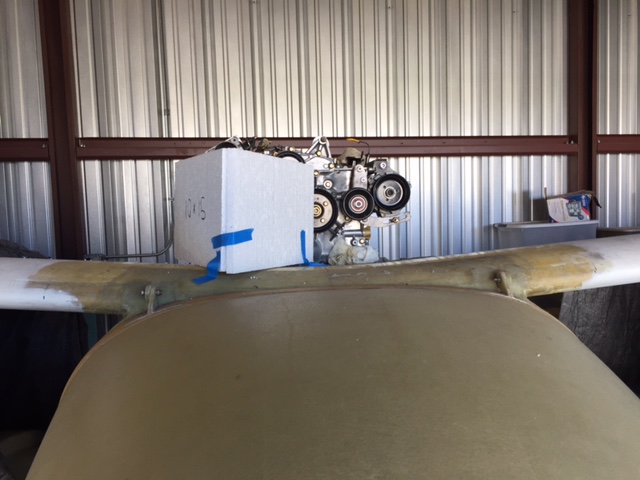
One of your previous suggestions was to have 4 accordion-like radiators
up front. It appears that 4, appx 10x15 radiators would fit in this
scenario, and might be one of the simpler ways to go. (The pix only show
2). There are motorcycle flat and curved radiators around this size
(10x12, 12x15, etc), as well as many oil coolers in these sizes. These
seem much easier to find than very small automotive water radiators.
Scott Gettings
Paul you may recall my RX8 engine was built by Bruce Turrentine and I
have Tracy's 3.12 redrive with its standard components, including
the automatic engine flex plate.
Based on the above, I'm assume it would be wise to replace Tracy's
couplings and/or change the flex plate? I searched the Internet and
did not find any after market flex plates for an automatic, although
there are many clutch plate / flywheel versions available.
Do you have any specific recommendations other than in this thread?
BTW, I'm still working on the cooling system options for my GG. While
searching for small and thin radiators, I found some of the racing
motorcycle radiators are curved, and might give additional options
provided I can achieve enough surface area and volume.
Scott Gettings
Dave Leonard opted for the chrome molly "light weight" flywheel.
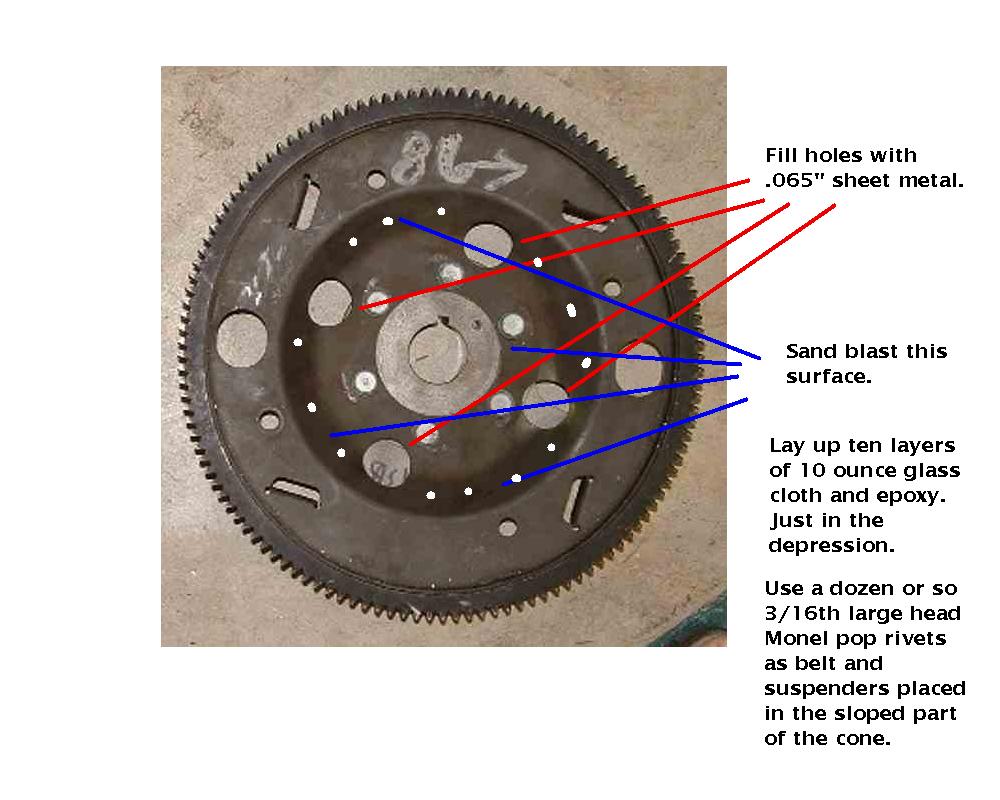
There is another idea that might work for you and that is beef up the
flex plate with carbon cloth instead of fiberglass. It will damp
vibrations and
increase it's resistance to crack. Make a wood hub with a rod or tube
passing
through the center and static balance it between horizontal parallel knife
edges after you get done adding the composite carbon cloth.
Paul Lamar
The Rotary Engine free News Letter. Powered by Linux. If you want off
the list PLEASE let me know and I will remove you. ACRE NL web
site.
http://www.rotaryeng.net You Tube
http://tinyurl.com/beqqxas
Copyright 1998-2016 All world wide rights reserved.