good idea
right in the depression at the bottom
All of the passages in the rotor line up with as the rotor turns one
after another
Great place for the oil squirter Better than the e-shaft
Paul
I want to work out development before it gets thrown out to
everyone
From what I can see in the motors I have there is no room for a oil
ejector port to squirt oil onto the rotor So I am thinking about
putting the ports on the end plates That would possibly work The
rotor would need some type of drain drains at the apexes and mid
point of each side of the rotor, the oil will be held up there just
from centripetal force Plus if it pools in each apex unequally it
will cause rotor imbalance, or cause mass / inertia changes
So basically to have it really work I need to design modifications in
the rotor that allow oil to drain at high rpms So any help you can
give would be greatly appreciated Especially how oil drains from the
rotor and housing in the 13b and other rotaries would be a big help
David Mikesell
That sounds great, My experience with points systems has proven to me
to be simple and reliable There are always signs of a problem before
any of the components fail
I have a sachs and a OMC but they are charged cooled How can we cool
them better than adding water cooling to the end plates and the
housing?
David Mikesell
Not easy Convert to an oil cooled rotor
I had not thought of this idea before but our good experience with
the dry sump system on the TTC engine suggest the way to do it is
have a totally independent oil system with the sole purpose of
squirting cooling oil up into the rotor
You need to figure out a way to get pressurized oil into a hollow
E-shaft A scavenge pump should be able to recover this and feed it
through an oil cooler No need to change any of the bearings
--------------------------------------------------------------------------------
Block off all that mickey mouse charge cooling stuff and use the butter fly
valve as the throttle for the p-port
There will be enough oil sloshing around in there to lube the
bearings You will need a two section dry sump pump One for pressure
and the other for scavenging Use Mobil 1
Still mix oil with the fuel to lube the apex seals
This could be BIG if it works LOTS more HP!!!
Should work on just about all charged cooled engines
Paul Lamar
OK, so I have been reading all the papers on the site about P-ports
So you worked from mazda data and came up with 2in tubing for the
Mazda engines, plus you worked the length to get the torque in the
right area
So what was the diameter and length size difference from factory to
the better P-ports that puts the torque in the right place for
aviation?
The OMC is a different fish due to its original 5400 rpm limit due to
temperature I am just looking for a % difference in the 13b to work
from to have a starting point
David Mikesell
It depends on what RPM your engine will run at continually.
The current 18 to 20 inches length is for the engine running at
6000 to 7500 RPM. Peak torque will be at 6000 RPM and
peak HP at 7500 RPM more or less. The diameter has little to do with
the the RPM it just changes the torque and HP numbers. For max power on
the oil cooled rotor OMC use the largest practical diameter
given the rotor housing width.
BTW If you charge cooled guys add an oil pan under the engine you
don't need a scavenge pump. The oil will drain out of the rotor into
the cavity in the side housing orientated towards the bottom and
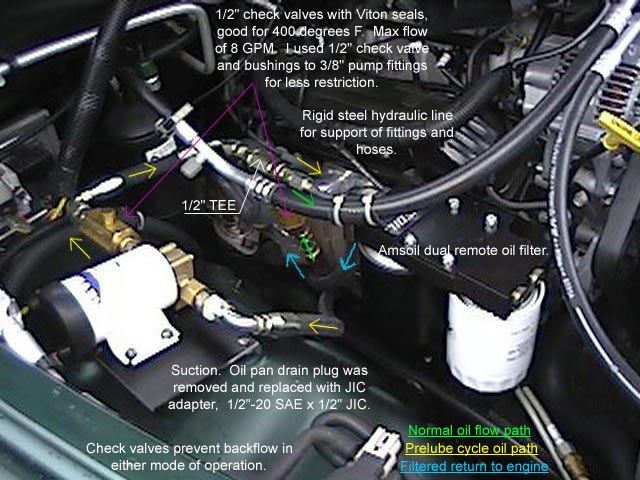
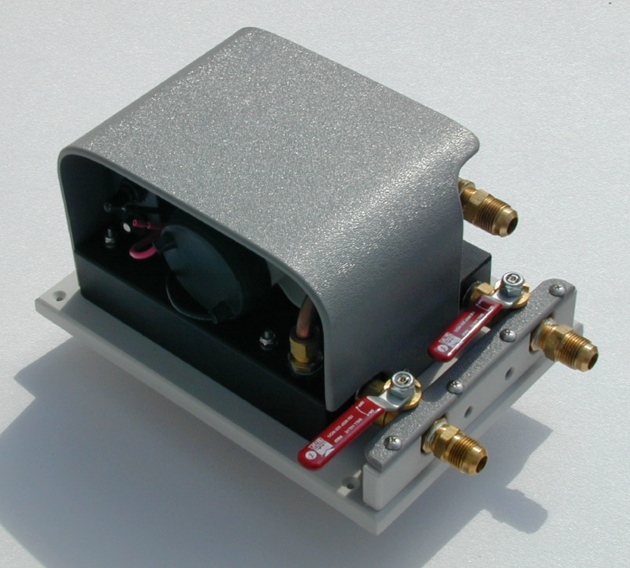
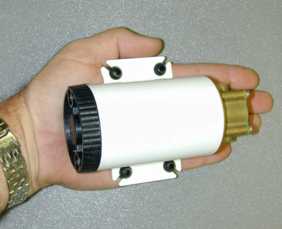
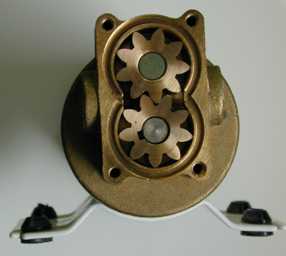
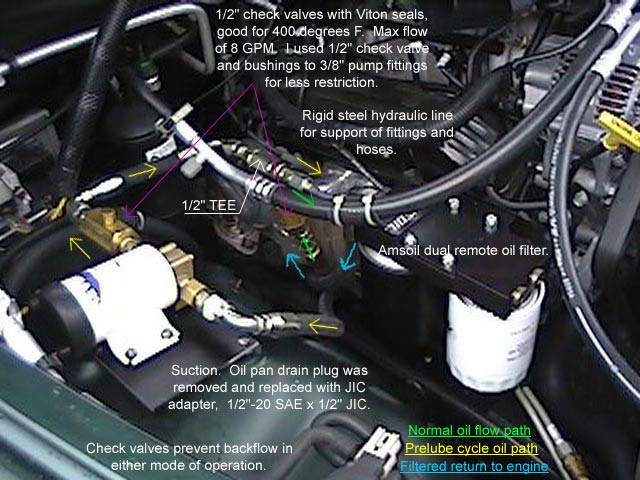
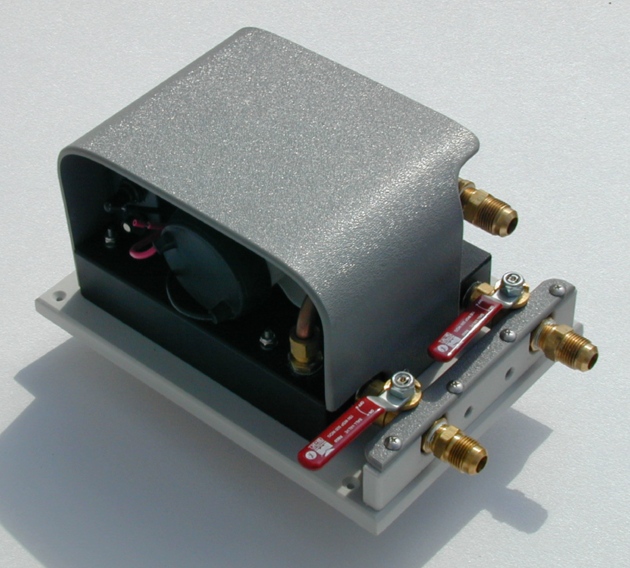
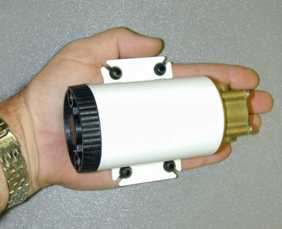
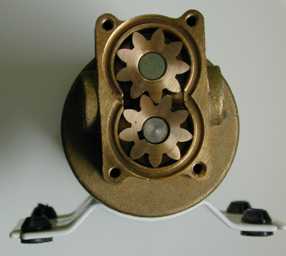
then into the oil pan by gravity. All you need to test it is one of these
electric oil pumps.
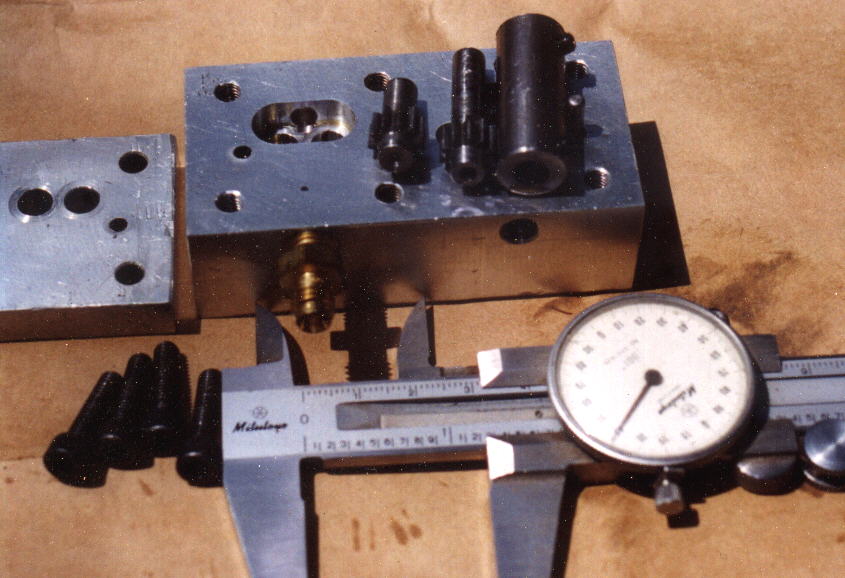
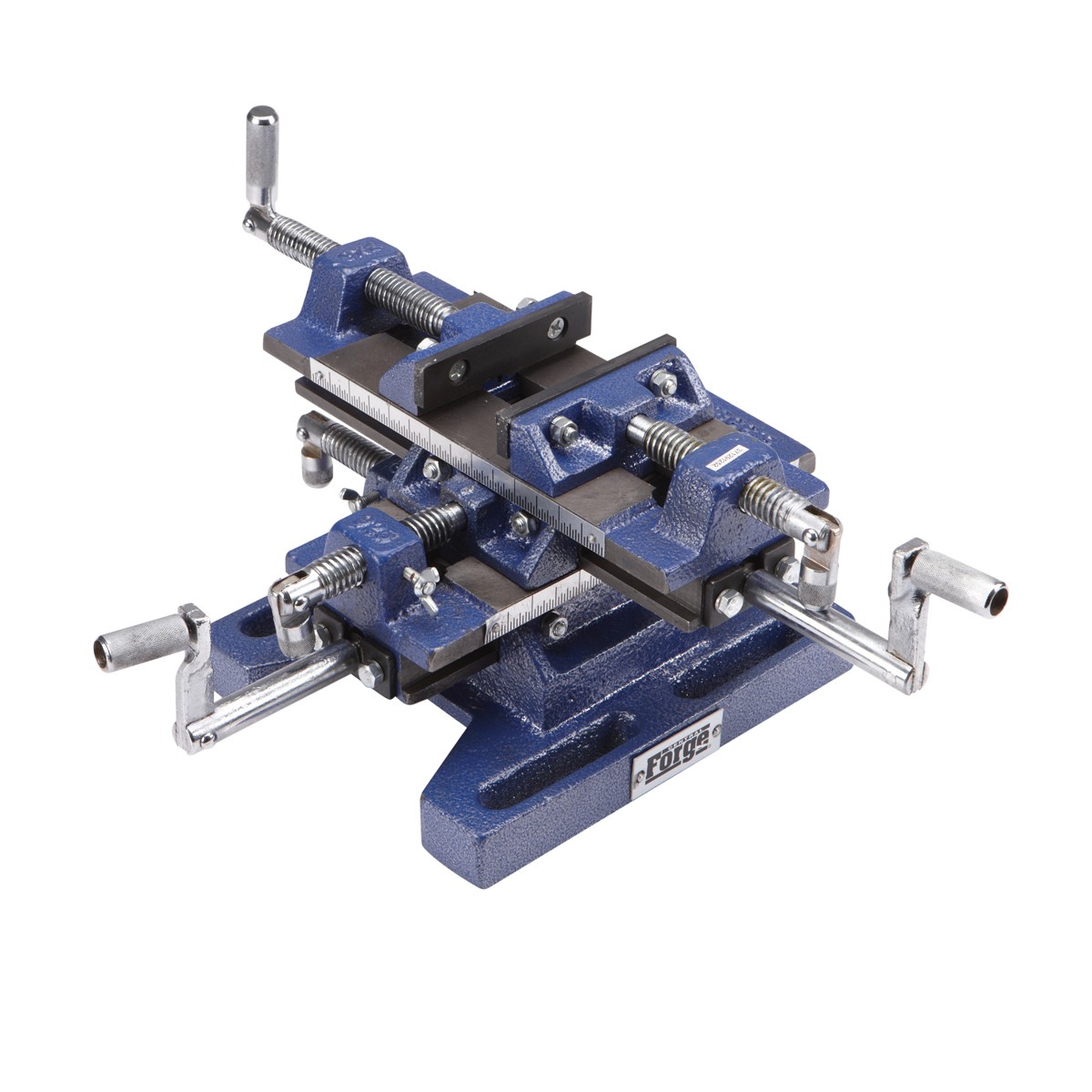
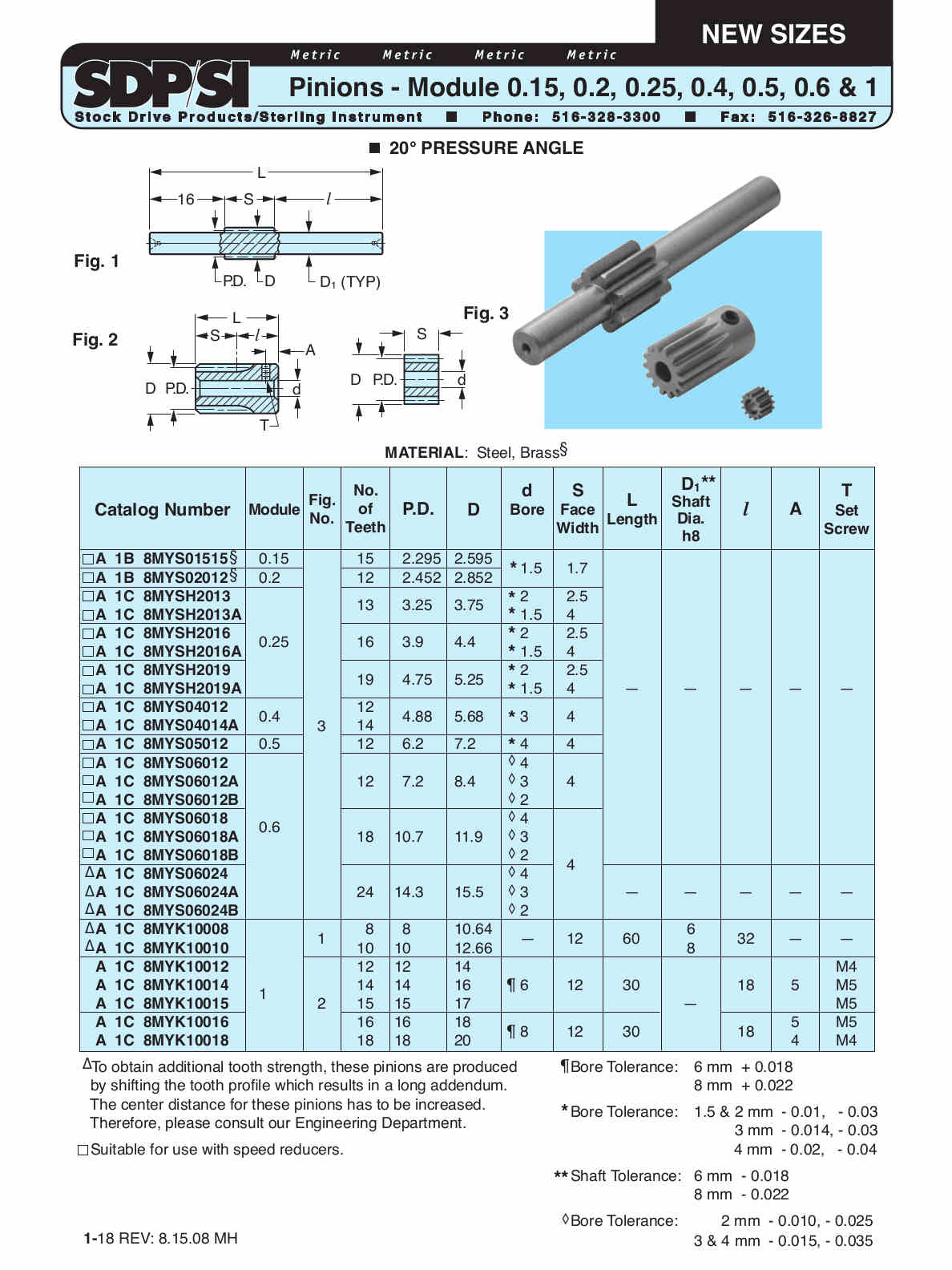
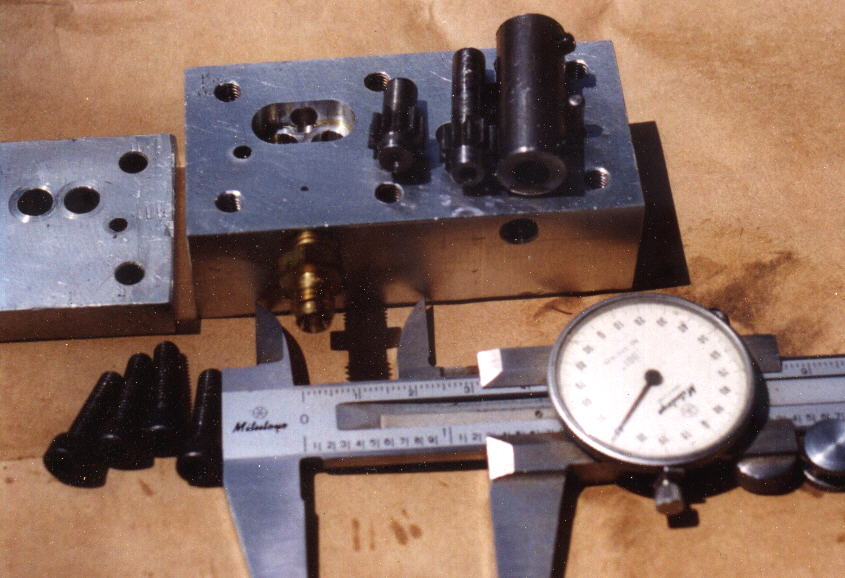
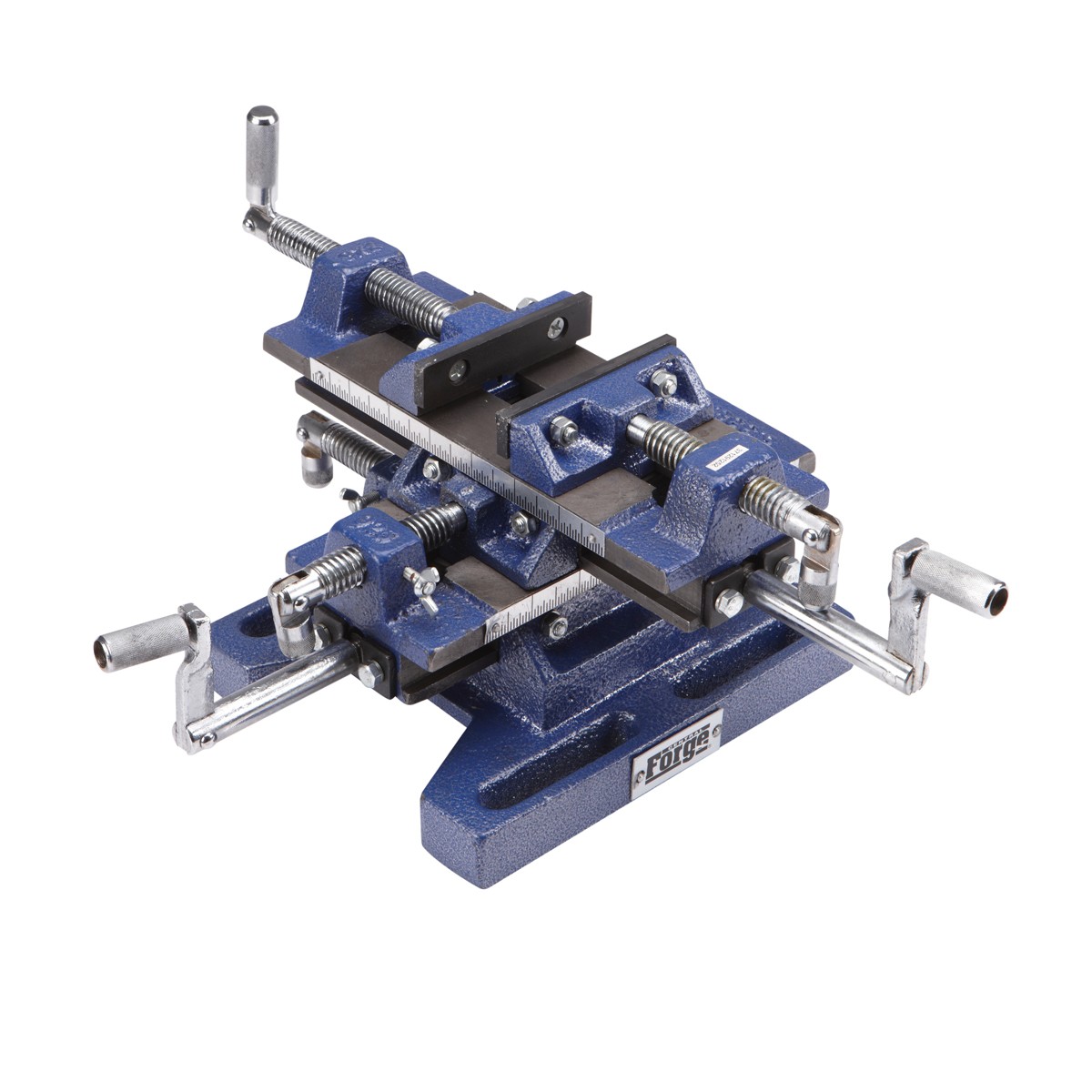
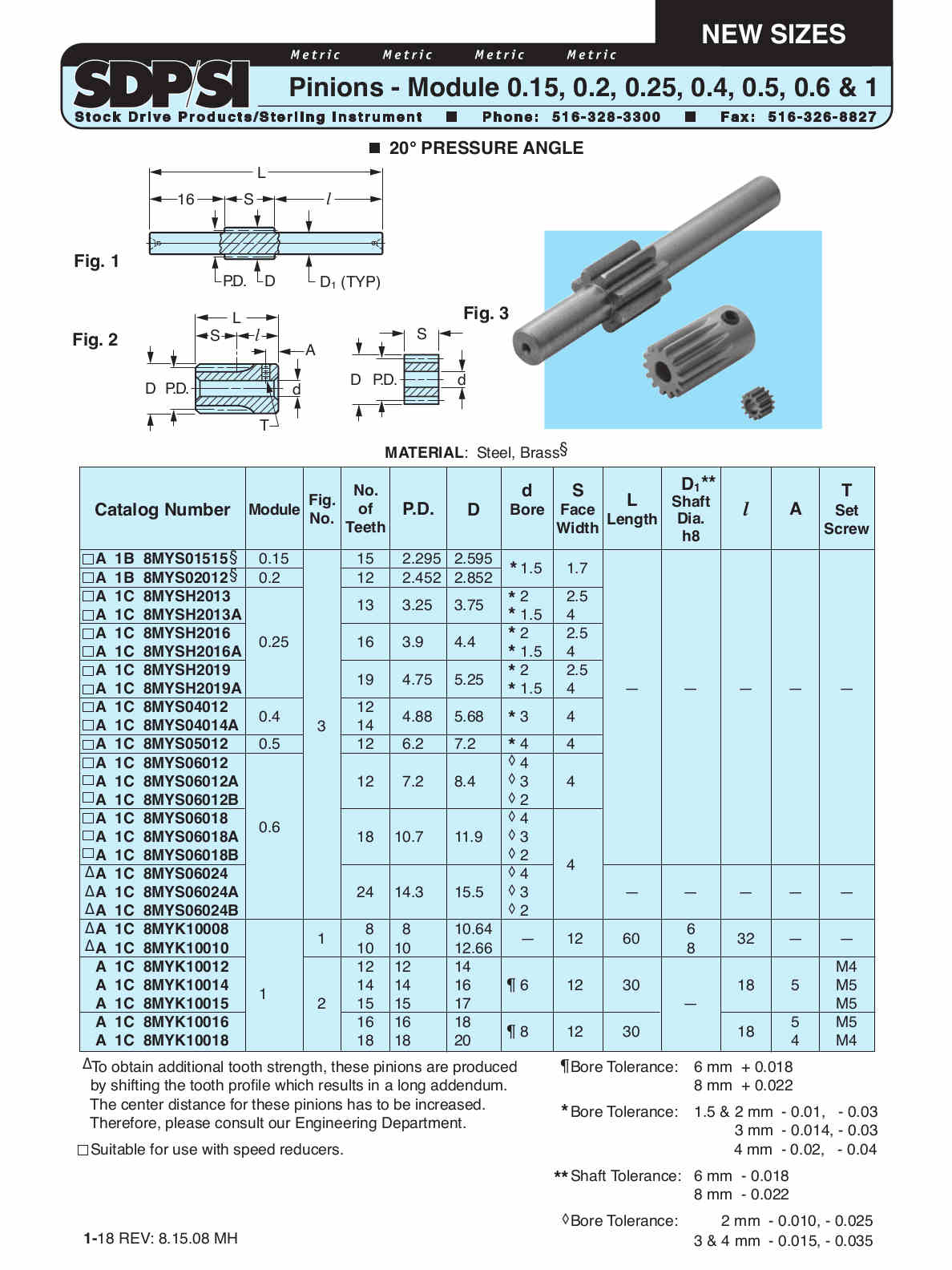
It is not hard to make your own oil pump if you have a drill press a
harbor freight
cross slide and a couple of dial indicators. Poor man's mill.
Paul Lamar
The Rotary Engine free News Letter. Powered by Linux. If you want off
the list PLEASE let me know and I will remove you. ACRE NL web
site.
http://www.rotaryeng.net You Tube
http://tinyurl.com/beqqxas
Copyright 1998-2016 All world wide rights reserved.