The conclusion is that automobile conversions are doomed to fail
because no one (other than deep pocketed Rotax) can design and test
a PSRU that survives vibratory forces.
http://www.kitplanes.com/issues/33_10/builder_spotlight/Engine-Theory-geared-drive_21647-1.html
Barry Gloger
That is strange. All those people (hundreds) that have been flying
rotaries for thousands of accumulated hours on the Ross and Tracy
Crook gear boxes based on the Ford Planetary since 1973 must have
dreamed they were flying. Dave Leonard has over 650 hours with a
turbo rotary and Tracy's GB I estimate it has well over 200 HP.
The vast majority of radial engines since the 1920's or so have had
gear boxes and that includes the P&W R4360 corn cob engine. Not
rotary engines.... radial engines. Most are planetaries. A piston
engine is much harder on gear boxes than a rotary. It is not that
hard to design a gear box.
The current editor of Kit Planes is uneducated on aircraft gear
boxes among many other things. I don't buy Kit Planes anymore. It
is not worth it. No real info in terms of numbers. Just a lot of bull
shit.
Paul Lamar
The article does state that planetary PSRU’s used with WWII & DC-6’s
Pratt & Whitney Radials were successful, but took years to develop &
test
If the Ford planetary works, why are folks constantly writing you
for suggestion & designs for Wankel engines?
The article points out it’s not just the PRSU, but that the engine,
PSRU & Prop must be tested as a unit
Another article (self serving) in that same issue discuss vibration
testing
Barry Gloger
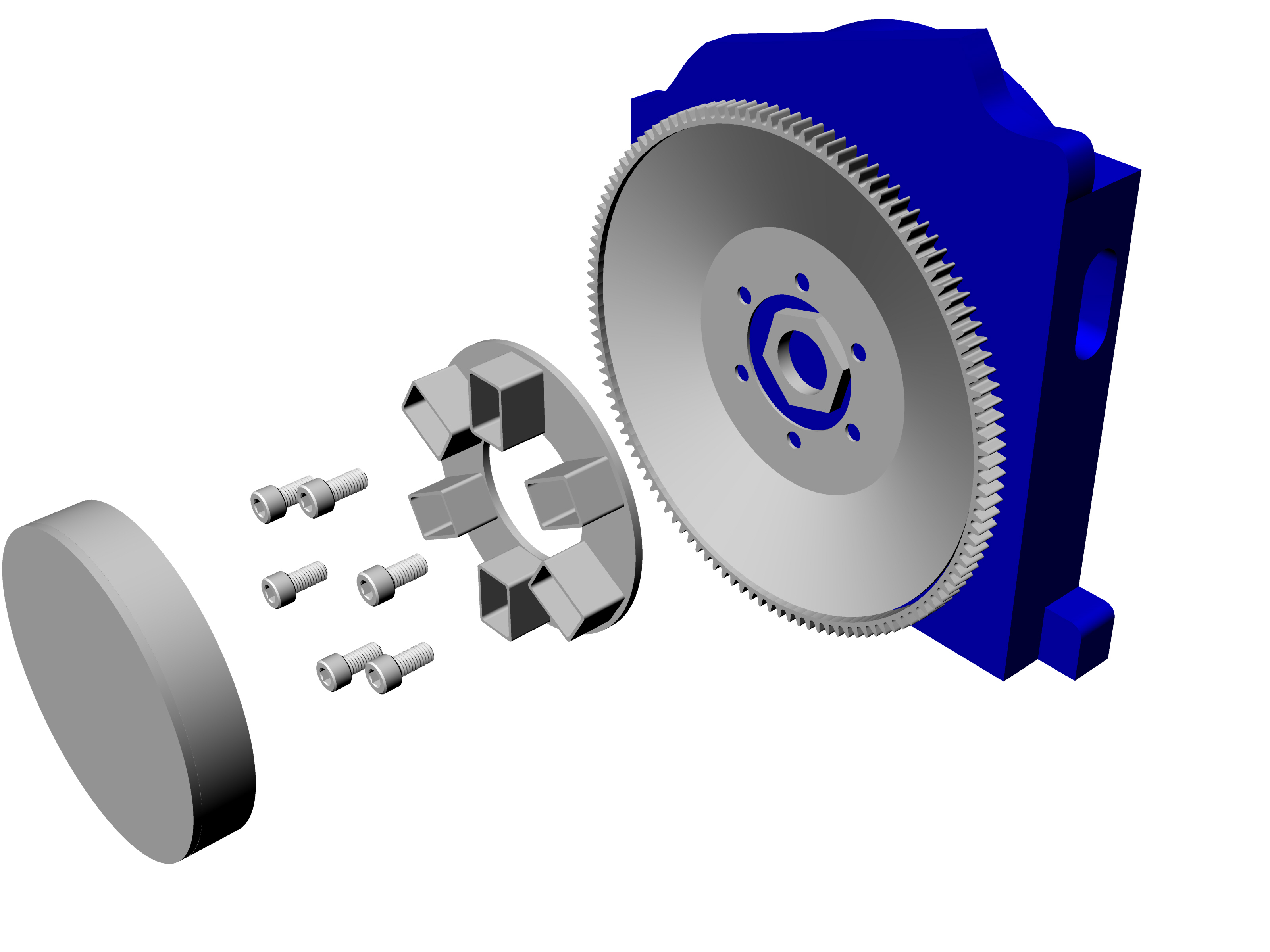
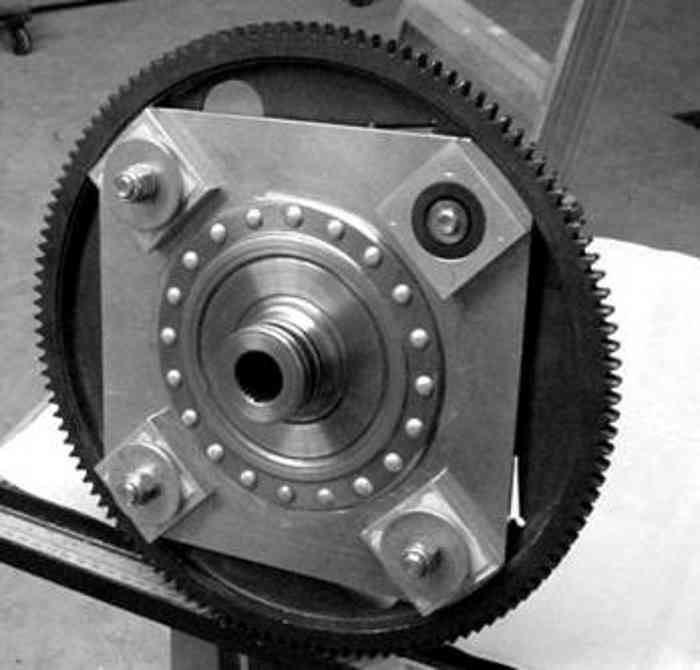
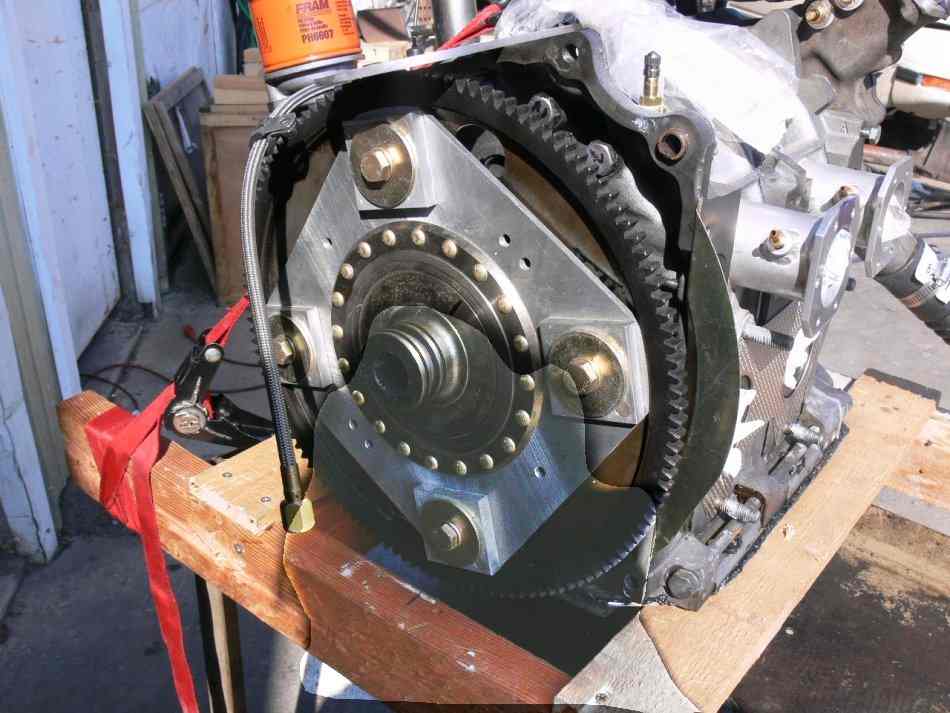
Because Tracy Crook retired and stopped making gear boxes. Several
people are building their own and a couple are working on introducing
a new one all based on the original Ross design back in 1973.
I am looking at ways to simplify it and reduce the weight and cost.
Vibration? We don't have any stinking vibration :-) You want
vibration look at a four cylinder aircraft engine.
Paul Lamar
When they are discussing vibration problems, they have not removed
their head from the recipient engine rectum. Rotary engines display
minimal vibration as long as the proper balance weights are used for
the e-shaft eccentric weight.
Reciprocating engines depending on the basic design can display a
number of vibration tendencies. There are noted vibrations listed as
orders. Primary and secondary are the main issues to note. In line
four cylinder 4 stroke engines have secondary harmonic shaking
vibration. This is what makes them "buzzy" as the RPM gets higher
like freeway speeds. This is caused by the engine center of gravity
changing twice per engine revolution.
At TDC and BDC the center of gravity is at one place. At 90 degrees
before and after TDC the Pistons are lower than 1/2 the stroke. This
is because the conn rod goes down the 1/2 stroke plus to the side
that much. Pythagoras theory and math.
Then two cylinder engines, whether both Pistons travel together or
180 degrees apart. Odd number cylinders develop a rocking force. V6
engines are terrible depending on which design.
Dale Davies
Hey Dale,
While you are totally correct in what you say about inherent vibration
in piston engines, that is not the vibration they are talking about in
connection with gearbox design. The vibration being considered is
torsional vibration caused by the power pulses created when the piston,
or rotor, goes through it's compression stroke, when the crankshaft is
slowed as the mixture is compressed in the combustion chamber, and then
during the power stroke when the crankshaft is accelerated.
The Wankel rotary being a high speed low torque engine produces less in
the way of torsional vibration, but it's still there. That's why Paul
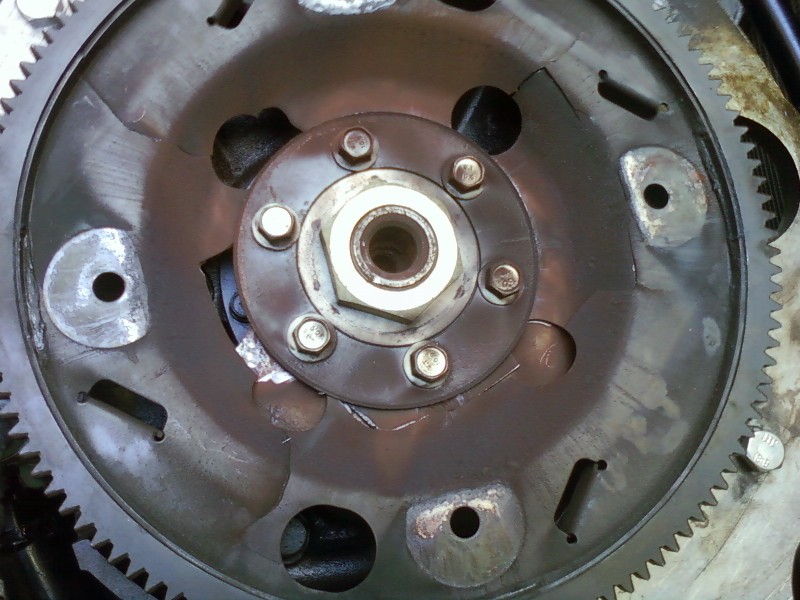
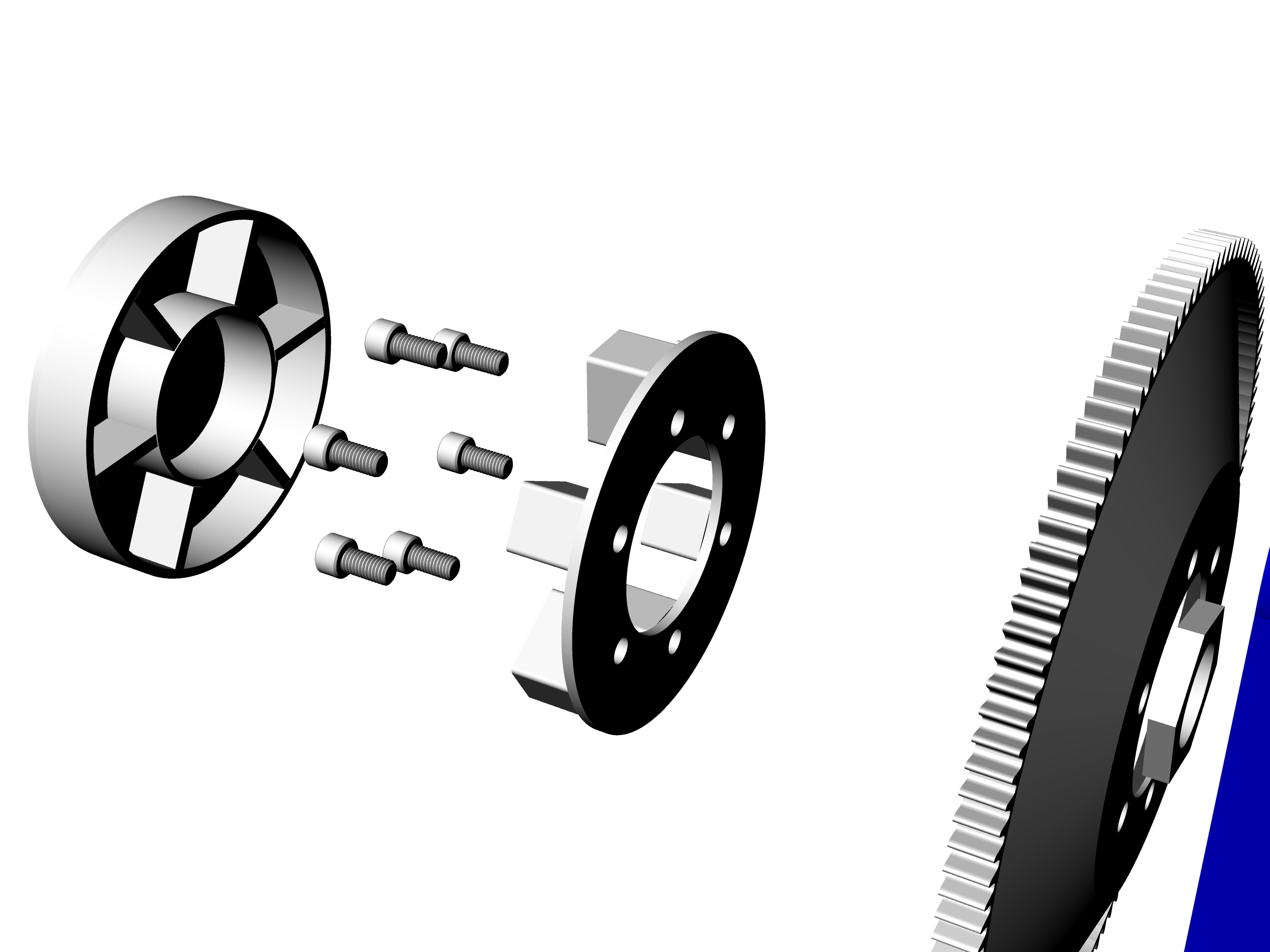
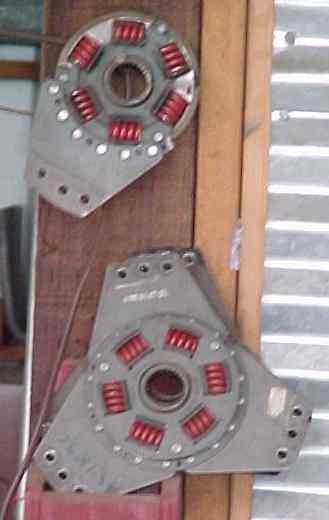
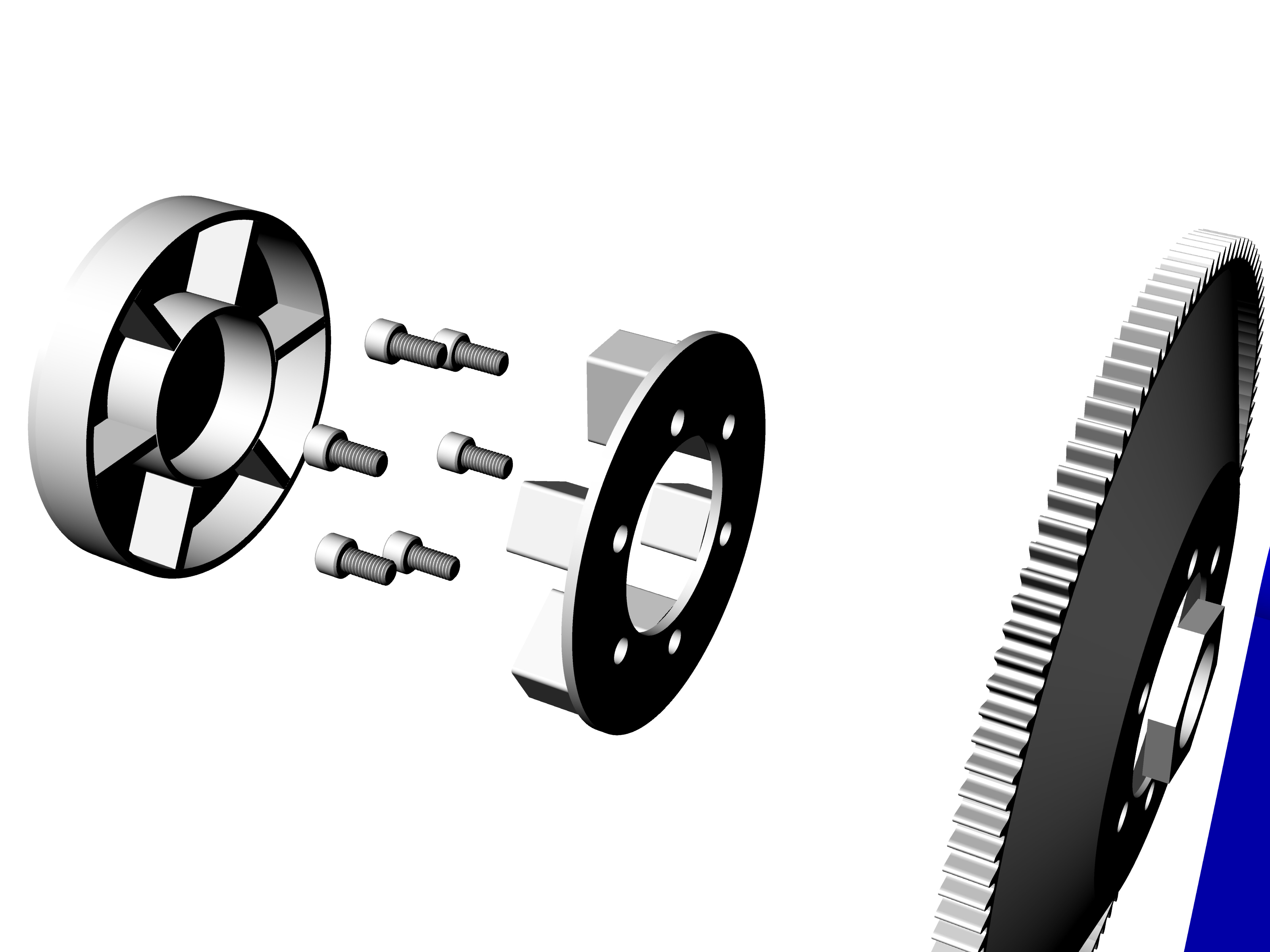
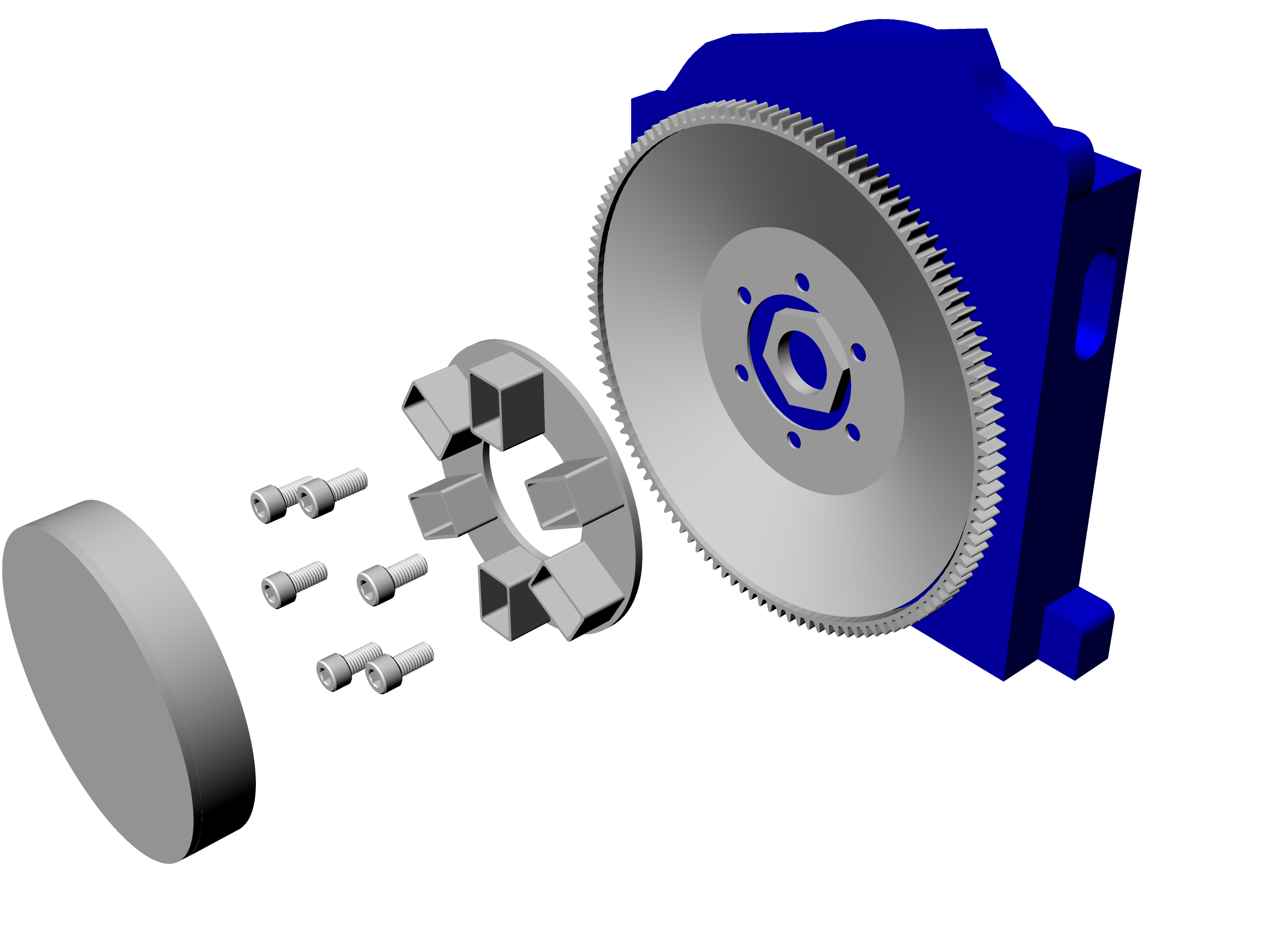
is installing the silicon rubber damped coupling between the engine and
the gearbox on the TTC project. The coupling has proven to be reliable
for several run ups on the engine for tuning purposes and at least two
short hops at about half power on the runway. What happens under full
power in the timed climb remains to be seen.
Mark LaPierre
We have more than a dozen runs. Several for over 5 minutes at almost
full power.
We have never had a problem with torsional vibration in 18 years on Ross
or Tracy
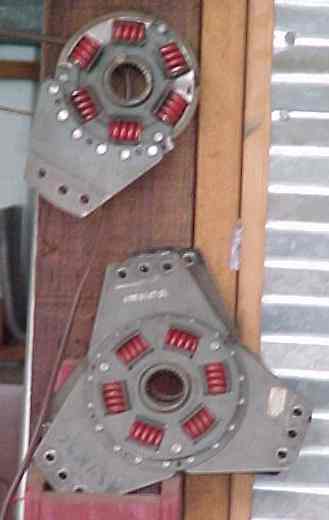
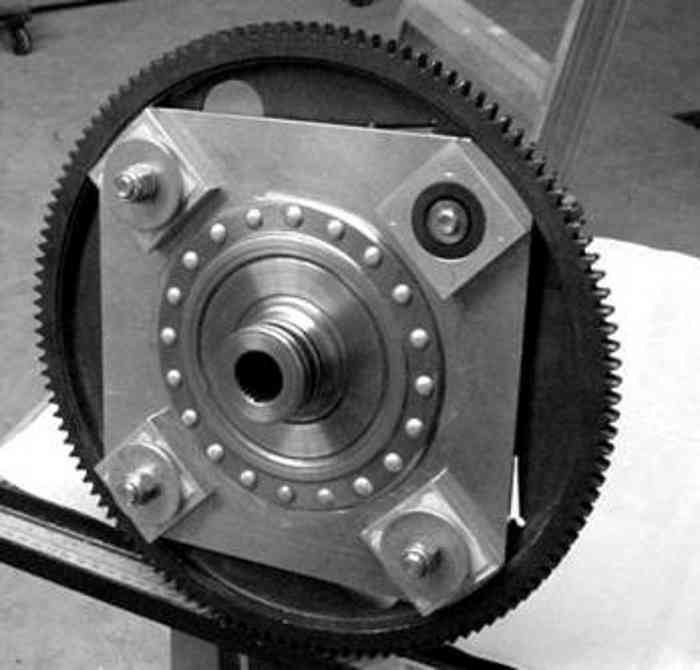
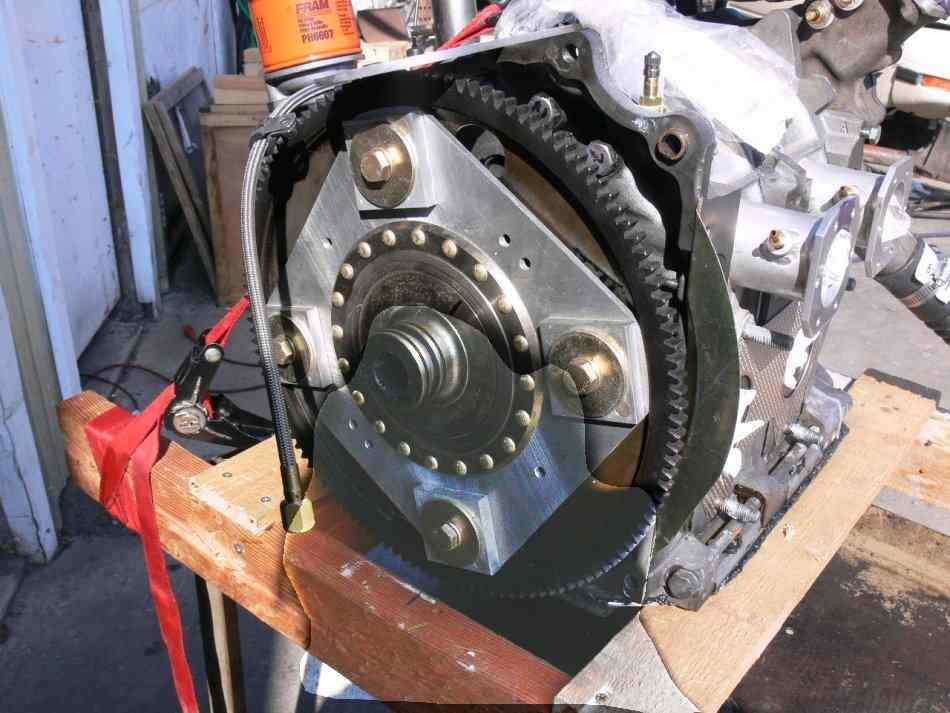
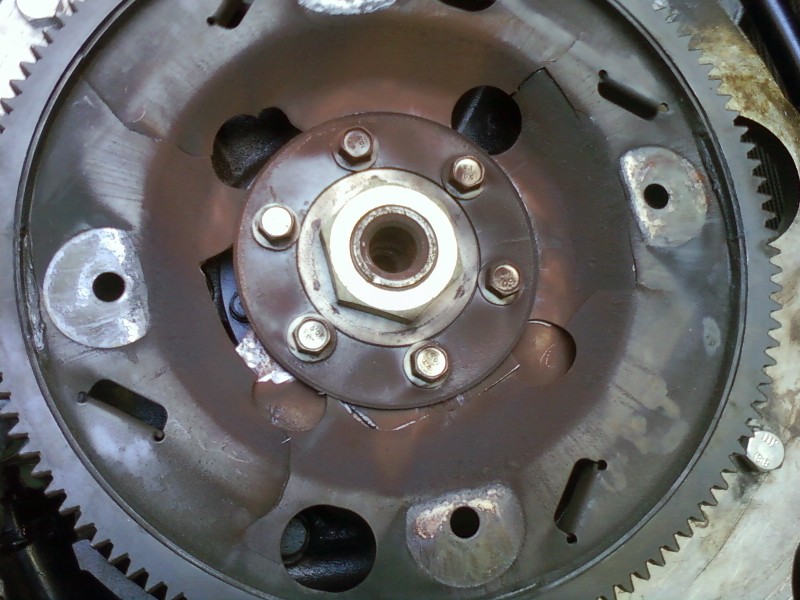
gear boxes. Ross used a spring clutch plate and Tracy designed his own
vibration damper. Ken Welter had trouble with a clutch plate but
that was the only one that I heard about.
Everett Hatch and Steve Beckham had a problem with a dyno shaft
that happened to resonate at a frequency in the range of RPM's they were
testing.
The only problems were the type of vibration damper that Tracy used
would add enough mass to the flex plate to caused the flex plate to
crack in a high G continuous turn due to gyroscopic reaction. That prompted
me to design a smaller diameter steel coupling that did not depend
on the flex plate. This had nothing to do with torsional vibration.
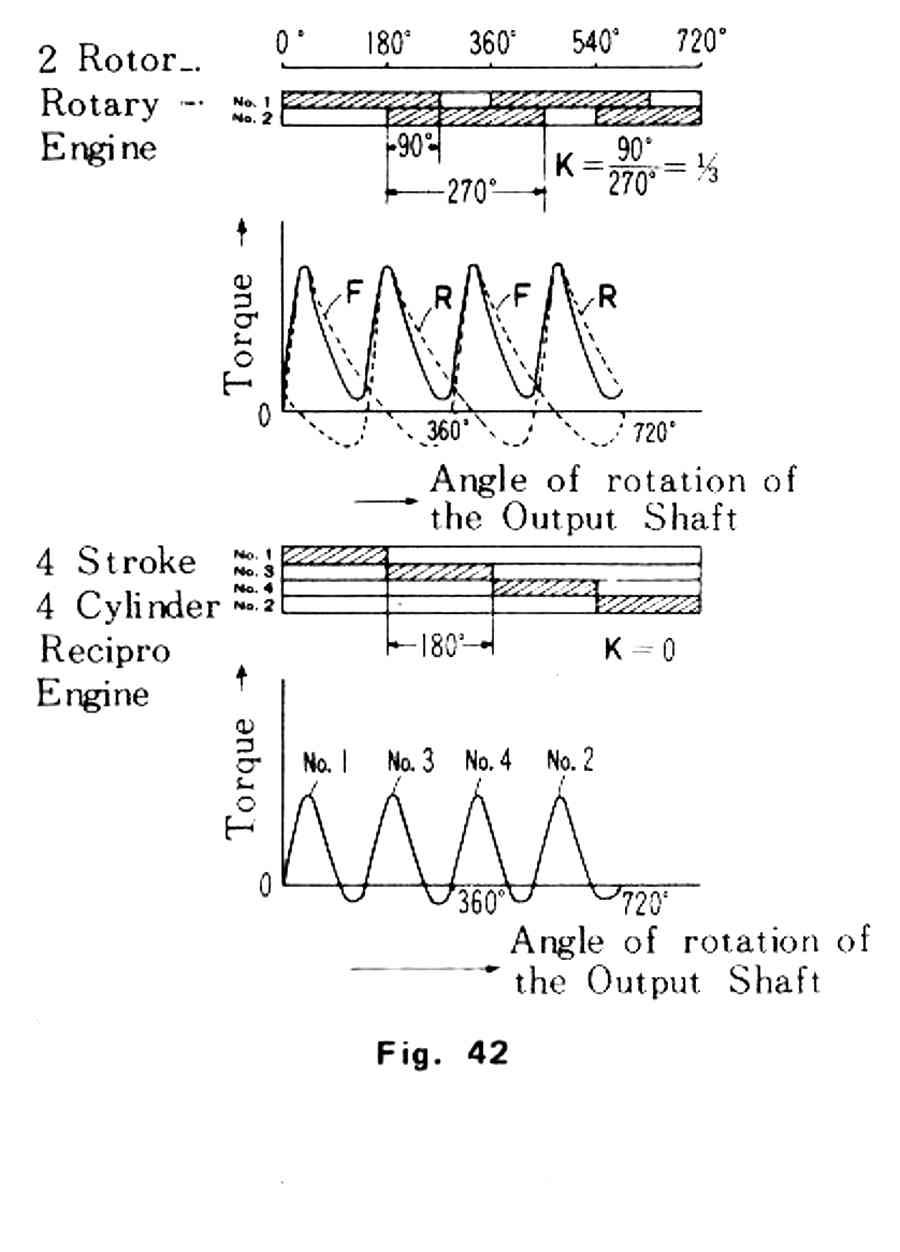
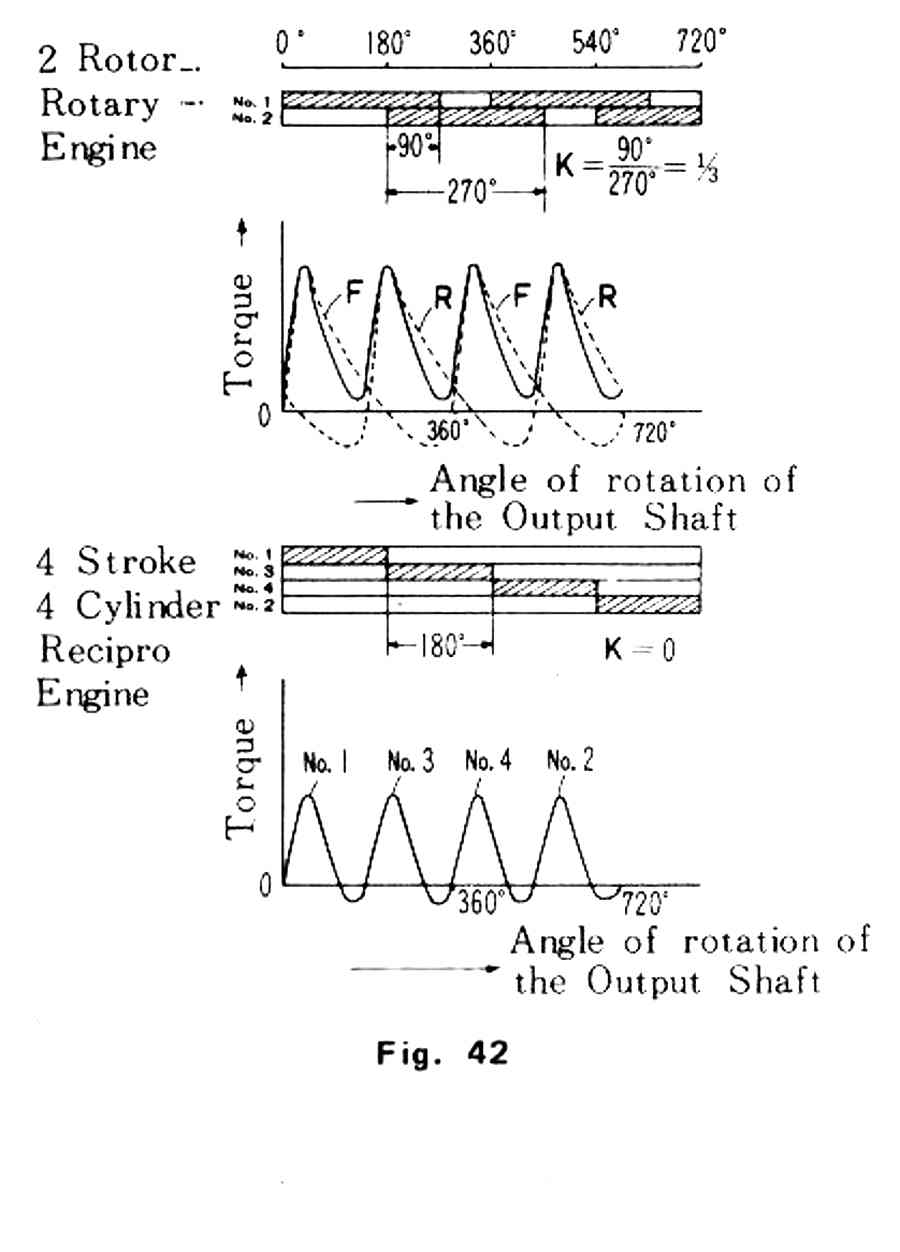
A four cylinder piston engine goes into negative torque once per rev. In
other
words I tries to back up. That does not happen in a two rotor.
The rotary idles at 2000 RPM which is well above the resonant RPM
of the gear box /prop.
IMHO the main reason for a rubber coupling is it reduces the shock loads
on the gears however we never failed a set of gears properly machined.
One Ross on a turbo 3 rotor failed the gears because the machining was
not concentric.
Paul Lamar
The Rotary Engine free News Letter. Powered by Linux. If you want off
the list PLEASE let me know and I will remove you. ACRE NL web
site.
http://www.rotaryeng.net You Tube
http://tinyurl.com/beqqxas
Copyright 1998-2016 All world wide rights reserved.