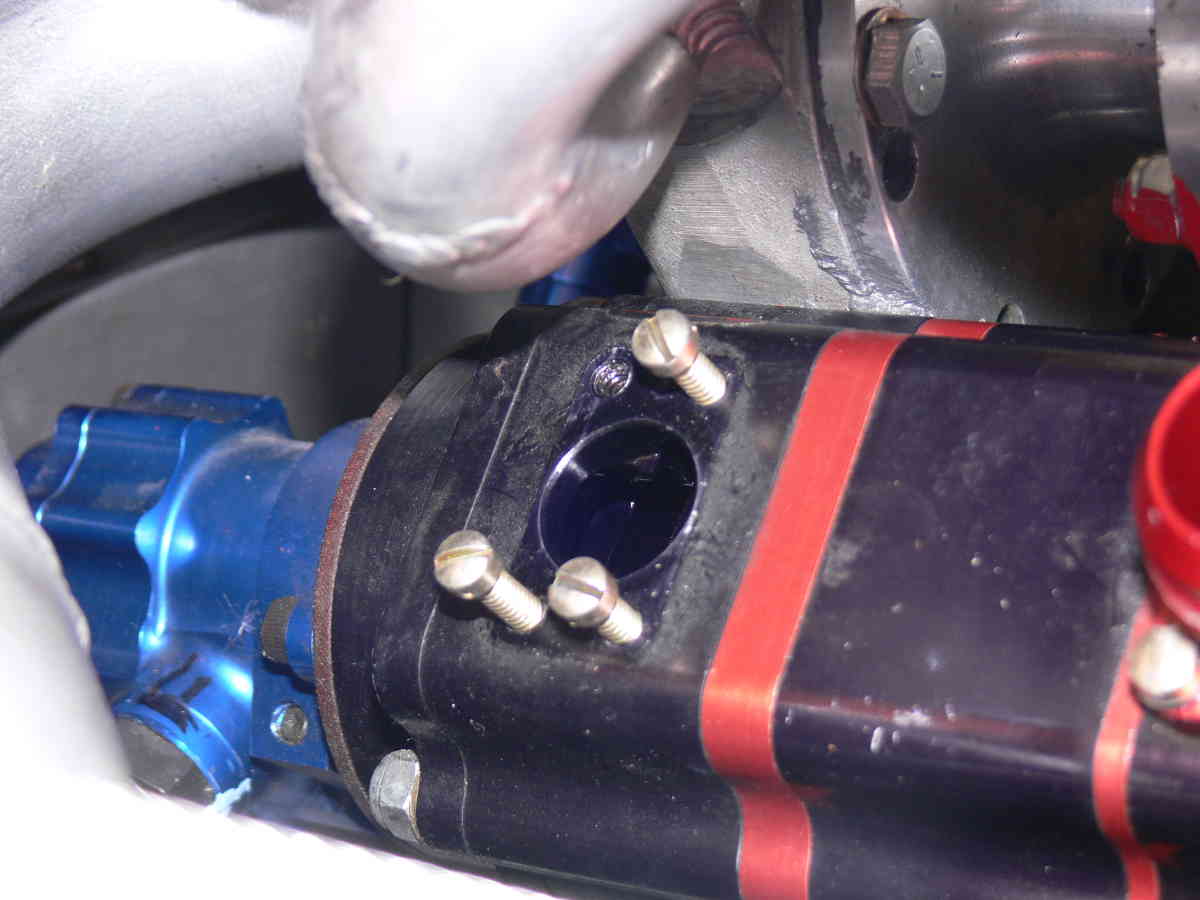
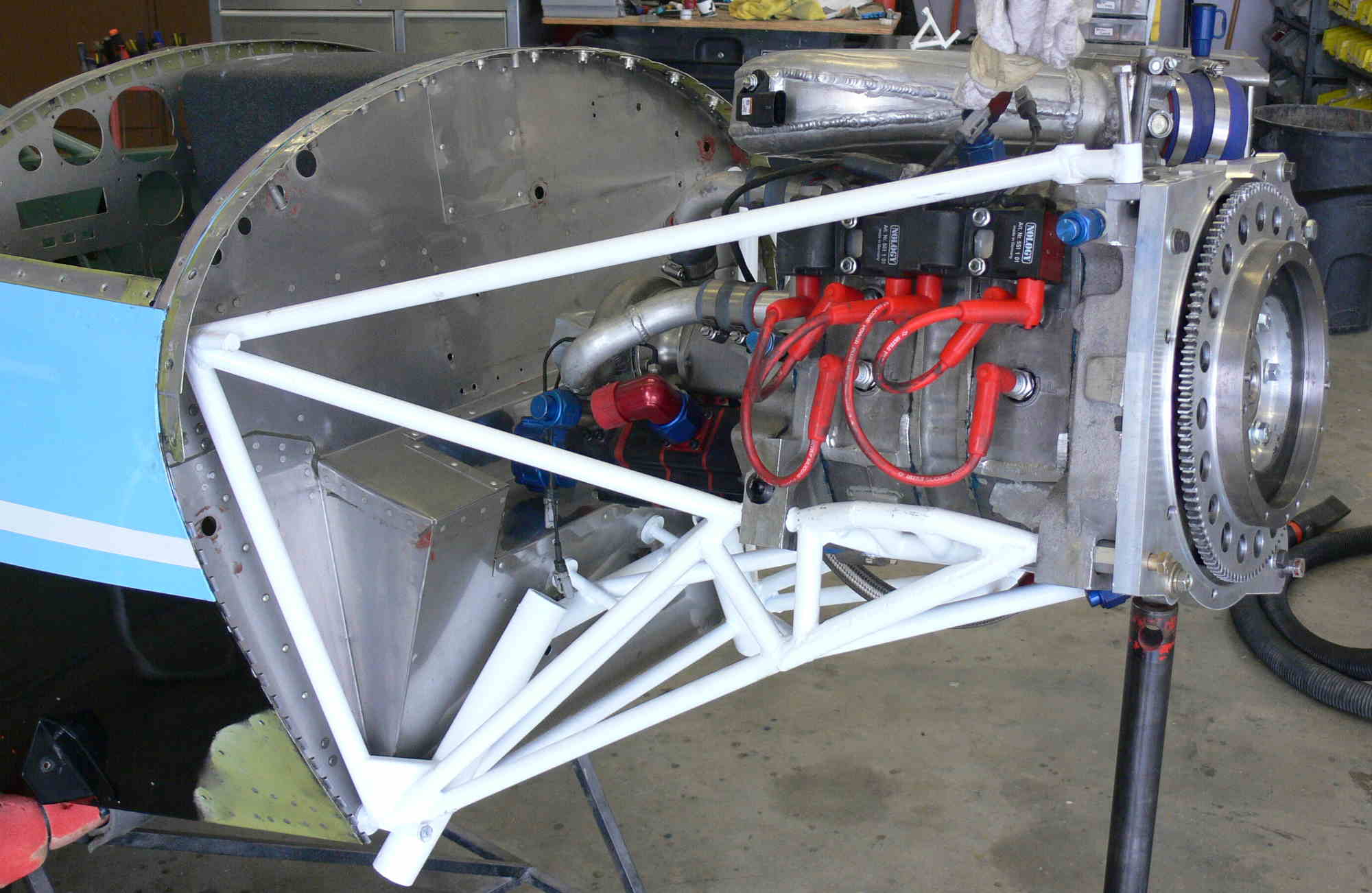
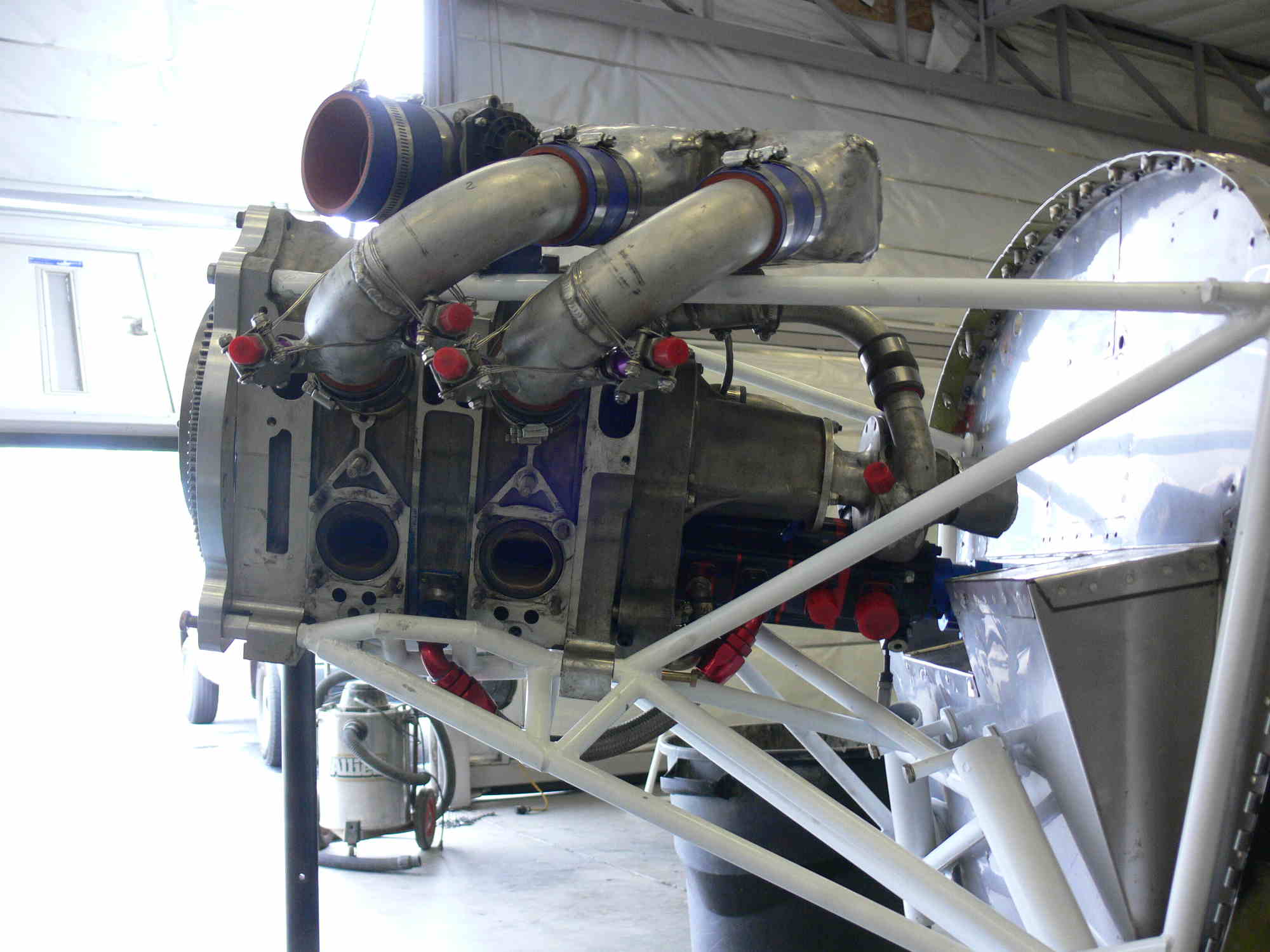
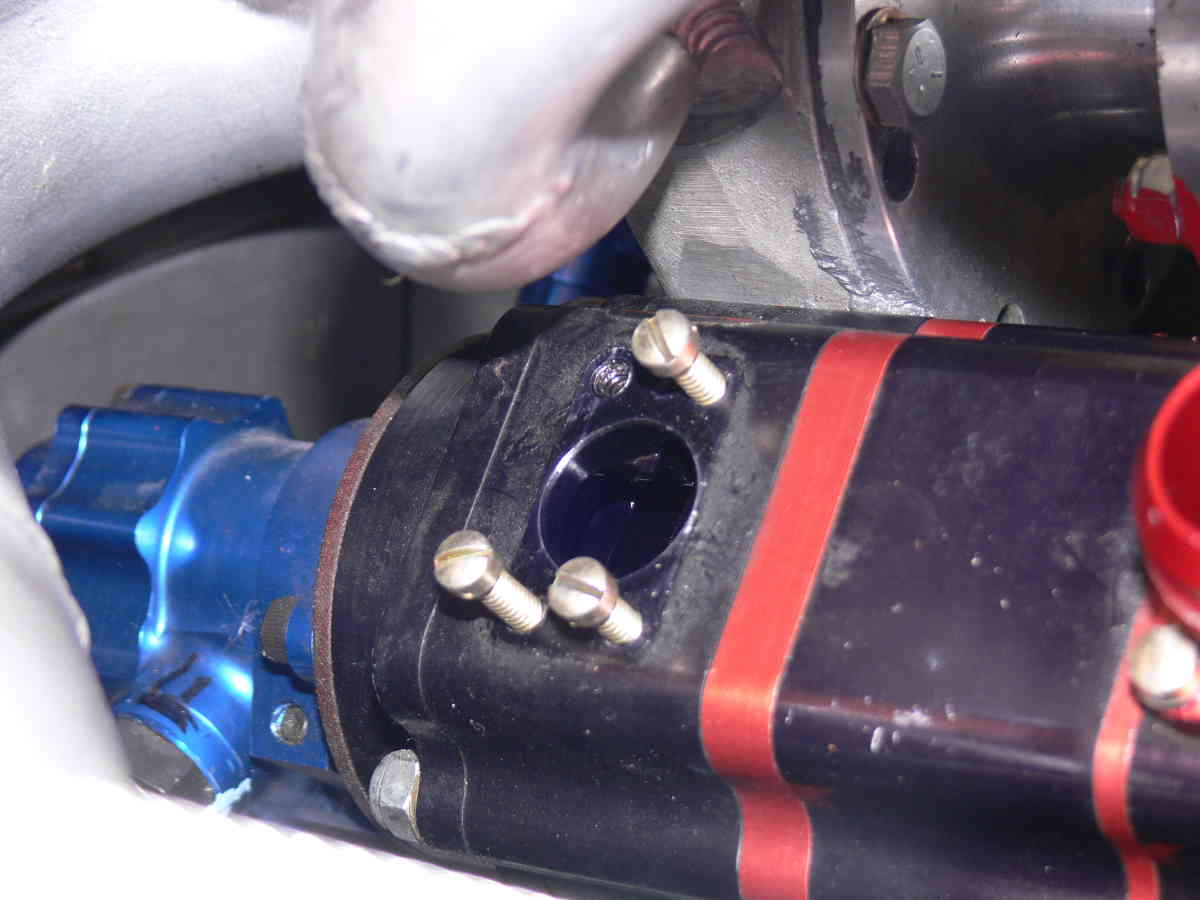
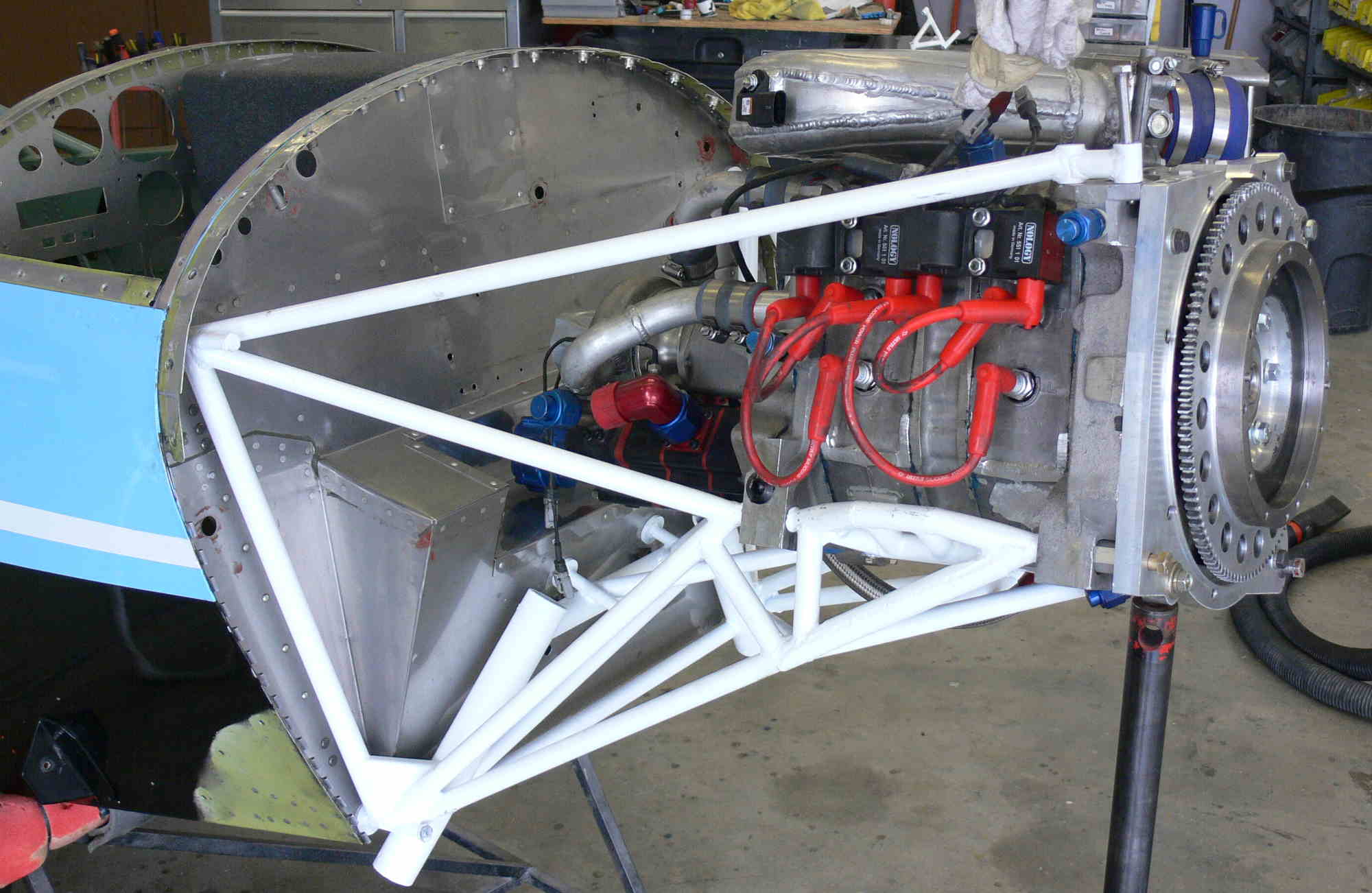
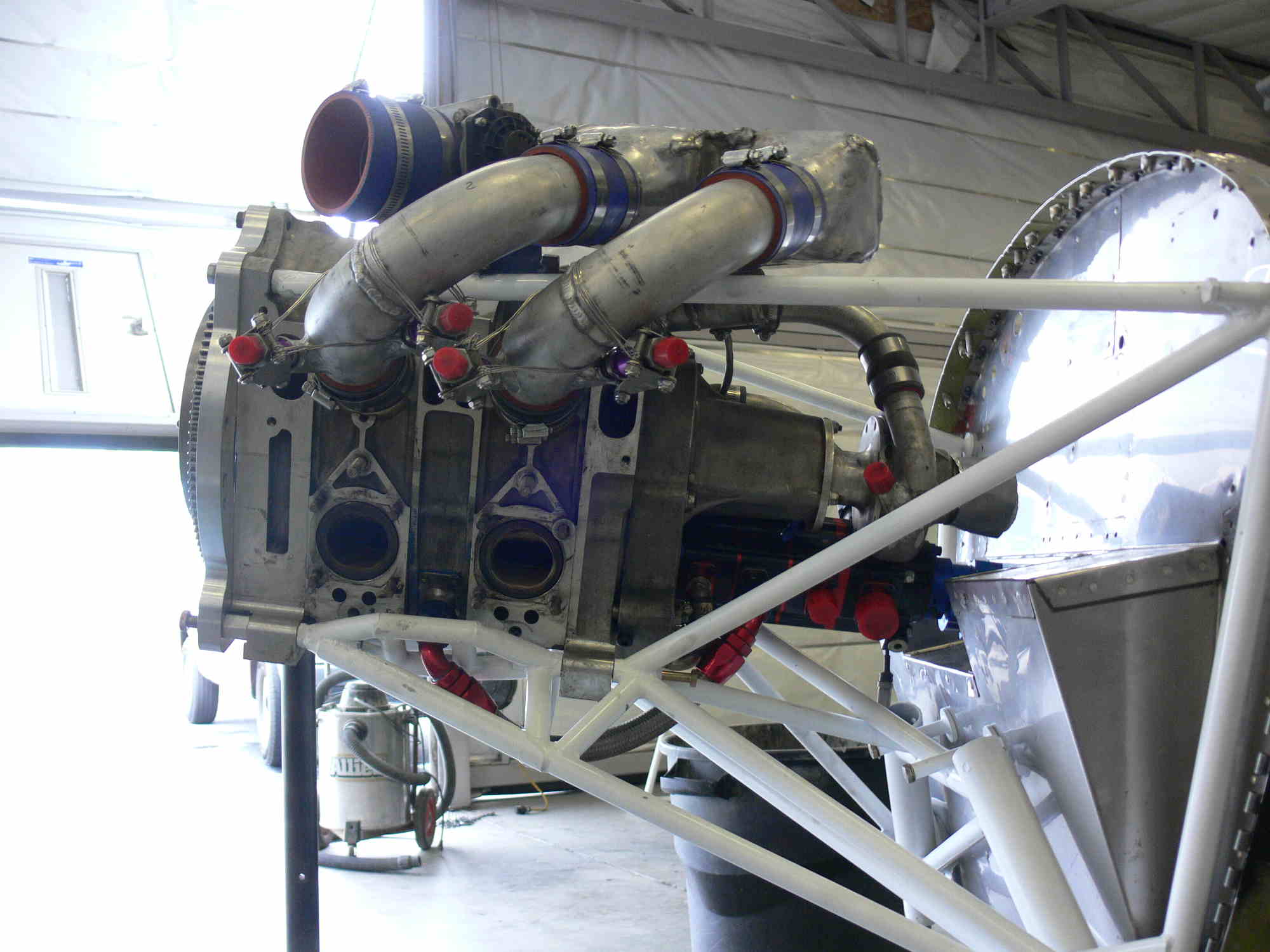
We had an oil system failure this morning running up the TTC engine. A
screw came out of the engine oil pressure pump part of the dry sump
pump. It doesn't take long at 150 psi to piss oil all over the air
plane and the ramp.
One would think paying $50,000 for this engine the screws would have
been safety wired. I bought 2 dozen NAS filister drilled head 10-24
screws from Aircraft Spruce for 27 cents each.
You must look at every detail in your home built aircraft and
consider what would happen if that detail (what ever it may be)
failed. Make a list of every nut and bolt in the entire aircraft.
That is what Van's Aircraft does.
We also cut the air going into the cooling system down to a slot 1.5
inches high by 20 inches wide and the engine temp went all the way up
to 140 F at 8300 RPM. ROFL.
We took the oil cooler off as well and the oil temp went up as well.
We don't need no stinking oil cooler when carrying 4 gallons of Mobil
One.
More on this later today when I get the logged data out of the
Motec.
BTW the gap in the iridium RX8 plugs is .021" inches.
Paul Lamar
Paul, It is acceptable to use automotive parts in an experimental,
but everyone must keep in mind to adapt standard aircraft practice to
those parts...... your screws being a great example! Keep it
safe..... self locking nuts, cotter pins or safety wire......
Larry Childs
Here is the test run screen captures of the data log.
The water temperature increased to 143 F but could go higher with a
longer run and the small rad opening. The oil reached 156.4 F with
no oil cooler. That too could go higher with a longer run at 8000 RPM
and more boost.
Note with the small prop the engine will do 8300 RPM with hardly any
manifold pressure. The manifold pressure never got over 55 inches of
HG at 8300 RPM with the small prop.
Paul Lamar
Paul,
Maybe it's time to have a second critical set of eyes look
over the all the work that has been done..... something
like a mini annual inspection done by an IA experienced
4with experimental aircraft.
Barry Bordes
Thats a good idea. IA's are rarely called upon to inspect experimental's
I suspect :-) $500 for their signature alone :-)
Dry sump pumps are rather rare on aircraft so the screws were overlooked
by our A&P licensed mechanic.
As far as the fuel injector mounting problem that was a very unusual and
defective design. An IA would not know how to handle that as EFI is rare
on certified engines. Maybe on light sport Rotax's.
It would take a mechanical engineer to spot the problem with the bad design.
The pivot point was not on the center line of the injector separating force
consequently the 150 psi force disjointed the extender from the injector.
It was not obvious why it required safety wire to hold it in place and
it was left off. It stems from the fact that the compact Bosch injectors
are not quasi standard length and extenders were used to make them
longer. Probably because RB had injector holders for the longer injectors
and did not want to redesign them for the short Bosch injectors.
We supply p-port mounting blocks for RX8 and Siemens injectors.
As you can tell from the number of pictures I have.... this was discussed
many times in the past 18 years. If Jim M had read the newsletter he would
have been aware of some of these things.
Paul Lamar
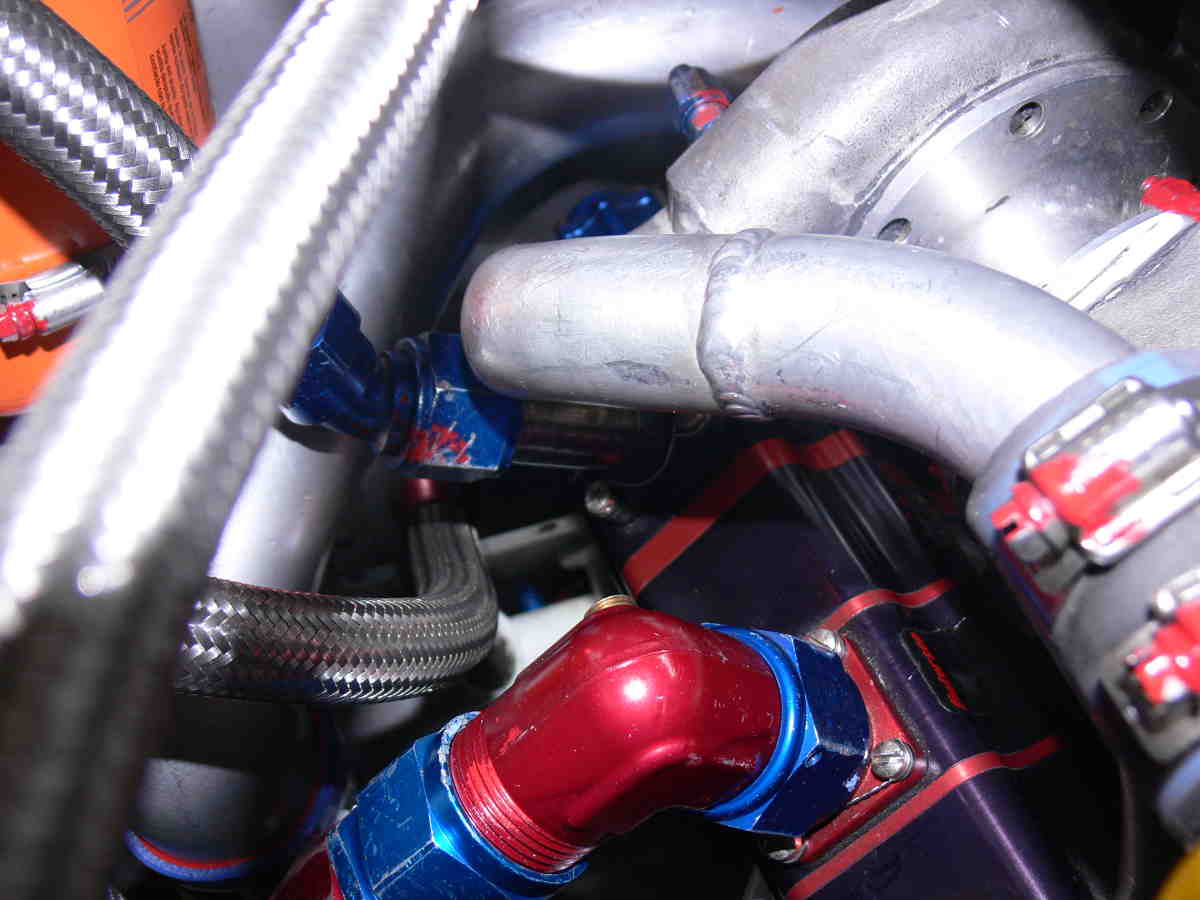
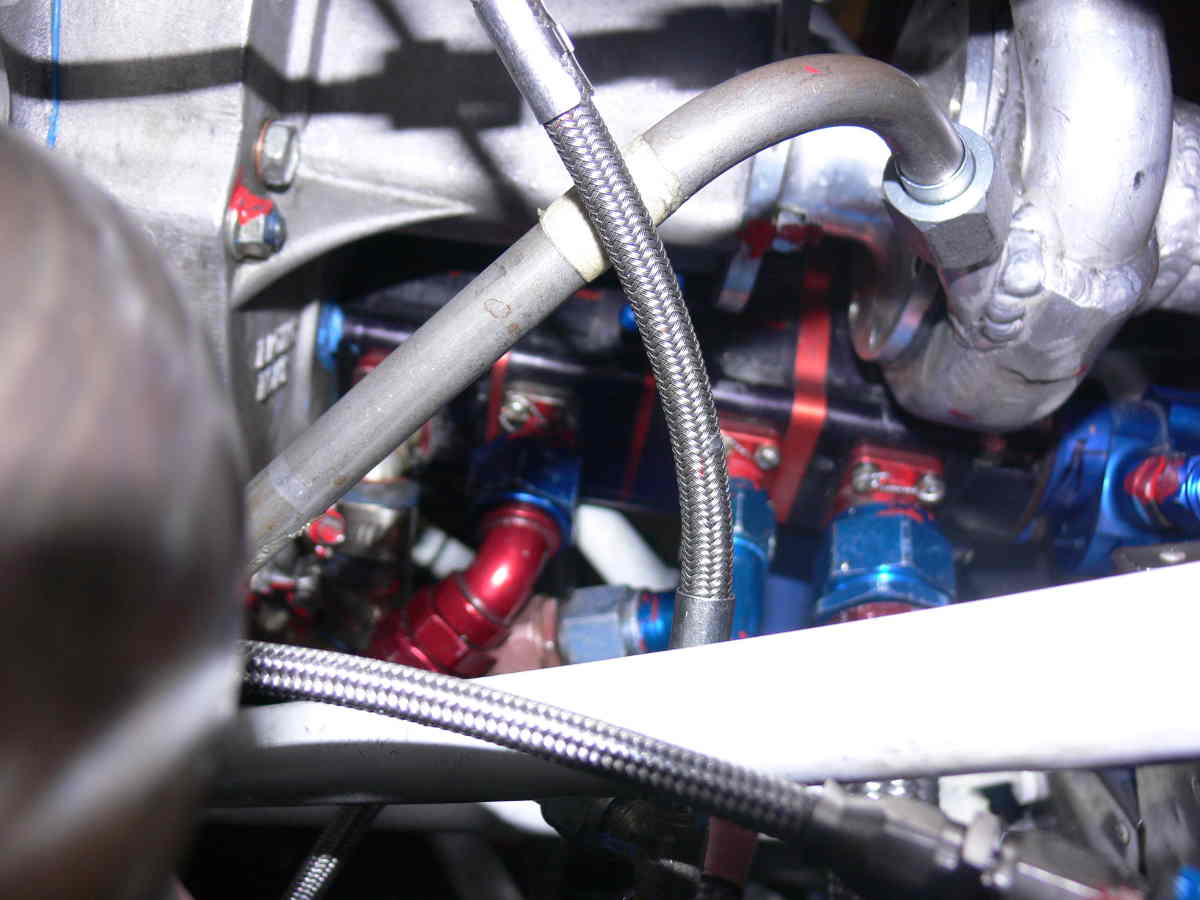
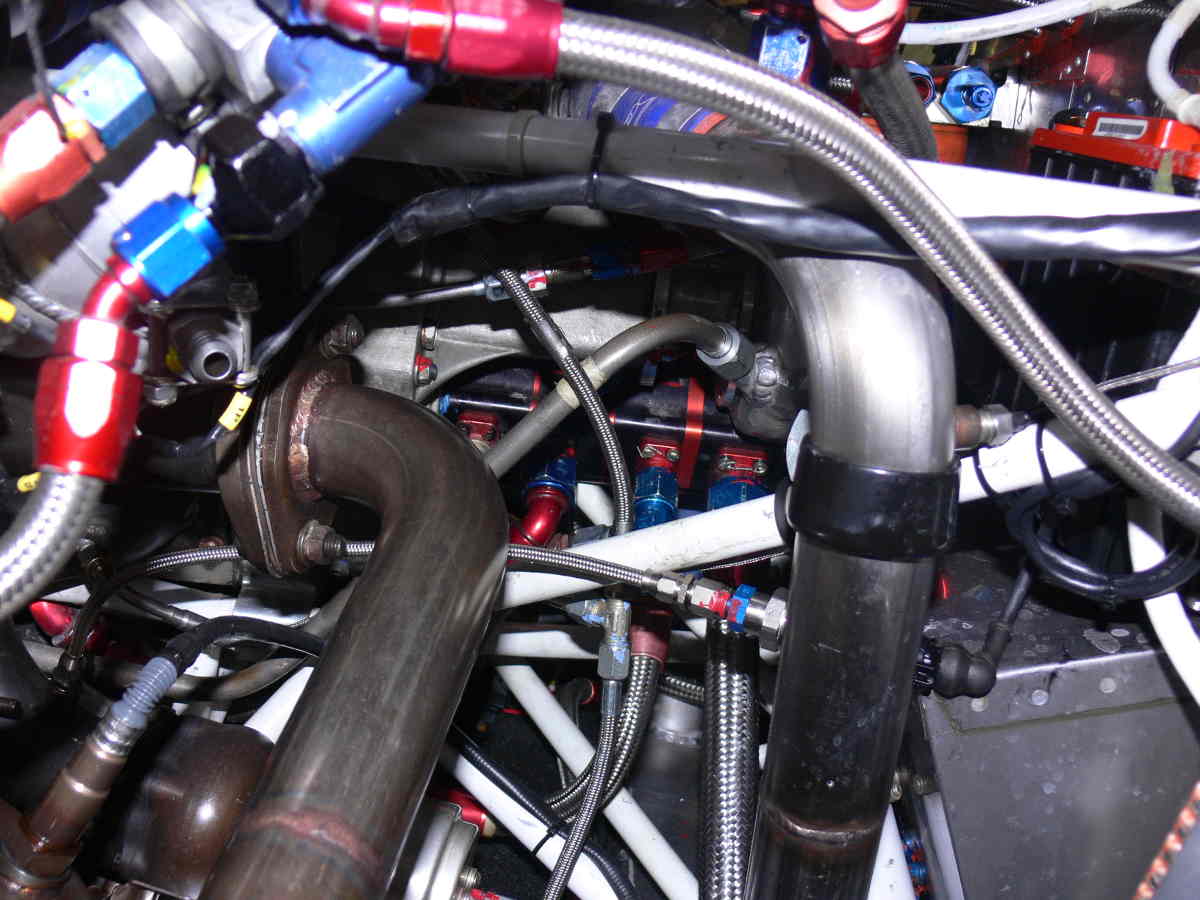
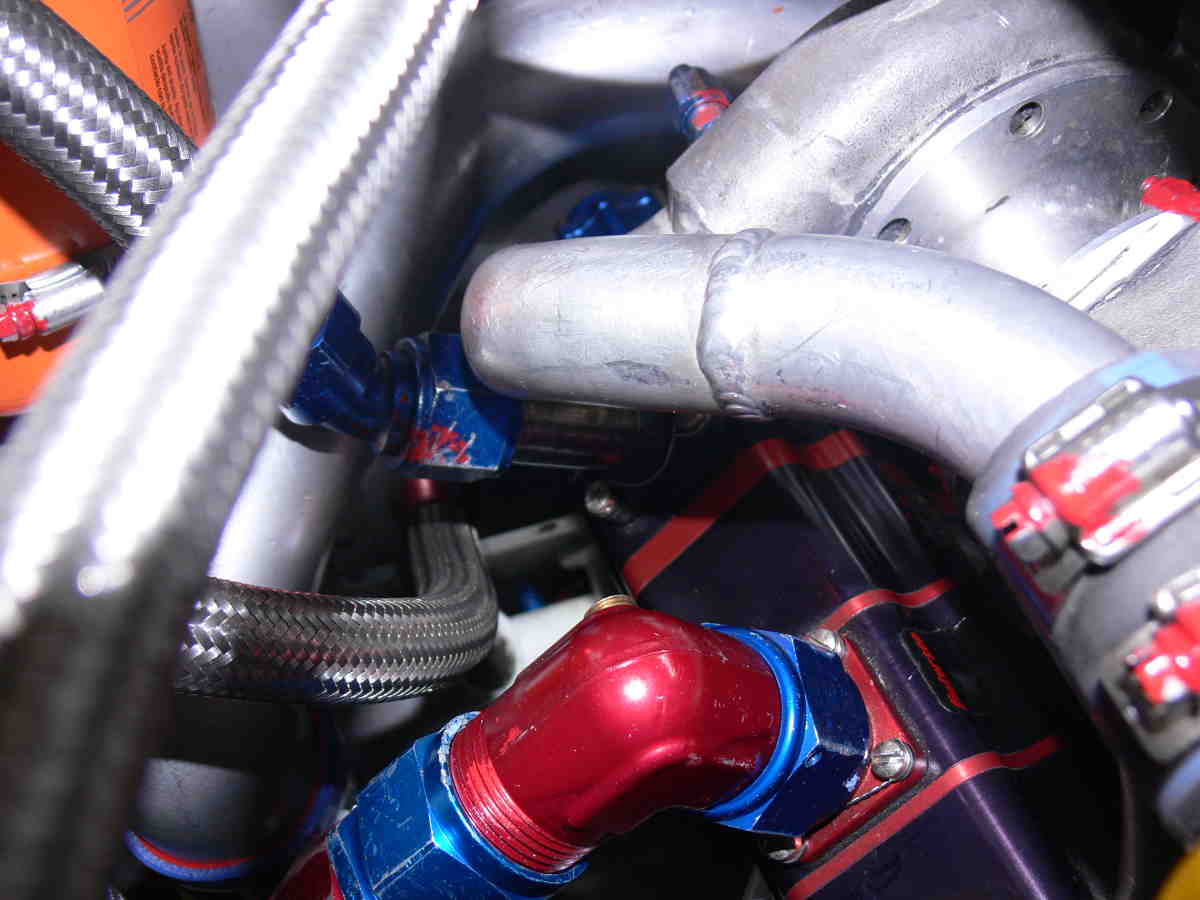
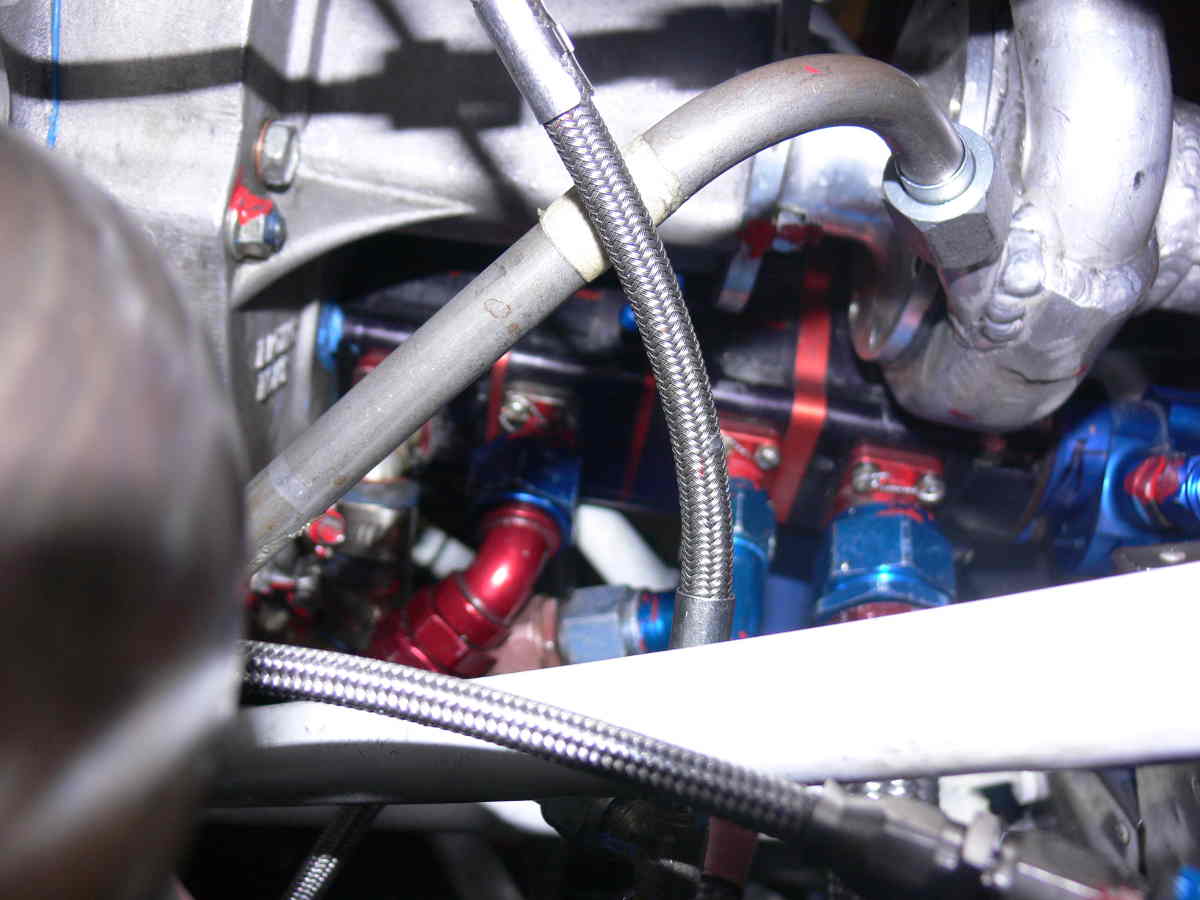
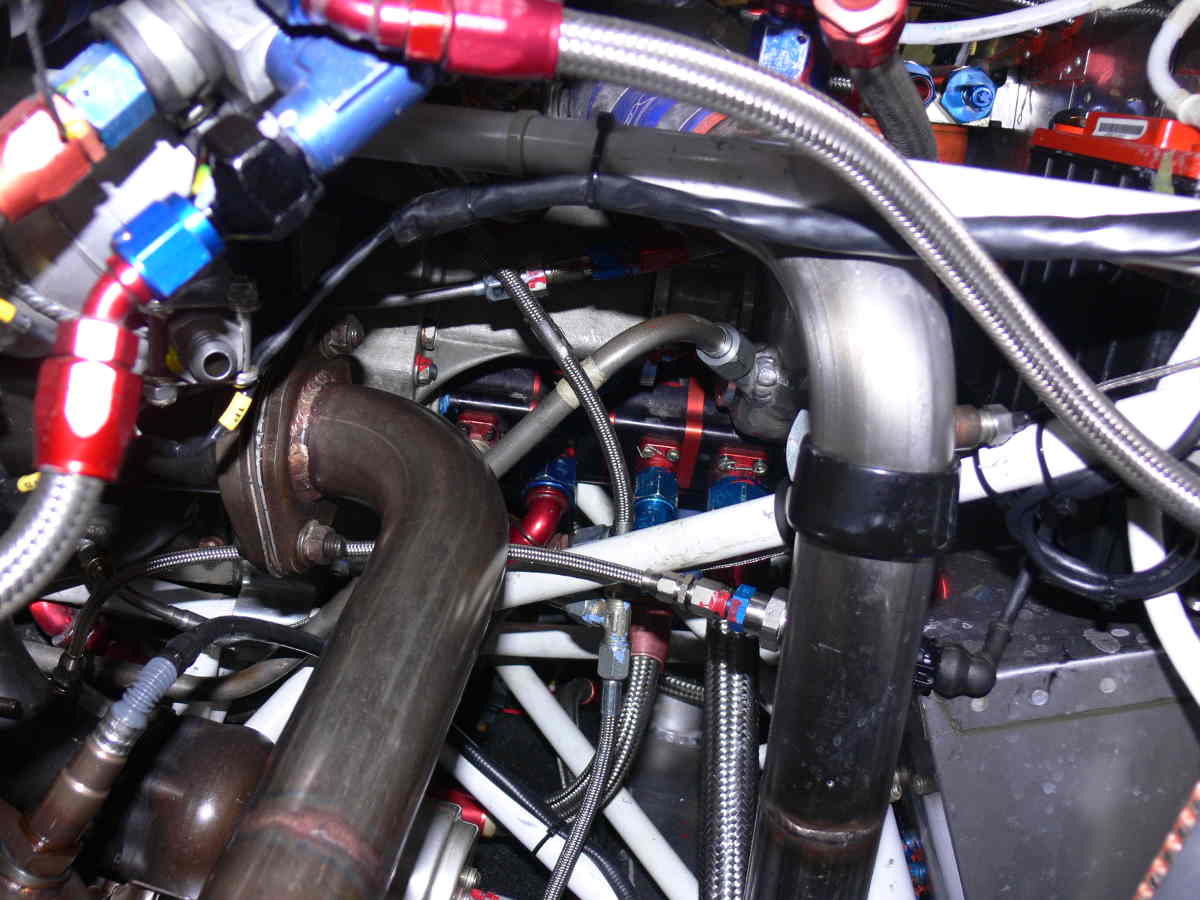
Here is the dry sump pump safety wired.
Working on this with the engine in the aircraft was a night mare.
It should have been done long before the engine was installed
in the airplane. It took about 16 man hours.
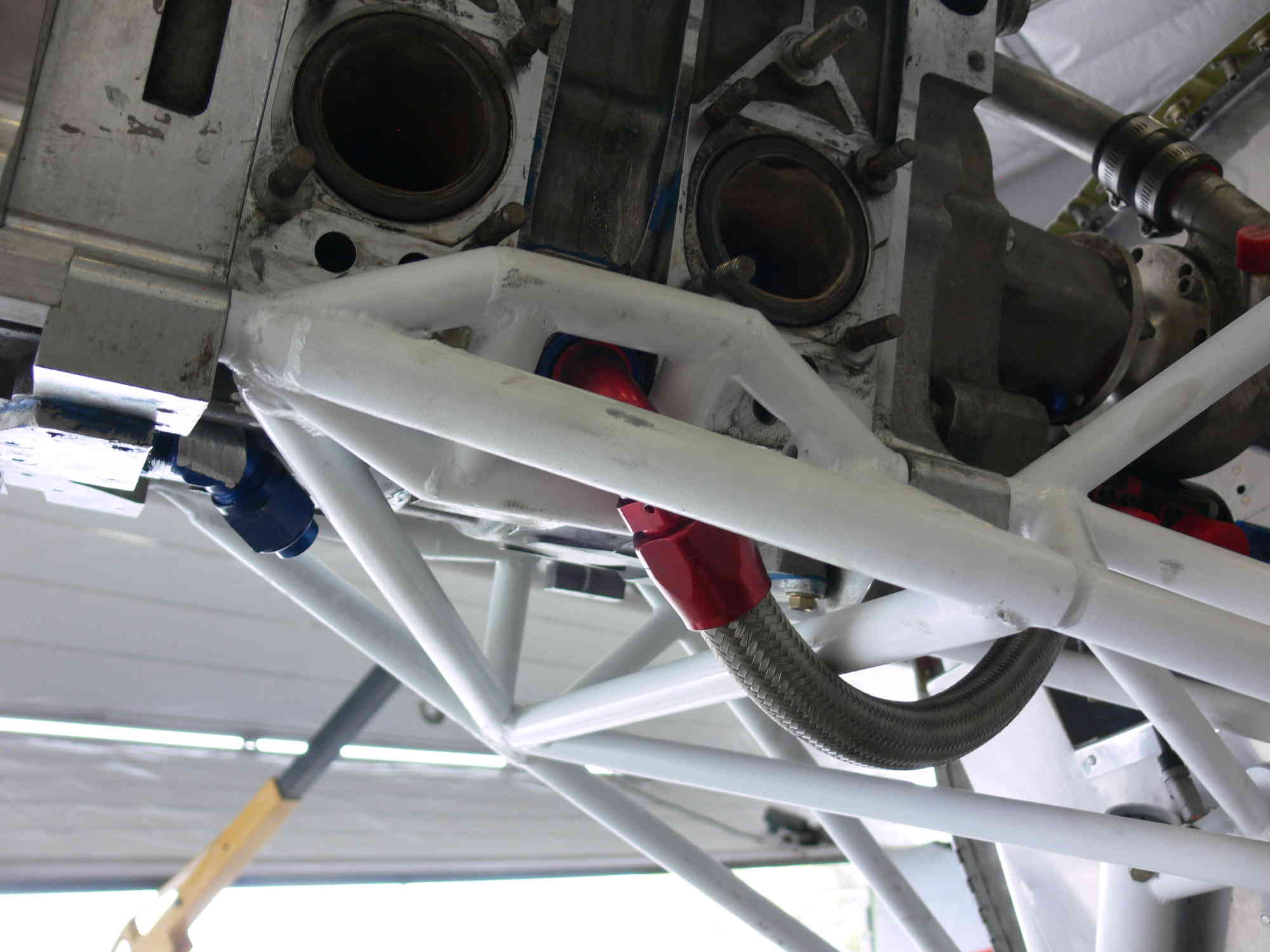
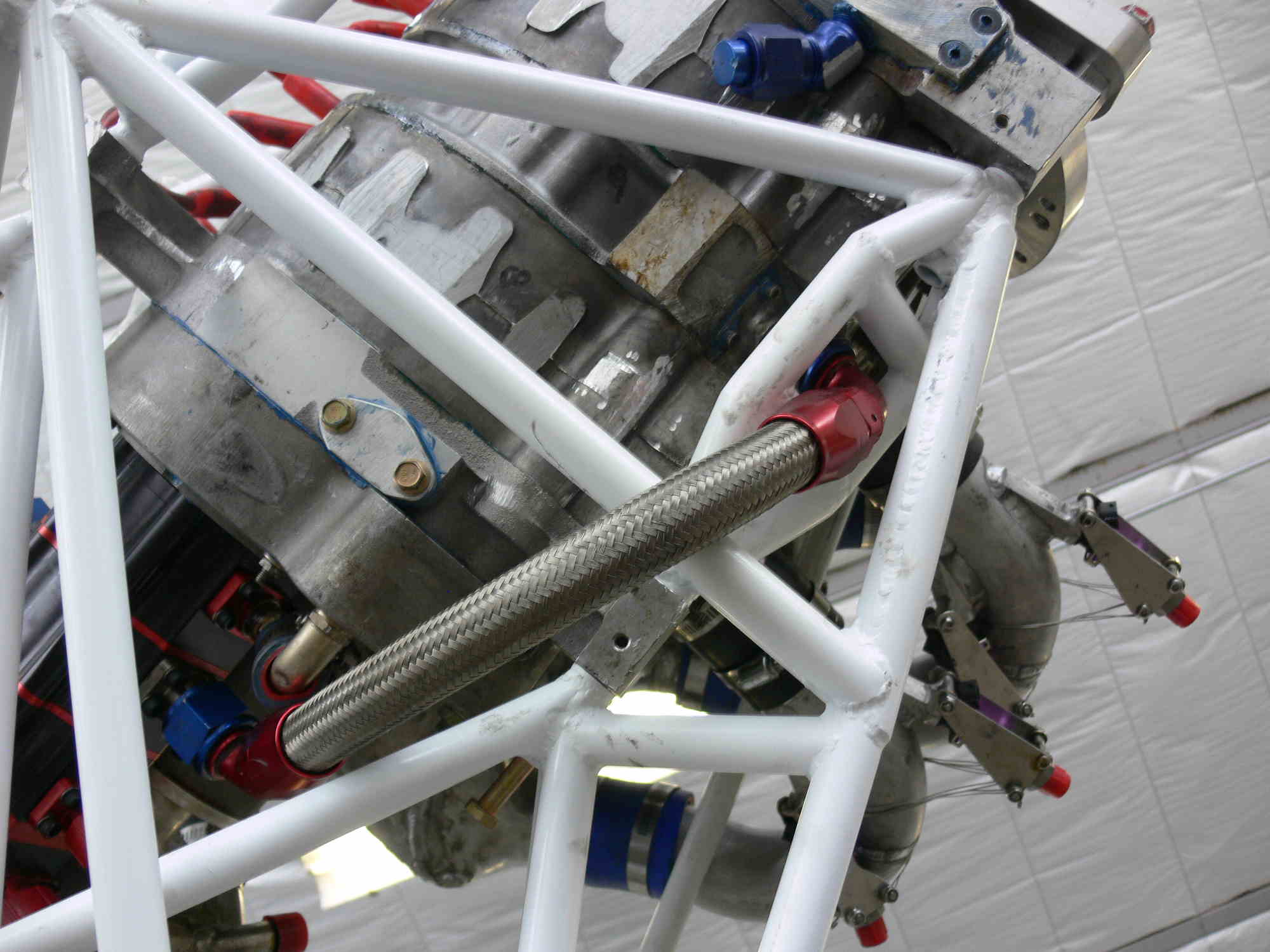
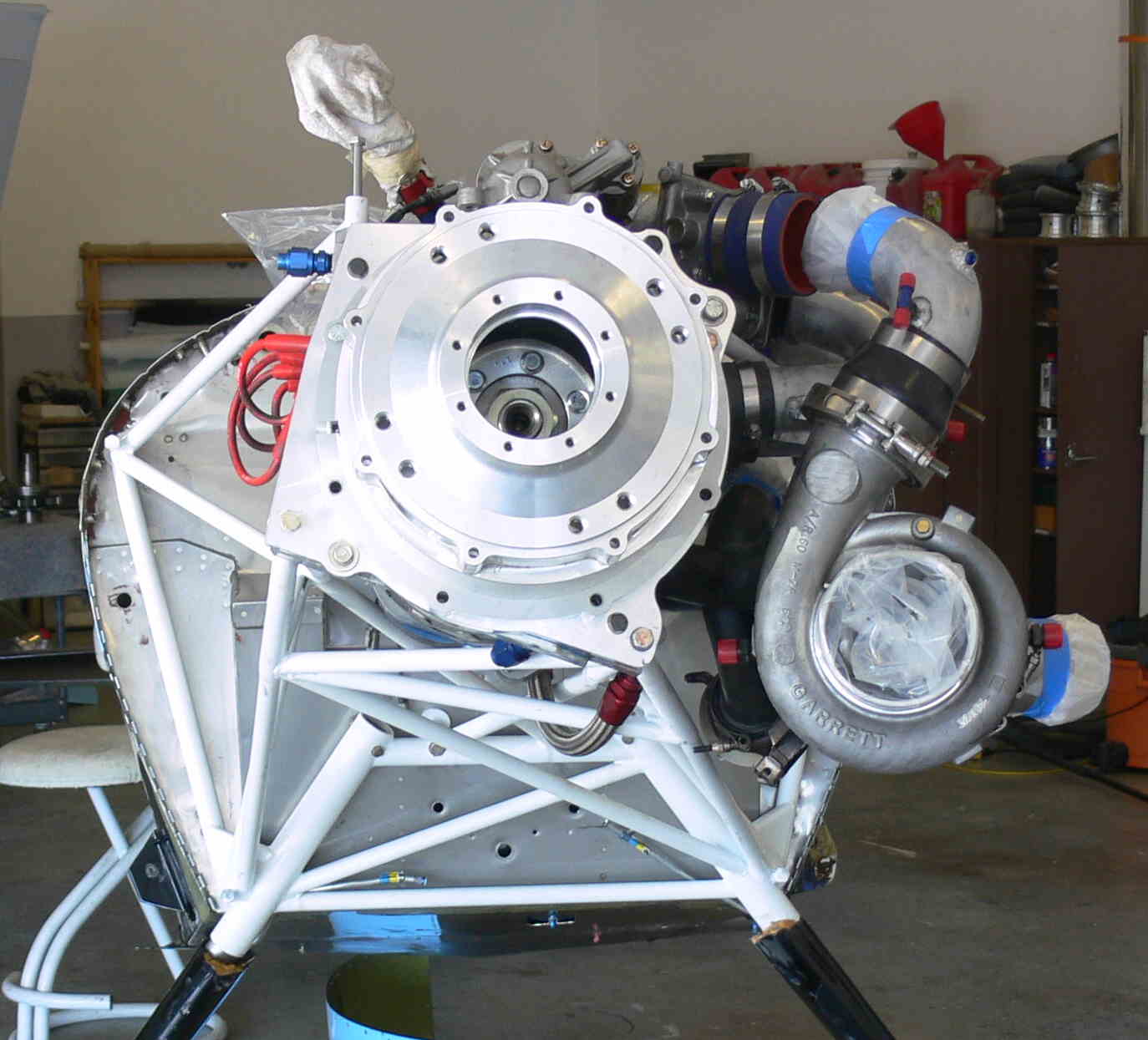
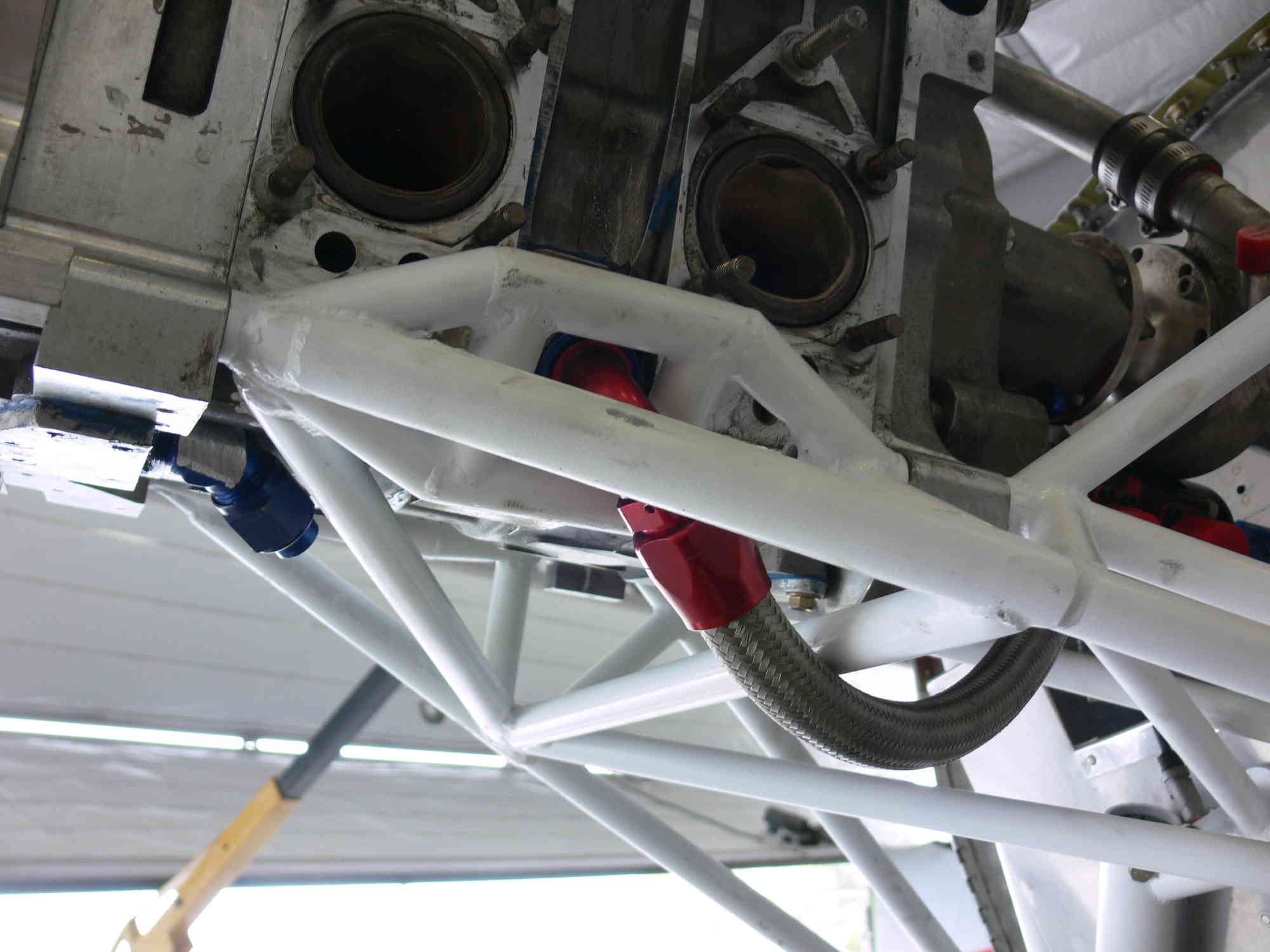
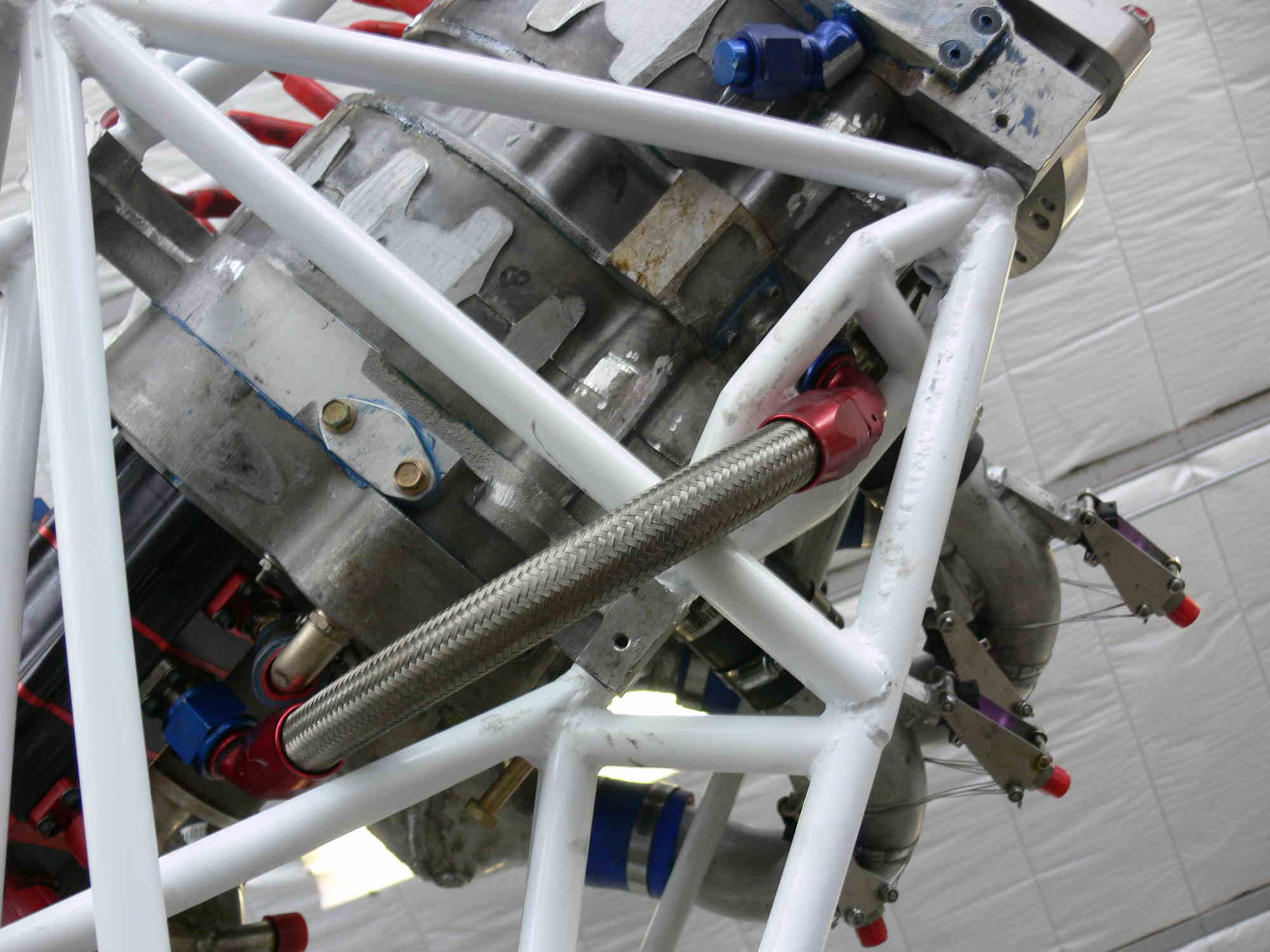
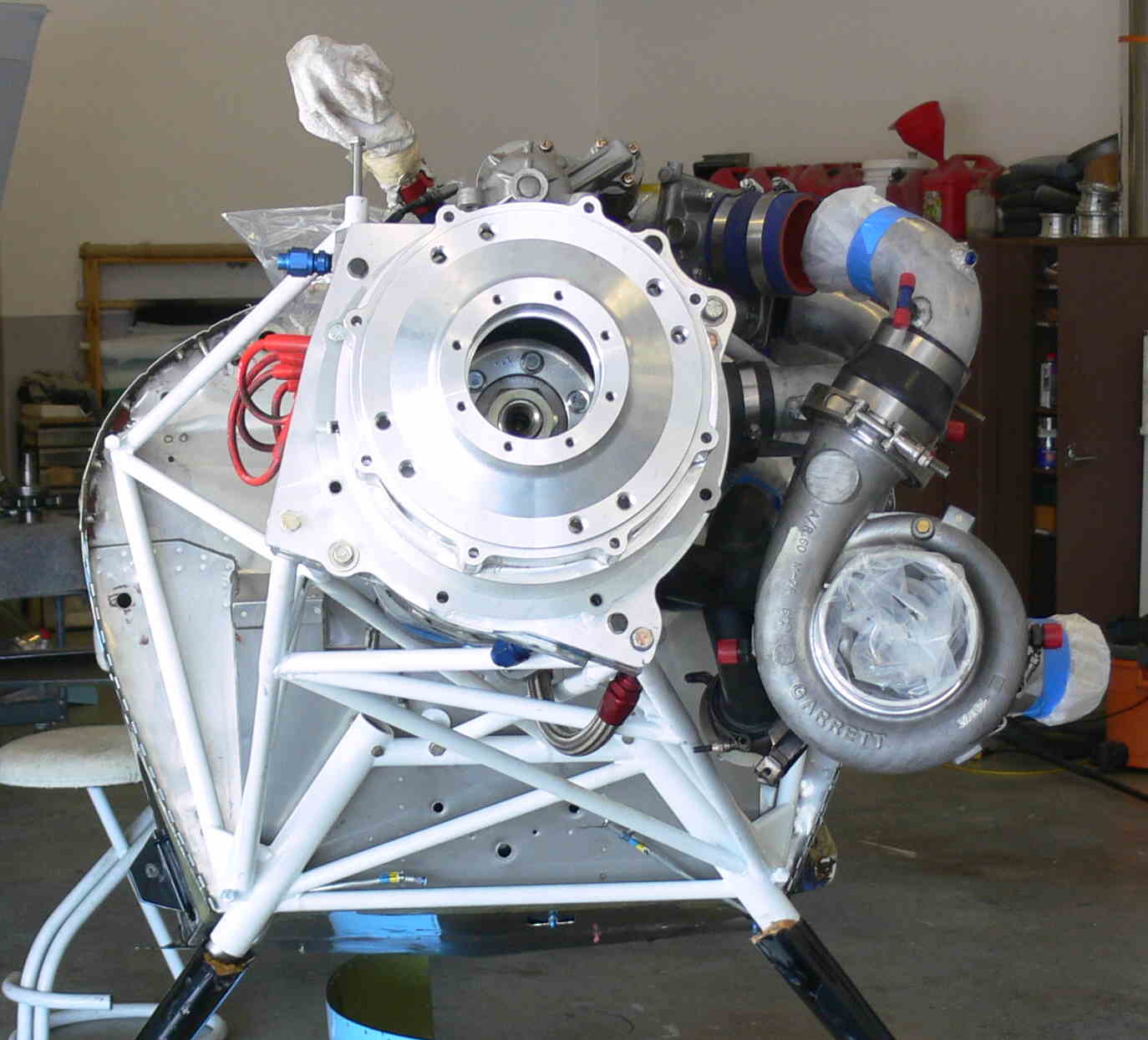
The TTC motor mount is horribly designed and gets in the way no matter
what. The person that designed it did not have a clue about the rotary.
That person was fired but it was too costly and time consuming to
start over.
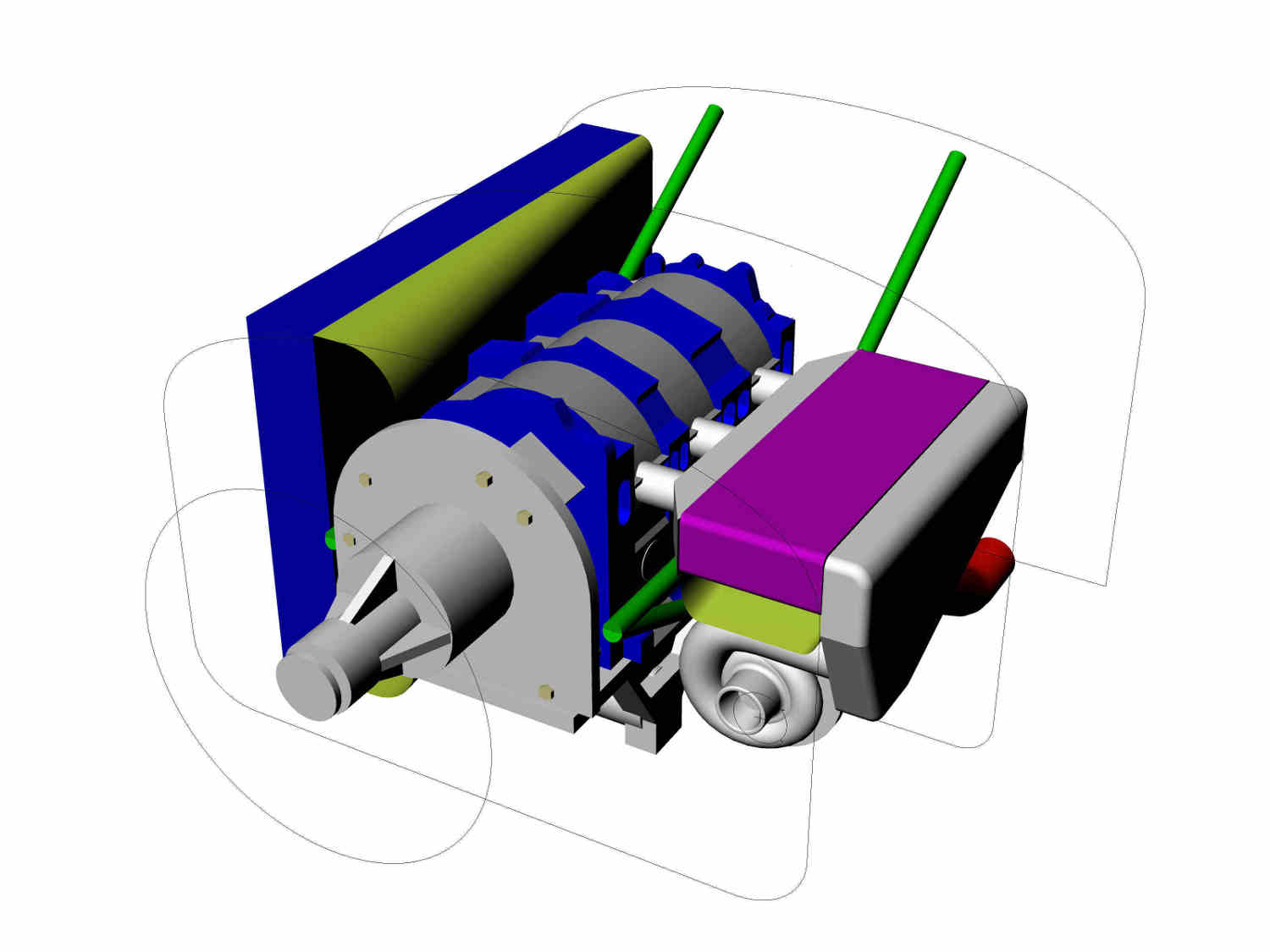
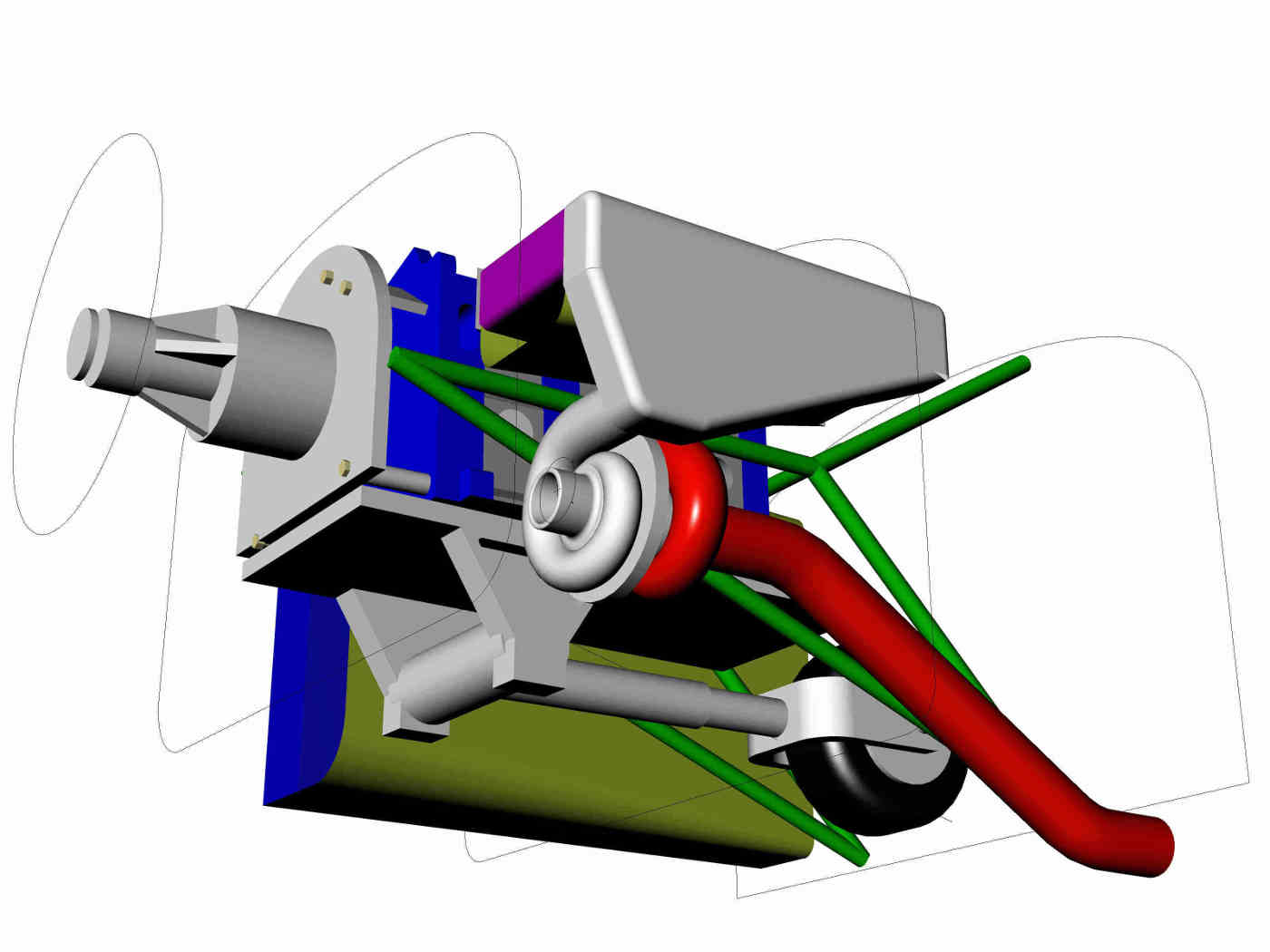
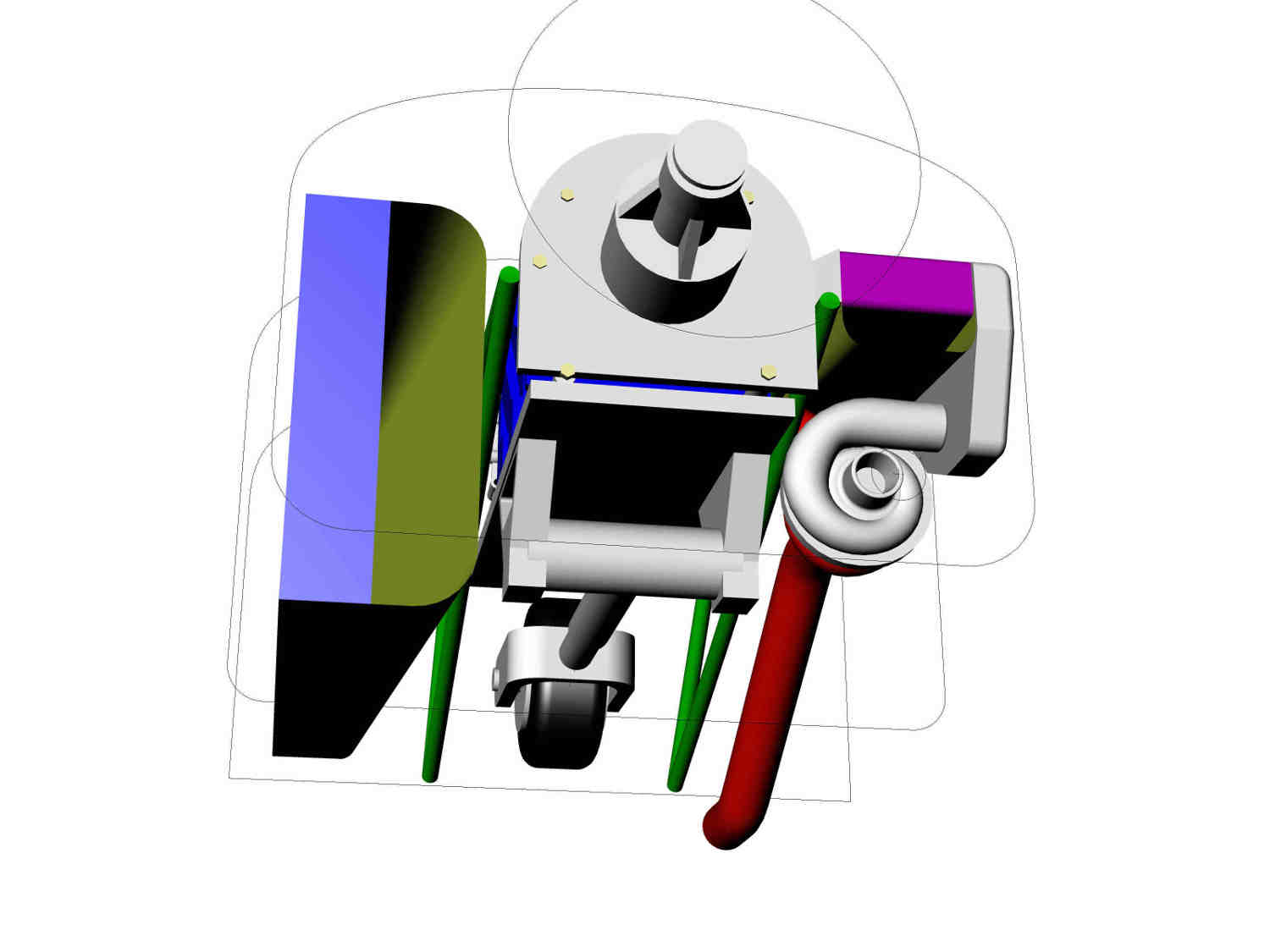
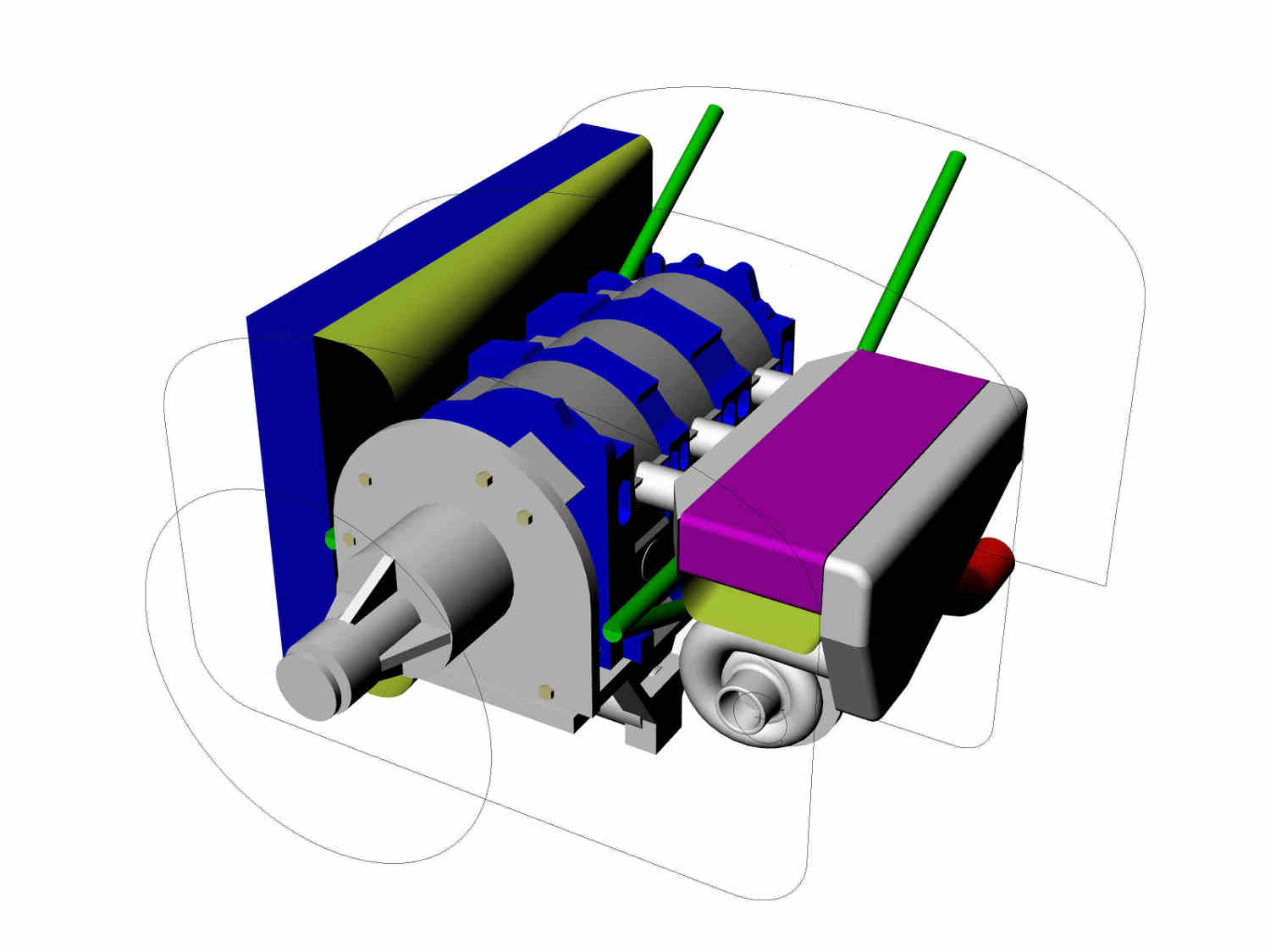
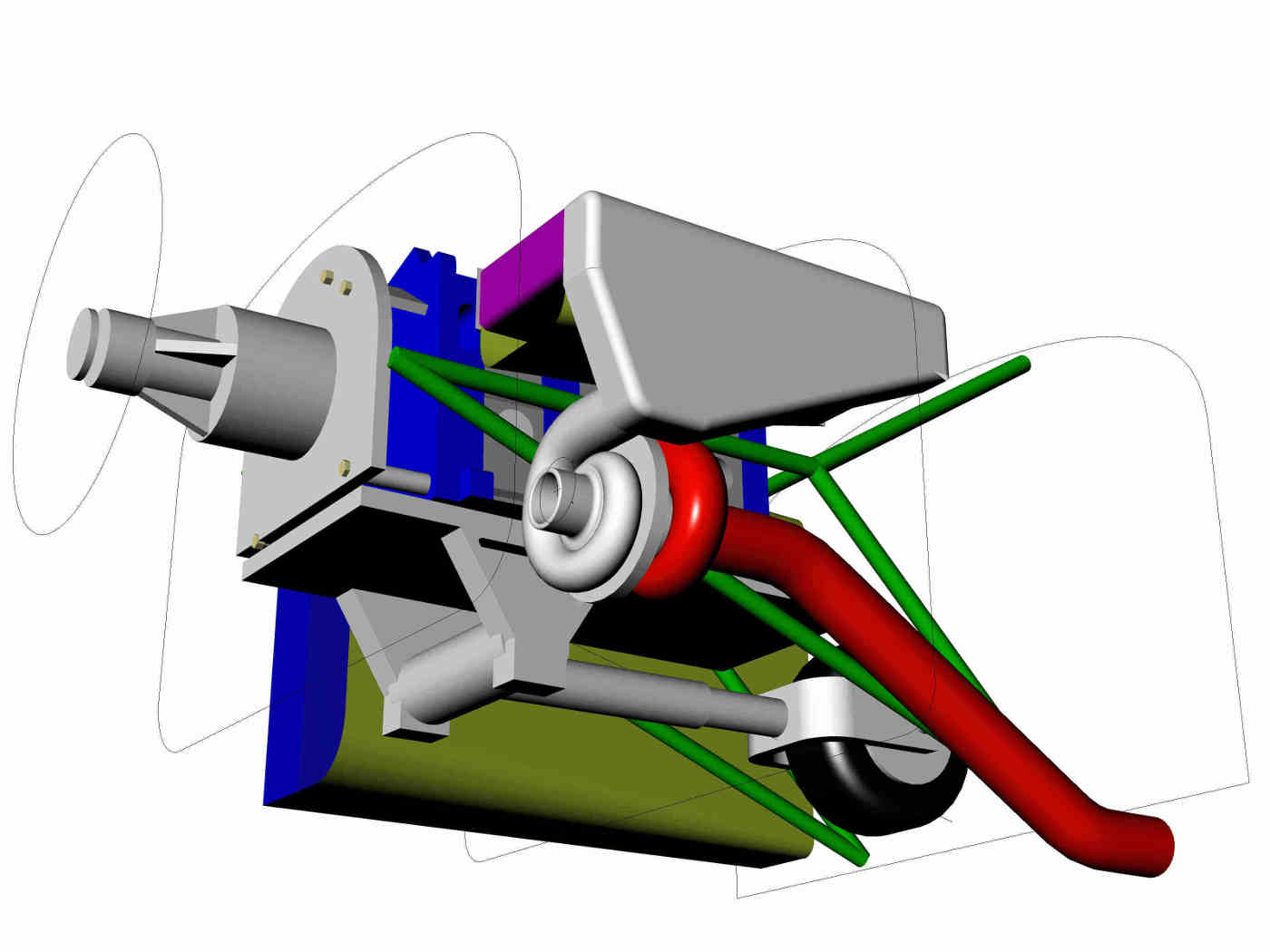
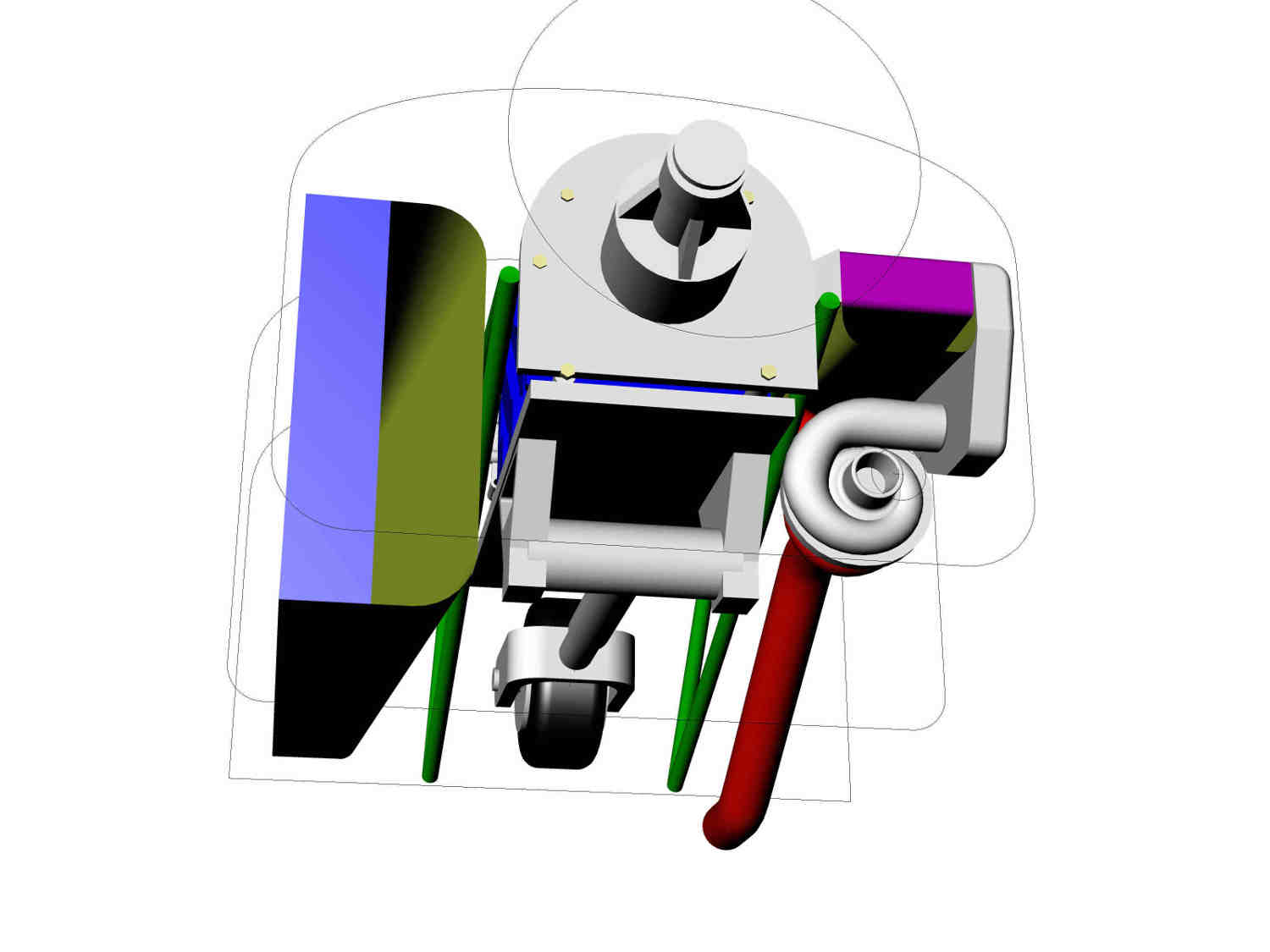
There are 17 titanium 1/2 inch bolts holding it together. The motor
mount attachments at the rear of the engine are totally and completely
unnecessary. Here are several Reno Racer 3D's to show how it is done
with a turbo.
All you really need are two bi-pods and a lateral brace under
or along side the engine.
Paul Lamar
The Rotary Engine free News Letter. Powered by Linux. If you want off
the list PLEASE let me know and I will remove you. ACRE NL web
site.
http://www.rotaryeng.net You Tube
http://tinyurl.com/beqqxas
Copyright 1998-2016 All world wide rights reserved.