Paul,
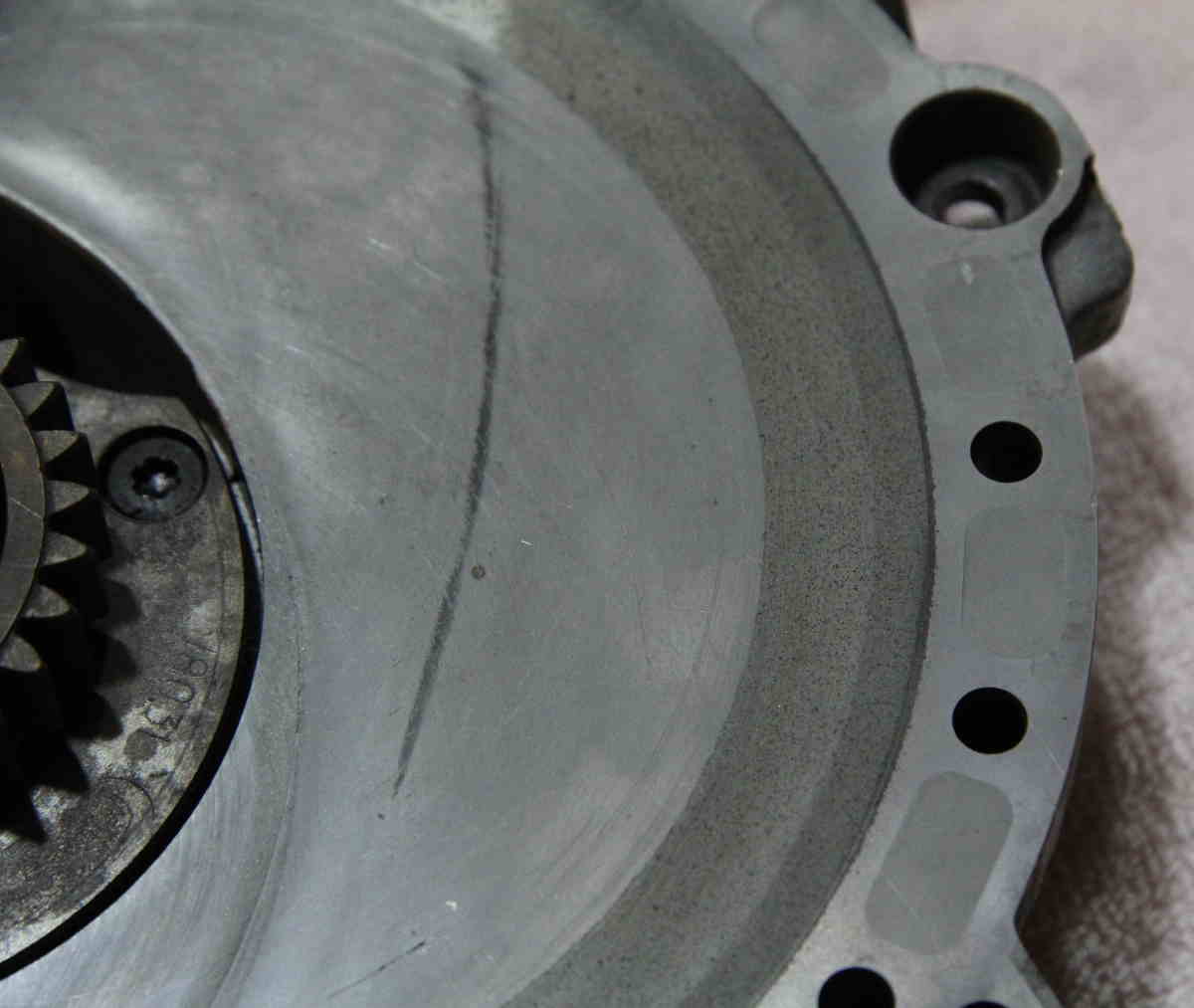
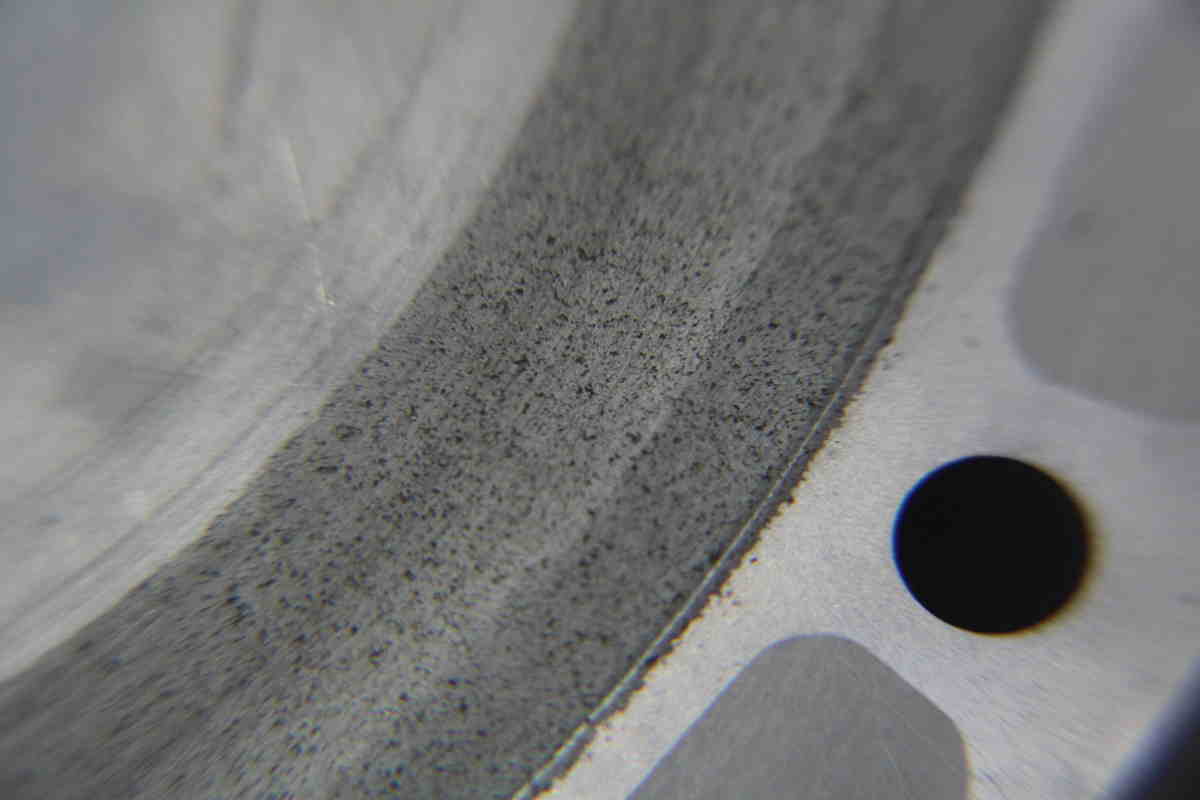
You requested photos of my OMC side plate – They are attached -
The engine had swallowed a piece of metal and seized – housing was
damaged but the sides, rotor and seals appeared to be OK except for a
few scratches on the depressions in the face of the rotor - You can see
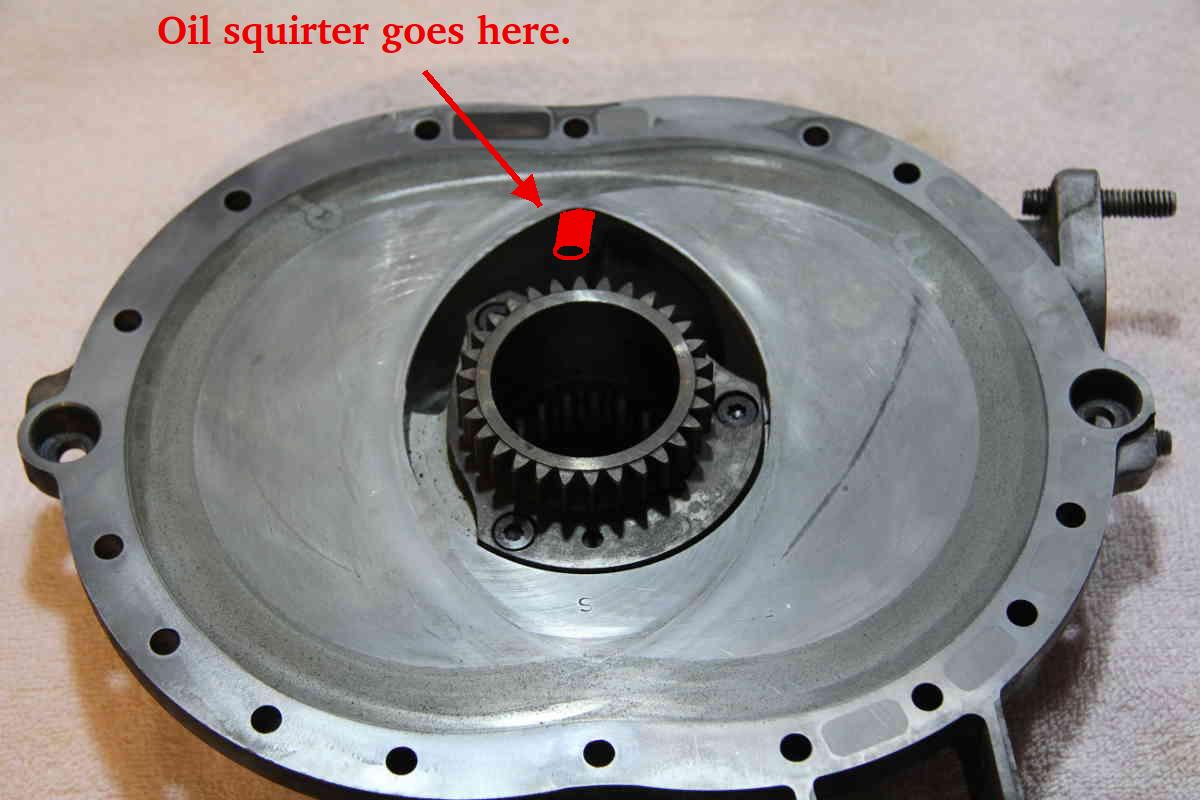
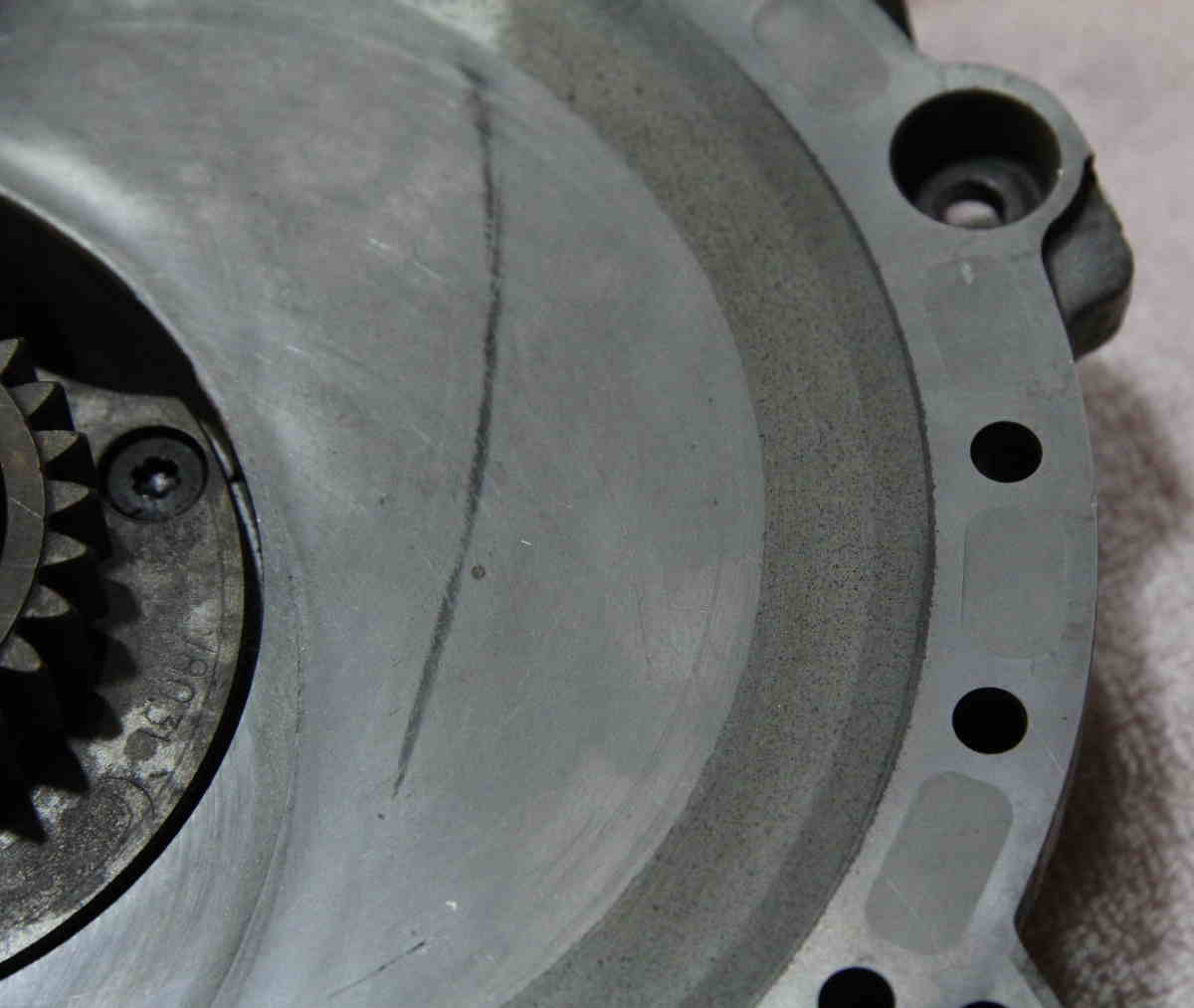
in 1624 the overall area location of the hard area – 1627 is a closer
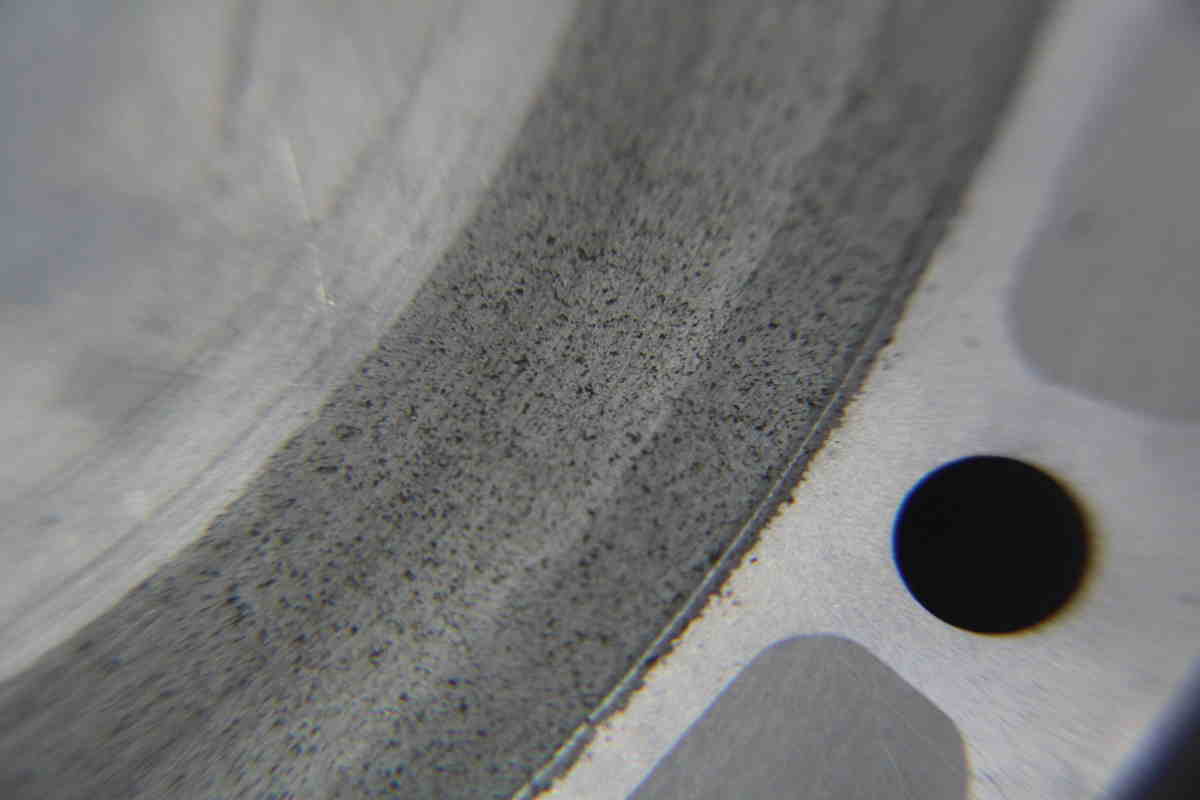
photo – 1630 is quite close up –
The inserted area is very hard – cannot scratch it – I have a Rockwell
tester but haven’t tried it on the part - The aluminum die casting is
quite soft and doesn’t appear to be anodized or have any hard finish on
it but it is undamaged – The black line in the photos is just a stain
where the rotor had been sitting for a long time, not damage to the side
plate -
The inserted hard area as shown in 1630 has a finish similar to that of
an Oilite bronze bearing and appears to be porous, possibly for
retaining lubricant and releasing it as required – Would be good to find
an old OMC engineer who was familiar with the process they used – Do any
of your readers know someone like that ? – Maybe a patent exists -
I’m guessing that the side plate was probably lapped flat after the hard
material was applied because there are no discernible marks of machining
on either the aluminum or the hard surfaced area -
Roland Friestad
The coating could be Nikasil.
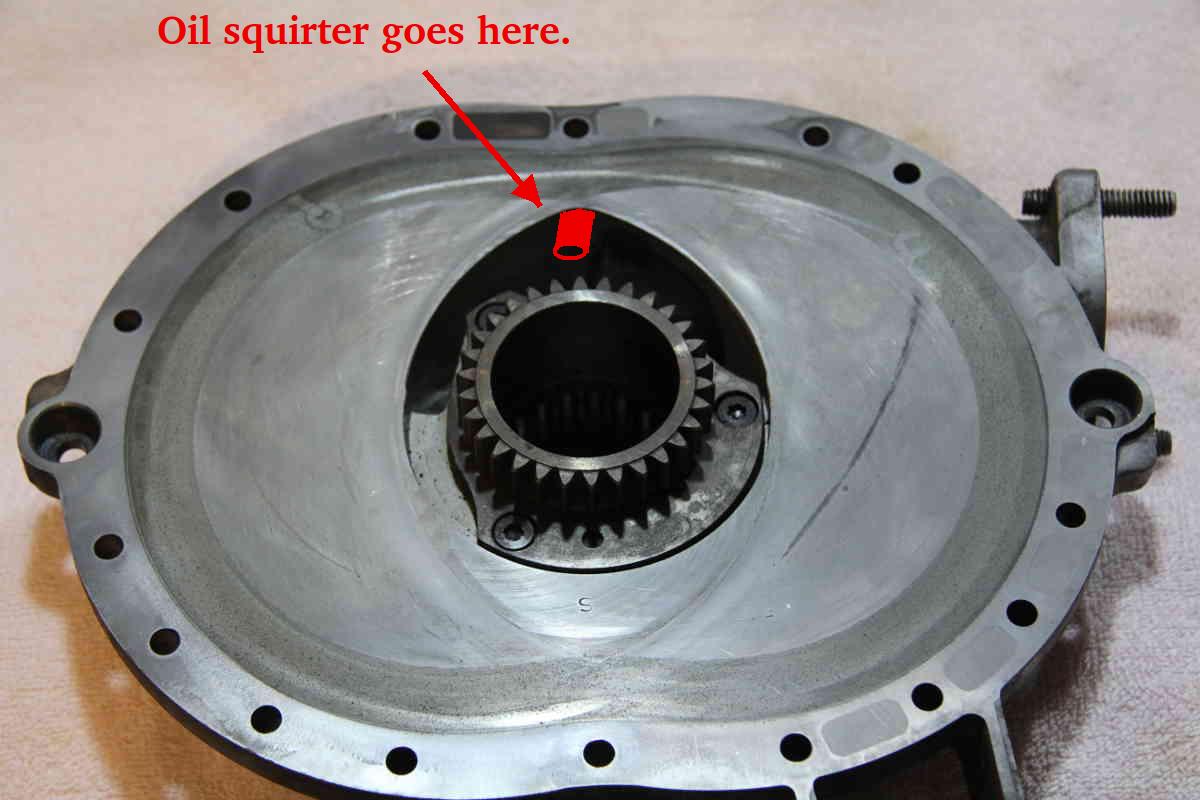
Here is where the rotor cooling oil squirter goes. This allows doing away
with the charge cooling and a simple tuned p-port will increase the VE to
about 120 %. (from 70 or 80% if your lucky). So the HP will increase
about 30%.
The oil squirter requires an oil pan to catch the oil drain back, a pump
and oil cooler.
Paul Lamar
The Rotary Engine free News Letter. Powered by Linux. If you want off
the list PLEASE let me know and I will remove you. ACRE NL web
site.
http://www.rotaryeng.net You Tube
http://tinyurl.com/beqqxas
Copyright 1998-2016 All world wide rights reserved.