Paul,
Reading the discussion about NASA prompts me to send some stuff with
current info. The aeronautics part is about 4% of the total NASA budget,
so it's small. Some friends of mine there are working on electric
airplanes, that can do things normal airplanes can't. Not intending to
talk about that, just bear with me for a moment.
Things are going to get very interesting in the next couple of years. I
know of at least two electric VTOL aircraft that have flown with an
adult human aboard, and several other teams that have flown models and
subsystems. They can't fly for very long, because batteries are still
too heavy. What's needed right now is a light, quiet, reliable (note, I
didn't say cheap, or efficient) range extender that can address this
problem.
NASA likes to develop high risk, high return concepts, because they can.
But they and their contractors
*buy* conventional solutions when needs
are met.
I talked with Woelfle about this a couple of years ago, and they have
the right approach but need funding in advance. They have already
developed a 20 kW unit which is great as far as it goes, but it needs to
be bigger.
To see where the market is going, go to uber.com/elevate and download
the white paper. Disclaimer: I wrote the acoustic section, and parts of
the others, as a consultant for them -- they have a long way to go but
it's a good start. Their idea is simple -- if you build some of these
and make it possible to fly them in cities, Uber will buy some. Whether
this is absolutely realistic depends on too many variables to consider,
but there will be people competing in this space starting now, and they
have problems to solve.
The electrical part is fairly easy. You'd be using a multiphase
permanent magnet generator made the same way brushless motors are made
-- in fact they might be essentially the same part. Whatever voltage and
frequency is most efficient for a given design would be fine, and the
multiphase output would drive their power circuitry.
You'd have to do the analysis looking at the cruise power budgets, but
there will be needs for everything from 50 to 500 kW (70-700 hp roughly)
initially. A Rotax weighs about 130 pounds with cooling and without
gearbox, 92 hp all day at 5500 rpm. It makes sense to use two of them to
produce 200 hp (150 kW.) Can you beat this with a rotary? If so,
developers in this space will buy them.
David Josephson
I would rather not cater to that market. Too risky. I would rather stick
to an established market like LSA. We would still go head to head against
the Rotax. We could beat them on first cost and life. Basically the Rotax
is scrapped at the end of 1500 hours or what every the TBO is now.
The turbo option would give us up to 250 to 300 HP with little increase
in weight.
Yes I know the LSA sport rules specify a max speed but the HP can
be used for STOL or even LSA VTOL :-) There is no rule on how fast you
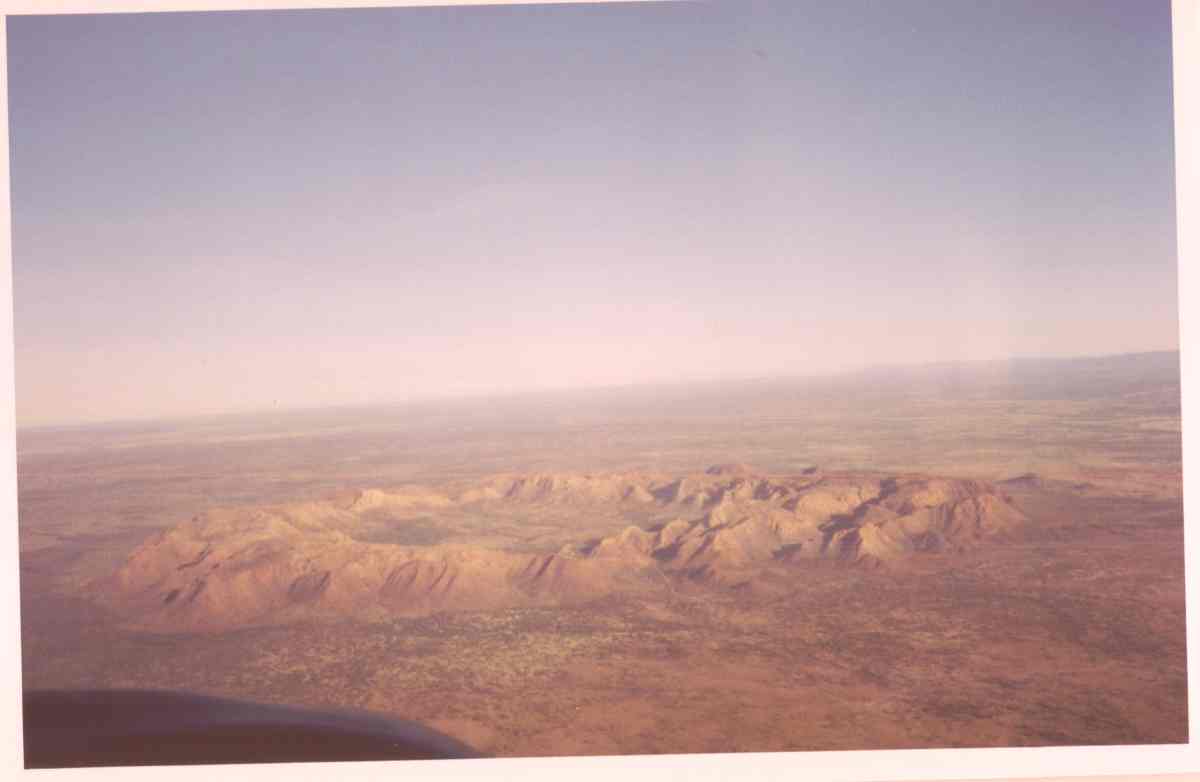
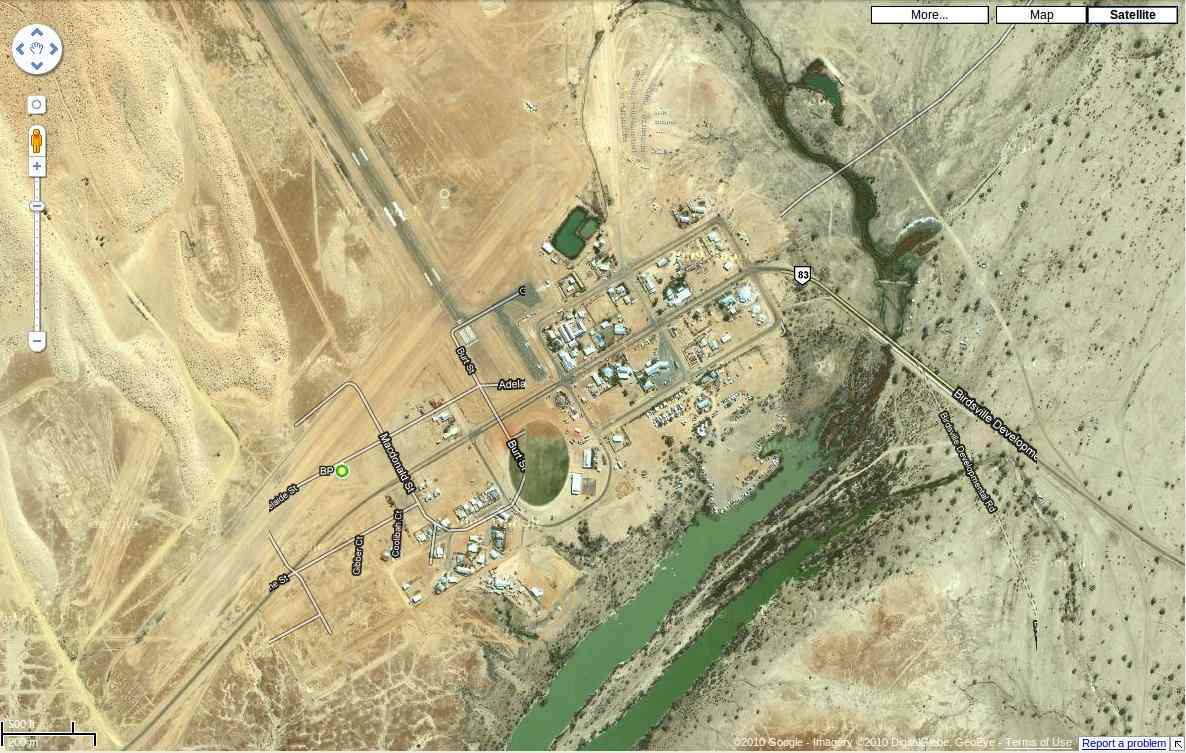
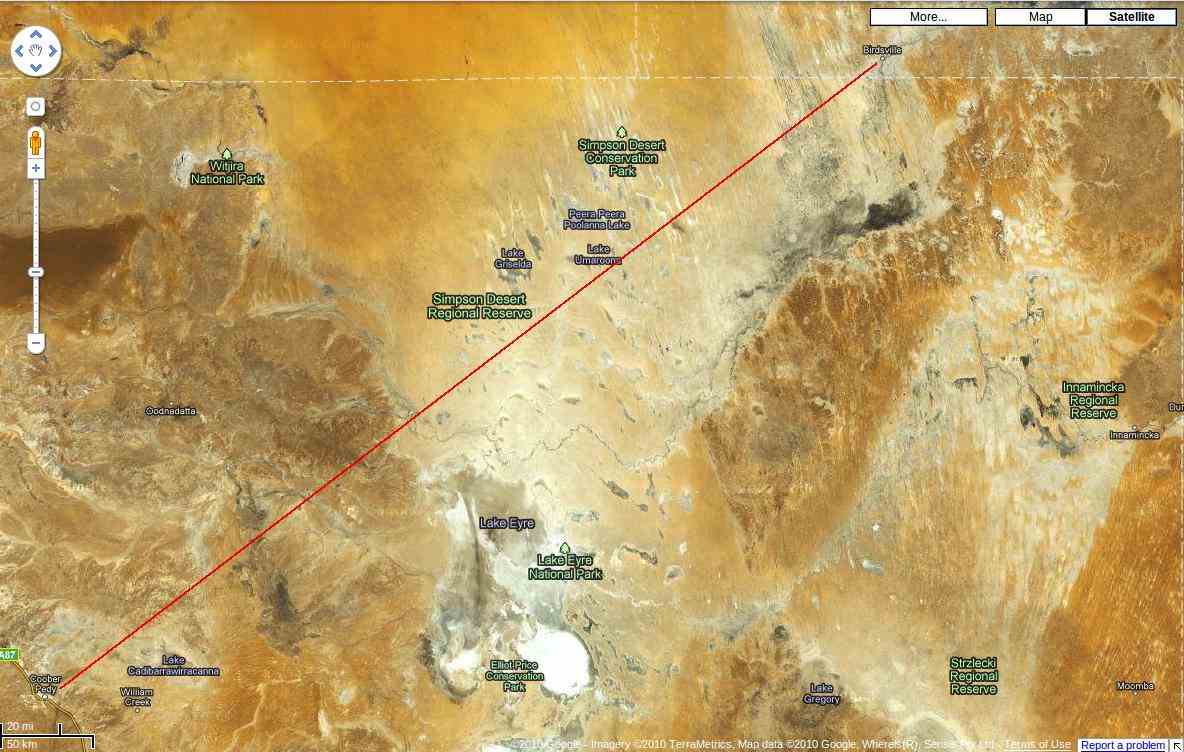
can take off :-) My eye is on OZ as the entire out back is a potential
air field. I have flown all over the eastern third.
We have to sell enough of them to pay for the start up cost.
BTW David do you know Simon Saba? He and David Mikesell are in your neck
of the woods. I am thinking of driving up in the next few of weeks.
Paul Lamar
The Rotary Engine free News Letter. Powered by Linux. If you want off
the list PLEASE let me know and I will remove you. ACRE NL web
site.
http://www.rotaryeng.net You Tube
http://tinyurl.com/beqqxas
Copyright 1998-2016 All world wide rights reserved.