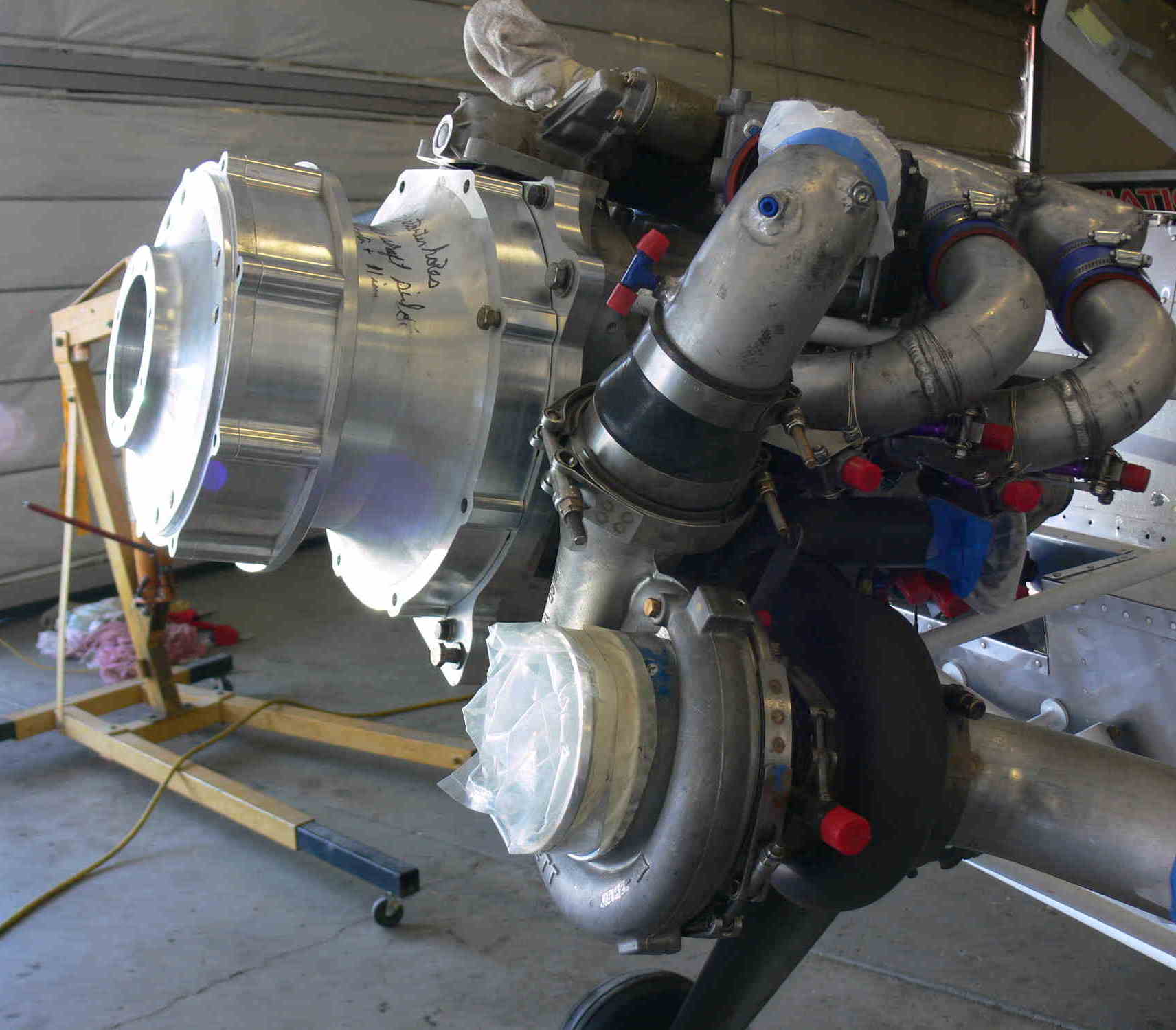
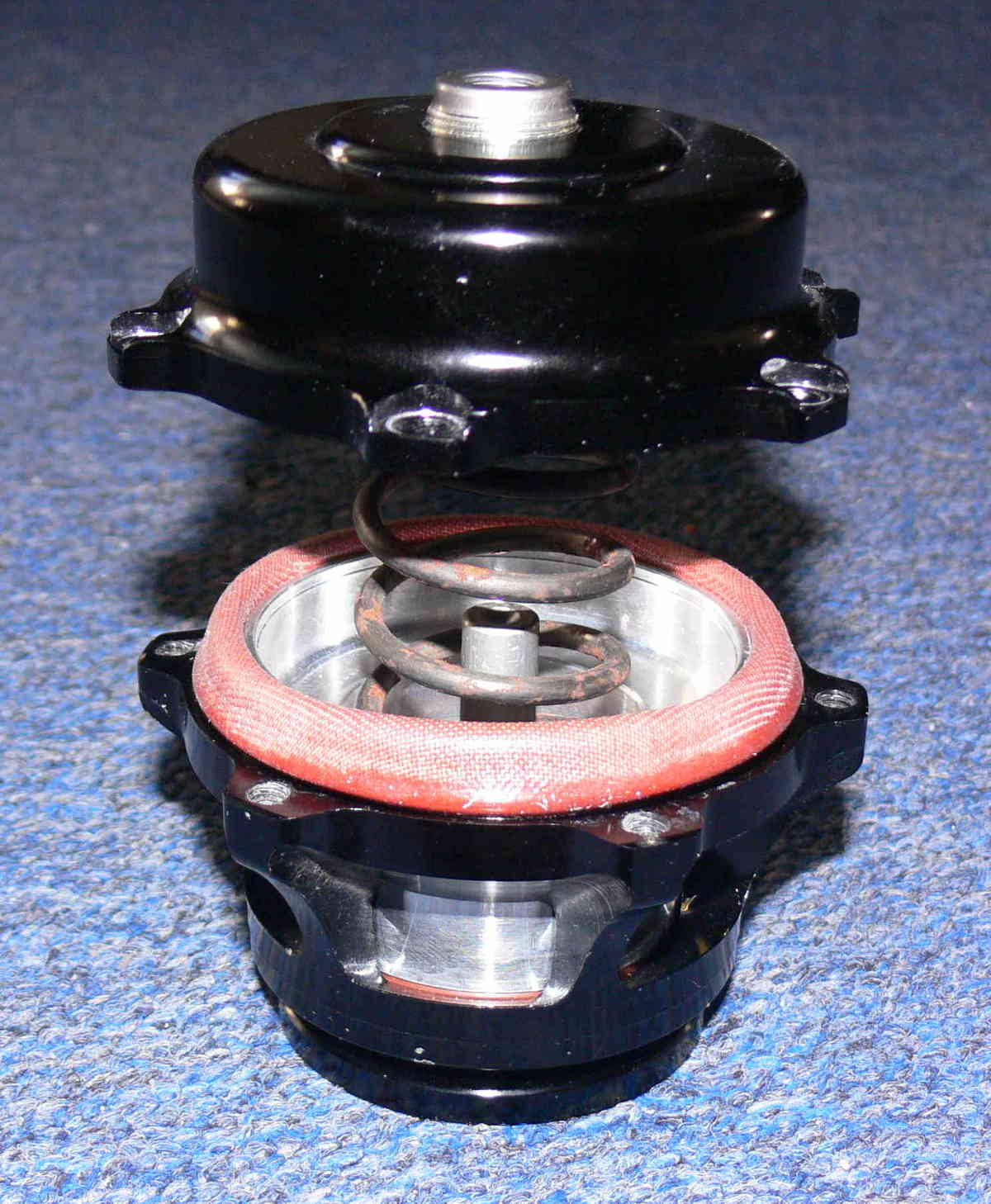
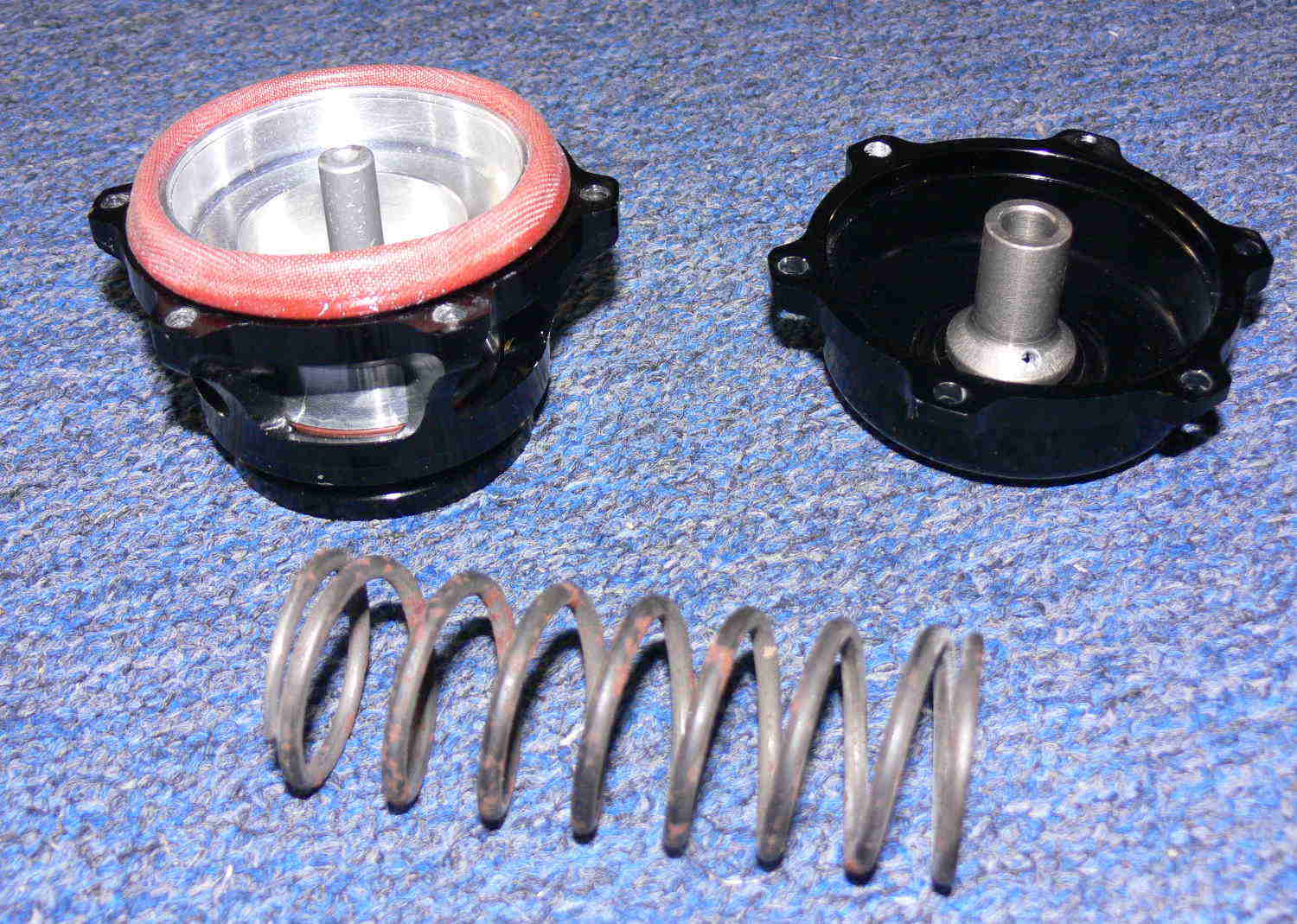
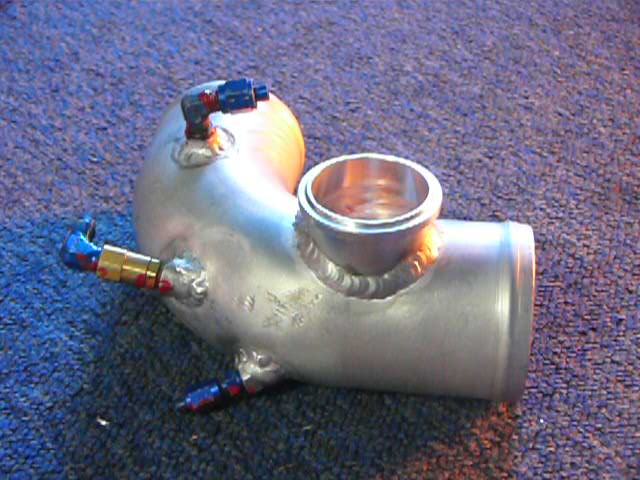
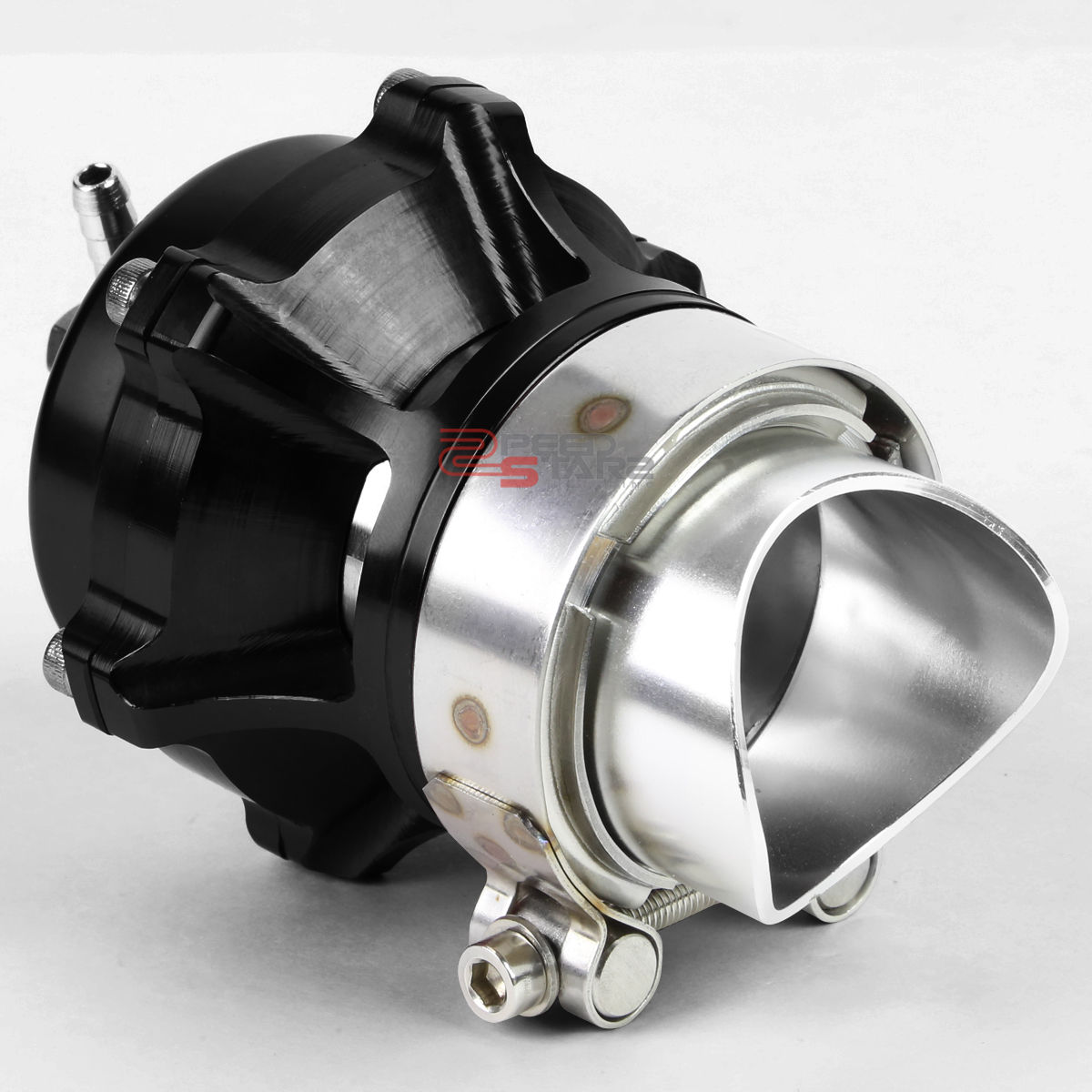
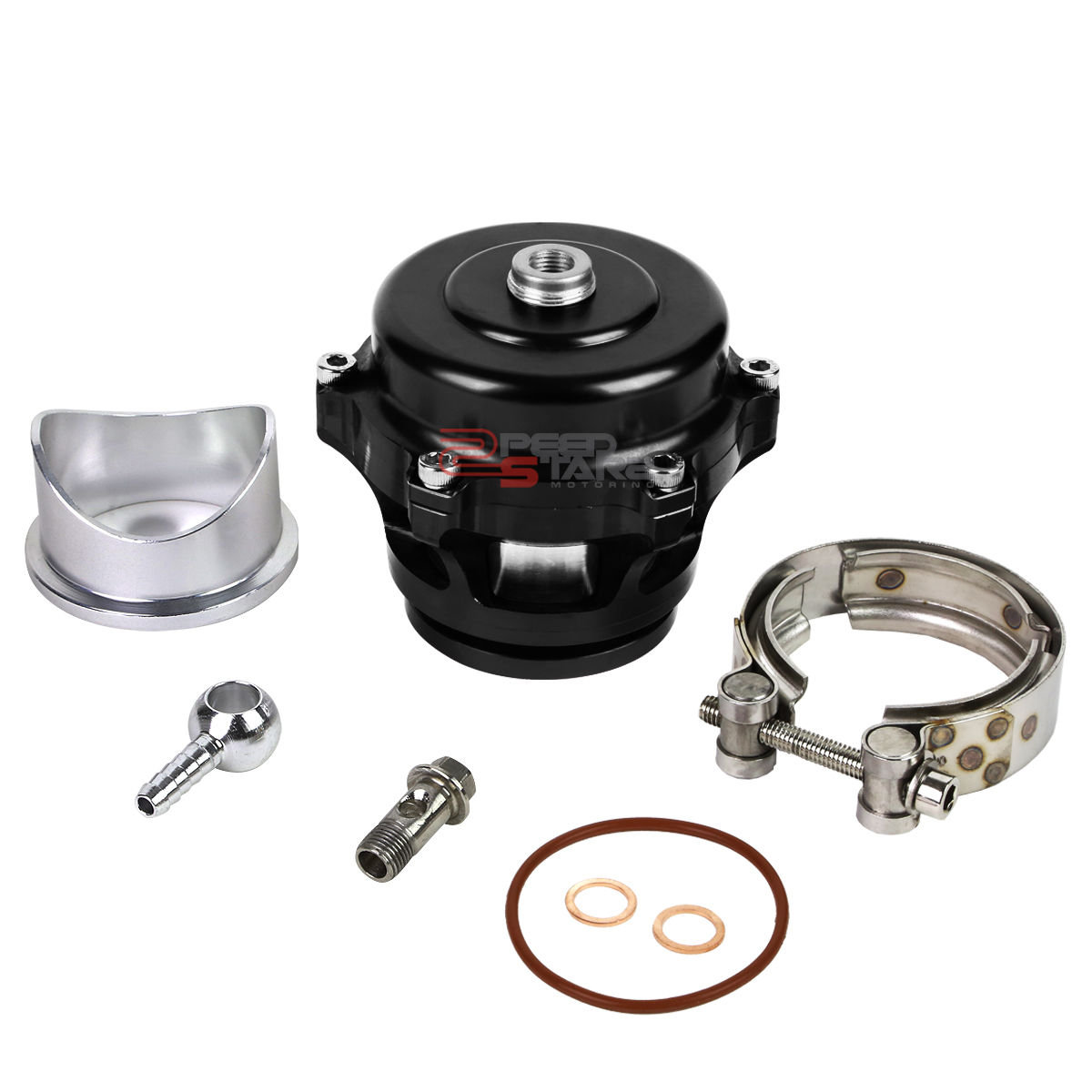
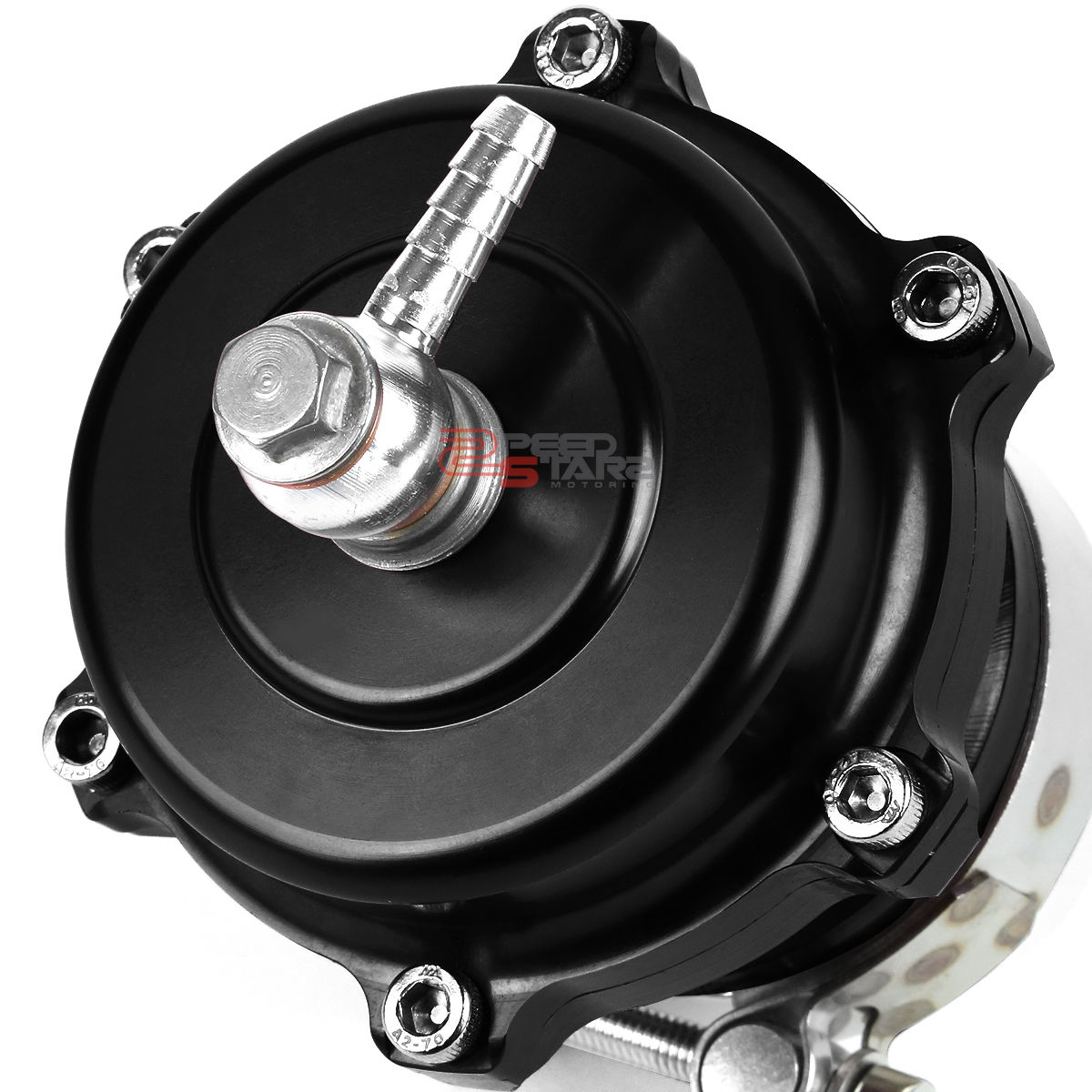
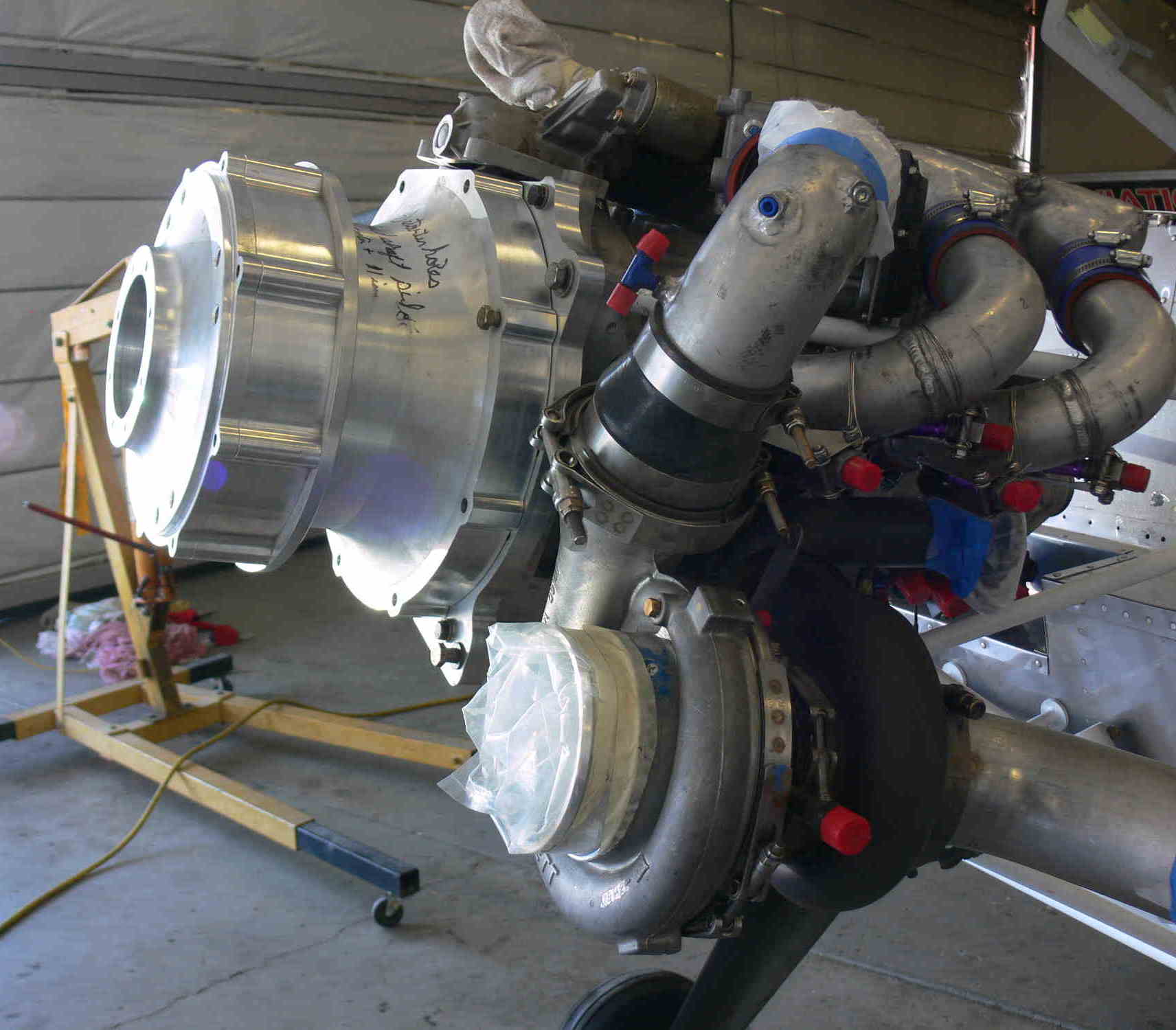
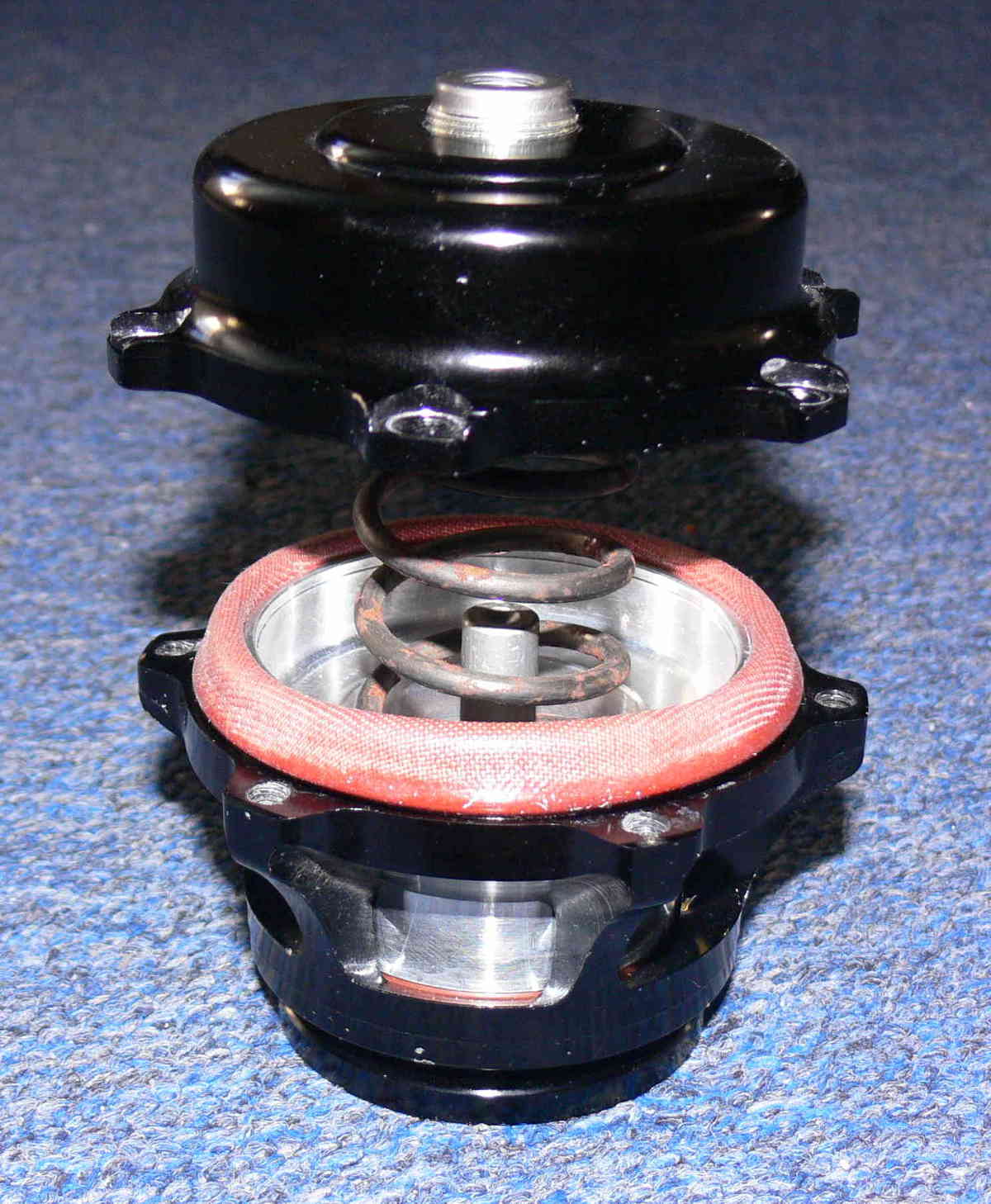
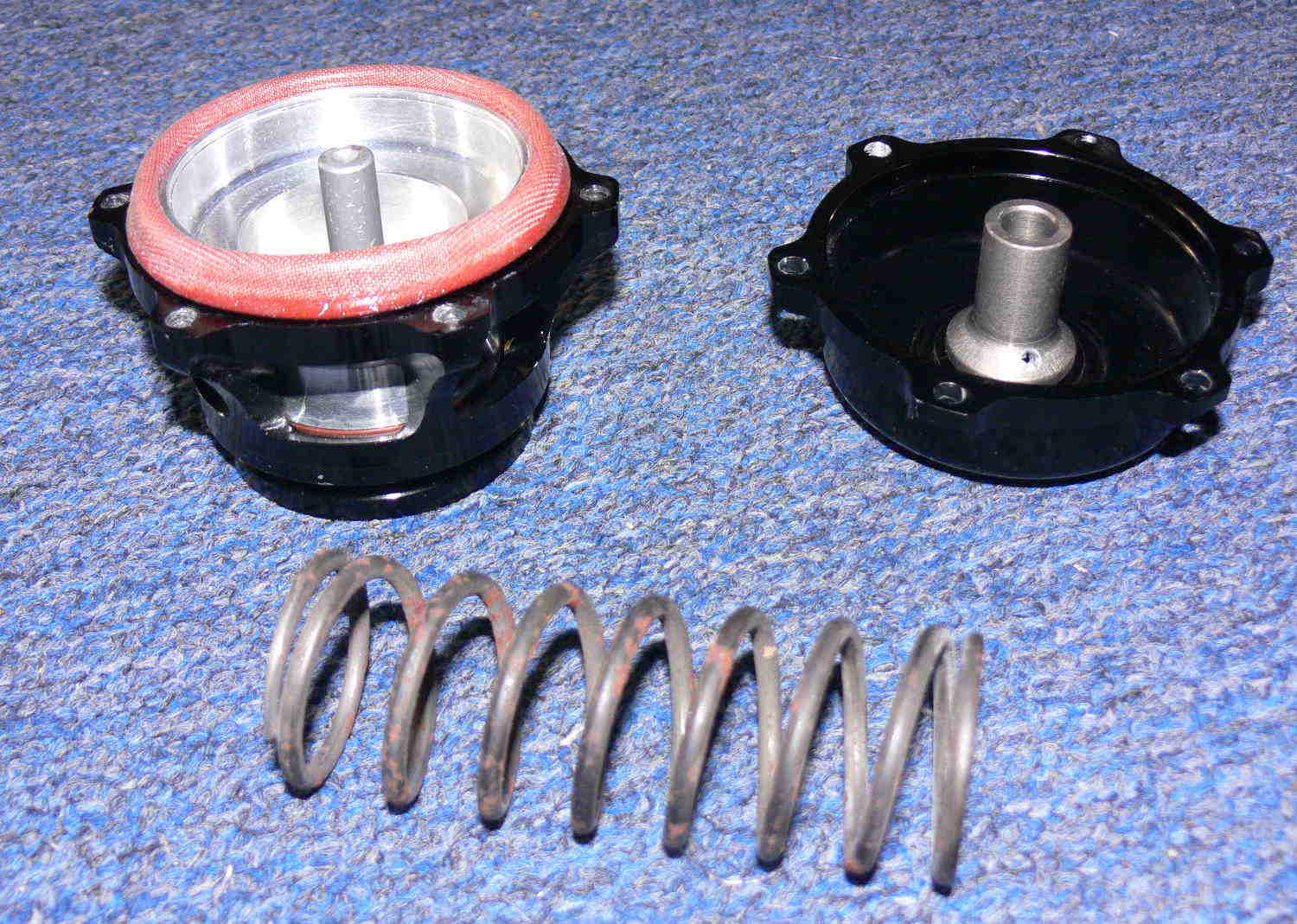
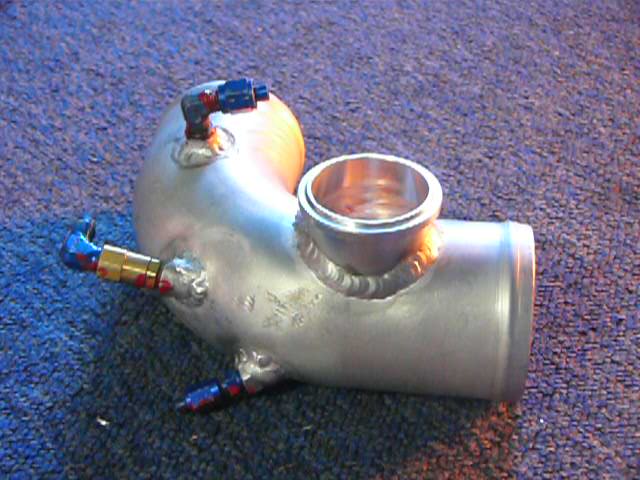
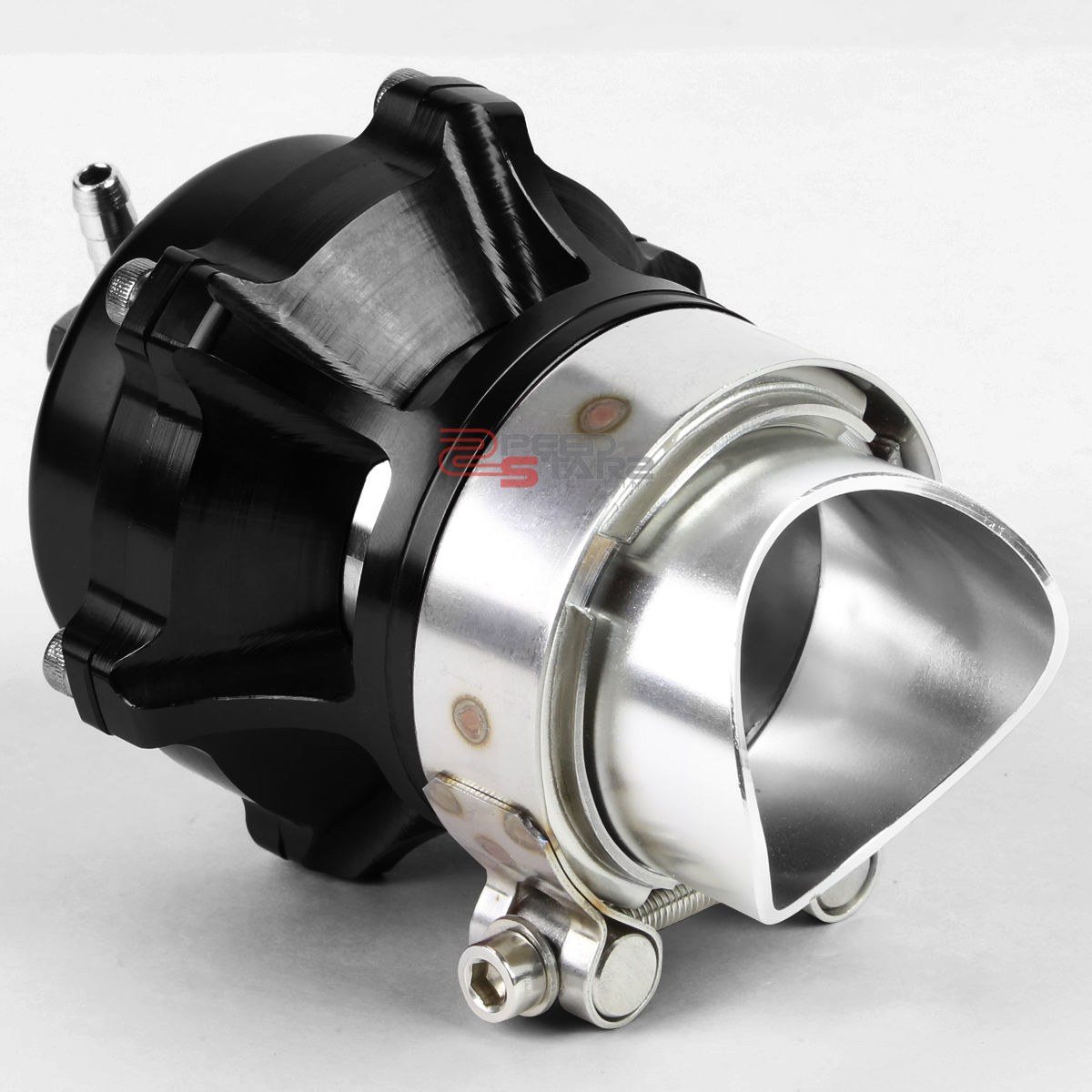
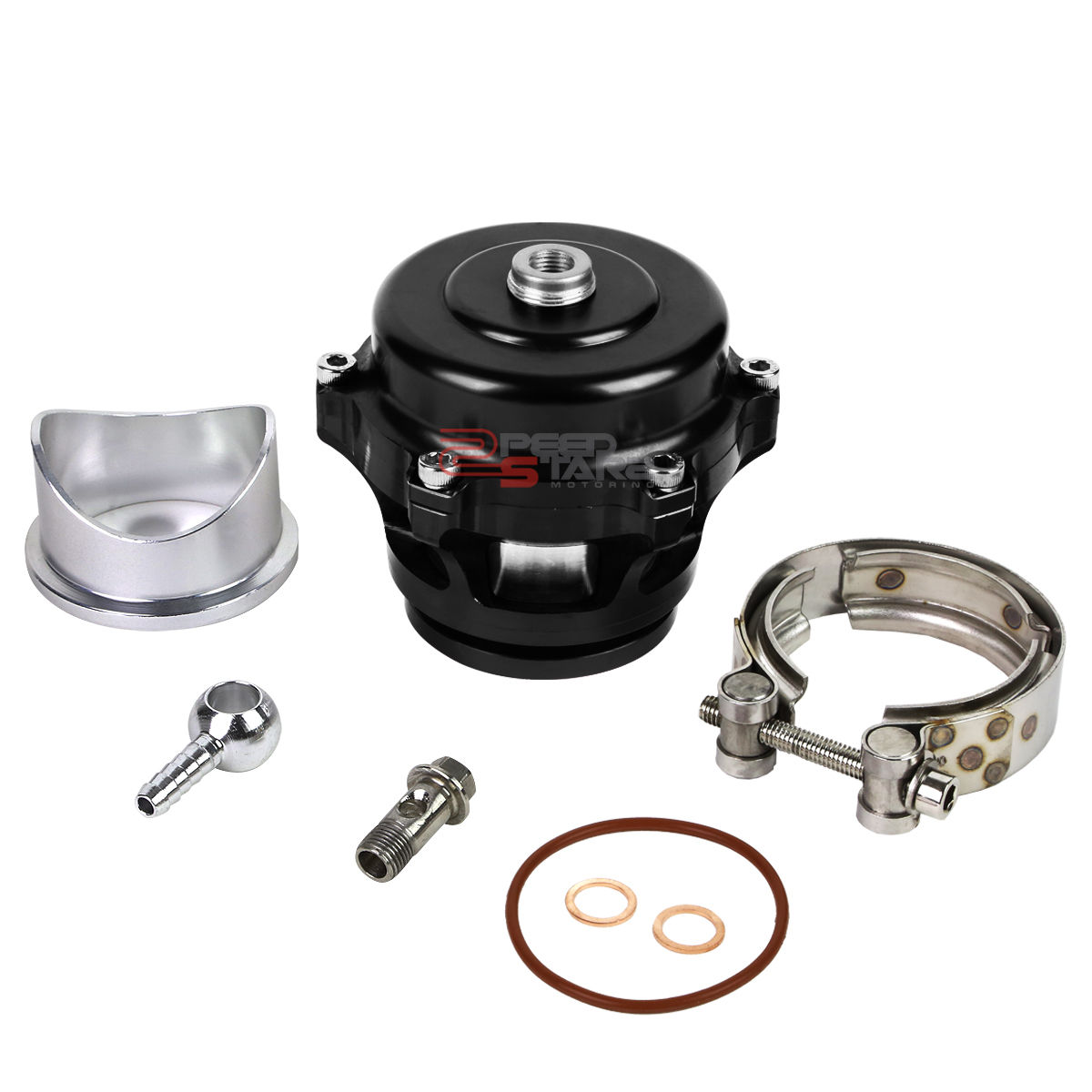
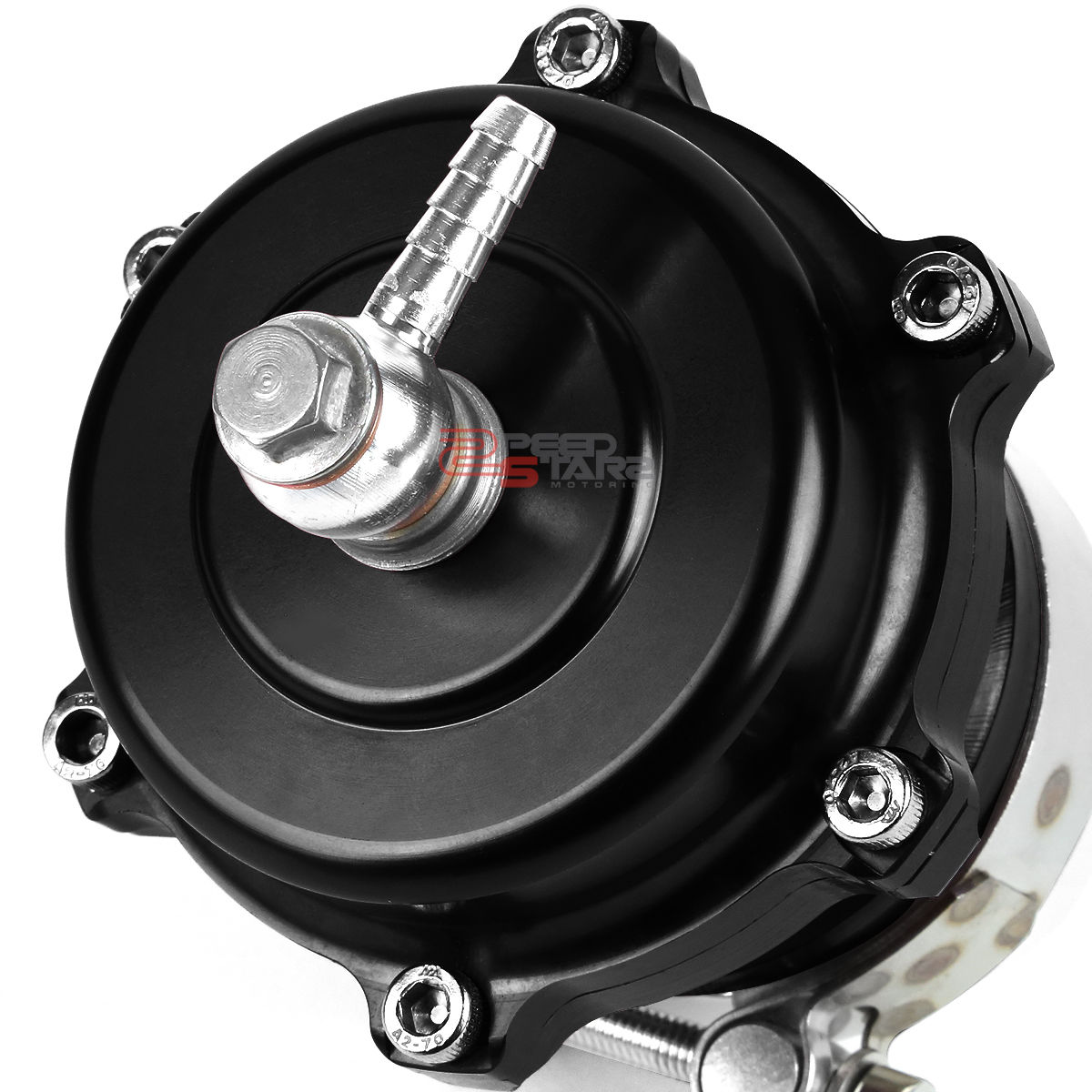
When I bought this it came with a spring that was set to about 25 psi
boost. We did not want to test fly with that amount of boost so
I have looking for a weaker spring that would work.
After considerable analysis I discovered how to find a spring that
will work. This is very important so if you ever want to build a turbo
engine so file this message.
The geometry of the valve limits the dimensions of the spring.
In my case 1.2 to 1.5 inches in diameter. The uncompressed lenth
is 4.0 inches.
blow off spring 4 inches long
OD 1.4 inches ID 1.164
.133 wire diameter 8 or 9 turns
the valve is 2.63 square inches area
at 20 psi that is 52 pounds.
Spring is compressed 1.75 inches so the load is 66.5 pounds
thus
If we use the 4 inch 0.125 dia below the rate is 28.16 Lb/in there fore
1.75 inches the load is 49.00 pounds
20 psi is 2.63 sq in is 52 pounds
25 psi is 2.63 sq in is 65.75 pounds.
30 psi is X 2.63 sq in is 78.9 pounds
Current spring rate is 38 pounds per inch
McMaster Carr useful springs.
Overall-. OD----ID-----Wire ..........Wire-- Wire -Compress--- Max--. Rate,
Length..............Dia.
...Thick.'''''''..Wd...............Length...........Load---Lbs/In
4". . 1.219" 0.969" 0.125" __ ________1.49"..........
72.00 28.16 6 9657K467 13.33
Turns out the only useful variable is spring rate.
The main factors are wire size and number of turns. Fewer turns higher rate'
Larger wire higher rate.
The video shows how to measure the spring rate. You put the spring on a
scale
and push down on it until the scale platform moves one Inch down.
Here are a bunch of related pictures and a video.
Paul Lamar
Better to run a bigger spring and keep the gate shut until you reach the
target boost level then start to use boost pressure to shuttle both
sides of the diaphragm.
Michael Cook
<sirdigbychickencaesar@live.com>
I don't follow you. In order to open the gate I would need low pressure
on the back side of the
diaphragm. Is that correct? I have boost pressure on front side and the
back side
is open to the atmosphere.
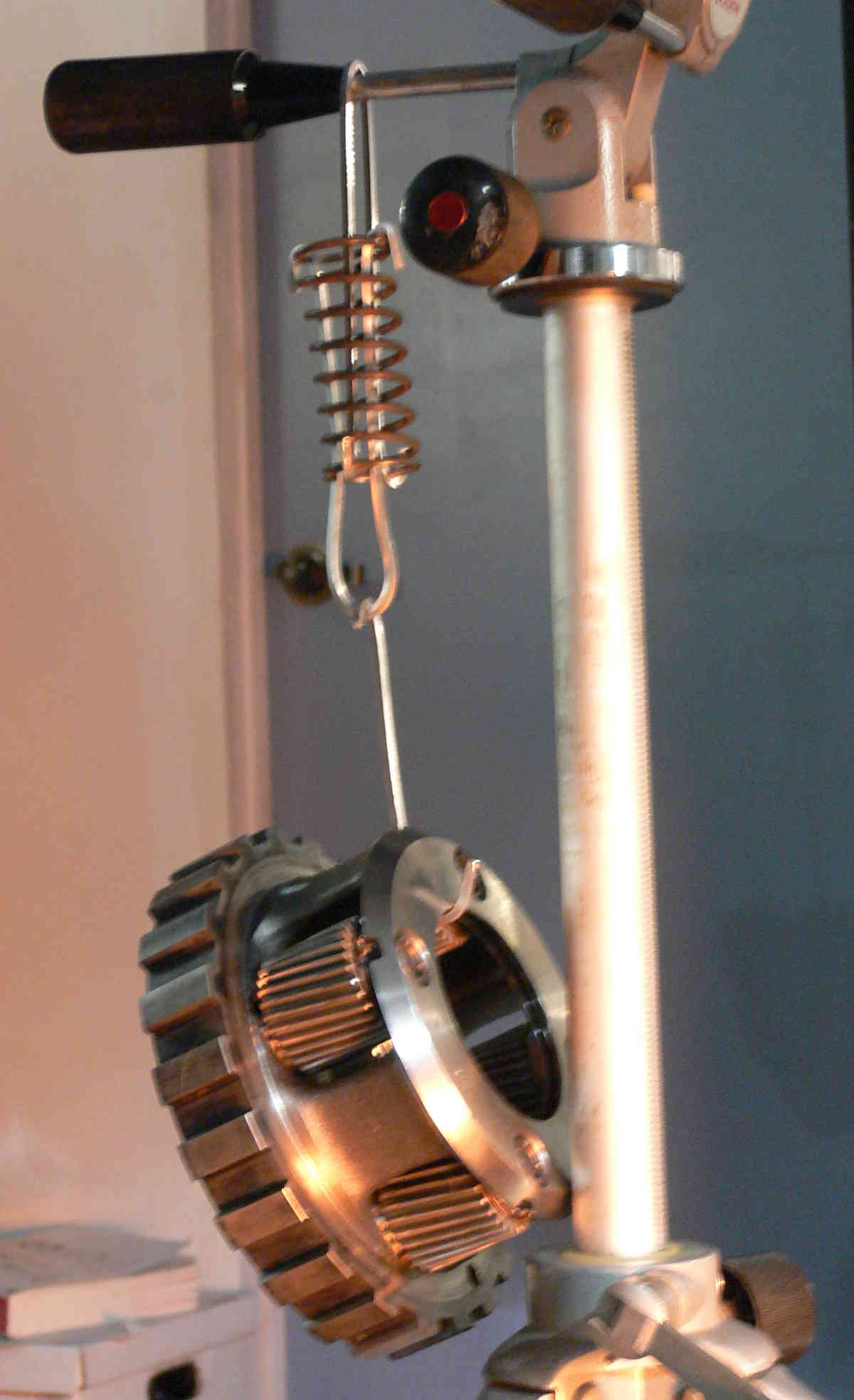
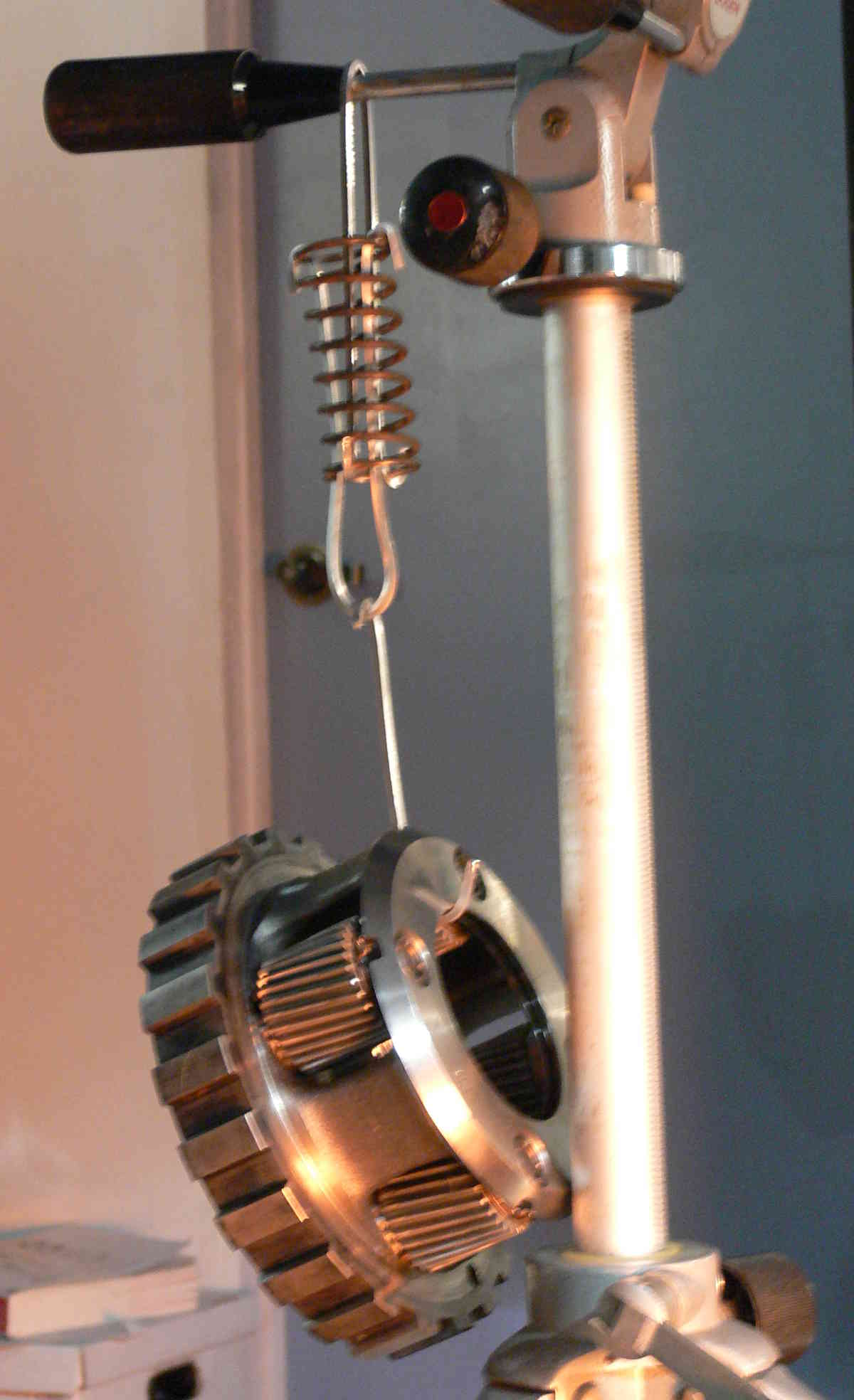
BTW I found an easier method of measuring the spring rate. Assuming one
has an accurate scale
measure something heavy and dense. Then hang it from the spring in this
manor.
Subtract the new shorter length of the spring from 4 inches and you get
.586 in this case.
The uncut down Allison planetary I used weighed 16.75 pounds.
So 16.75 pounds divided by .586 is 28.58 pounds per inch. Since the
spring is compressed
1.75 inches when it is in the gate the force on the valve is 50 pounds.
The valve area is 2.63 square inches so that is 19 pounds of boost.
That is the valve area divided in to 50 pounds.
These pop off springs are quite strong.
Paul Lamar
The Rotary Engine free News Letter. Powered by Linux. If you want off
the list PLEASE let me know and I will remove you. ACRE NL web
site.
http://www.rotaryeng.net You Tube
http://tinyurl.com/beqqxas
Copyright 1998-2017 All world wide rights reserved.