can a rotary be rotated to meet this uber market plan?
Byron Head
Not FAA certified.
It could be certified in a heart beat if you equipped it with an
aircraft carburettor and aircraft magnetos. Of course you would have
to make all parts with a paper trail from the mine to the air that
includes the gear box.
Maybe if your name is Boeing.
Paul Lamar
I know this is a tough group, but you should know that an infrequent
contributor here co-wrote a lot of the tech parts of that paper. It
is properly a market plan, not an aircraft design, Uber is agnostic
to the design if it meets the requirements — VTOL, quiet, safe, and
cheap when mass produced. There are at least a dozen serious efforts
around the world, a few of them of comparable size to Boeing, working
on aircraft to be used in this scenario. Certifying a rotary engine
would be trivial compared to the certification effort for the whole
fly-by-wire aircraft, which they are taking as a given. When you have
a customer like Uber committed to solving the rest of the service and
market problems, and who would be using thousands of these aircraft,
even an expensive certification effort becomes thinkable. It’s also
easier for these aircraft which will have no single points of
failure; think
*many* redundant engines, props, batteries and
*no*
gearboxes. Once you have crossed the Rubicon (or is it the Styx?) to
having the whole aircraft run by computers, all of the other
assumptions change.
At least one of the companies is already considering a European
rotary as a range extender engine, because no one is satisfied with
the rate of progress in batteries. Another is looking at a generator
with a turbine engine. Others not yet public could absolutely use
mutliple small rotary engines without gearboxes. Even 20,000 rpm
would not be too fast. 5-50 kW is a practical range for each
powerplant, they can and should be tiny and spin fast. (Please do not
ask me to explain why — take my comment at face value or ignore, for
now.)
We have seen public announcements from Volocopter, Ehang (scaled up
multicopters), Airbus and Joby (tilt rotor/wing multicopter), Lilium
and Aurora (multiple small fans) and patents from people like
zee.aero (multicopter lift rotors plus forward thrust props.) There
are others in the works, some of which look entirely different from
any of the above. And most are looking at rotary engines as potential
power sources.
The powerplant has to be light, reliable and quiet. An electric
turbo-compound as has been suggested here would be a great start.
There will be a lot more news on this front later this spring. There
is no funding that I’m aware of, but a lot of experimental efforts
will be interested in buying engines with range extender generators
in the near term. They don’t need to be certificated, as the whole
aircraft doesn’t even have a certification basis yet. Discussions are
well underway with FAA and other CAA’s and a lot of the potential
makers, one of whom hired away one of the heads of FAA’s Small
Aircraft Directorate a while ago to run their certification effort.
Woelfle/Engiro already have 20 and 40 kW range extender systems and
other European rotary makers are in the game too. Rik DeDoncker from
RWTH Aachen has a grant from DLR to work on it
http://www.pt-em.de/en/1648.php ... Study those projects and do
better.
David Josephson
Electric airplanes? What a joke :-) Hydrocarbons are unbeatable and
always will be. Check the periodic table.
"We just have to invent a better battery. Thats all."
Good luck :-)
Every time you convert mechanical energy into electrical you lose 10
to 20 percent. Then back to mechanical another 10 to 20% out the
window. 80% times 80% is 64% You have now thrown out 36% of your
available energy.
I told the Formula One engineers that but they did it anyway :-) Yes
but better than no turbo compound.
Why? Because electric is politically correct.
I am still waiting for some one to pull their stupid head out of
their liberal ass and build a pure mechanical turbo compound :-)
Paul Lamar
It has nothing to do with politically correct, and there are plenty of
illiberal asses in the mix today. Individual machine efficiency is not
the whole picture. The motors and generators we use today average 95%
efficiency, some up to 98, so you lose no more than 10% going from
mechanical to electrical and back again, not a lot more than a single
gearbox. Suppose your design needs a dozen individually controllable
props. Wires are way cheaper, lighter and more efficient than multiple
gearboxes and propshafts, and you can use fixed-pitch props. If you want
VTOL, and you don't want a helicopter or a Harrier jet, you look for
other solutions.
If you want to continue rejecting electric replacement of gearboxes,
fine, but others are quietly working on hybrids that allow this all to
happen, making an efficient airplane that happens to take off and land
vertically. Oh, and it doesn't need cyclic, pitch-change mechanisms, or
a tail rotor. It may be practical with a hybrid powerplant long before
it's practical with all electric.
There are also some newer designs that can use Wankels directly. I was
not joking about 20,000 rpm -- I know of at least two projects today
that would buy 5 to 30 hp Wankel motors in quantity if they were light,
reliable, quiet and ran at high speed. It can be optimized for a single
speed, it does not have to idle or throttle gradually. That's why I'm
being patient with you nonbelievers out there. You come up with a tiny
turbo compound motor (to make it more efficient
*and* quieter) and there
are people who will buy it in quantity. It does not have to be certificated.
David Josephson
I have never seen or experienced a 90% efficient electric motor let
alone 98%. I suspect that is an out right lie.
Needless to say it is not above the wacko environmentalist to lie. They
do it all the time. One
of the reasons Trump was elected.
The biggest problem in Formula One engines is electrical heat. Formula
One engines are the most
advanced hybrids engines in the world. Millions are spent on R&D and is
on going. The team budgets
are about 800 million to one billion a year. Much of it spent on
engines. There are as many as 20 teams.
When current flows through wires heat is generated. Heat is lost HP.
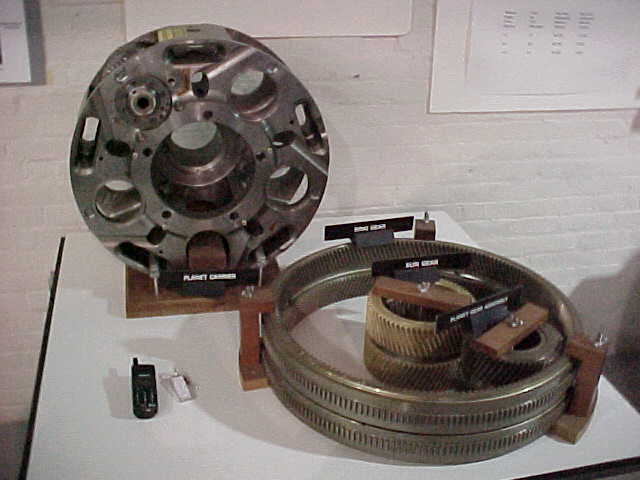
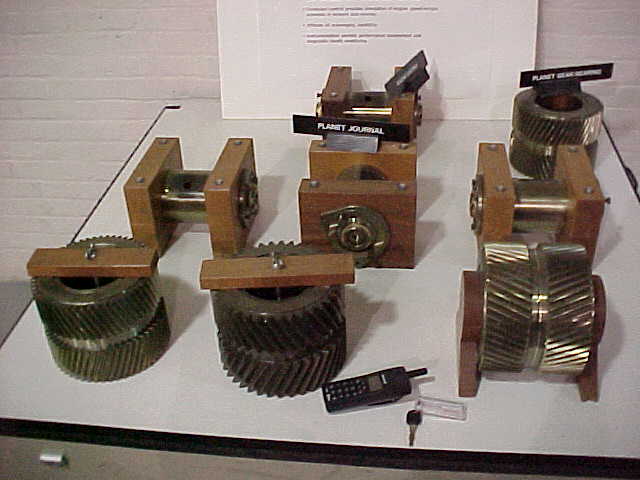
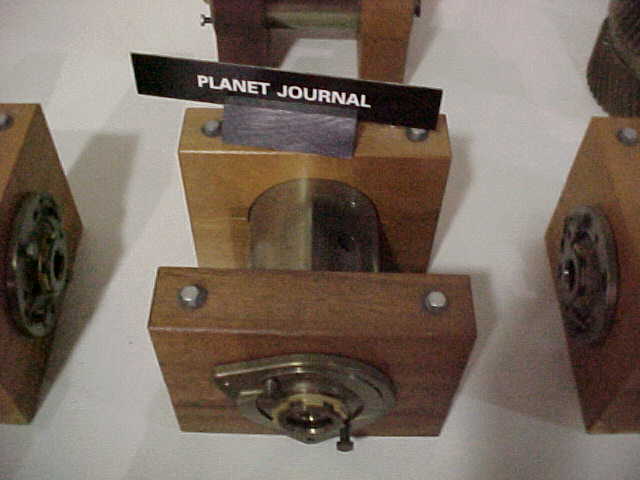
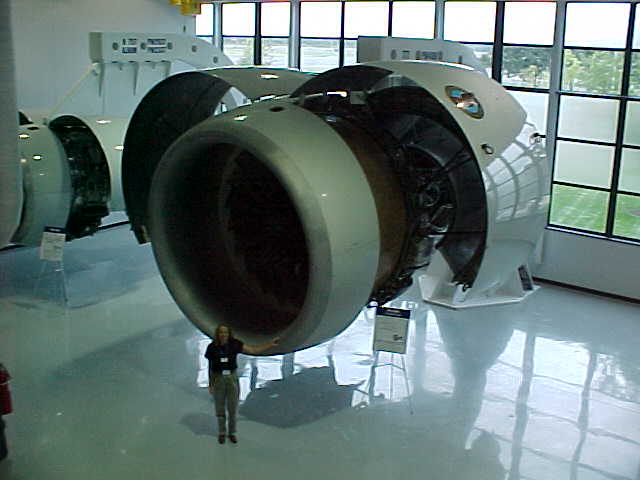
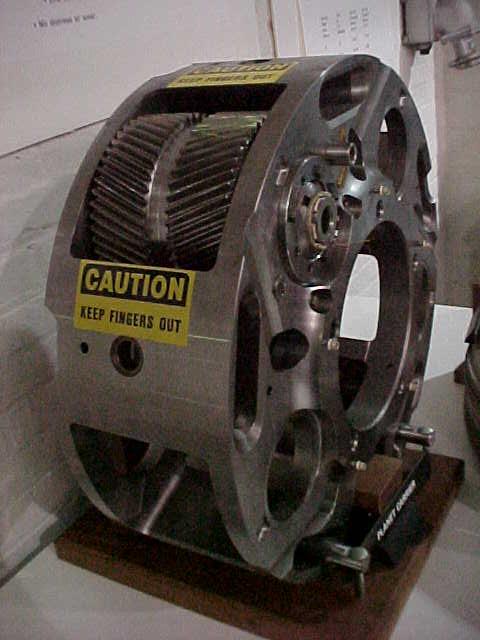
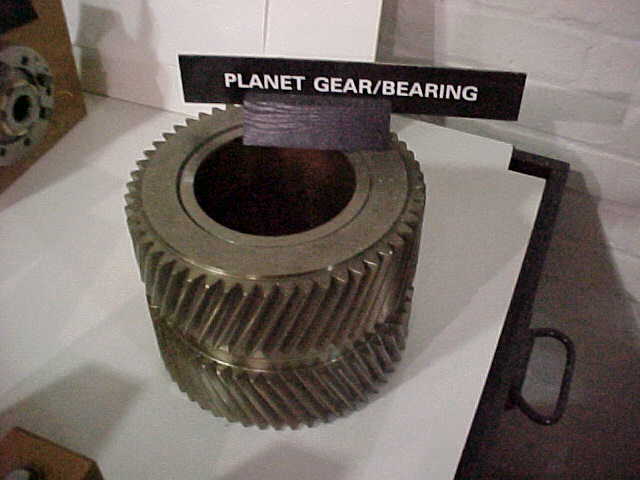
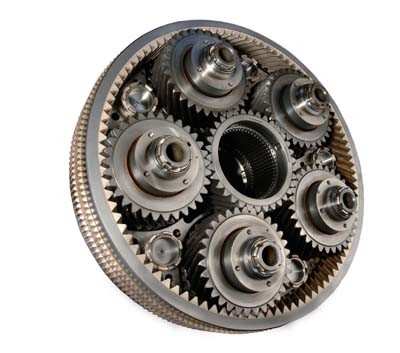
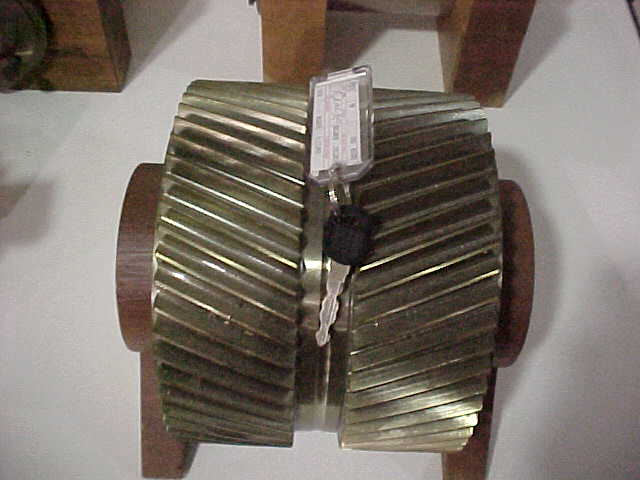
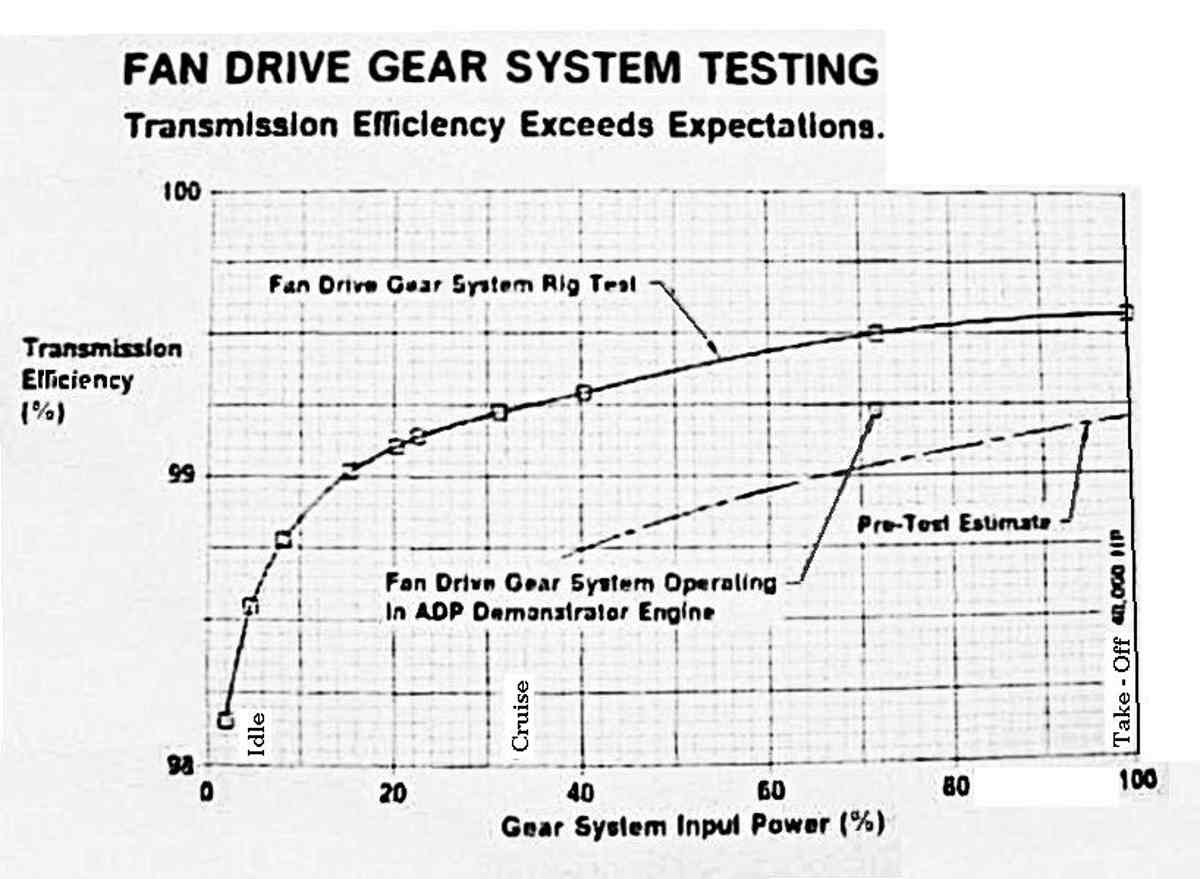
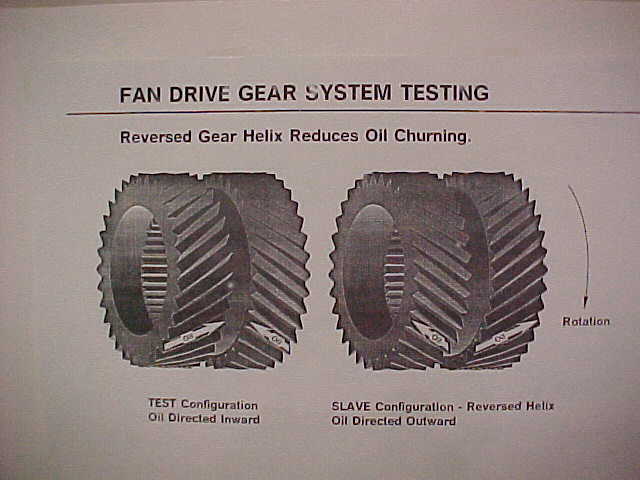
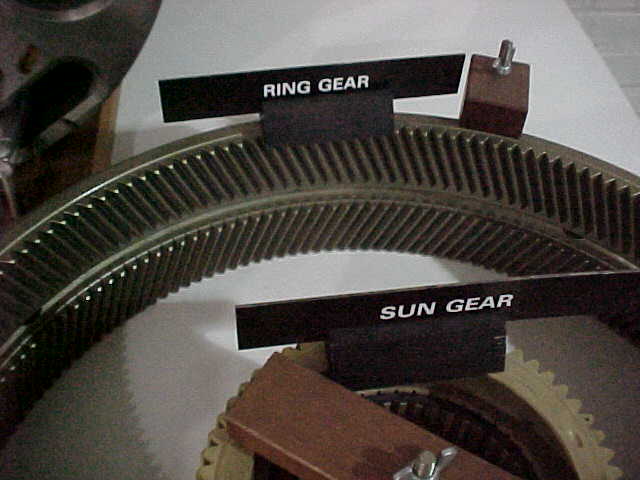
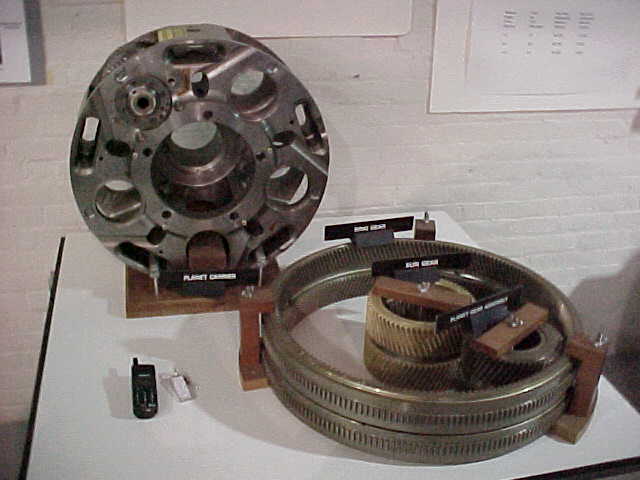
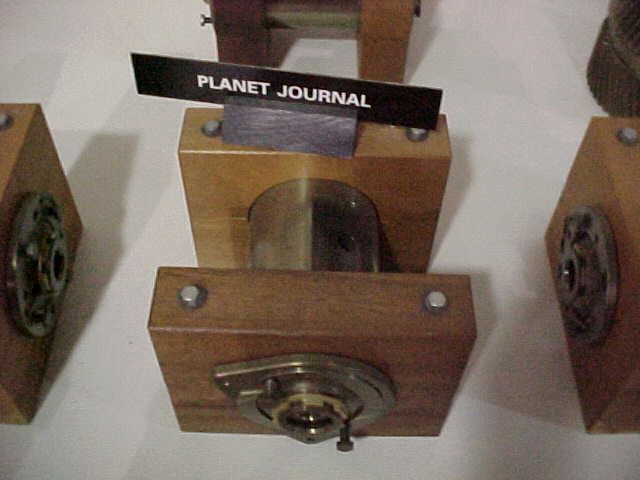
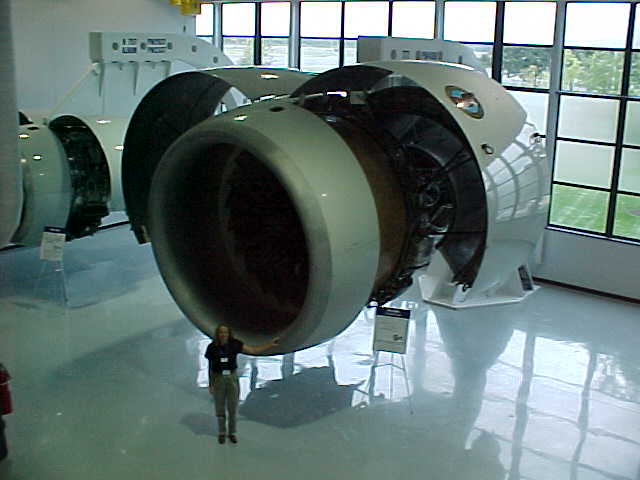
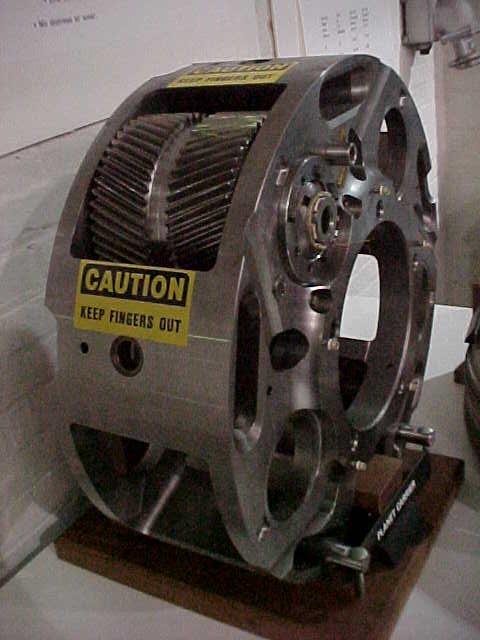
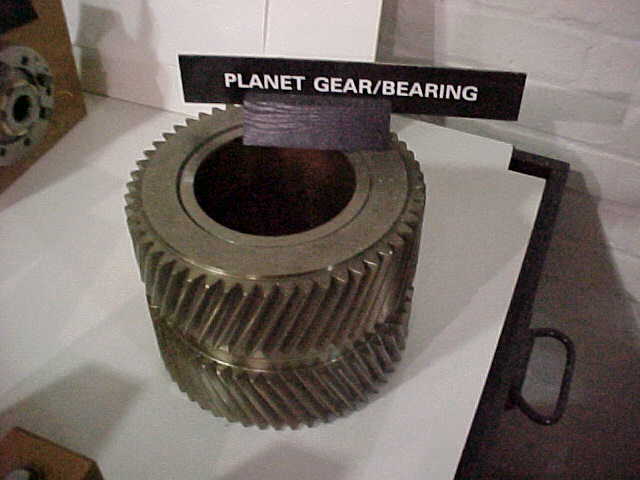
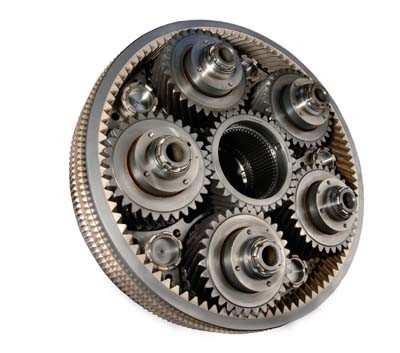
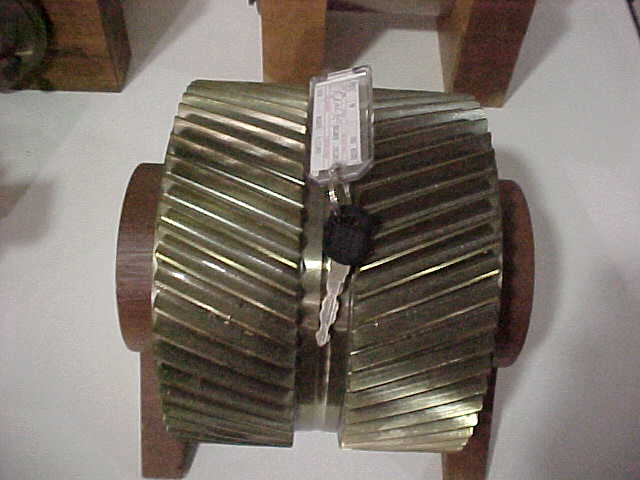
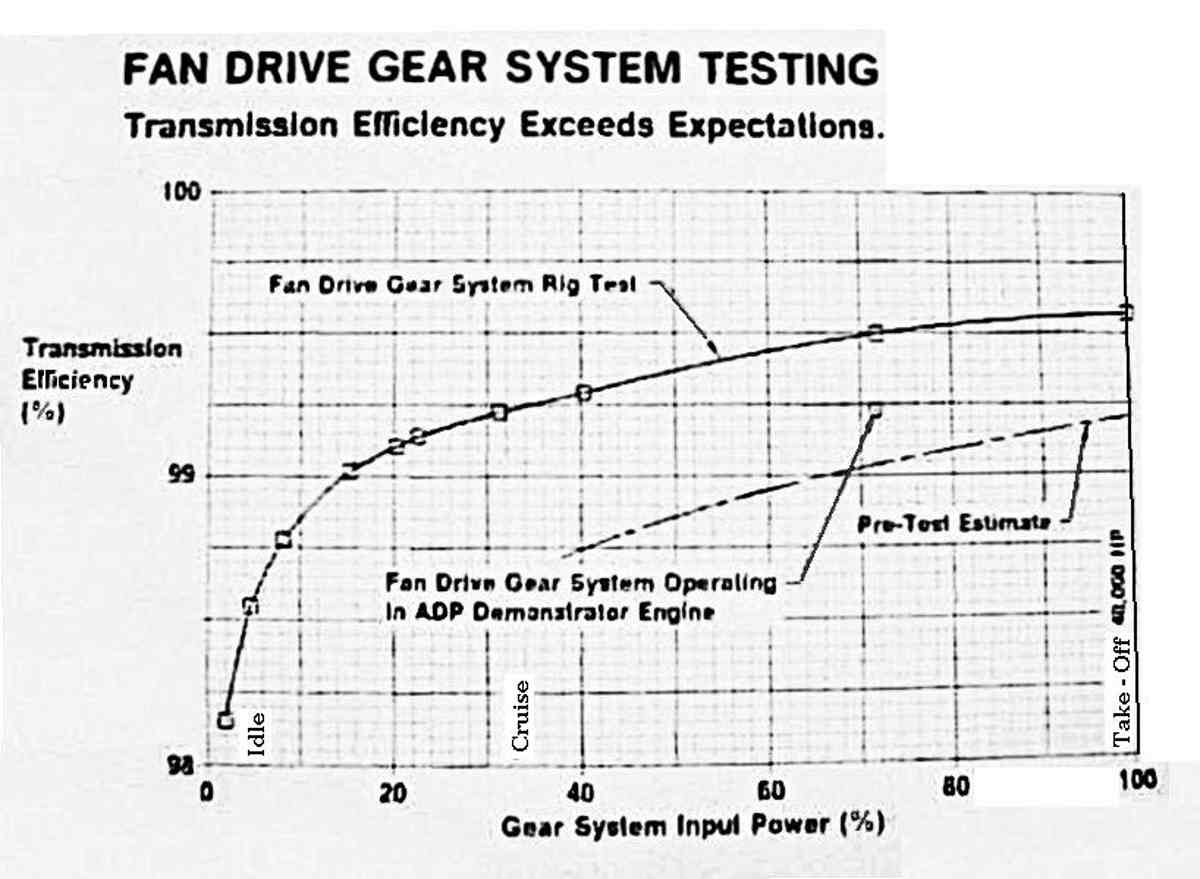
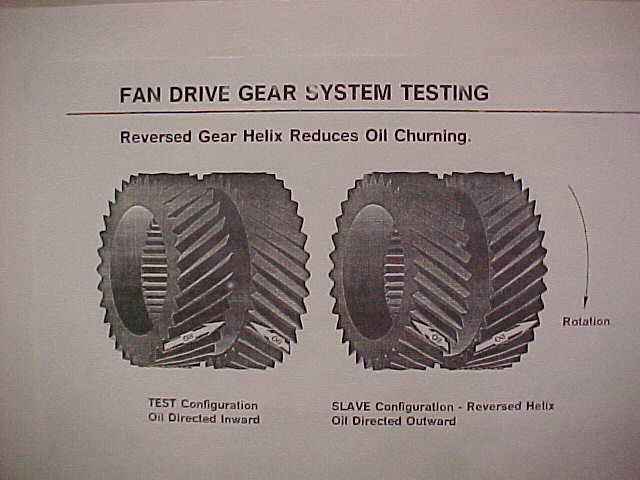
The 20,000 HP P&W planetary gear box in ducted fans is 98% efficient.
Paul Lamar
The Rotary Engine free News Letter. Powered by Linux. If you want off
the list PLEASE let me know and I will remove you. ACRE NL web
site.
http://www.rotaryeng.net You Tube
http://tinyurl.com/beqqxas
Copyright 1998-2017 All world wide rights reserved.