Paul,
I continue to enjoy your excellent News Letter; Thank You!
Are you attending the 43rd Annual Sun-n-Fun 4-9 April 2017?
The attached referenced Ducted-Fan aircraft are possible platforms for
Turbo-compound Rotary Engine installations.
https://www.youtube.com/watch?v=RpXFZbmSXA4
https://www.youtube.com/watch?v=OkyUr-3ZtQ8
Would you ever (re-)consider producing & marketing a Turbo-compound
rotary package ?
Estimated Cost Range ?
Best Regards,
Frank Parker
The gender equity gay rights mafia has taken over the work shop area
so I will pass :-)
Paul Lamar
Lol I recently found the dreamer on YouTube and looked up their website and
wondered the same thing, eg, would a light same hp rotary be better for
that aircraft.
Frank Parker
I built a prototype 3 rotor turbo compound with the intention of testing
it on a good
dyno with the intent of getting back to back fuel consumption numbers.
Then I was invited
to the World Motor Sport Symposium in 2011 in Oxford UK. I gave a talk
there on turbo compound
and wonders of wonders the FIA made it mandatory in 2014 F1.
Since Mercedes was already building a turbo compound diesel truck engine
they dominated
F1 for the next few years. Four automotive companies are now building
turbo compound
engines for F1. Mercedes, Renault , Ferrari and Honda.
That tech will eventual filter down so there is no longer a need for me
to spend more money
and test the TC 3 rotor. TC engines will wind up in cars sooner or
later because it is 30% more efficient..
Ducted fans are misleading. It is true that all airliner engines are
ducted fans but they
fly in a MPH range that makes them the best for the job. I pure jet would
be less efficient in that speed range and a prop would not work as the prop
tips must go supersonic.
One needs to under stand thrust Horse Power. HP is a force moving at a
speed.
One HP is a 550 pounds of force moving at 1 foot per second.
500 MPH is 733 feet per second. So lets say we have a jet in that size
Dreamer airplane
with a jet engine producing 3,000 pounds of thrust. Let's calculate the
thrust
HP. 3000 pounds times 733 FPS is 2,199,000 divided by 550 is 3,998. HP.
Wow that
is a lot of HP.
You can see that no Chevy V8 is going to generate that amount
of power for very long. That means that airplane will never fly nearly as
fast as the jet it looks like. My guess is less than 150 MPH.
It turns out that a jet engine produces roughly the same thrust at zero
speed
as it does at 500 MPH.
The early Frank Whittle jet engines were generating 800 pounds of thrust
which is roughly the same as the Merlin engine in a Spitfire at 300 MPH.
When the CEO of Rolls Royce was told this he IMMEDIATELY adopted the jet
engine.
Here is a chart that compares the efficiency of propellers, ducted fans and
jet engines.
In fact that Dreamer airplane would fly faster with a pusher prop and
with out the
duct. It would also of course get more MPG.
Here are some pictures of Perry Mick's 13B powered long EZ with and with
out the ducted fan. It was about 50 MPH faster with a prop at the same
power.
As I recall Perry spent almost 13 years trying different ducts and fans.
Finally gave up and put a prop on it.
Paul Lamar
Paul,
A NASA engineer at Oshkosh, told me that they had done extensive Ducted
Fan research.
He said that the only way to make them efficient, at more than one
speed, was to have variable pitch blades.
Dave James
Sounds plausible. For the long range airliner scenario they need a lot
of static thrust to take
off with a large amount of fuel. Lots of weight. Once at cruising speed
the engine needs to be highly efficient
to get the range. Here is a Rolls Royce pdf paper attached on the
subject from 1972. IMHO If it was cost
effective, I would think, it would be on the market by now.
What Perry Mick wanted was more speed at one cruising speed. He
certainly made fans with
different pitches. He never got it :-) The big problem was the
inevitably drag of the duct it self.
That is shown in all the charts I attached.
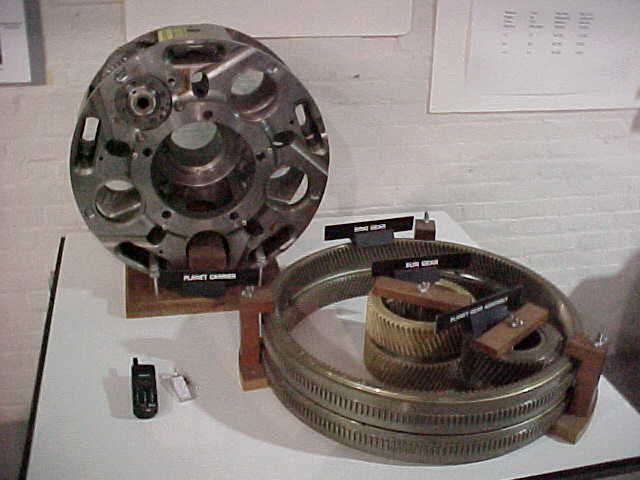
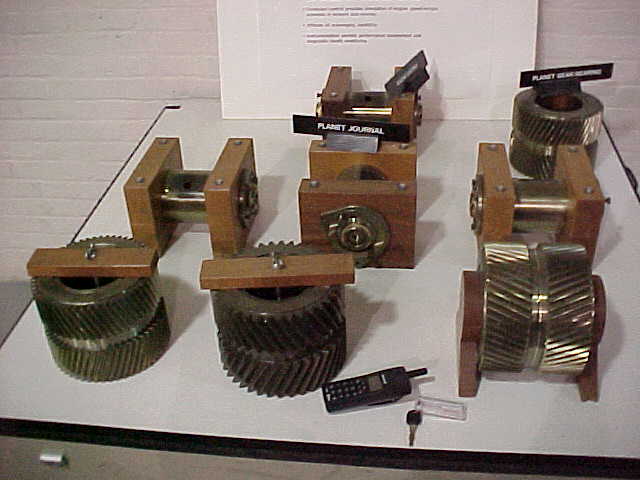
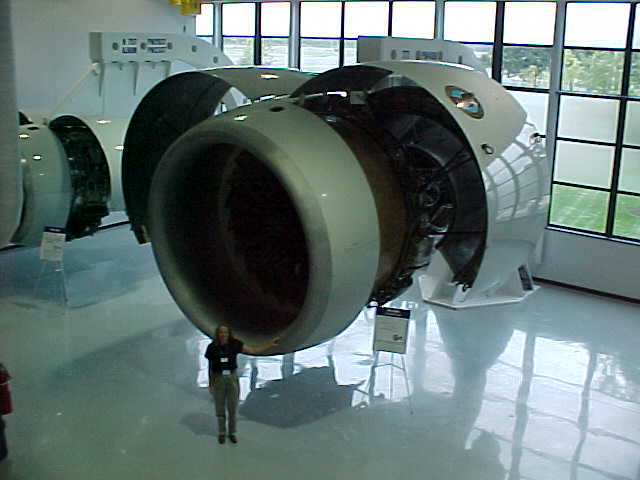
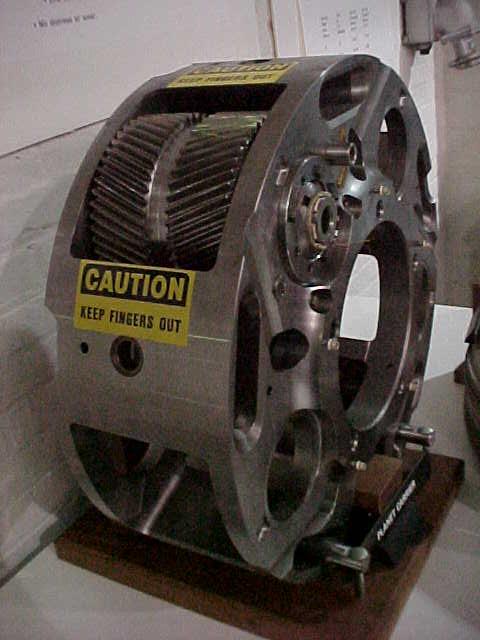
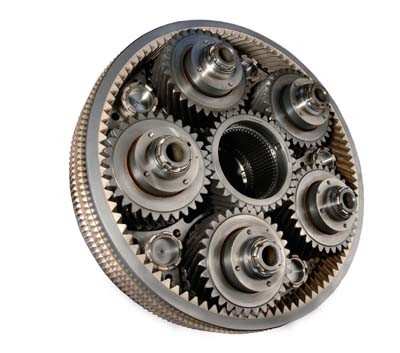
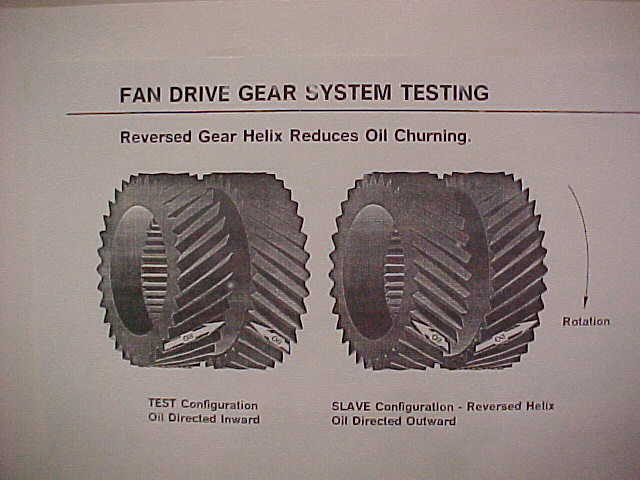
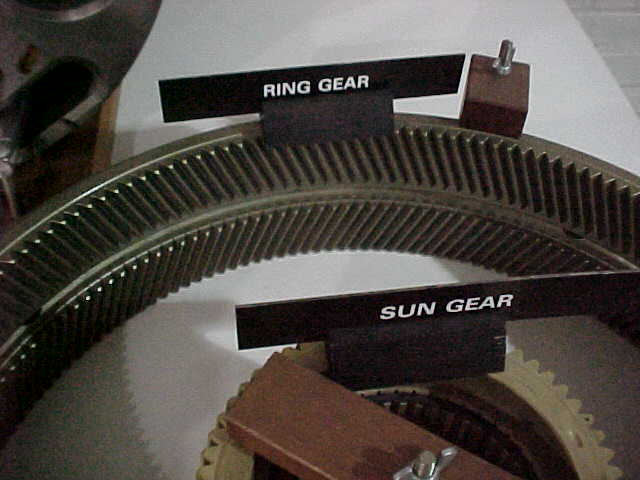
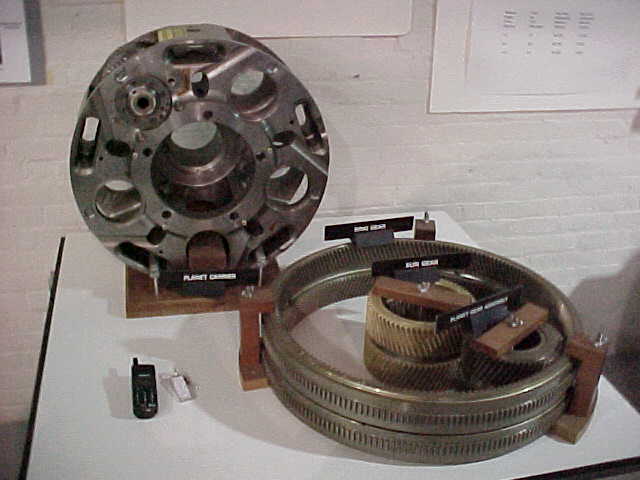
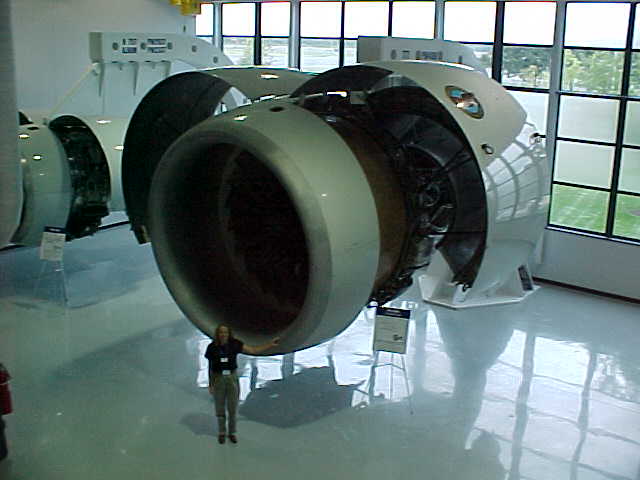
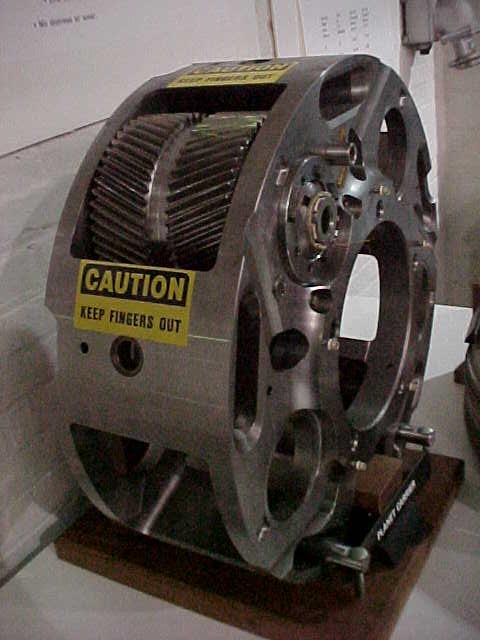
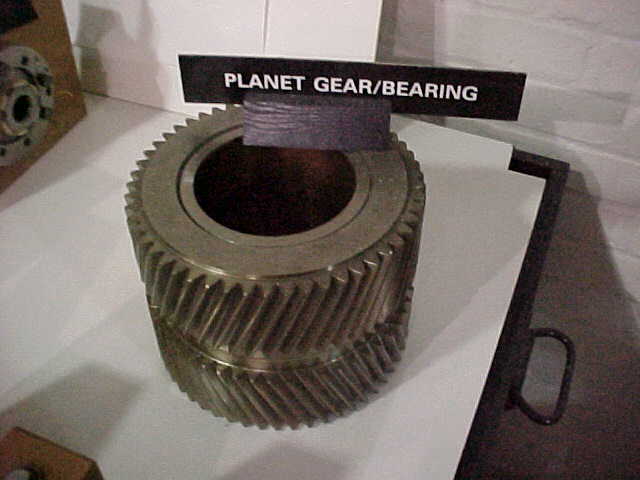
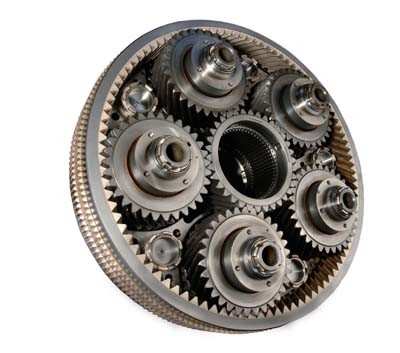
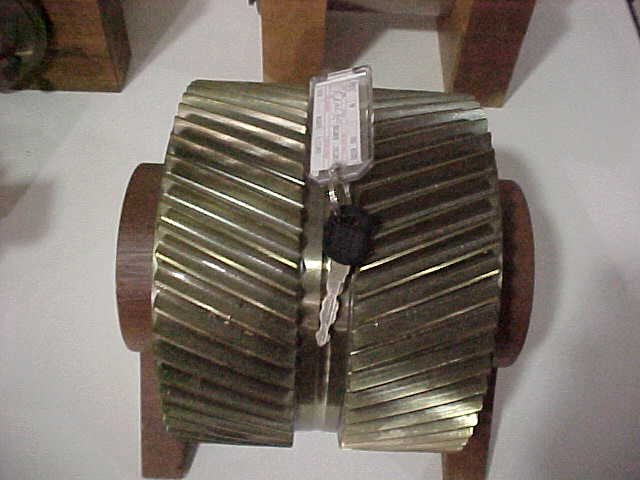
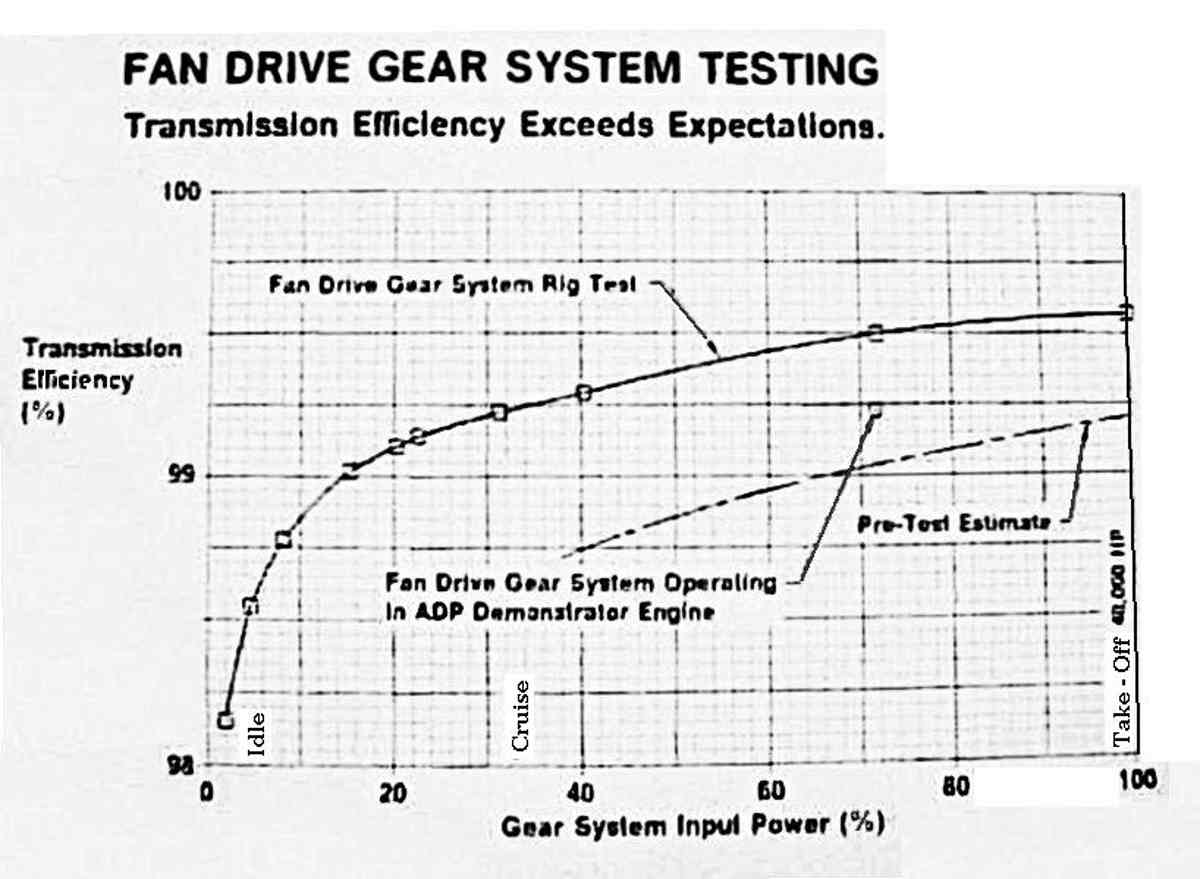
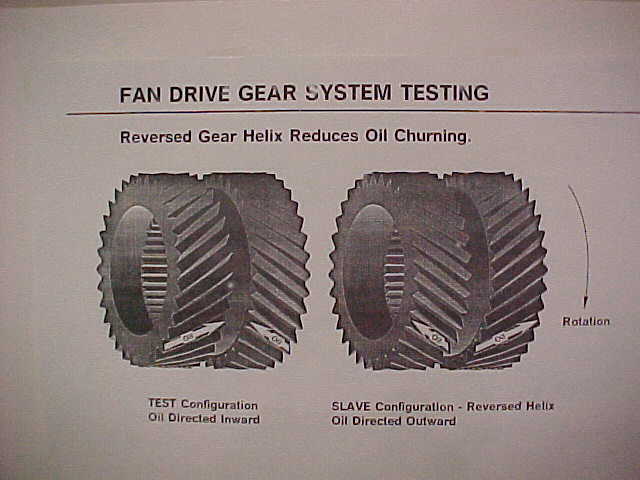
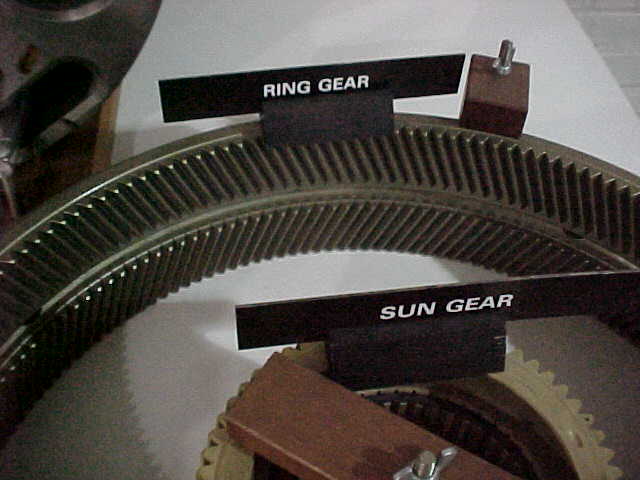
What Pratt & Whitney have been developing is a geared ducted fan. What
that means for a given turbine
diameter one can use a larger diameter ducted fan for higher static
thrust. As I recall there is already
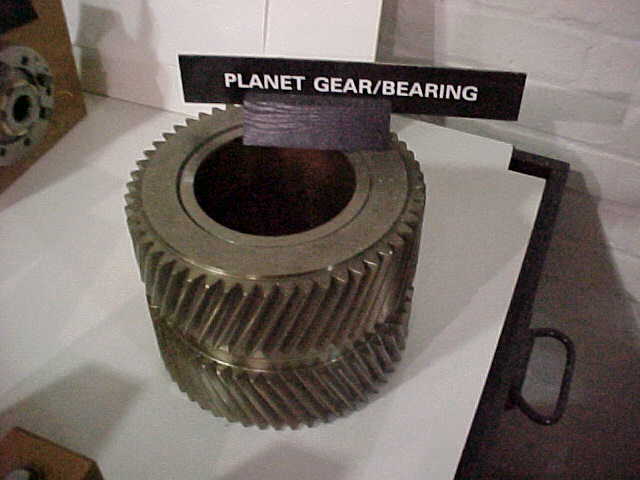
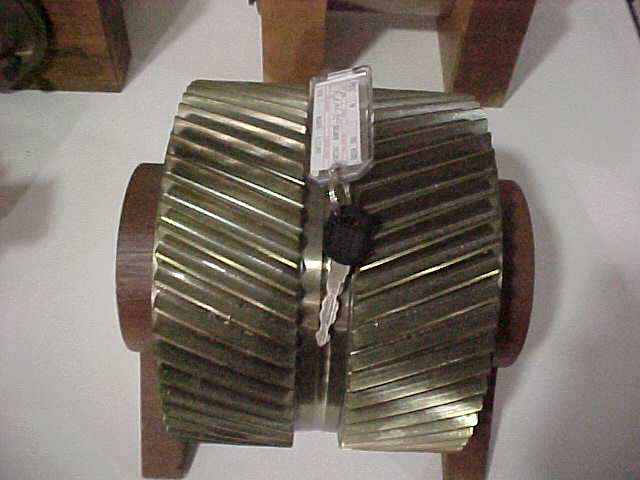
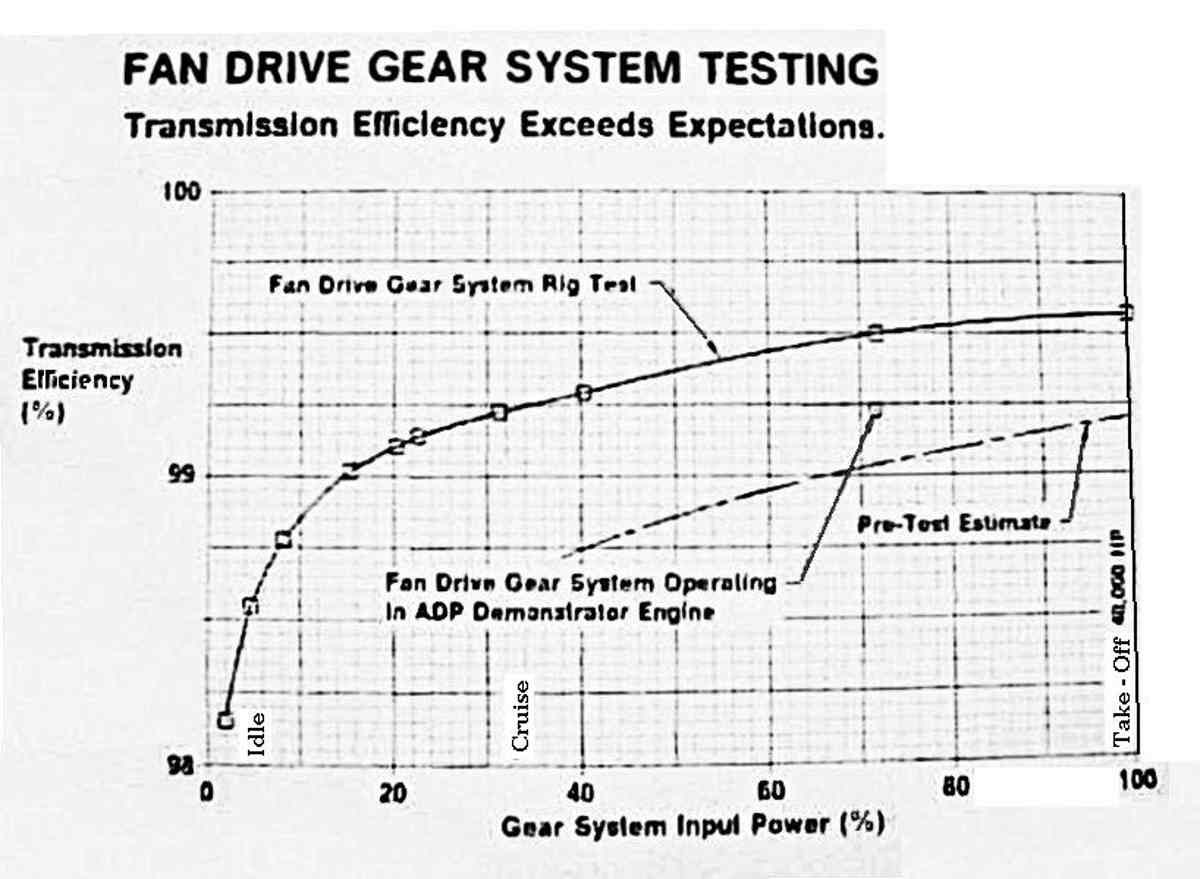
one such a P&W engine on the market. The gear box is over 98% efficient.
I am not aware of any
effort know to make the blades variable pitch.
But I am by no means competent let alone an expert by any stretch of
imagination on ducted fan jet engines :-).
Paul Lamar
The Rotary Engine free News Letter. Powered by Linux. If you want off
the list PLEASE let me know and I will remove you. ACRE NL web
site.
http://www.rotaryeng.net <http://www.rotaryeng.net/>You Tube
http://tinyurl.com/beqqxas
Copyright 1998-2017 All world wide rights reserved.