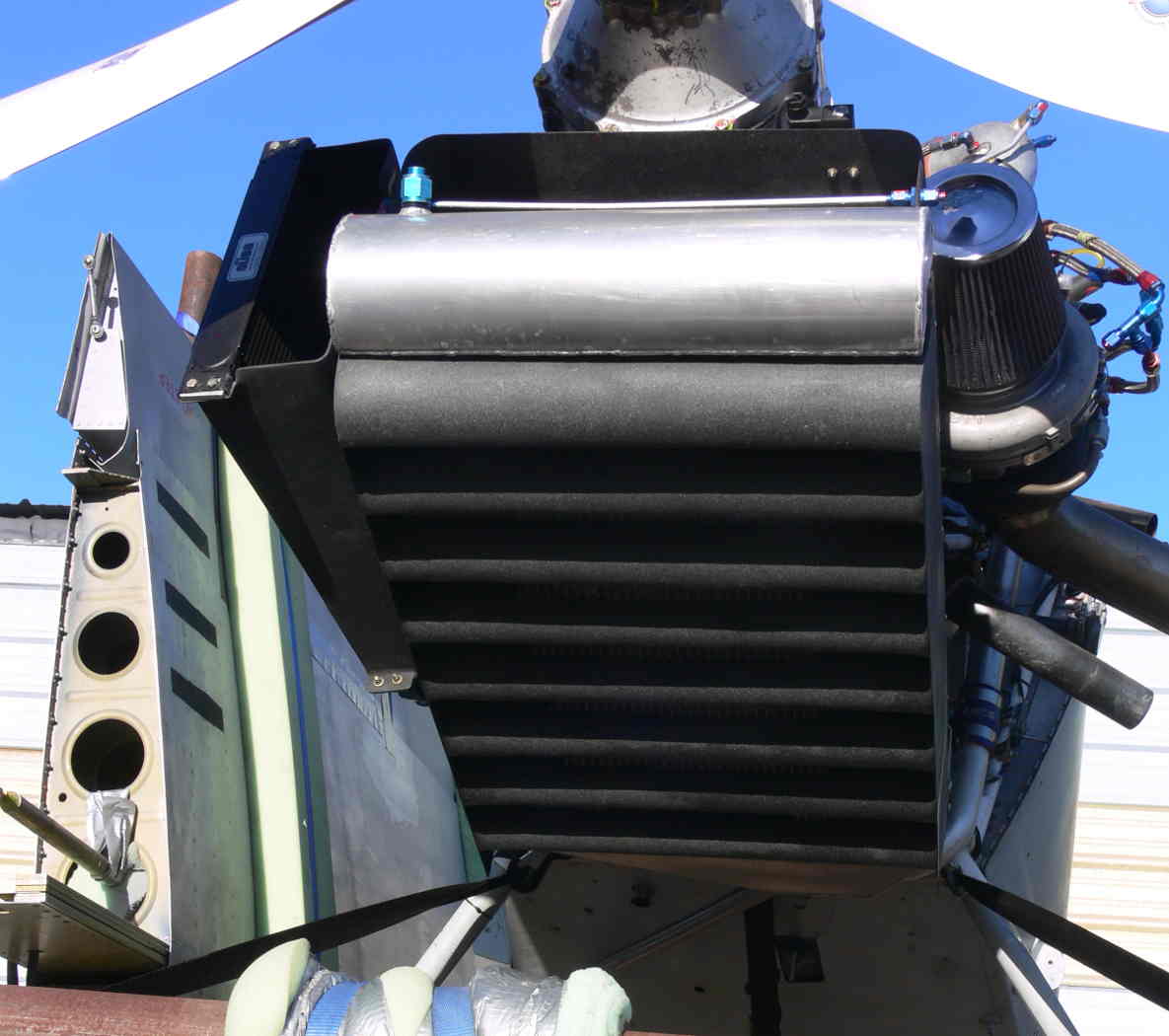
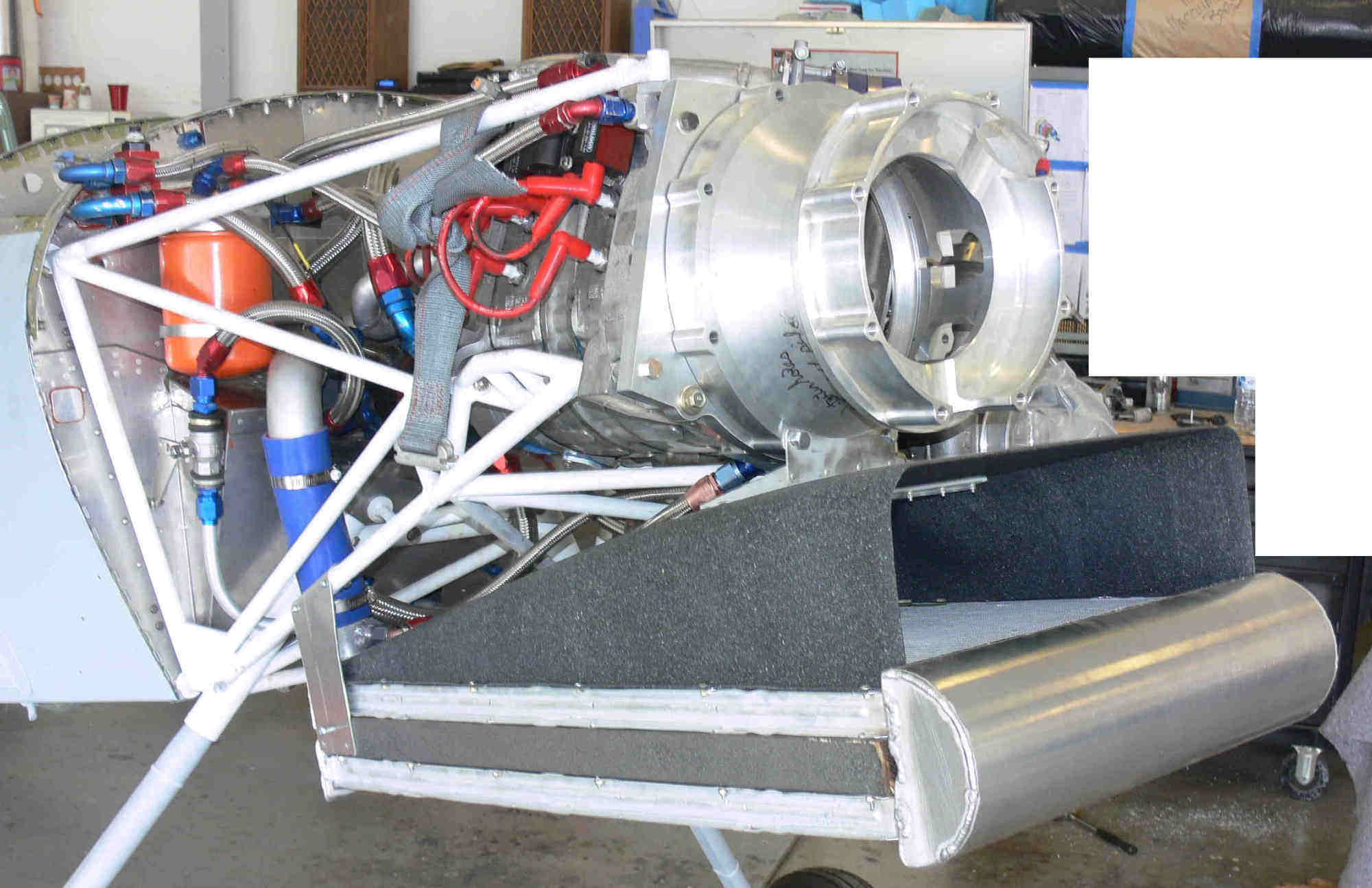
It looks like a K&L wedge diffuser will work best for my application. I
am working the cowl design and I am trying to determine the optimum
opening area for inlet air. I have your book but I cant seem to find the
answer. Some time back there was some discussion about this. If I
remember correctly the consensus was 15 percent of rad area was too
much. Is this correct. If so, what is a good area for inlet air?
Paul Shamlian
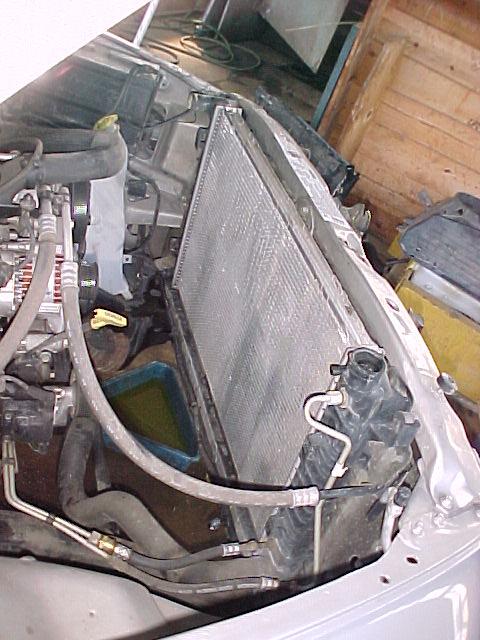
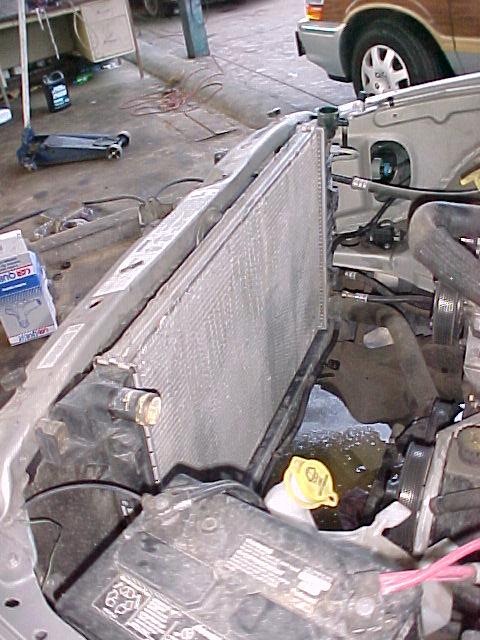
I suspect it depends on the thickness of your core.
What are the dimensions of the core you plane to use?
I suspect if the core is large in area and thin 10% might work.
Large area thin cores have lower cooling drag.
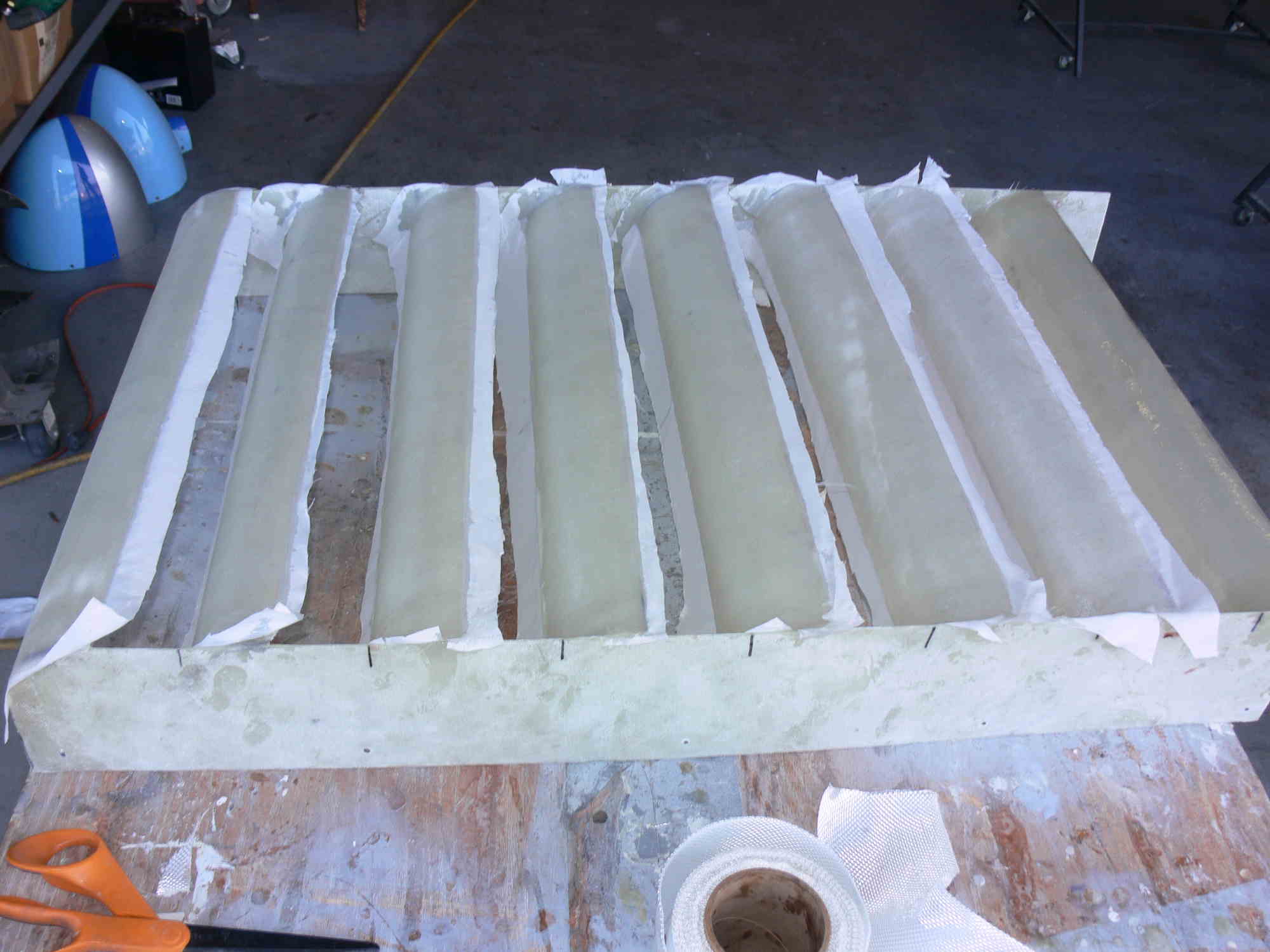
The other factor is movable louvers aka cowl flaps. If you can close the
louvers,
assuming the engine is cooling adequately, the drag of an overly
large opening, say 20%, is reduced by external diffusion.
If the core is thin 10% might work.
It is a good idea to use louvers or cowl flaps in any event.
Also it is a good idea to have the opening in the prop slip
stream so it will cool waiting to take off.
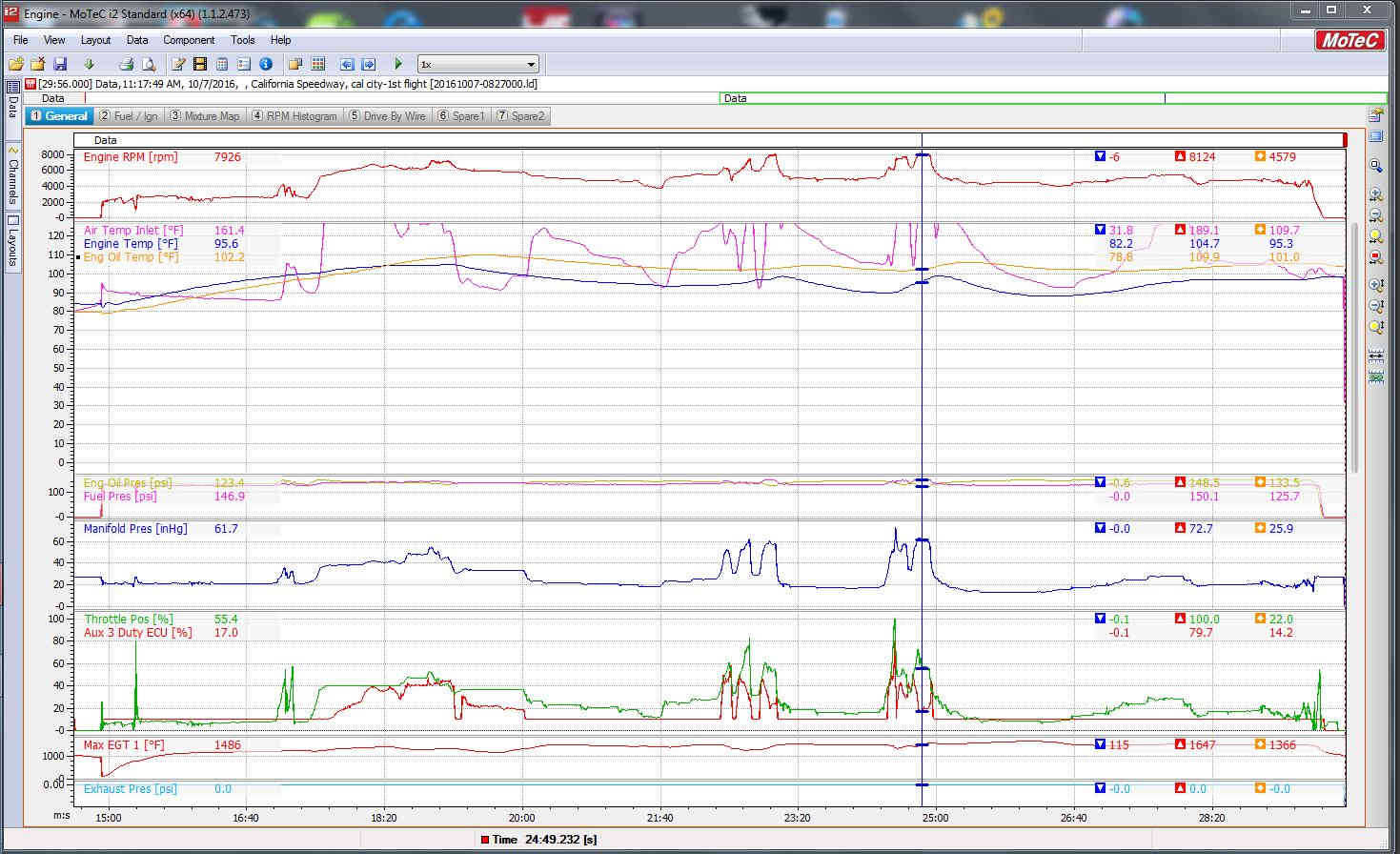
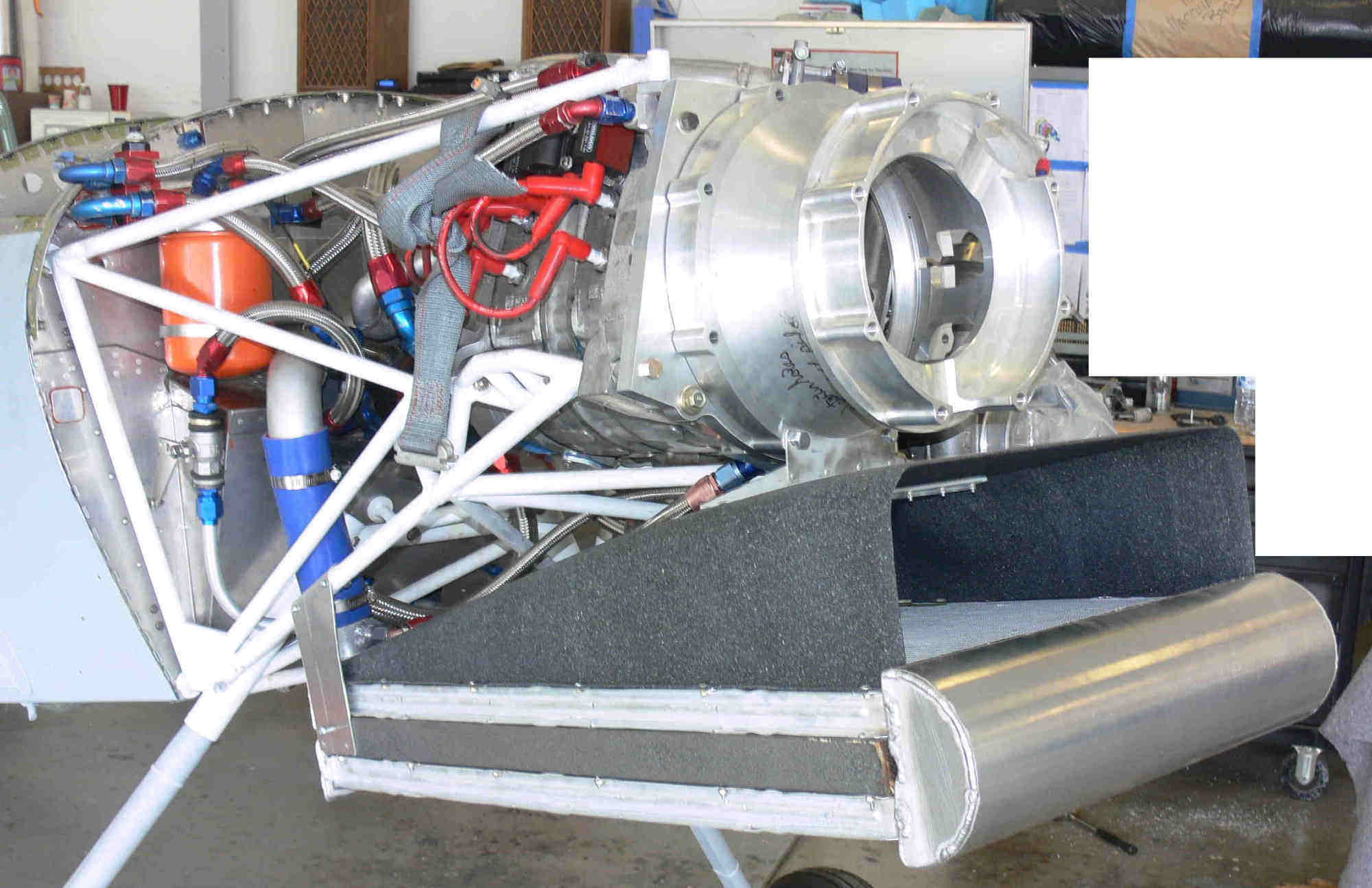
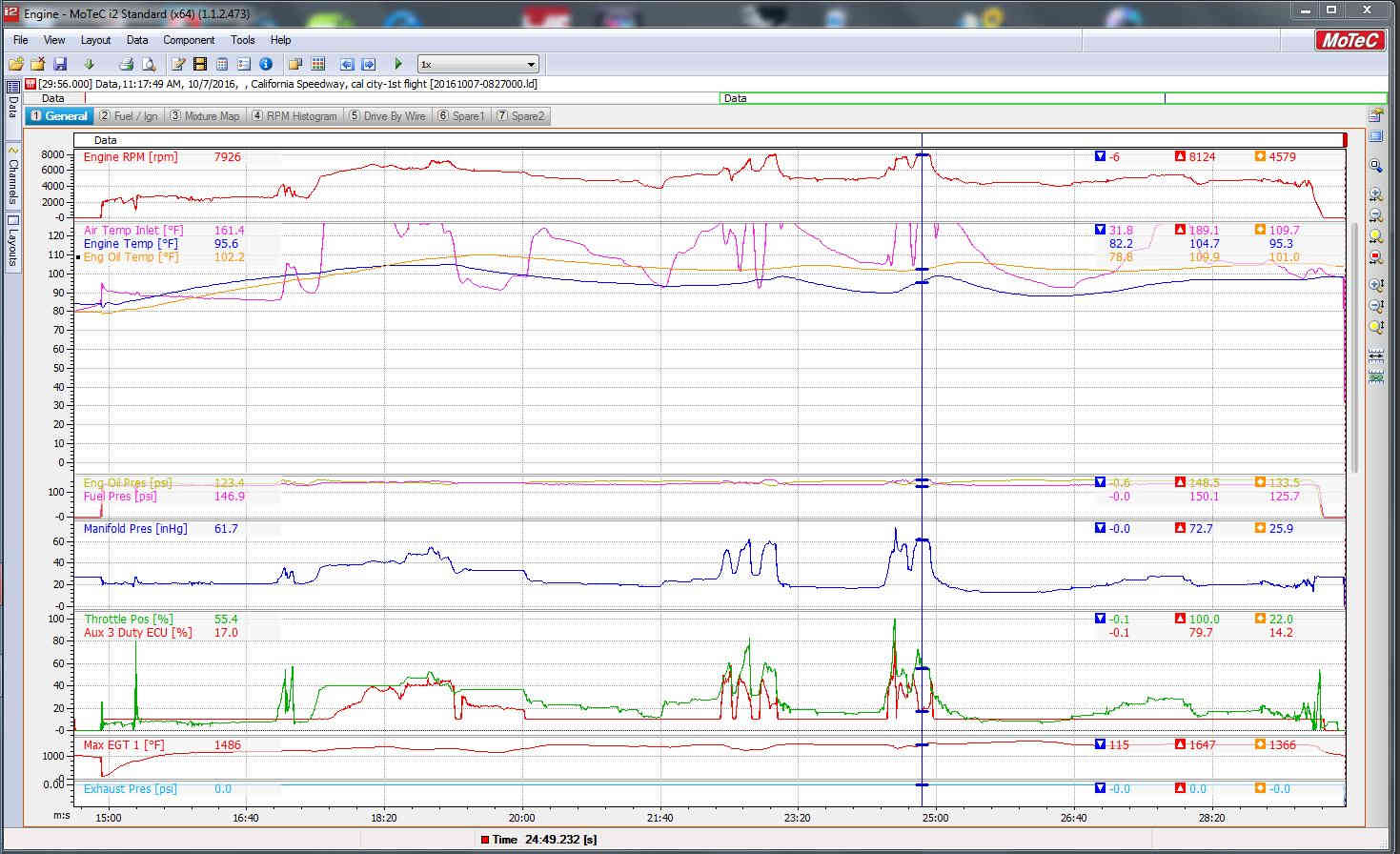
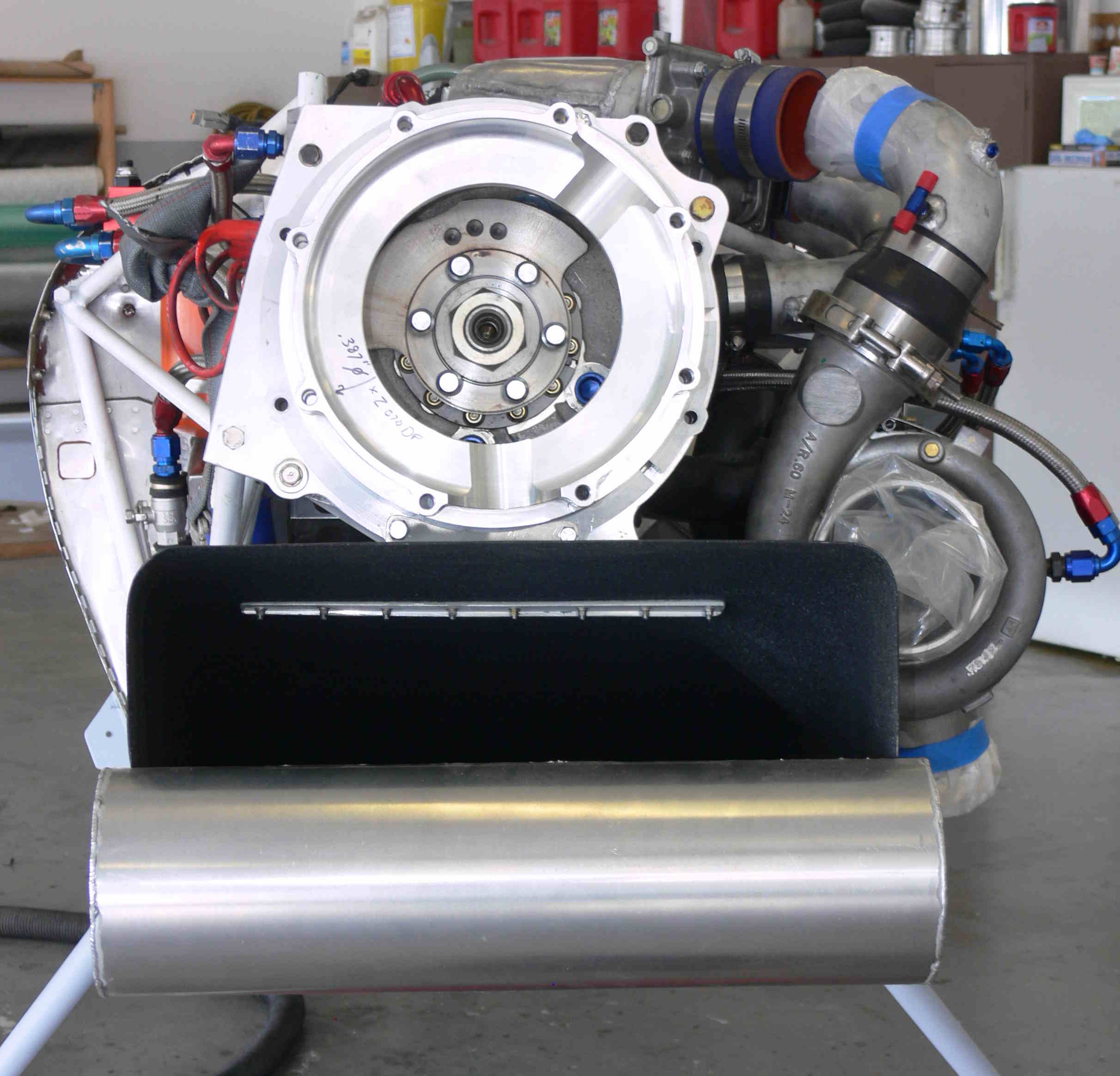
We are still over cooling the 650 HP TTC with 20% opening
on the ground no less.
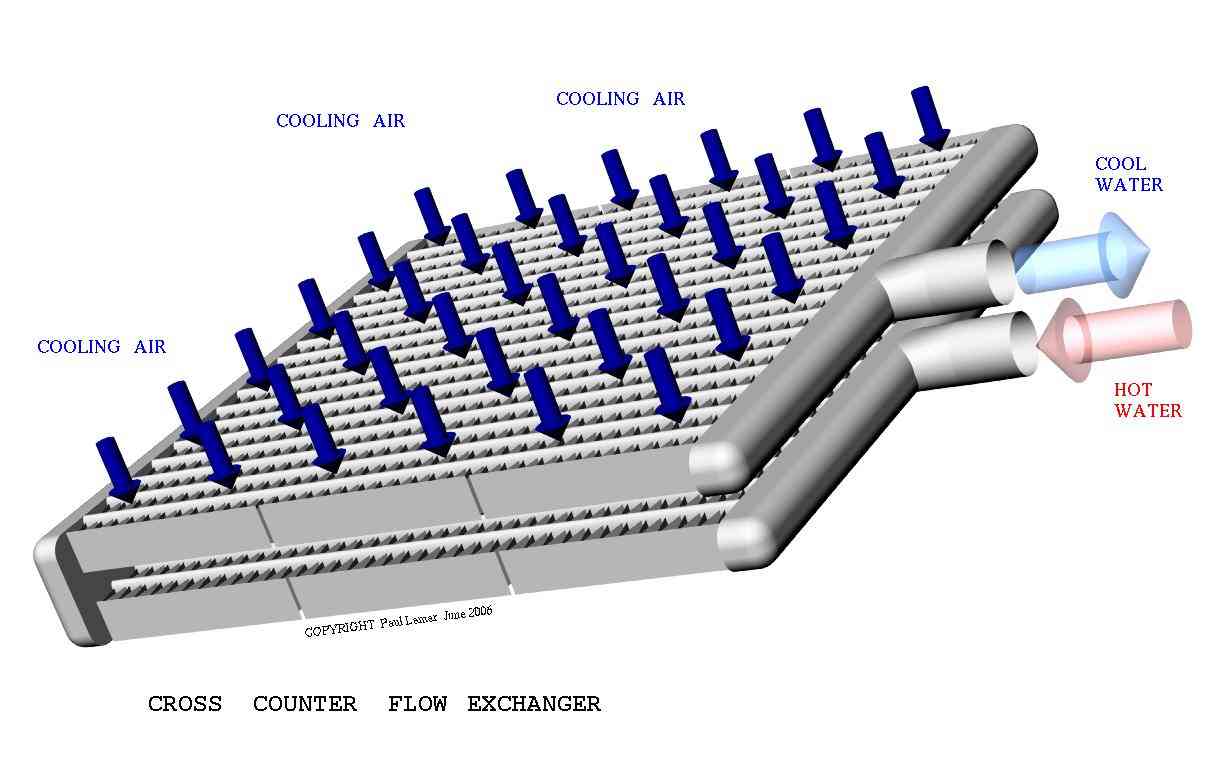
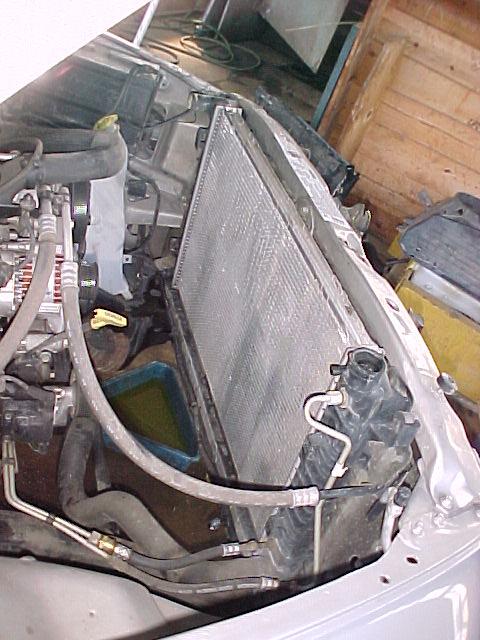
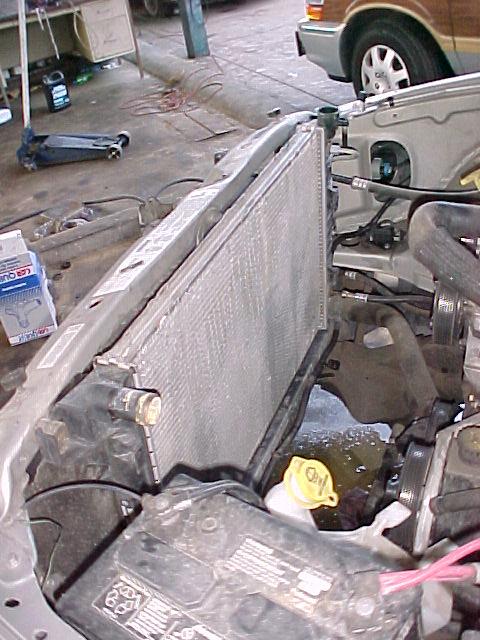
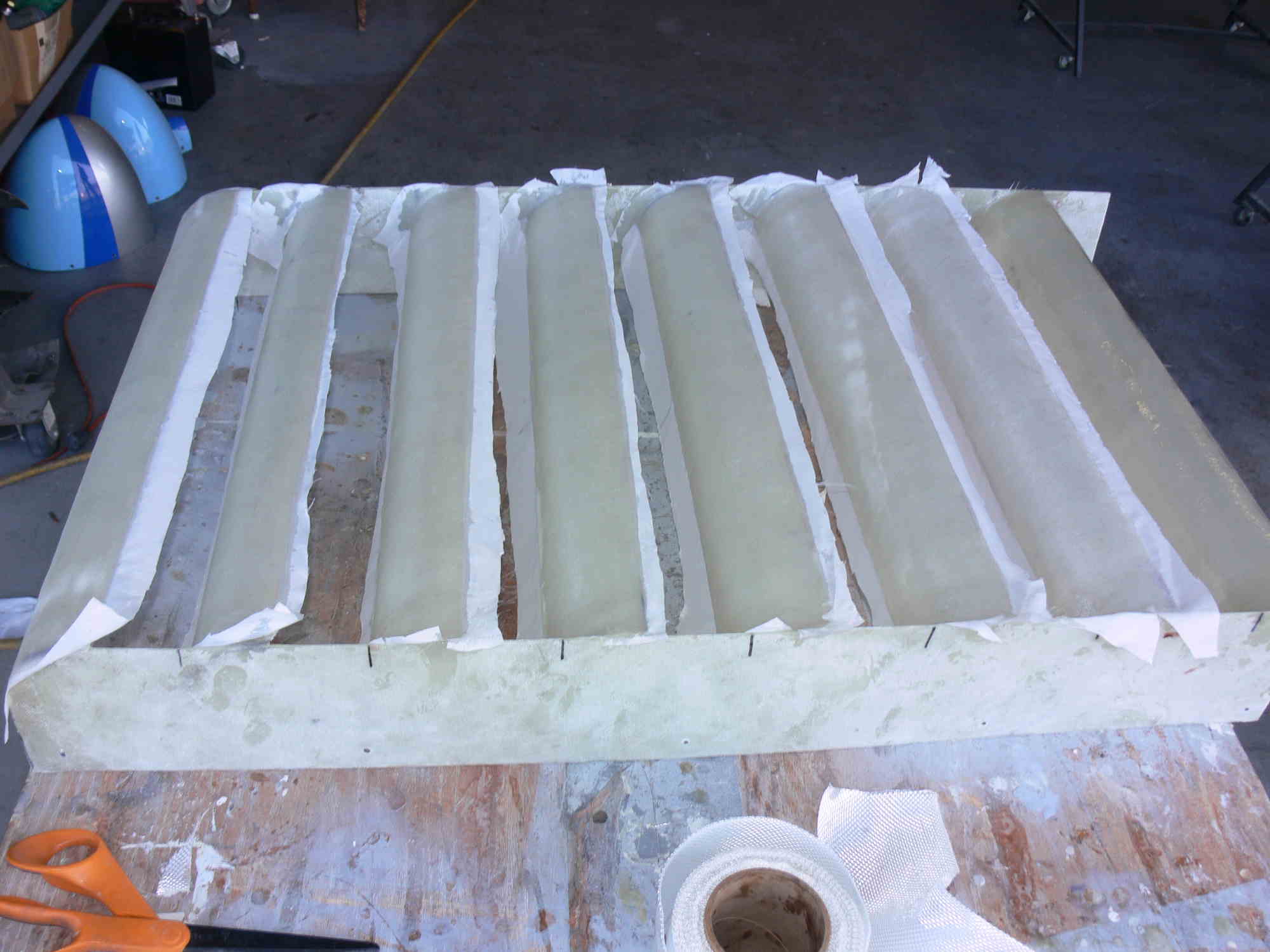
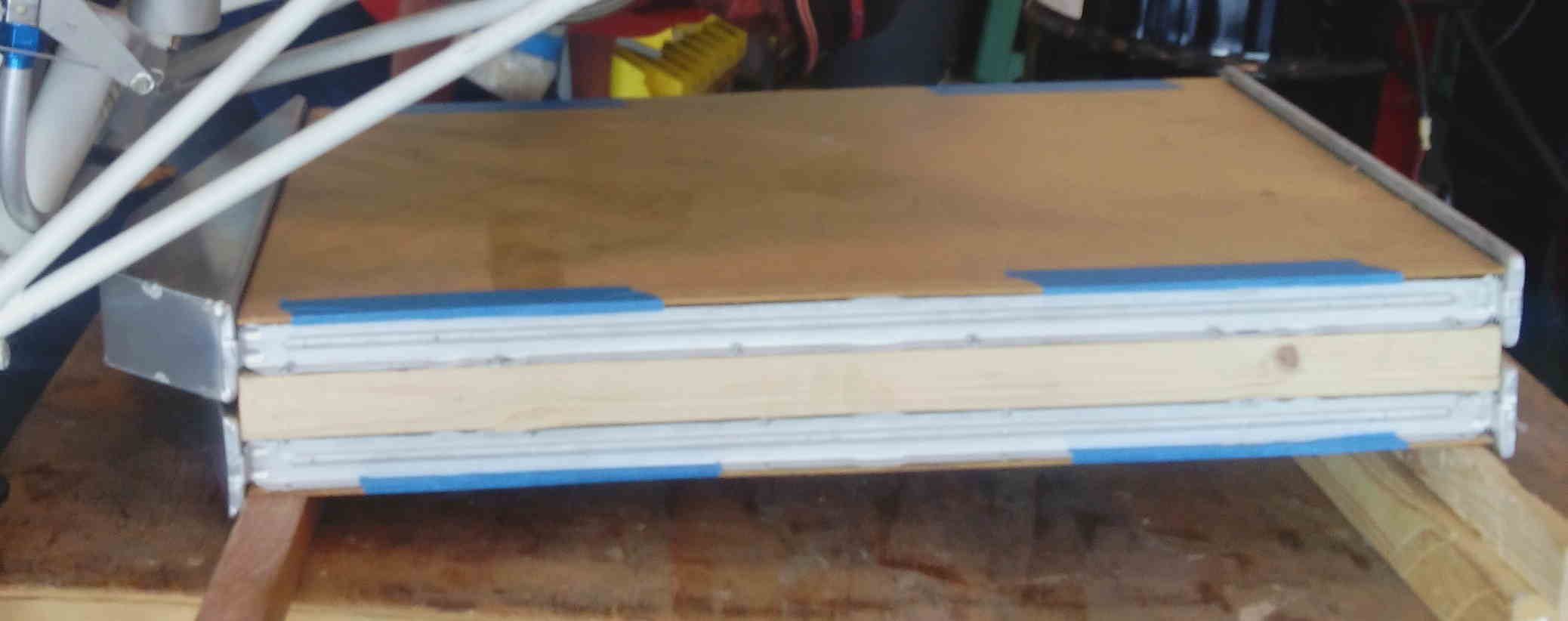
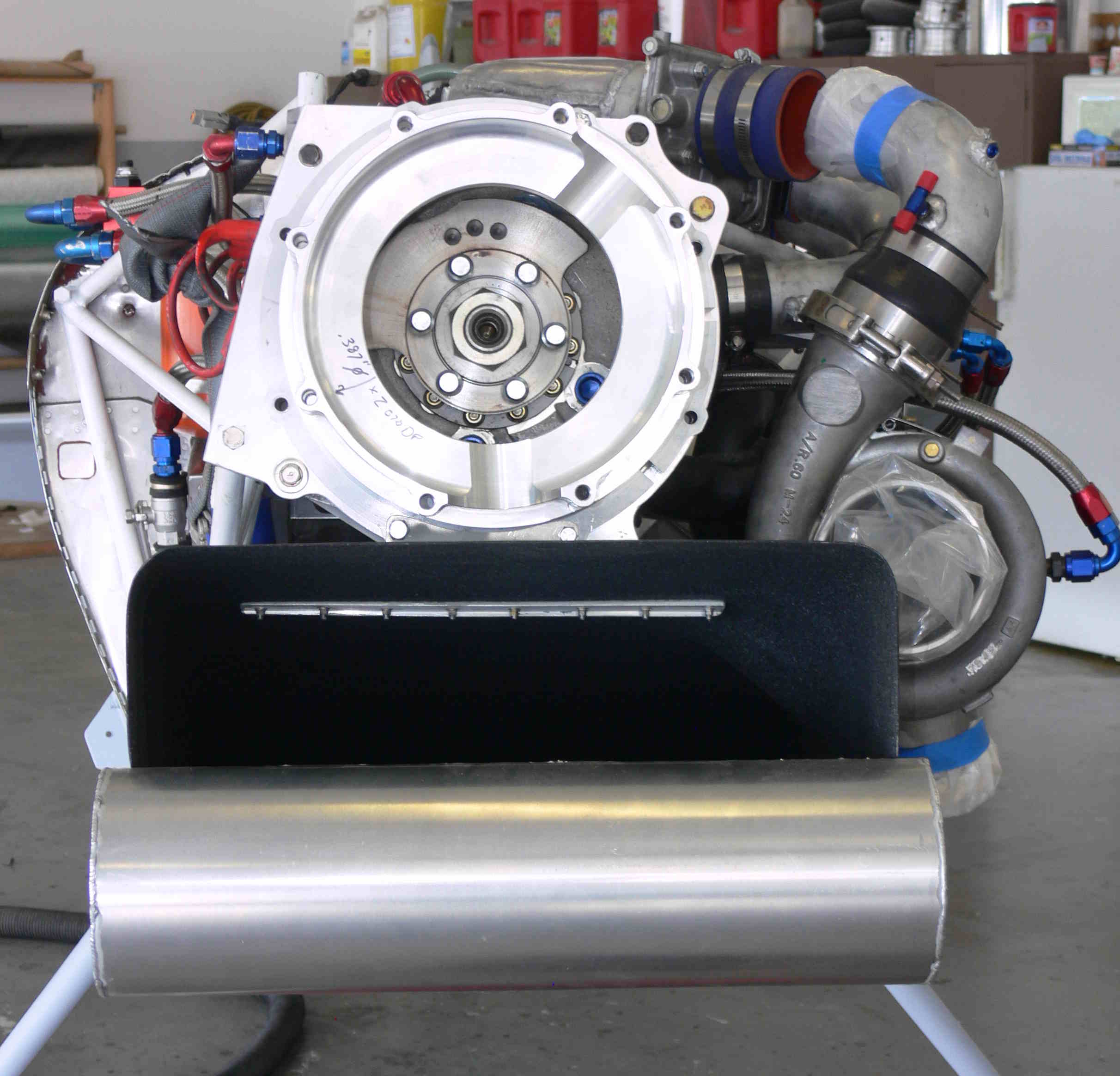
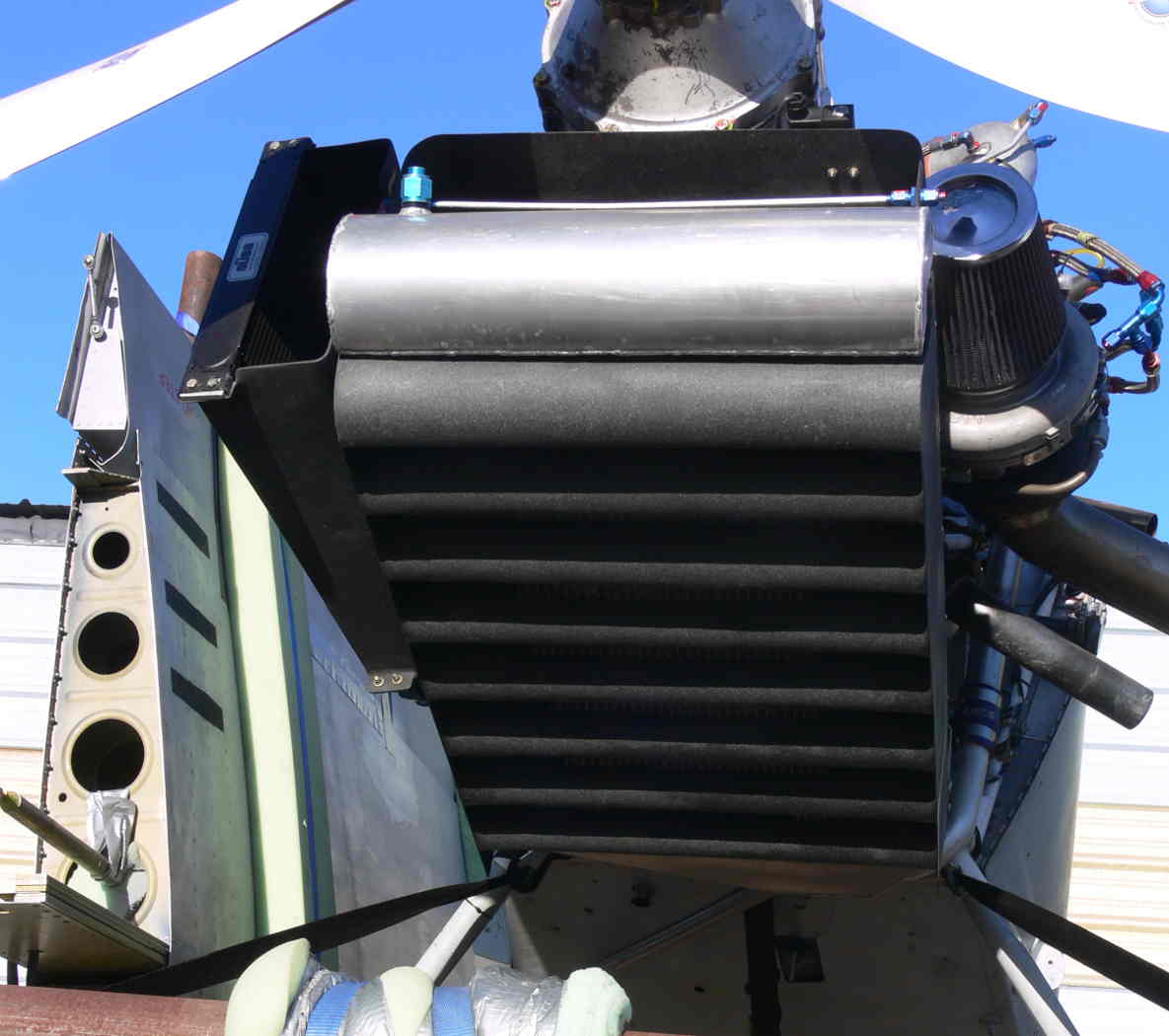
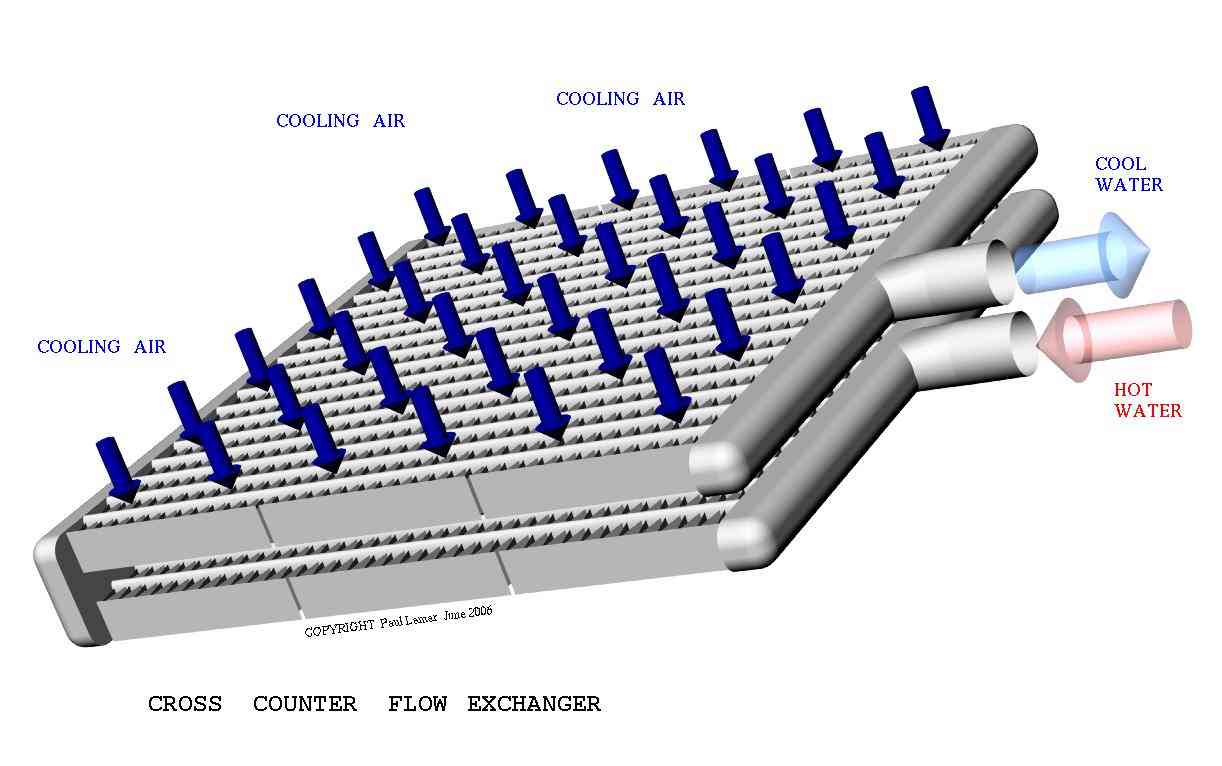
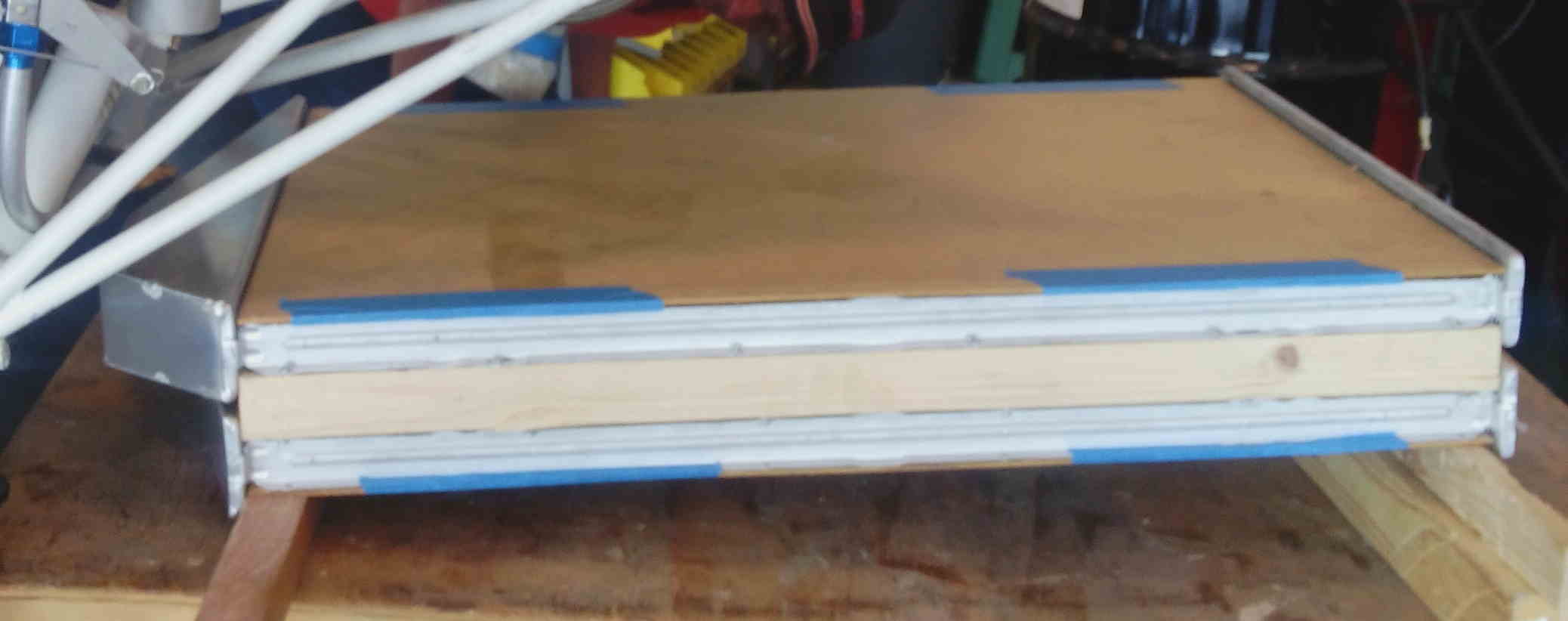
The cross counter flow heat exchanger consist of two .75" cores
20" by 30" back to back. No cowl flaps but a very nice set of curved
louvers.
Start with 20% and see what happens. Design the opening so it can
be closed down later. Maybe you can run it with out the final cowl.
Do you have any recent pictures of your Bear Hawk patrol Paul?
Is the core on the cool side of the engine? Does it exit through
the side of the cowl?
Paul Lamar
The Rotary Engine free News Letter. Powered by Linux. If you want off
the list PLEASE let me know and I will remove you. ACRE NL web
site.
http://www.rotaryeng.net You Tube
http://tinyurl.com/beqqxas
Copyright 1998-2017 All world wide rights reserved.