It is probably the highest power to weight propeller driven aircraft to
have ever flown.
This is due entirely to the fact that the Mazda rotary engine is such a
high power
to weight ratio engine. 650 HP at under 200 pounds is remarkable.
High power to weight ratio aircraft engines have been essential from the
very beginning of flight. Prior to the Wright Brothers flying professor
Langley
of the Smithsonian Institution appreciated the need for a high power to
weight ratio engine.
Quote Aircraft Piston Engines Herschel Smith
"Charles M. Manly, then a recent Cornell graduate, was assistant to
Prof. Samuel P. Langley of the Smithsonian Institution, the best-known
and best-financed aerial experimenter in the world at the time. As
early as 1898, only the lack of a suitable engine seemed to stand
between Langley and success. However, overcoming this lack proved to be
a formidable task. No engine builder in Europe or America could supply a
light enough engine of sufficient power, and so Manly reluctantly took
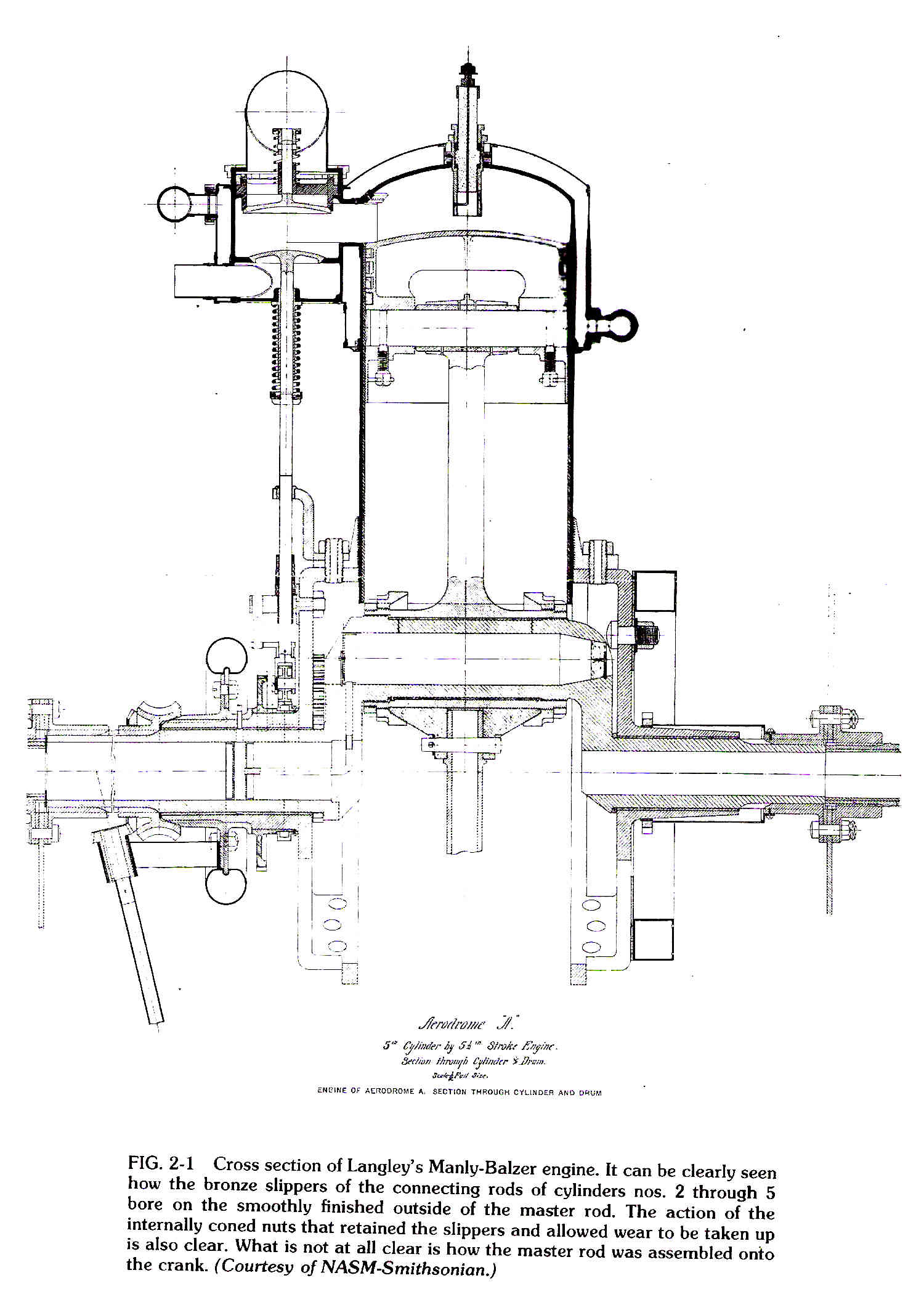
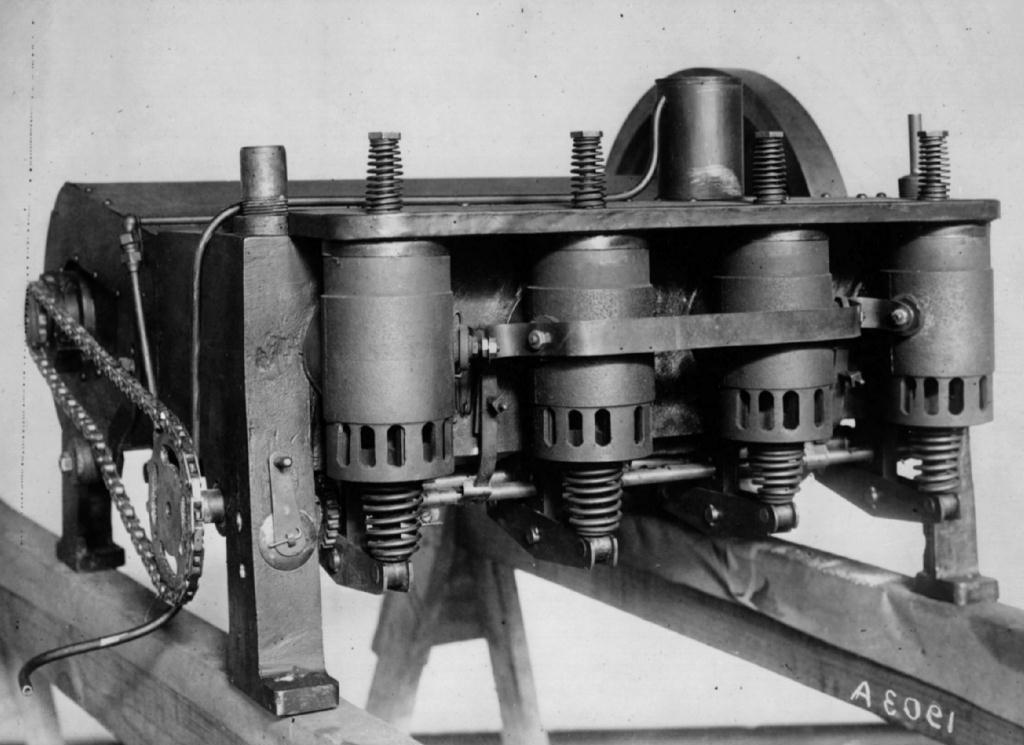
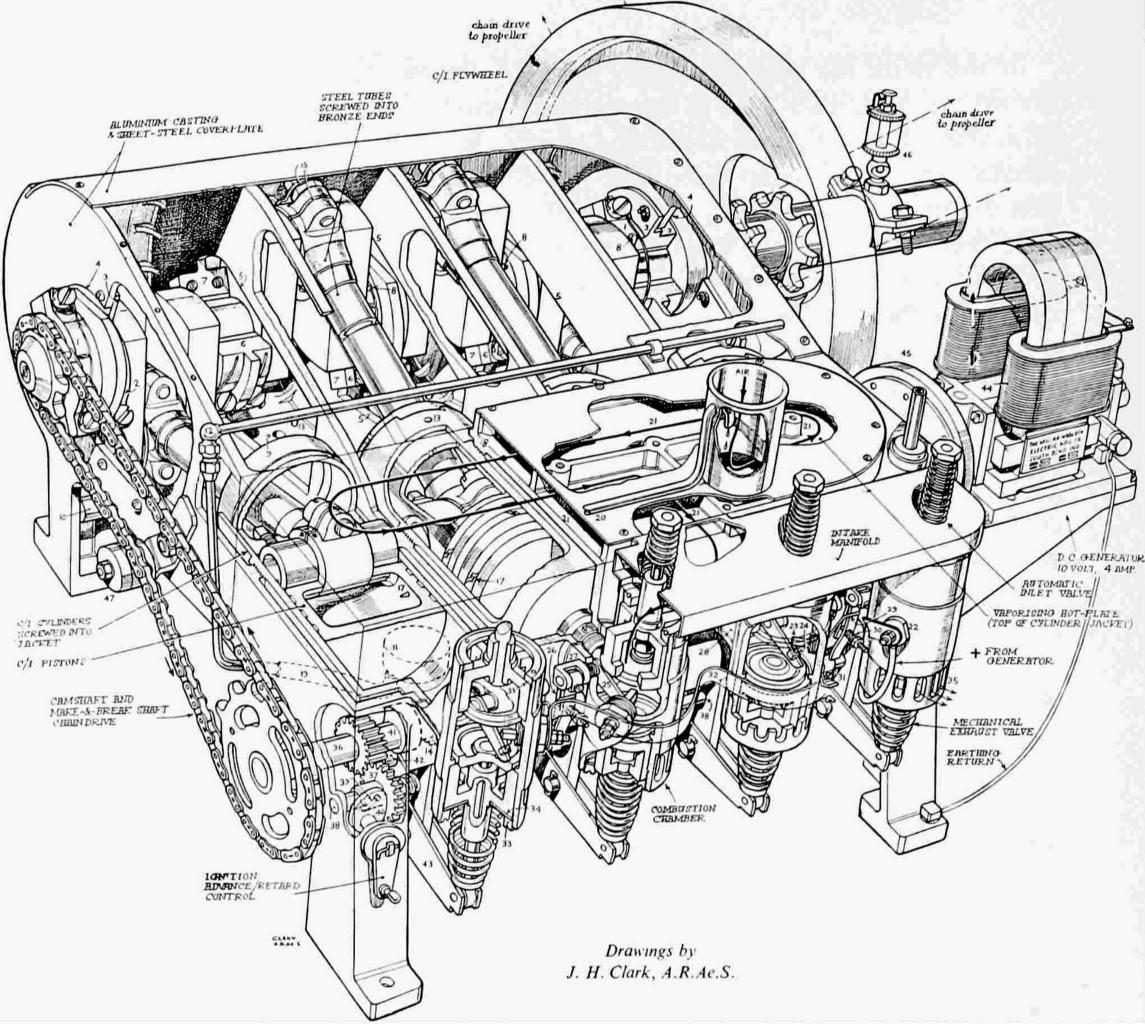
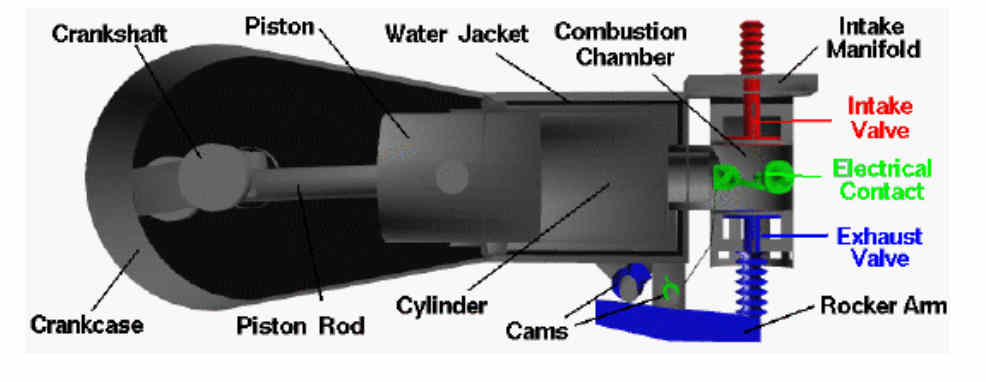
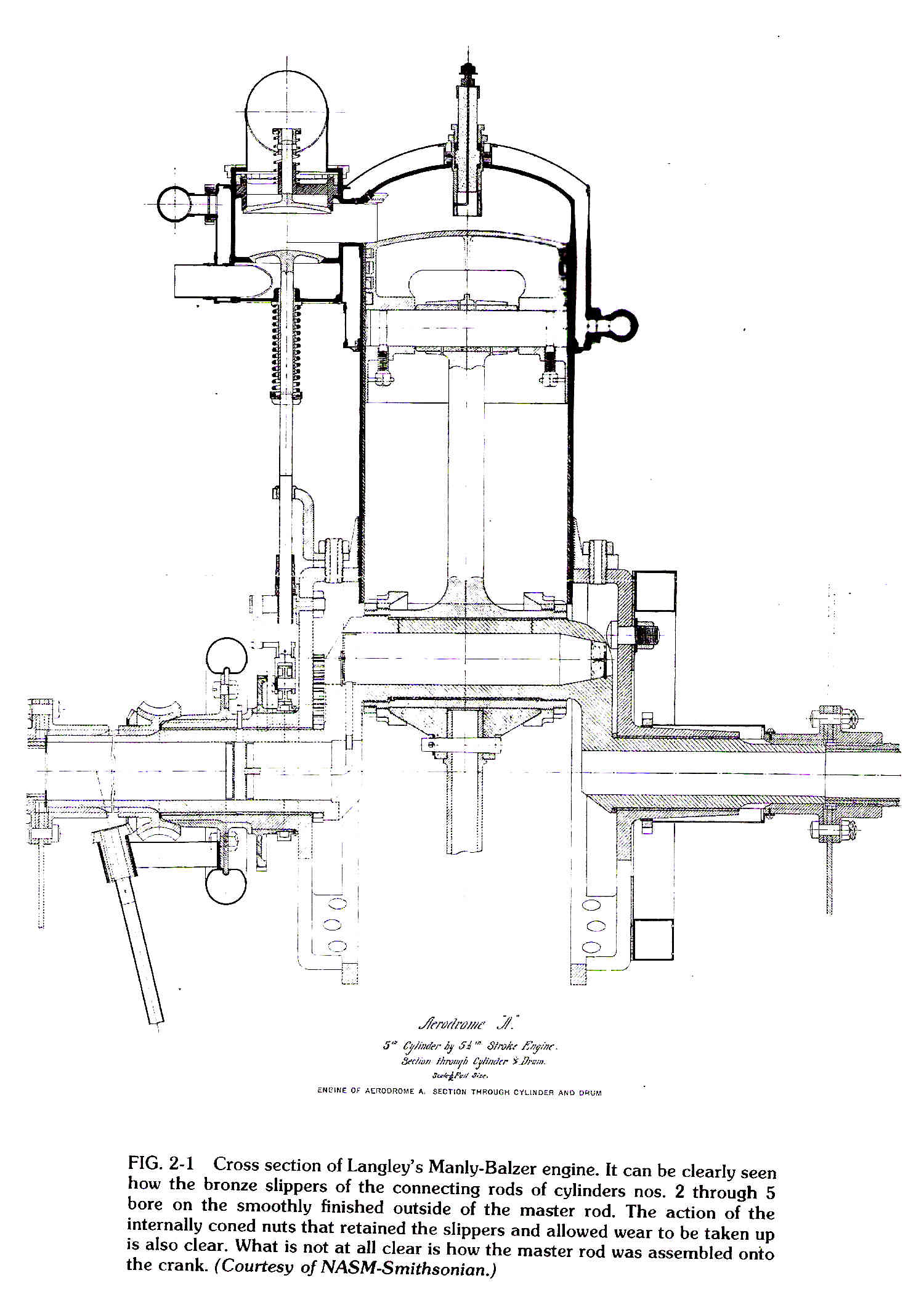
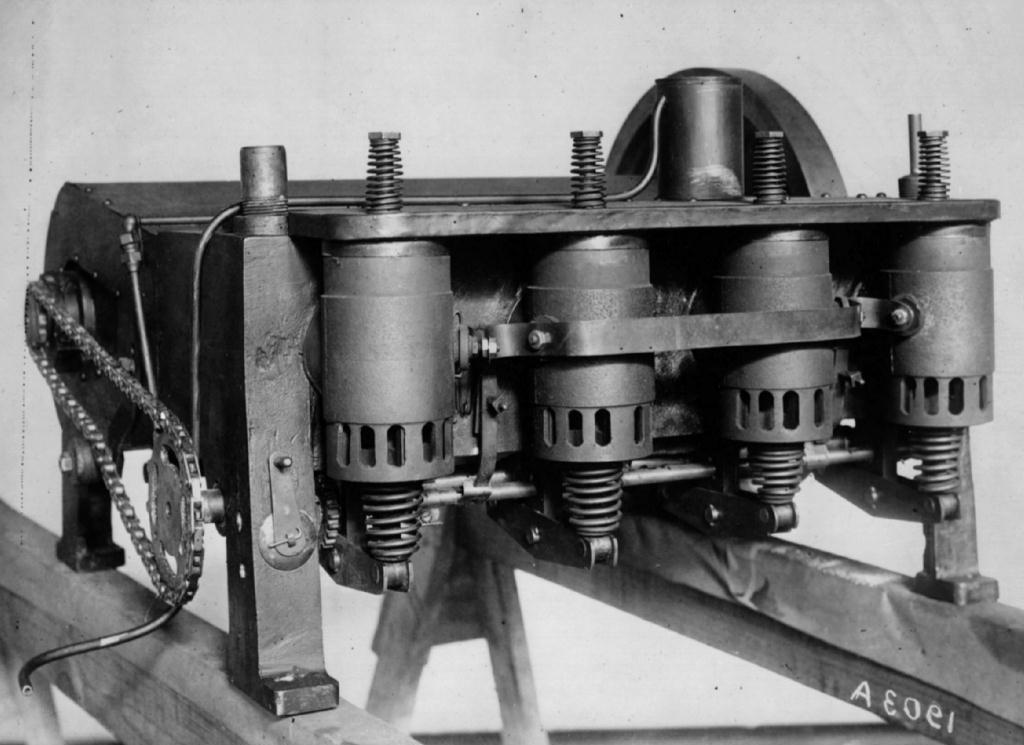
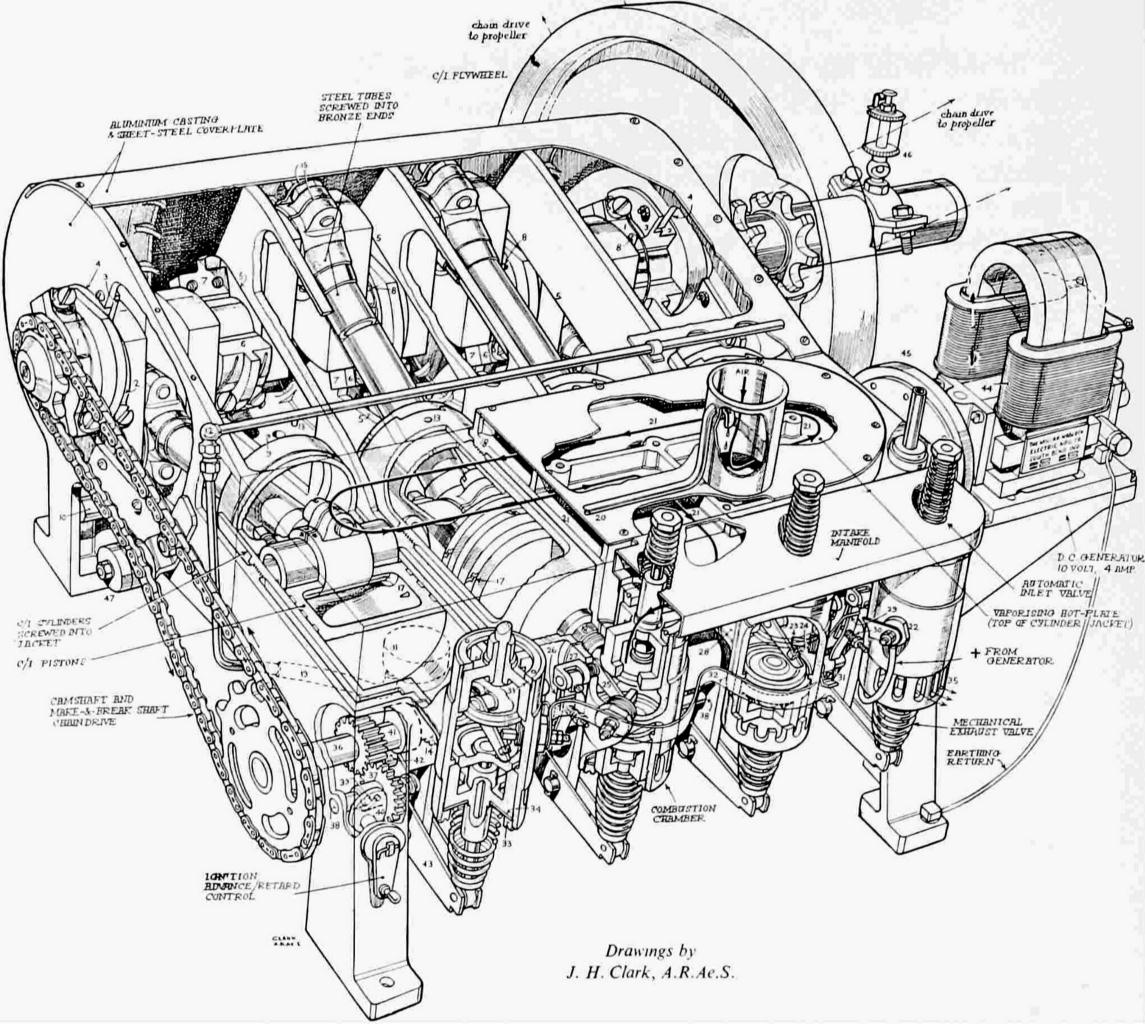
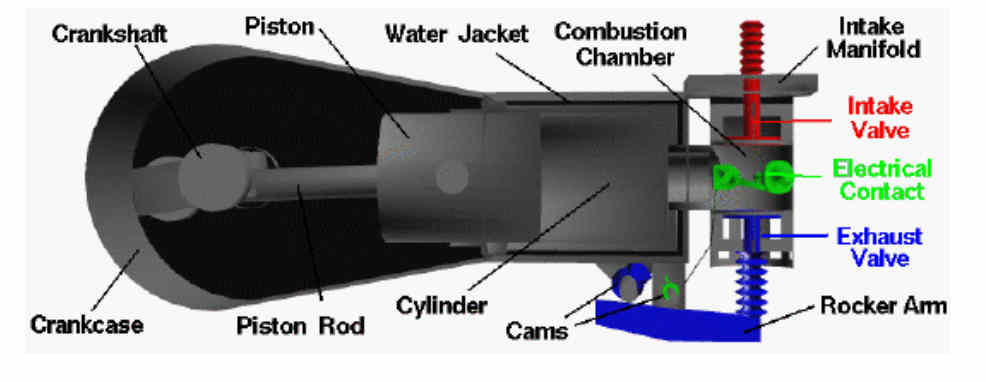
on the task of designing one. Building on the work of Stephen M. Balzer
of New York, he turned out a 5-cylinder radial engine of 540 cu in.
(8.85 L) that gave a reliable 52 hp at 950 rpm. Despite being
water-cooled, it weighed only 136 lb exclusive of water and radiator. To
make such a big engine so light, Manly went to remarkable extremes. The
cylinders, made with a steel shell for strength and a cast-iron liner
for good lubrication, had a total wall thickness of only one eighth of
an inch. The sheer workmanship required to machine closed-end steel
shells 5 in. in diameter, 9 in. long, and 1/16 in. thick on 1900
equipment is staggering. On top of this, Manly and his staff had to make
equally thin cast-iron sleeves accurately enough to be a shrink fit in
these shells. The water jackets were made of sheet steel 0.020 in.
thick, brazed to the cylinders. This, too, was a formidable job; it is
extremely hard to bring two pieces of metal of very different
thicknesses to red heat without having the lighter piece burn before the
heavier one gets up to temperature. "
This type engine went on to dominate the aircraft engines used in World
War I.
Essential to the Wright brothers success was their designing and
building their own high power to
weight ratio (at the time) 4 cylinder in-line engine.
Since that time billions of dollars have been spent by the aircraft
engine industry world wild in the
search for higher and higher power to weight ratio engines. The TTC
Mazda Wankel is the beginning of
the end for aircraft piston engines and the small aircraft turbo prop
engine. Only a small
gain in BSFC remains to be invented.
Paul Lamar
The Rotary Engine free News Letter. Powered by Linux. If you want off
the list PLEASE let me know and I will remove you. ACRE NL web
site.
http://www.rotaryeng.net You Tube
http://tinyurl.com/beqqxas
Copyright 1998-2017 All world wide rights reserved.