I am also working on the design of the end housings. The rear is
quite simple.
The front end housing must accommodate a water pump. Does anybody
have any preferences for water pumps. 2nd gen or RX8? Or some else
perhaps?
The oil pump with be a dry sump pump with choices of several brands.
Pual Lamar
In regard to your water pump choice question I would like to
comment. If designing a different front cover, the water pump chosen
firstly needs to meet the flow requirements of the engine. The pulley
needs to match with regard to belt type and width as well as
diameter. Then replacement cost and availability need consideration.
Accessibility at any location in firstly N. America and potentially
the world should be taken into consideration. Possibly the pump from
a Cummins diesel as installed in Dodge or Ram trucks would work.
Dale Davies
Paul I like the 2nd generation RX8 pump. From left to right: 2nd gen
RX8, 1st gen RX8 and Remedy RX8 (See attached).
Barry Bordes
Maybe I'm just blowing smoke here.. Suppose turbo extracted power
from the exhaust to drive a water pump that is redundant to a pump on
the eccentric shaft. Plumbd together, excess power in the exhaust
might compound to the engine through the pump?
Lewis. Bjork
I'd like to see all accessories driven from the eccentric shaft or
gear box. Built in water pump on the housing, perhaps an alternator
in the gru. This would keep frontal area remarkably small.
Lewis Bjork.
Hi Paul,
Would an electric water pump be applicable in this case? You could
modulate the cooling rate from a sensor reading water temperature.
It could be mounted anywhere.
Cheers,
Russ Ward
If some one could come up with an electric water pump capable of
pumping 3 Horse Power worth of water that would be great. That's what
it takes to cool a constant 200 HP internal combustion engine.
3 HP is 2,238 watts. 746 watts is one HP. Add 20% for inefficiency
and you have 2,865 watts.
At a battery voltage of 12 Volts THE current out of the battery or
alternator required is 223 AMPS!!!!!
Horse Power in watts is voltage times current.
Paul Lamar
Why not just put an inlet and outlet for coolant and multiple bosses to
attach the coolant pump and other accessories. Many coolant pumps are
all one piece and do not need a back plate. Sure would make the
machining of the front housing easier.
chris smale
I would like to have seen the fabrication of these steel end housings
on the SuperLite rotary. Lots of work
and skill !
Steve Carlisle
Where did you get the idea they were steel. I don't recall that.
Paul Lamar
IDEA, okay, first is the 2 weld joints at the top of the housing, second
is the thermal coolant marking on the housing end face, and
the third is the rust on the sharp edges of the housing, which also
seems to match the rust on the end of the housing bolts. metal
color is also quite different than cast iron and aluminum. Also in
your correspondence somewhere is a mention of steel fabricated
housings. And also in attached picture, of a silver soldered joint
in the center housing. I base this judgement of 40 years related
fabrication and mechanical experience.
Steve Carlisle
Paul Lamar
Here are some more pictures and a PDF article by Steve Beckham
Paul Lamar
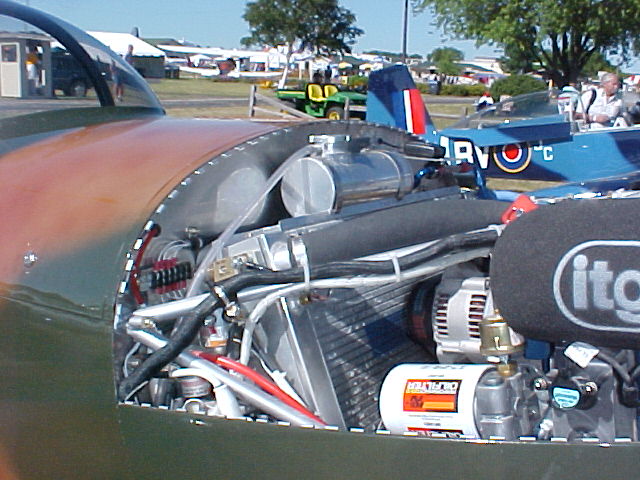
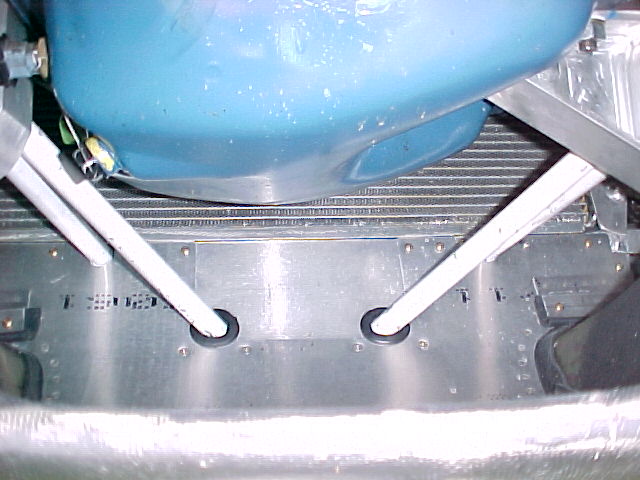
Paul, here are 2 more pics I had in my archives, listed as powersport
Steve Carlisle
That is the New Power Sport with cast iron end housings.
They took over after Everett died.
Paul Lamar
Hi Paul, Thanks for the info, how long did that company last ?
Steve Carlisle
About 10 years I am guessing. Starting about 2002 .They struggled with
the cooling system as I recalled.
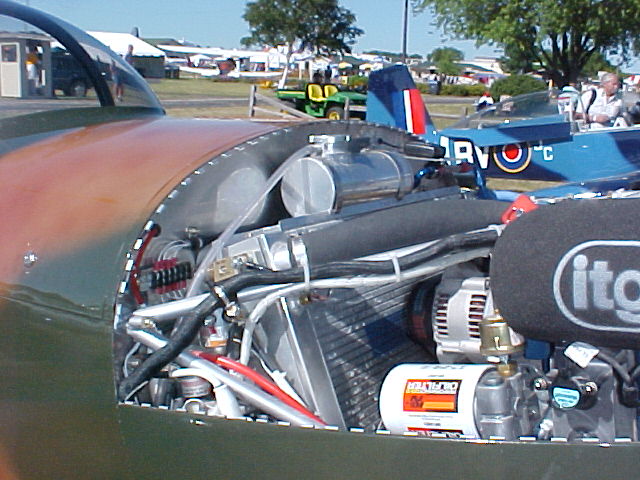
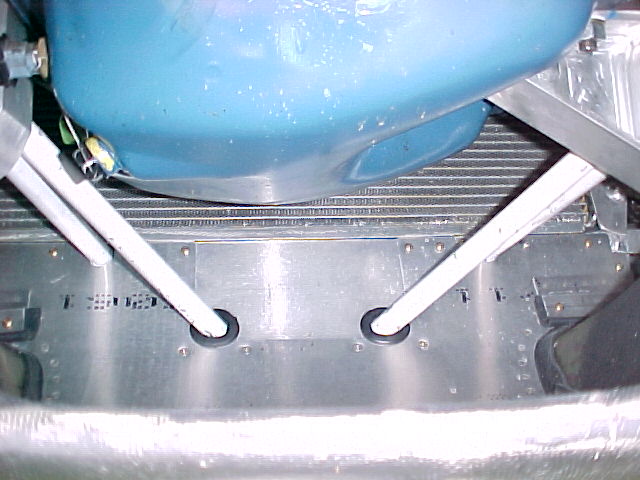
They made a lot of errors. They tried to install the radiator between
the engine
and fire wall. At first they attempted to force the cooling air back
towards the fire
wall. Two problems with that. One; the core was too close to the fire wall.
Two; the air was heated by the engine and exhaust before it got to the core.
I suggested run a long duct all the way under the engine and up between
the fire wall and the core. I think that would have worked better
but the radiation from the engine and exhaust would have still affected
the core
temperature.
I am nagging them on here all during this time :-)
It prompted me to research the situation and write the book "How To Cool
Your Wankel" published in 2007.
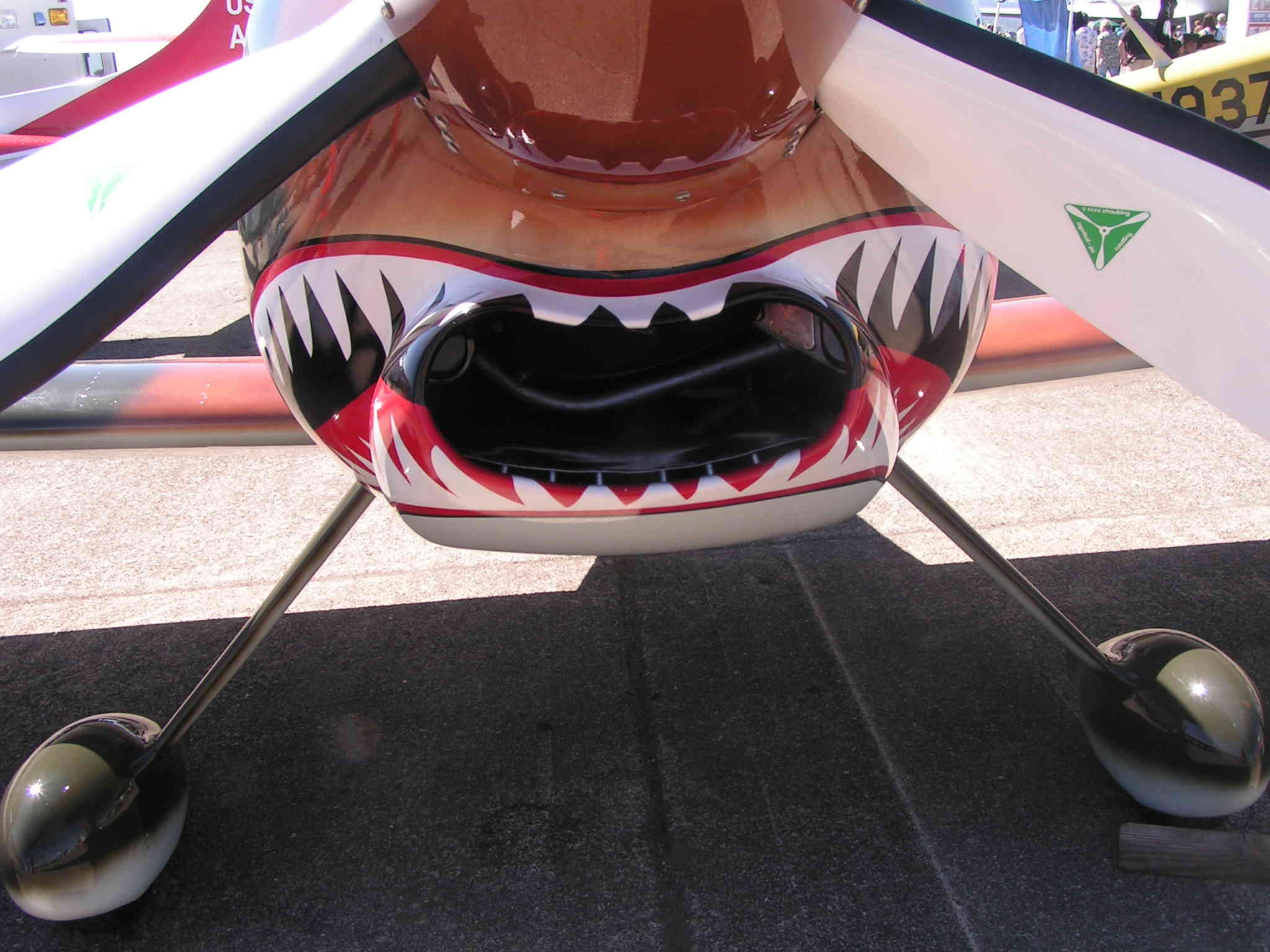
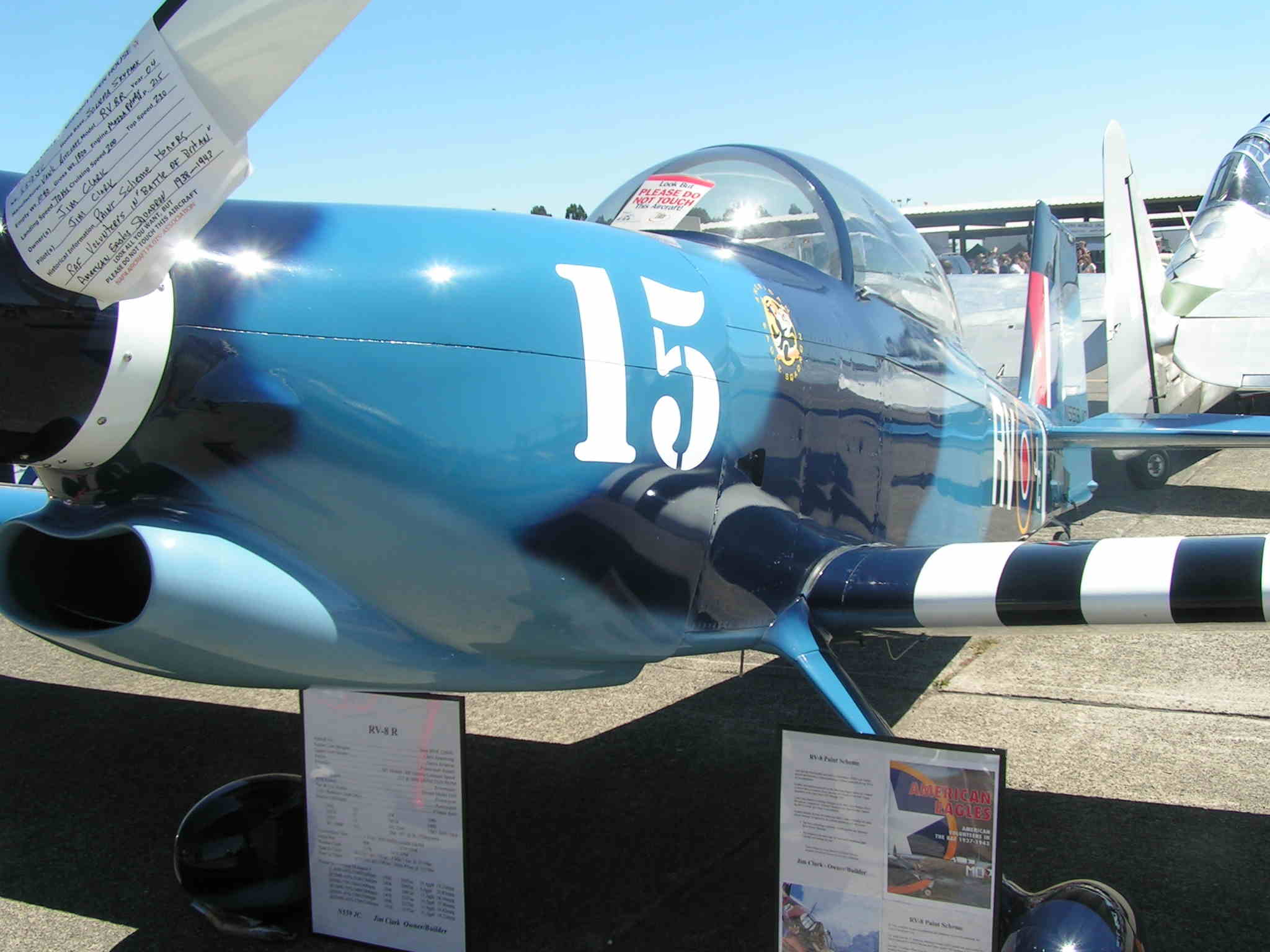
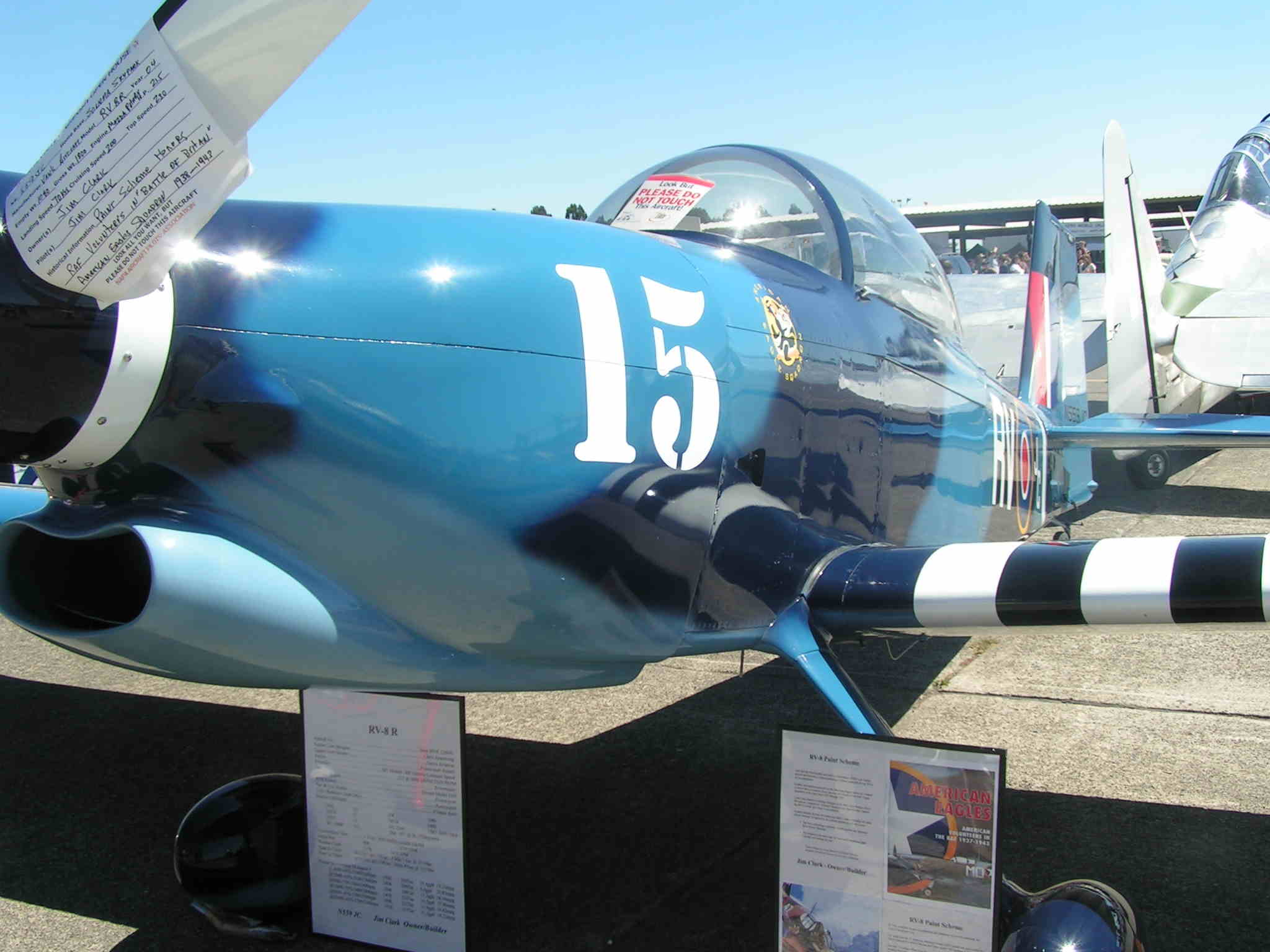
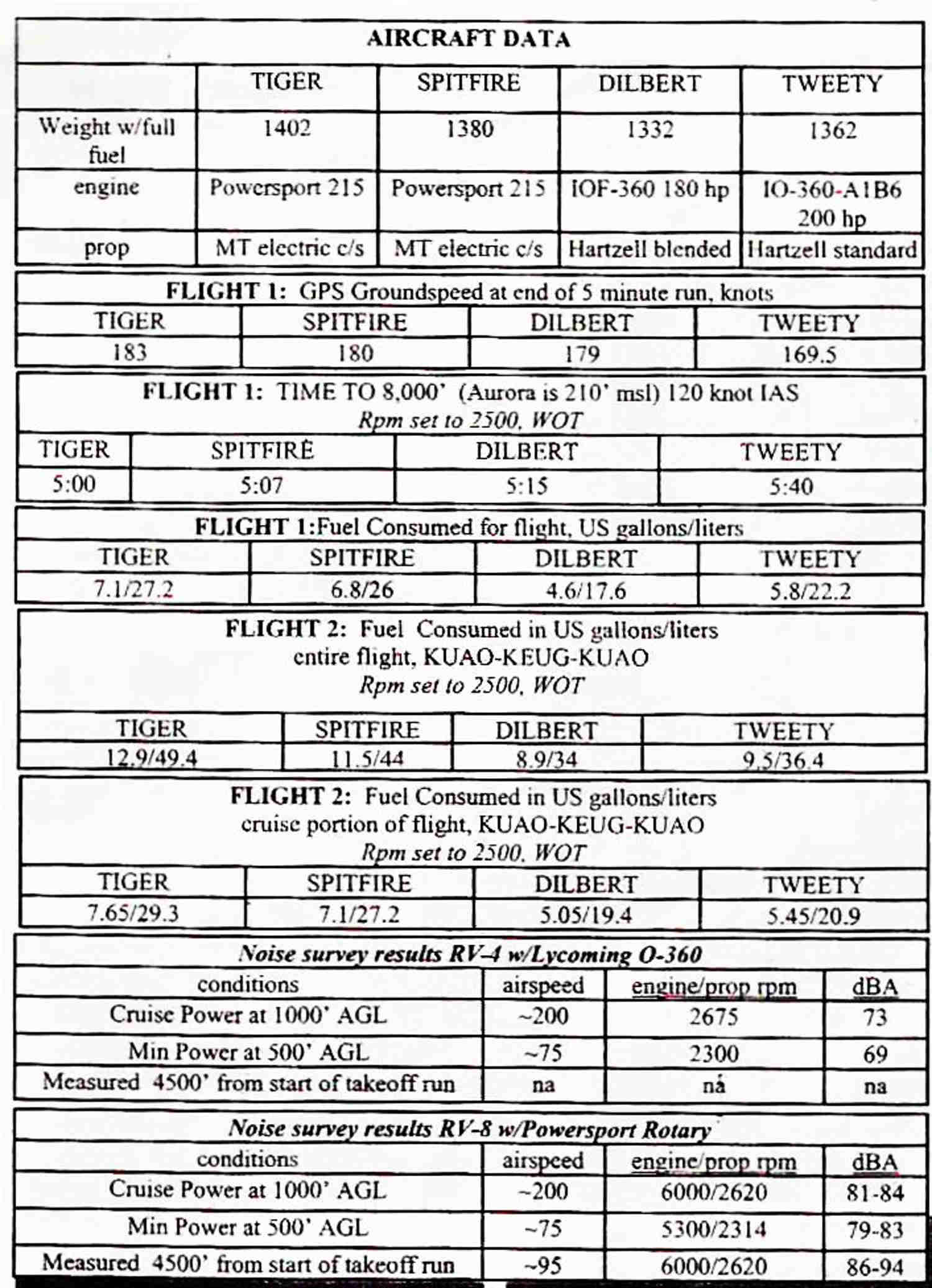
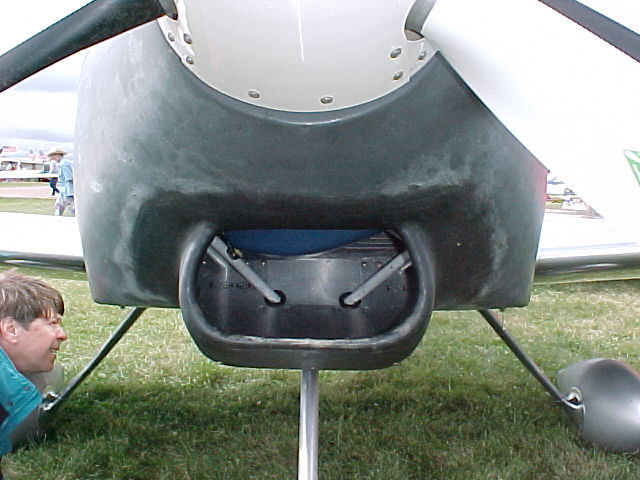
They sold several engines and two very nice RV8's were built.
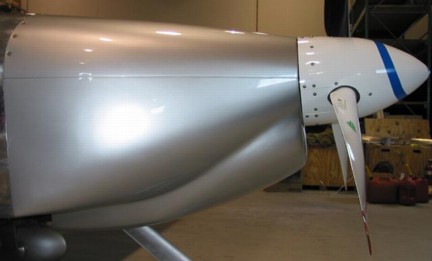
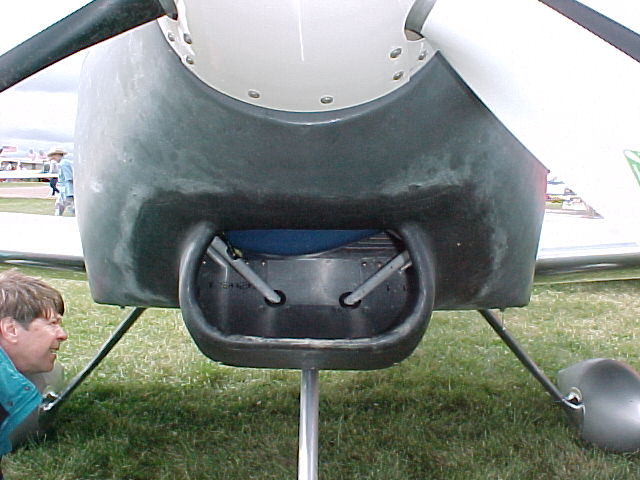
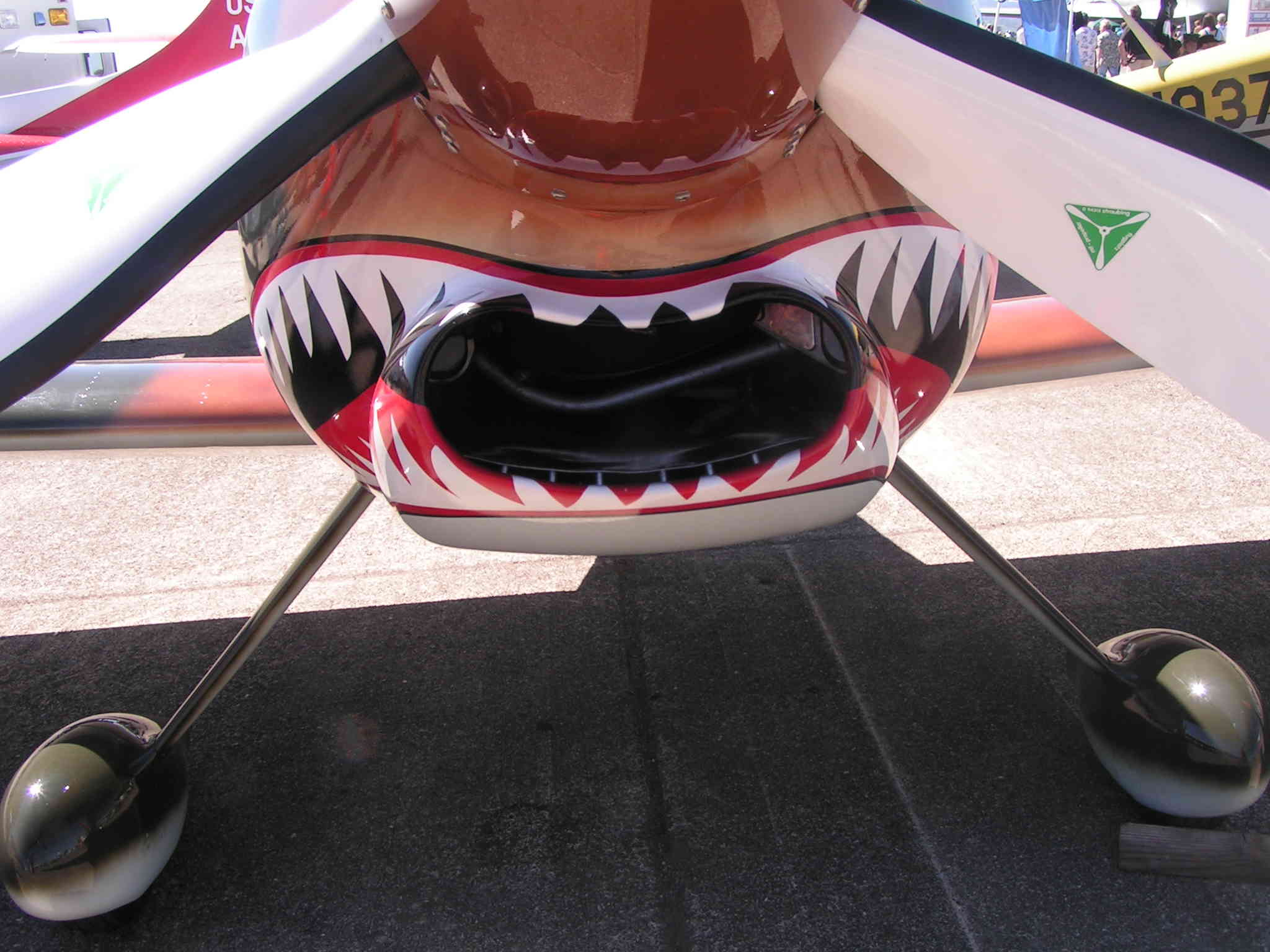
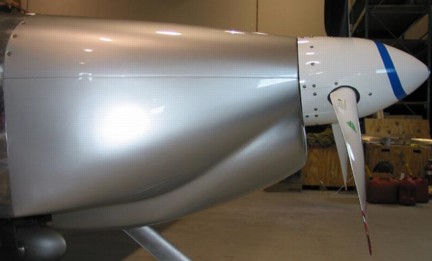
These had a huge scoops that brought air under the engine and up
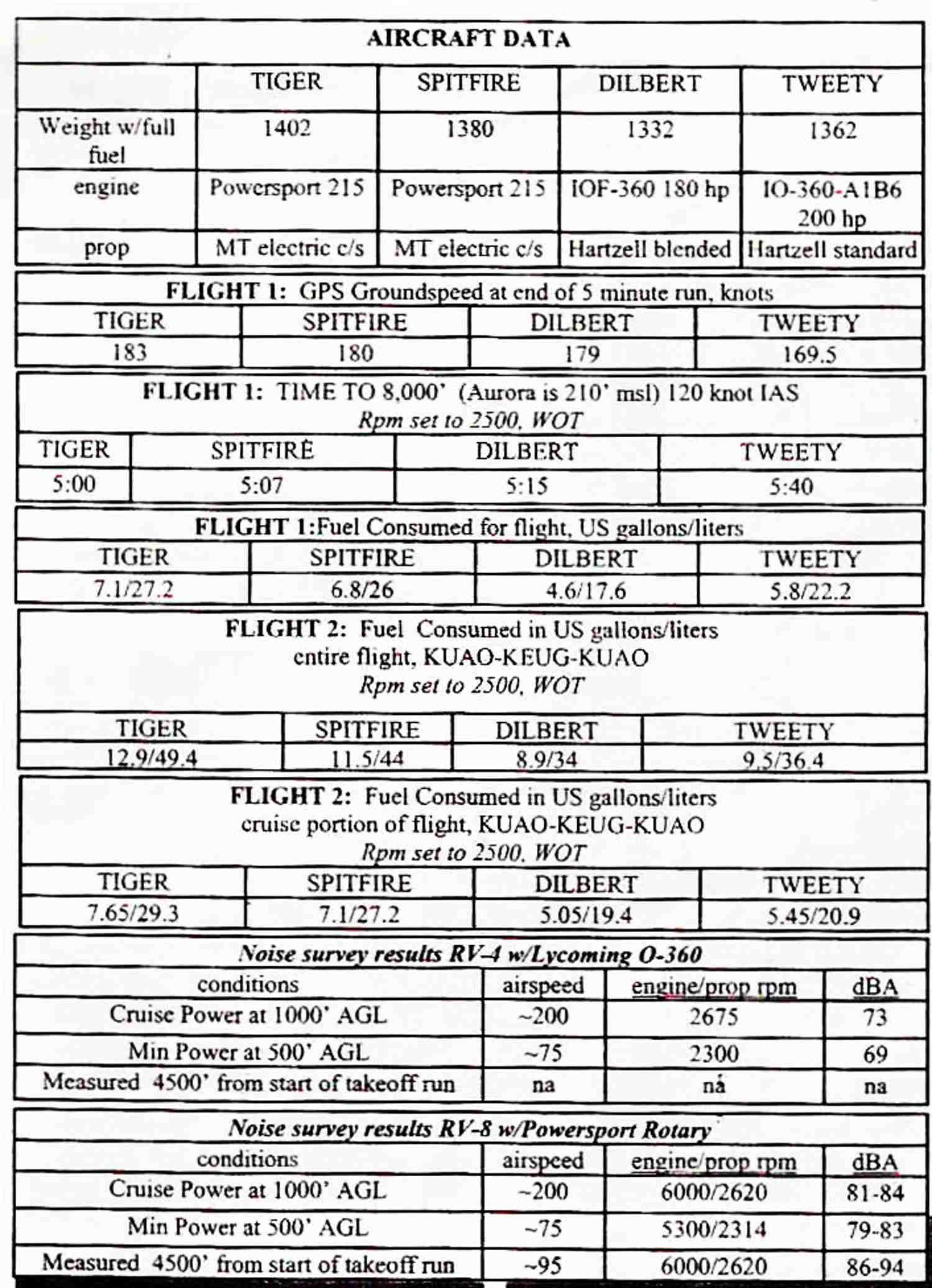
to the cores. These airplanes suffered from excessive cooling drag
and compared unfavorable with air cooled engines in a so-called
comprehensive
comparison. With a scoop that size I cooled 650 HP in the TTC.
The comparison was flawed as certain meaningless parameters
were set such as prop RPM for no apparent real reason.
There is a world of difference in props.
In the cross country test they neglected to mention the air speeds.
They also tried to sell a complete firewall forward package for
$25,000 when everybody knew you could buy an engine for a couple
of hundred dollars. in the mean time Tracy got rich selling EFI's
and gear boxes :-) That was all before Obama ruined the economy.
Paul Lamar
The Rotary Engine free News Letter. Powered by Linux. If you want off
the list PLEASE let me know and I will remove you. ACRE NL web
site.
http://www.rotaryeng.net You Tube
http://tinyurl.com/beqqxas
Copyright 1998-2017 All world wide rights reserved.