I think it is time to take a look at the automotive water pump.
There are 2 major types of pumps, centrifugal and positive
displacement, we are interested in the centrifugal group.
Within that group there are 2 types of designs; open impellor and
closed impellor. Open impellor are used in almost all automotive
water pumps.
The open impellor type are used for their low cost of manufacture
and their relative ease of cleaning, should they become blocked.
The closed style is however far more efficient but is substantially
far higher in cost to produce, and far harder to clean if they
become blocked. Blockage in our situation is not a factor. Open
style impellor pumps are never used on flammable or explosive
materials as the clearance between the impellor and the volute can
be reduced to zero by thermal expansion. Automotive pumps run with
very high clearances to avoid the same problem, this makes them low
efficiency.
We must now consider the application they are being used on. In
Industry the pump is designed around a set of parameters that suit
the customers requirements, and in general used at a constant
speed. In the case of the automobile and other internal combustion
engines this speed can vary considerably.
The automotive pump must be able to deliver sufficient flow at low
rpm and or low speed and high engine load to cool adequately. If
you double the speed of this pump you require the cube in energy,
i.e. 2x2x2=8.
Consider an engine running at 2000 rpm at idle and then at 6000rpm
or higher as we do at cruise, the auto environment never for
domestic use run at so high rpm for any length of time. You have
increased the speed by a factor of 3, so now you require the cube
of 3, 3x3x3=27.
I have no argument with Pauls formulae for Volts x Amps = watts,
and the conversion between HP to Watts, what is in dispute is that
you have increased the rpm by a factor of 3 but have not increased
the flow by anywhere near that factor, but are consuming 27 times
the power. You could only possibly hope to increase the flow rate
by a factor of 3 by using variable geometry impellors and volute.
This aint going to happen.
In any case to increase the flow by this amount and be able to
exchange 3 times the heat is also not going to happen with a heat
exchanger designed to suit the output of the pump So where does
this leave us. It leaves us with a pump that is highly inefficient
and a vast waste of energy, but is acceptable to the auto
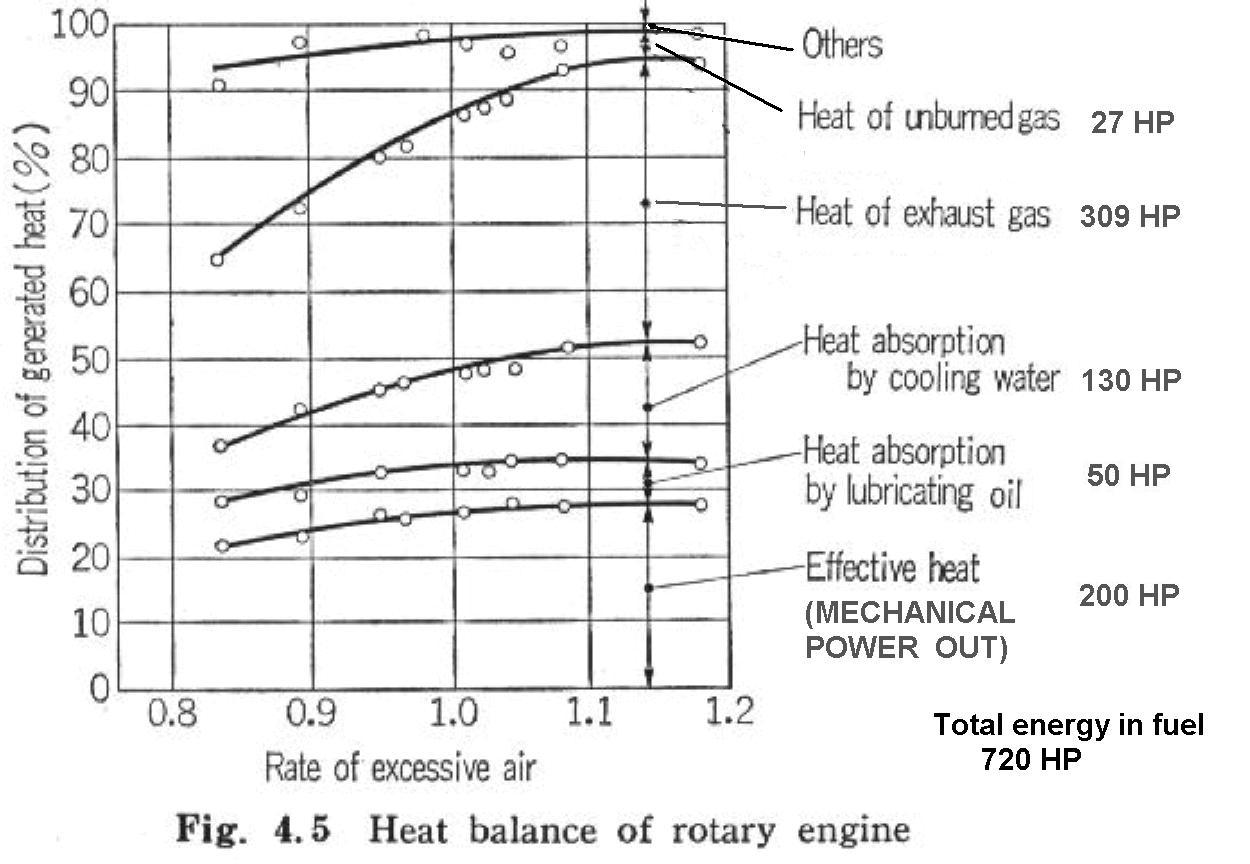
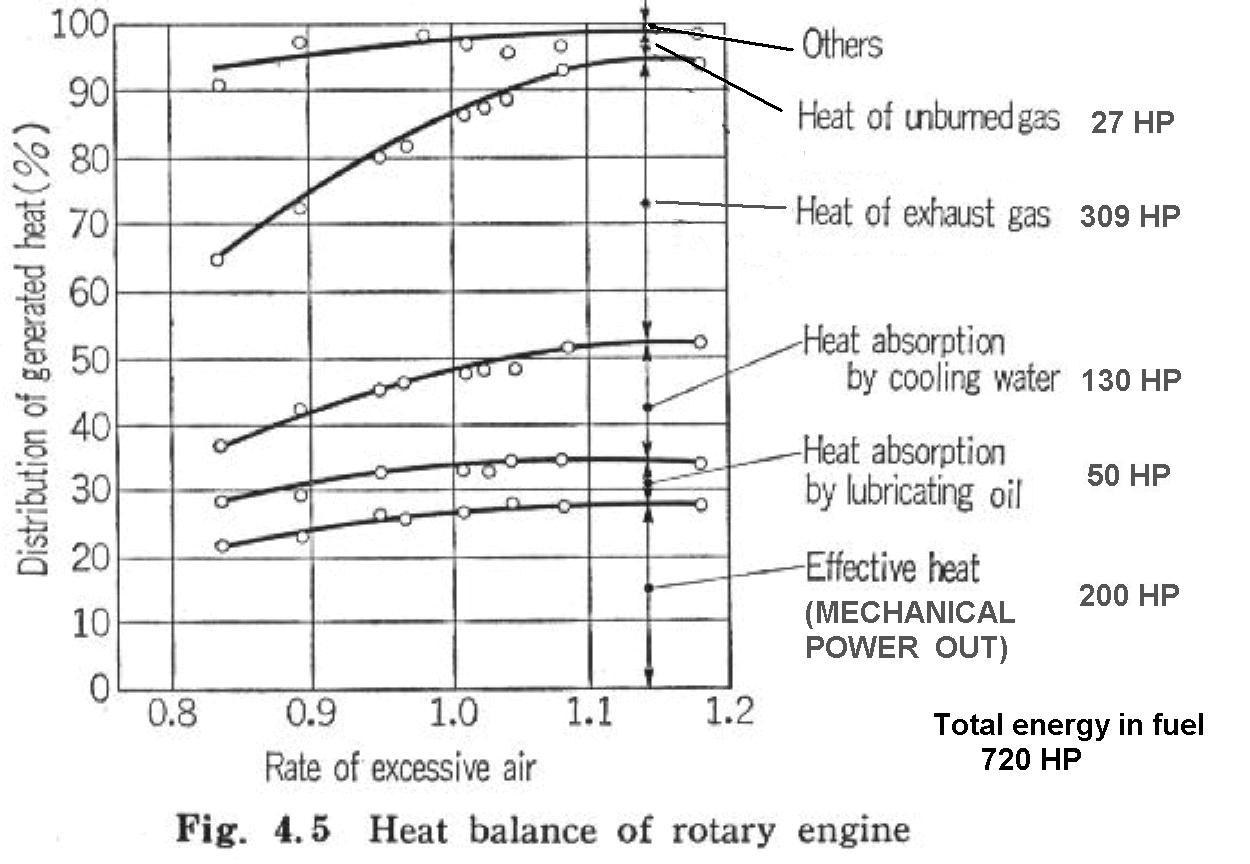
manufactures, and where do you think all that energy goes? Some is
lost in slippage within the pump due to high clearances, the higher
pressure is able to pass easily to the low pressure side thus
reducing pumping efficiency, but the rest goes into heating the
cooling water!!!
Some European car manufactures have woken up to this and are using
electric pumps, also many of the rotary racing boys here and
probably elsewhere are using electric pumps. They consume a
fraction of the power of a mechanical pump, but are highly
efficient. I will be running an electric pump made by Davis Craig
of Australia, check them out. I also Know of a tri rotor here in
Tauranga that is a race car that has run an electric pump for some
years.
Andrew. Campbell
What kind of race car? What brand of electric pump? What size is
the fuse?
Paul Lamar
Is there an advantage to using one of the racing water pumps, such
as Re-medy or others, with or without a reduction pulley?
https://www.google.com/search?q=mazda+rx8+racing+water+pump&tbm=isch&imgil=2gpHUwm9gUYUoM%253A%253BNIMFr80W67YWjM%253Bhttp%25253A%25252F%25252Fwww.rx8club.com%25252Fmazmart-88%25252Fre-medy-water-pumps-rx8-stock-158707%25252F&source=iu&pf=m&fir=2gpHUwm9gUYUoM%253A%252CNIMFr80W67YWjM%252C_&usg=__zjVVF3yl6aeTS1XbSpkdH_8Aq0g%3D&biw=1098&bih=1011&ved=0ahUKEwjr0-Dkk67TAhXGeCYKHQfwA0cQyjcISg&ei=ahr2WOv2MMbxmQGH4I-4BA#imgrc=sMZ6zvpWCp47wM:
Scott Gettings
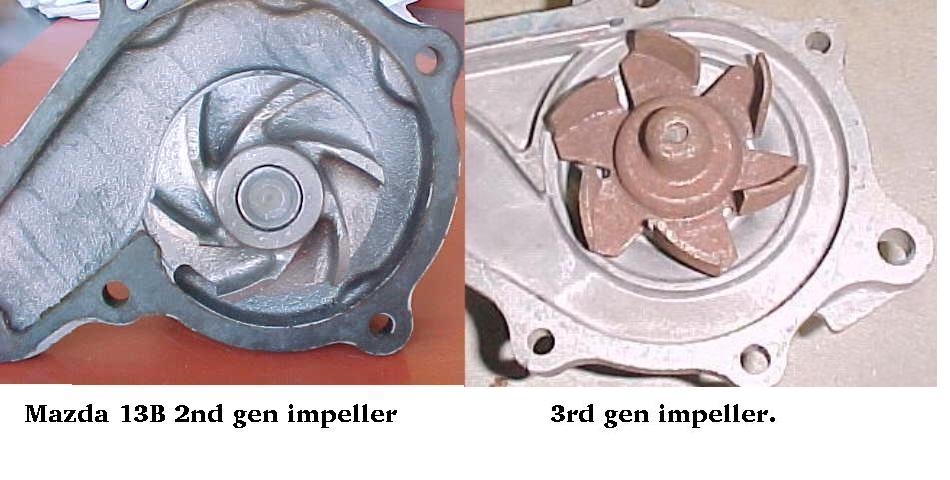
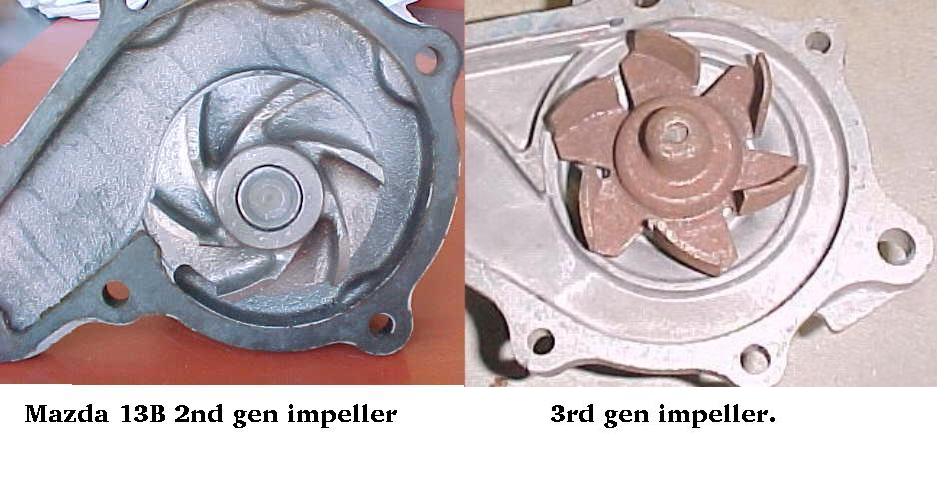
Could be the RX8 pump impeller is a little crude.
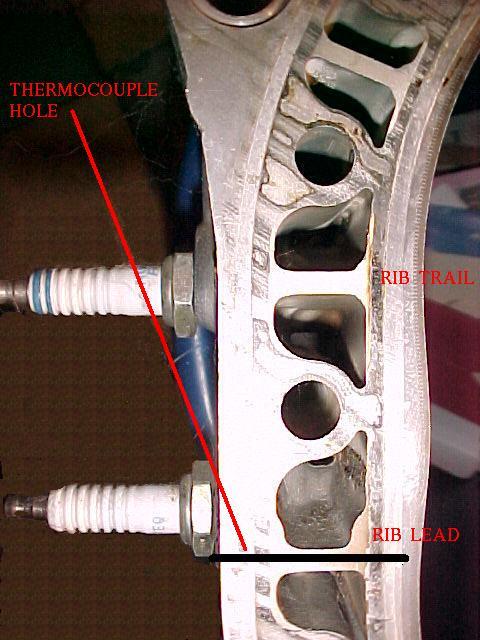
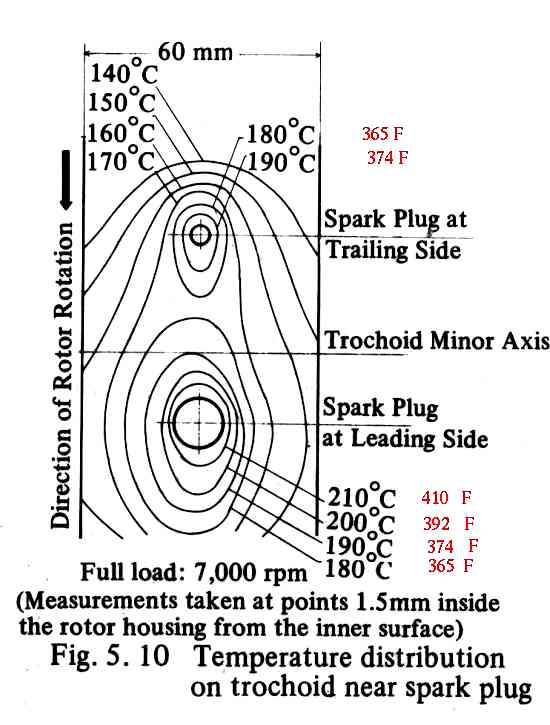
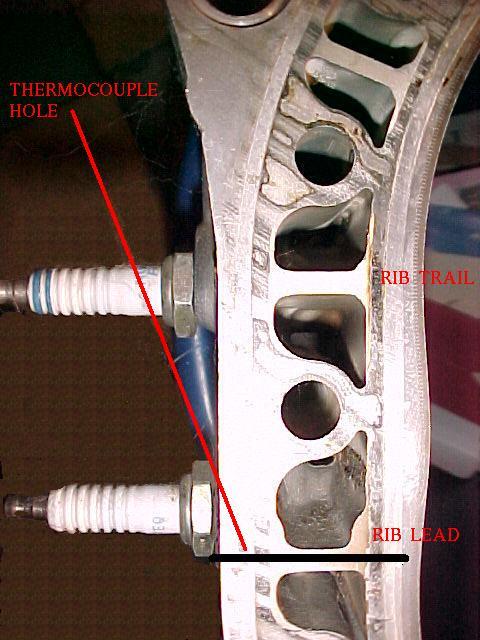
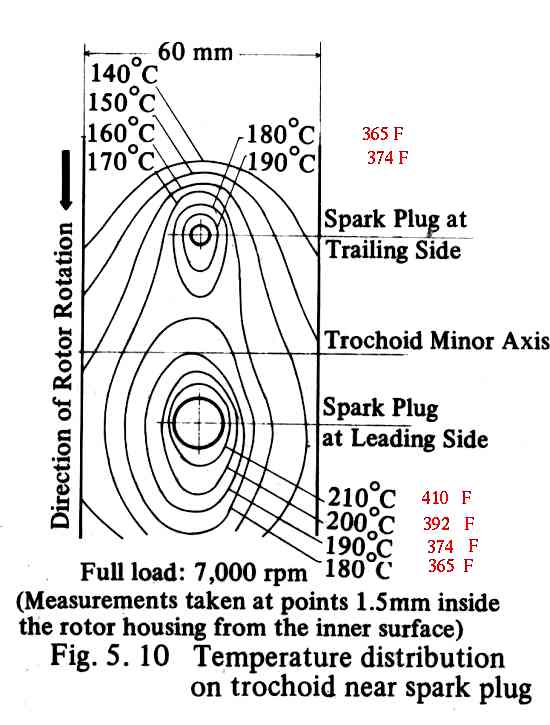
To test it you would need a thermo couple embedded near the lower spark plug
and then do some flight testing. About the only automotive scenario that is
a valid water pump test is NASCAR racing where the engine runs near full
power
for two or three hours. Some drag race engine have no cooling system at all
as the engine runs full power for only a few seconds.
Paul Lamar
The Rotary Engine free News Letter. Powered by Linux. If you want off
the list PLEASE let me know and I will remove you. ACRE NL web
site.
http://www.rotaryeng.net You Tube
http://tinyurl.com/beqqxas
Copyright 1998-2017 All world wide rights reserved.