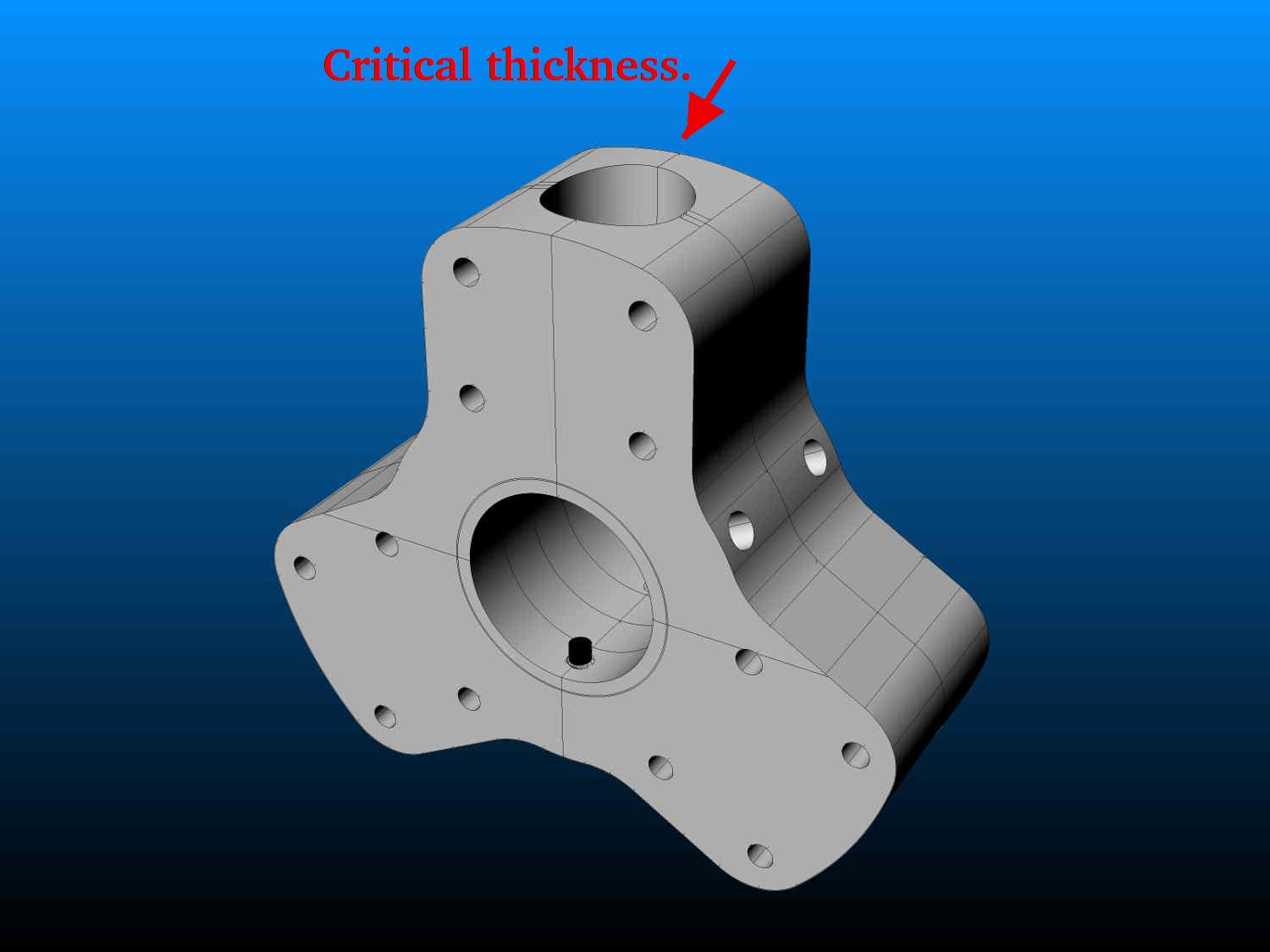
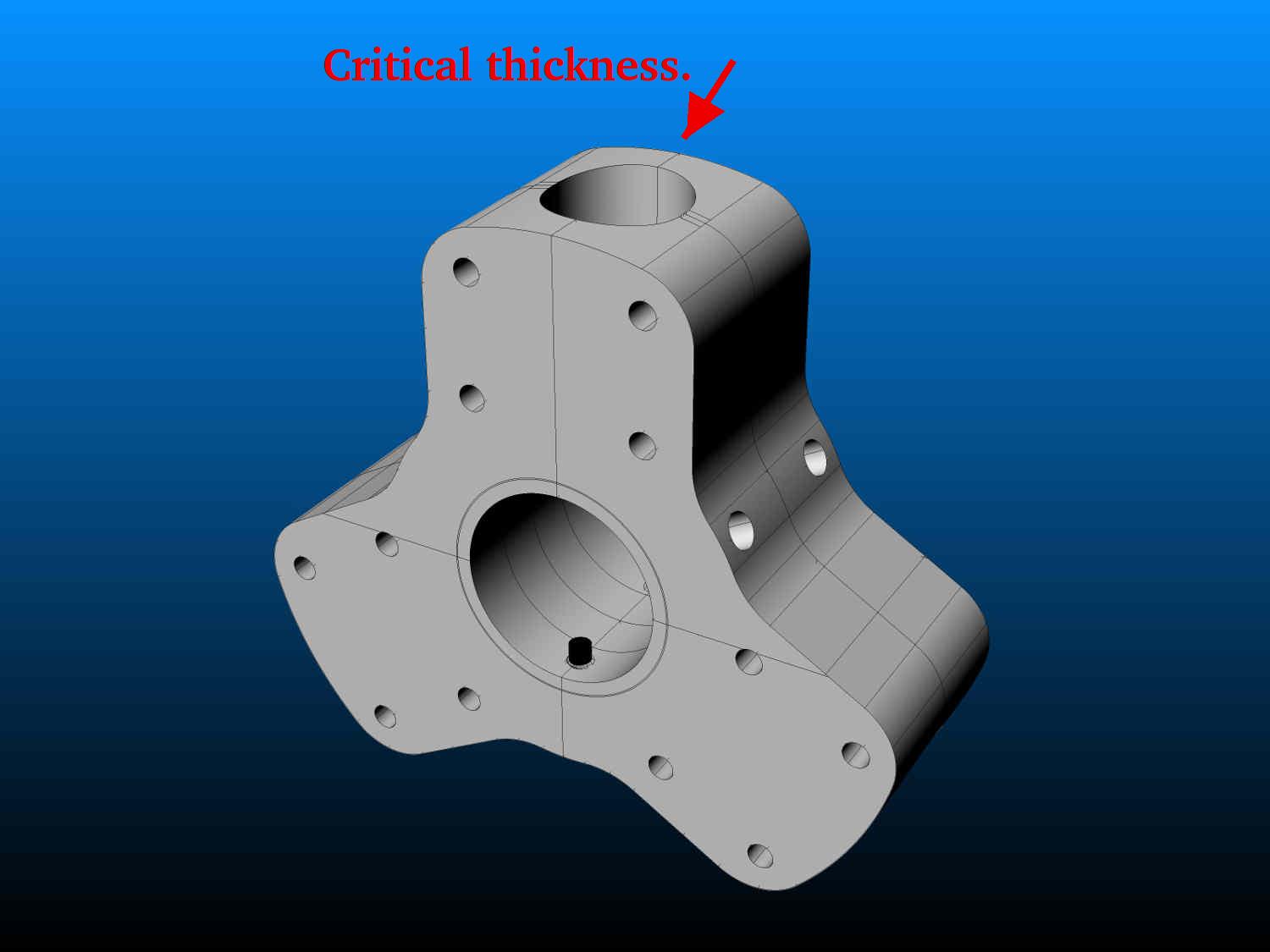
Rather than a traditional steel SAE prop flange the new gear box would
have this hub.
The prop hub and shaft flange are combined.
Saves weight and cost and the pitch is ground adjustable.
Paul Lamar
Paul,
What length of prop would this work with, and any prop manufacture in mind ?
George F Curtis
Warp Drive and Sensinich and an out fit in Oz makes compatible blades.
Th Oz company name escapes me at the moment.
Bolly props I think.
GT Propellers
<http://www.gt-propellers.com> - Italian Wood Composite
Propellers - P.I.
Via del Commercio, Riccione (RN) Italy
Australia sales resentative:
chris@gtpropellersaustralia.com.au The
blade hubs are becoming a world wide standard.
Maximum length I have no idea. Probably the material is a factor.
I would do extensive testing.
Paul Lamar
And the MAX horsepower rating is ?
Steve Carlisle
One could do an FEA. Lacking that some testing would have to done.
If one could set up a tilting system that would pitch the tail up and down
at full power by a 2 feet say once every 30 seconds one could get
confidence in
the hub and the prop shaft.
What will happen before that is done is size things just as a guess with
current
dimensions of Lycoming prop flanges and crankshaft diameters.
The only drawback is a bit more weight.
Paul Lamar
Paul, okay, I though there was a HP limitation on the blades these hubs
would
hold.
Steve Carlisle
The amount of thrust the blade could generate is calculable.
Given the angle of attack and the blade area would estimate
the bending load on the hub. Then the thrust from the blade
and the speed of the aircraft through the air would determine
the HP the bale was subject too. Kind of a meaningless number.
These people that use HP as a limit are guessing.
IMHO What is more important is the thrust the blade could generate.
That will give you the bending load on the HP. Usually what fails
is the blade retention due the centrifugal load. That is a function of
what the blade is made from. If it is all carbon fiber that is never
the problem. If the blade is not all carbon fiber that could be
the problem. The FAA test for a propeller is based on the centrifugal load.
They like to see the blade rotated at double prop shaft RPM.
This hub design is very conservative in that regard especially when
compared to a constant speed hub.
Then one could do a static test on the hub using the same set up
BD used to static load the spar using an engine hoist.
If there is any yielding in this area shown in the 3D then the thickness
can be increased.
Yielding still does not necessarily mean the hub will fail. The steel
bolts holding
it together are unlikely to fail as they are over kill.
Then it is just a matter of using a slightly thicker hub.
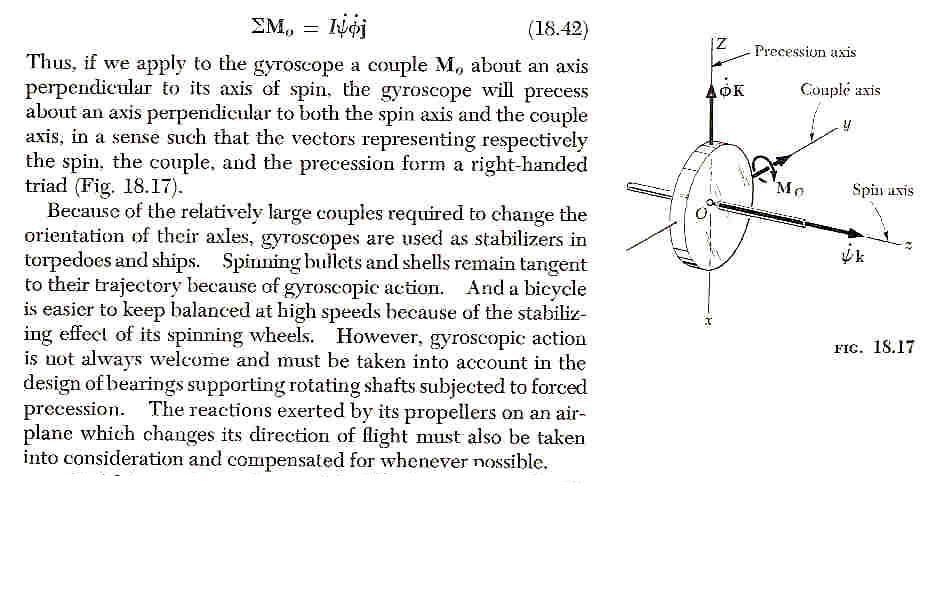
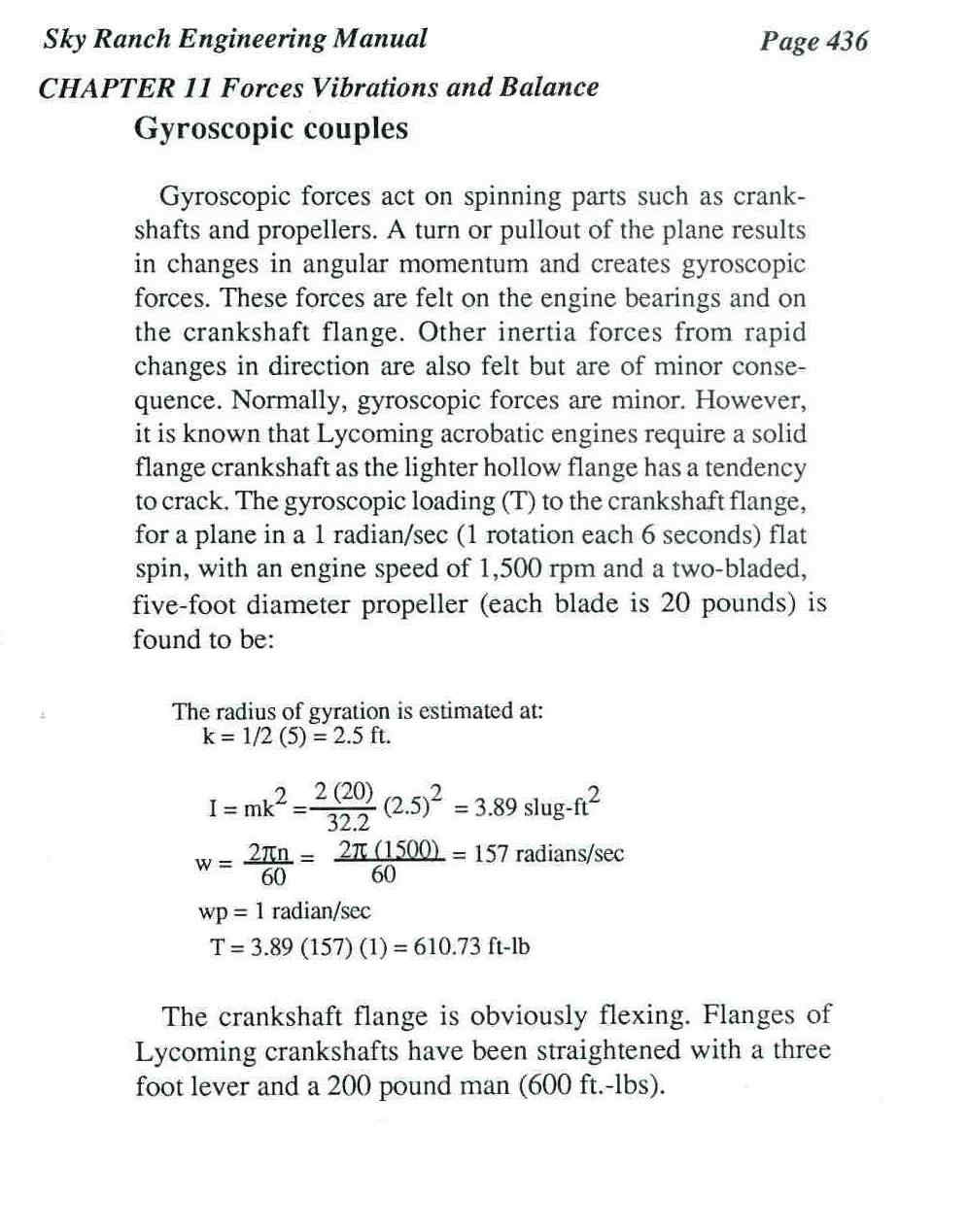
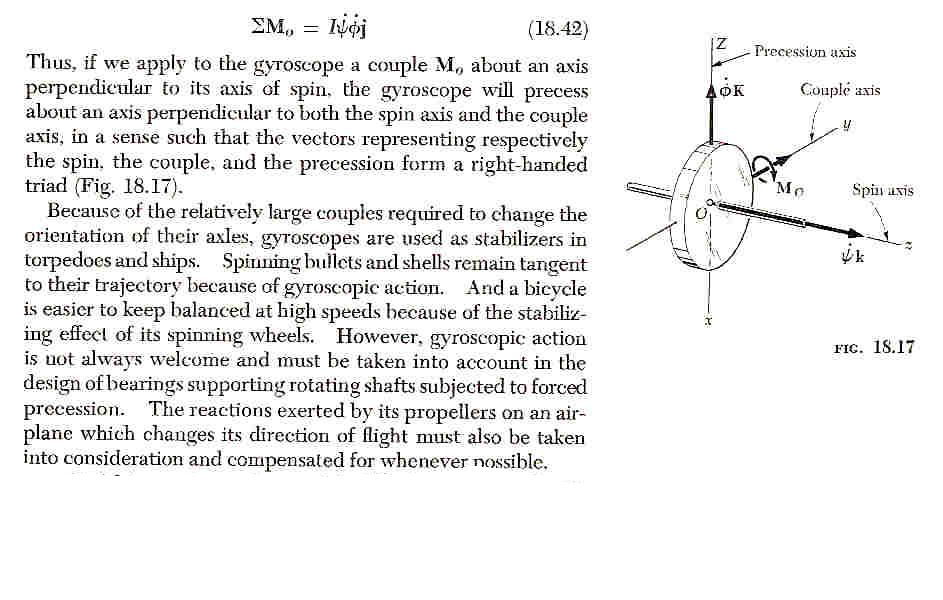
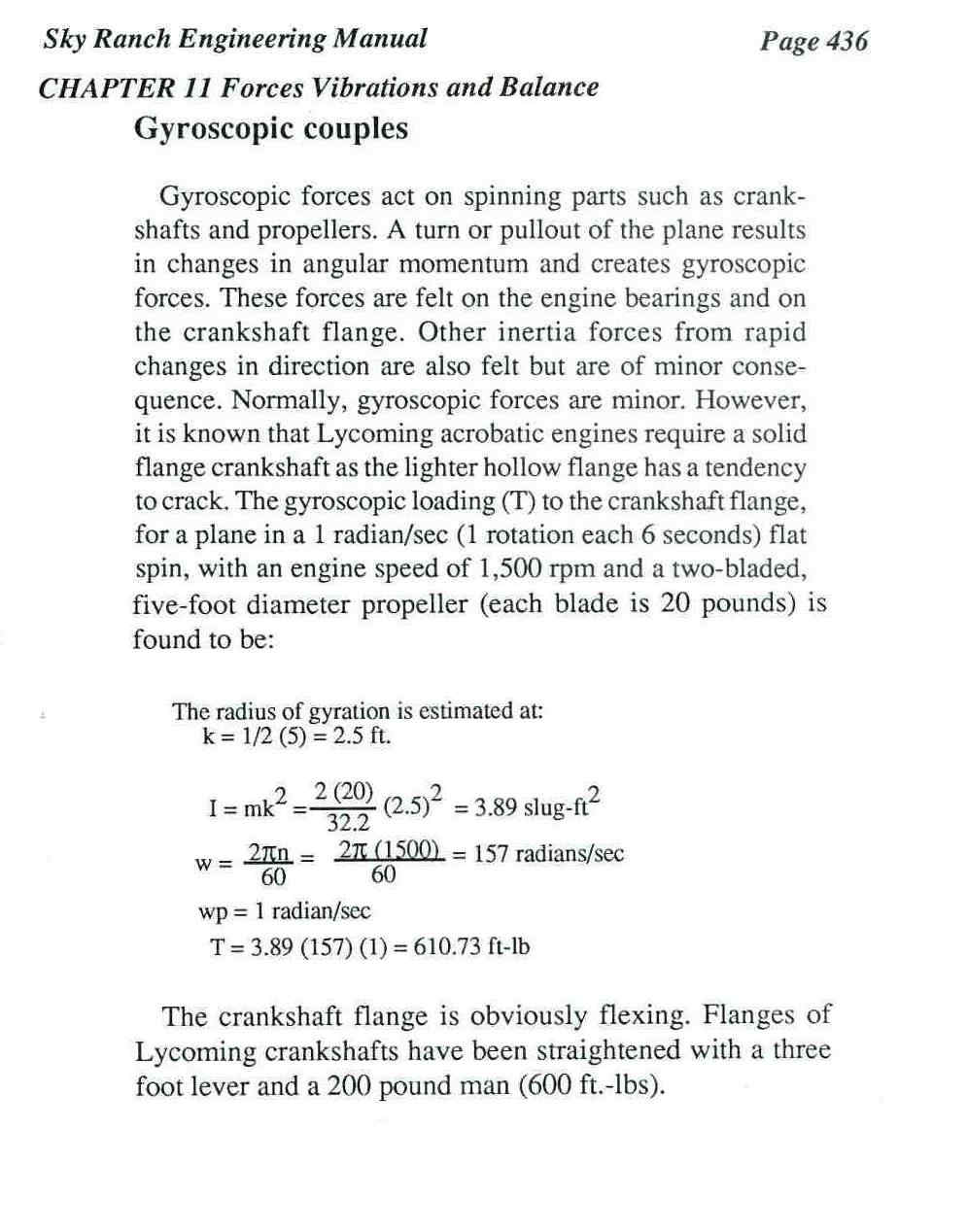
On a Lycoming aircraft engine the SAE prop flange can bend when the
direction
of the aircraft changes more than 1 radian a second.
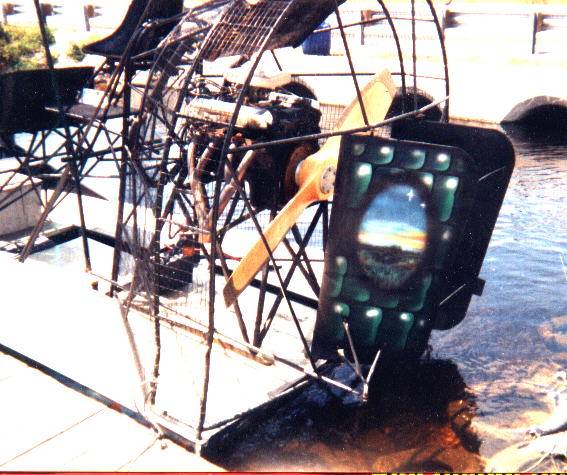
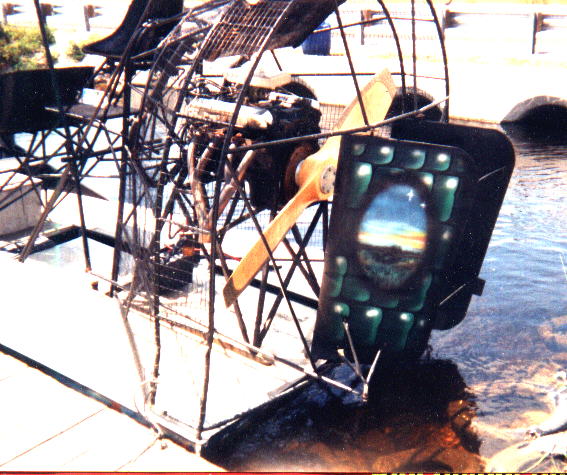
Going over a bump at high speeds in the Everglades will break the crank
in a direct drive Cadillac V8 engine.
Paul Lamar
The Rotary Engine free News Letter. Powered by Linux. If you want off
the list PLEASE let me know and I will remove you. ACRE NL web
site.
http://www.rotaryeng.net You Tube
http://tinyurl.com/beqqxas
Copyright 1998-2017 All world wide rights reserved.