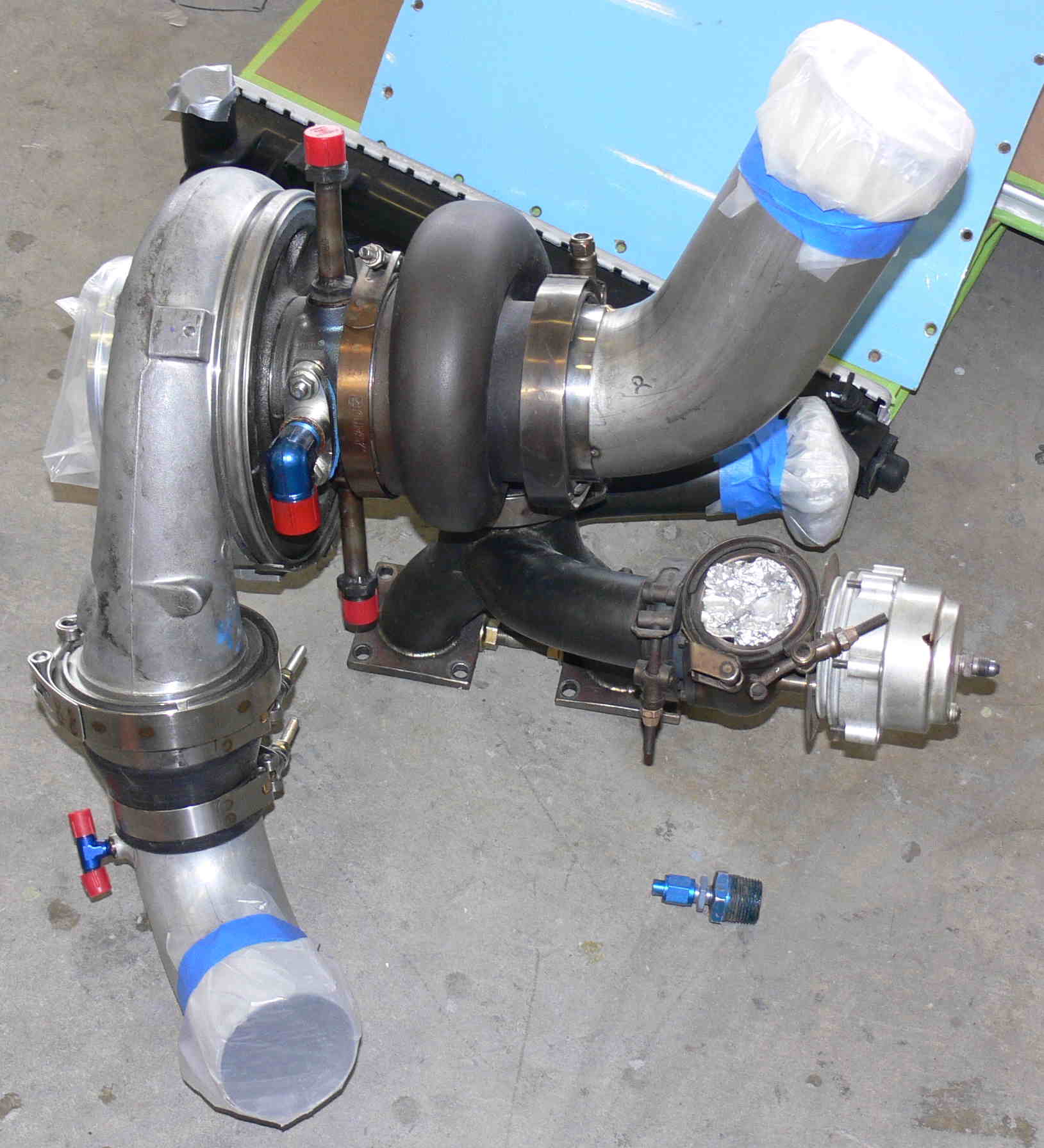
I question that you don't need a waste gate on a aircraft engine, I
think regulating boost with a blow off valve is a bad idea because the
turbo has to spin much faster rpm to maintain manifold pressure than it
would with a waste gate, then it's even worse at altitude.
A properly sized wastegate will regulate boost, you will probably need a
density contoler or electronic boost controller so desired psi doesn't
drop with altitude. A blow off valve is only used to relieve pressure
before the throttle body so when you chop the throttle it doesn't stall
or bark the turbo blades. I think you guys are trying to use a BOV as
like a burst plate or supercharger bypass valve but a supercharger has
fixed rpm if you open up the BOV to regulate boost on a turbo the turbo
has to spin faster.
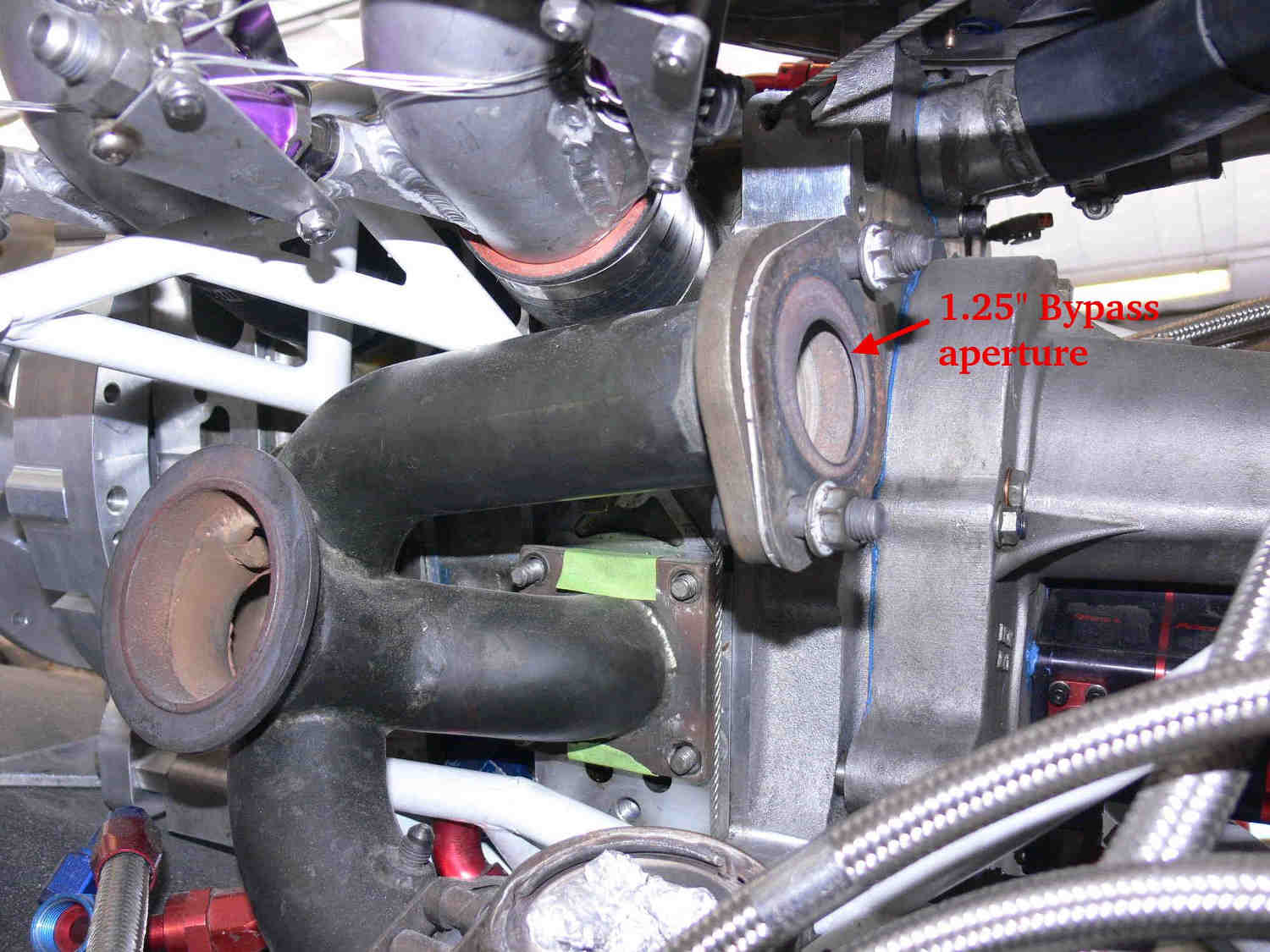
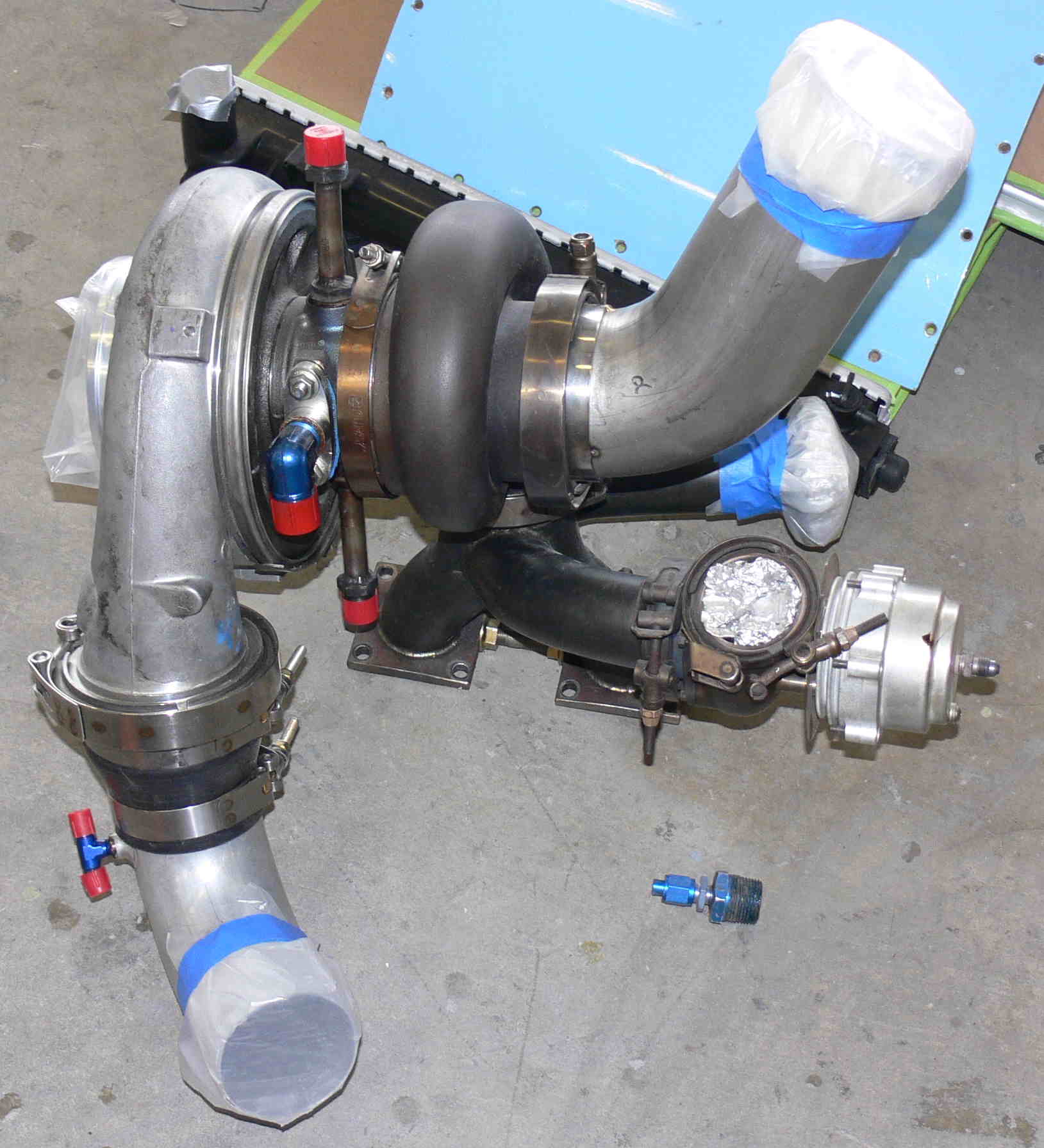
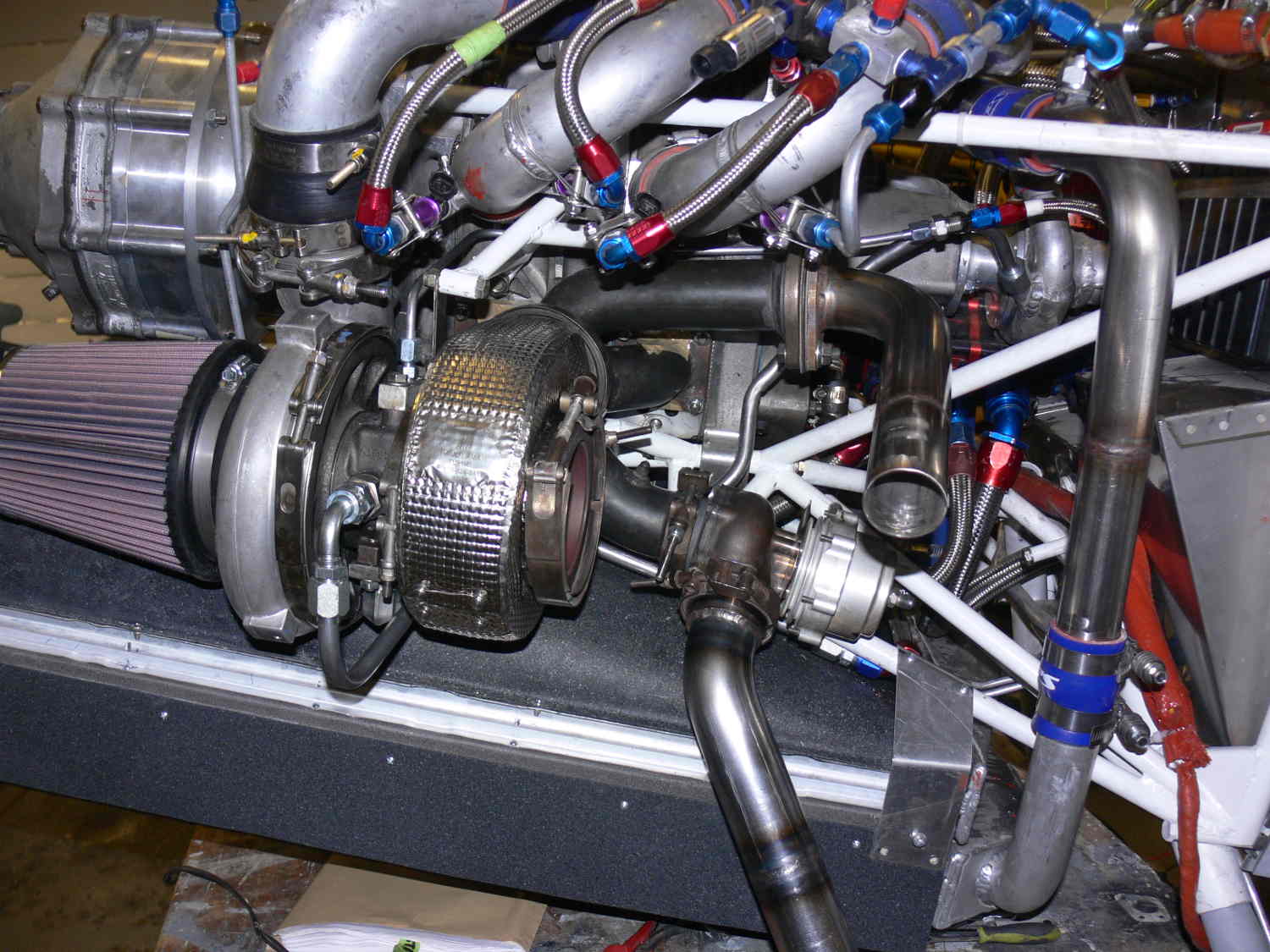
On the TTC aircraft I believe the original wastegate was too small shock
is why it has that orffice on the exhaust drive pressure side. If it
just had one 60mm wastegate it would have regulated boost fine, I
understand the boost controller in the motec was giving them trouble. I
hope I am not rude just curious why you guys are doing it this easy.
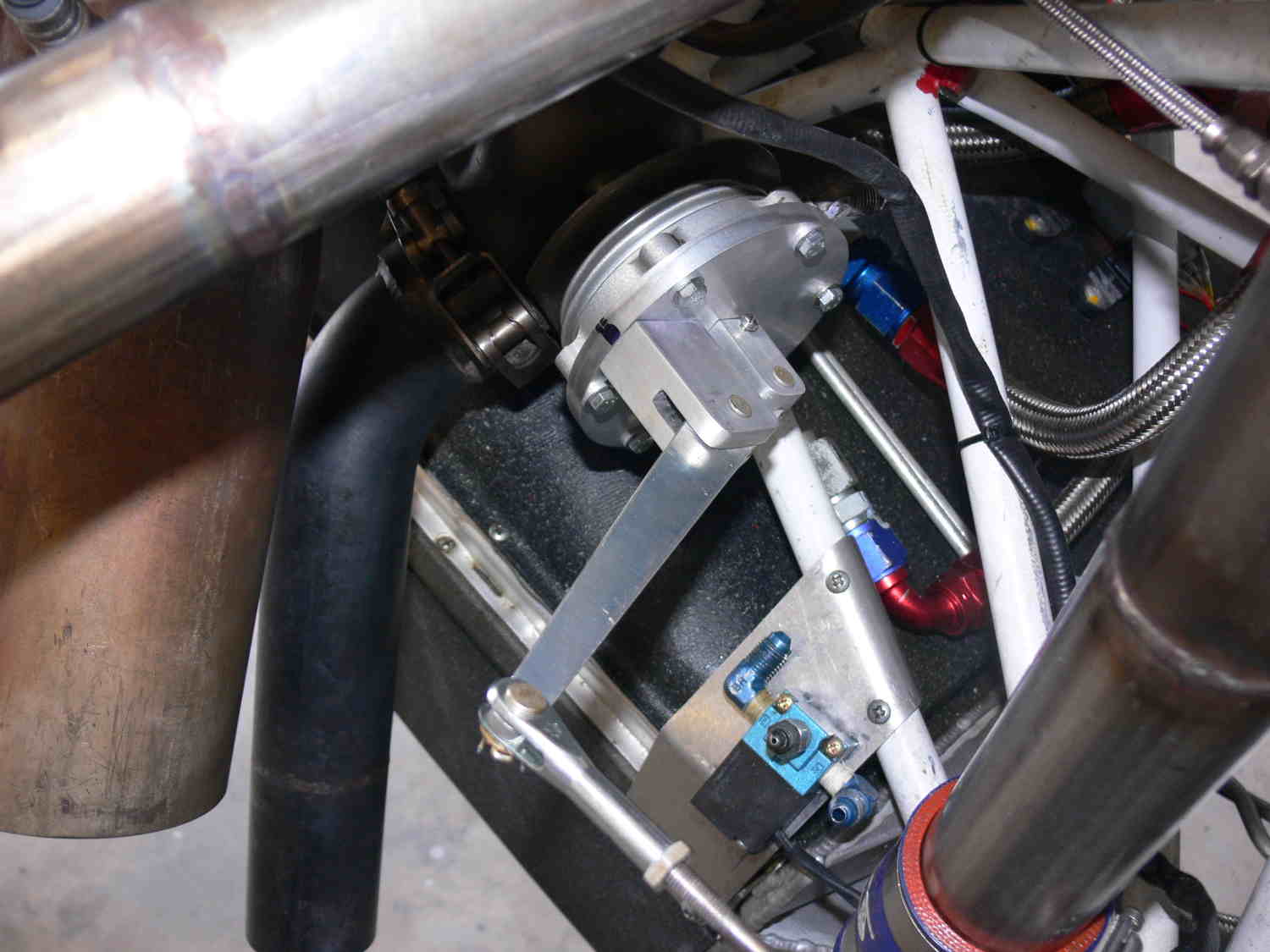
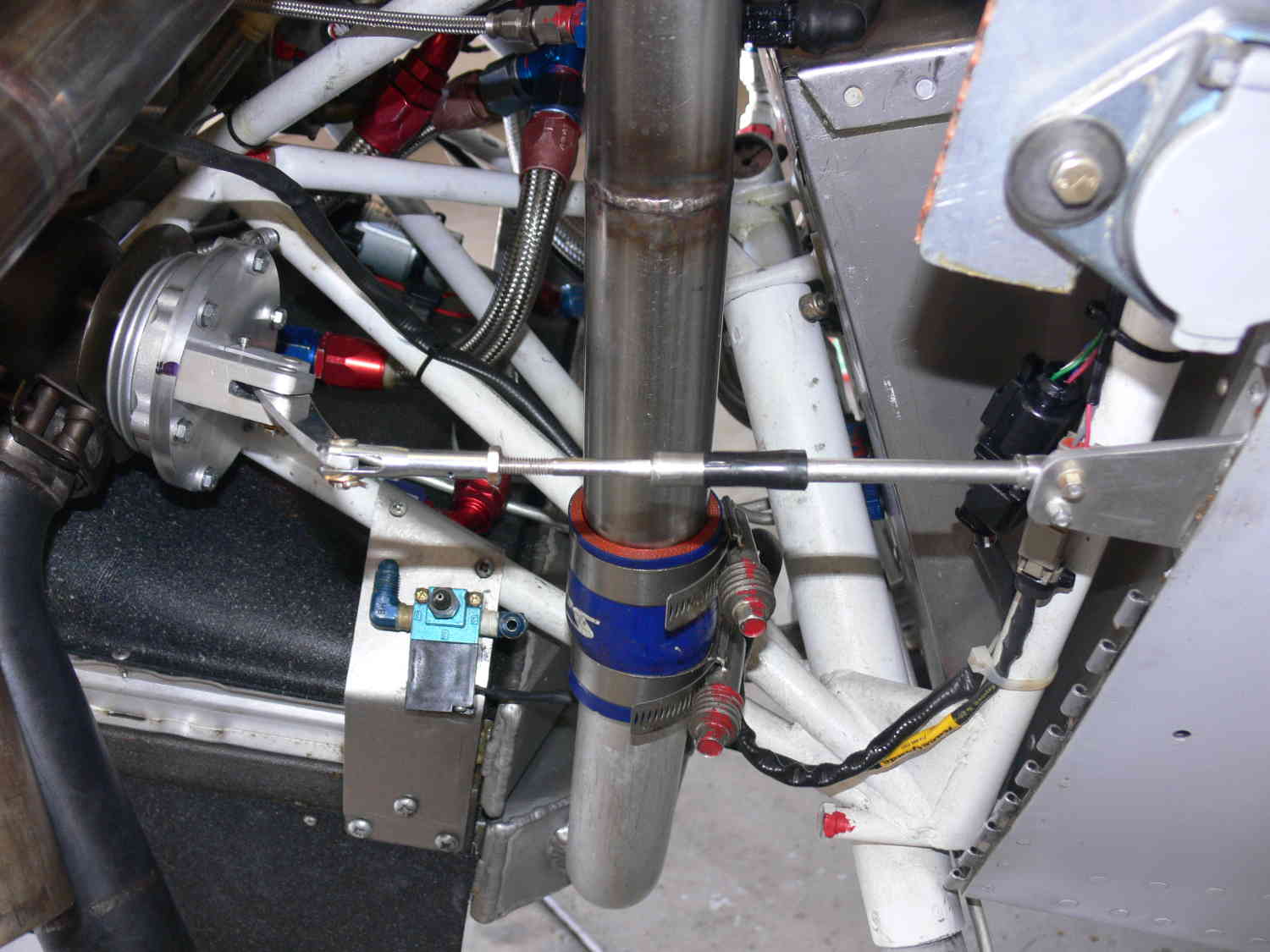
Btw I am doing a turbo lycoming 540 in a rocket right now with a
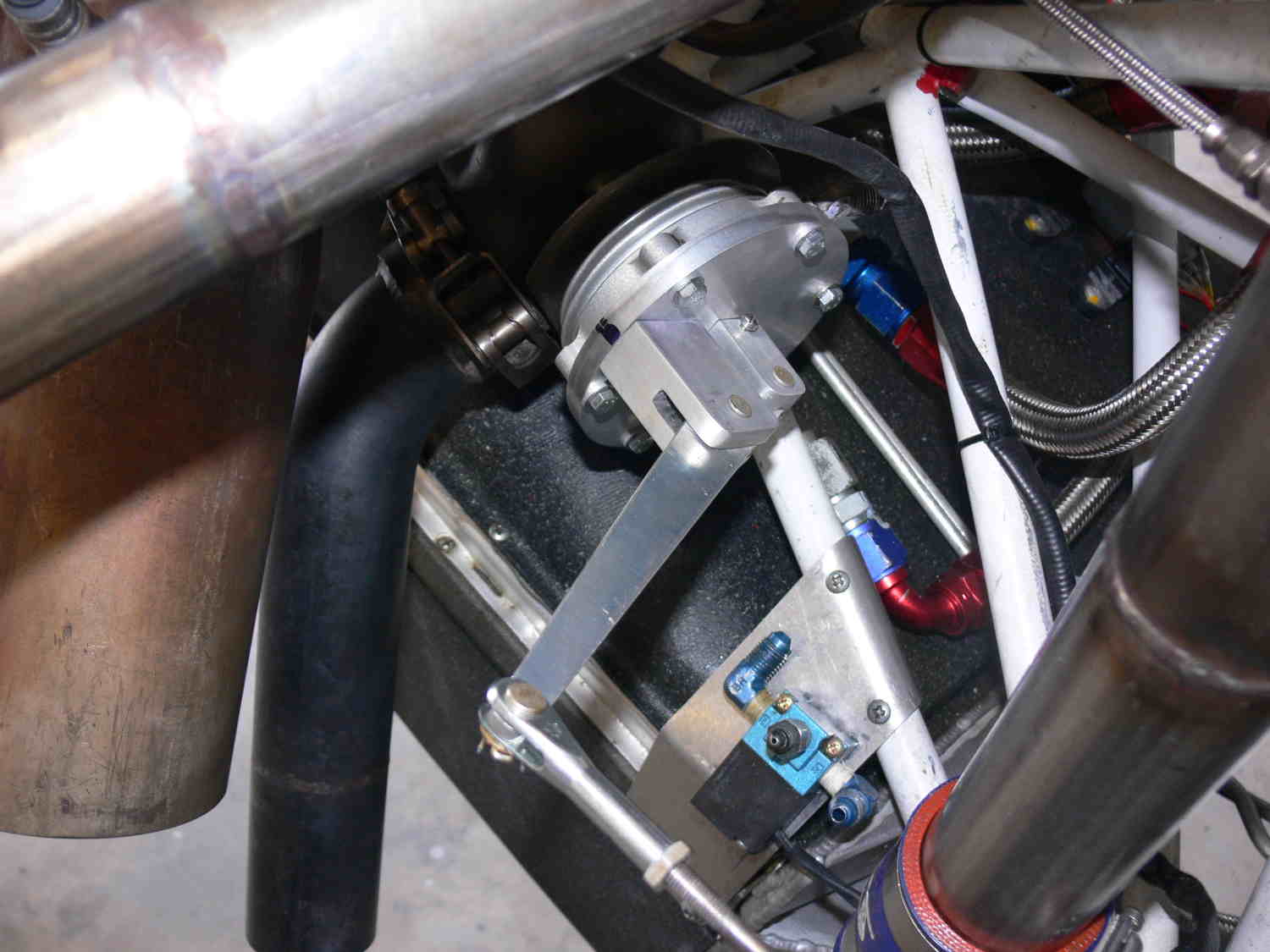
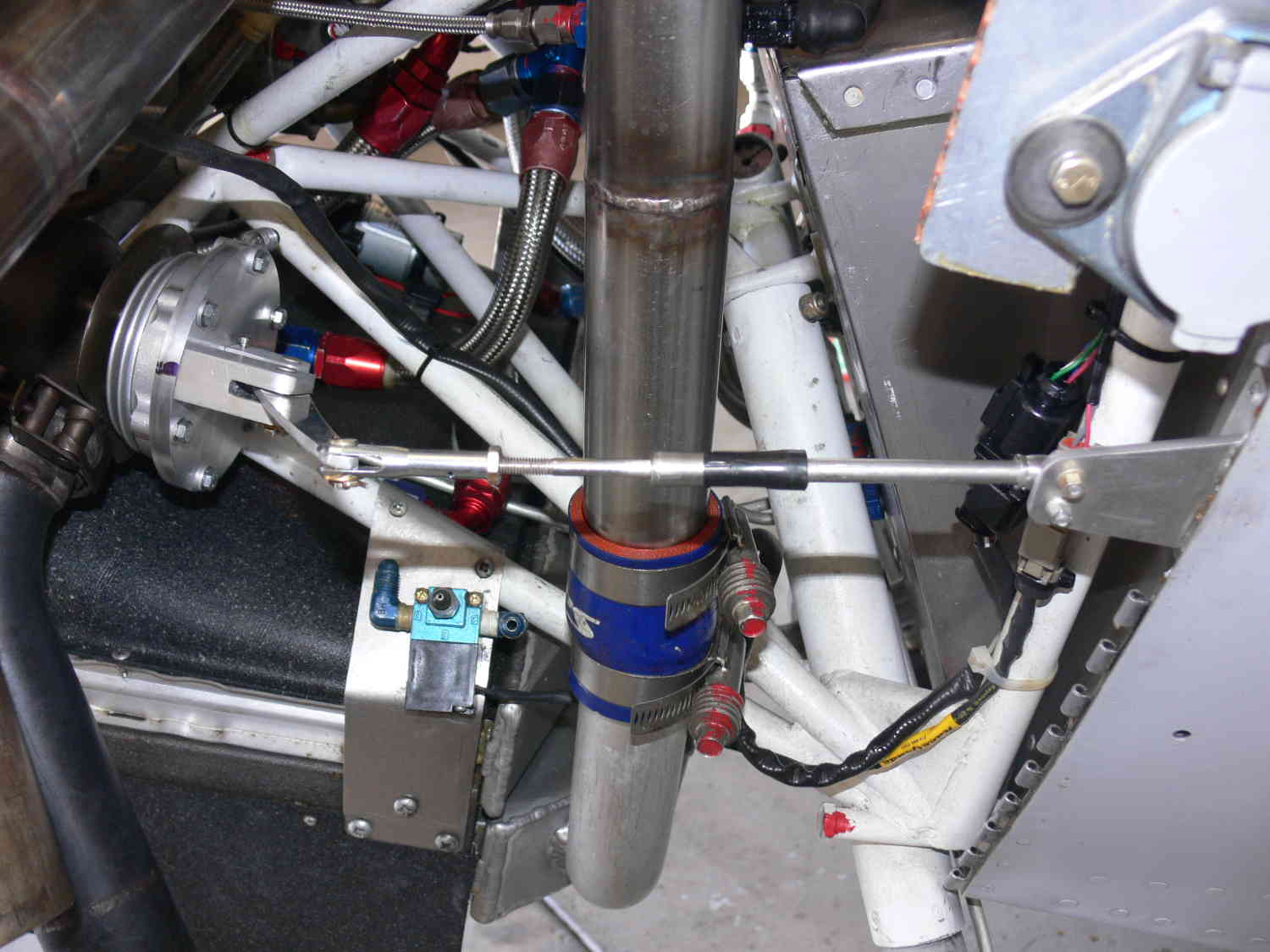
megasquirt and I love the way you made the manual boost controller set
up I would like to do that and tial 40MM gate.
I do wonder how your going to be able to control that fast enough for
record attempt, and if your manual wastegate raises boost right now
during testing then it makes me think your bov is wide open and can't
relieve enough so your having to use the manual wastegate and relieve on
the exhaust side too which seems like alot of waste and makes me think
you just need a bigger wastegate and then a properly set BOV or no BOV
cause a BOV shouldn't be open on boost just when you chop the throttle
(typically). Not trying to step on toes just curious and had to ask.
Jacob Sturges
I was referring to an aircraft Wankel engine.
You definitely need a waste gate on an aircraft piston engine to keep it
from
blowing up.
Good luck. Let me know when you get it running. I suggest you limit the
sea level
and higher boost to 35 inches of Ag or other wise you will have a hand
grenade or worse a
400 pound bomb on your hands. If you go much higher than that you will
blow the
cylinders off the block and right through the cowl.
That may even be too much as aircraft piston engines are very closely
designed for the HP
they put out. This is how they keep the weight down to the lowest possible.
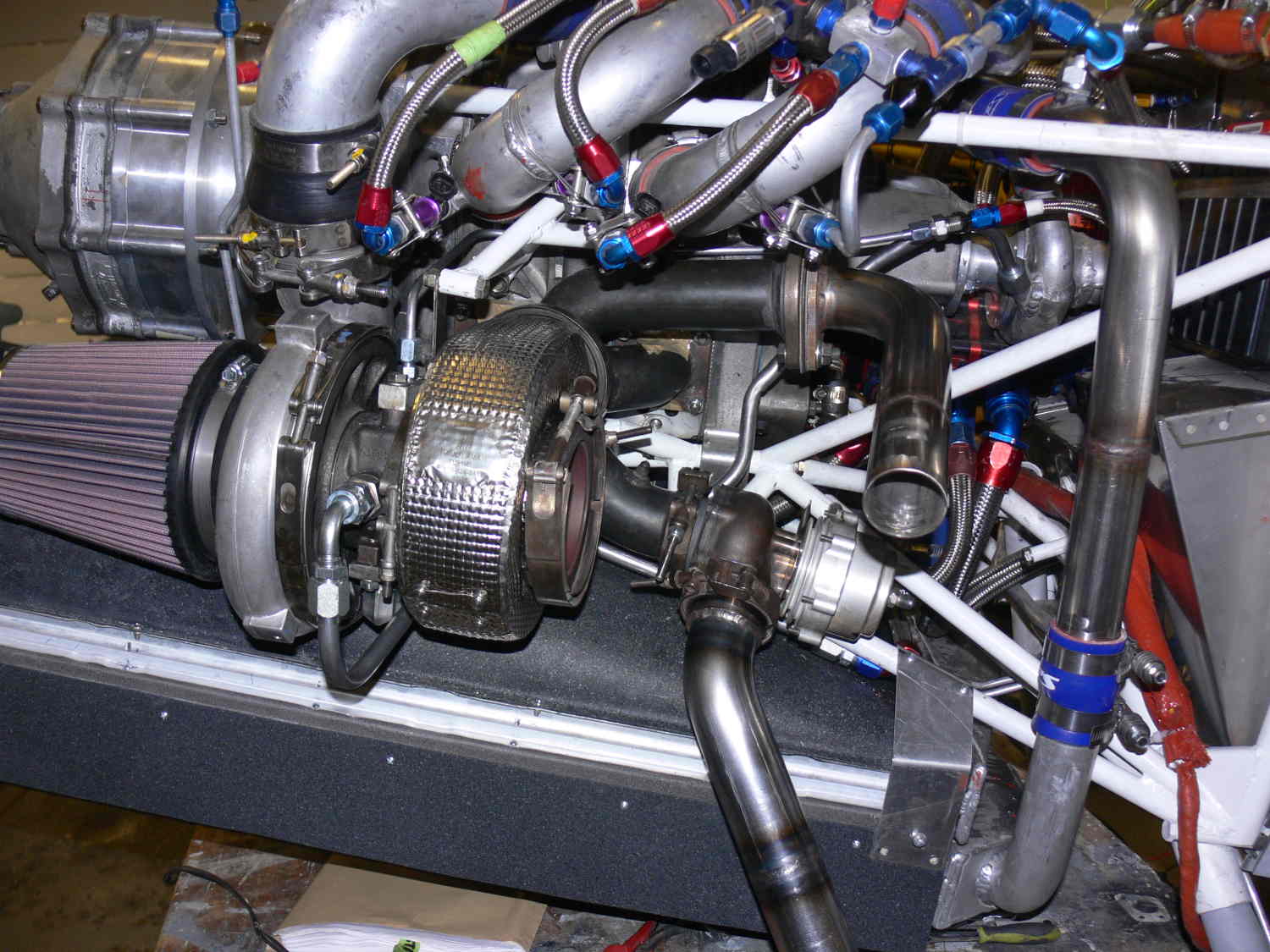
We have no problems with the GT-40 turbo charger or the rotary running
at 80 inches AG with the
BOV wide open and the waste gate closed at 8000 RPM. You can see that in
the form of water vapor coming out of the black BOV on the top of the
engine in this video.
https://www.youtube.com/watch?v=0LFXE6EBLLs
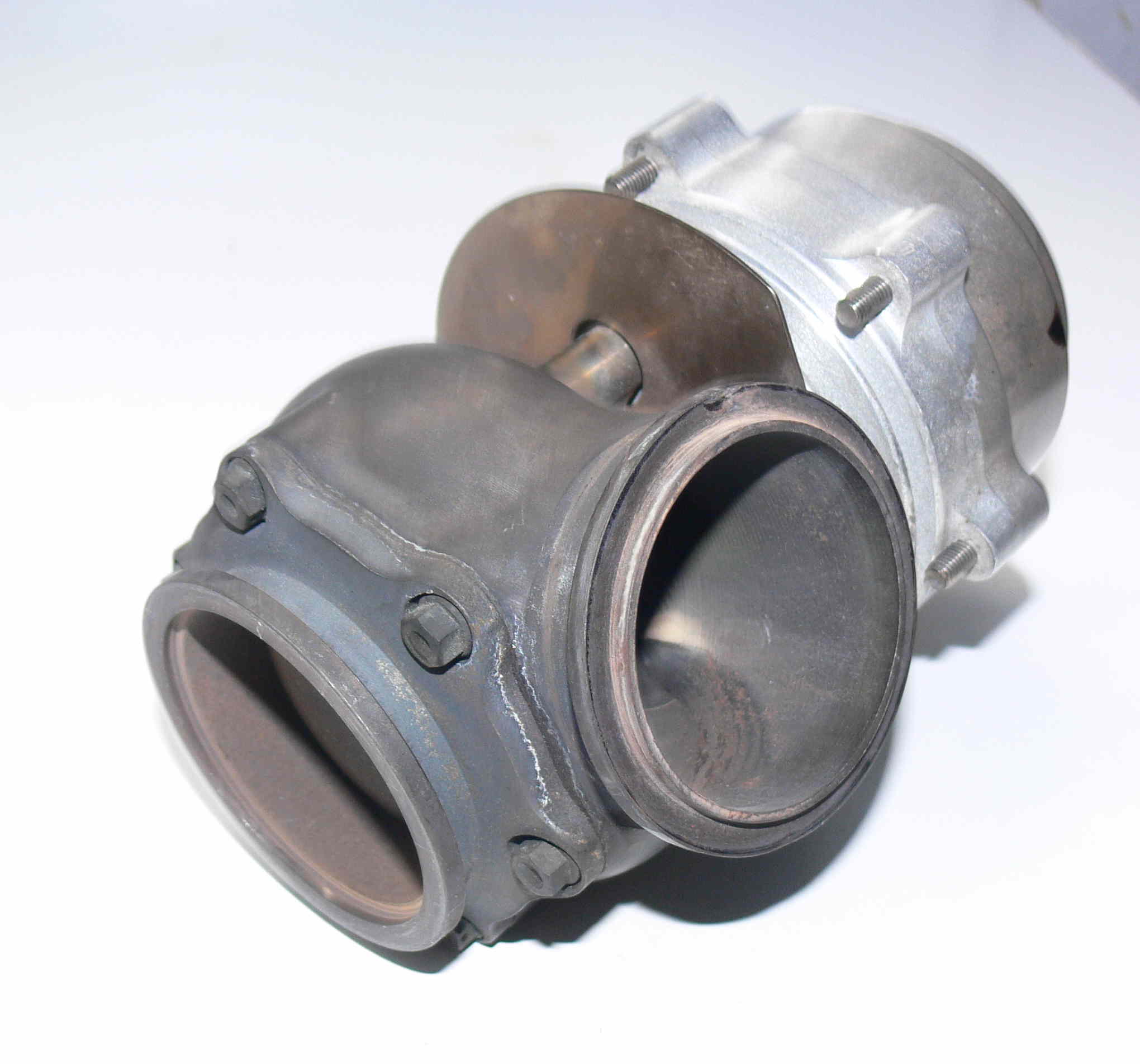
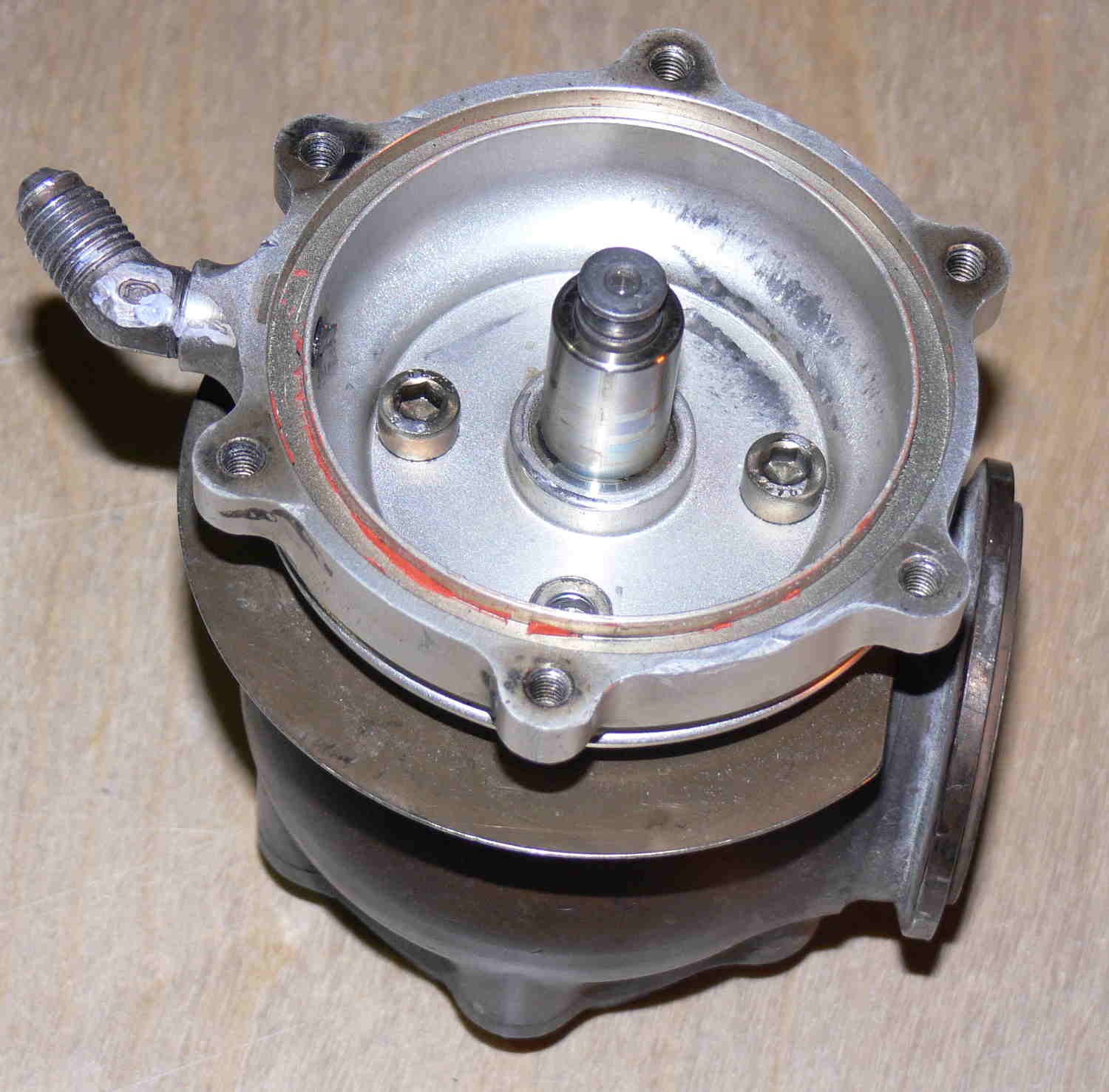
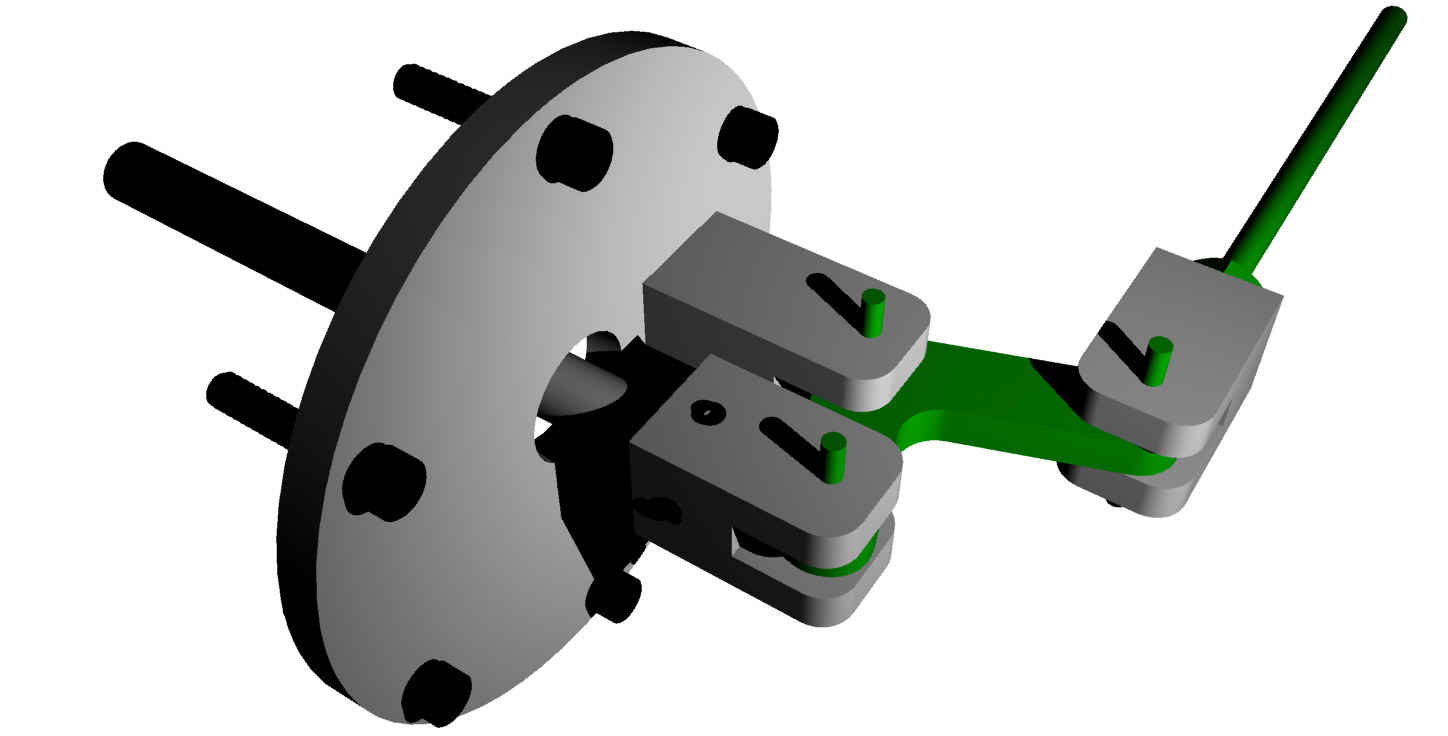
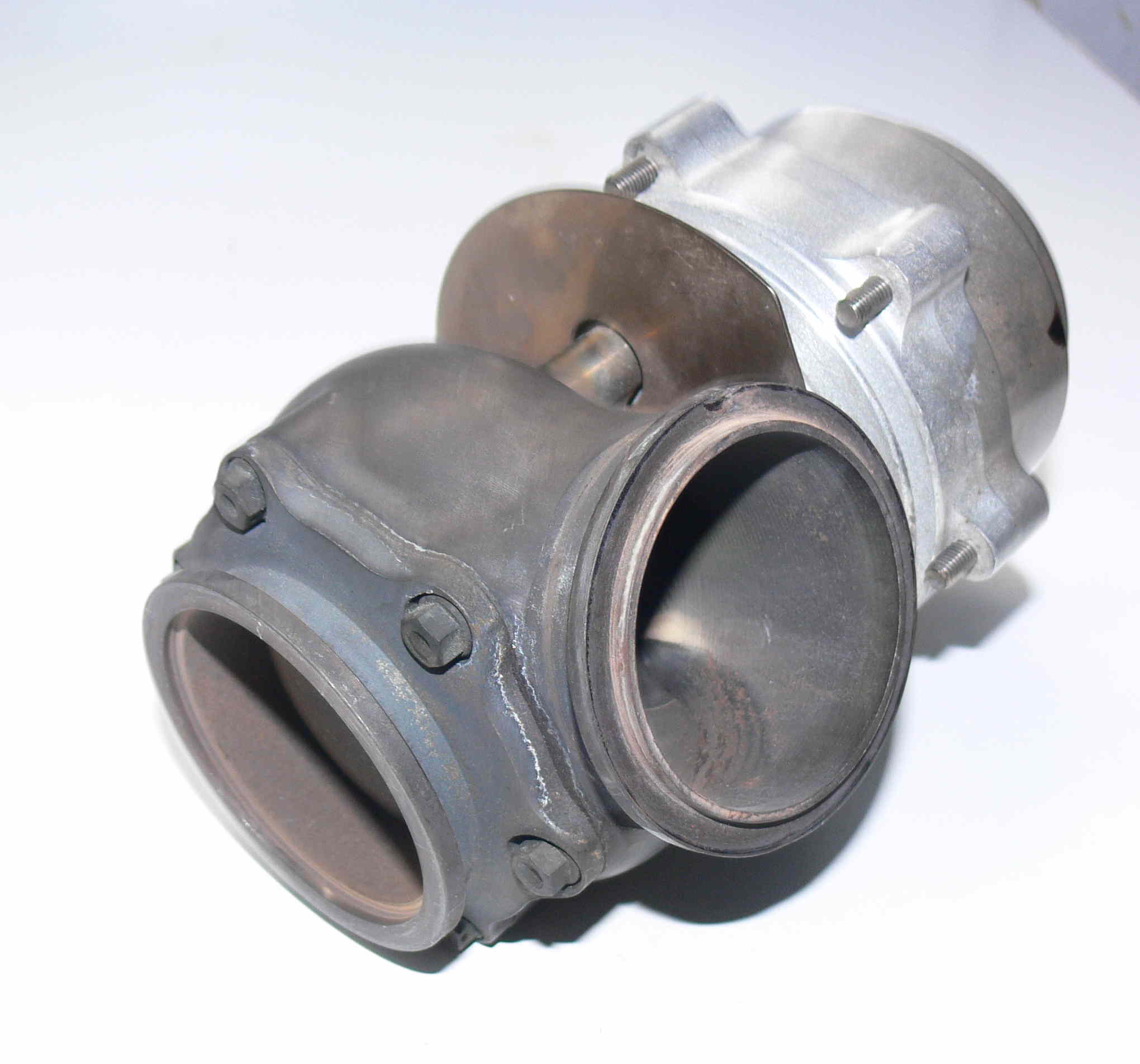
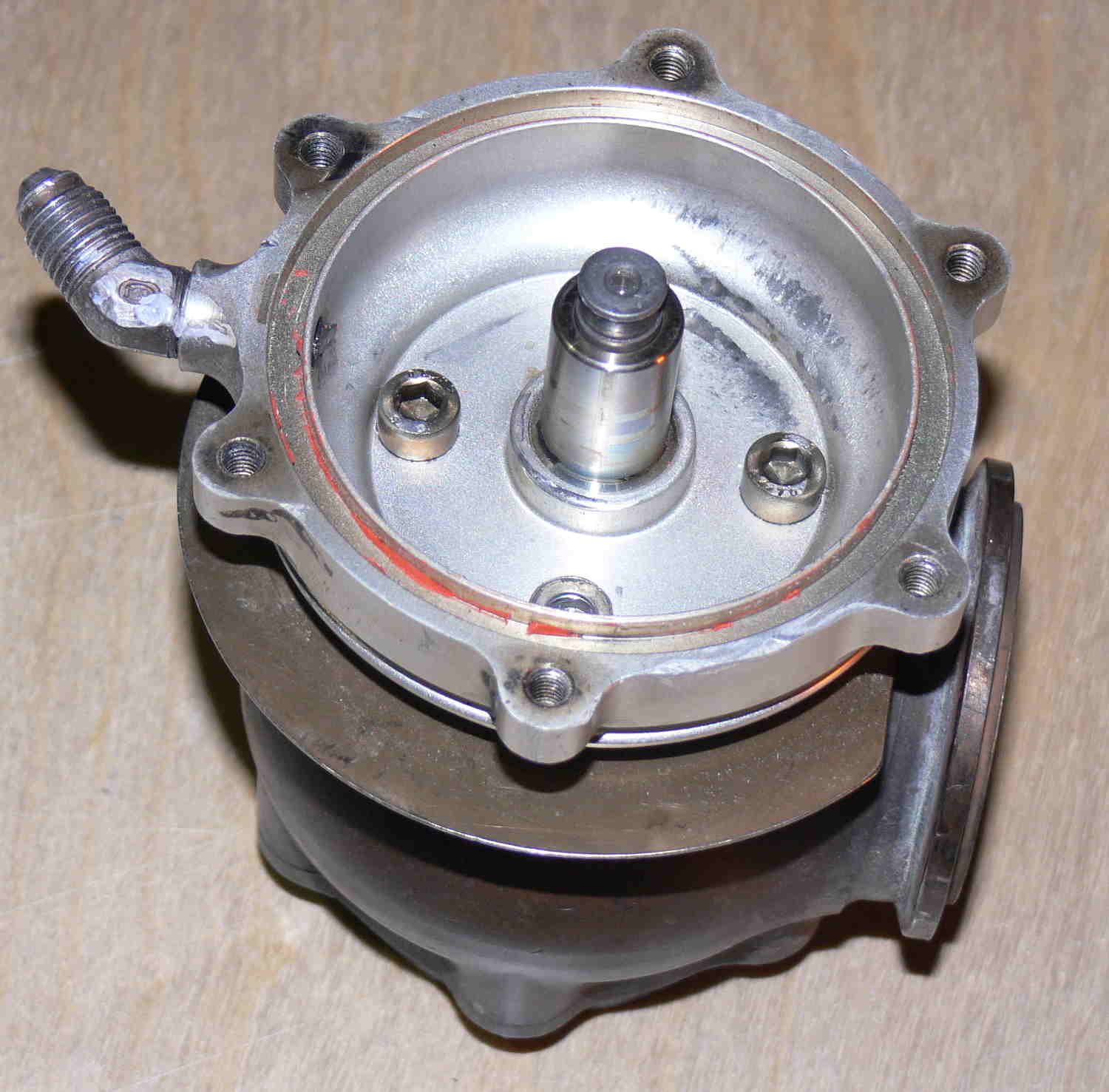
Our old Audi waste gate diaphragm was leaking and it was 40 mm. This
is the one I converted
to manual control by removing the diaphragm chamber. I did not try but I
don't think
I would be able to buy a replacement diaphragm because only god knows
how old it was.
I don't recommend it for a piston engine as one mistake by the pilot
will cost you a new engine.
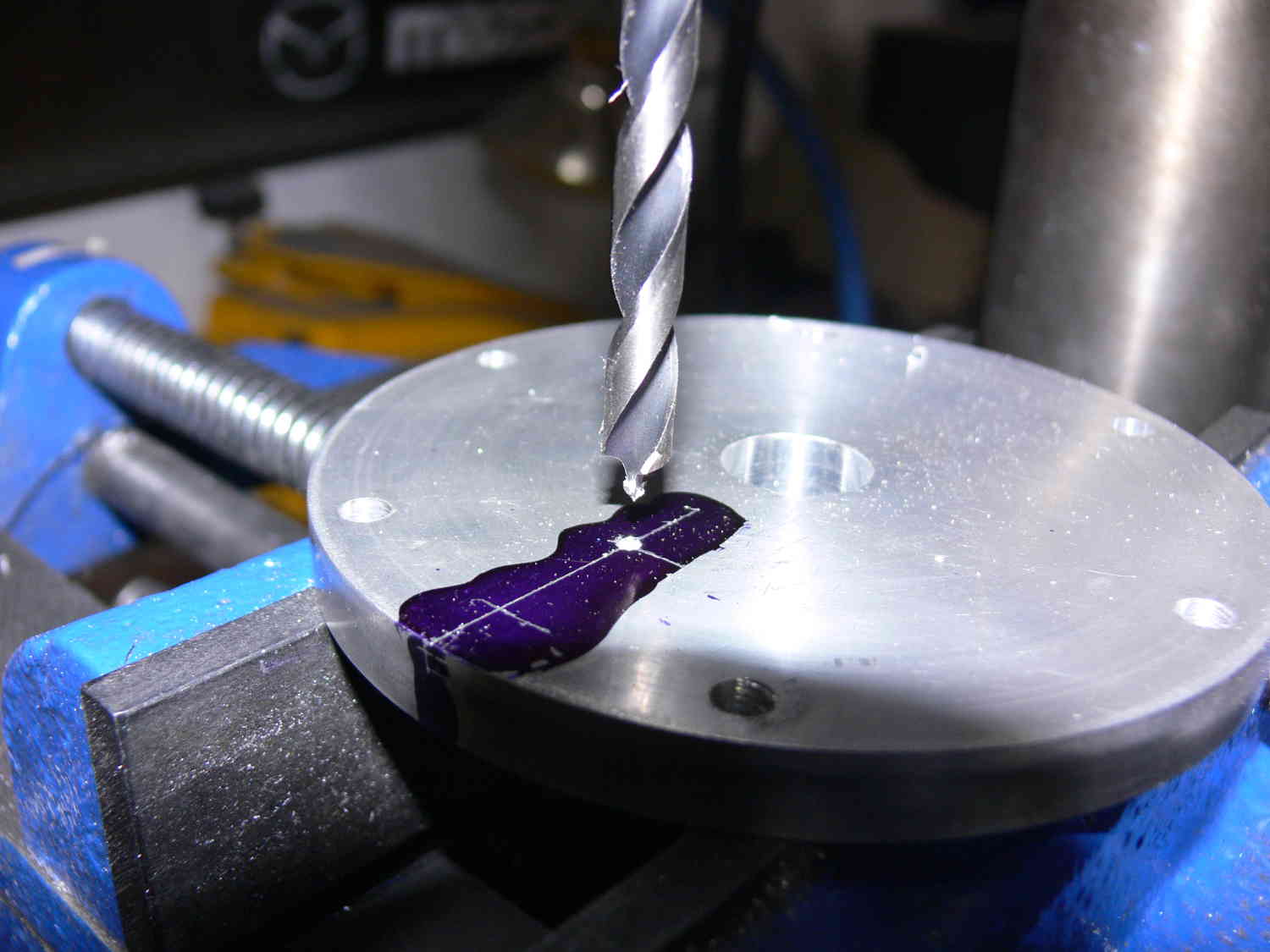
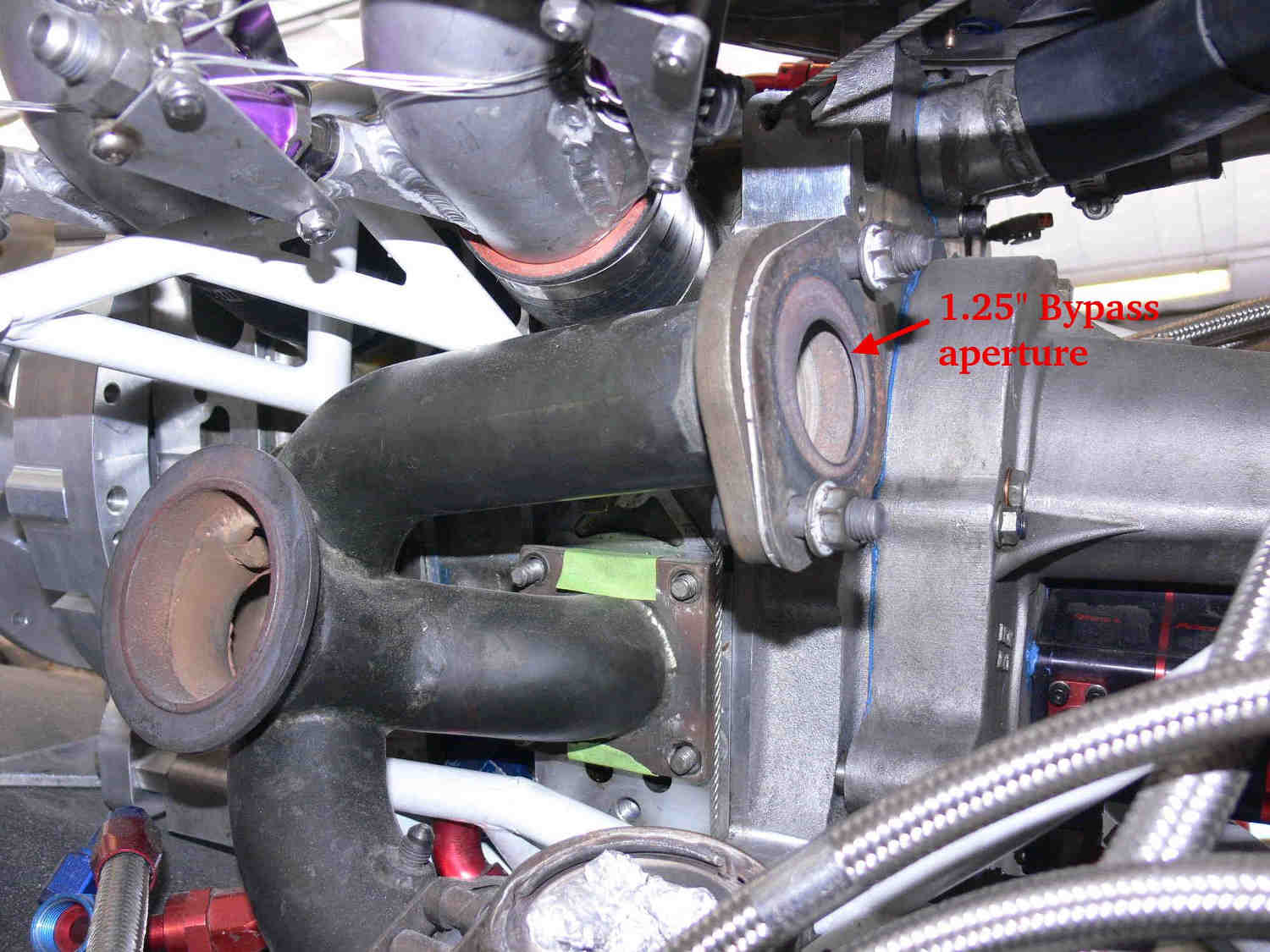
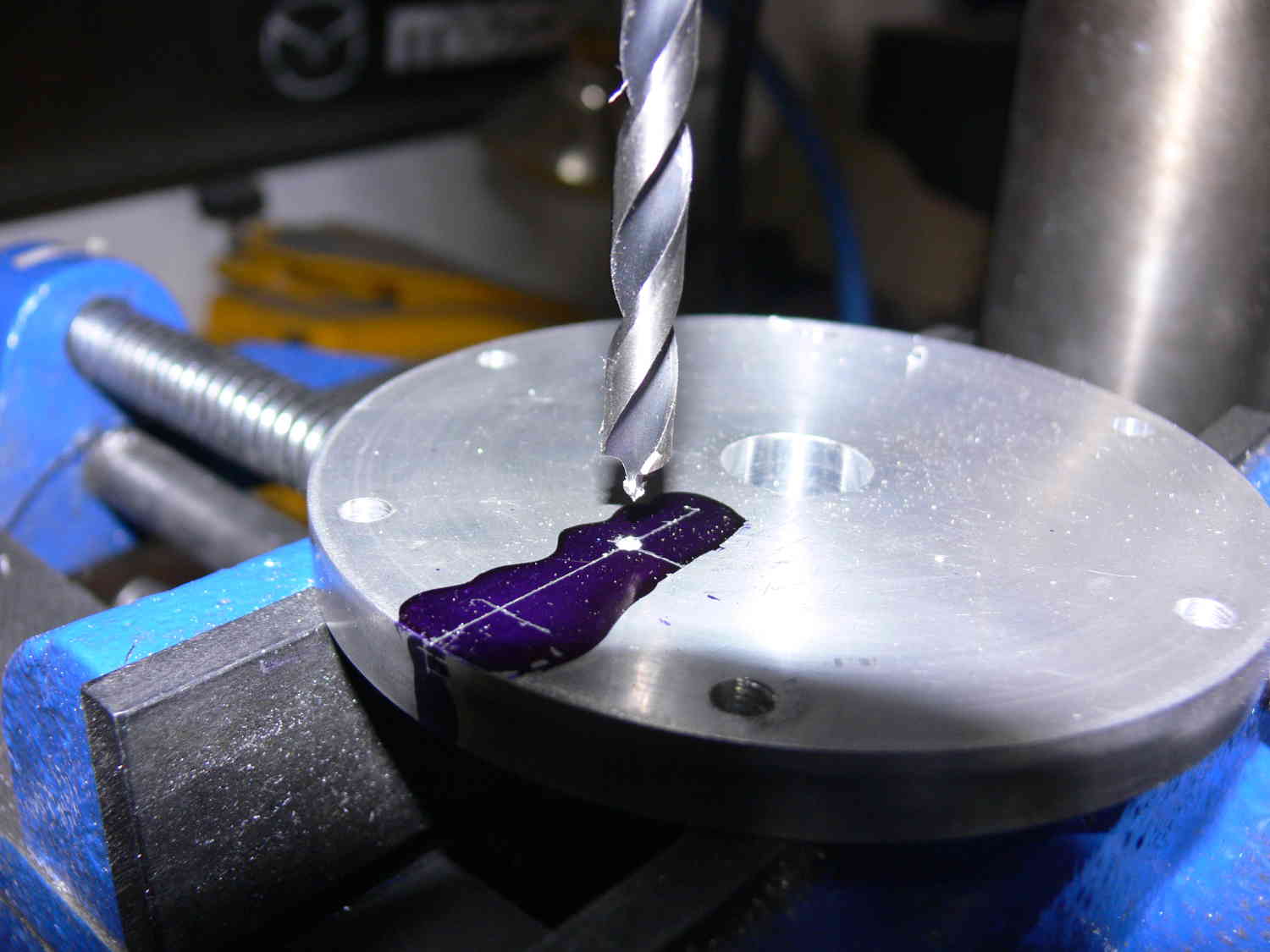
We also have an inch and a quarter hole open in the exhaust manifold
open all the time.
My advice is junk the Lyc :-)
Paul Lamar
The Rotary Engine free News Letter. Powered by Linux. If you want off
the list PLEASE let me know and I will remove you. ACRE NL web
site.
http://www.rotaryeng.net You Tube
http://tinyurl.com/beqqxas
Copyright 1998-2017 All world wide rights reserved.