I agree with the heat issues, because we found the 2 cycle
engines needed hot plugs to keep from oil fouling.
Paul, do I understand correctly that there is a certain amount of
oil injected or mixed in, for lubrication purposes? Is that oil
going past the plugs so fast that it is not a factor with regards
to oil/soot fouling?
I'm just trying to get my head wrapped around how differently the
combustion works with a rotary engine so I can understand the
physics a bit better.
Steve Thompson
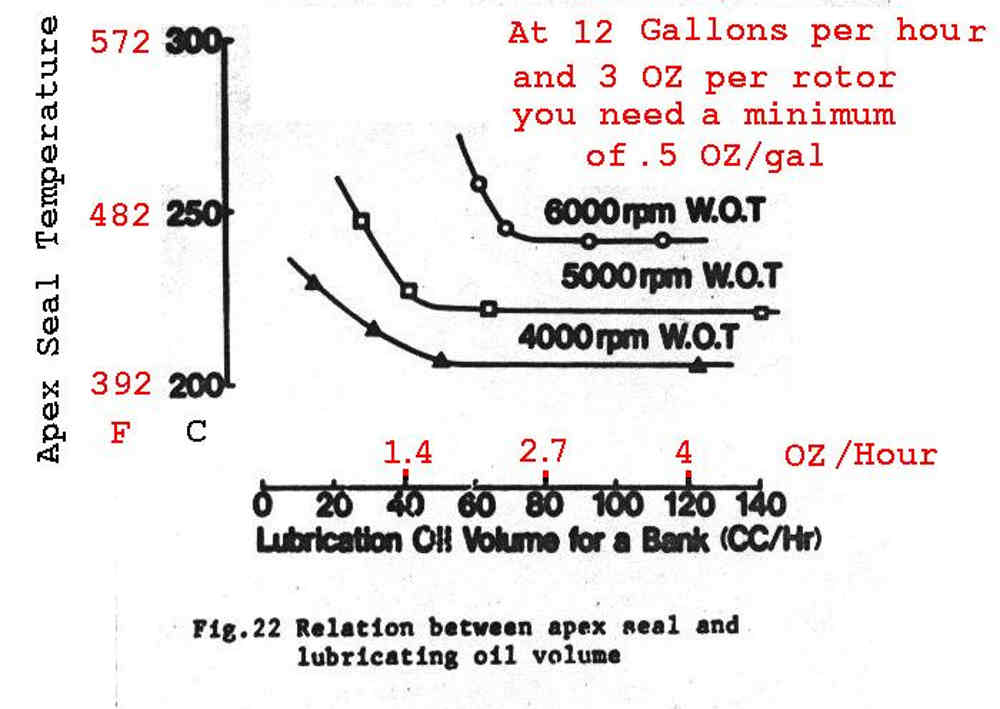
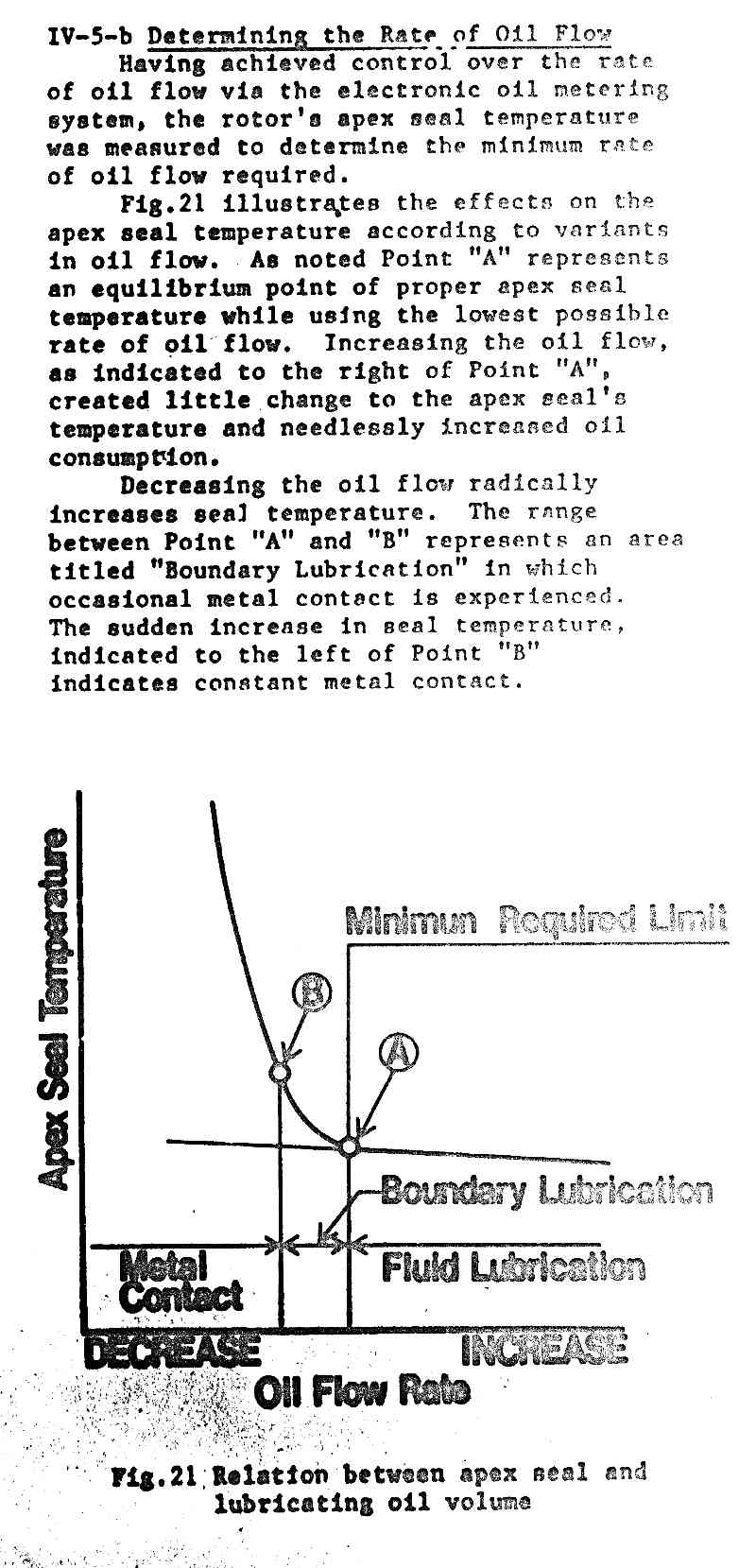
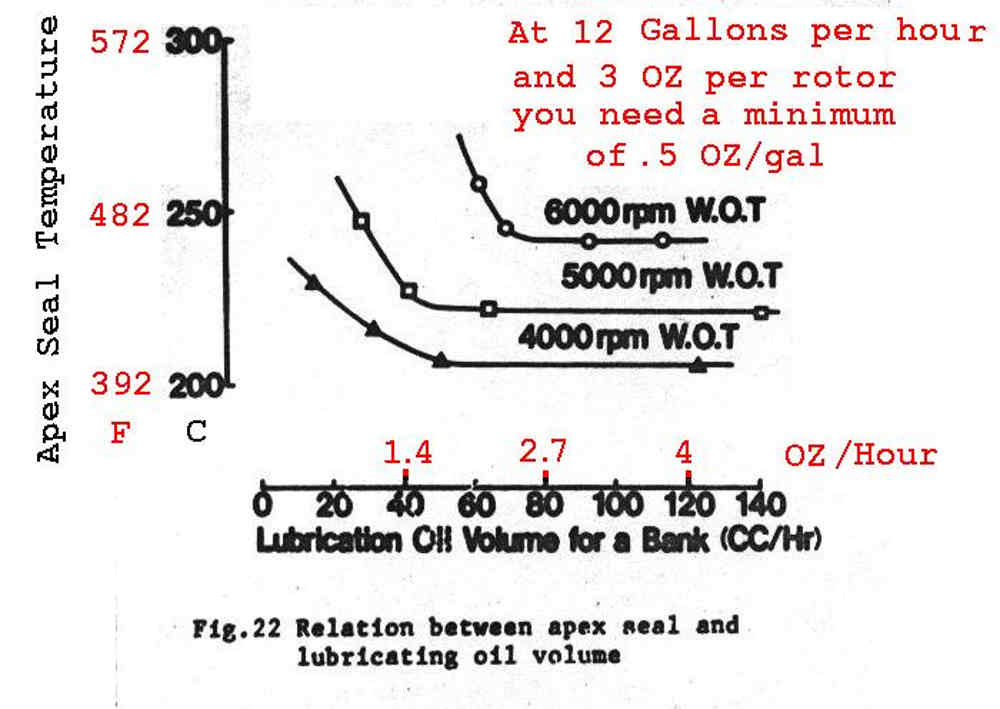
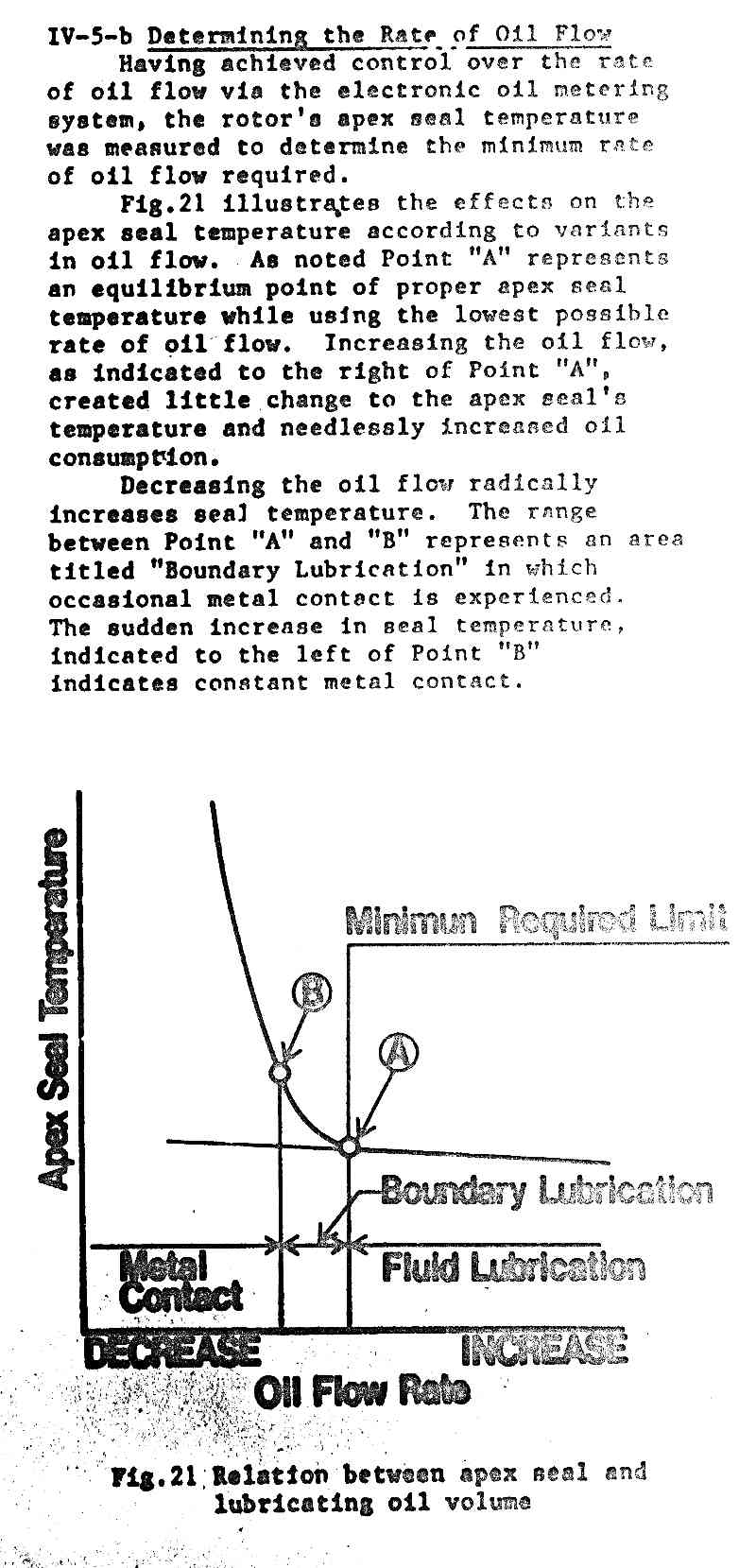
Normally it is only one or two ounces per gallon. No noticeably affect.
Up to 4 ounces per gallon is OK. Surprisingly cooling is the main concern.
This chart is for the old cast iron seals. There is some R&D going on in
the UK
with no oil mixed for Iannetti silicon nitride apex seals. The fuel is
the only lubricant.
They are normally good to 1000 F while cast iron is limited to 500 F.
Mistral did everything they could think of to fracture them but
they were unable to damage them. Detonation and the whole nine yards.
We have Iannetti silicon nitride seals in the time to climb engine.
They are about $200 each and you need six.
There are some turbo charged rotary engine builders in the world that
still do not understand
this and they are trying to use steel apex seals. Steel is hard on the
chrome
coating while the projected life of the Iannetti silicon nitride seals
is 20,000 hours.
Not 2000 hours! 20,000 hours.
The Austro Wankel engine used in motor gliders have no TBO. Unlimited life.
I have no doubt they are Iannetti silicon nitride seals.
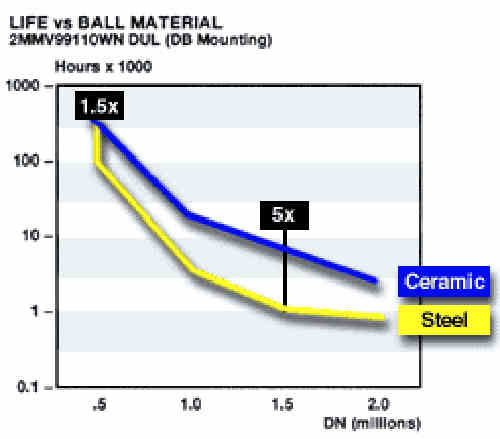
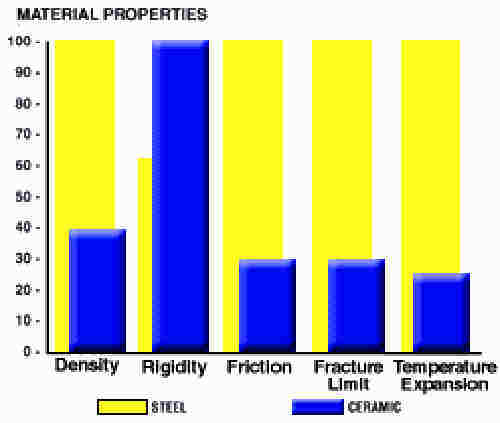
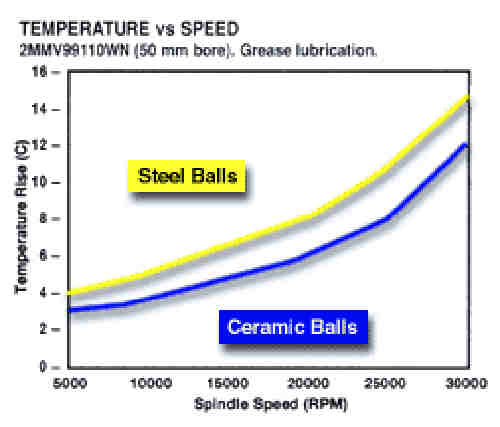
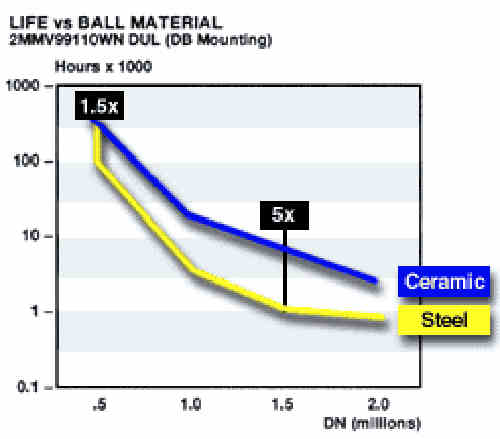
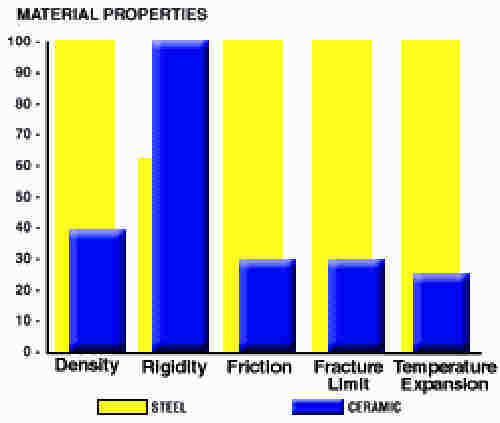
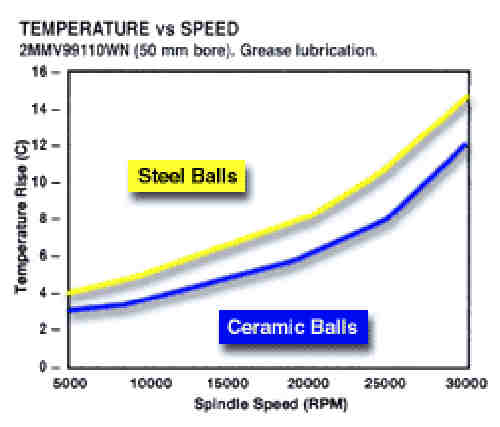
Silicon nitride ball bearings are widely used in F1 engines.
Here is a bunch of specs on the ball bearings.
Paul Lamar.
The Rotary Engine free News Letter. Powered by Linux. If you want off
the list PLEASE let me know and I will remove you. ACRE NL web
site.
http://www.rotaryeng.net You Tube
http://tinyurl.com/beqqxas
Copyright 1998-2017 All world wide rights reserved.