Last time we flew the TTC we had no intake manifold water injection.
Usually considered essential for turbo engines.
Wiring error on the water pump. I did not do it!
Intake manifold air temperature got up to 300 F.
With 60 inches of Hg manifold pressure and 8000 RPM this would have
blown a piston engine sky high.
It still climbed out of sight in 27 seconds.
Then it climbed 75 to 80 degrees near vertical some where
between 90 and 110 kts.
That translated to something like 10,000 feet per minute.
I was worried about the engine.
So I set up the Maximite to record compression. I expected
to see some cracked apex seals.
Nothing. The engine came through OK.
Here are the plots of the compression data.
Each spike is one rotor face compression.
And the take off video.
If we had wider blades on the prop we could jack the boost up
to 80 inches of Hg. At 8000 RPM the tips are going super sonic.
I don't think we need it but it is an option if we don't quite get
the record.
We will fly it again tomorrow after noon at Oxnard airport.
Paul Lamar
Paul, how does that program print the graph?
Steve Carlisle
The Maximite program does not do it.
It stores the data as a comma delimited text file. Here is
the raw data.
It is basically just text so you can read it with any
simple editor.
Then you load it into a spread sheet program and that can
plot it.
I use free LibreOffficeCalc running on Linux.
Paul Lamar
Does the ttc engine have side port exhaust?
Richie Barrow
No. All p-ports.
Paul Lamar
How much intake to exhaust overlap are you running?
Richie Barrow
P-Ports give you a lot. Just like a jet engine. The connection
is never closed.
This is mainly due to the depression in the rotor face.
The rotary is a continuous combustion engine more like a turbine
engine rather than a piston engine. The fact alone that it fires
once per rev is a clue.
Piston engine concepts of valve over lap can not be used.
The dynamics of the gas flow make it work. Same as a jet engine.
Paul Lamar
I was thinking more about possible fresh fuel dilution and its
effect on elevated exhaust temps on the turbocharger?.
Richie Barrow
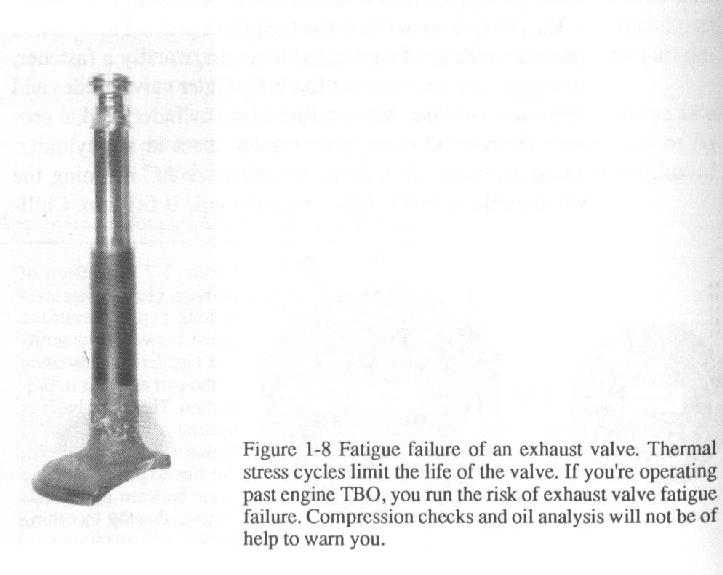
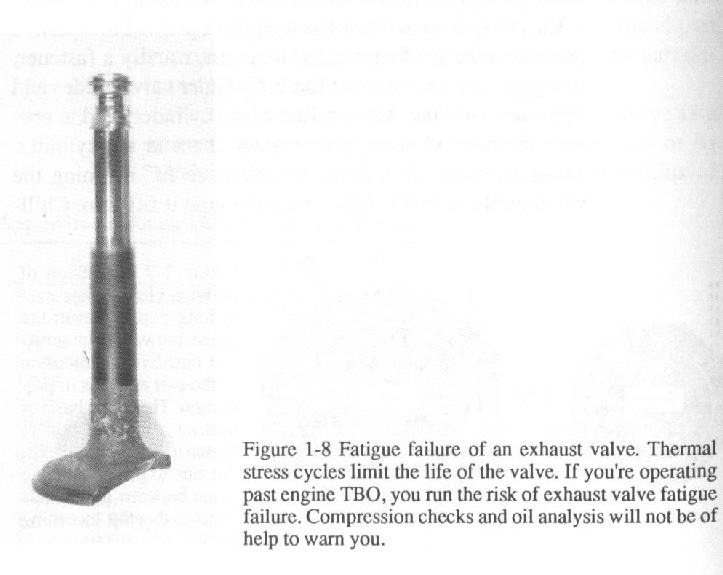
The reason the exhaust is hot is because there are no exhaust valves.
Curtis Wright determined back in the late 40's that 20% of the exhaust
energy was dissipated by
the exhaust valves. That is the reason the FAA demands you test your
certified aircraft
engine each year for compression leakage. If you are leaking compression
it is probably
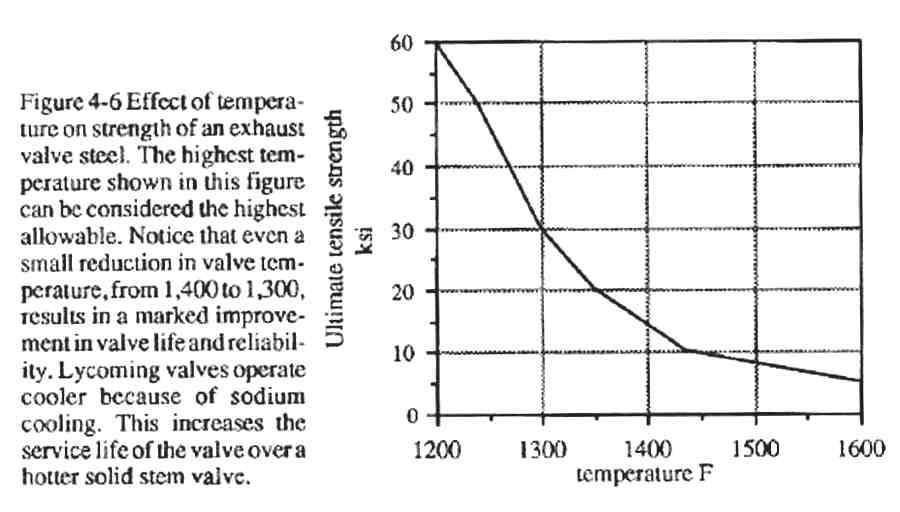
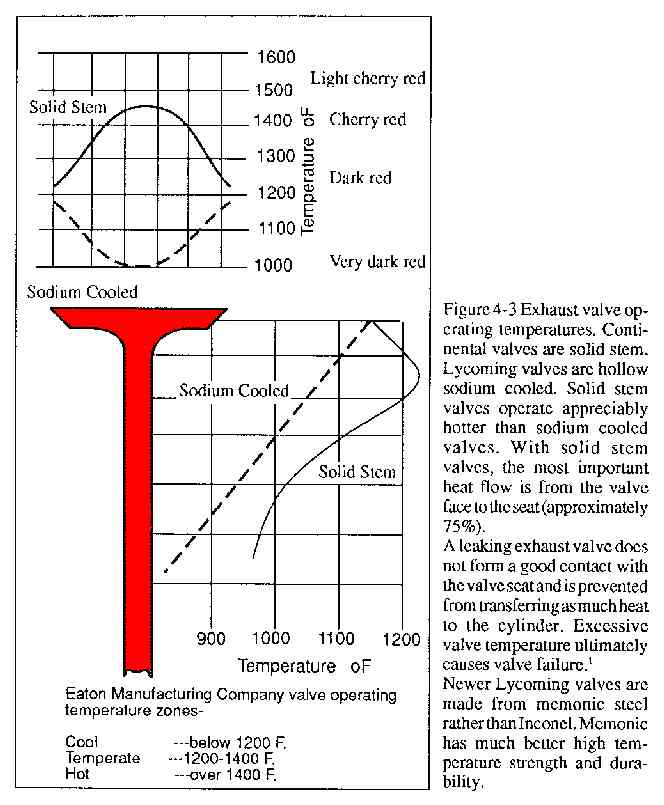
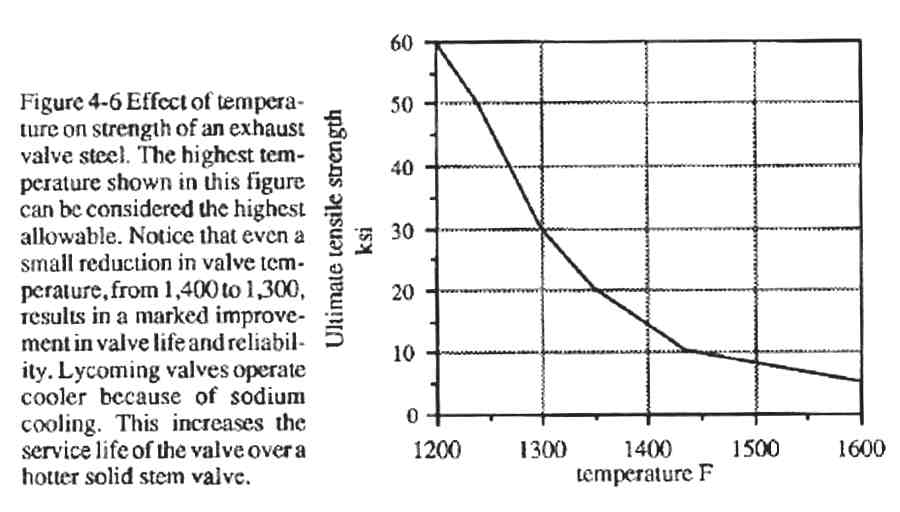
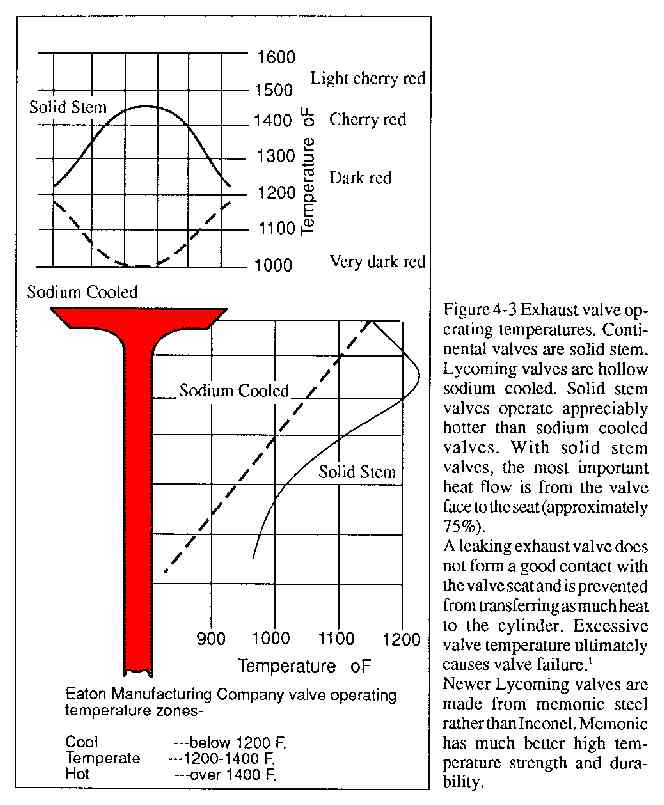
a leaking exhaust valve. The heat in the exhaust valve is partially
dissipated by the exhaust
valve seat. If there is bad contact between valve and seat the heat
dissipation is
reduced and the valve runs hotter.
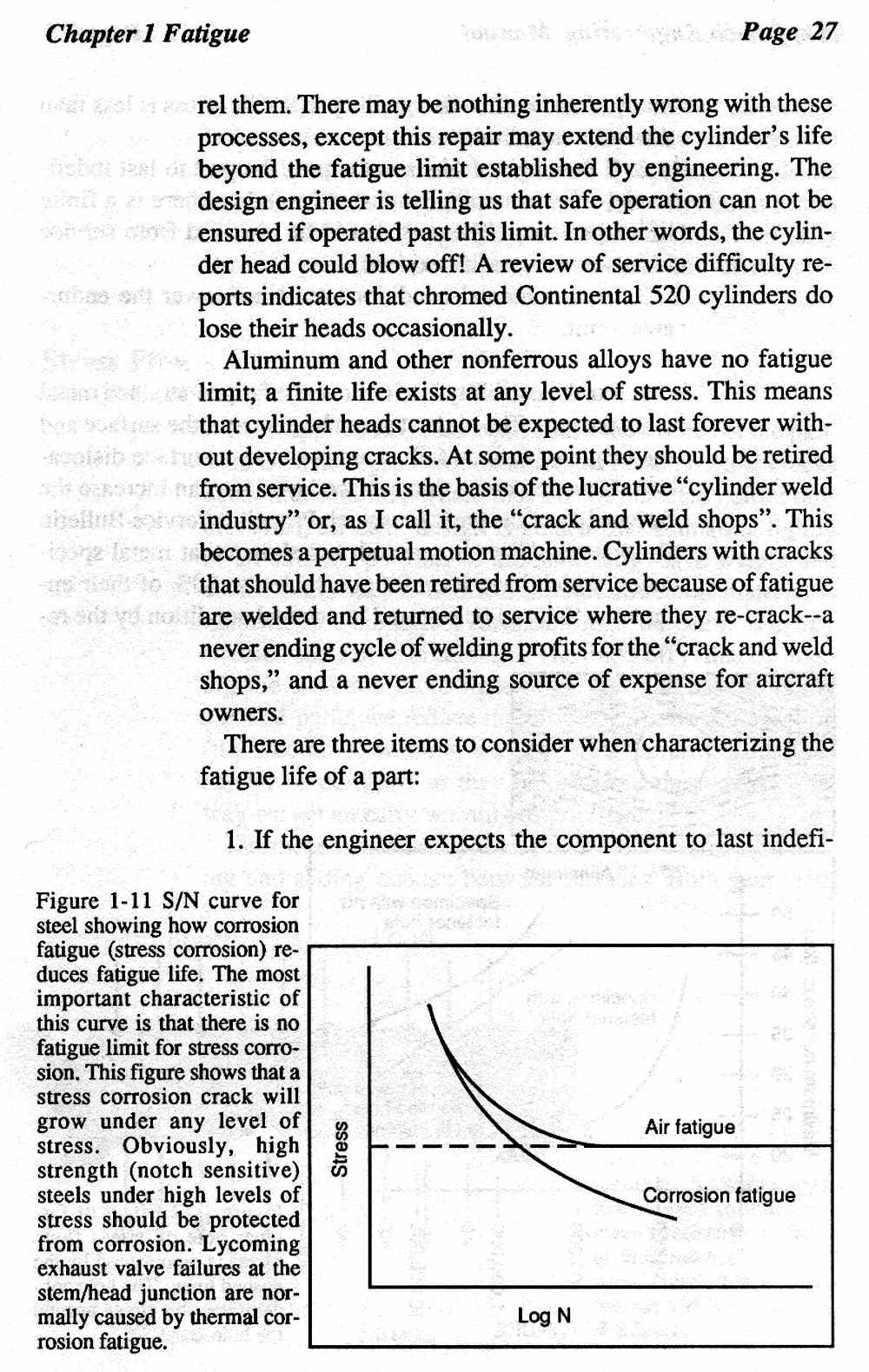
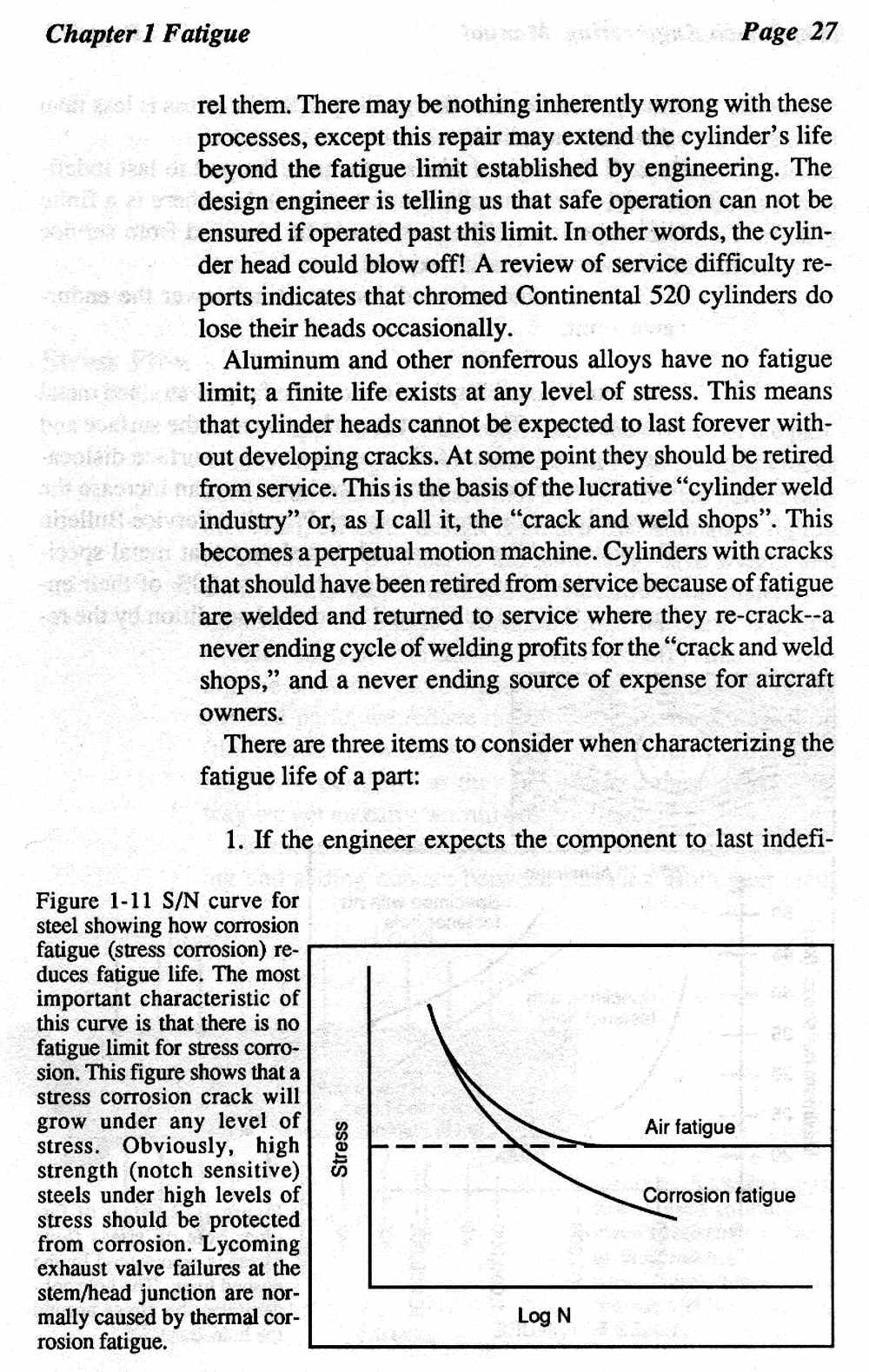
If you don't fix it sooner... rather than later.... the exhaust valve head
will fall off and destroy your piston engine.
Paul Lamar
The Rotary Engine free News Letter. Powered by Linux. If you want off
the list PLEASE let me know and I will remove you. ACRE NL web
site.
http://www.rotaryeng.net You Tube
http://tinyurl.com/beqqxas
Copyright 1998-2017 All world wide rights reserved.