Hi Paul,
on the comparison graph, is there a typographical error where it
states the inlet S port opens 32 _after _TDC. Surely the inlet S port
opens _before_TDC?
Rs,
Dave in Perth
Could be. The early Rotary Engine book had a few errors.
It may be some other rotor face?
Paul Lamar
I may be confused here. The top and bottom charts are for ignition
timing. The center charts depict the cycle timing for various engines.
My observation is that when rotor 1 is at TDC, rotor 2 should be at
BDC.
The side port engines with stock or street ports will open the
intake at
some number of degrees ABDC. The intake will close at some degrees
ATDC
in respect to the rotor face preceding. With respect to bridge
port and
p ports the timing is radically changed or extended.
Dale Davies
Check this out.
http://www.rotaryeng.net/how-wank-works.html
It helps if you have a plastic model.
Paul Lamar
Here you go. Port timing basics by Paul Yaw.
Lynn E. Hanover
Remember the timing numbers do not refer to the rotor face that is currently
at TDC. It takes about 270 degrees or more for the rotor face that is in
the process of loading air and fuel to make around it to TDC.
Paul Lamar
Hi!: good info!
Taking into account that the Wankel intake stroke lasts longer in terms
of grades of shaft turning than in a 2-Stroke or 4-Stroke reciprocating
Engine: does anyone in this top experts site have info about the
different gas flow rates, I mean mix speed in terms of liters per min,
or cc per second, for same power and/or same working chamber
displacement in a Wankel, a 2-Stroke, a 4-Stroke, and thru different
duct diameters?
Would these figures differ a lot if displacement of RCE is considered as
one or two chambers?
This is important for having an idea about carburation, duct
diameters...,for me also for making the choice of Reed-Valve Cage sizes.
Info about the reason why the jet needle in the Hercules W-2000 Sachs
KC-27 engine carburetor is 2.76?, reciprocating 4-stroke flat twin 602
cc from Citroen, of about same displacement and power, have this jet
needle with a size of 1.3 or 1.7 depending on Venturi diameter, 32 mm in
single vase carbs, or 21 + 24 mm in double barrel carburetors, that have
the 1.7 NJ
What could happen if I use a single vase Citroen Solex carburetor of
same diameter as Bing in KC-27, with the low and high jets choices as in
the Wankel news reports, high jet 155, low jet 45, but keeping the 1.7
or 1.3 Citroen needle jet (Nadelduse in German), instead of originally
in Bing carburetor: 2.76 ? KC-27 Bing carburetor specs were HJ 155 or
160; LJ 55; NJ 2.76
Carburetor Solex 40 PICS has same Venturi diameter of 32 mm as the Bing
64/32/17 in Hercules Wankel KC-27 engine, with a 170 high jet, a 50
idling jet and an 1.3 needle jet, or needle valve jet; it includes an
acceleration pump, and an 'idle brake' to close slowly the throttle upon
release of pressure on pedal, or grip, to avoid 'jumps'.
All these carburetors and jets, in several sizes, are easily available
at a low cost from Citroen 2CV parts purveyors and private sales sites.
Thanks, have a nice season, regards. Salut +
Jose Gros-Aymerich
Madrid, Spain
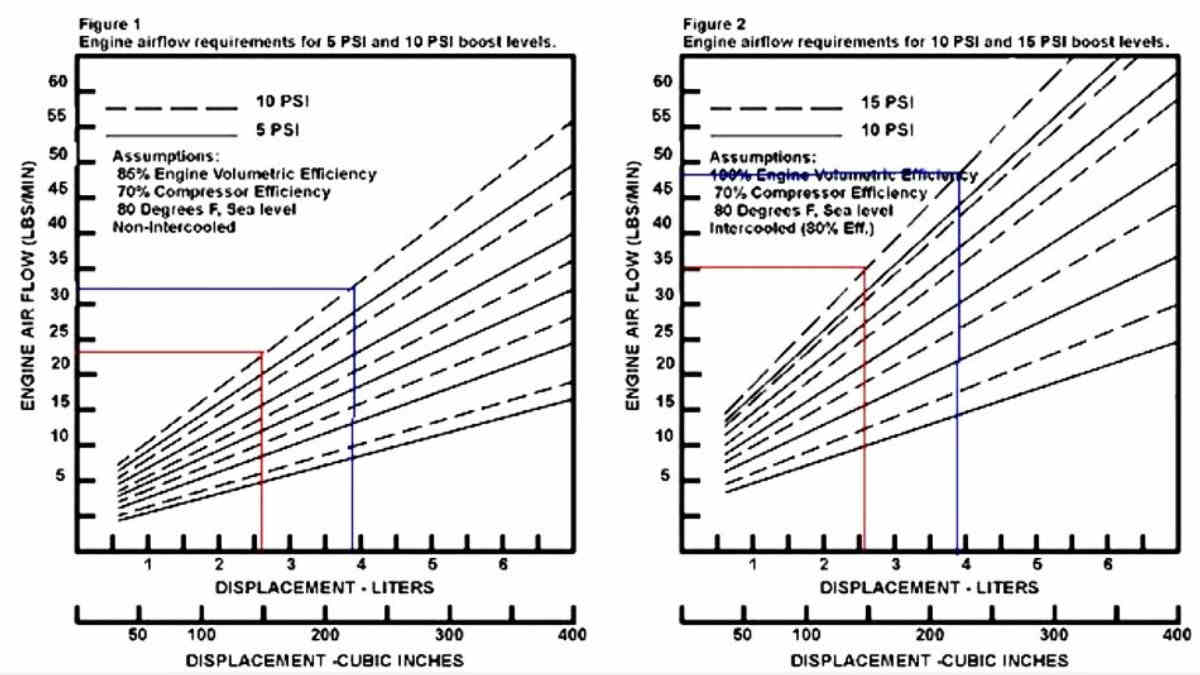
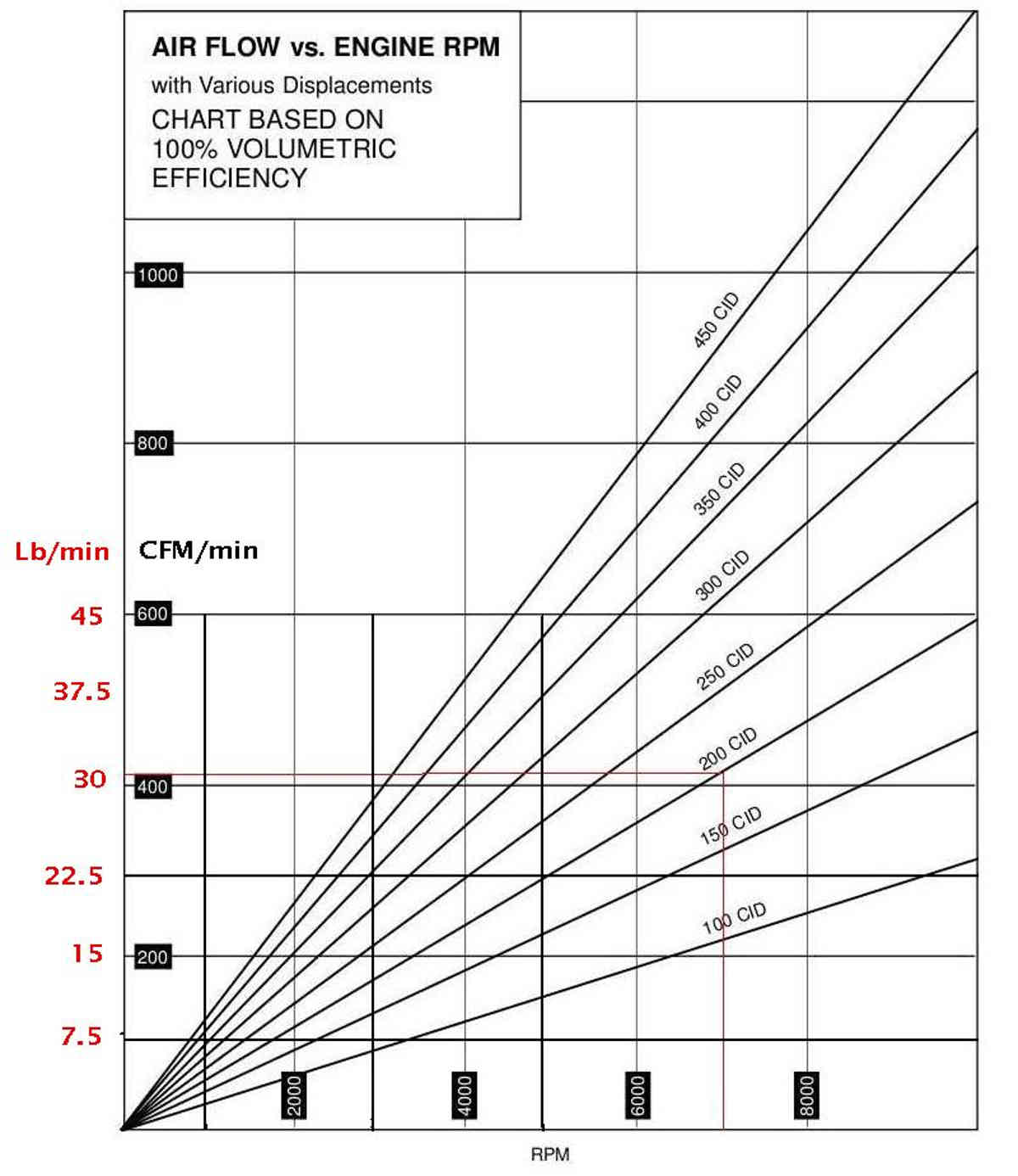
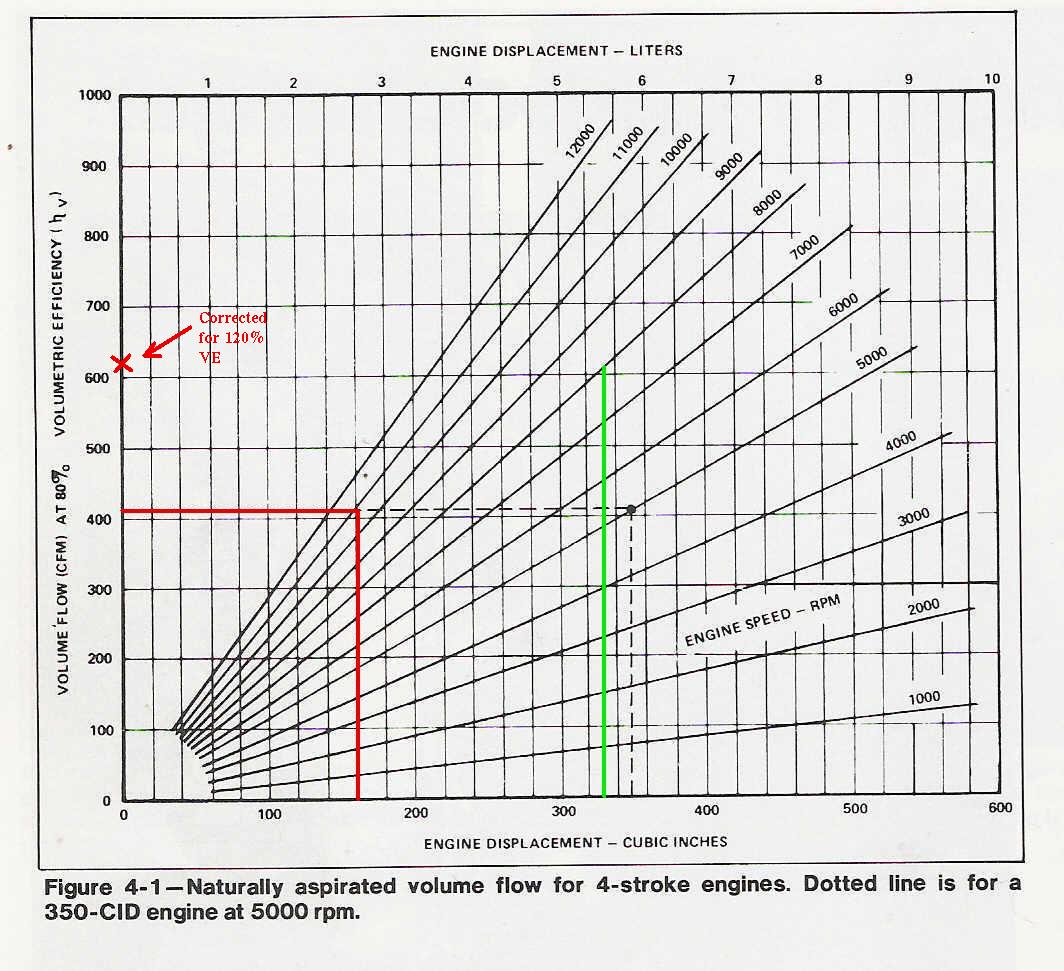
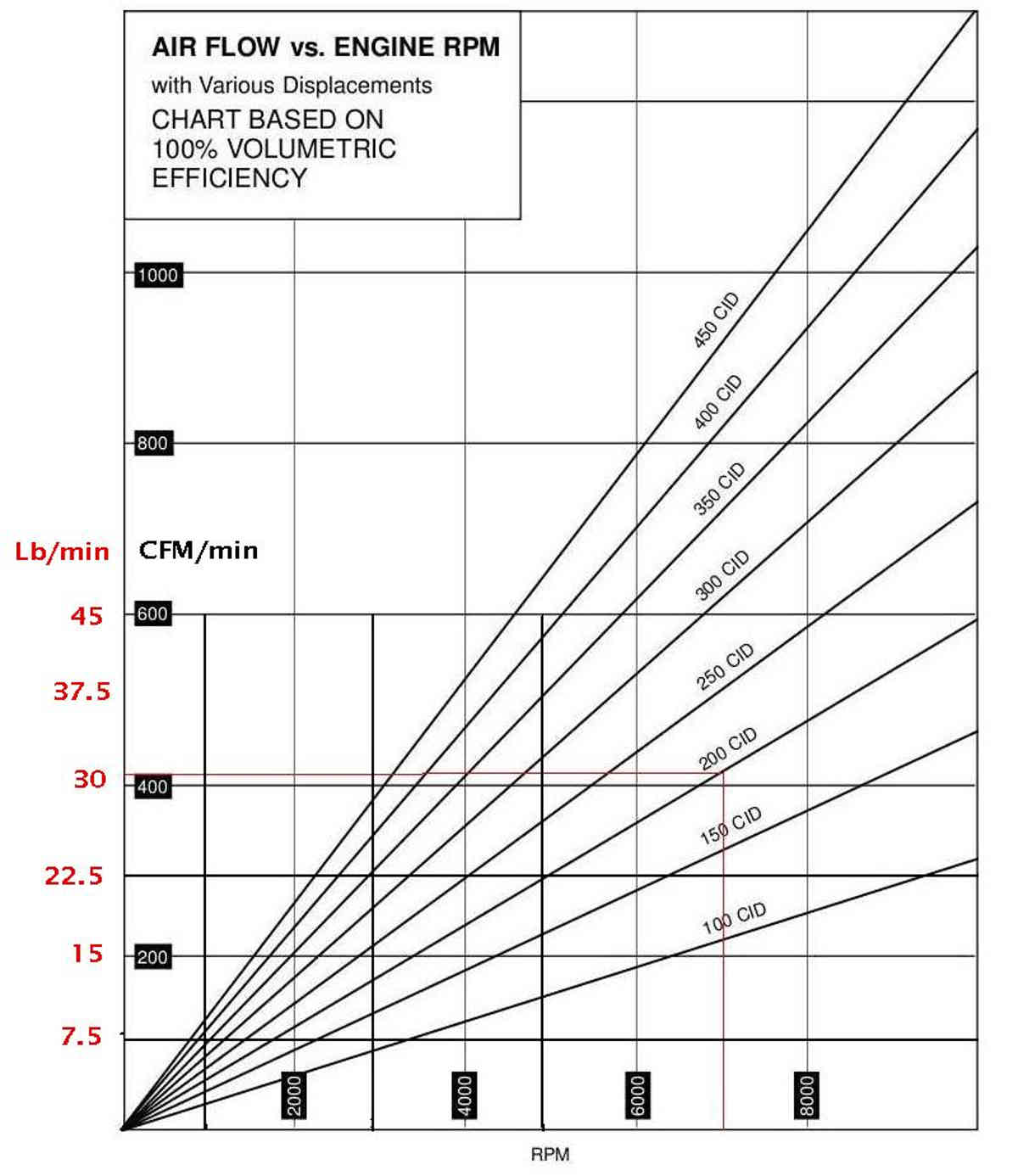
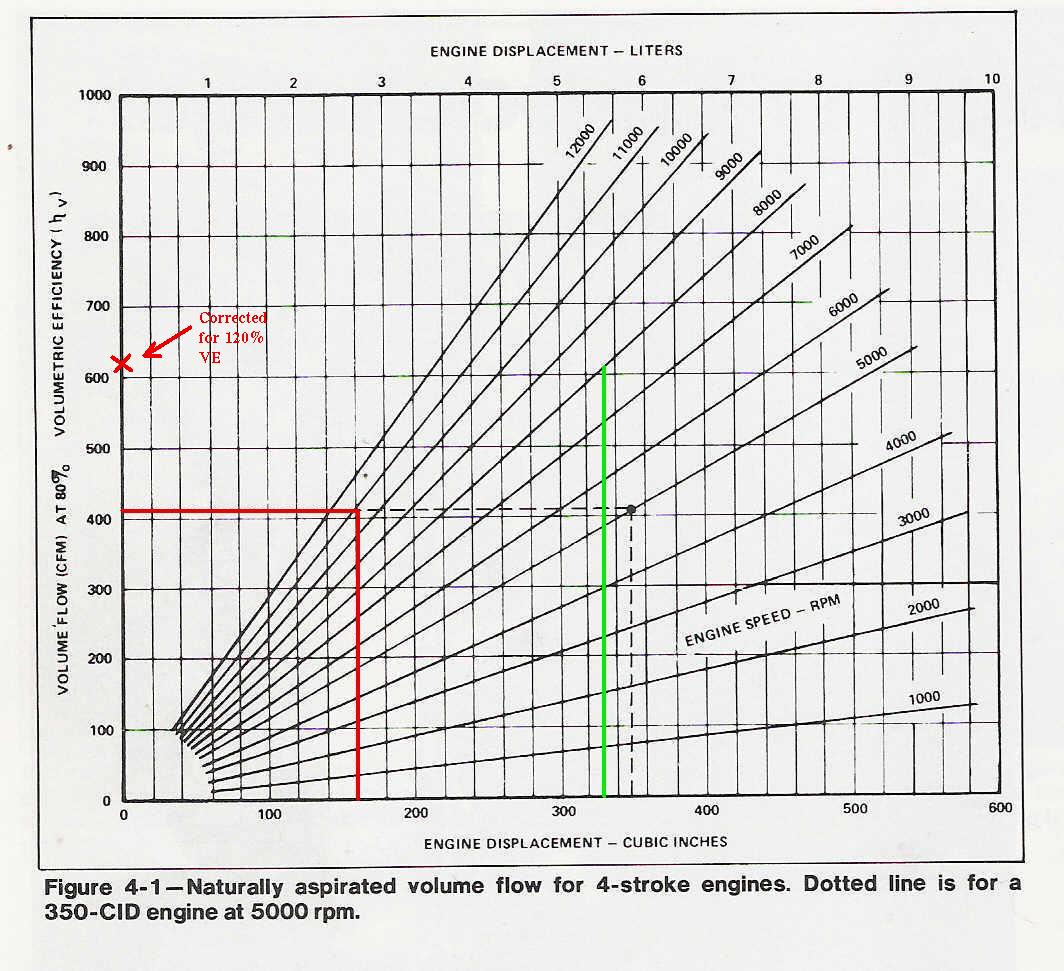
The volumetric efficiency of the tuned P-port is 120%. So you can get
the airflow
from that. It is a 2.6 liter engine.
Paul Lamar
The Rotary Engine free News Letter. Powered by Linux. If you want off
the list PLEASE let me know and I will remove you. ACRE NL web
site.
http://www.rotaryeng.net You Tube
http://tinyurl.com/beqqxas
Copyright 1998-2017 All world wide rights reserved.