12 e
Lycoming iE2
https://www.lycoming.com/engines/ie2
"Cruise at a set RPM and correct your air and fuel mixture with a
single lever. Our single-lever controls allow you manage your
mixture
control and propeller control electronically so you can focus on
what's ahead. The iE2 engine uses optimized and automatic fuel
leaning for improved fuel efficiency during takeoff, climb and
cruise."
- Matt Boiteau
Its an experimental home built.
Good idea of Lycoming. Selling a non certified aircraft engine.
Experimental home built's are 30 to 40 % of the market.
Paul Lamar
Yeah I talked to the lycoming rep I think it was at Oshkosh
and they
said there plan is to get it certified as well and sell it
for both
experimental and certified aircraft. It's a pretty sophisticated
system I talked to mt buddy Kevin Eldridge that works for
lancair at
reno and he said its doing pretty good.
Jacob Sturges
Its been doing good for years. The FAA has a problem. How is an IA
going to check it out? Where are they going to find IA's that know
about computers.
Paul Lamar
the website doesn’t say what the engine costs….what does it
cost?…further is it more expensive than a fully modified turbo
13b…..just because it isn’t liquid cooled why would i want one? What is
the operating cost per hour? An O320 is $100 per hour….is that what you
really want to pay going forward…a 13b isn’t nearly that cost.
Byron Head
I am all for engine conversions, rotarys, efi, ect. It breeds
innovation and is great for aviation. There are plenty of reasons to do
a engine conversion, horsepower, cool factor, r&d for a turn key set up
to maybe bring the cost down by semi mass production, and plus its just
fun, but the reality is cost is not it. Let's be realistic a rotary
conversion is not cheaper than a o-320 as much as I like it and wish it
was it's not.
The initial cost is almost always higher than buying a used low
time lycoming, most private pilots will never fly enough hours for the
rotary to pay for itself, and not to mention if your time is worth
anything you will have 5 times the amount of labor in it and trial and
error than you would in a lycoming, not that that's not fun that's why I
love experimental aviation.
I am all for it and want to do one myself but saving money is not
the reason for it, I bet no one can show me a price breakdown that
proves this wrong. Being experimental a person can build a experimental
320 pretty darn cheap. I am excited about everything you all are doing
and love seeing the rotarys fly, but in my opinion the development stage
they are currently in, is not a more cost effective alternative for the
average pilot. Hopefully with all the work you all are doing that could
change soon.
Thanks, Jacob Sturgis
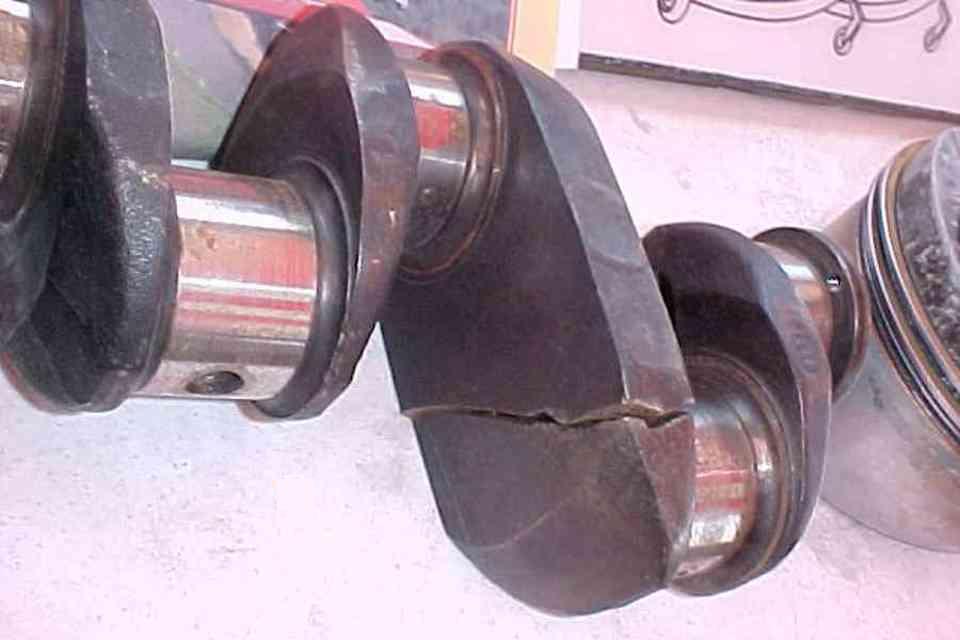
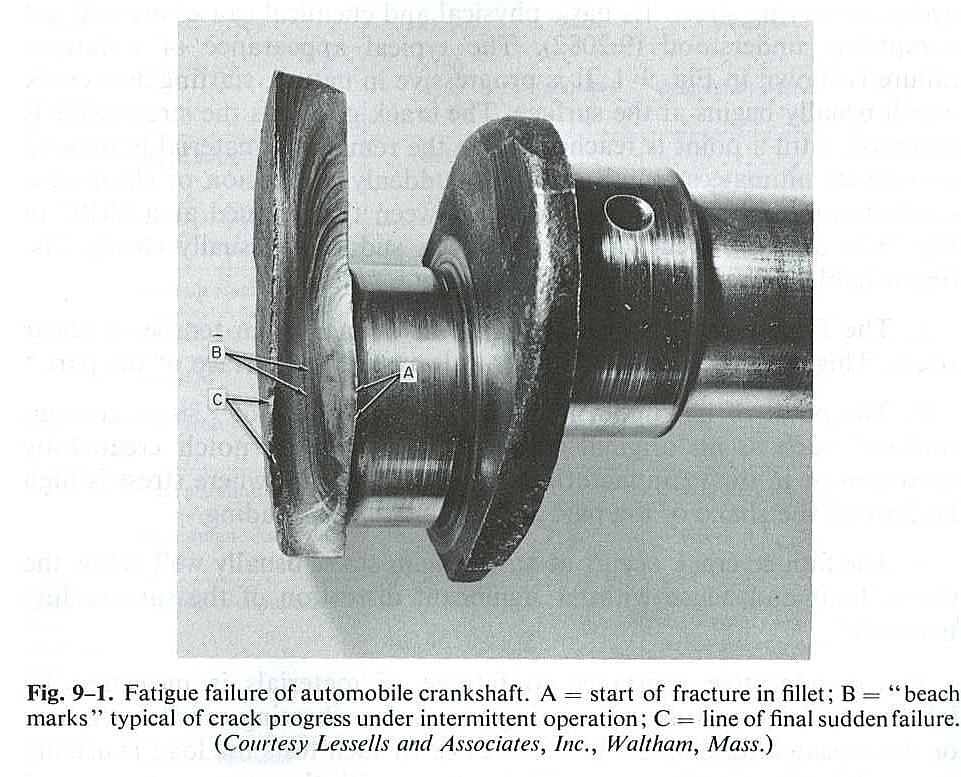
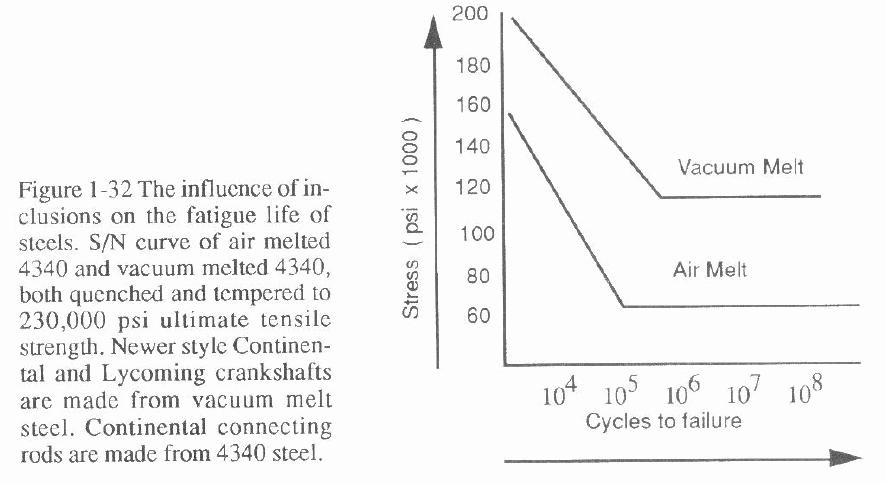
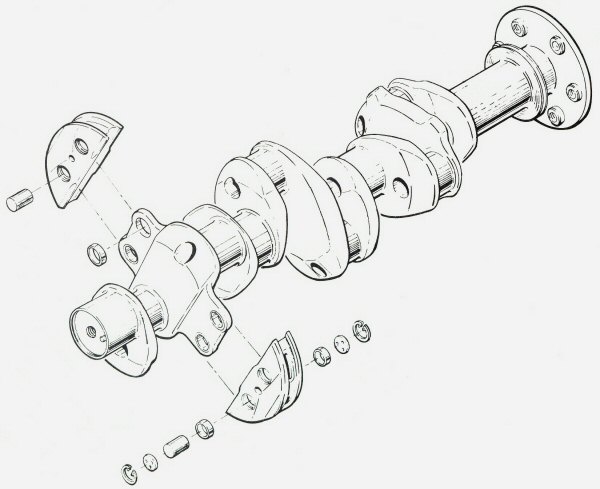
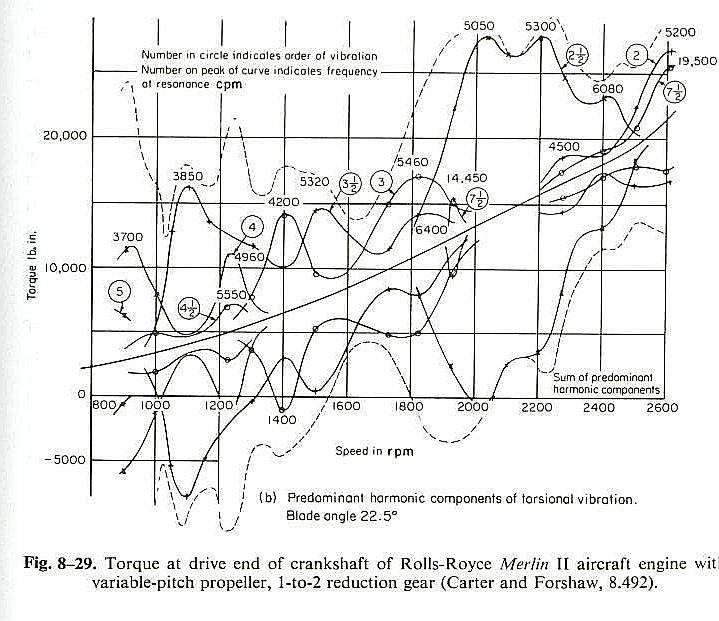
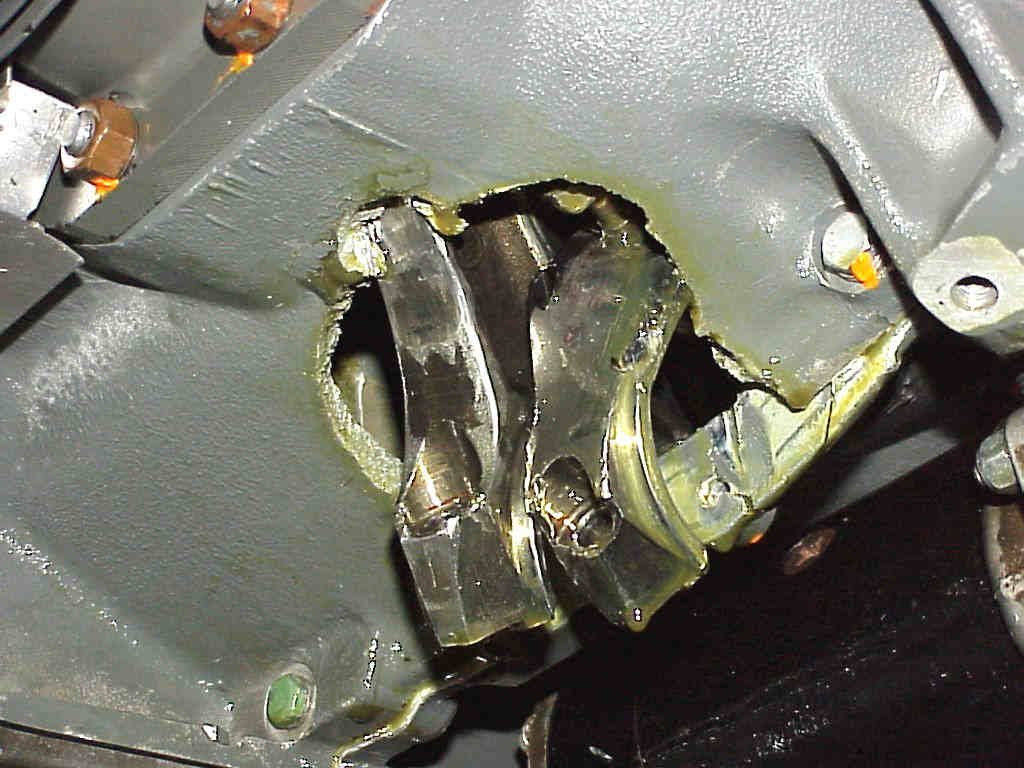
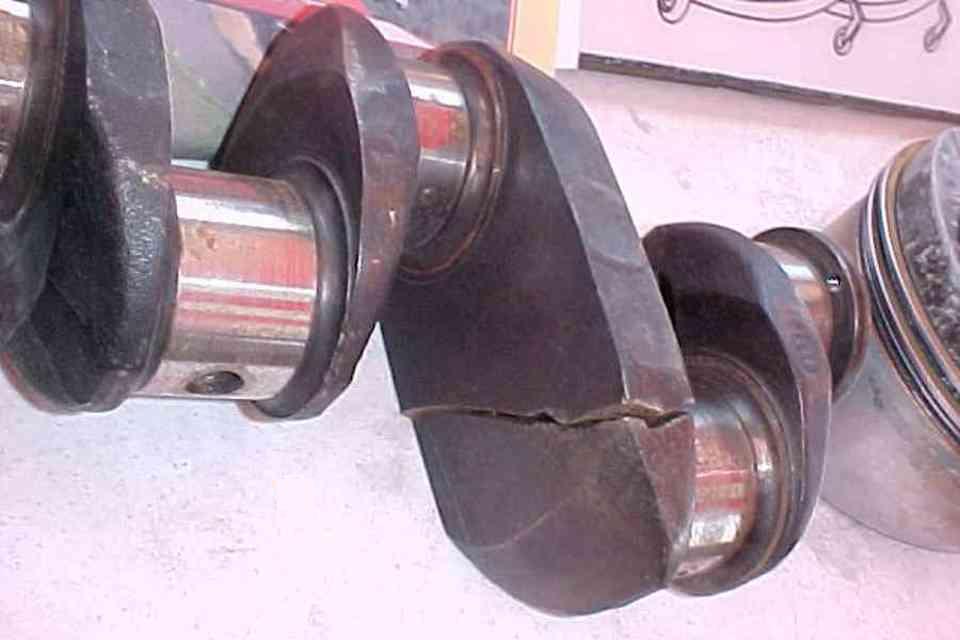
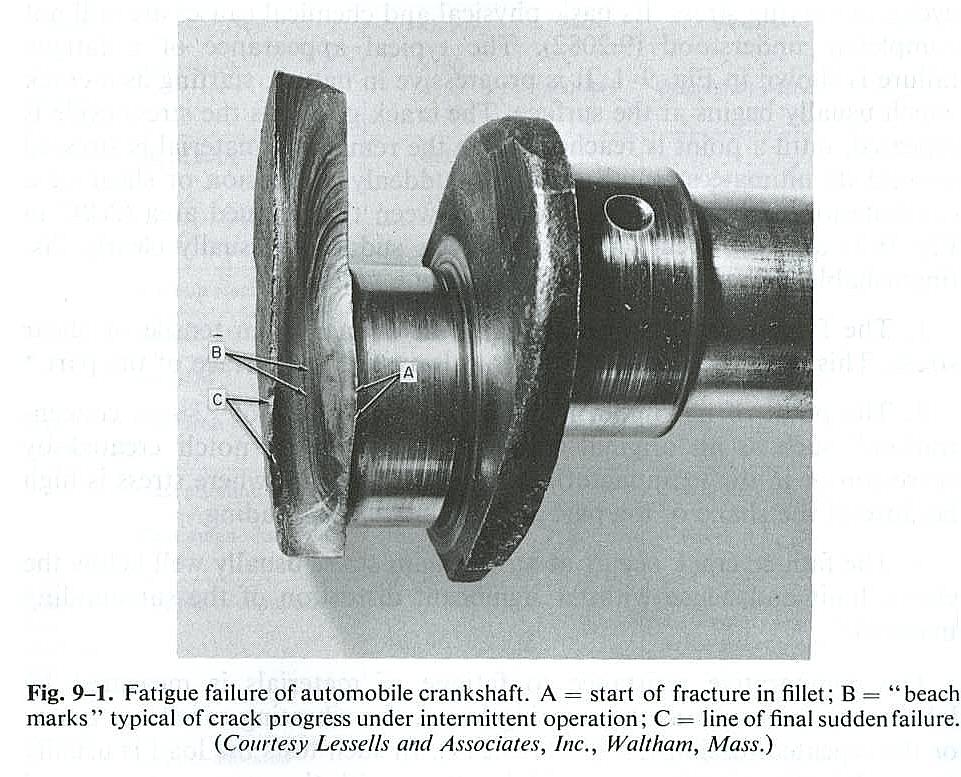
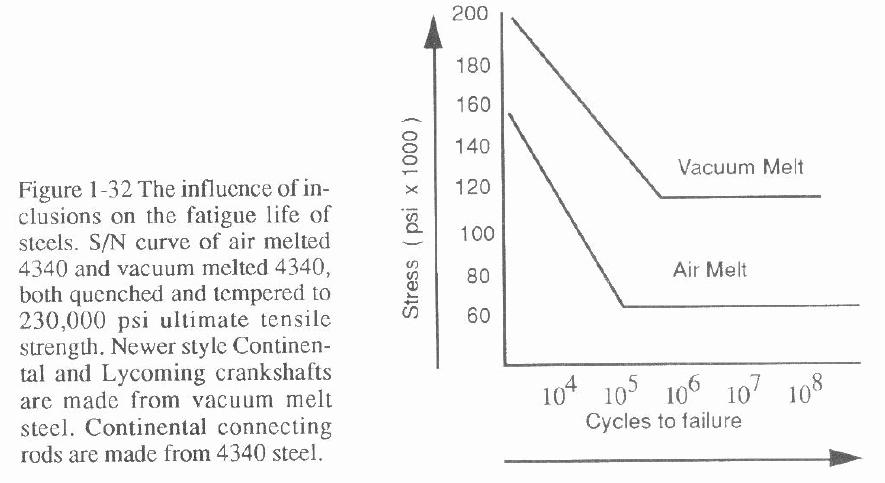
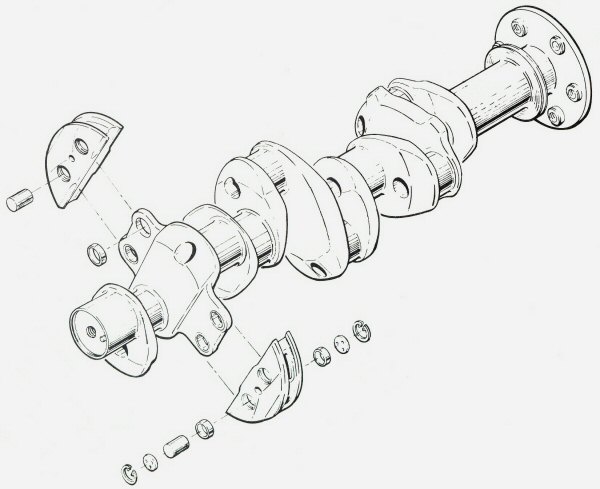
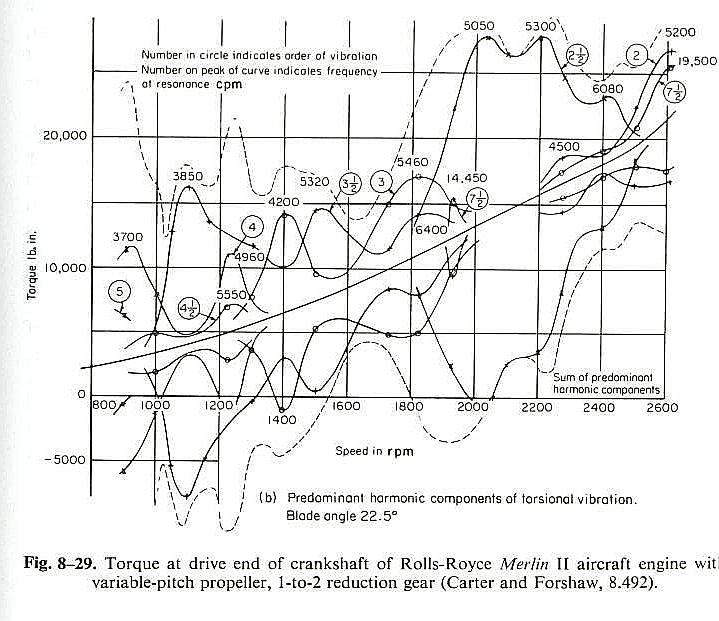
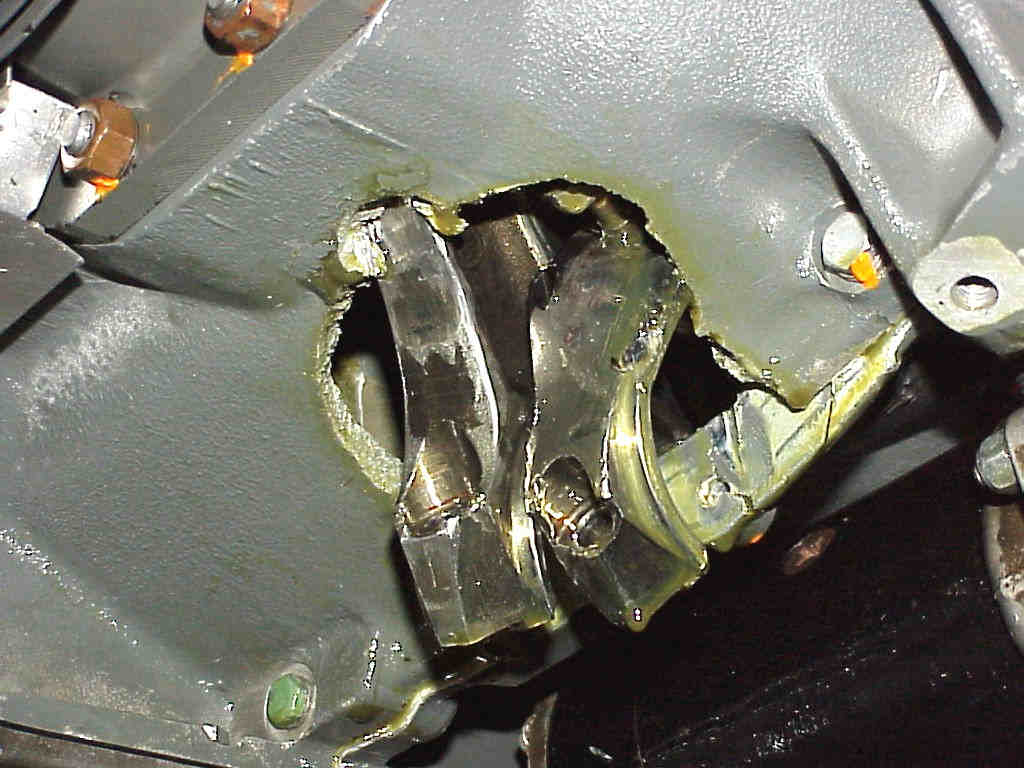
You better take it apart and magnaflux the crank and rods.
My 1500 hour O-470 crank was a mass of cracks.
Even if it has been overhauled you could get a new crack at any time.
The only really safe think is new cranks and rods.
Paul Lamar
OK, now look at the late 19th century and very early 20th century. Small
reciprocating engines were being developed. What was the cost of
development then compared to a horse and carriage? Same thing, different
era. Recip engines have about 150 years of development behind them. Care
to estimate man hours studying and developing them.
Many manufacturers stepped up in the 1960's to investigate and develop
rotary engines. One by one they fell by the wayside except little Toyo
Kogyo Motors. At this time there is about 60 years development and
compared to recip engines, minimal man hours doing R&D. After all those
manhours of recip R&D they still break crankshafts and conn rods. Mazda
has had no e-shaft structural failures to date. Failures have been due
to oiling issues or over rev which causes oiling issues.
Dale Davies
The Rotary Engine free News Letter. Powered by Linux. If you want
off the list PLEASE let me know and I will remove you. ACRE
NL web
site.
http://www.rotaryeng.net You Tube
http://tinyurl.com/beqqxas
Copyright 1998-2017 All world wide rights reserved.