12 d
First we had trouble with the Oz M&W CD ignition. Since we have no
alternator or voltage regulator the battery voltage would drop below
11 Volts and the Oz ignition would quit.
We got the first indication of this up at Cal City after the first
test flight.
We checked around and found that the drag racers used an 18 volt
battery for just the ignition as they don't run an alternator
either.
We found a small 20 volt battery and installed that just for the
ignition.
Unfortunately the wire that fed the ignition also fed the water
injection solenoid. That caused a transistor inside the Motec 800 to
fail as 20 volts on a 15 ohm solenoid caused a current 1.33 AMPs.
Ouch!
If the water injection fails the air intake temperature goes to 300 F
probably raising the rotor temperature to well over 500 F. Now that
could melt the side seals if you are not using Teflon encapsulated
side seal O-rings. I think we are seeing signs of that now. The stock
seals o-rings are not up to it. I had a Cosmo that had melted side
seal O-ring that smoked like made on start up but I drove it for ten
years like that.
Back to todays problem. We reduced the voltage on the solenoid to 12
volts.
Worked for a flight or two and then we failed another transistor in
the Motec 800. We were going to run out of transistors soon. I
measured the ohms on the old solenoid and found it to be 12 ohms.
Apparently some of the coils had shorted. We bought a new one and
that was back up to 15 ohms.
Well that is still .8 amp. Quite a lot for 8 or 10 year old Motec
800 transistors. Modern transistor in the last few years are far more
efficient as they are used in LED lighting and everything else
including cell phones and computers.
So today's mod was use a 5 ohm 10 watt resister in series with the 15
ohm solenoid to reduce the transistor current to .6 amps. If the
second to last transistor fails we may need to get the Motec 800
repaired.
I did not take the Motec apart to check the transistors or change the
transistors for more modern versions but I probably could if
needed.
Paul Lamar
Paul, You think you have problems!!! I stripped down my engine as
it was leaking combustion into the water jacket. All went well until
I rushed to start and check it the problem had "gone away".
A couple of clicks as in a flat battery was all I got. Went and got
a fully charged battery off the tractor--- still just a ":click"
Then I suddenly realized that I had not connected the earth to the
motor --- It was trying to earth through the ECU!! It only blew a big
hole in the mother board. Freight and repair--- $1500 later, now
the starter now turns very well with TWO earth leads. How can I be
so stupid?? I think it comes naturally.
Neil Unger.
"leaking combustion into the water jacket" Sounds like you had the
old neoprene water jacket O-rings :-)
Paul Lamar
Paul, Did, plus I suspect that my "expert" builder resused the
original O rings. Now with RWS O rings. MUch better quality.
Neil.
What is RWS?
Silicone is the only O ring material that will tolerate 500 F. Of
course Teflon will too but it is not rubbery and that is why it is
not used alone.
I have discovered that a lot of these Wankel racers are surprisingly
uneducated. It's like they have not read Kenichi Yamamoto's book
Rotary Engine.
I doubt most of them are qualified mechanical engineers.
I see so many errors on youtube.
Jack Yamaguchi wrote a couple of good books called RX7 and RX8. A lot
of them have to do with the history of Mazda Wankel R&D.
John Dinkel on here edited both of them. Very good histories of
Wankel R&D
Mazda published a rare book called Rotary Engine in 2003 Press
Information. Excellent history of rotary engine development at
Mazda.
May be John Dinkel wrote it.
I think there are one or two others out there.
Paul Lamar
Paul RWS is real; World Solutions Tracy Crook's old firm. They
sell teflon coated O rings and have a cheap freight system, to OZ, not
the $145 USD for a 1 pound weight that I was charged for my ECU!! Neil
Neil UNger.
Thats interesting. I think its run by Tracy's x wife Laura.
Thats great that they are selling tef encap silicone O-rings.
Their apex seals are real crap. Only buy stock or Iannetti silicon
nitride apex seals.
If you use Iannetti the projected life is 20,000 hours. Most aircraft
engines have a 200 hour
over haul limit so 20,000 hours is forever. A local university
tested this. If you are turbo'ing the Iannetti's are mandatory.
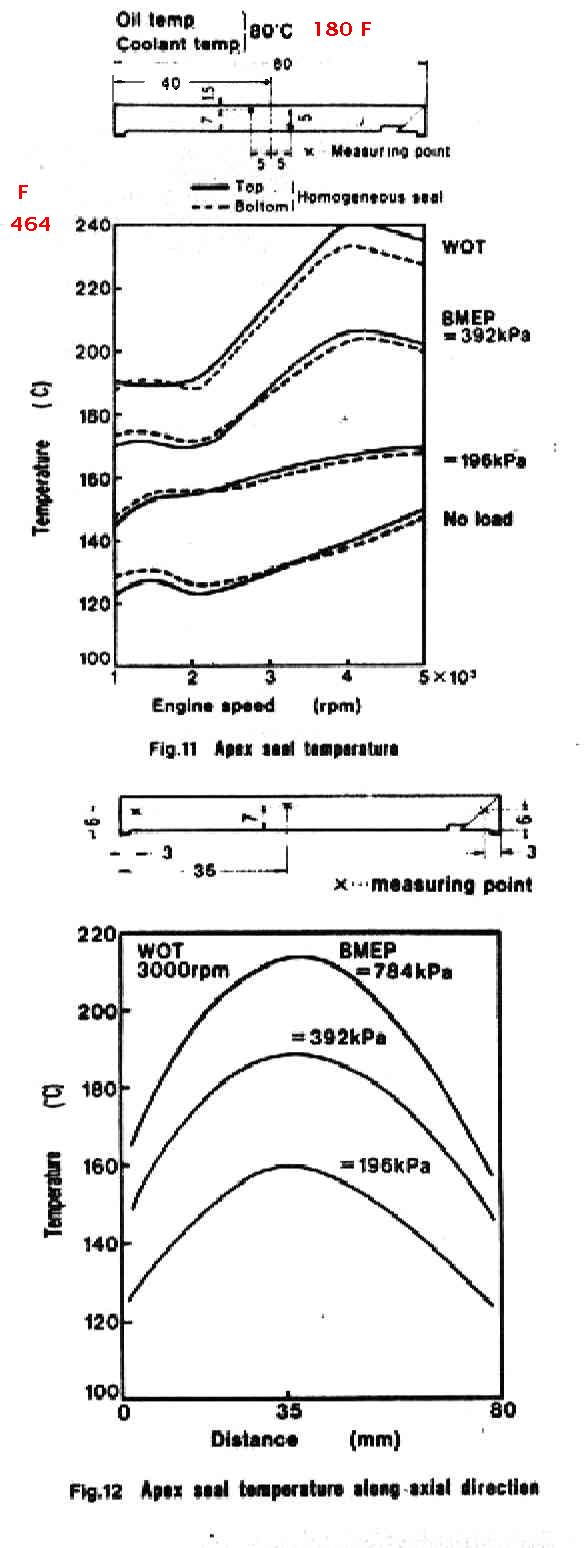
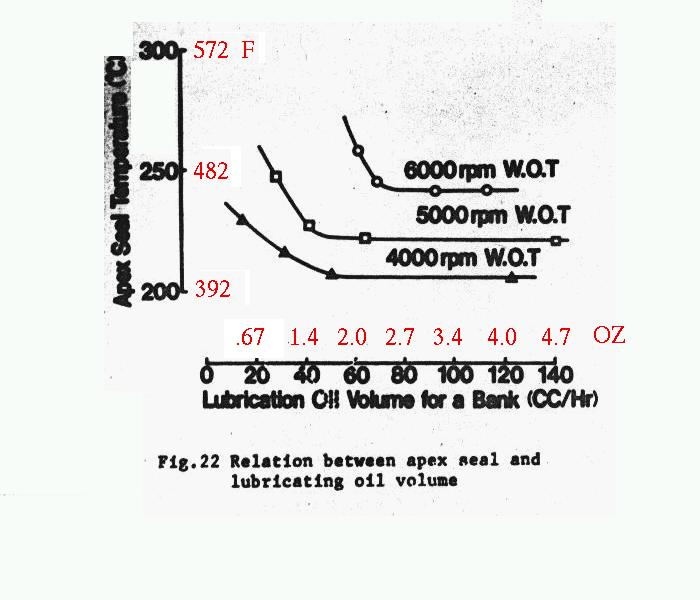
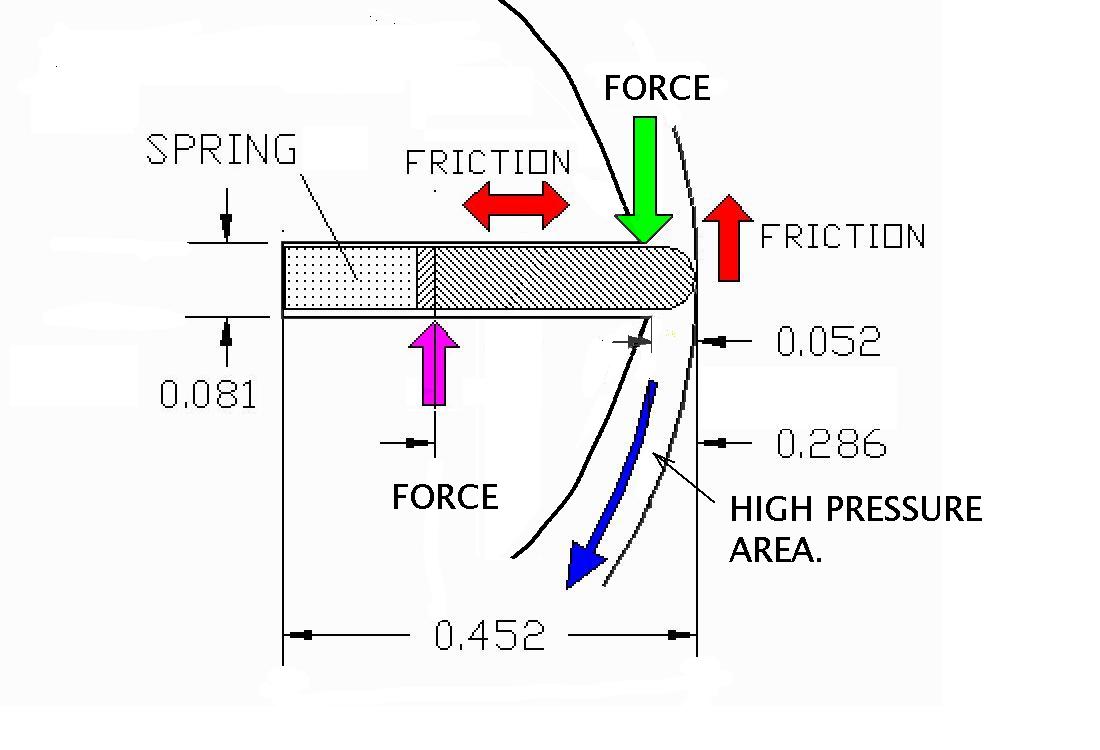
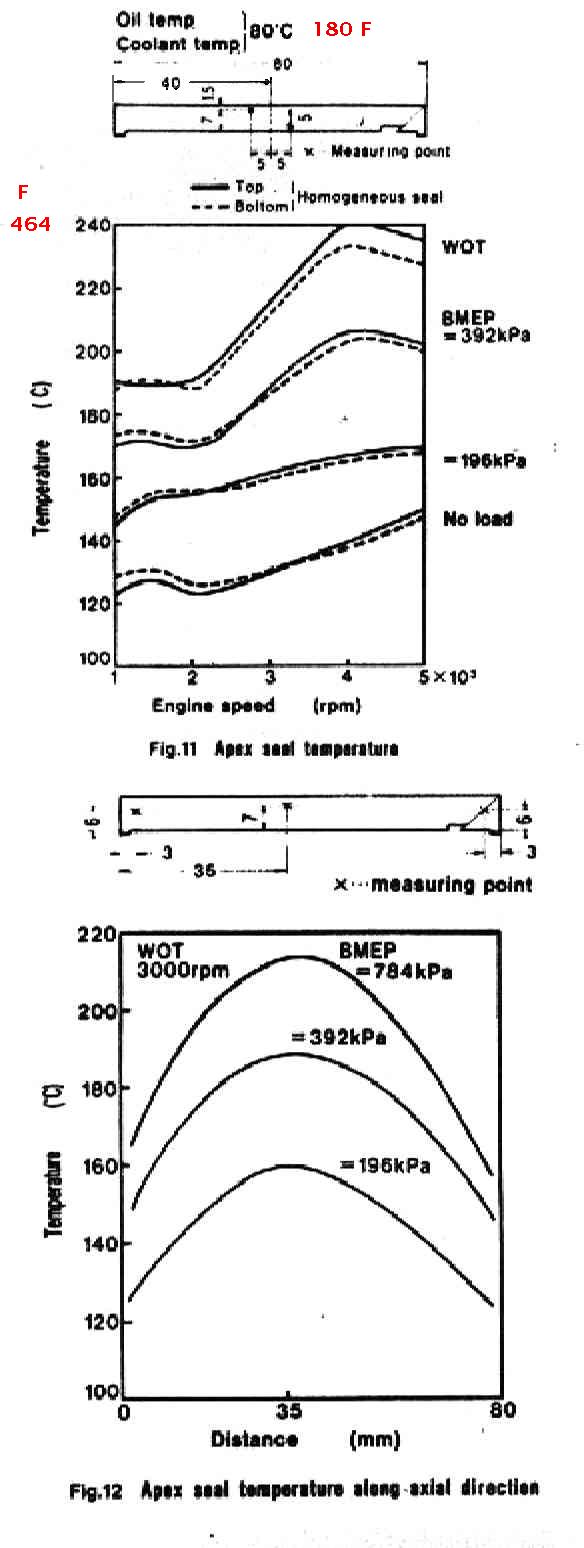
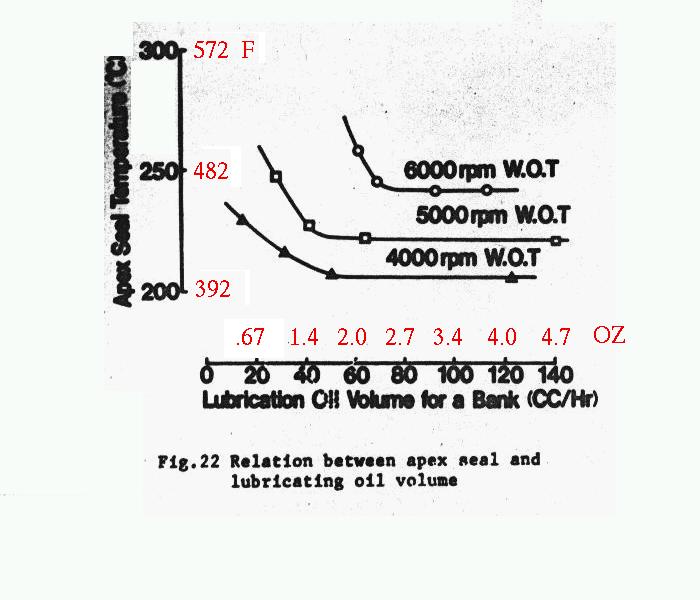
The problem is apex seals stock run 500 F. That is about the limit for steel
and cast iron. Silicon Nitride Iannetti seal material is good to 1000 F.
Everything else on the market is junk. Steel apex seals will destroy
the chrome finish on rotor housings.
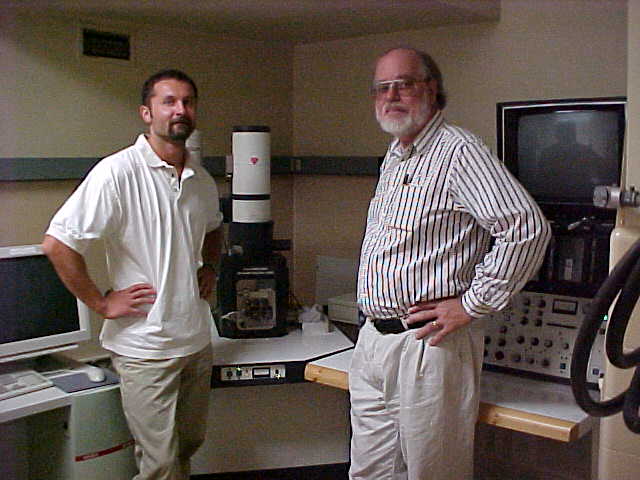
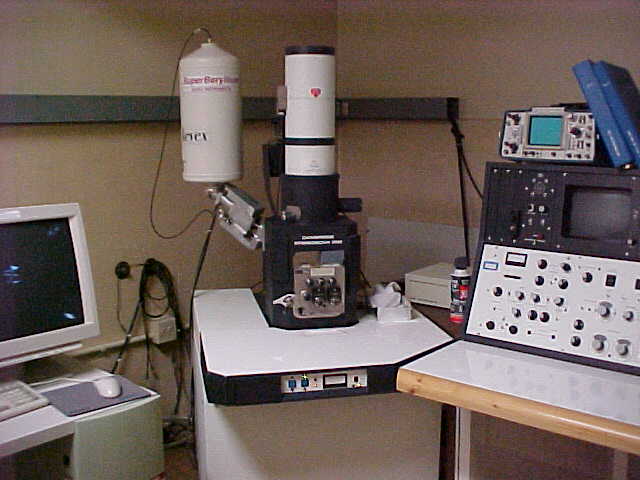
UCLA helped me analyze the material on some of those junk after
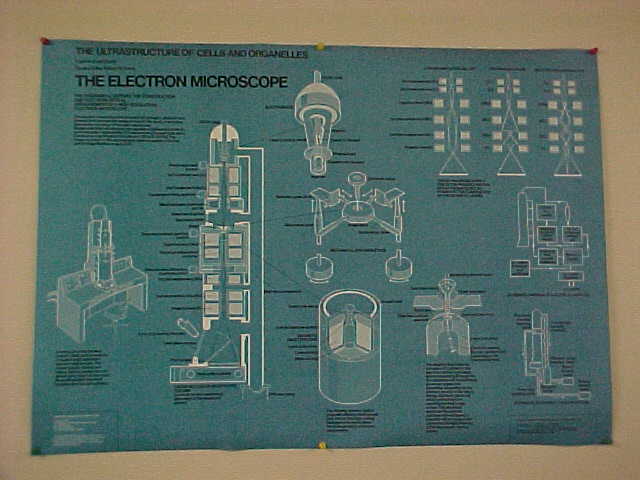
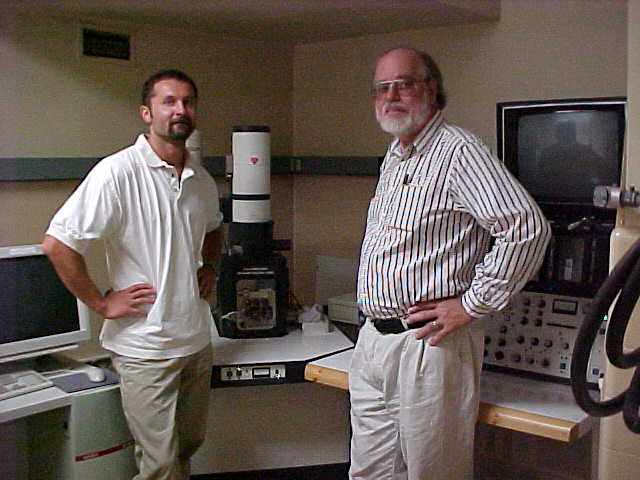
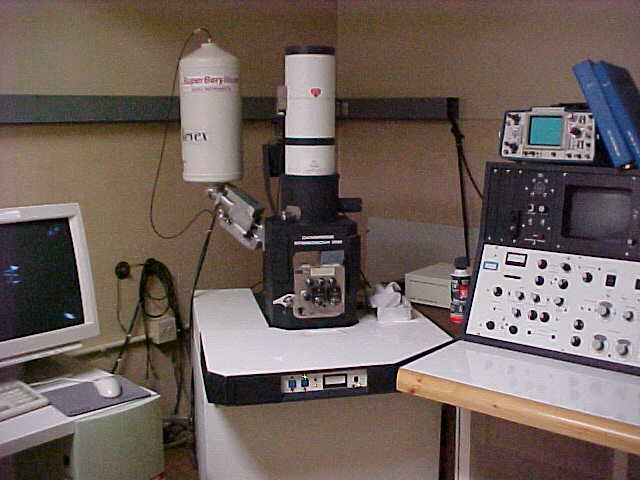
market apex seals with their electron microscope.
The stock Mazda seals are a special iron alloy and they are crowned
and polished. They are very expensive to produce.
Paul Lamar
-----------------------------------------------------------------
Please add your questions or comments at the end of the thread. Not
the beginning.
I am going to enforce that rule. If people don't do that it will not
be forwarded. My ISP changed the rules.
The Rotary Engine free News Letter. Powered by Linux. If you want
off the list PLEASE let me know and I will remove you. ACRE NL web
site.
http://www.rotaryeng.net You Tube
http://tinyurl.com/beqqxas
Copyright 1998-2017 All world wide rights reserved.