13
Paul, et al:
From the NTSB report [WPR16LA088]:
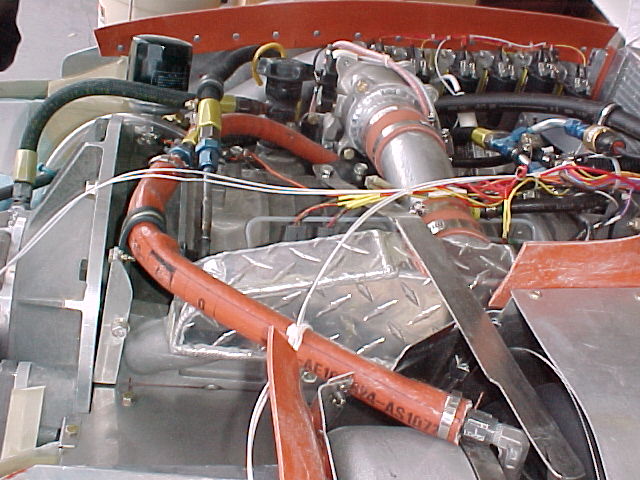
The pilot reported that he initially purchased the engine in 1999
from Atkins Rotary, located in Eatonville, Washington, and that
there were no historical records available for the engine. The
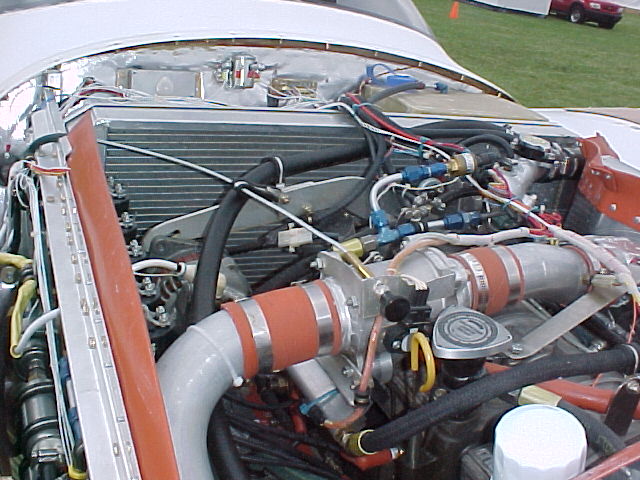
pilot subsequently installed the turbocharger to the engine, with
its first flight being in 2003.
This is the interesting read from Hartzell:
https://dms.ntsb.gov/pubdms/search/document.cfm?docID=450749&docketID=59730&mkey=92906
-----
It appears that he exceeded the EIT (Exhaust Inlet Temp) of
1650F. He had an EGT set to warn if the Exhaust temps got to 1600F.
Not being a turbo-charged engine operator, and knowing that this
ATP was attempting to turbo normalize for 5000 MSL = SL, my
question is, is it this easy to get into over-speed/over-temp
conditions?
Regards,
Steve Thompson
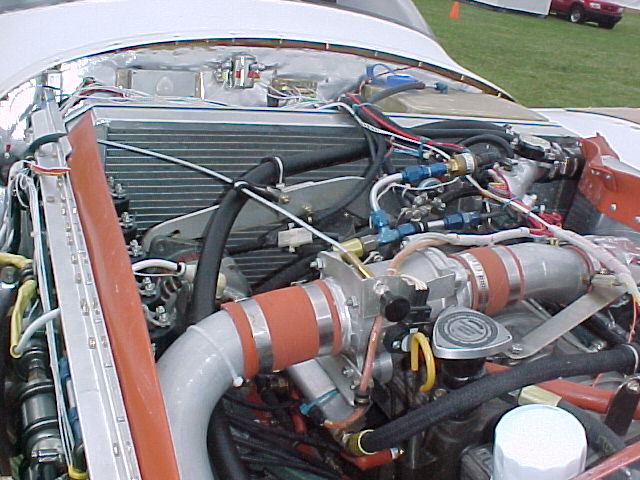
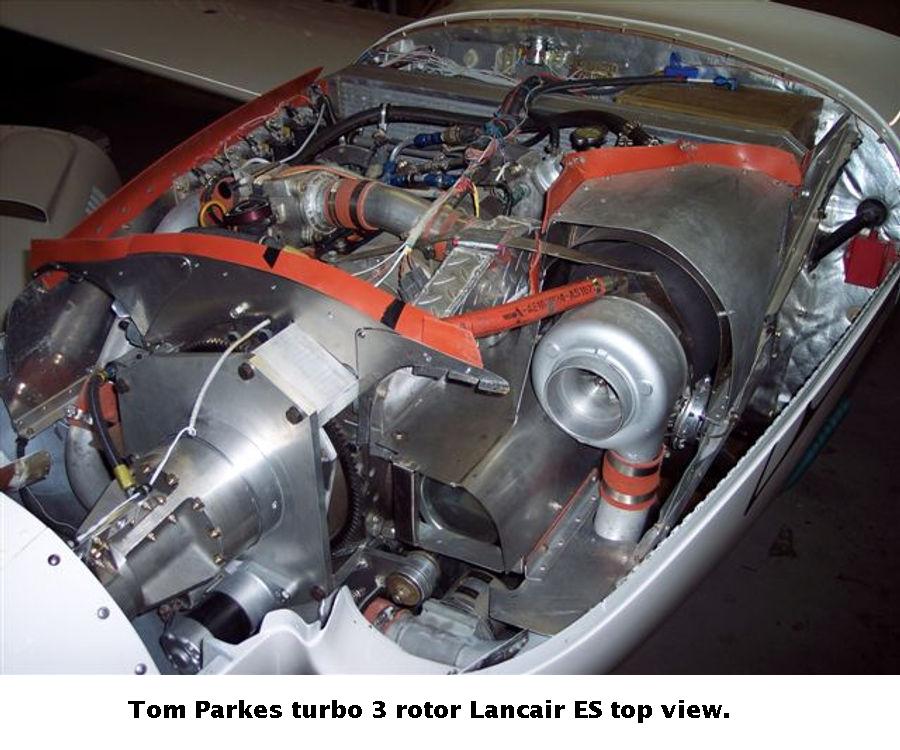
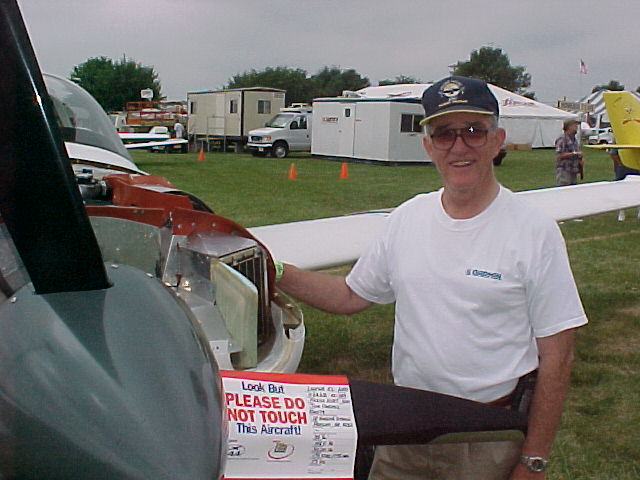
Tom Parke's engine is a 3 rotor. That is a lot of hot exhaust gas.
With a rotary it is wise to use a very large turbo as a given amount
of hot exhaust gas will do less damage to the turbine. We use a large GT
40 on the
two rotor. Tom's is an older turbo charger as well. I would not be surprised
if the turbine was not made from the best material now available.
Tom also had a temp exhaust gas sensor but for some reason he did not
see the warning.
The turbine might have been damaged earlier and Tom did not notice it.
Paul Lamar
------------------------------------------------------------------
Please add your questions or comments at the end of the thread.
Not the beginning.
I am going to enforce that rule. If people don't do that it will not be
forwarded.
My ISP changed the rules.
The Rotary Engine free News Letter. Powered by Linux. If you want off
the list PLEASE let me know and I will remove you. ACRE NL web
site.
http://www.rotaryeng.net You Tube
http://tinyurl.com/beqqxas
Copyright 1998-2018 All world wide rights reserved.