12 c
Here is a preliminary copy of the proposed addition to the web site
on the TTC.
Please read and make suggestion for corrections and improvements.
Paul Lamar
Hi Paul; Here are one thing I noticed:
1. Second page - second paragraph.
The last two sentences are out of place as that paragraph is talking
about a piston engine. Same problem with the fourth paragraph. Here
is how I would change paragraphs 2 through 4.
Any piston engine operating at aircraft power levels has a limited
life. Cracked crankshafts are a very common problem with aircraft
piston engines. This is the main reason they need to be magnafluxed
for cracks at least every 2000 hours; at TBO. The cracks are caused
by reversing stress on the crankshaft, connecting rods, pistons and
valve parts. Bend metal back and fourth long enough and it will
crack or fail.
By comparison, the rotary engines are extremely robust and durable.
The rotary uses an eccentric shaft and two or more rotors. They have
NO reversing stress in the 3 moving parts, (assuming two rotors),
because all the parts are moving in one direction only. This is why
nobody has ever cracked or broken an eccentric shaft regardless of
the amount of power they were able to extract. It is similar to an
electric motor and there are many 100 year old electric motors still
working.
Gord Raboud
I have revised it a couple of times since then.
Here is the latest version.
In the next version after this I will incorporate your ideas if still
necessary.
It is a work in ongoing process :-)
Paul Lamar
Hi Paul,
3rd page 3rd paragraph reads, The Mazda rotary car engines has a
reputation for using (a) more gas, I don't think you need the (a).
Andrew Campbell.
Yes I wonder why I missed that.
Thanks
Paul Lamar
Hi Paul/everyone,
Respectfully, eccentric shaft rotary or piston engines both have reversing forces on
the crank, the magnitude is biased but compression torque on the rotary shaft/rotor
gear/stationary gear is opposite to power stroke, likewise exhaust stroke and intake,
albeit much lesser magnitude. Even the summed output shaft torque of two rotor
engines at WOT goes negative every cycle (the elasticity of the drive train usually
masks this). The more rotors/cylinders an engine has the less ripple at output shaft
and closer to flat rated torque the figure is. The geometry of the shaft however
means that the combination of power and assembly balance forces at continuous power
levels which the oil and coolant system/rotor/seal material can practically support
are much lower relative to that seen in sections of the crankshaft by most
reciprocating piston designs. They also are the antitheses of 4 cylinder inline/boxer
even fire piston motors who have a near 100% kinetic energy transfer back and forth
from pistons/rods to crank which is what makes single/twin/4 cylinders so unpleasant
in terms of vibration/output shaft speed variations.
Michael Howes.
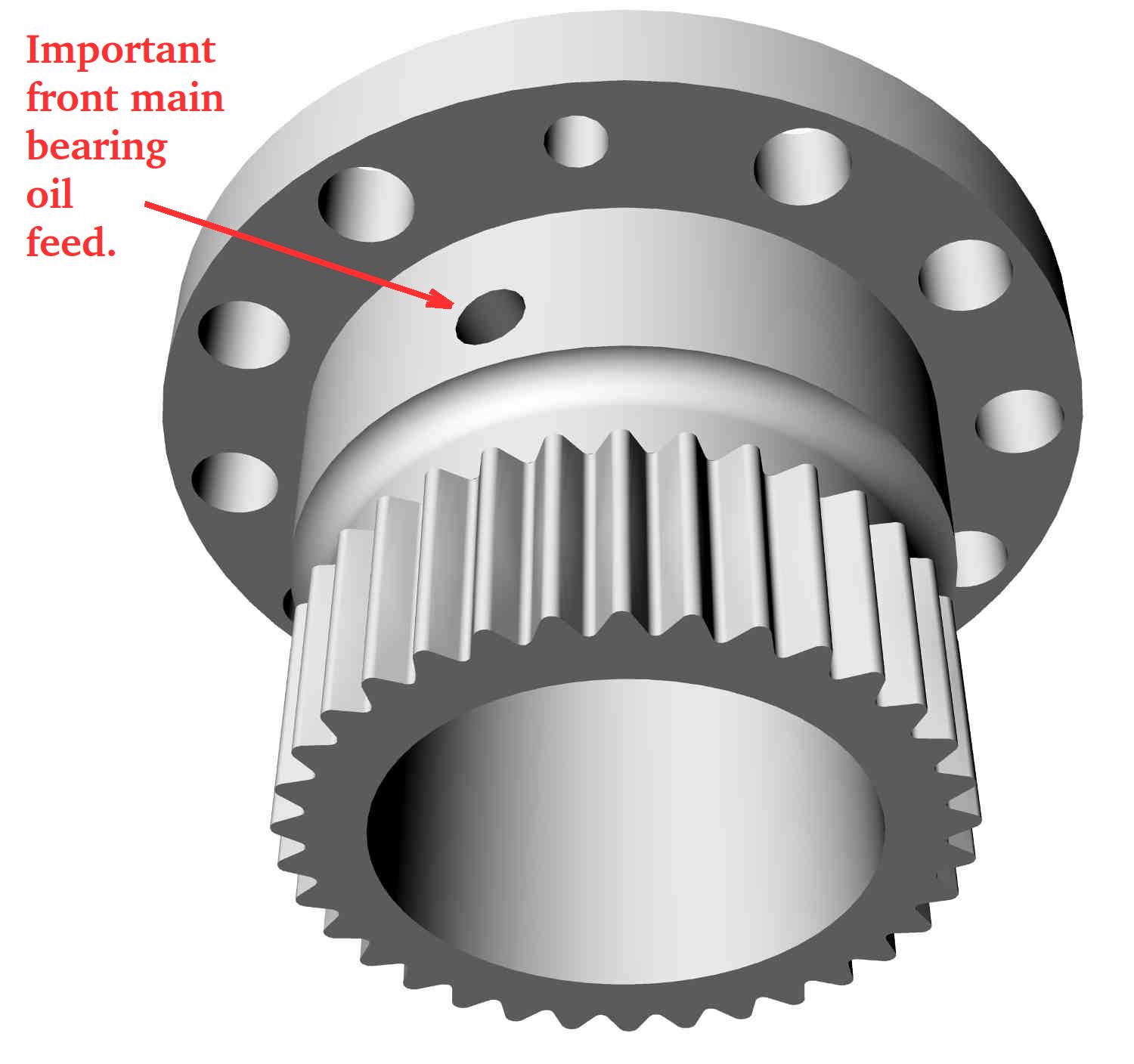
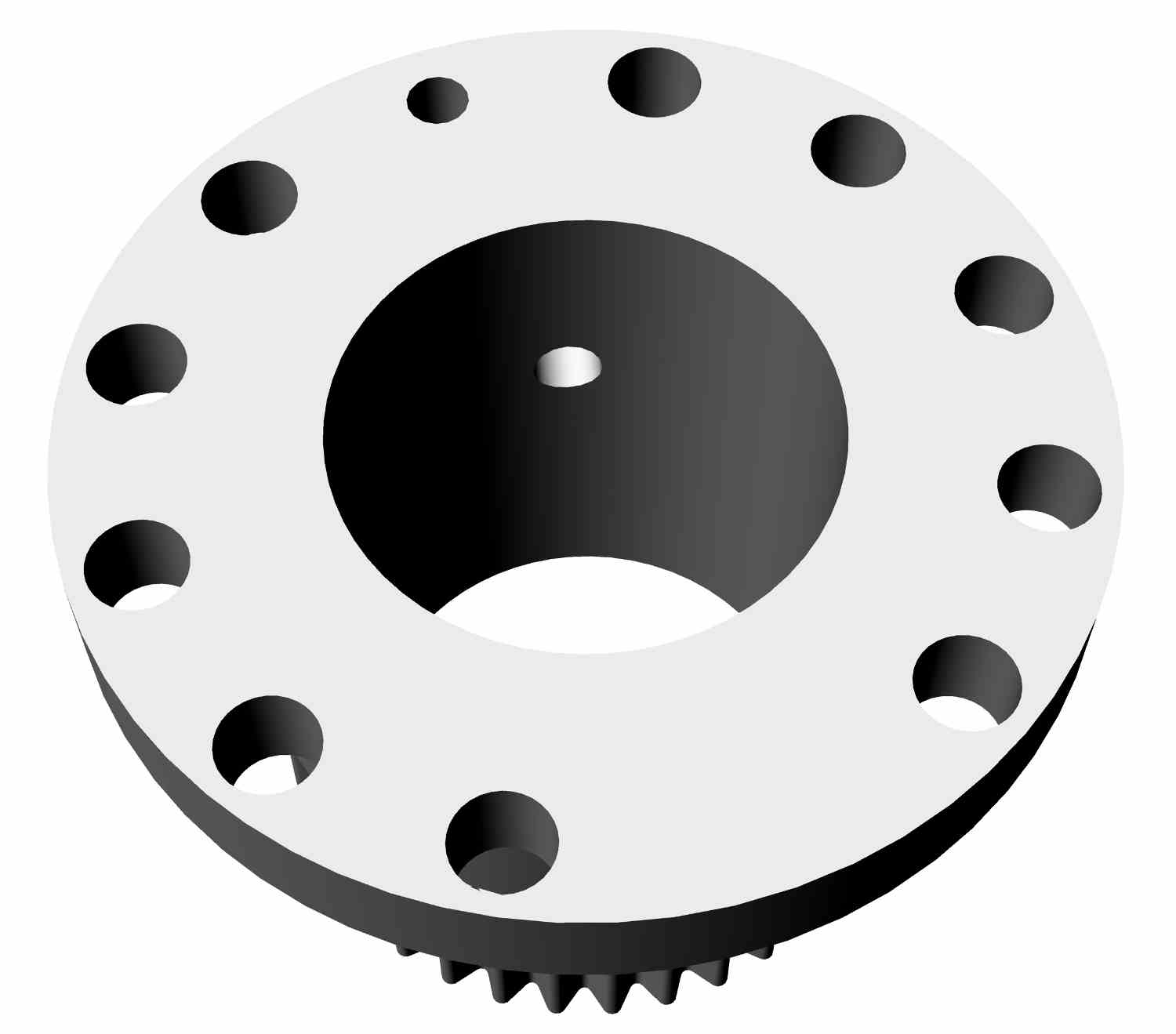
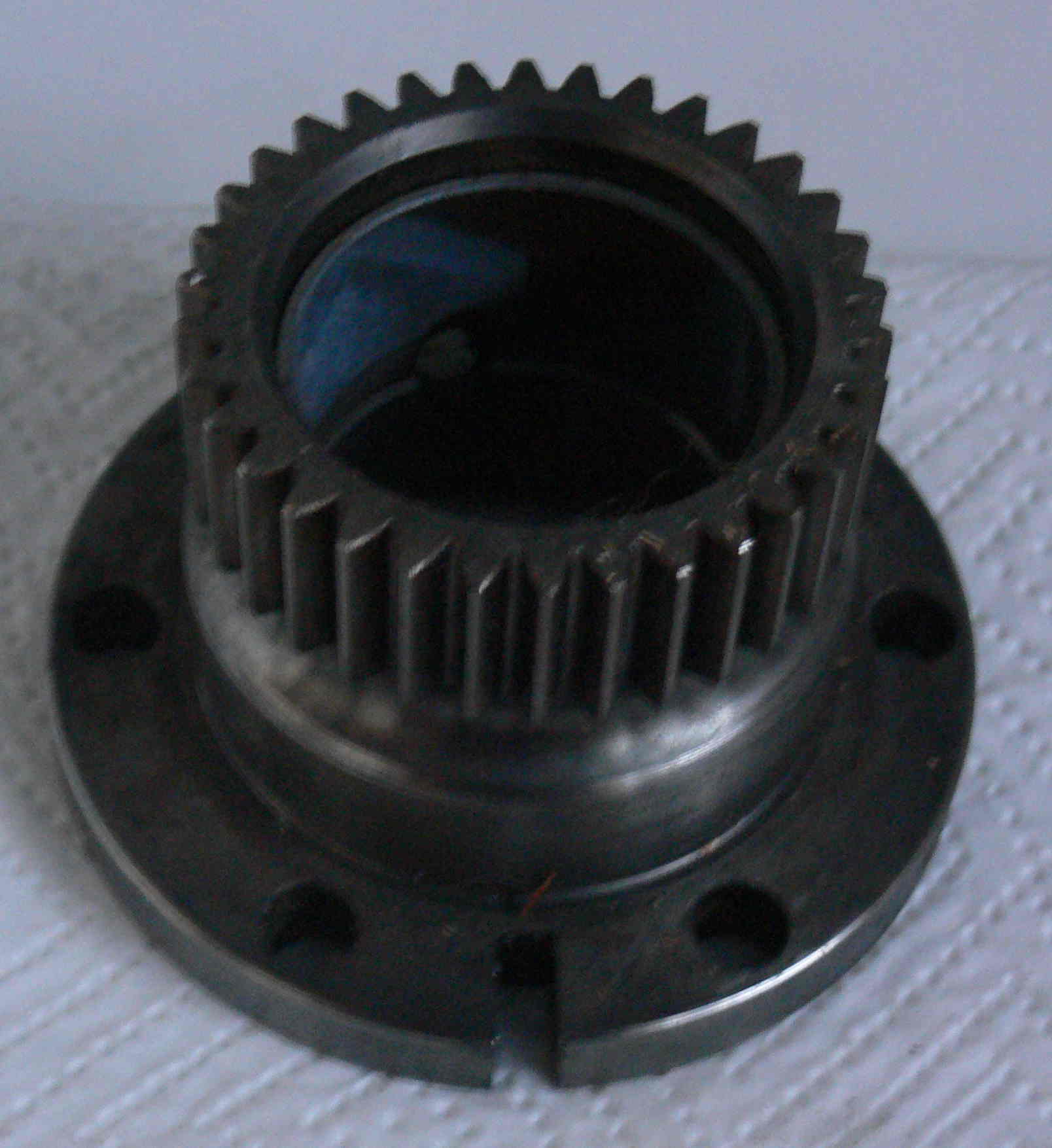
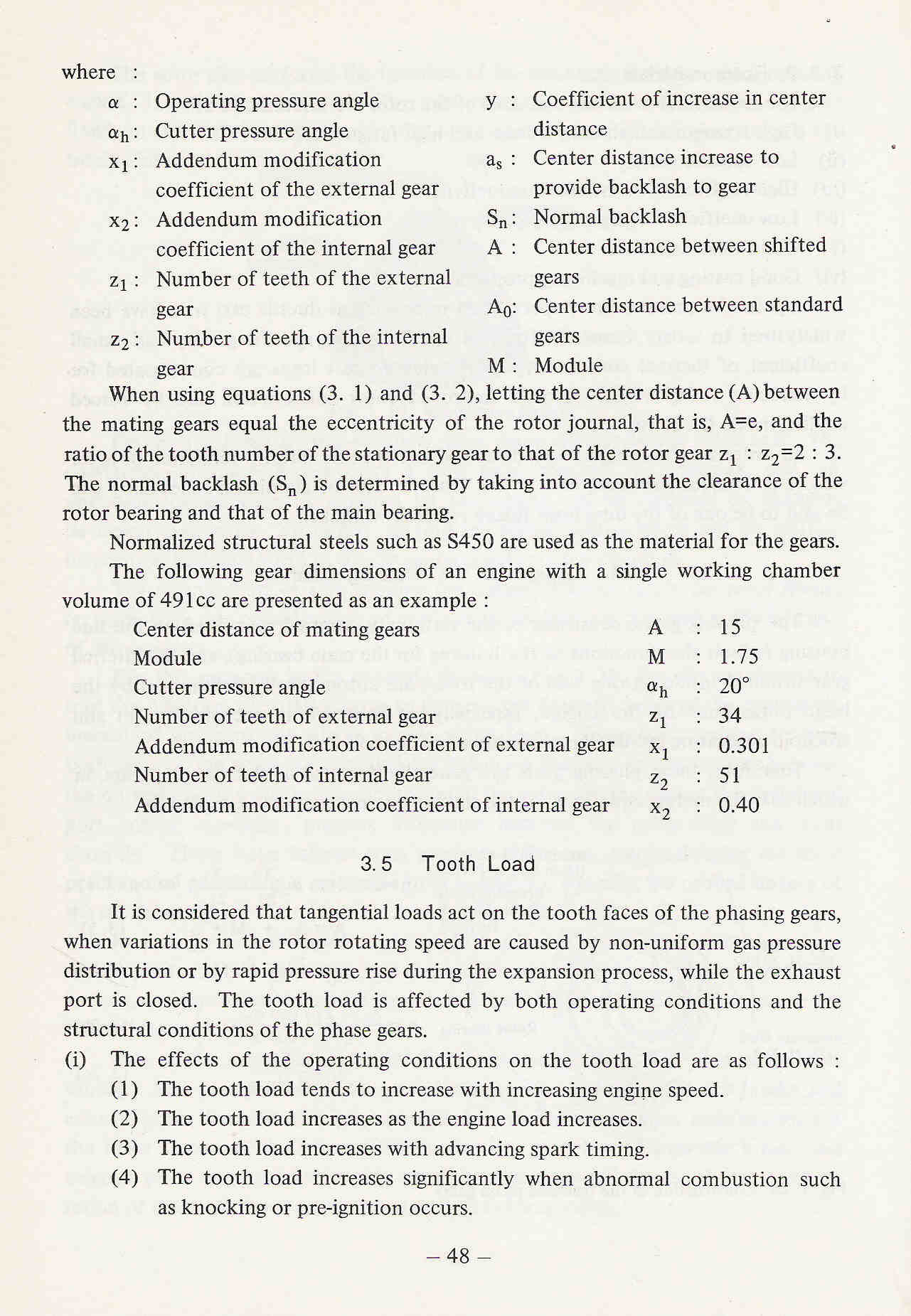
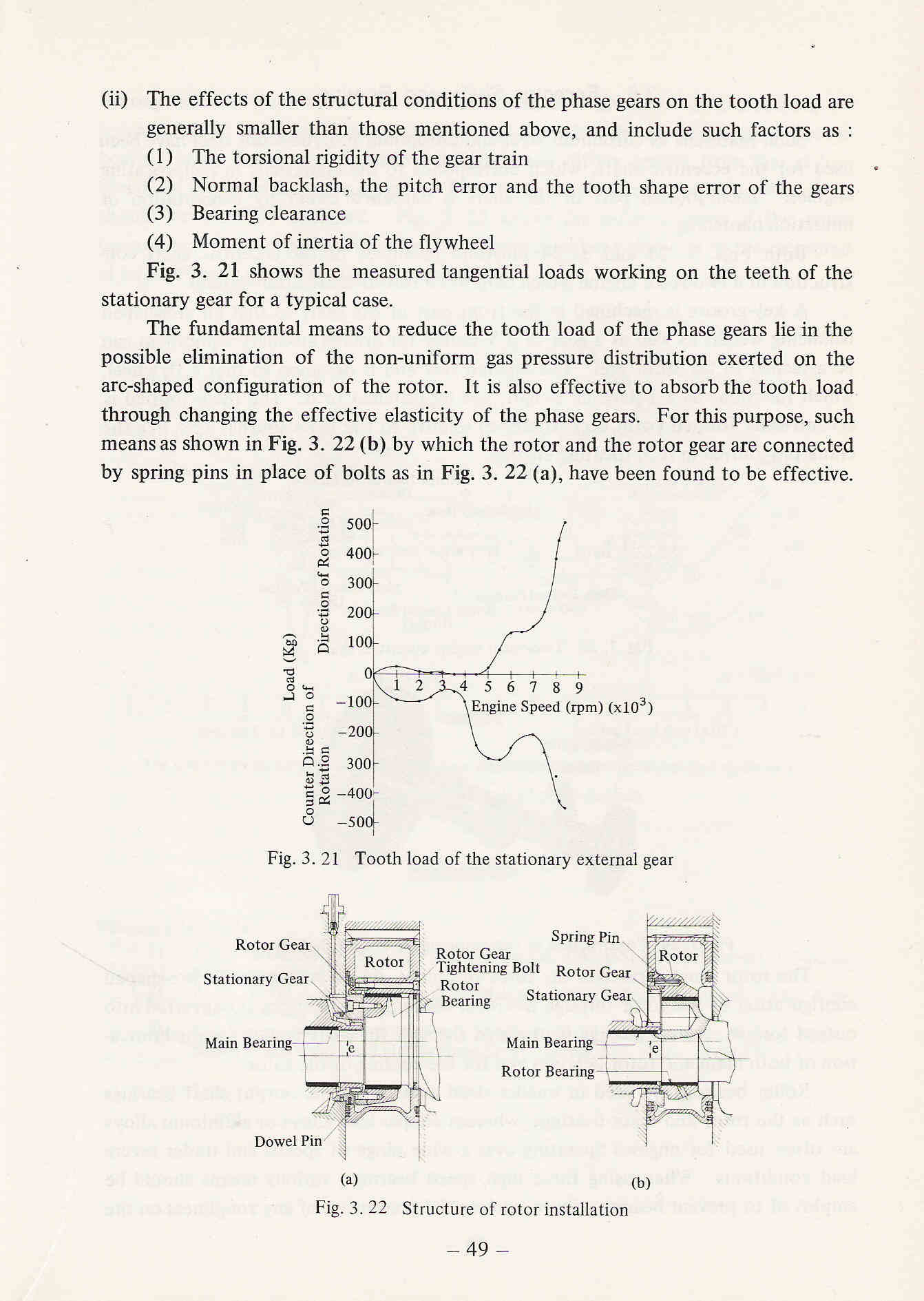
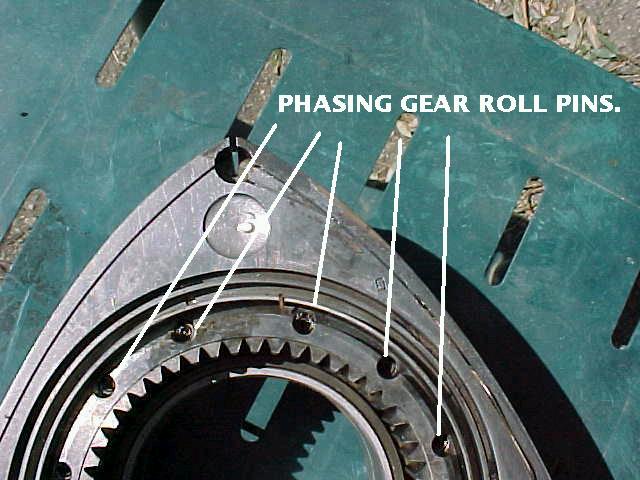
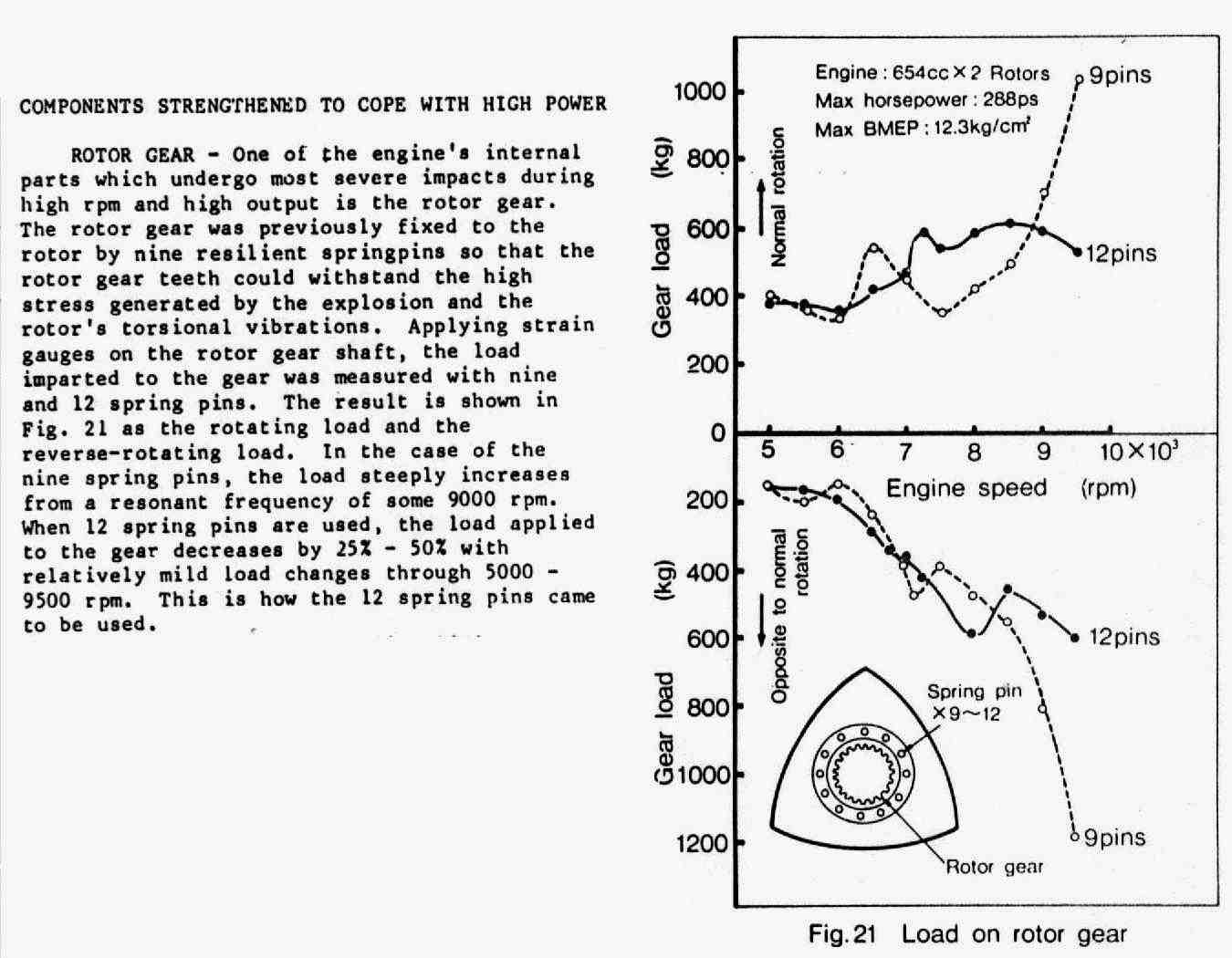
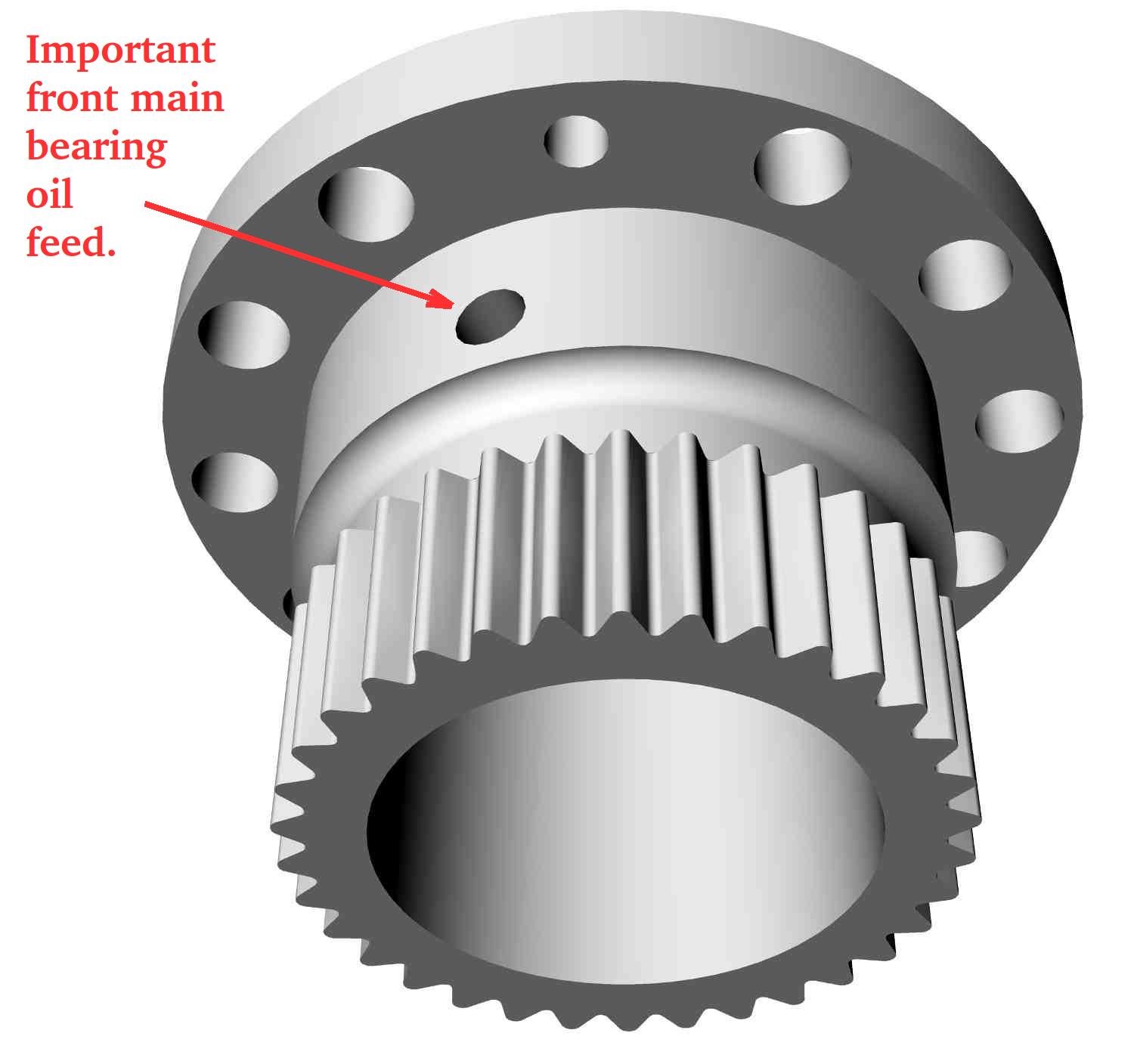
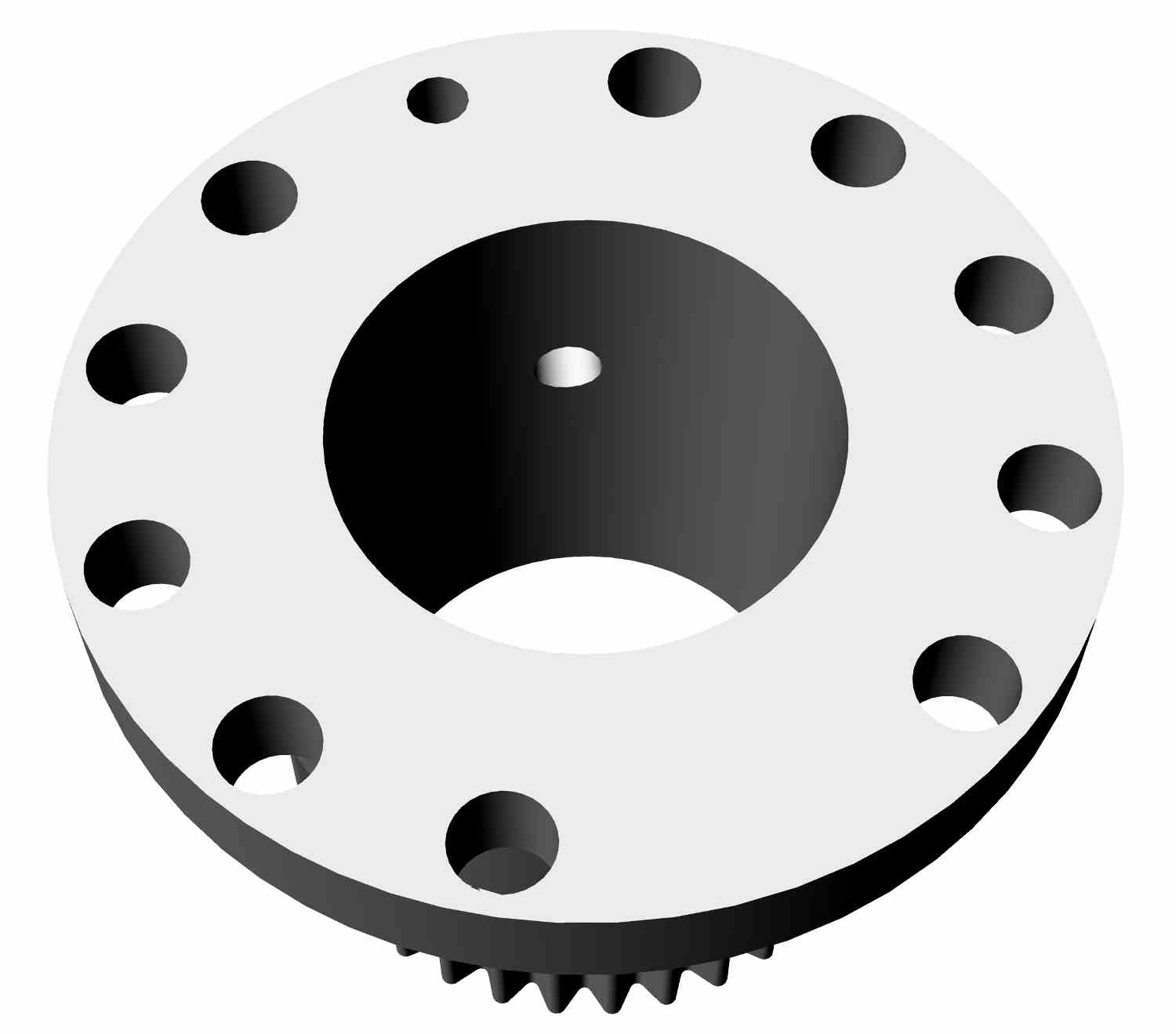
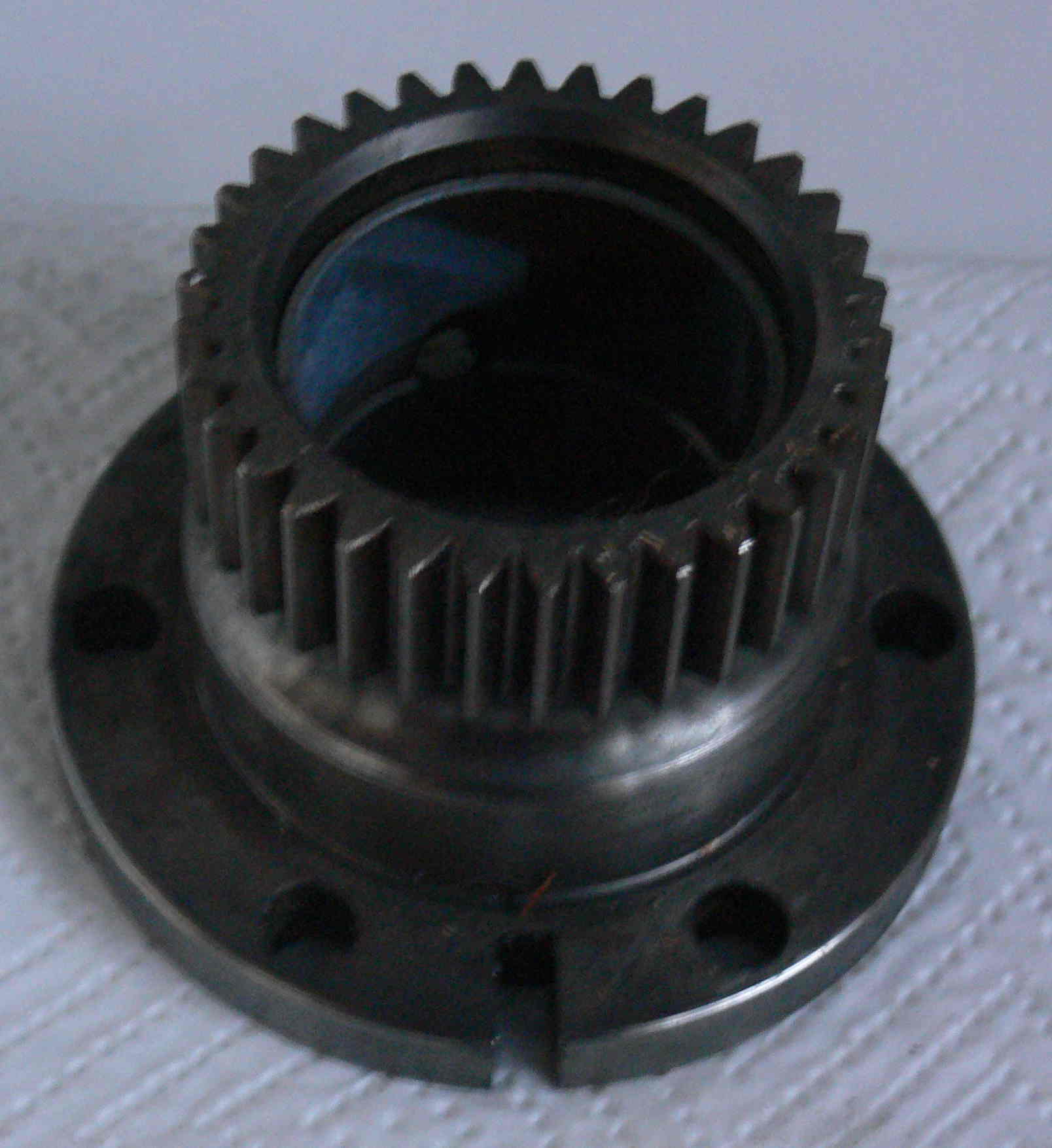
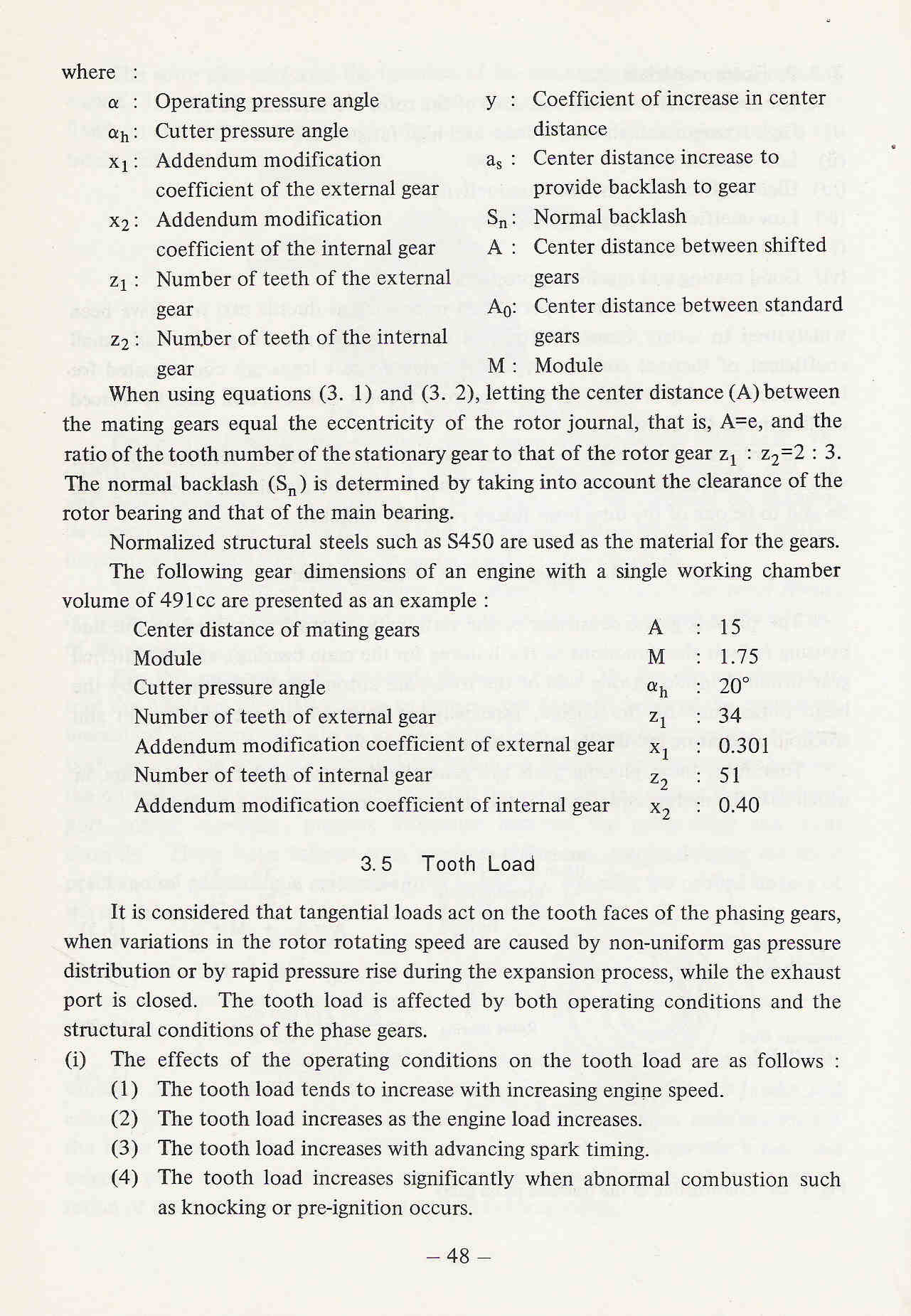
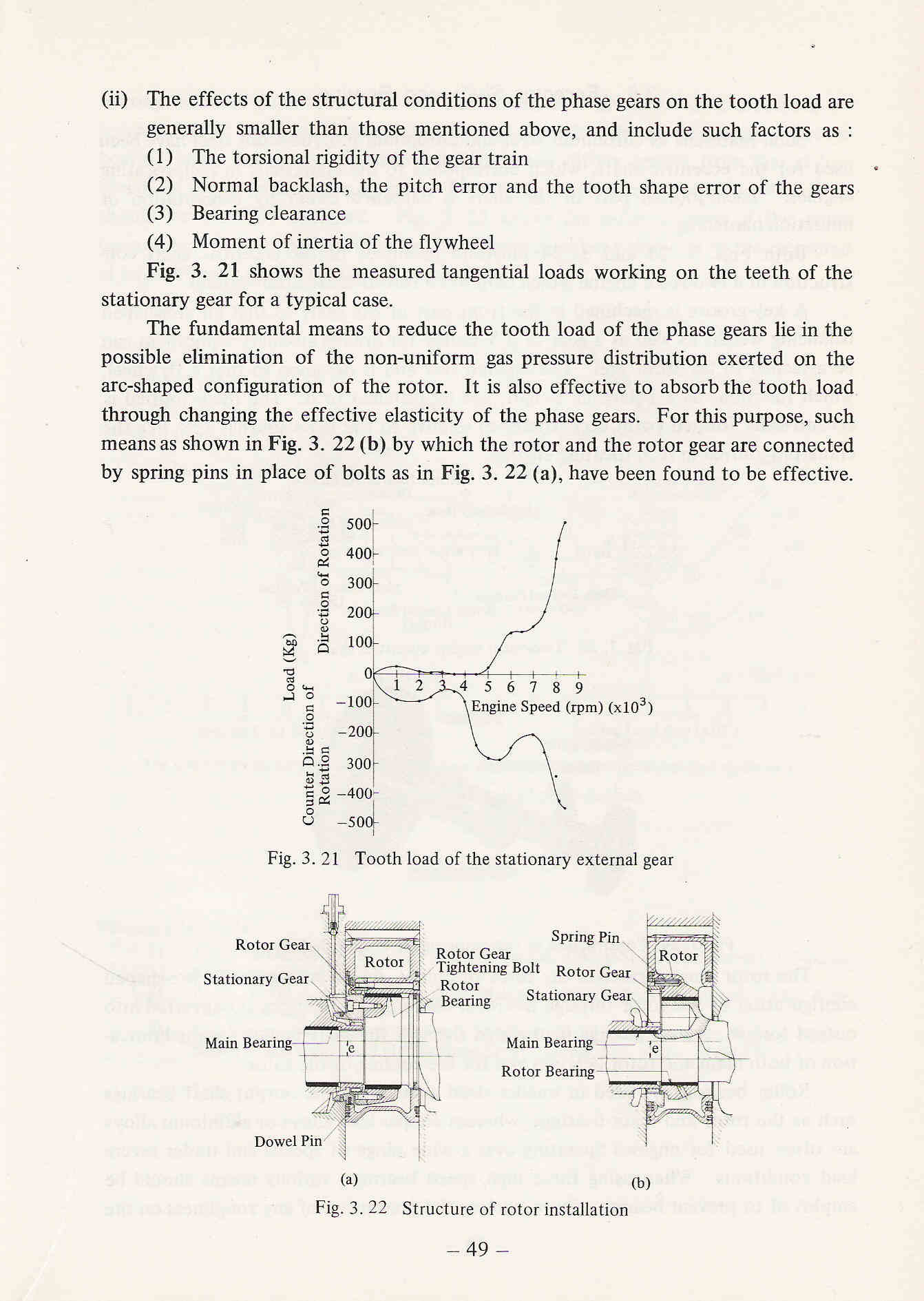
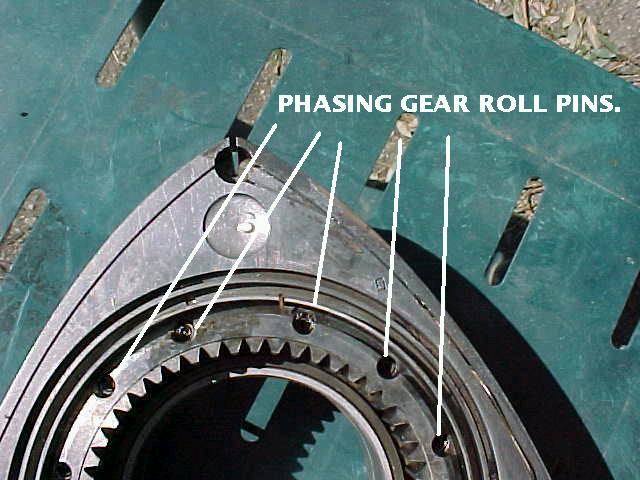
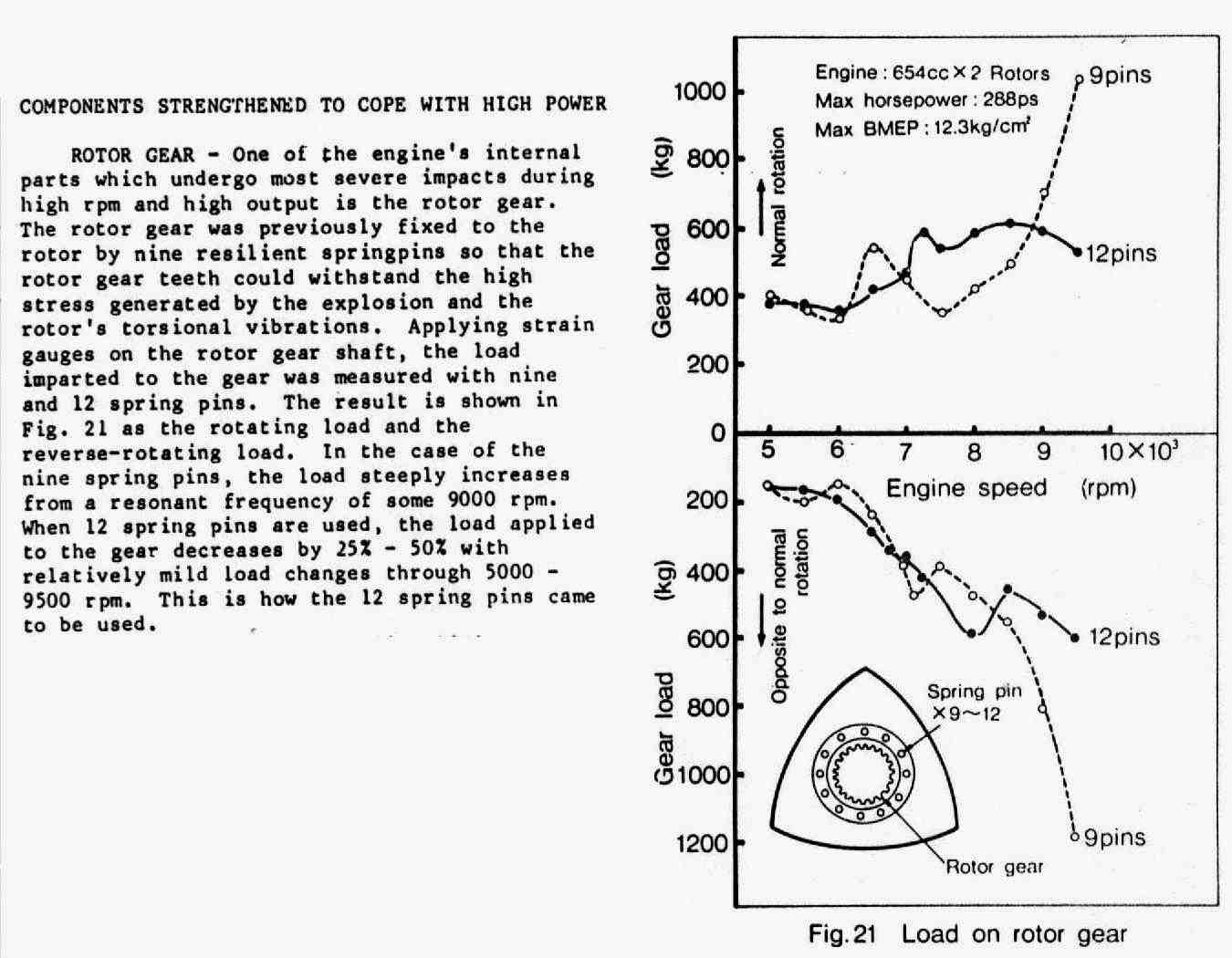
I forgot about the phasing gears. Here is some info on that.
I don't see how it reverses but it does increase and decrease depending on RPM.
So does the eccentric shaft torque. I have never heard of a broken phasing gear roll pin.
Perhaps in the early days.
Paul Lamar
------------------------------------------------------------------
Please add your questions or comments at the end of the thread. Not the beginning.
I am going to enforce that rule. If people don't do that it will not be forwarded. My
ISP changed the rules.
The Rotary Engine free News Letter. Powered by Linux. If you want off the list PLEASE
let me know and I will remove you.
ACRE NL web site.
http://www.rotaryeng.net
You Tube
http://tinyurl.com/beqqxas or PaulLamar2
Copyright 1998-2018 All world wide rights reserved.