12 b
How to Build a 650HP 250 pound Wankel Aircraft Engine
https://www.youtube.com/watch?v=csbHS94qO6w
I notice people are having trouble looking at this video.
My fault but the trick is.... hit the stop button when a new screen appears.
Then after you have read the screen hit the start button. Do this for each screen.
The screens are just pictures and not video. If you know how to do screen
captures that would be useful.
Paul Lamar
Hey, Paul
I have a few questions and one concern, as you know I have been
researching and seriously looking into running a rotary on our rv6 but have some
concerns, the TTC has made a huge statement but in reality it's more of a race car
engine running on methanol, than a viable aircraft engine being that its running on
methanol and has aluminum housings.
So far from my research nobody recommends the aluminum housings for
street use or any type of regular use or anything besides racing they say they will
not last, unless there is someone that makes one that will work for street use that I
dont know about, which I hope they do, I know rb doesn't recomend theres. so assuming
we can find aluminum housings or maybe make aluminum housing with a steel insert?
What is a realistic reliable horsepower a turbo p port could make on av gas reliably,
example what do you think would be the max cruise horsepower you could run at all day
long reliably.
Then we have weight if you dont mind me asking because I am trying to add
all the weights to see if its possible for my instal is that 250 lbs including gear
box and turbo and what is the weight of the entire engine package weight with
coolant, cooling system and oil system with oil, the engine I would be running is
also already dry sumped and p- port, but as of now with the stock housings it's way
too heavy!!! I cant believe how heavy that little motor is with those iron housings
it's a huge difference. Its currently running on a motec M400 but I am not a huge fan
I think they are hard to work with, not very intuitive, so I'll have to look into
that too. So that's kind of where I am at I do have access to some amazing designer
engineers with a awesome cnc machine shop and manufacturing connections. I know it
will be tough and expensive but I would only do it if I can get the weight cut down
reliably, turbocharged and constant speed prop so probably going to have to go
electric there, we fly at lots of different altitudes and dont like to give anything
up climb, cruise, glide ratio, ect. I would love your input and thoughts on the
actual installed powerplant weights wet and horsepower possible with what I am trying
to do and thoughts on the housings.
The one thing I really worry about on your video and site is I notice
multiple times talking about just using a blow off valve to regulate boost which
worked fine for what you were doing but I believe a properly sized wastegate will be
much better for the job, it's more controllable and easier to dial in altitude
compensation and on a aircraft relieving pressure on the compressor side would really
risk over speeding the turbo at high boost and high altitude, specially with no
exhaust relief at all. I found that out the hard way my blow off was stuck partially
open and I overspend the turbo and grenaded it. I know that worked for the TTC
situation but dont think that would be a good solution for something other than a
exhibition aircraft. Just my opinion or way of thinking not trying to knock you or
anything you have done, you obviously are the go to guy for these motor which is why
I am here.
Thanks, Jacob
The TTC gear box is about 40 pounds. The cooling system parts are about 20 pounds.
One gallon
of water is 8 pounds.
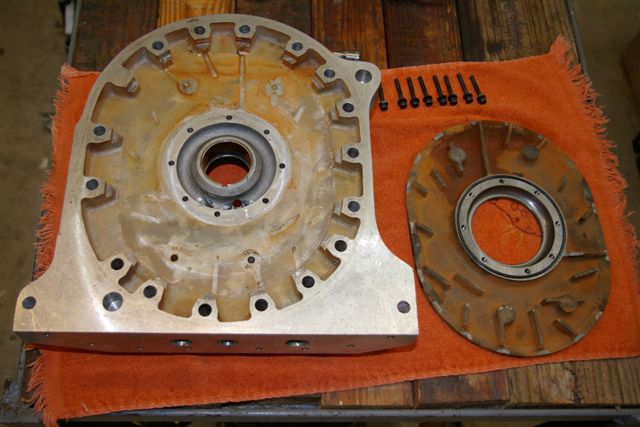
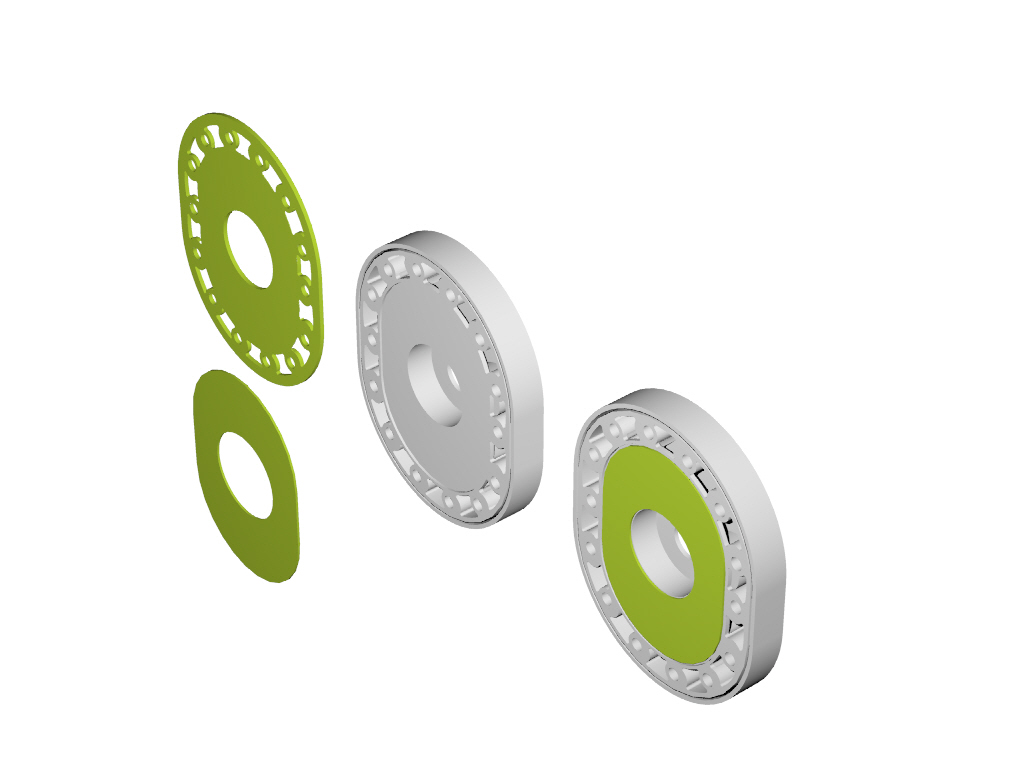
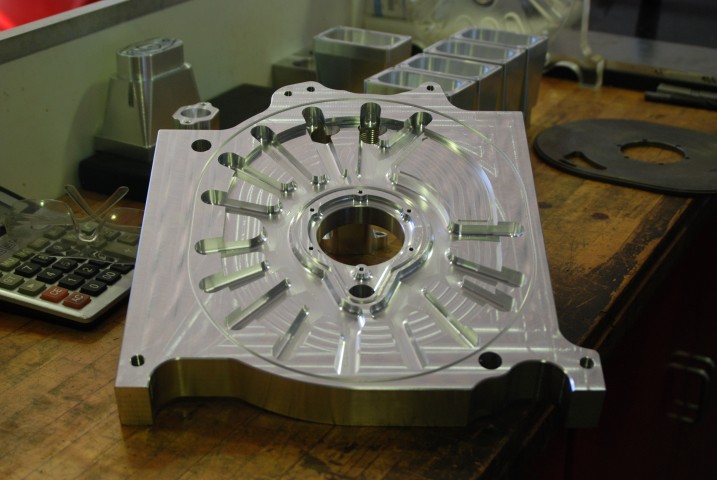
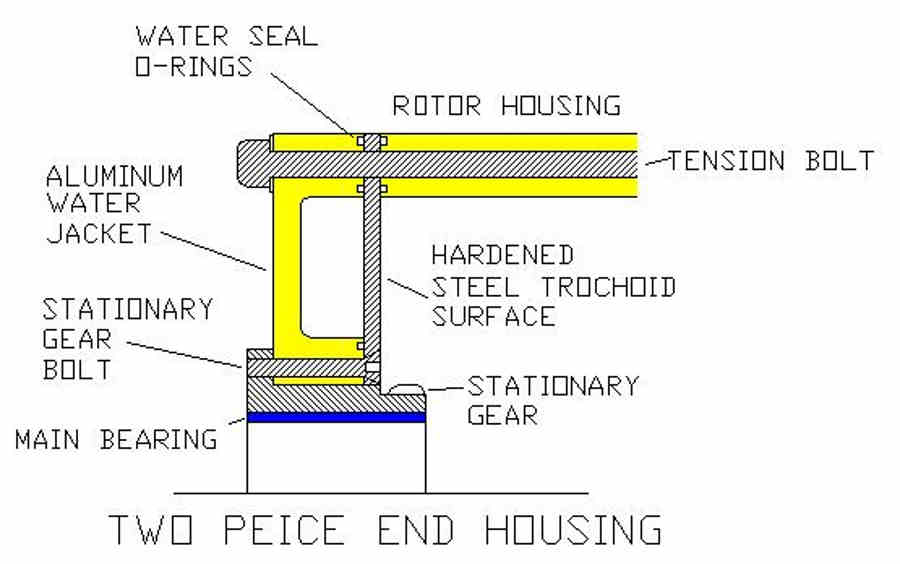
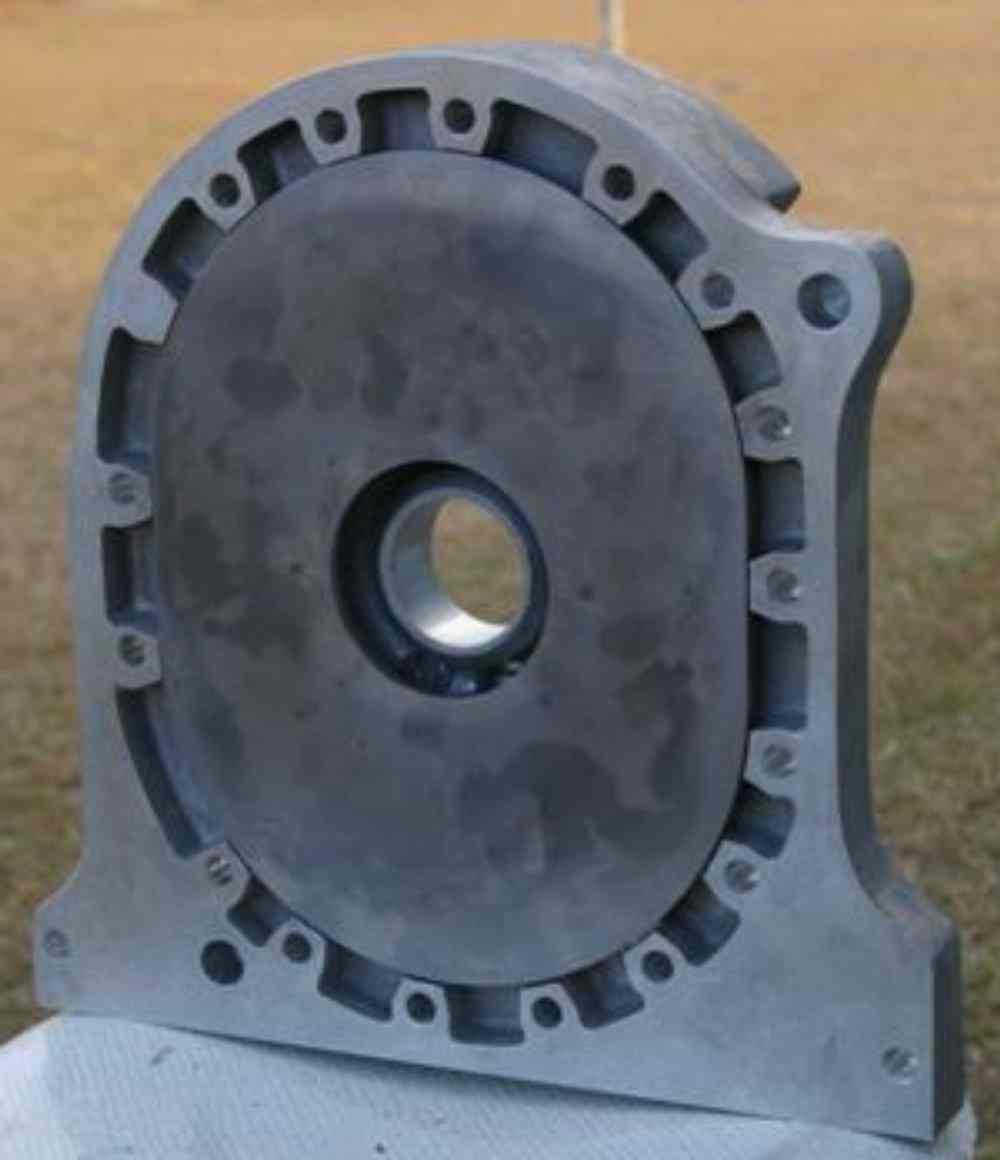
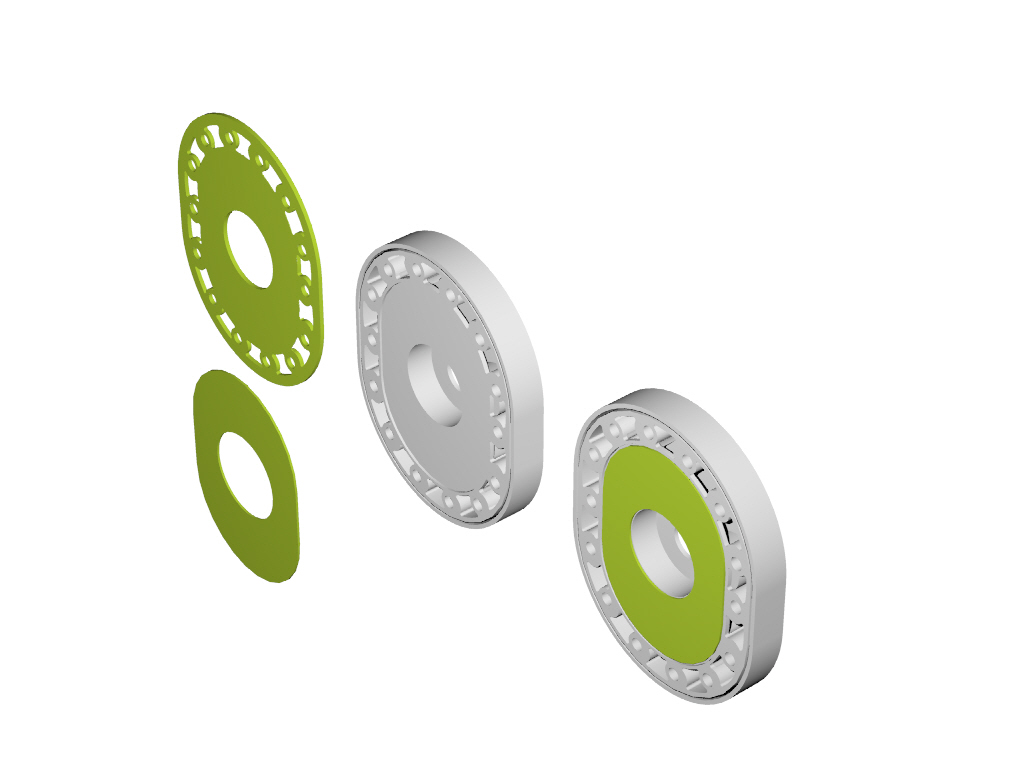
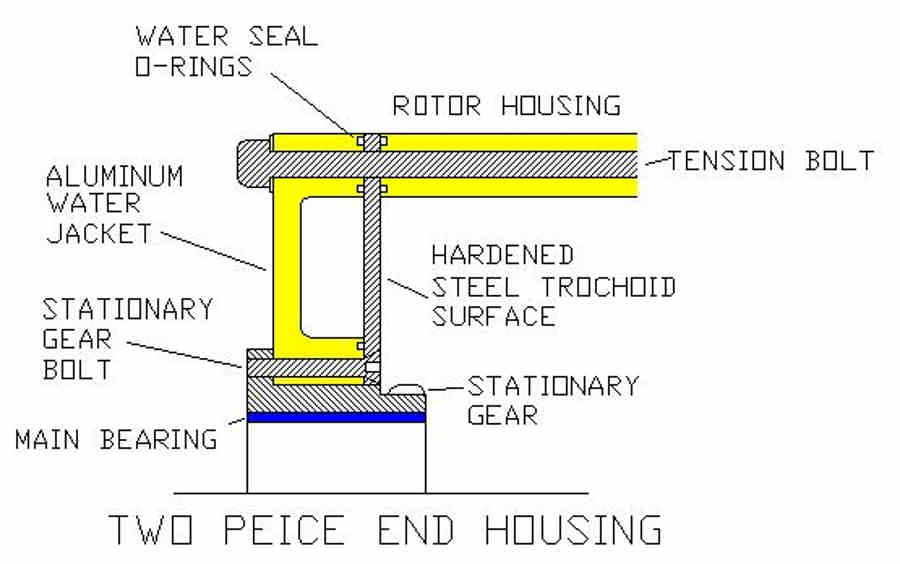
Two piece end housings will live as long as caste iron end housings
or longer. No reason why not. Here are some pictures and drawings. A couple of OZ outfits
are making them.
With high boost and just a blow off valve you can control power with the throttle alone.
A computer controlled waste gate is not needed. It is needed in a car where the load
is a function of throttle opening and RPM and load. In an aircraft there is a fixed
relation between HP
and prop RPM. See the graph. In other words at any prop RPM there is a known load
and HP.
So you set the power by the prop RPM you want. There will be a delay and you may have to
readjust the throttle until the boost and the turbo spools up and establishes an
equilibrium
with a steady prop RPM. At full throttle the prop tips hit the sonic wall. When that
happens
more power will not result in more prop RPM or more thrust.
In fact you could be applying
more power but it is absorbed by useless vortices's off the prop tips. And that is
where the blow
off valve should be set. The 182 plot shows this.
In cars and particularly in road racing you need instant throttle response. Not so in
aircraft.
Paul Lamar
------------------------------------------------------------------
Please add your questions or comments at the end of the thread. Not the beginning.
I am going to enforce that rule. If people don't do that it will not be
published. My
ISP changed the rules.
The Rotary Engine free News Letter. Powered by Linux. If you want off the list
PLEASE
let me know and I will remove you.
ACRE NL web site.
http://www.rotaryeng.net
YouTube Key word "PaulLamar2".
Copyright 1998-2018 All world wide rights reserved.








.JPG)



.JPG)
.JPG)