12 J
Paul, getting bored so to occupy the time I am looking at the
complications for adding a turbo to a P ported engine. Not wishing
to blow the backside out of the engine, but a gentle 5 pound boost.
How do I size a turbo for this to occurr? There are plenty of Ford
RX7 turbos out there (Chinese) for $300. Not that simple, so what
parameters are needed?
Neil Unger
Use the biggest turbo you can find and use a blow off valve on the
intake manifold set to 5 psi boost. The big turbo will have an easier
time of it with the 1800 degree F Wankel exhaust temp. Also use a
vent on the exhaust manifold with a 1.25 inch diameter hole. Forget
the waste gate. It will do nothing. Turbos work and spin on exhaust
mass flow and not exhaust pressure.
The video show water vapor coming out of the blow off valve with the
engine running at full boost. You may or may not need a intercooler.
With only 5 psi boost and silicone nitride apex seals probably not.
Silicon nitride apex seals are essential with any boost.
Paul Lamar
Paul, This seems all wrong, but obviously works. What you are
suggesting is----- To forget any wastegate which gives all the exhaust
ports channeled into the turbo, but with a 1.25 inch bypass to simply
reduce the amount of exhaust going through the turbo by possibly 1/3?
You look to have just exhausted the by pass to the open air? Should
that pipe be muffled for noise reduction, or just piped back into the
exhaust post turbo?
Then you suggest a blow off valve to prevent the boost climbing
past say 5-6 pounds in the pressure side??
This, if I am correct in following your instructions does make a simple
install.
Does it matter just what degrees the P port opens and shuts?
Did you find a exhaust temp sender that survived the heat? I managed to
burn all mine off eventually.
Forgive all the stupid questions, but this differs totally from any
turbo install I have seen, but then it is not in a car. The application
is totally different.
Neil Unger.
You don't get a lot of noise out of the bypass.
The thing about computer controlled waste gates is they are designed for the
automotive environment.
You need max HP instantaneously to accelerate a car is closed. In an airplane
that is
not required.
So it takes a few seconds for the power to build in an aircraft engine. No
problem.
The power will build until you achieved the desired manifold pressure and HP
controlled by the blow off valve. Then you take off.
With a blow off valve on the intake manifold you will never over boost the
engine.
With a computer controlled waste gate it is possible to over boost the
engine and
cause it to fail if the software (software bugs) fails or the waste gate fails
to open.
Use the Le mans p-port port timing. Mazda spent a lot of R&D on optimizing
the BSFC.
Paul Lamar
No offense at all but in my opinion that way is just a bunch of band aids for a
improperly designed turbo system. Turbo charged aircraft use waste gates, some
older rayjay systems did use a bleed hole along with manual control, the turbo
alley are the only ones i have seen that way and they did that incase you left
the wg closed it wouldnt go crazy, but thats extremely antiquated even by
aircraft standards. Even ww2 aircraft had density controllers and
wastegates. The
1.25 inch bypass hole is there for one or both of these 2 reasons you have too
small of a exhaust side on the turbo ie wheel and or housing ar trim and or
your
wastegate is undersized, which on the ttc it looked to be a 38 mm wastegate
which
was way undersized for that application a 60mm would have been a min. or 2 small
wastegates would have worked good.
A blow off valve was never intended to regulate boost pressure like that, there
are some that are intended for similar use on superchargers or centrfugal
blowers but the one on the ttc was designed to open with vacuum on the diaphram
and boost pressure on the valve so when you close the throttle plates fast it
relieves the extra pressure so you dont hurt the turbo by slowing it down too
fast. The only reason the bov worked on the ttc is because the spring was too
soft for the manifold pressure it was running and caused it to blow the valve
open, plus it had the wg and bleed hole open so its just dumping on both
sides to
get to where it needed to be. You also risk over speeding the turbo if you use a
bov to regulate manifold psi.
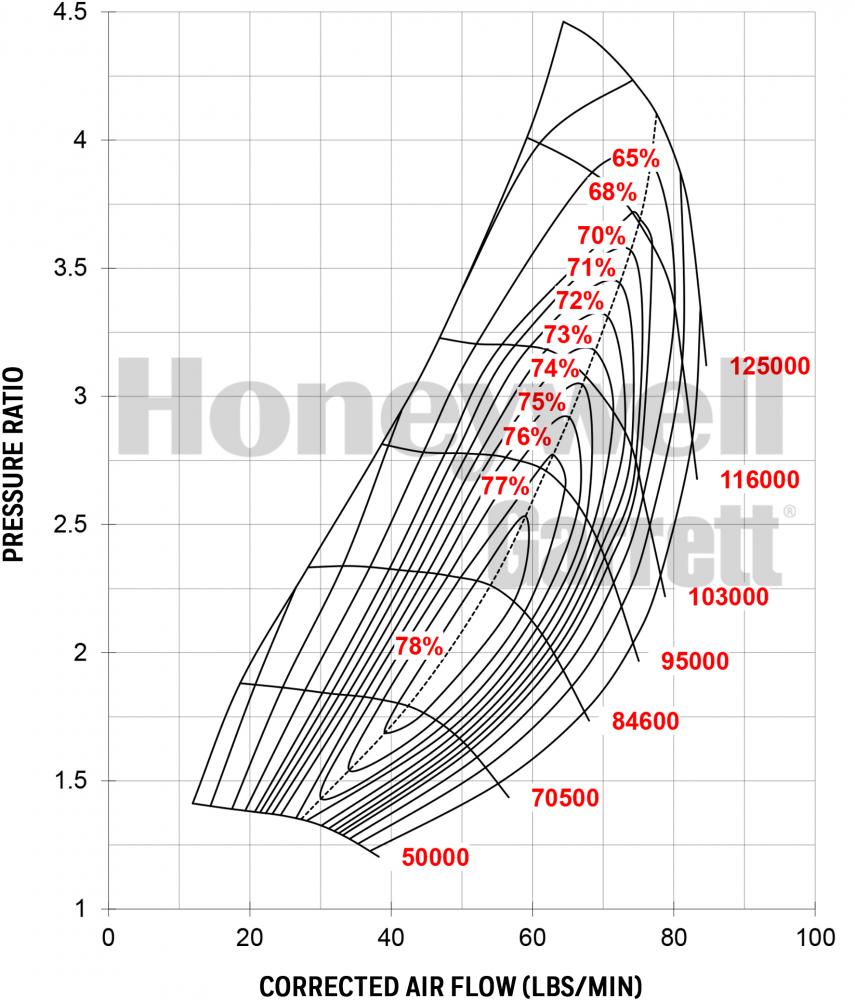
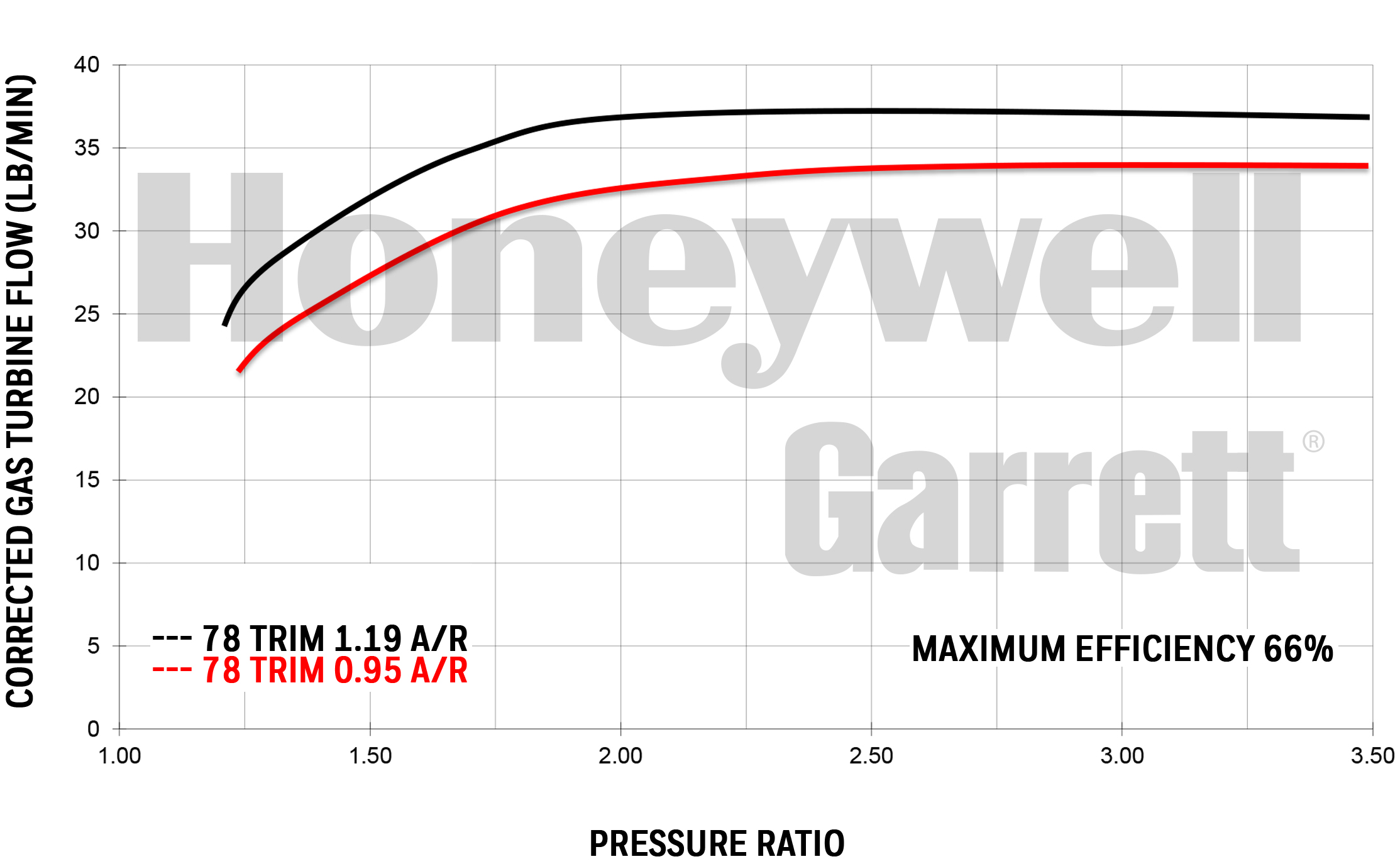
Off hand a 60-1 with a large ar ratio on the exhaust housing is a good old
reasonably priced turbo that would probably work good for you but if you would
like i can run your desired power levels and altitude levels in the computer and
suggest a turbo for you. I would also use a 50 to 60 mm water cooled waste gate
they have cheaper ones out there but it would help with the higher egts of a
rotary being water cooled or 2 38mm or 44mm wastegates might be cheaper and more
redundant. Once you get over 44mm they get a little expensive. I would also run
a pressure relief valve similar to the way they used the bov on the ttc but not
regulate just pop open if you overboost, but its a aircraft part with a
mechanical density altitude anroid set at around 44 inhg which you can adjust it
probably up to 50 inhg unless your planning on running more than that, but i
find
those on ebay and stuff for around $175. I can send you a part number or link if
interested.
To control manifold psi you dont have to use electronics you can just run a
mechanical wastegate knob on the instrument panel there cheap and very reliable.
The only reason you even need any type of boost controller is to maintain max
manifold pressure at altitude cause as your altitude goes up theres less
atmospheric pressure on the diaphragm of the waste gate which will cause it to
open too soon at altitude. Which might actually still be fine since your not
going to cruise at take off manifold pressure and you probably have a fixed
pitch
prob being a rotary most of the psru I see don't allow constant speed. If
you do
decide to go with a electronic boost controller look for one that has altitude
compensation a lot of them do and almost all of them are fail safe so they just
go to whatever spring you have in the wastegate so you can't overboost with a
electronic failure, its a little more money and probably a little less reliable
than the mechanical boost knob.
If interested I can send you some links on what i would run for turbo, waste
gate, aircraft pressure relief valve, and boost controller. Depending on your
desired altitude and horsepower you may be able to get away with no intercooler.
What kind of aircraft do you have and what altitude airports do you fly out of
and cruise at? I have a rv6a and building a Harmon rocket.
To be clear I am not knocking anyones opinion or the way the ttc was done it
obviously did what it needed to do and I know there was limited budget and its a
exhibition aircraft not a everyday flyer. I know Paul knows rotaries very very
well and has lots of great ideas, this is just my opinion on how I think the
proper way to do it is. My background is definitely more piston, I have only
messed with a handful of turbo rotary, but have done quite a few successful
turbo
systems. I am just stating my opinion and how I have always done it.
Thanks, Jacob Sturges
Well I have an normally aspirated RV4 for sale with a rotary installed for
$22,500.
Why don't you buy it and install a turbo and reset the world time to climb to
10,000 feet record now at set at 100 seconds.
I will even through in an extra engine
Paul Lamar
Neil, please don't buy a shitty Chinese turbo. These are usually low-quality
knock-offs of Garrett or BW turbos. I wouldn't trust them in any application.
I would look for a solid used turbo at a scrapyard. There's good info online on how
to inspect turbos. I would also rebuild anything you get. This is surprisingly easy
and cheap. I recently had to rebuild a Holset turbo; total cost was under $100 USD
and it took me less then two hours start to finish. Only hand-tools are needed. SOP
is to rebalance a turbo after rebuilding, but this is not absolutely necessary in my
opinion. Just mark the position of the compressor wheel on the shaft, so you can
realign everything when you reassemble. Here's a picture of the innards of my turbo.
Hakan Uras
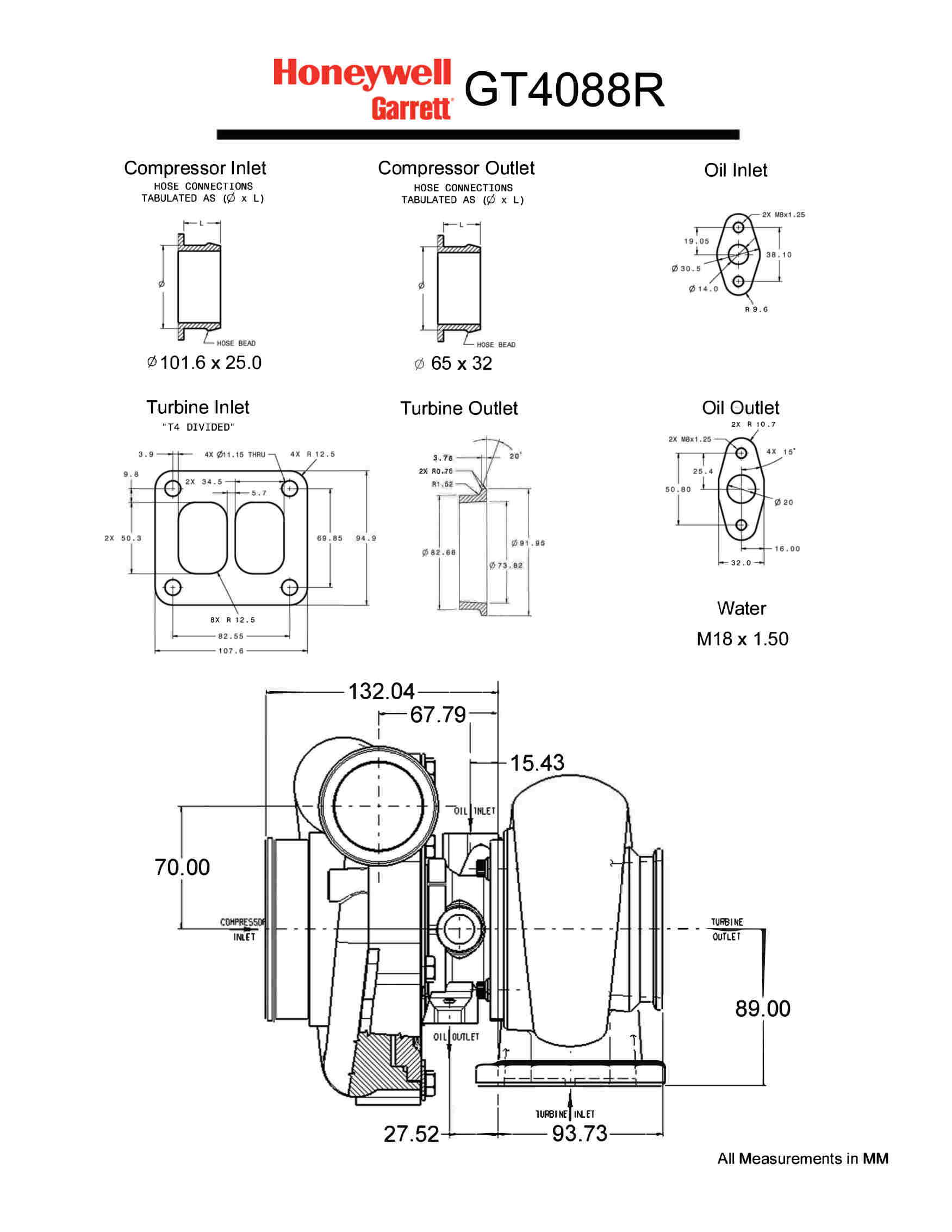
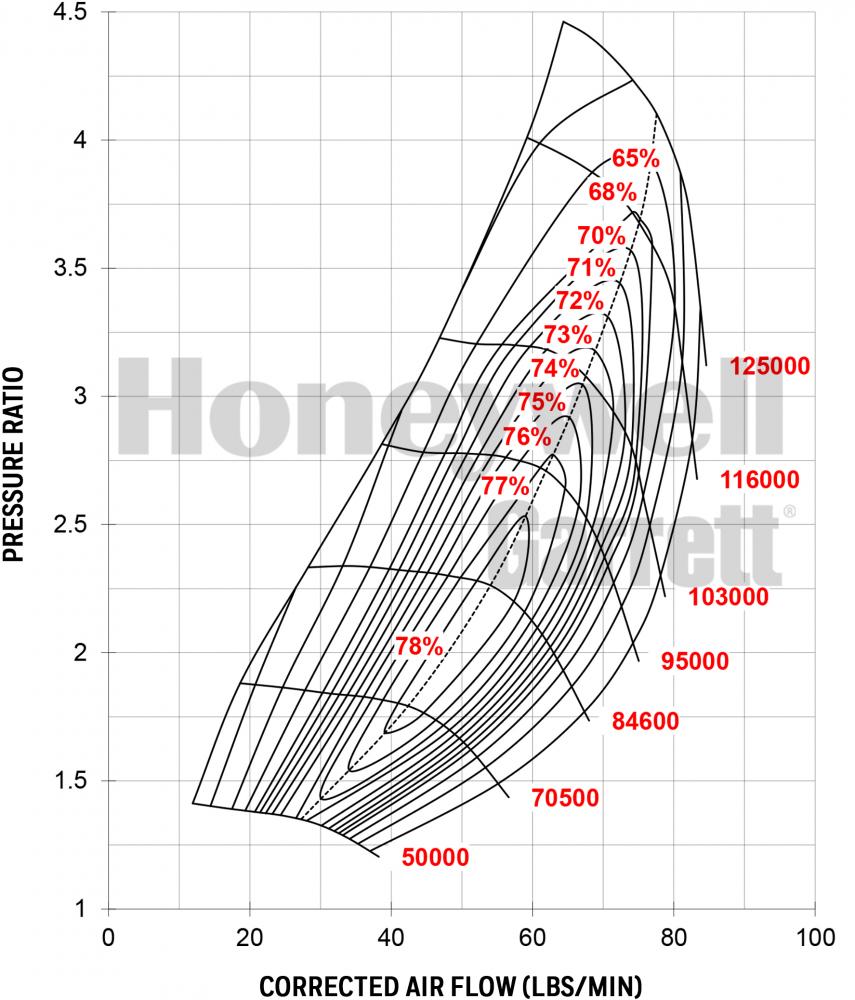
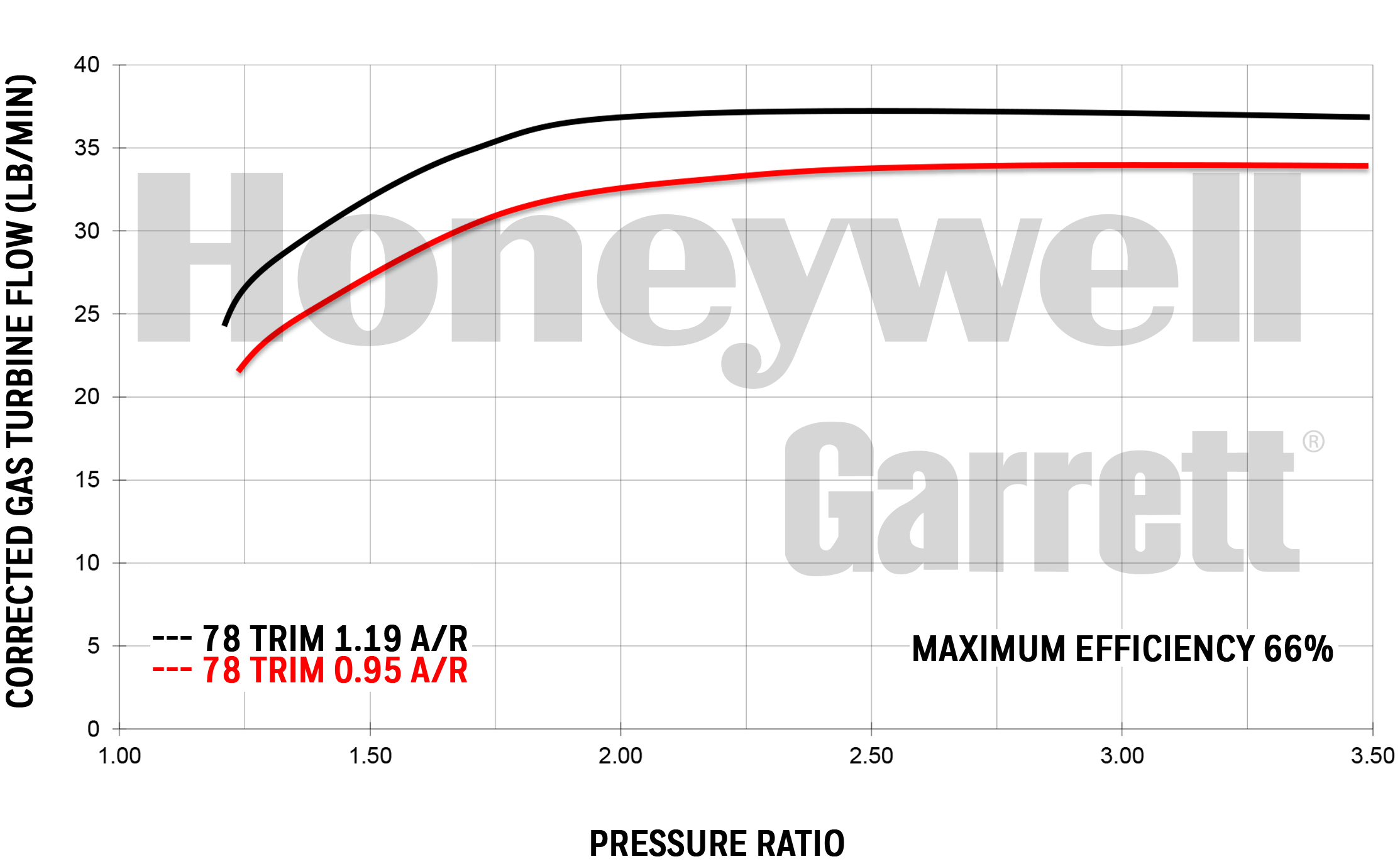
What ever it is make sure it is as large as a GT40.
Large turbine mass is required to deal with hot 1800F rotary exhaust.
Paul Lamar
-----------------------------------------------------------------
Please add your questions or comments at the end of the thread. Not the beginning.
I am going to enforce that rule. If people don't do that it will not be published. My
ISP changed the rules.
The Rotary Engine free News Letter. Powered by Linux. If you want off the list PLEASE
let me know and I will remove you.
ACRE NL web site.
http://www.rotaryeng.net
YouTube Key word "PaulLamar2". Keep clicking
this as Youtube will try to divert you to advertising.
Copyright 1998-2018 All world wide rights reserved.