12 a
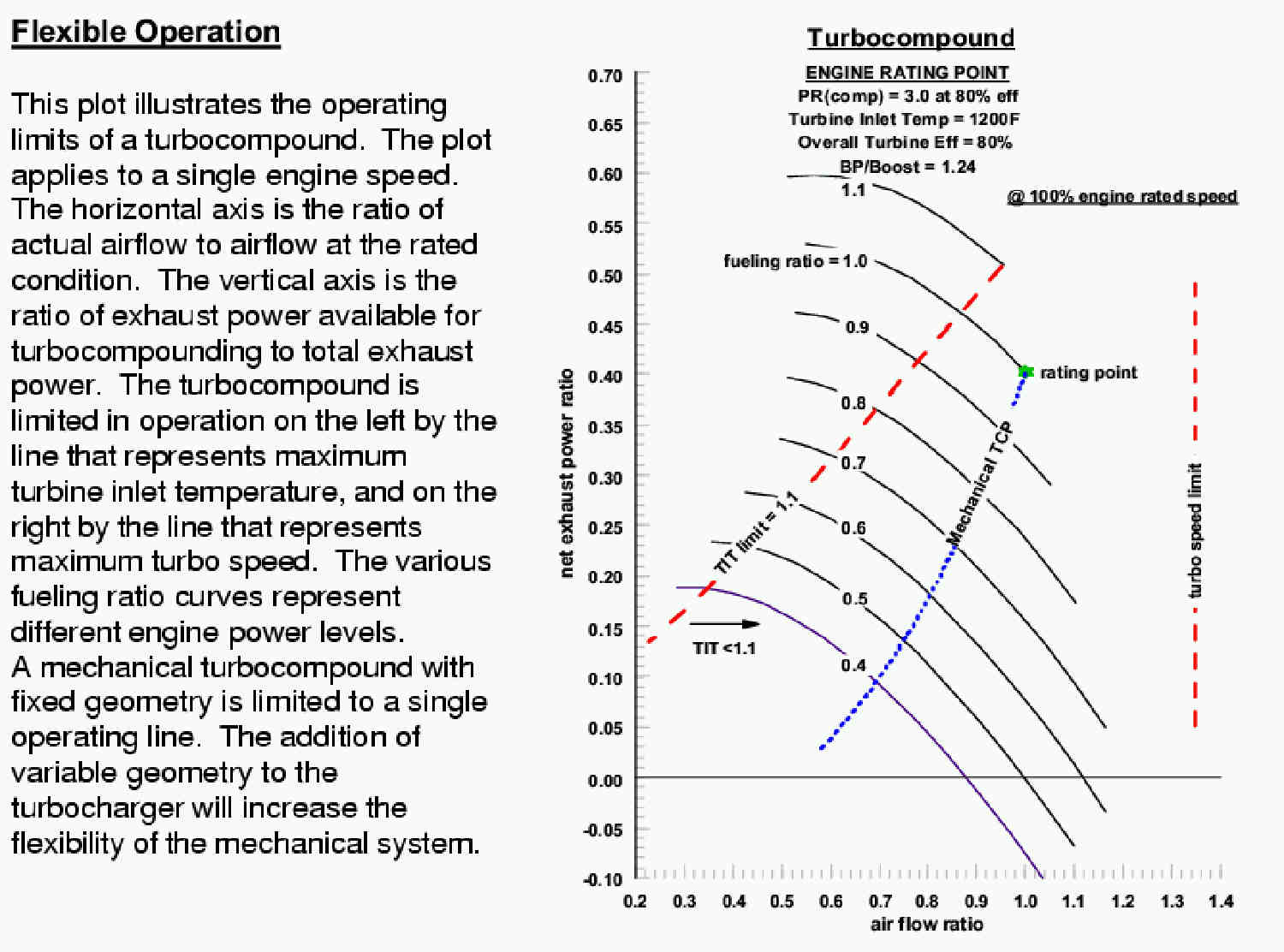
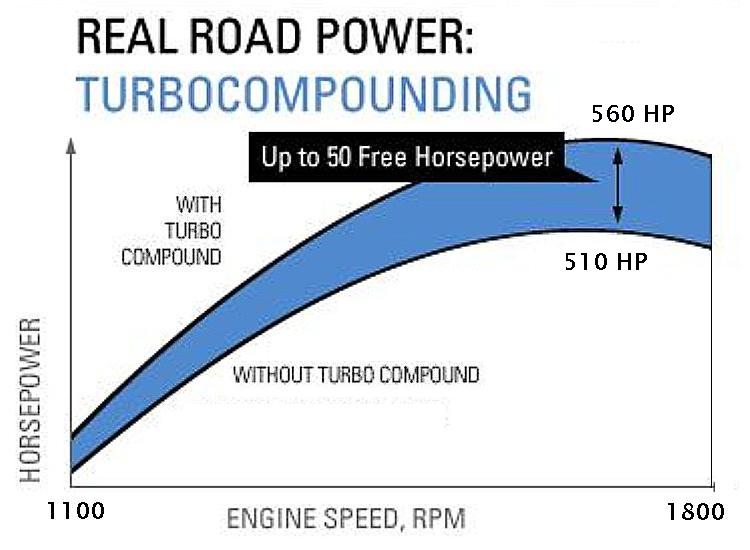
The best way to determine the improvement made by turbocompounding is to measure
output torque on a dyno. A good test cell will have a fuel flow meter, so
you could
calculate the BSFC as well. However, you could also do this on an airplane
fairly
easily. You could install an inline torque meter on the output shaft of the
engine or
simply instrument the shaft itself. For the latter option, you would need strain
gages, an appropriate DAQ system and a slip ring assembly. This is commonly
done in
industry so it's a fairly straightforward job. Here's a good overview of how it
works:
https://measurementsensors.honeywell.com/techresources/appnotes/Pages/Ways_to_Measure_the_Force_Acting_on_a_Rotating_Shaft.aspx
Plumbing a fuel flow meter on an aircraft is easy too.
Fuel flow meter:
https://www.emerson.com/en-us/catalog/micro-motion-elite-coriolis
Inline torque meter:
https://www.hbm.com/en/2384/t22-torque-transducer-for-simple-torque-applications/
Hakan. Uras
No question that a dyno would be better. Do you have access to a dyno at your
Michigan university?
Are you willing to test a one rotor turbo compound engine?
It is too expensive out here in California. It cost $750 a day and it is time
consuming to set it up.
I doubt the local college has a dyno.
Using the torque out put like the PT6 is the cheapest way to do it. Also
rapid tuning
changes can be read out immediately while actually flying.
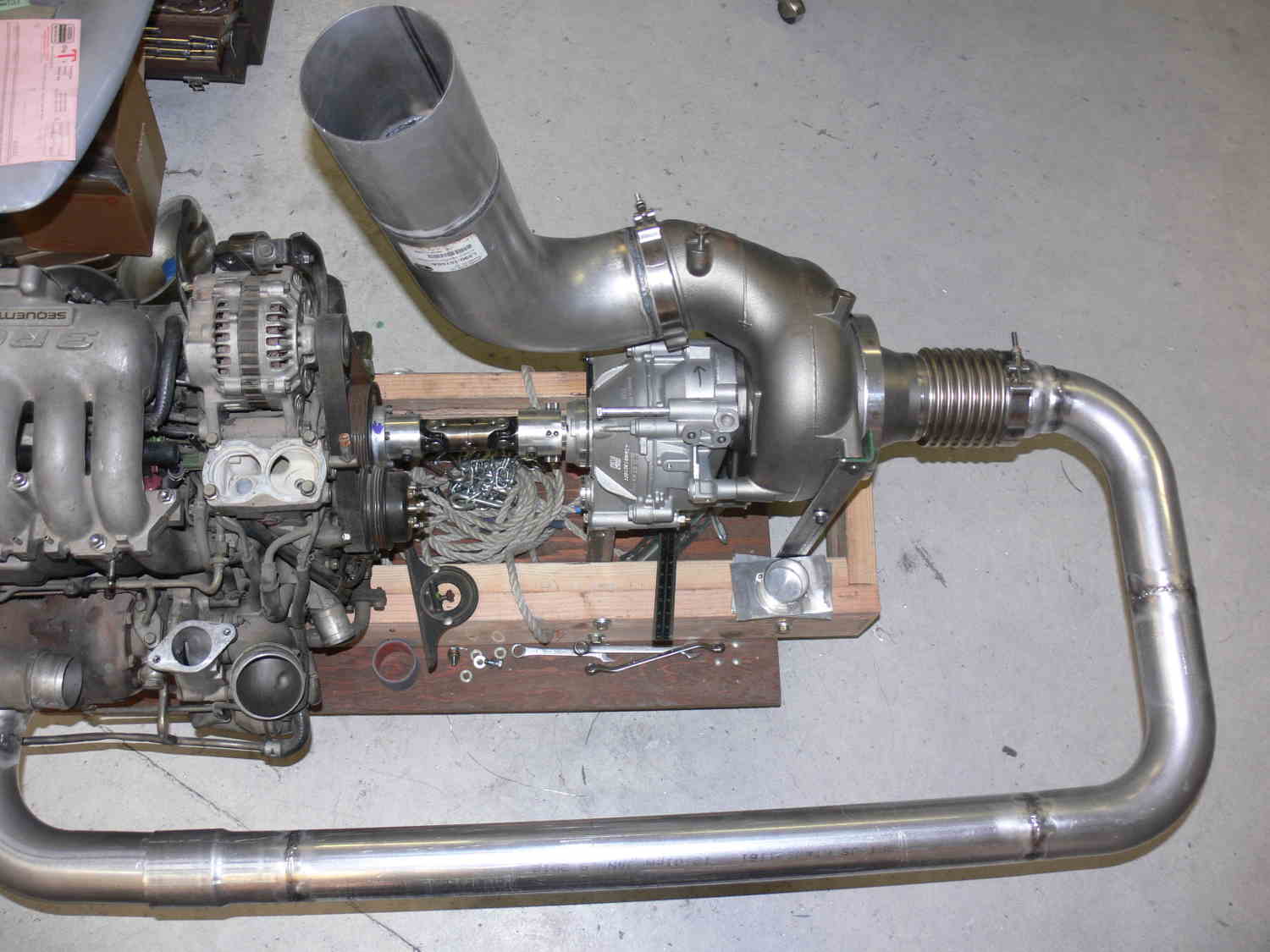
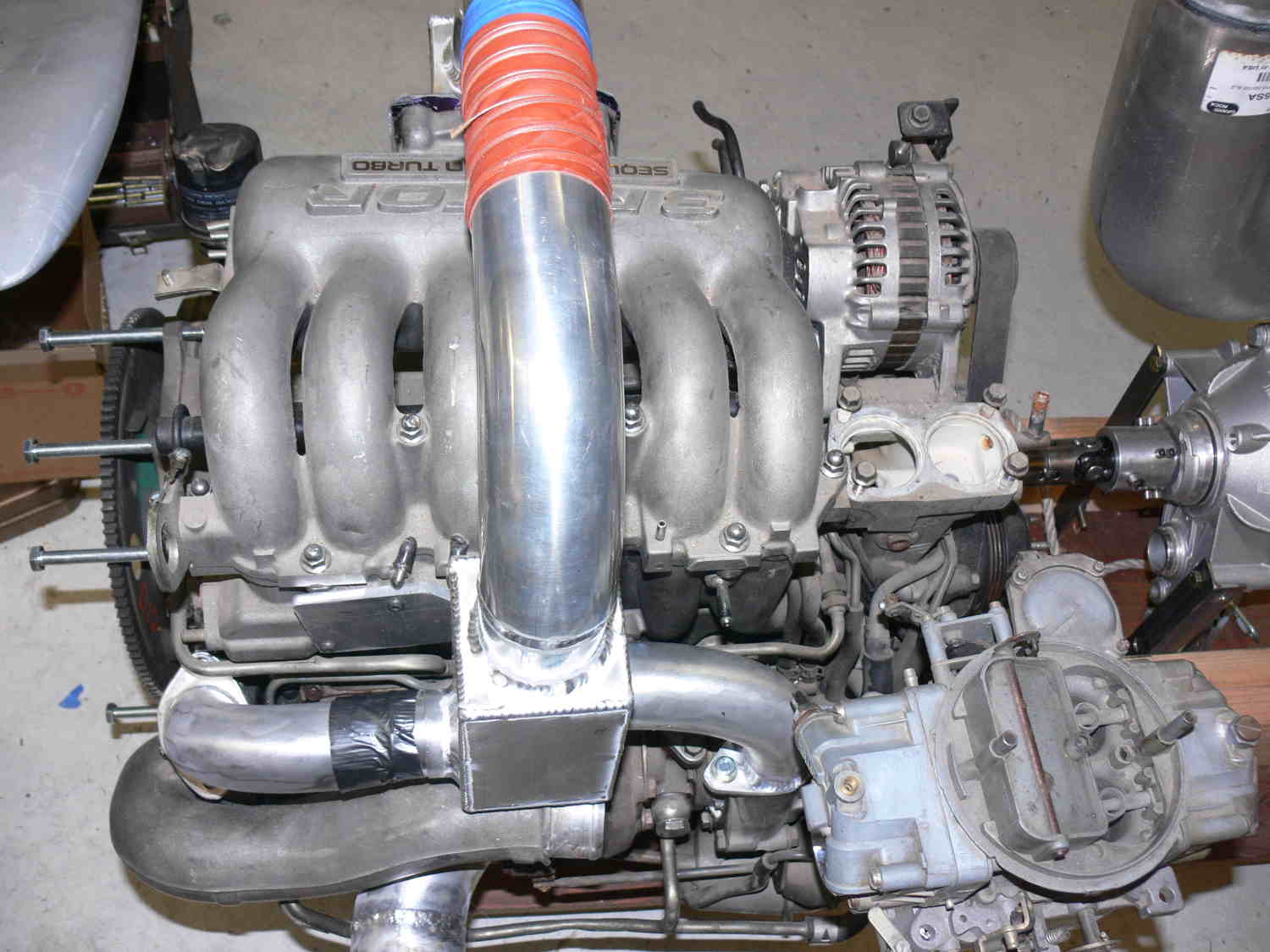
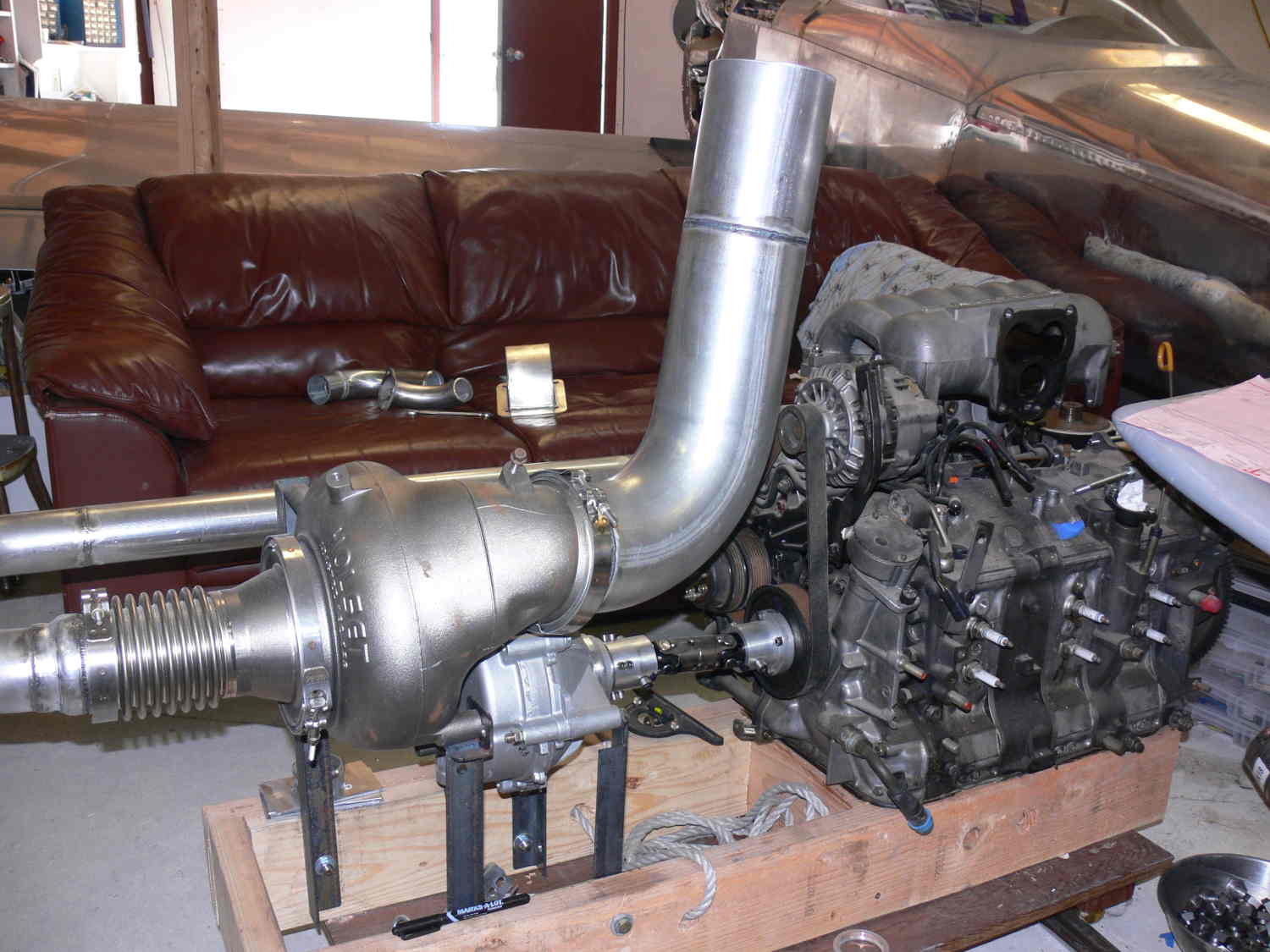
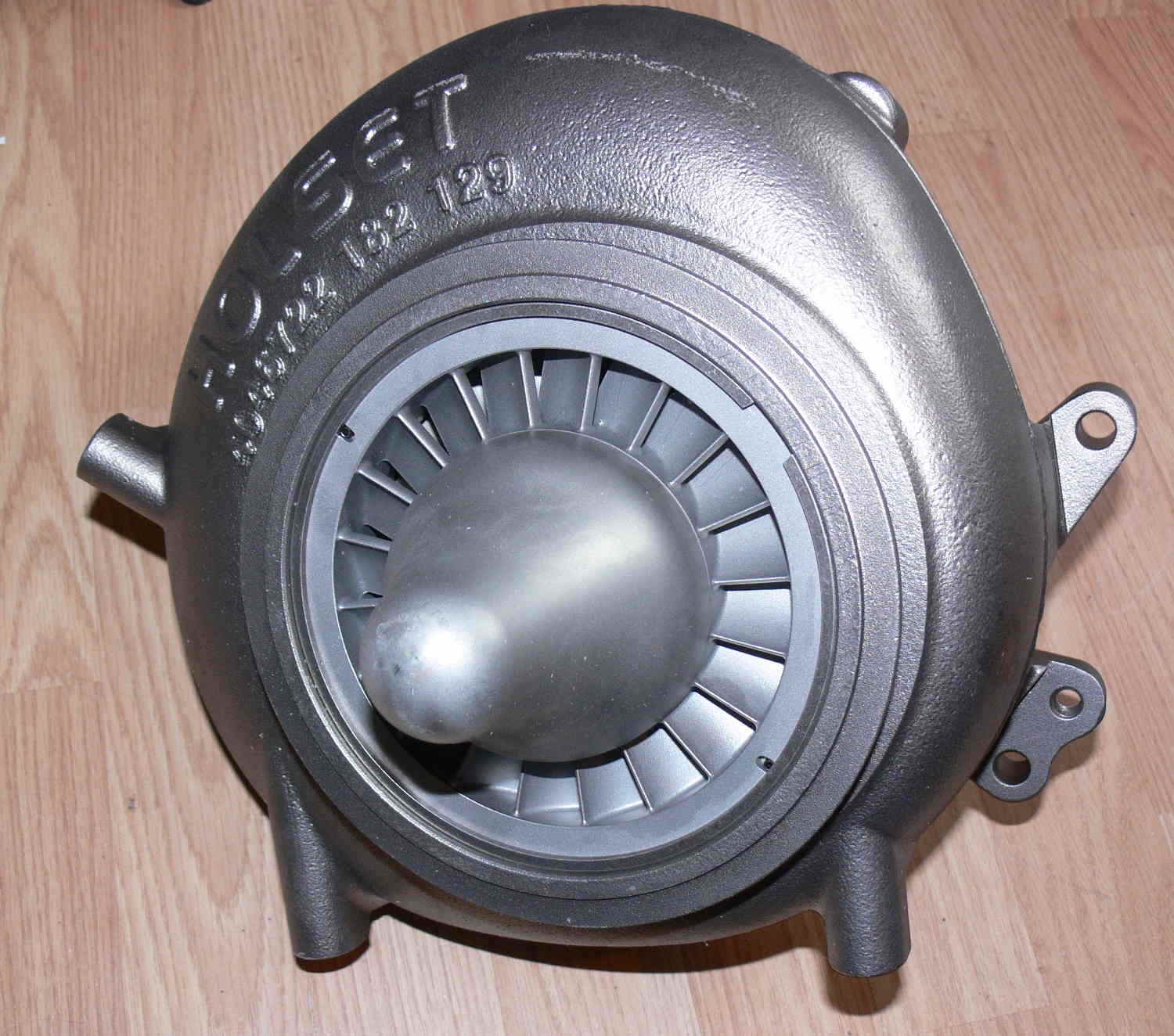
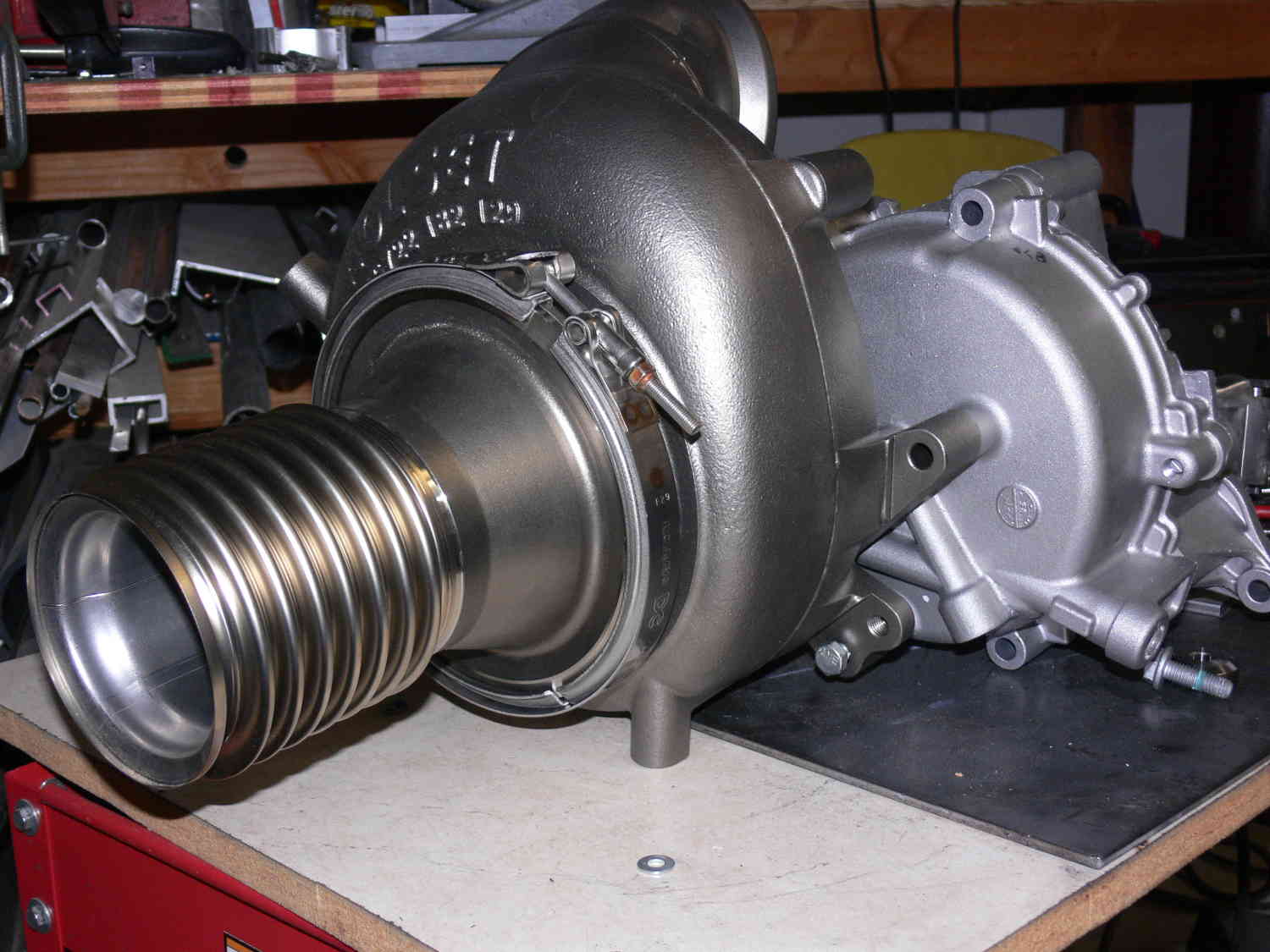
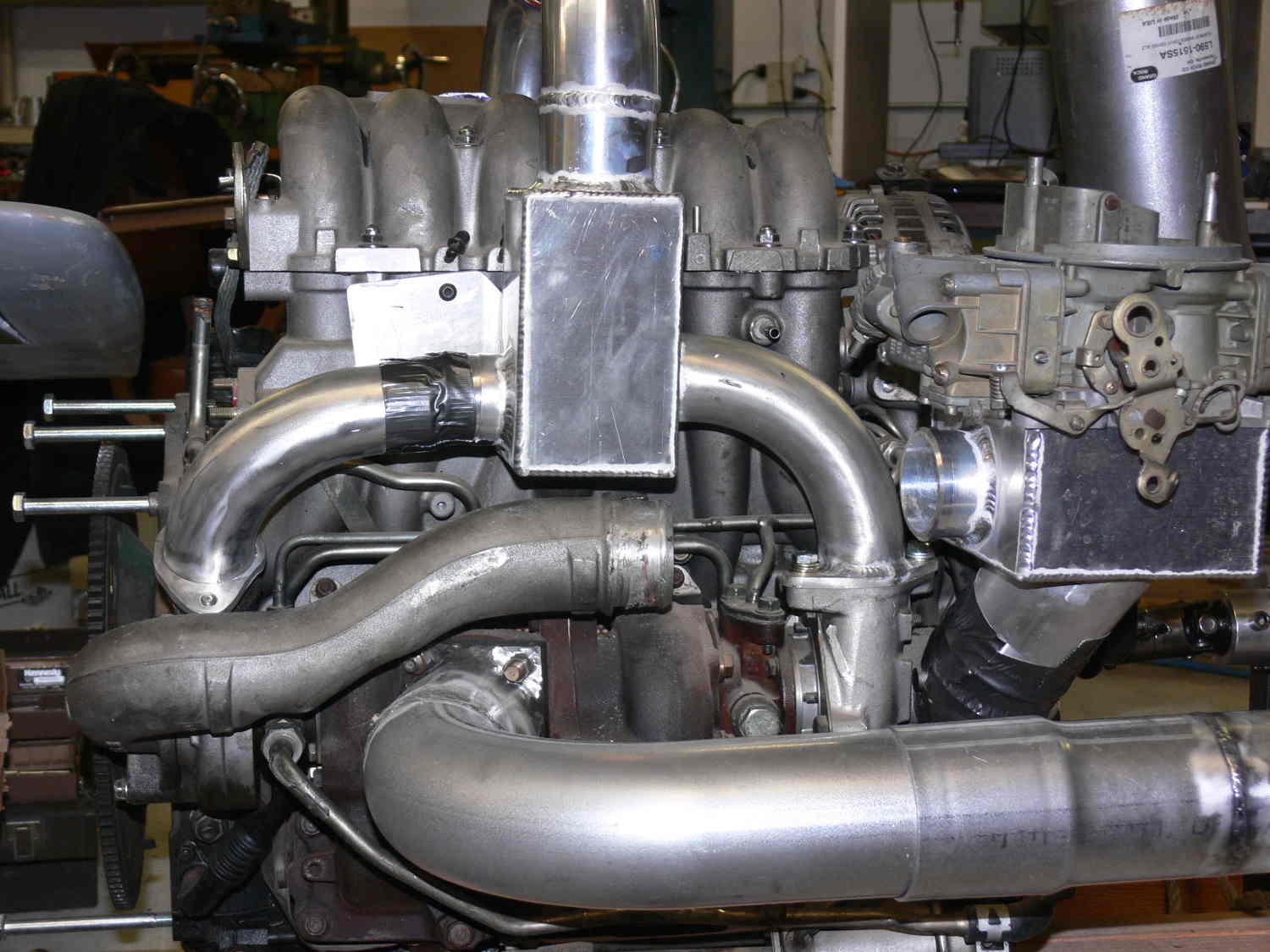
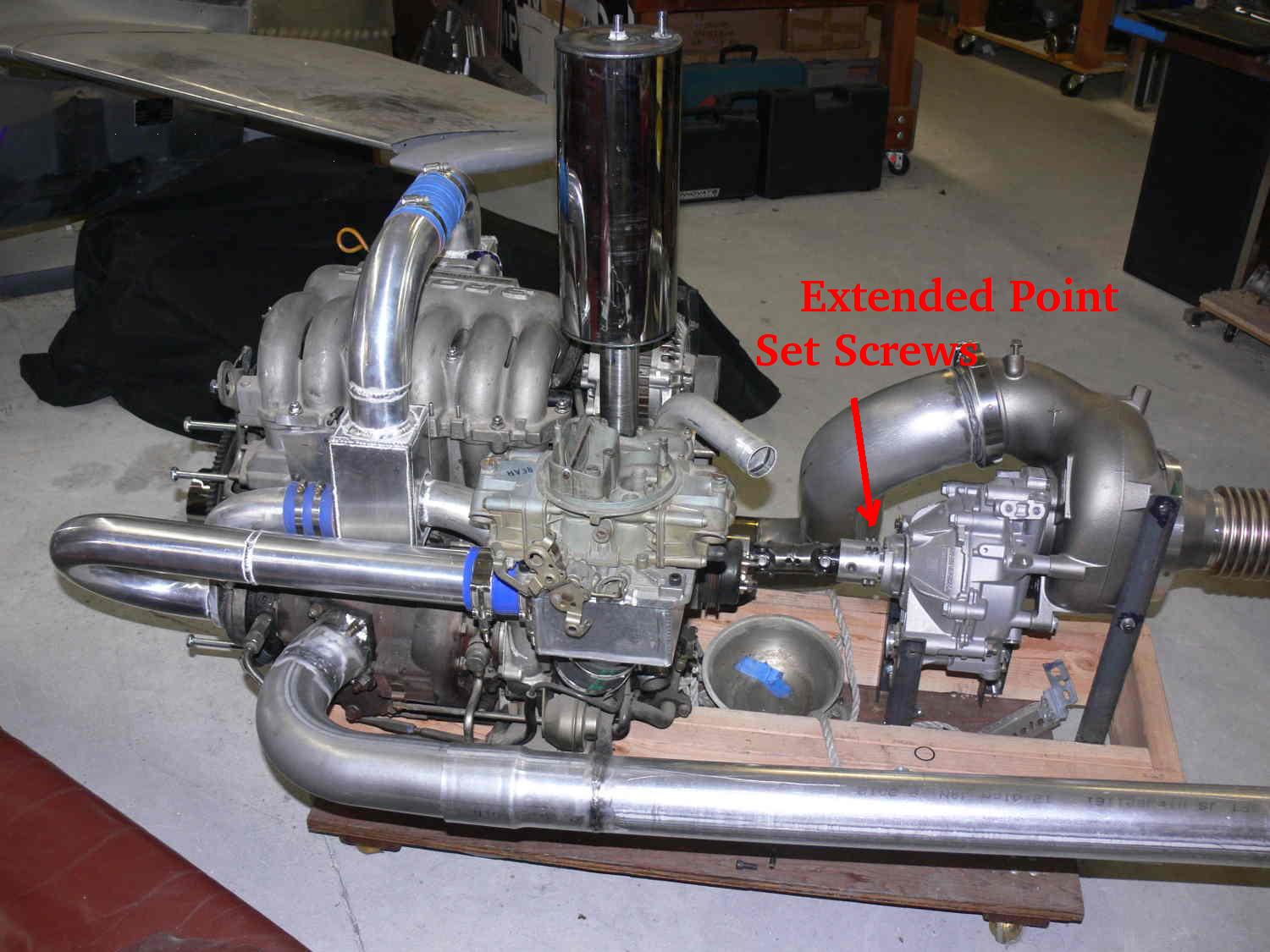
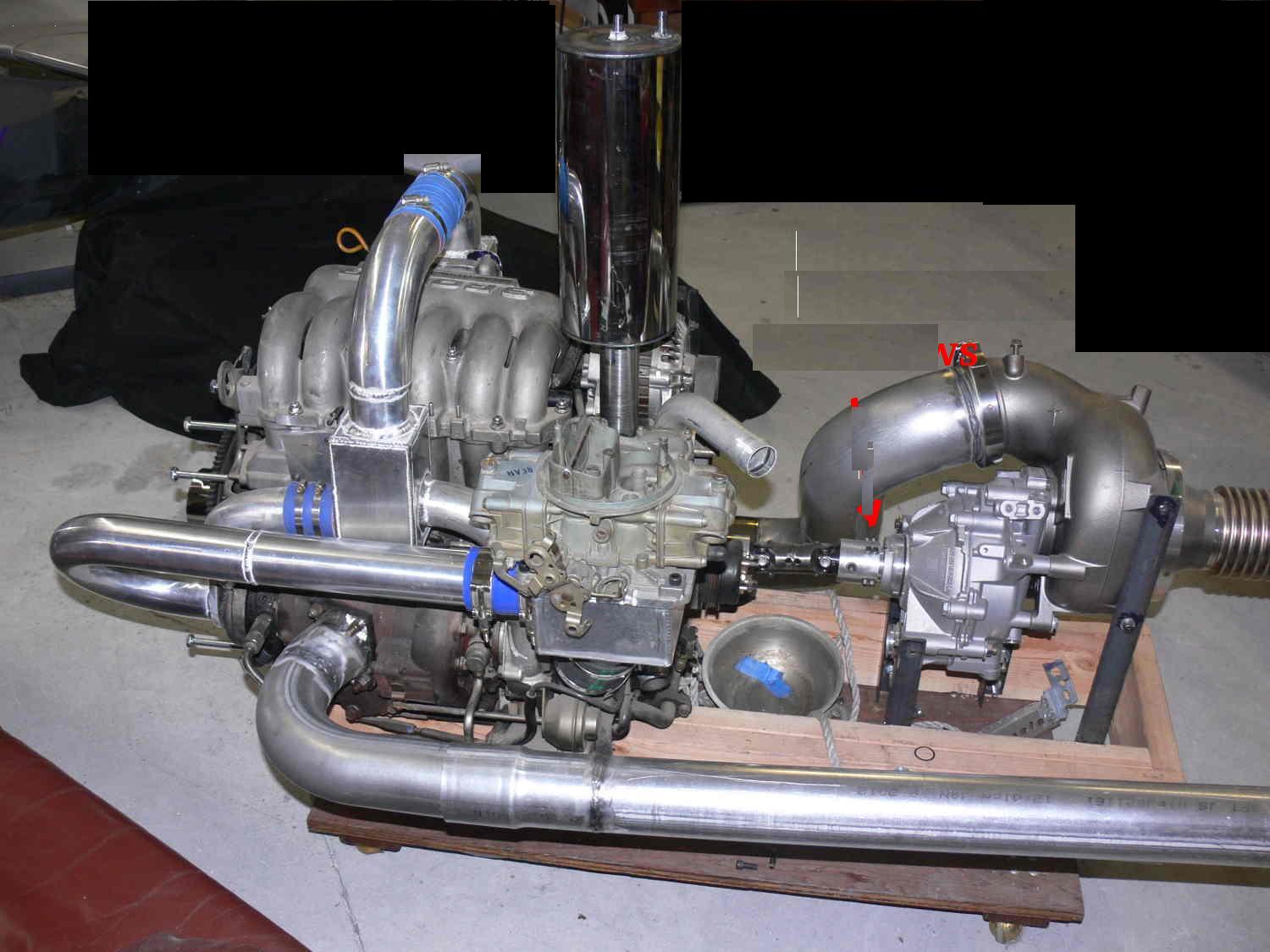
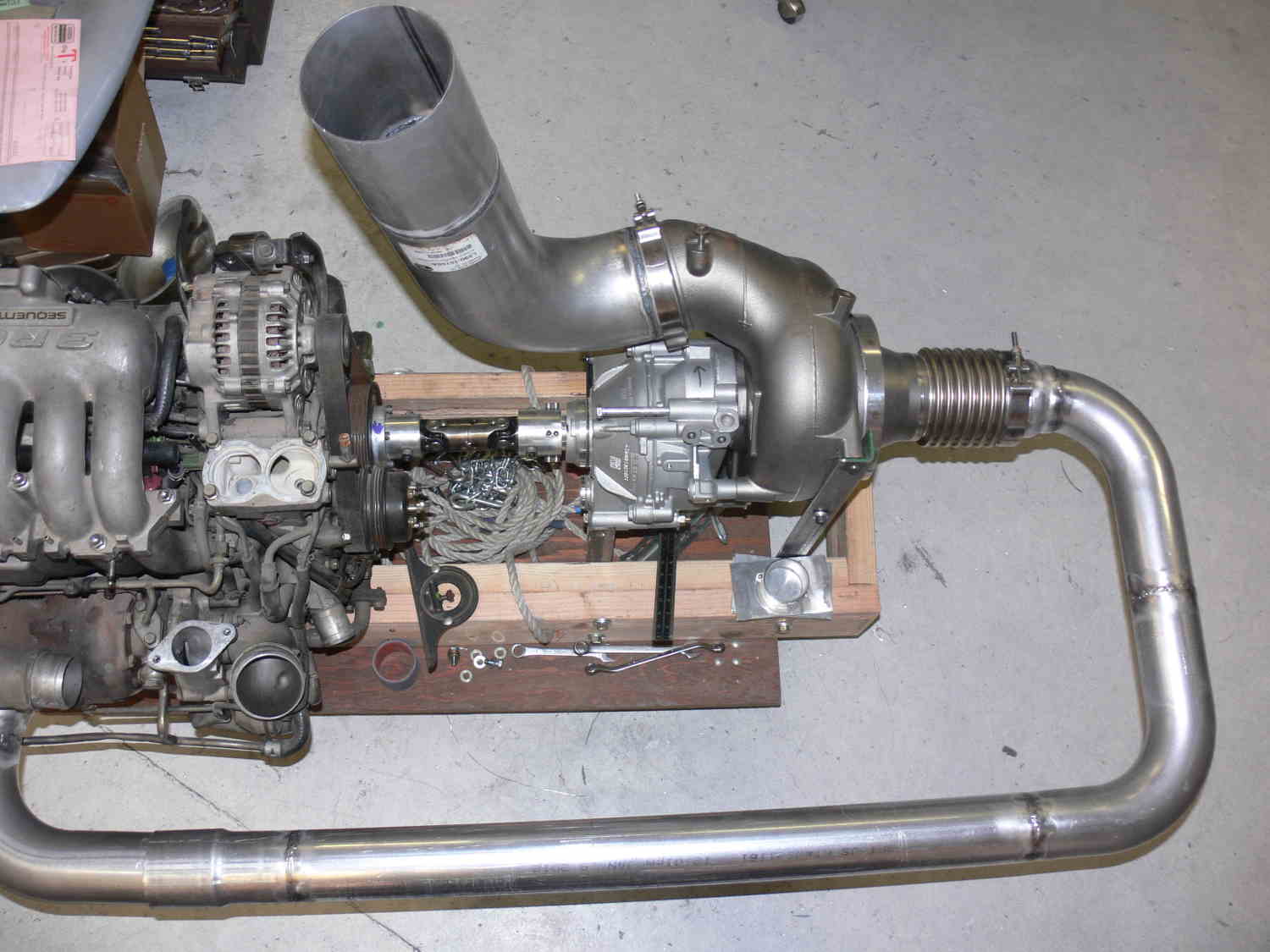
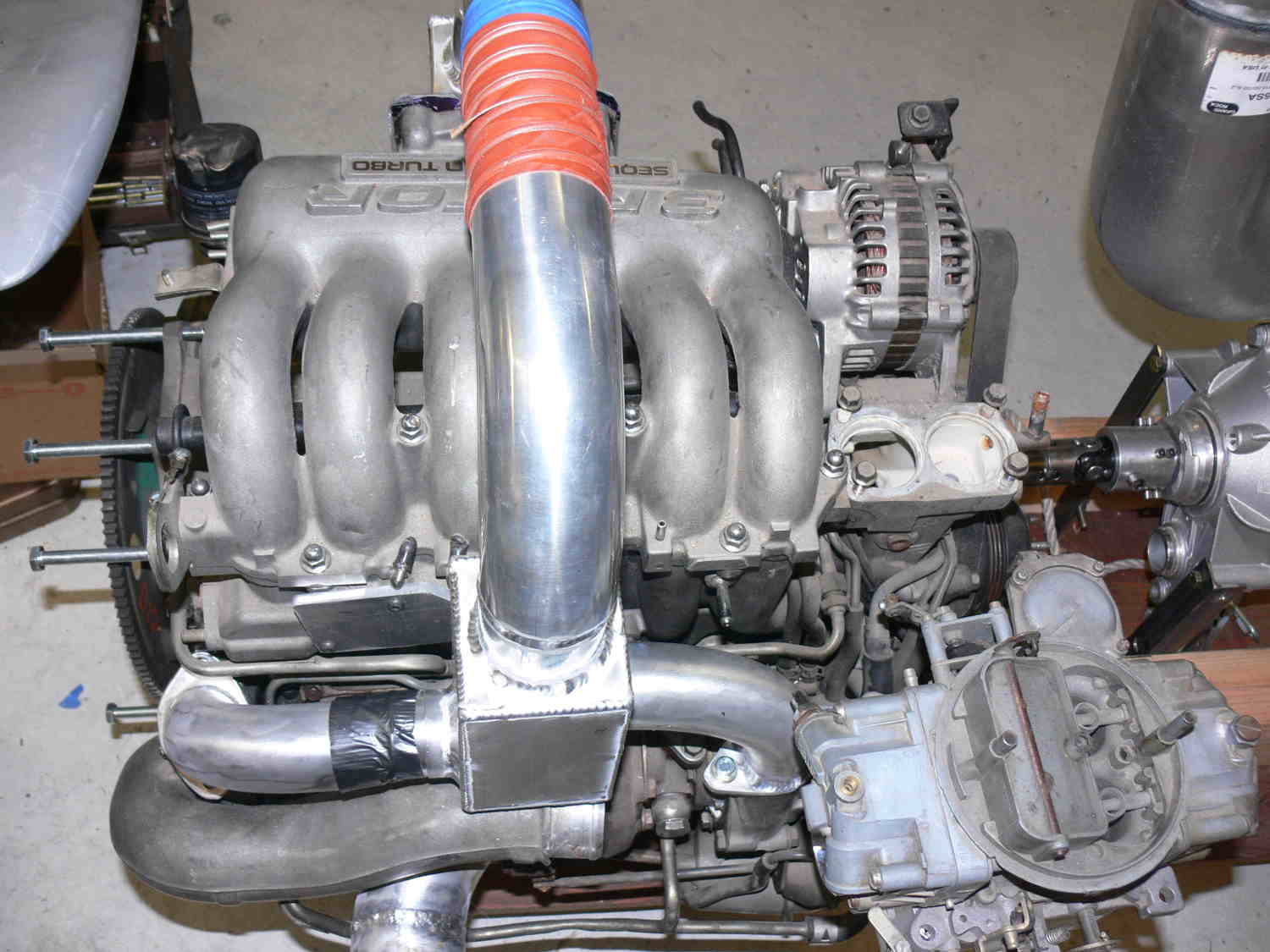
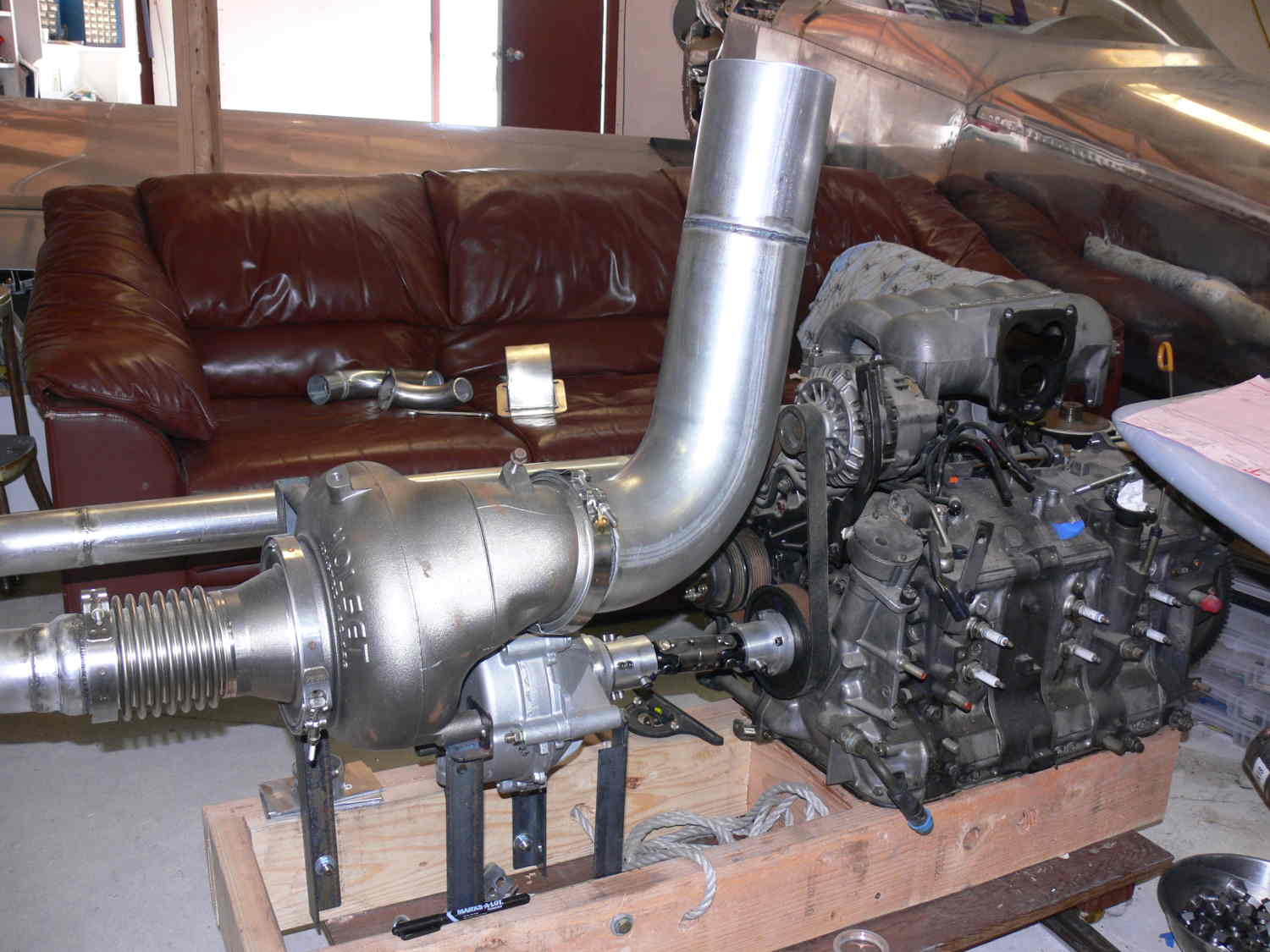
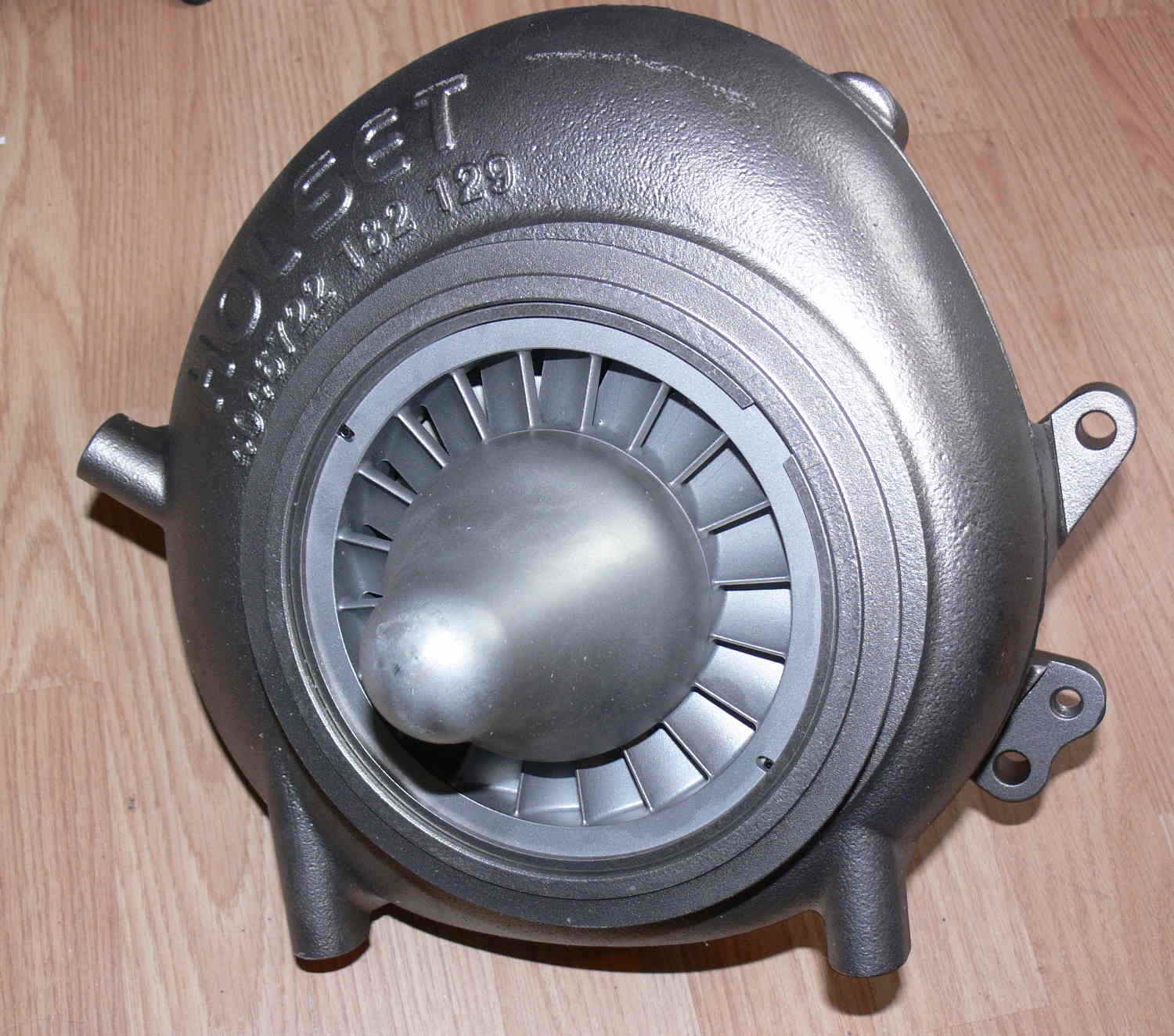
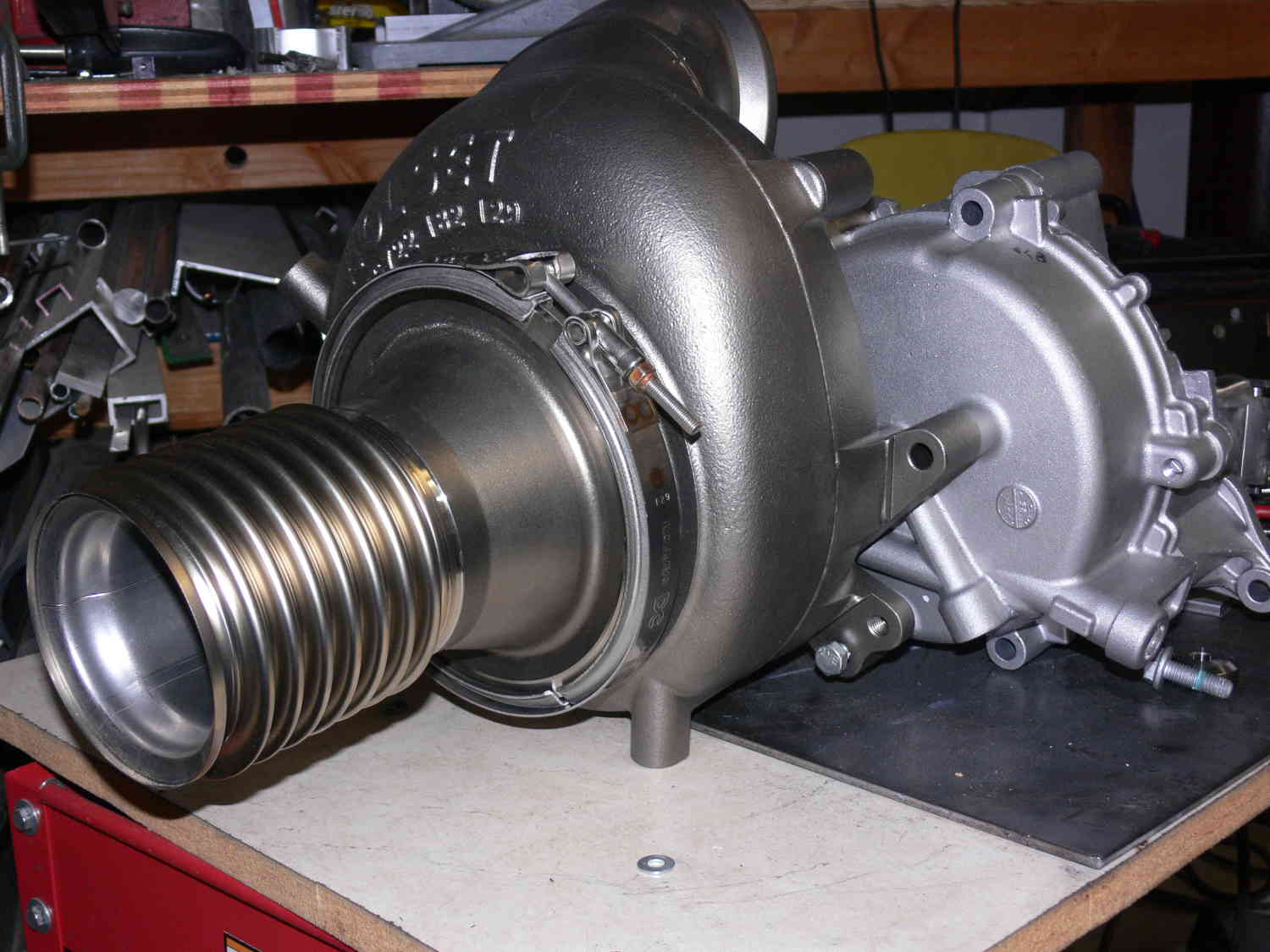
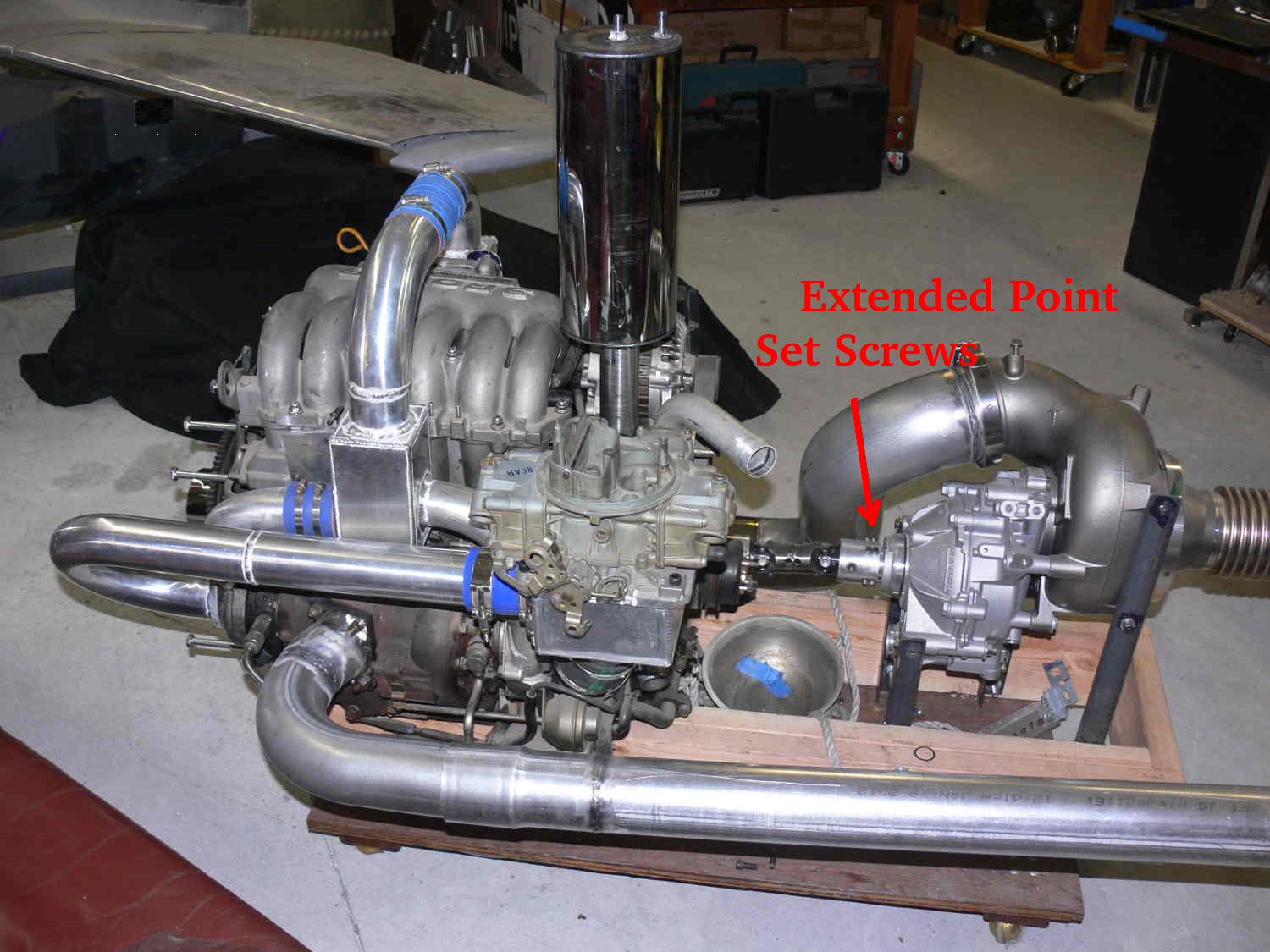
Here are some 3D's of the one rotor turbo compound.
BTW does anybody on here know why Ron Grable died?
Paul Lamar
I do have access to a dyno, but the time and cost to get the engine in the cell is
prohibitive. Instrumenting the plane with strain gages to measure torque and a
Micromotion flow meter to measure fuel is really not that hard. For me (an
experienced mechanical engineer) it would be a few days of work.
Hakan Uras
You don't need strain gages if you have a helical gear box and we do. You need a
gear box
for an aircraft rotary. Much much lower cost.
Paul Lamar
Hey Paul,
I have mentioned before I live in Bakersfield, Ca and have a load cell dyno and
it wouldnt be hard to add fuel flow to it I have a extra fc10 fuel flow gauge. I
would be interested in doing a few days of free testing. Do you still have that 3
rotor turbo compound engine you had for sale for a while, that would make a good
proof of concept and easy to reconfigure for testing.
Thanks, Jacob Sturges
Do you want to buy it?
I still have it.
Paul Lamar
------------------------------------------------------------------
Please add your questions or comments at the end of the thread.
Not the beginning.
I am going to enforce that rule. If people don't do that it will not be published.
My ISP changed the rules.
The Rotary Engine free News Letter. 750 subscribers world wide.
Powered by Linux. If you want off the list PLEASE let me know and I will remove you.
ACRE NL web site.
http://www.rotaryeng.net
YouTube Key word "PaulLamar2". Keep clicking
this as Youtube will try to divert you to advertising.
Copyright 1998-2019 All world wide rights reserved.