Paul, Torlon has a lower melting point than Teflon. It is harder
initially but would have the same problem. Carbon Fiber as a
reinforcement has its own problem. It burns. Buried in a seal it is less
likely but at the exhaust port it is likely to erode as well. What is
the impetus to use plastic apex seals?
Mazda did spend years at it as has been mentioned in the newsletter
often. Iron is one of the easiest metals to machine, very stable and has
already been proven. I worked as a machinist for 9 years before getting
into engineering. I would much rather machine iron than any plastic
except delrin The big factor is the ease at holding to a tolerance.
Delrin would never work for apex seals though.
If we are looking for a less wearing material I would look at one of
the high temp bronze materials like 954 aluminum bronze. Good for high
temperature and shock loads. I know we are just kicking this idea around
but you could knock out a iron seal on your CCM pretty easily. The
bronze would be even easier.
Bill Jepson
I was thinking of the OMC and Sach that have aluminum wear surfaces.
The best is to copy Mazda with the tried and true chrome and silicon
nitride seals.
Paul Lamar
Having the surface Nikasil coated is not cheap. I do not recall any of
the other all aluminum housings that were treated with Nikasil,
detonation coating, or even the ones lapped to bring up the silica
crystals as going anywhere.
Mazda with the steel liner however did, and continues to be bought,
driven, flown and now the new evolved design of their newest engine.
However for us home builders and experimenters that is a bit out of our
league. So we have to be inventive and find a way around the hard stuff
we can't afford and engineer.
There have been many companies touting the virility, robustness and
power output of their little rotaries. Yet they either do not last (as a
company) or it would be cheaper to just buy a 13B.
So we just have to stick with the knowledge handed down to us by Mazda,
and the old guys like Paul and do the best we can.
So we know we can not use iron apex seals for aluminum rotor housing. So
we need to figure out a way to get a .03 thick steel or stainless
coating/sheet inside that housing and get it to stay put. Also do it for
a price we can afford.
David MIkesell
David,
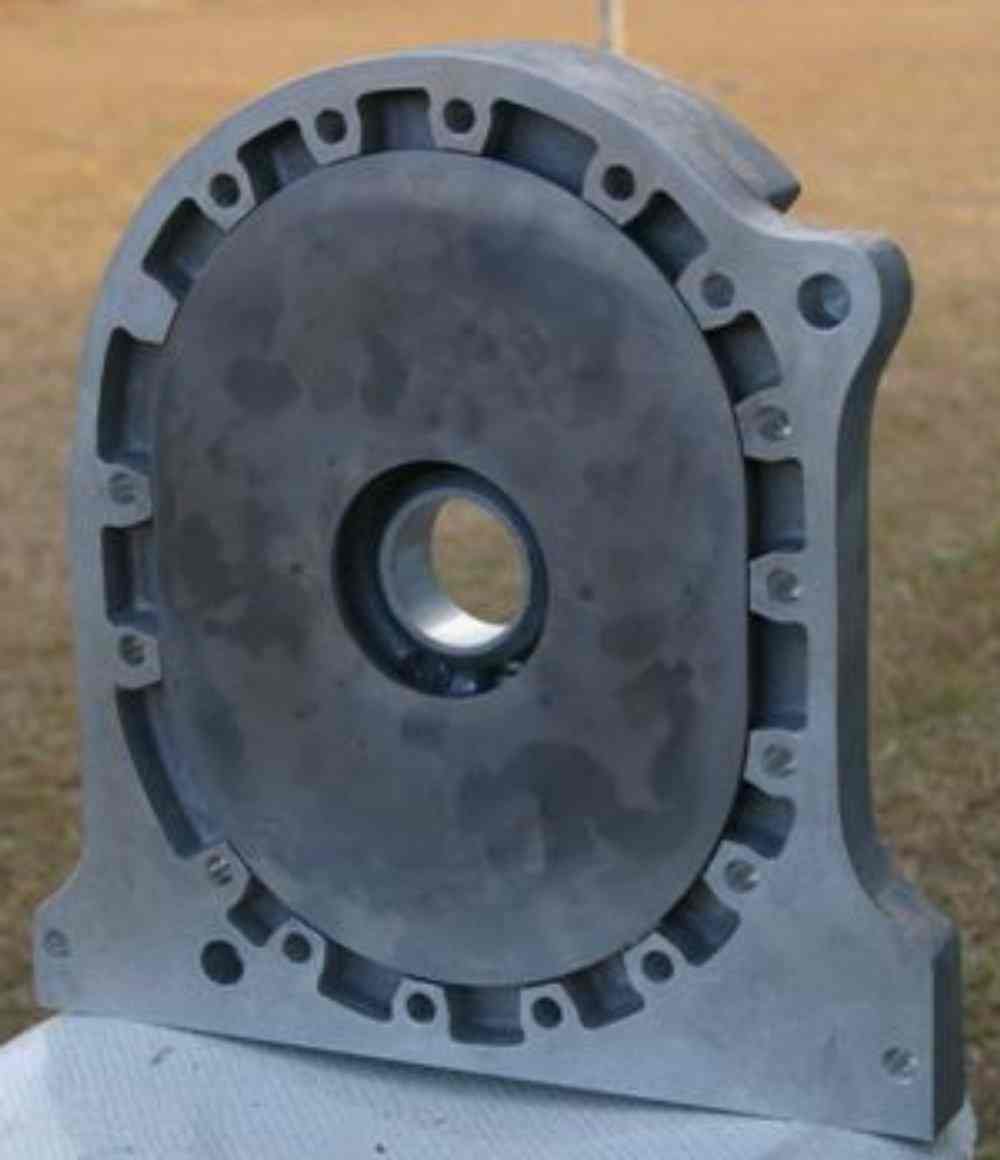
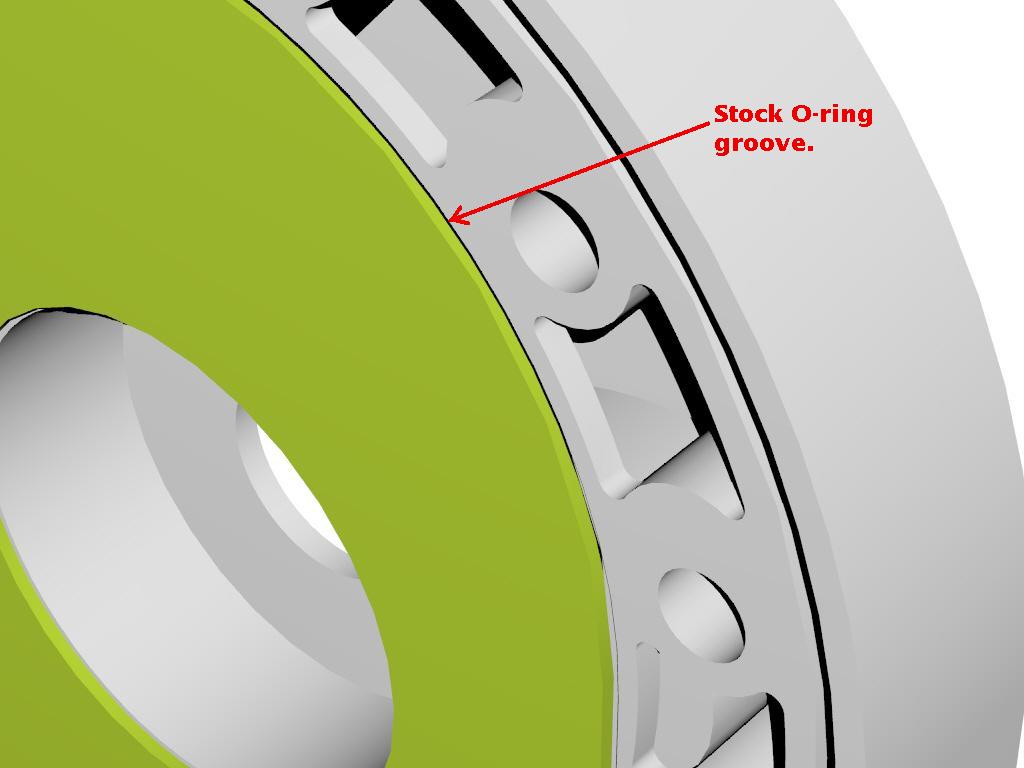
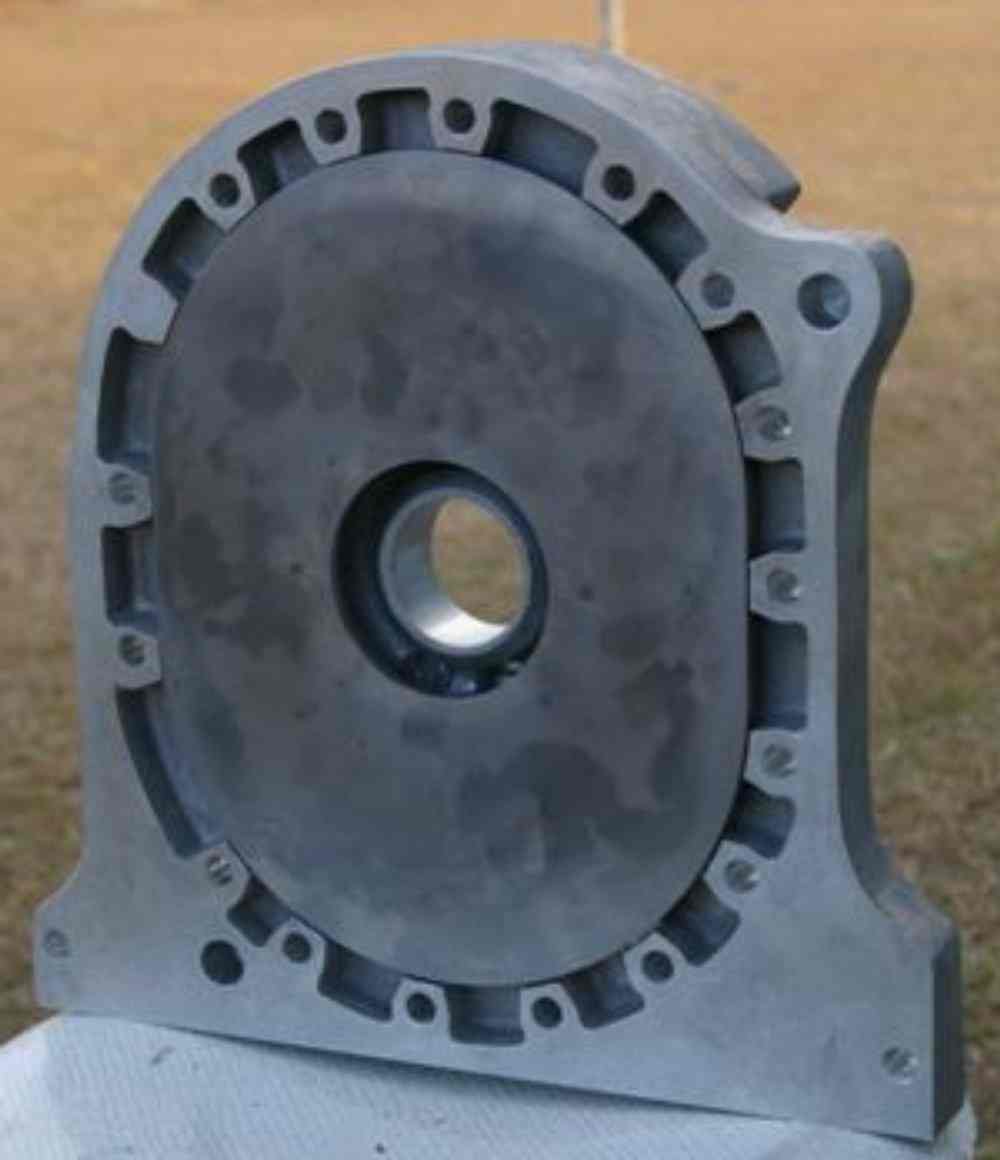
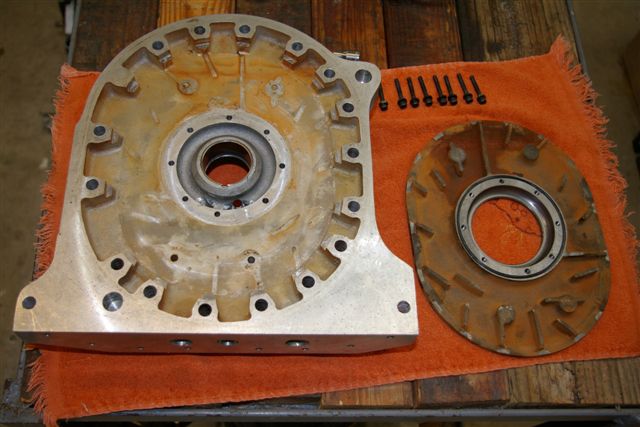
Powersport used all of the methods on their side housings. Steve tells
me that the Nickisil was the best over aluminum. They tried the 390 and
it worked, but was very susceptible to FOD. It also requires very
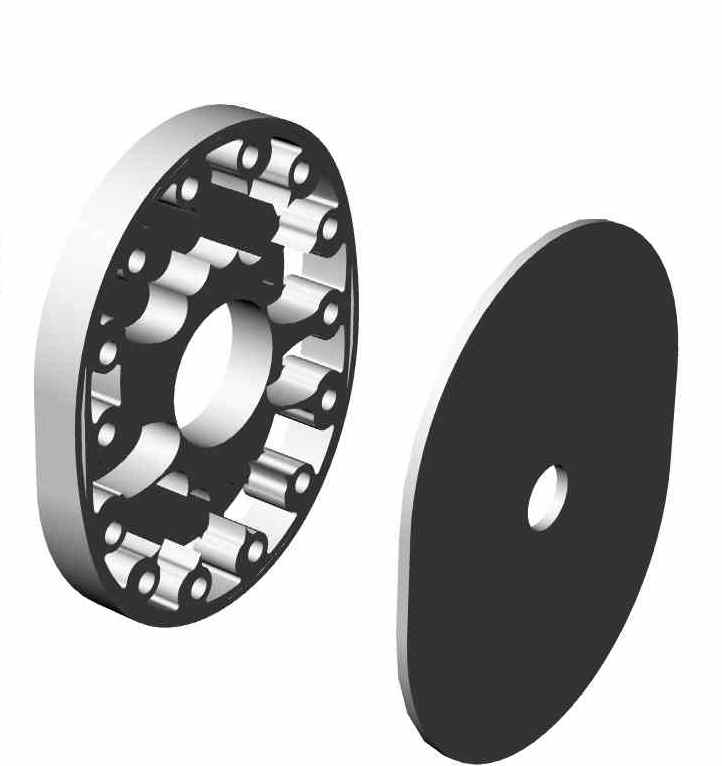
careful prep to work. They believed the best bet to be brazed steel
build up side housings because they can be nitrided. Only 1 pound
heavier than a aluminum! That is what we will try to get going again.
The other good possibility is compacted graphite iron. Much stronger
than the original housings. It can be cast much thinner and lighter. It
also can be nitrided for a tough finish.
Bill Jepson
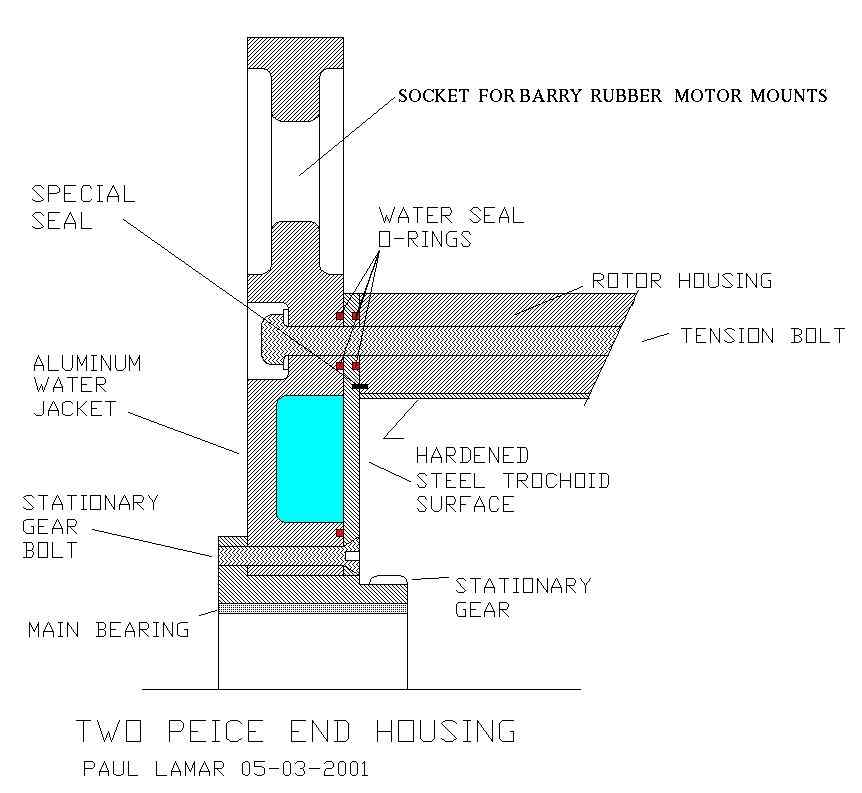
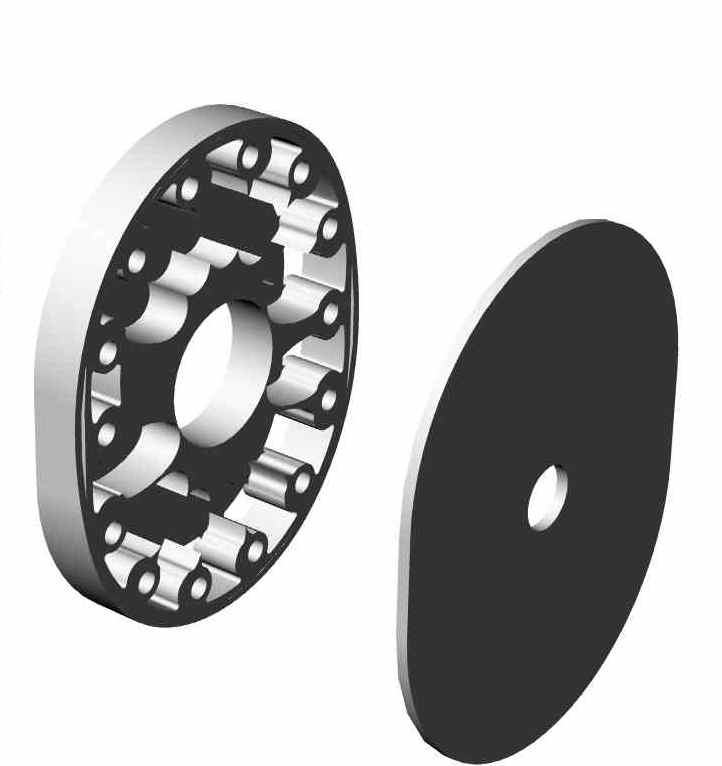
The same can be said for two piece side housings. I would opt for
chrome plating (the same as the stock Mazda rotor housing) as it reduces
the
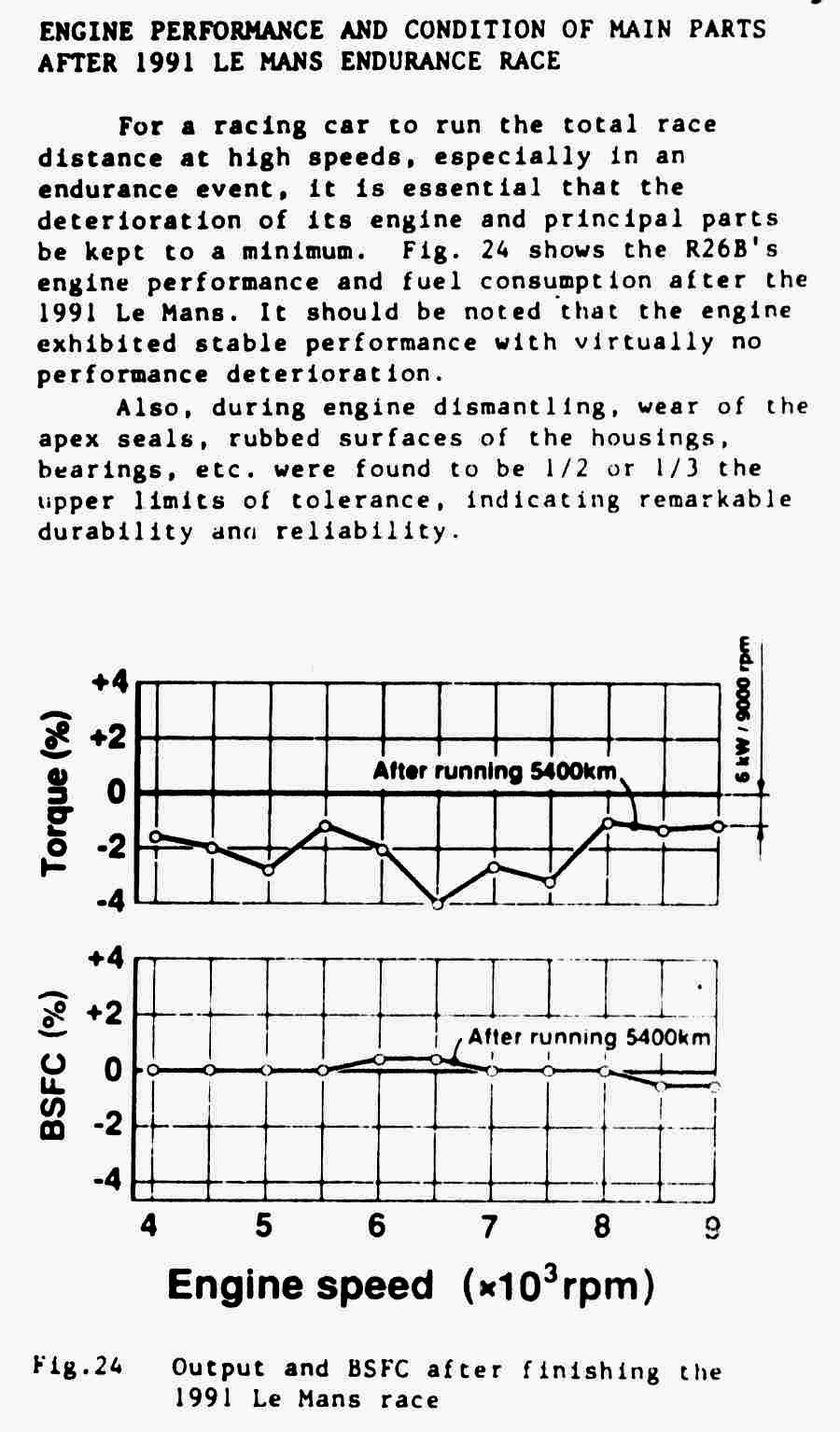
heat loss from the combustion chamber and there for reduces the BSFC.
Paul Lamar
The Rotary Engine free News Letter. Powered by Linux. If you want off
the list PLEASE let me know and I will remove you. ACRE NL web
site.
http://www.rotaryeng.net You Tube
http://tinyurl.com/beqqxas
Copyright 1998-2016 All world wide rights reserved.